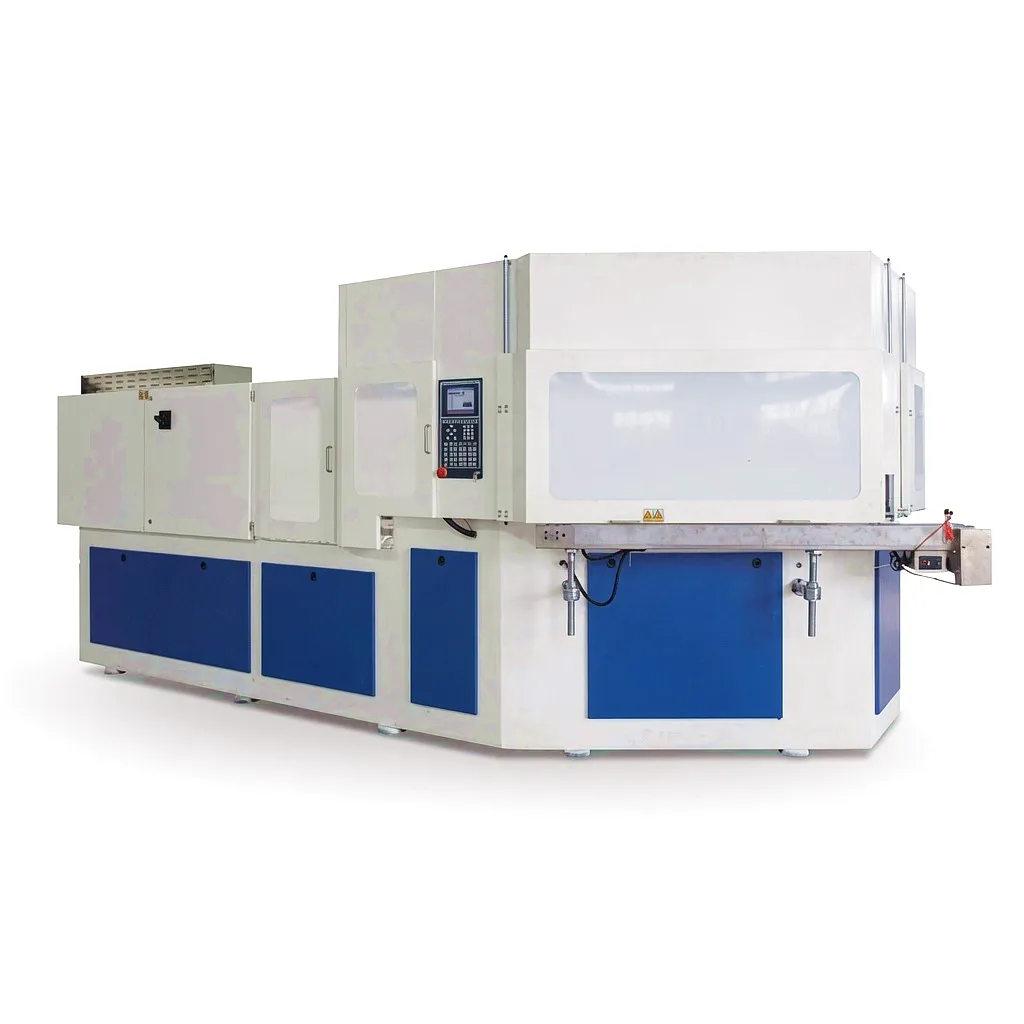
Among the most common questions raised by UK production engineers and plant managers is whether an injection blow moulding machine — commonly abbreviated as IBM machine — can realistically sustain 24-hour continuous operation without compromising output quality, tooling longevity, or worker safety. The short answer is yes, but the practical pathway to achieving genuinely stable, round-the-clock throughput is more nuanced than simply pressing the start button and walking away. Modern IBM machines, when correctly specified, properly maintained, and intelligently monitored, are designed from the ground up to support multi-shift and continuous production cycles. The key is understanding how each subsystem behaves under sustained thermal and mechanical stress, and implementing the right protocols before fatigue-related quality drift or unplanned downtime erodes your per-unit cost advantage.
This guide draws on real-world operational data from UK pharmaceutical, personal care, and food-grade bottling environments — facilities in the Midlands, South Yorkshire, and the North West that have integrated IBM equipment into continuous three-shift schedules. Whether you are evaluating your first injection blow moulding machine purchase or optimising an existing line in Birmingham or Sheffield, the technical framework presented here will equip you with the knowledge to make confident engineering decisions.
Understanding IBM vs Other Blow Moulding Processes
Before evaluating continuous-run feasibility, it is worth establishing precisely where injection blow moulding sits within the broader landscape of blow moulding technologies — because the answer to the 24-hour question differs substantially depending on which process you are running. Extrusion blow moulding (EBM), injection stretch blow moulding (ISBM), and IBM each carry distinct mechanical cadences, thermal profiles, and maintenance rhythms that directly influence how long each can run before intervention is required.
IBM machines occupy a particularly advantageous position in this comparison for the UK pharmaceutical and personal care sectors. Because the injection station and blow station are mechanically coupled on a rotating turret or shuttle platform, cycle times remain predictable and the process does not depend on parison-hang gravity effects that make EBM challenging on longer shifts. The sealed, enclosed nature of the IBM mould cavity also makes the process inherently cleaner, which matters enormously in facilities operating under UK Medicines and Healthcare products Regulatory Agency (MHRA) or BRC Global Standards frameworks.
How an IBM Machine Works: The Mechanical Principle
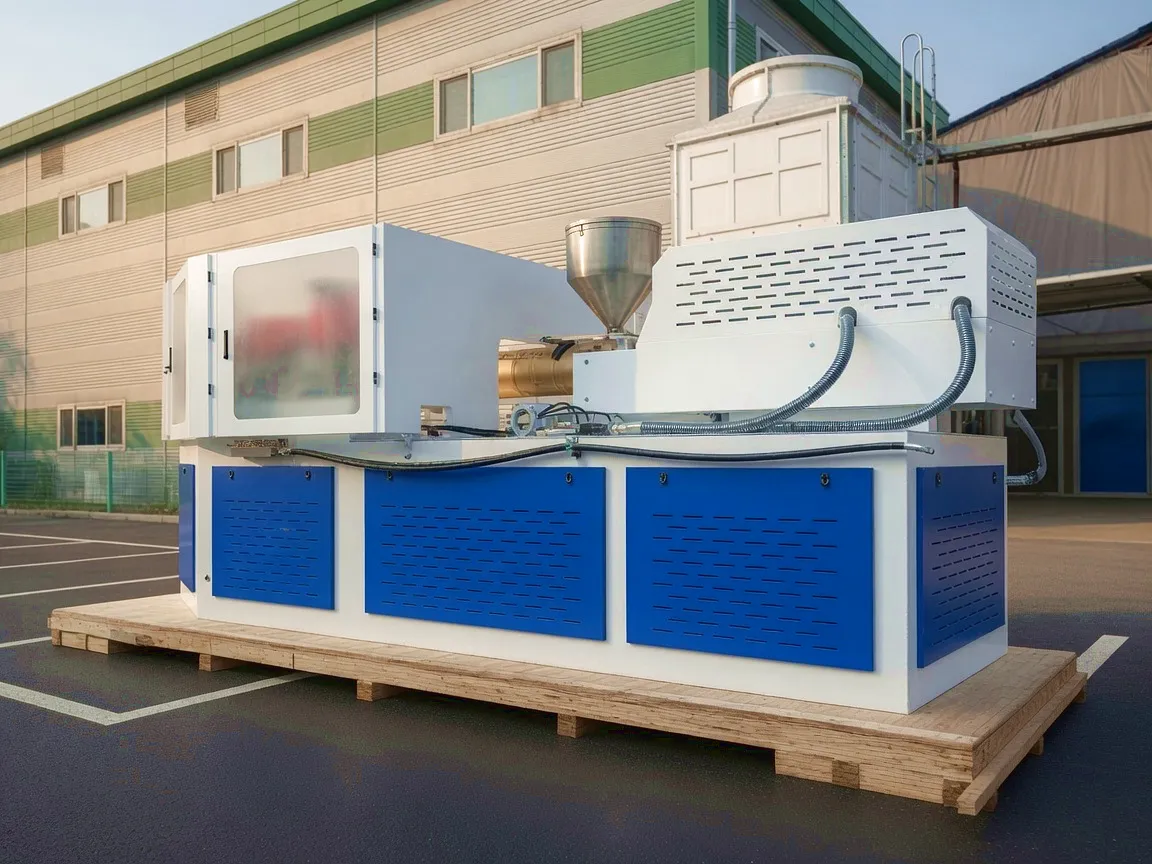
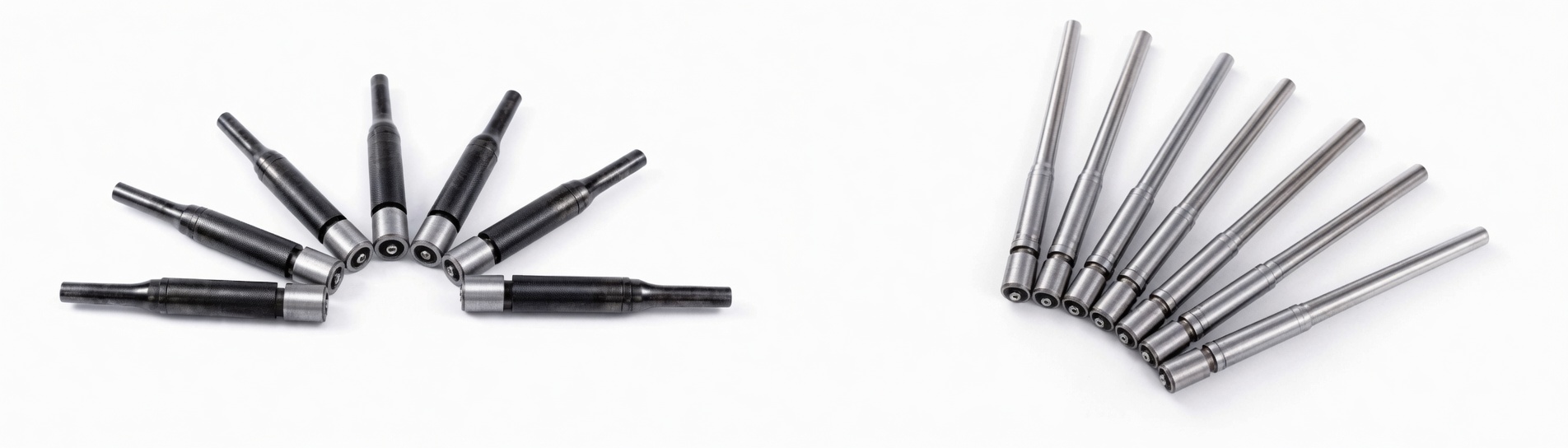
An injection blow moulding machine operates in three sequential but overlapping stages — injection, blowing, and ejection — each occurring simultaneously on different stations of the same rotary indexing turret. At the injection station, molten polymer is injected around a hardened steel core rod inside a precision injection mould, forming a hollow preform that already carries the bottle’s finished neck finish. The core rod retains the preform and indexes to the blow station, where compressed air — typically between 6 and 10 bar for standard applications — expands the still-hot preform against the contours of the blow cavity mould. After a brief cooling hold, the rod indexes again to the ejection station, where the finished container is stripped from the rod by mechanical fingers or stripper plates and conveyed downstream.
This tri-station rotary architecture is precisely why IBM machines are so well-suited to 24-hour continuous production. Because all three operations occur simultaneously on the same machine cycle, there is no idle time between shots — the machine produces one finished bottle for every index cycle. In a correctly tuned three-station IBM machine running an 8-second cycle, that translates to 450 finished containers per hour per cavity. Multi-cavity tooling — four-up, six-up, or even twelve-up configurations — multiplies this output linearly, meaning a well-specified IBM line can realistically produce between 3,000 and 10,000 units per hour depending on container size and cavity count.
The key thermal engineering challenge during continuous operation is maintaining stable melt temperature in the injection barrel while managing the heat balance of the core rod. If the core rod does not cool sufficiently between the blow station and the re-injection cycle, preform wall thickness distribution becomes erratic, leading to thin spots that cause bottle failure under pressure testing. Most modern IBM machines address this with active rod cooling channels that circulate temperature-controlled water at a setpoint typically between 12 °C and 18 °C, monitored and adjusted in real time by the machine’s PLC.
Preheat Temperature Profiles and Wall Thickness Uniformity Control
Wall thickness uniformity is the single most reliable proxy for IBM machine health during a continuous run. A freshly calibrated machine running undegraded material should achieve wall thickness variation of no more than plus or minus 8% across the body of the bottle. As a continuous production shift extends beyond eight hours without thermal re-equilibration, two compounding effects tend to push this variation upward: firstly, viscosity drift in the injection melt as small fluctuations in back pressure accumulate, and secondly, progressive thermal expansion of the core rod itself, which subtly alters the preform wall distribution before the blow station can fully compensate.
The practical solution is to build wall thickness sampling into your standard operating procedure at intervals no greater than two hours during continuous operation. Many UK pharmaceutical packaging sites using IBM equipment now deploy inline vision systems that measure container dimensions at the takeoff conveyor, flagging any part that drifts more than 6% from the nominal wall target and triggering an automatic process correction signal to the machine’s PLC. This removes the reliance on manual sampling and allows genuinely unattended overnight production — a significant operational advantage for facilities in Nottingham and Leicester running lean three-shift models.
IBM Equipment Technical & Performance Specification Table
The following table outlines the key engineering parameters that govern IBM machine performance during continuous 24-hour production. These figures represent typical ranges across the Ever Power ZQ series range; individual machine datasheets should always be consulted for exact values relevant to a given application.
Mould Design and Bottle Profile Optimisation for Long Runs
Mould design is arguably the single biggest variable in whether an IBM machine sustains quality across a 24-hour production window. A mould that has been engineered specifically for long-run continuous operation will behave very differently from one designed to produce occasional short runs. The distinction lies primarily in the cooling channel architecture, the surface hardness of the cavity insert, and the precision of the core rod-to-cavity alignment at the blow station.
For continuous UK production environments, Ever Power recommends cavity inserts machined from P20 or H13 tool steel, hardened to 50–54 HRC, with conformal cooling channels produced by deep-drilled or BIM (bimetal insert) technology. Conformal cooling — where the coolant channel follows the contour of the bottle profile rather than running in straight lines — reduces cooling time by up to 22% compared with conventional straight-drilled channels, allowing faster cycle times without sacrificing part quality. This directly translates into greater output per shift without additional energy input.
Bottle profile geometry also plays a significant role in run stability. Profiles with sharp internal radii below 0.8 mm or with significant draft angle variation require more precise preform distribution to prevent thin spots at the sharpest transitions. For UK personal care clients in Leeds who need square or rectangular cross-sections, Ever Power’s engineering team uses finite element analysis (FEA) simulation to predict and pre-compensate preform wall distribution before cutting steel, significantly reducing the trial-and-error iterations that otherwise extend commissioning time.
Core Technical Advantages of IBM Machines in 24-Hour Production
Unlike EBM, IBM produces no pinch-off flash, eliminating the secondary trimming stations and scrap management overhead that can stall a continuous line for cleaning cycles.
Neck geometry is formed in the injection mould and never re-worked, giving dimensional consistency on thread pitch, sealing surface, and orifice diameter across millions of cycles — critical for pharmaceutical closures.
Once an IBM machine reaches thermal equilibrium — typically within the first 20–40 minutes of operation — process stability actually improves over time, unlike EBM where parison sag worsens with rising melt temperature.
Servo-driven IBM machines consume energy in proportion to load rather than continuously, achieving 30–45% lower electricity costs per 1,000 bottles versus fixed-speed hydraulic equivalents — a meaningful saving at UK commercial electricity tariffs.
The enclosed mould area, absence of parison exposure, and lubrication-reduced servo actuation make IBM machines compatible with ISO Class 7 and ISO Class 8 cleanroom environments, supporting MHRA GMP compliance in UK pharma facilities.
IBM machines accept cavity tooling from single-cavity up to twelve-up or more, allowing production volume to be scaled without purchasing additional machines — a capital efficiency advantage that resonates strongly with UK SME manufacturers.
Energy Optimisation and Efficiency Retrofits for Continuous IBM Production
Running a blow moulding machine continuously for 24 hours on UK grid electricity — currently averaging above 25 pence per kWh for industrial users — demands a rigorous approach to energy consumption. Every unnecessary watt consumed during a continuous run directly erodes margin per bottle. The good news is that modern IBM machines offer multiple lever points for energy reduction, and even older hydraulic-only machines can be significantly upgraded through targeted retrofits.
The highest-impact single improvement available is the replacement of fixed-speed hydraulic pump drives with servo-hydraulic or fully servo-electric actuator packages. A fixed-speed hydraulic power unit runs its motor at full load regardless of whether the machine is actively clamping or injecting, dissipating surplus energy as heat in the hydraulic fluid. A servo-driven system, by contrast, commands motor torque only when mechanical work is being demanded — reducing idle-state power draw by 60–80%. Across a 24-hour production run, this typically saves between 40 and 90 kWh per machine per day, depending on shot size and cycle time.
Barrel heating optimisation is the second major energy opportunity. Traditional resistance heating bands operate in a simple on-off duty cycle that overshoots and undershoots target temperature, wasting energy on unnecessary heating events and introducing melt temperature variation that harms part quality. PID-controlled ceramic heating bands with precise duty cycle modulation hold barrel zone temperatures to within plus or minus 1 °C, reducing heating energy consumption by 15–25% while improving melt consistency. For UK facilities seeking ISO 50001 energy management certification — increasingly required by large retail and pharmaceutical customers — these measurable improvements contribute directly to the evidence base required for certification.
Industrial Application Scenarios: IBM Machines Running 24 Hours in the UK
Contract pharmaceutical manufacturers in Nottingham and Derby run IBM machines 24 hours, five to seven days per week producing HDPE and PP tablet bottles in 30 ml to 500 ml formats. The absence of flash and the precision neck finish ensure child-resistant closure compatibility on every bottle, meeting BS EN ISO 8317 requirements without secondary inspection overhead.
Shampoo, conditioner, and body wash bottle manufacturers near Birmingham and Coventry use IBM lines to produce high-clarity PP and LDPE bottles with complex oval or ergonomic profiles. Continuous 24-hour operation is standard on high-demand SKUs, with changeover windows scheduled at shift transitions using quick-release mould clamping systems to minimise downtime.
Sheffield and Rotherham food manufacturers producing sauce, oil, and vinegar bottles rely on IBM lines running continuous overnight shifts to meet supermarket call-off schedules. HDPE bottles produced on IBM equipment meet UK Food Standards Agency material compliance requirements, and the process produces no trimmed scrap that could contaminate the food production environment.
Precision HDPE and PP sample bottles, reagent containers, and specimen collection vials are produced on IBM lines supplying the UK life sciences cluster across Oxfordshire and Cambridgeshire. Here the demand for dimensional precision on neck threads and internal volume accuracy is extremely high, and the IBM process delivers the consistency required for Class I medical device packaging.
Automotive and engineering lubricant packagers in Greater Manchester use IBM technology to produce HDPE oil and coolant bottles with wide-neck designs. The IBM process’s ability to form thick, stress-crack-resistant base sections without additional post-processing makes it ideal for containers that must withstand UK transport logistics and cold chain distribution requirements.
IBM Machine Troubleshooting Guide for Continuous 24-Hour Production
A well-maintained IBM machine running properly specified tooling and material should encounter fewer than three production stoppages per 24-hour shift. The most common cause of unplanned downtime in continuous IBM operation is not mechanical failure but process drift — gradual, unmonitored changes in melt temperature, coolant flow, or material drying that compound over hours until they cross a quality threshold. Building automated monitoring into your production line is the most effective insurance against this class of problem.
Ever Power: Precision IBM Manufacturing and Custom Engineering
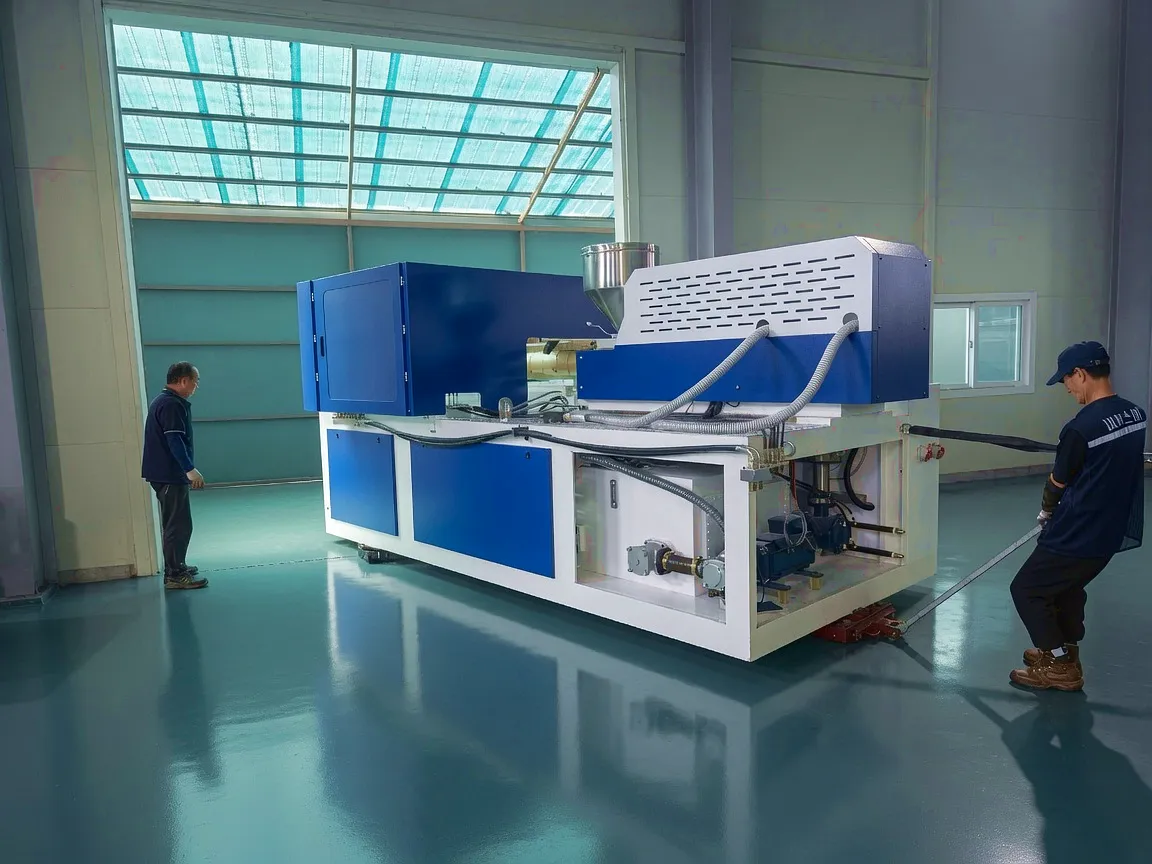
Ever Power is a specialist manufacturer of injection blow moulding machines with deep engineering expertise in designing equipment specifically for continuous, high-throughput production environments. The company’s manufacturing facility operates to rigorous quality management standards, with every IBM machine undergoing a full factory acceptance test (FAT) protocol prior to shipment — a process that simulates the machine’s actual production conditions for a minimum of eight hours to validate performance stability before the equipment ever reaches a customer’s floor.
What distinguishes Ever Power’s offering for UK B2B customers is the depth of customisation capability available across the entire machine and tooling package. Rather than selling standard machines and leaving customers to adapt their process, Ever Power’s engineering team engages at the application design stage — working from the customer’s bottle drawing, material specification, production rate requirement, and factory infrastructure constraints to configure a machine that is purpose-built for the application. This might involve specifying a non-standard screw geometry for a particular polymer blend, designing a custom barrel bimetallic liner for a corrosive additive package, or engineering a specialist blow mould cooling circuit for a demanding continuous cycle target.
The supply chain infrastructure behind every Ever Power IBM machine reflects the company’s commitment to long-term customer partnerships. Key components — injection barrel assemblies, core rod sets, blow mould inserts, servo drive units — are manufactured and stocked in sufficient depth to support next-day dispatch to UK customers via established freight partnerships, minimising the parts lead time risk that represents the greatest operational vulnerability for a facility running continuous production. Remote diagnostic capability is integrated into the machine control architecture, allowing Ever Power’s technical team to identify and resolve a significant proportion of process drift issues without requiring an on-site service visit.
Ever Power IBM Machine Product Range
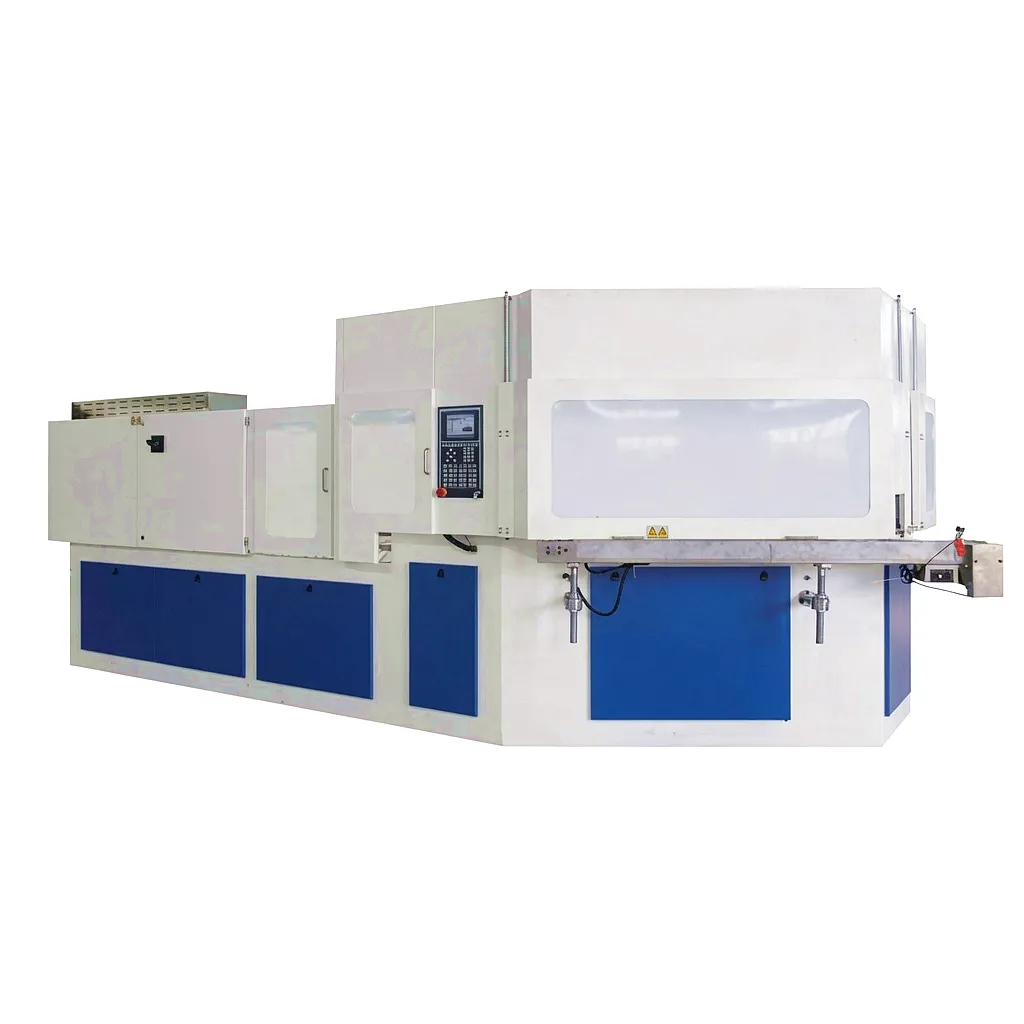
Two core IBM platforms are available from Ever Power for UK and international customers, each engineered to support demanding continuous production schedules. Both machines share a common control architecture and tooling interface standard, ensuring that process knowledge and tooling investment transfers between platforms as your production requirements evolve.
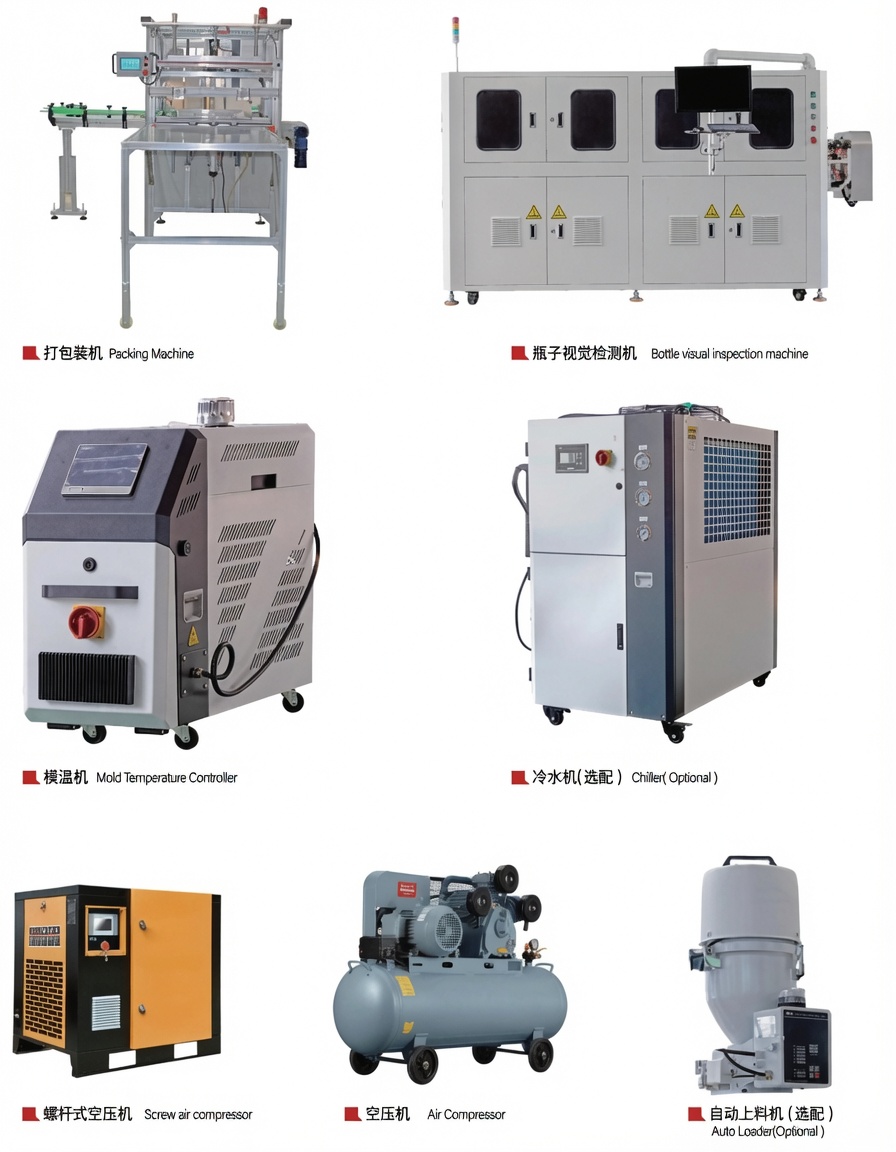
IBM System Auxiliary Equipment and Accessories
A continuous 24-hour IBM line is more than the moulding machine alone. The auxiliary systems — material handling, temperature control, cooling, conveying, and inspection — each play a critical role in sustaining output quality across an extended production window. Ever Power supplies or specifies the full auxiliary equipment package to ensure every element of the production system is matched to the machine’s requirements.
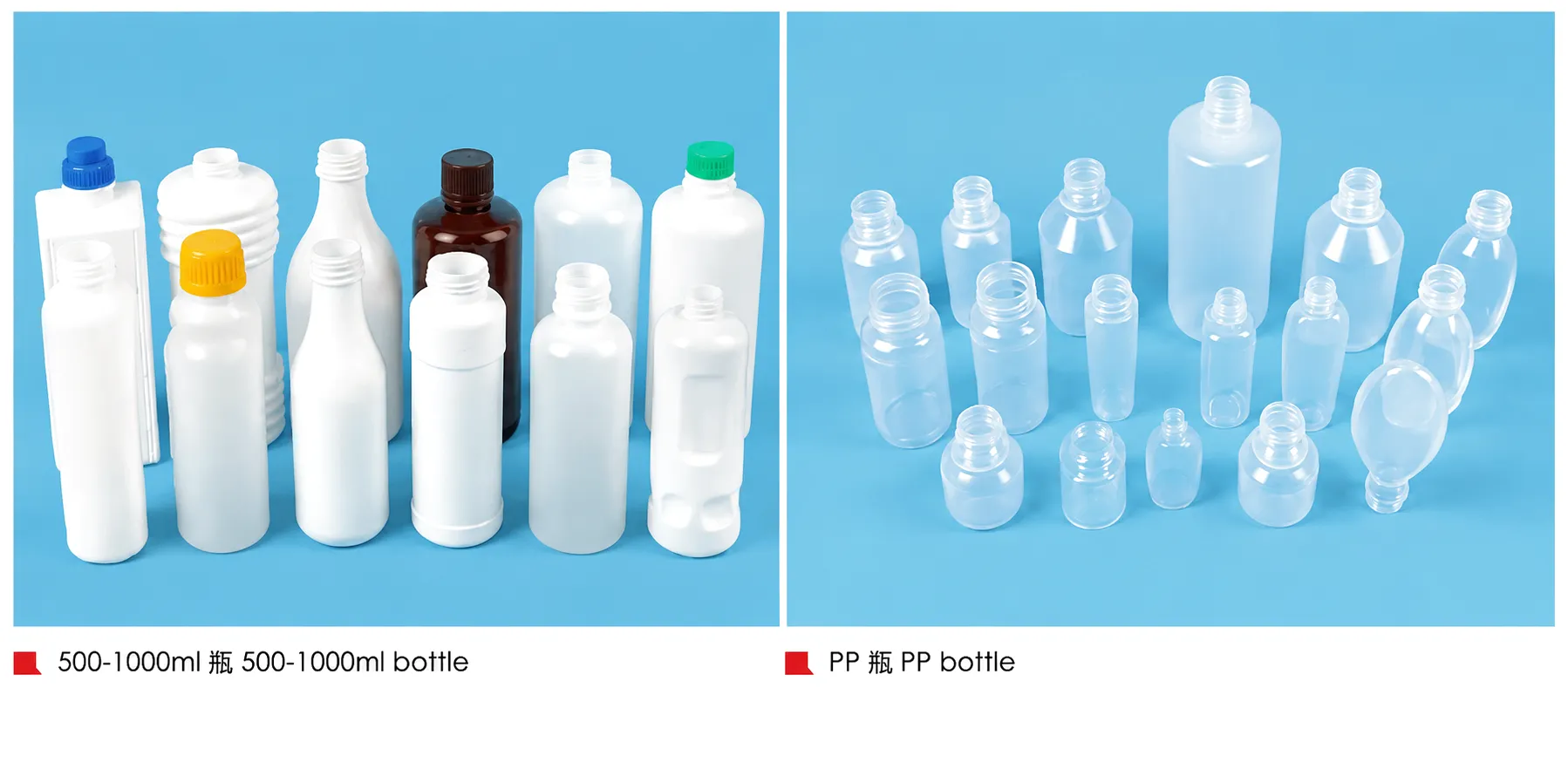
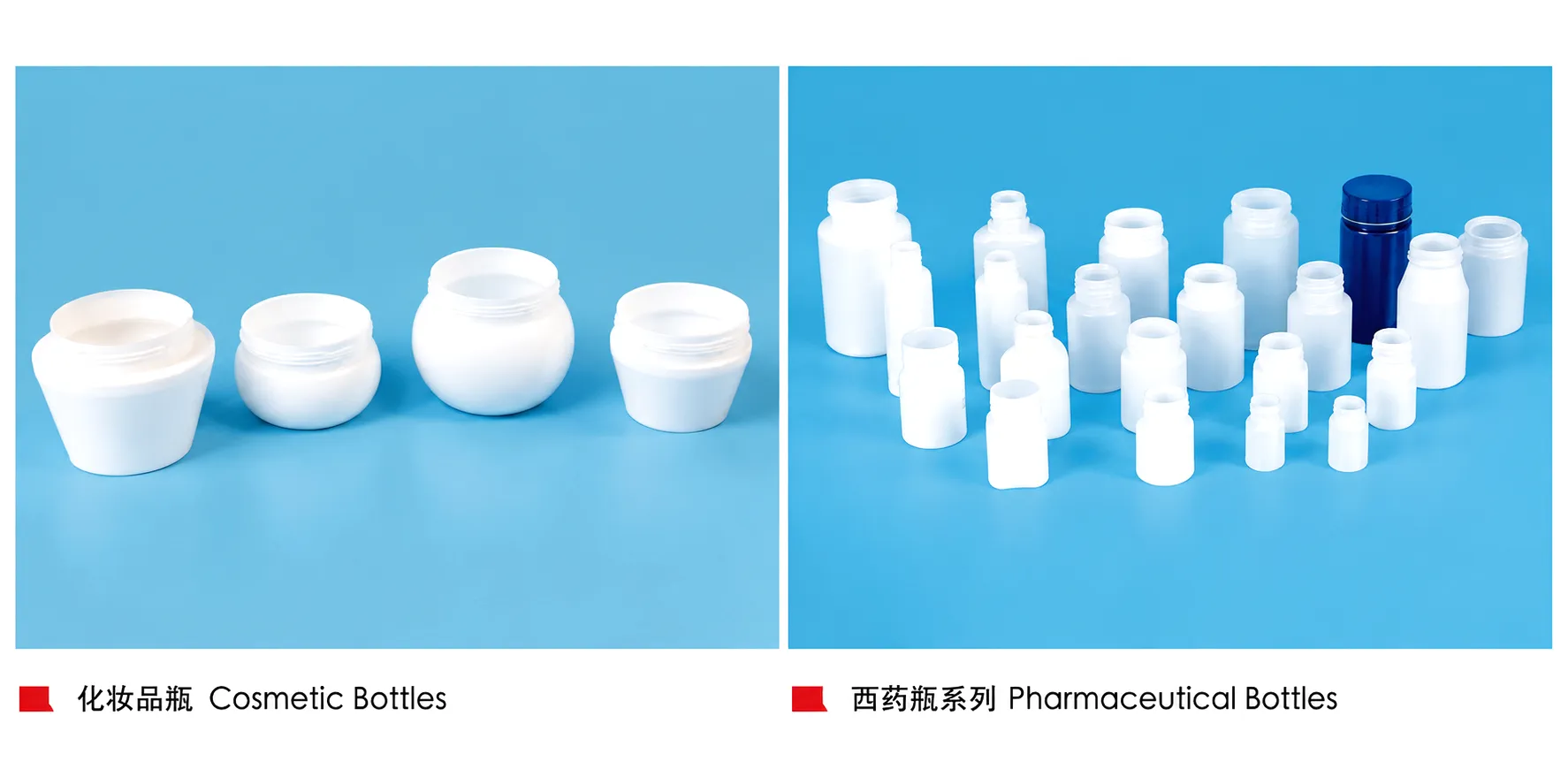
Customer Success Story: 24-Hour IBM Production in Sheffield, South Yorkshire
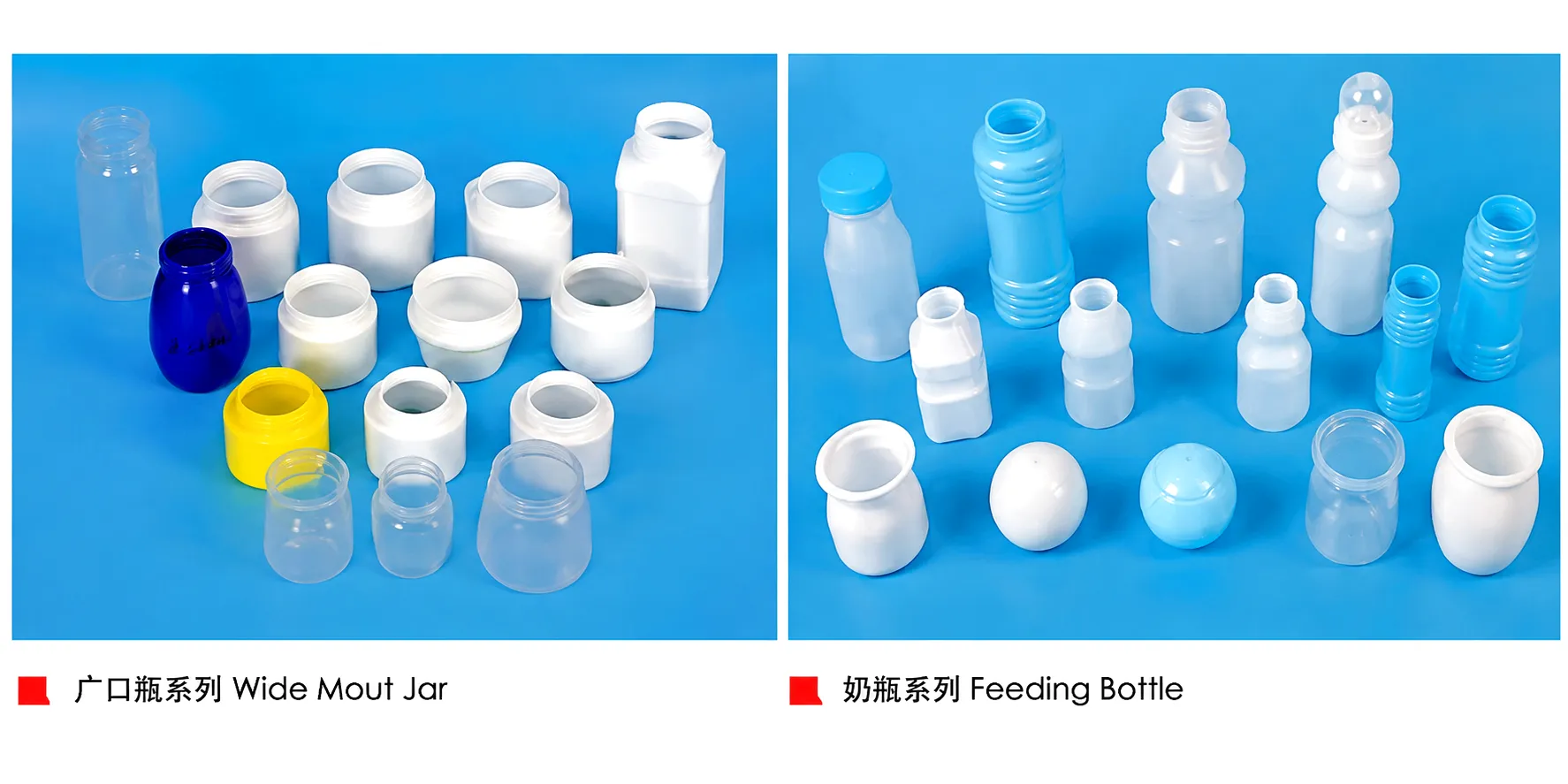
A mid-sized contract packaging company operating near the Tinsley industrial corridor in Sheffield had been producing HDPE lubricant bottles on an ageing EBM line that required daily flash trimming maintenance, generated an average of 4.2% scrap per shift, and could not reliably sustain production beyond 16 hours without thermal-related stoppages. The management team had been reviewing injection blow moulding technology for two years and approached Ever Power for a detailed feasibility assessment covering their specific bottle range — a family of four HDPE lubricant containers spanning 250 ml, 500 ml, 1 litre, and 5 litre formats, all requiring embossed brand text on the shoulder and a tamper-evident neck finish compatible with their existing capping line.
Ever Power’s application team carried out a comprehensive audit of the facility’s compressed air supply, electrical infrastructure, cooling water availability, and floor space envelope before proposing a ZQ135 IBM machine equipped with four-cavity tooling for the 250 ml and 500 ml bottles, with provisions for quick-change neck tooling to accommodate the tamper-evident finish across all formats. The proposal included a dedicated servo-driven chiller unit for core rod temperature control, a 100 kg dehumidifying hopper dryer calibrated to the customer’s HDPE specification, and a downstream conveyor with integrated weight-based rejection.
After an eight-week production tooling lead time, the ZQ135 line was commissioned on-site in Sheffield over five days. The first full 24-hour production run achieved 99.1% uptime, with wall thickness variation held below plus or minus 6.5% across all four cavities for the entire run. Scrap rate fell to 0.7% — down from the previous 4.2% on the EBM line — and the elimination of the flash trimming station freed up one operative per shift for redeployment to downstream inspection. The Sheffield facility now runs the ZQ135 on a standard three-shift, 24-hour schedule, Monday through Saturday, and has subsequently ordered a second machine to expand capacity for their 1-litre format.
“The ZQ135 has completely changed how we approach overnight production. We were losing two to three hours a night to EBM maintenance cycles. Since installing the Ever Power machine we have had exactly two planned stops in eight months — both scheduled for tooling swaps, not breakdowns. The wall thickness consistency across cavities is genuinely impressive.”
“Ever Power’s engineering team understood our MHRA documentation requirements from day one. They provided a full IQ/OQ protocol package with the machine, which reduced our validation timeline by six weeks. The ZQ110 has been running our pharma bottle line at our Nottingham site without any process deviations for over fourteen months.”
“We were sceptical about ordering IBM tooling from overseas but the custom mould work that Ever Power supplied for our oval personal care bottle is as precise as anything we have had from European toolmakers. Delivery to our Birmingham facility was faster than quoted, and the remote diagnostic support they provided during our first month of continuous production was genuinely valuable.”
Frequently Asked Questions: IBM Machines for Continuous UK Production
The following questions represent the most common enquiries received from UK plant managers, procurement engineers, and production directors exploring continuous IBM operation and injection blow moulding machine investment.
Send your bottle drawings, production rate targets, and material specifications to our engineering team and receive a detailed proposal — including machine configuration, tooling design, energy modelling, and UK-specific logistics — within two business days.
edit by gzl