Technical Deep Dive · UK Market Edition
IBM Injection Blow Molding Machine:
Complete Technical Guide for UK Manufacturers
Precision engineering · Wall thickness control · UK industrial deployment · Ever Power factory support
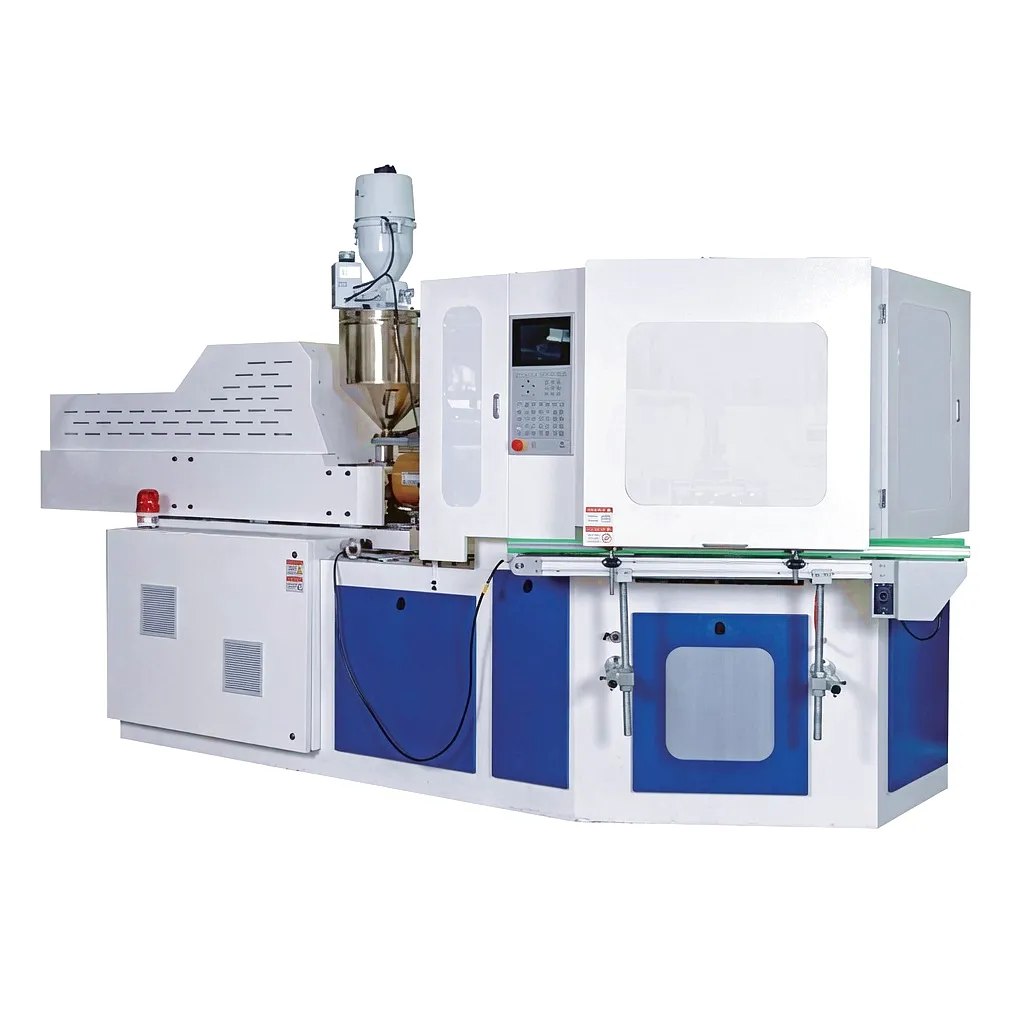
Injection blow molding — commonly abbreviated as IBM — stands as one of the most technically refined polymer processing methods available to UK plastics manufacturers today. Unlike extrusion-based alternatives, the IBM process integrates three discrete stages — injection, blowing, and ejection — within a single rotary or shuttle platform, eliminating the secondary handling steps that cost time and introduce dimensional variability. The result is a hollow container formed with a precision-injected neck finish, uniform wall distribution, and a cosmetically clean exterior that meets the demanding tolerances required by pharmaceutical, personal care, and food-grade packaging sectors.
Across manufacturing hubs such as Birmingham, Sheffield, and Nottingham, procurement engineers and plant managers are under growing pressure to reduce material scrap, shorten cycle times, and comply with increasingly stringent sustainability targets. The injection blow molding machine has emerged as a central answer to those demands — combining energy-efficient servo drive technology with real-time process monitoring to deliver consistent output at scale. This guide examines the full technical landscape of IBM equipment, covering process principles, material compatibility, mould engineering, troubleshooting best practice, and the application verticals where IBM machines deliver the greatest return on capital investment.
Blow Moulding Process Comparison: IBM vs ISBM vs EBM vs Extrusion
Understanding where injection blow molding fits within the broader landscape of hollow-container manufacturing is essential before specifying a machine. Four principal processes compete for market share in UK plastics facilities, and each has a defined sweet spot in terms of container geometry, production volume, and material choice. IBM — the focus of this guide — uses a preform that is injection-moulded onto a core rod, then immediately transferred to a blow station where compressed air expands the hot parison into its final cavity shape. This sequence produces no flash, no seam line, and no secondary trimming step.
Injection stretch blow moulding (ISBM) adds an axial stretch rod to improve biaxial orientation, making it the preferred route for PET bottles destined for carbonated beverage or water applications where burst-pressure performance is critical. Extrusion blow moulding (EBM) continuously extrudes a tubular parison, then clamps a split mould around it — the process handles HDPE jerricans and large industrial drums with ease, but leaves a pinch-off weld line that IBM avoids entirely. The table below summarises the critical differentiators, helping UK procurement teams align process selection with product specification.
| Process | Preform Type | Flash / Seam | Neck Finish | Best Materials | Typical Use |
|---|
| IBM | Injected preform on core rod | None | High precision | PP, HDPE, PVC, PS | Pharma, personal care, food |
| ISBM | Injected + stretch rod | None | High precision | PET, PP | CSD, water, juice bottles |
| EBM | Extruded tubular parison | Pinch seam | Lower precision | HDPE, LDPE, PP | Industrial containers, drums |
| Extrusion (Conventional) | Continuous parison | Heavy flash | Variable | HDPE, ABS | Automotive ducts, toys |
How the IBM Machine Works: Three-Station Rotary Cycle Explained
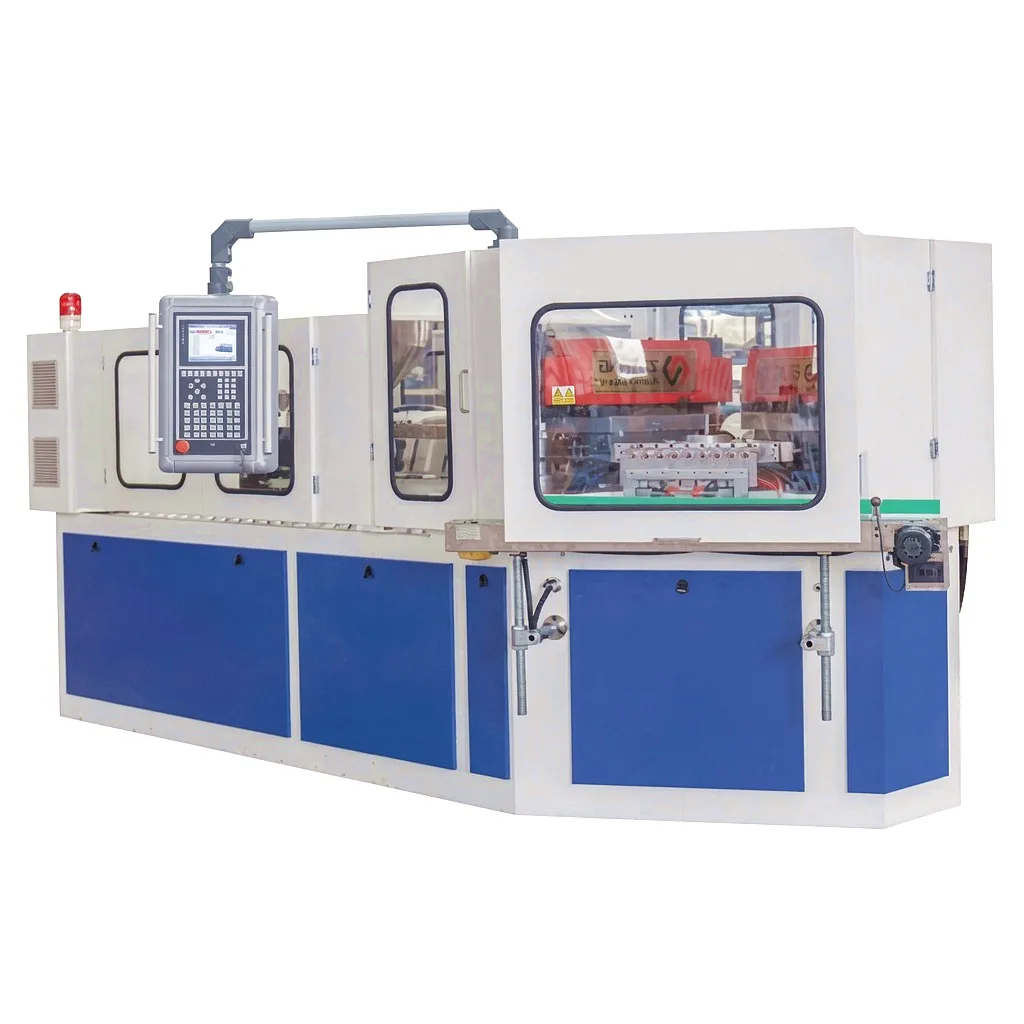
The standard injection blow molding machine operates on a three-position rotary indexing head. At Station 1 — the injection station — a reciprocating screw plasticises the polymer charge and injects it under controlled pressure into a set of preform cavities mounted on core rods. The preform geometry dictates both the wall thickness distribution of the finished bottle and the final neck-thread dimensions. Because the neck is fully formed during injection rather than pinch-clamped, thread profiles to British Standard tolerances can be achieved with exceptional repeatability across every cycle.
At Station 2, the indexing table rotates 120 degrees and the core rods — still carrying the hot, thermoplastic preforms — move into the blow station. Here, compressed air at pressures typically ranging from 6 to 10 bar is introduced through the core rod itself, inflating the parison against the cooled blow mould cavity. Cooling channels machined into the mould tool rapidly extract heat, solidifying the container in as little as two to four seconds depending on wall thickness and resin choice. At Station 3, the finished containers are stripped from the core rods by a mechanical knockout mechanism, falling onto a conveyor or collection chute ready for downstream labelling or filling lines. The entire cycle then repeats in a continuous, synchronised sequence.
Preheating Temperature Profile — Typical PP IBM Cycle
Rear Barrel Zone
170–185 °C
Middle Barrel Zone
190–205 °C
Front Barrel Zone
205–220 °C
Nozzle Temperature
215–228 °C
Mould Cooling (Water)
8–15 °C
Core Materials Processed on IBM Blow Moulding Machines
Material selection is one of the most consequential decisions in IBM machine specification. The resin must exhibit a sufficiently wide processing window so that the preform retains enough residual heat to blow cleanly at Station 2 without tearing or developing cold spots that cause uneven wall distribution. The machine’s screw geometry, compression ratio, and barrel length-to-diameter (L/D) ratio are all selected in relation to the target polymer family. Ever Power configures each IBM machine to a primary material grade, with optional screw changeout kits for operators who need to switch between PP and HDPE on the same platform.
Polypropylene (PP)
Most widely used IBM resin in UK pharma packaging. Excellent chemical resistance, clarity when nucleated, and a broad processing window of 170–240 °C. Suitable for tamper-evident closures and round / oval bottle bodies.
HDPE
High-density polyethylene delivers outstanding stiffness-to-weight ratios for personal care and agricultural chemical bottles. Processing temperature range 180–230 °C. IBM-grade HDPE grades often carry FDA 21 CFR compliance for food-contact applications across EU and UK post-Brexit regulations.
PVC
Rigid PVC offers outstanding clarity and is frequently specified for over-the-counter medication bottles where product visibility is a regulatory and marketing requirement. Processing requires precise barrel temperature control between 155 and 185 °C to avoid thermal degradation. Stabiliser selection is critical.
PS / PETG
Polystyrene and PETG copolyester grades are used in cosmetic and speciality packaging where glass-like optical clarity is required. PETG brings excellent impact resistance alongside transparency, making it a growing choice in high-end British personal care brands transitioning away from glass.
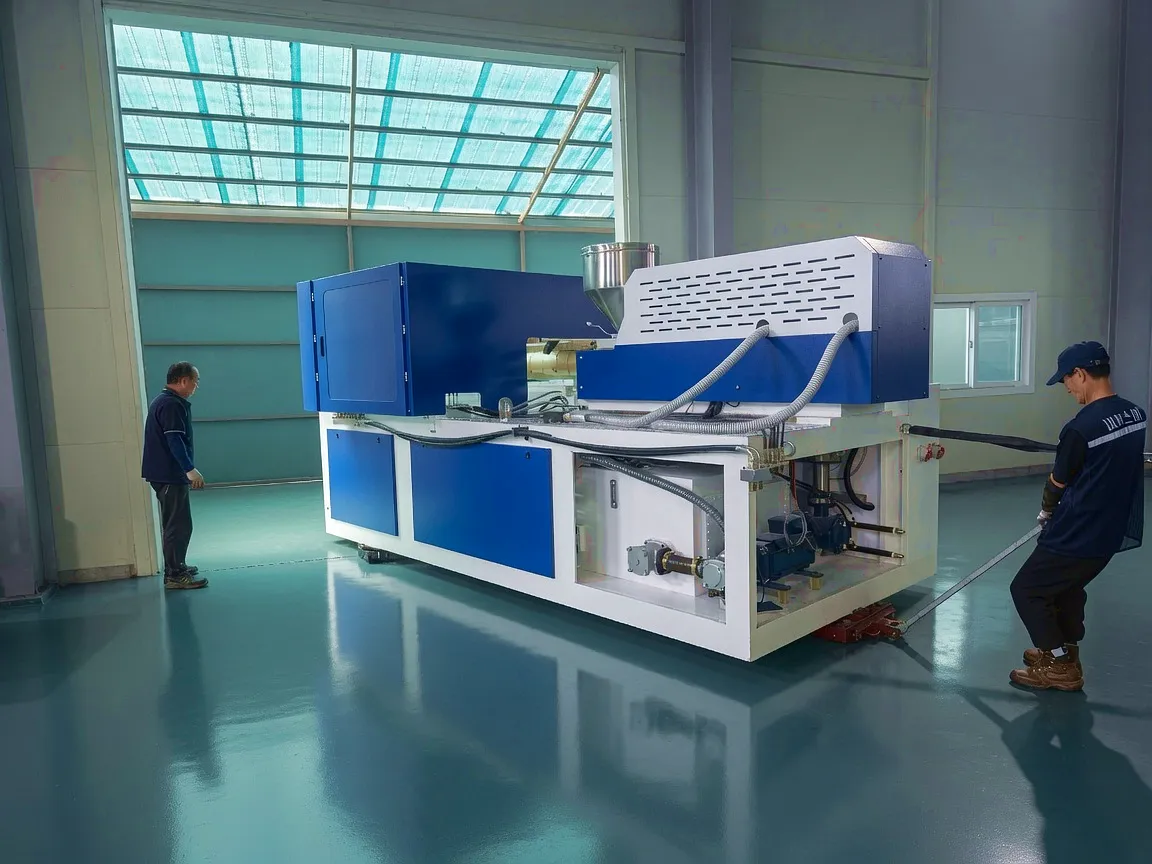
Machine frame and structural components in Ever Power IBM equipment are fabricated from high-tensile carbon steel plate, precision-machined on five-axis CNC centres to tolerances of ±0.01 mm on critical mating surfaces. The injection barrel is constructed from 38CrMoAlA nitriding steel, surface-hardened to HRC 65–70 for long service life when processing abrasive glass-filled or mineral-filled compounds. Screw geometry — including lead, flight depth, and compression ratio — is engineered per resin family and can be supplied in corrosion-resistant bimetallic variants for PVC processing, where chlorine evolution creates a demanding corrosive environment.
Blow mould tooling for IBM machines is typically fabricated from P20 pre-hardened tool steel for mid-volume production runs, or from H13 hot-work steel hardened to HRC 48–52 for high-throughput applications requiring tooling life in excess of two million shots. Conformal cooling channels, now routinely produced via metal additive manufacturing (selective laser sintering), allow coolant to follow the contour of the cavity closely, cutting cycle time and improving wall-thickness uniformity compared with conventionally drilled straight-line channels.
Wall Thickness Uniformity Control in IBM — Engineering Detail
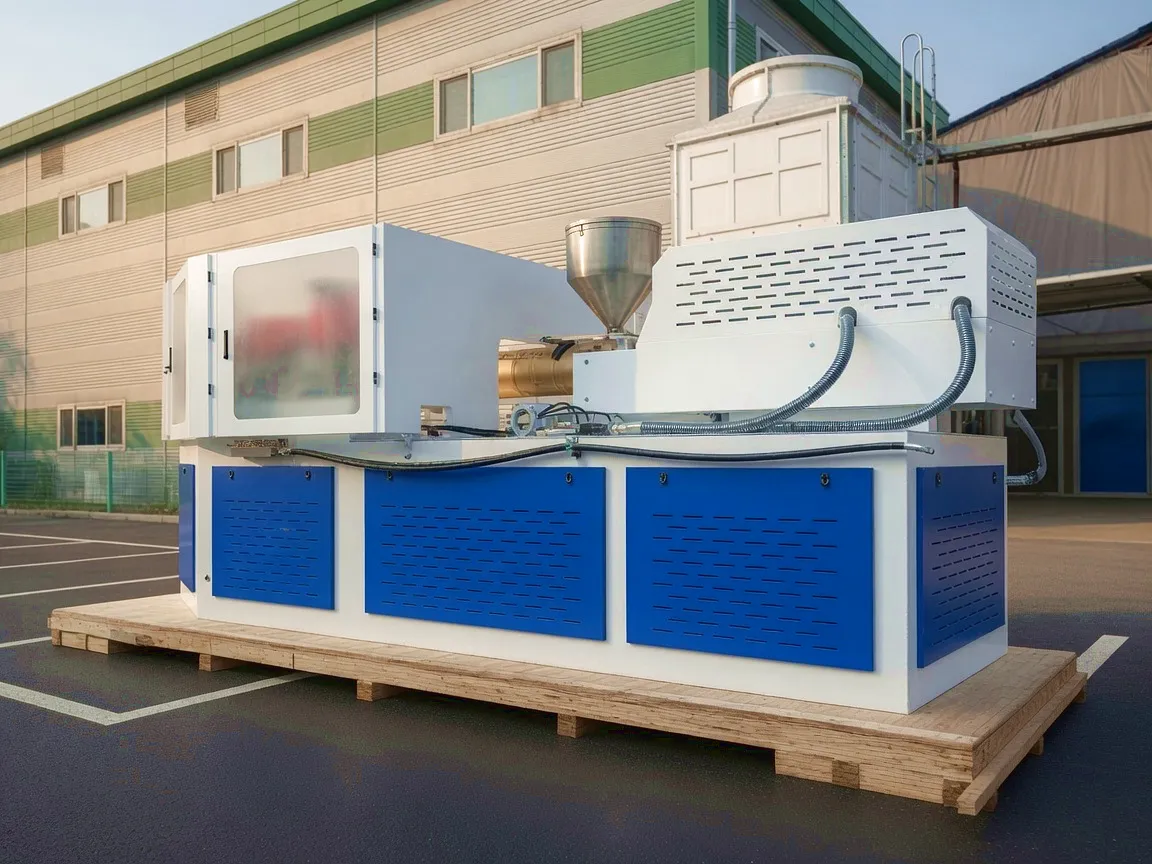 Achieving consistent wall thickness is the single most important quality metric for containers produced on an injection blow molding machine. Variation in wall thickness directly affects mechanical performance — drop impact, top-load compression, and internal pressure resistance — as well as material consumption per part. In pharmaceutical packaging, the UK’s Medicines and Healthcare products Regulatory Agency (MHRA) expects container manufacturers to demonstrate dimensional control as part of primary packaging validation, making wall thickness uniformity a regulatory as well as a commercial concern.
Wall thickness is principally governed at the preform design stage. The wall thickness of the preform in any given axial zone will, after blowing, produce a proportionally thinner zone in the finished bottle — the ratio being governed by the blow-up ratio (BUR). A BUR greater than 3:1 in the hoop direction tends to produce thinning instability in many commodity resins and should be avoided unless biaxial orientation is actively managed through temperature profiling. Ever Power’s process engineers use finite element simulation to validate preform geometry before tooling is cut, giving UK customers confidence that first-off samples will meet specification without costly trial-and-error iterations.
Closed-loop barrel temperature control — achieved via PID controllers with ±0.5 °C stability — ensures that the preform temperature at the blow station remains consistent across every shot. Melt temperature variation of as little as 5 °C can shift wall thickness distribution by 8–12%, which underscores the importance of precise thermal management. IBM machines from Ever Power feature independently controlled heating zones (up to six on larger barrels), and the HMI provides real-time visualisation of each zone’s setpoint, actual value, and deviation, enabling operators at Birmingham or Sheffield facilities to intervene before out-of-spec containers reach the ejection station.
Mould Design and Bottle Geometry Optimisation for IBM Equipment
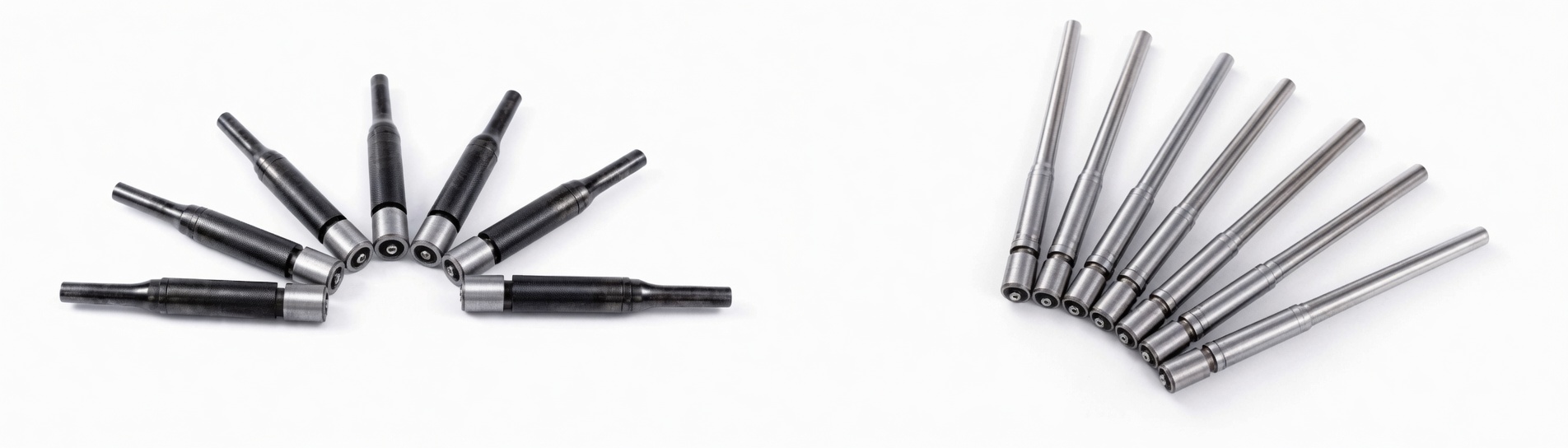
The injection mould at Station 1 defines the preform’s outer contour, inner volume, and neck geometry with a dimensional tolerance that governs the entire downstream process. Neck-finish tooling on IBM machines can be configured to virtually any proprietary or industry-standard thread profile — including PCO-1881, DIN EN ISO 28395, and bespoke closures developed for the UK market. The injection core rod, which is retained through the blow station, must be manufactured to extremely tight straightness tolerances (typically less than 0.005 mm total runout over the full rod length) to prevent eccentric wall distribution during blowing.
Cavity surface finish is equally important in IBM tooling. Mirror-polished cavities to Ra 0.05 µm or finer are standard for pharmaceutical containers, preventing surface irregularities from being replicated on container exteriors. For containers requiring labels or direct printing, a controlled surface texture (Ra 0.4–0.8 µm) may be specified to improve ink adhesion. Ever Power’s in-house mould shop, equipped with Sodick wire EDM and Makino high-speed machining centres, can manufacture production-grade IBM tooling sets for the ZQ series machines within six to nine weeks from CAD approval — a lead time that UK packaging converters have come to rely on for new product launch timelines.
Bottle geometry optimisation for IBM increasingly involves generative design methods, where simulation software iterates through thousands of geometry permutations to identify configurations that minimise material usage while maintaining structural performance targets. Ever Power collaborates with UK-based packaging design consultancies to offer this service as part of its tooling development package, providing customers in sectors such as premium personal care and nutraceuticals with containers that balance brand aesthetics, shelf performance, and resource efficiency.
IBM Machine Technical Performance Specifications Table
The table below provides representative technical data for the IBM machine range. All figures are nominal values; exact specifications depend on cavity count, tooling configuration, and material grade. UK customers should request a customised data sheet from Ever Power’s technical team, particularly when specifying machines for regulated pharmaceutical or food-grade applications requiring validated process parameters.
| Parameter | ZQ-40 (Entry) | ZQ-80 (Mid-Range) | ZQ-110 (High Output) |
|---|
| Injection Capacity (g) | 40 | 80 | 110 |
| Max Clamping Force (kN) | 120 | 200 | 280 |
| Indexing Table Diameter (mm) | 600 | 800 | 1050 |
| Cavity Count (max) | 2 | 4 | 6 |
| Max Container Volume (mL) | 500 | 1,000 | 2,000 |
| Screw Diameter (mm) | 35 | 45 | 55 |
| L/D Ratio | 20:1 | 22:1 | 24:1 |
| Blow Pressure (bar) | 4–8 | 6–10 | 6–12 |
| Heating Zones | 3 | 4 | 6 |
| Installed Power (kW) | 18 | 32 | 48 |
| Drive System | Servo-hydraulic | Servo-hydraulic | Full electric servo |
| Compatible Materials | PP, HDPE, PVC | PP, HDPE, PVC, PS | PP, HDPE, PVC, PS, PETG |
| Wall Thickness Tolerance (mm) | ±0.08 | ±0.06 | ±0.04 |
| Noise Level (dB) | <72 | <70 | <68 |
| Machine Footprint (m × m) | 2.0 × 1.5 | 2.8 × 1.9 | 3.6 × 2.4 |
Core Technical Advantages of IBM Injection Blow Moulding Machines
Zero Flash, Zero Trimming
The IBM process generates no pinch-off flash, eliminating trimming labour, regrind contamination, and the cosmetic defects that can appear on EBM containers at the parting line. This is especially valued in UK pharmaceutical packaging, where container cleanliness requirements are non-negotiable and surface particulates can trigger GMP deviation reports.
Precise Neck-Finish Accuracy
Because the neck and thread profile are formed under injection pressure — not blow pressure — dimensional accuracy is dramatically higher than EBM. IBM machines can hold thread-start position tolerances within 0.1 mm, ensuring consistent torque-to-open values across millions of closures. This is a key differentiator for childproof packaging regulated under BS EN ISO 8317.
Compact Footprint
The three-station rotary architecture integrates injection, blowing, and ejection into a single machine footprint that is typically 40–60% smaller than the combined floor area of a separate preform injection press plus single-stage blow machine. This makes IBM machines an attractive choice for UK contract manufacturers operating in converted factory units where floor space commands a premium.
Energy Optimisation via Servo Drive
Servo-hydraulic and all-electric servo IBM machines consume 30–50% less electrical energy per unit output compared with fixed-speed hydraulic predecessors. With UK industrial electricity prices remaining high, the payback period on the servo premium has compressed to under 18 months in many production scenarios. Regenerative braking on all-electric machines feeds deceleration energy back to the bus bar, further reducing net kWh per thousand parts.
Industrial Application Scenarios for IBM Blow Moulding Equipment
Application Scenario 1: Pharmaceutical Packaging in the UK Midlands
The UK pharmaceutical packaging sector — centred on Midlands clusters near Coventry and Leicester as well as large campuses around Manchester — demands containers that combine dimensional precision, chemical inertness, and clean-room compatibility. IBM machines are the default platform for solid-dose bottles (tablet and capsule containers), oral liquid bottles, and ophthalmic dropper assemblies, where thread accuracy governs child-resistant closure performance under BS EN ISO 8317, and container clarity must allow visual inspection of contents without opening. Ever Power’s IBM machines run PP Grade 3 pharmaceutical resin at validated cycle parameters, with the machine’s PLC capable of outputting batch production records directly to a site’s manufacturing execution system (MES) via OPC-UA protocol.
Application Scenario 2: Personal Care and Cosmetics Bottles in London and Surrey
Premium personal care brands headquartered in London and their contract manufacturers located in industrial parks across Surrey and Kent increasingly specify IBM over EBM for shampoo, conditioner, and serum packaging where premium aesthetics are a brand differentiator. The absence of a parting-line witness mark on IBM containers allows designers to create uninterrupted surface graphics and decorative embossing around the full circumference of the bottle. IBM machines processing PETG or PVC deliver glass-like optical clarity at a fraction of the weight and fragility of glass, supporting the retail industry’s shift to lighter, safer packaging formats that reduce carbon emissions during UK last-mile delivery.
Application Scenario 3: Food and Beverage Condiment Containers — Northern England
Food-grade HDPE and PP IBM containers are widely used for sauces, condiments, vitamin supplements, and honey products manufactured in Yorkshire, Lancashire, and the North East. The IBM process’s flash-free output is particularly attractive in food environments where extraneous polymer flash represents a potential physical contamination hazard under the Food Safety Act 1990 and BRC Global Standard for Packaging and Packaging Materials. Cycle times on four-cavity Ever Power IBM machines produce 4,800–6,000 finished 200 mL condiment bottles per hour, meeting the throughput requirements of UK retail supply chains serving major supermarkets operating distribution centres in the Midlands and North.
Application Scenario 4: Nutraceutical and Vitamin Supplement Bottles — South East England
The UK nutraceuticals market, with a strong manufacturing and distribution footprint across Oxfordshire and the Thames Valley, requires containers that preserve product integrity against moisture ingress and UV degradation over extended shelf lives. IBM-moulded HDPE bottles with induction-seal-compatible neck profiles and desiccant plug inserts represent the industry standard. Wall thickness control to ±0.06 mm on Ever Power IBM machines ensures consistent induction seal integrity across every container — a critical factor for tamper-evidence compliance under UK retail listing requirements. The all-electric servo drive option eliminates hydraulic oil contamination risk, supporting clean-room deployment without dedicated oil spill containment infrastructure.
Common Fault Diagnosis and Troubleshooting on IBM Machines
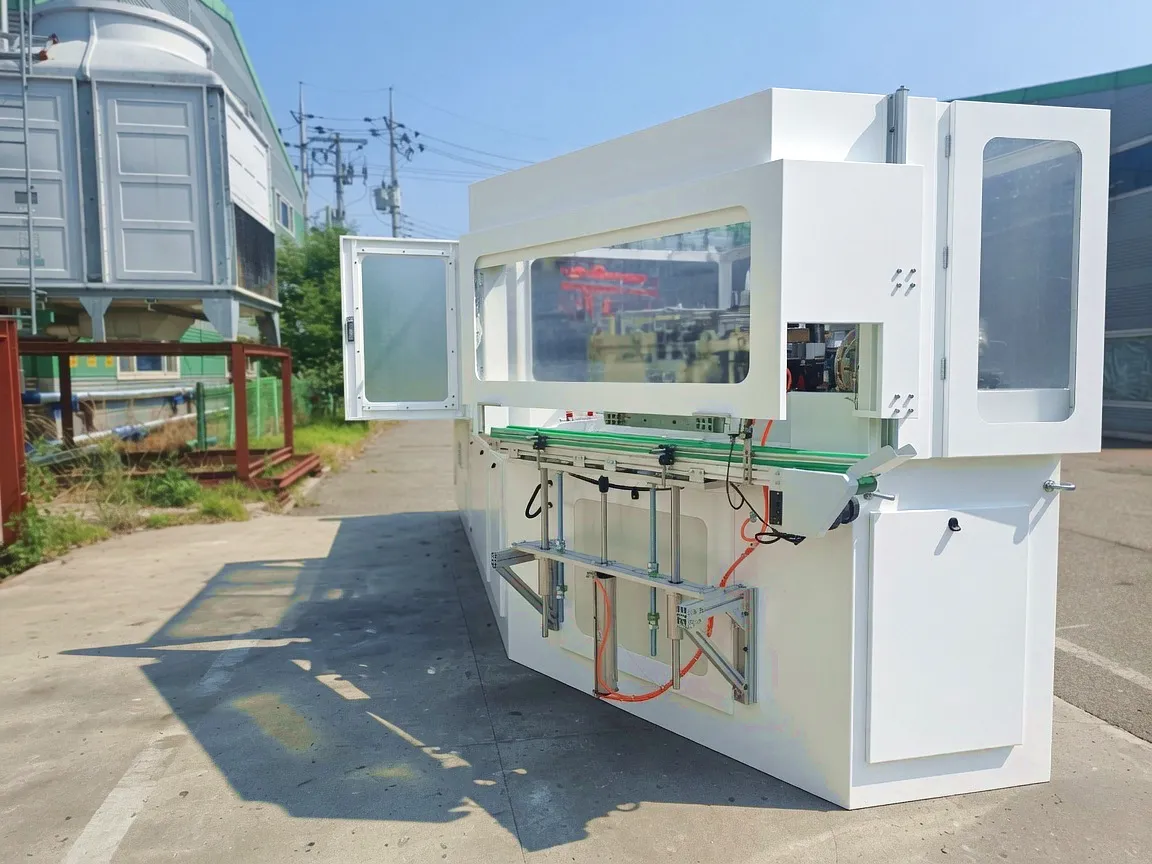
Even well-specified and properly installed IBM machines encounter process upsets during production. Understanding the root causes of common defects enables maintenance technicians and process engineers at UK plastics facilities to resolve issues quickly, minimising unplanned downtime and scrap generation. The following covers the defects most frequently encountered across Ever Power’s installed base in the UK and wider European market.
Uneven wall thickness — manifesting as consistently thin panels on one side of the container — almost always traces back to core rod misalignment or differential preform cooling. Check core rod runout with a dial indicator; values above 0.01 mm total indicated runout should prompt rod replacement or re-grinding. If runout is within tolerance, investigate preform temperature asymmetry caused by uneven mould-cooling flow distribution and balance the cooling circuit with flow control valves.
| Defect | Likely Root Cause | Recommended Corrective Action |
|---|
| Uneven wall thickness | Core rod runout; uneven preform cooling | Check rod TIR; balance cooling circuit |
| Surface haze / opacity | Melt temperature too low; mould moisture condensation | Increase nozzle zone by 5 °C; raise chiller setpoint 2–3 °C |
| Short-shot preform | Insufficient shot volume; nozzle seal failure | Increase shot size 3–5%; inspect nozzle tip and seal ring |
| Bottle not releasing from blow mould | Insufficient cooling time; mould draft angle too small | Extend blow-cooling dwell by 0.5 s; verify draft per design drawing |
| Neck thread distortion | Core rod damaged; injection speed too high | Inspect rod surface; reduce V2 injection speed segment by 10% |
| Parison blow-out / burst | Blow pressure too high; preform over-heated | Reduce blow pressure 0.5 bar; lower front barrel zone 3–5 °C |
| Black specks in container wall | Degraded material in dead zones; contaminated regrind | Purge barrel thoroughly; audit regrind stream; check nozzle dead zone |
Energy Consumption Optimisation and Sustainable Manufacturing
With UK industrial energy costs remaining elevated following years of market disruption, reducing the energy intensity of IBM blow moulding operations has become a priority for finance directors and sustainability managers alike. Several engineering interventions deliver measurable energy savings when applied to an IBM machine installation. Servo drive retrofits — replacing fixed-speed hydraulic pump motors with variable-speed servo units — typically reduce hydraulic circuit power consumption by 35–45%, as the servo motor only draws current proportional to the instantaneous load demand rather than continuously at full speed. On a ZQ-80 class machine running two-shift operation, this translates to annual savings of 18,000–24,000 kWh depending on cycle parameters and resin.
Barrel insulation — wrapping the heated cylinder with ceramic fibre blanket insulation — reduces heat radiated to the workshop environment and cuts barrel heater duty cycles by 15–25%. This seemingly simple measure is frequently overlooked but consistently delivers energy savings at minimal capital cost. Closed-loop chiller control, where a variable-speed chiller compressor responds to actual coolant temperature rather than running at fixed capacity, can reduce cooling circuit energy consumption by 30% compared with a fixed-speed chiller serving the same IBM machine. Ever Power’s technical service team offers an energy audit programme for UK customers as part of its after-sales support package, identifying the highest-priority improvements specific to each site’s installed IBM machines and production pattern.
35–45%
Energy reduction via servo drive retrofit
15–25%
Heat loss reduction with barrel insulation
30%
Savings from variable-speed chiller control
<18 mo
Typical servo upgrade payback at UK energy rates
Featured IBM Machine Models — ZQ Series
Ever Power’s ZQ series injection blow molding machines represent the current state of the art in three-station rotary IBM technology, engineered and manufactured to the standards expected by UK pharmaceutical, personal care, and food-grade packaging converters. Two models are highlighted below; click through for full technical specifications and to configure your cavity count and material package.
ZQ80 Injection Blow Molding Machine
Mid-range IBM platform with 80 g injection capacity and up to 4-cavity tooling. Servo-hydraulic drive, 4-zone barrel heating, and compatibility with PP, HDPE, PVC, and PS. Ideal for UK pharmaceutical tablet bottles and personal care containers up to 1,000 mL.
View ZQ80 Specifications →
ZQ110 Injection Blow Molding Machine
High-output IBM platform with 110 g injection capacity, 6-cavity capability, and all-electric servo drive delivering maximum energy efficiency. Processes PP, HDPE, PVC, PS, and PETG. Suited to high-volume UK nutraceutical, food-grade, and cosmetics production requiring containers up to 2,000 mL.
View ZQ110 Specifications →
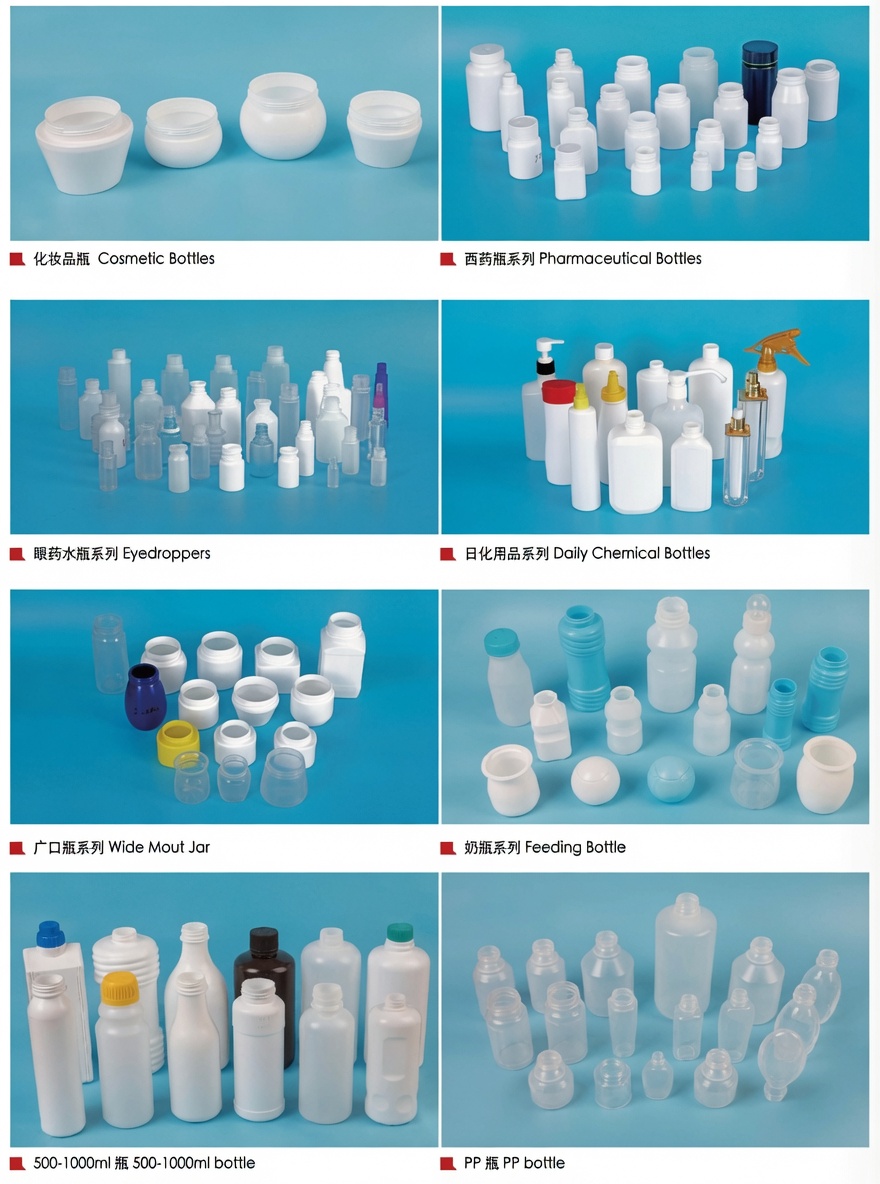
Ever Power: Custom IBM Machine Manufacturing and UK Supply Chain
Ever Power operates a dedicated injection blow molding machine manufacturing facility covering more than 12,000 square metres of floor area, equipped with CNC machining centres, five-axis milling, precision grinding, and automated assembly lines that collectively produce over 200 IBM machines per year. The company’s quality management system is certified to ISO 9001:2015, with additional CE marking of exported machines in compliance with Machinery Directive 2006/42/EC — a critical requirement for UK importers navigating post-Brexit machinery conformity regulations. Every machine undergoes a full production acceptance test (PAT) running a minimum of 48 hours on representative tooling and customer-specified resin before despatch.
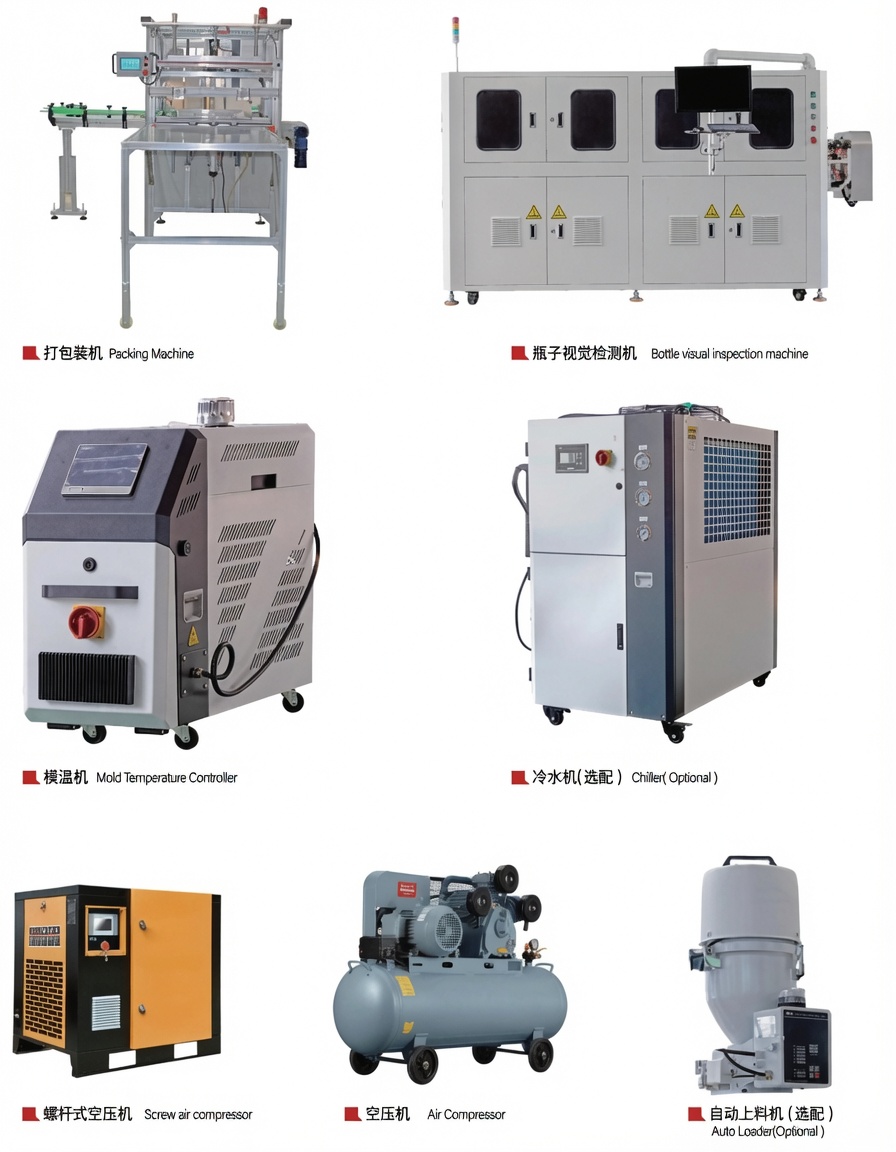
Customisation capabilities at Ever Power extend from the relatively straightforward — screw geometry selection, cavity count, and colour scheme — to deeply engineered bespoke configurations including clean-room-rated enclosed guarding systems with HEPA filtration for pharmaceutical deployment, multi-material co-injection barrels for barrier packaging, and integration of inline vision inspection systems from leading UK integrators. Ever Power’s project engineering team works directly with UK customers’ process engineers from initial enquiry through machine acceptance testing, ensuring that the delivered injection blow molding machine is production-ready from day one rather than requiring extensive site commissioning to reach validated parameters.
Customer Success Story: Sheffield Pharmaceutical Packaging Manufacturer
Pennine Container Solutions, a Sheffield-based plastics packaging contract manufacturer serving five NHS-listed pharmaceutical companies, faced a production crisis in the third quarter of the year when its ageing fleet of fixed-speed hydraulic IBM machines began producing containers with wall thickness variation exceeding the ±0.10 mm limit accepted by its pharmaceutical clients. Root-cause analysis identified both mechanical wear in the core rod bearings and thermal drift in the barrel heating zones as contributing factors — problems compounded by the machines’ lack of closed-loop barrel temperature control. Scrap rates had climbed to 8.4%, and the risk of a customer audit finding was growing weekly.
After evaluating equipment from three suppliers, Pennine selected two Ever Power ZQ-80 injection blow molding machines based on the combination of servo-hydraulic drive, six-zone barrel heating with ±0.5 °C stability, and Ever Power’s willingness to provide validated PP processing parameters from a reference site already running the same container family. Installation was completed over a single bank holiday weekend by Ever Power’s UK commissioning partner, minimising production disruption. Within the first month of operation, scrap rate fell to 1.2% — a reduction of 85.7% — while energy consumption per thousand containers dropped by 38% compared with the replaced machines. The validated process documentation provided by Ever Power’s engineers supported Pennine’s pharmaceutical clients in completing primary packaging re-qualification in under six weeks, significantly faster than the industry benchmark of twelve weeks for a machine change.
The project delivered a return on the capital investment within fourteen months, calculated against scrap reduction savings, energy cost reduction, and the avoidance of an estimated contract penalty for delayed pharmaceutical launch support. Pennine has since placed a follow-on order for a ZQ-110 machine configured for their growing nutraceutical bottle programme.
★★★★★
“The wall thickness consistency on the ZQ-80 is genuinely impressive — we ran 180,000 containers over the first week without a single cavity showing out-of-spec variation. Our pharmaceutical clients re-qualified the container faster than we’ve ever experienced with any previous machine change.”
— Production Manager, Pennine Container Solutions, Sheffield
★★★★★
“Ever Power’s engineering team came to our site before we even placed the order, reviewed our existing tooling, and confirmed compatibility with their machine platform. That level of pre-sales technical support made the decision straightforward. The customised HEPA enclosure they built for our cleanroom deployment was exactly what we specified.”
— Technical Director, NovaPharma Pack Ltd, Nottingham
★★★★★
“We spec’d the ZQ-110 with the all-electric servo drive primarily for energy cost reduction, but the improvement in cycle repeatability has been the bigger commercial win. Our energy bills fell by 41% year-on-year on that line, which delivered a payback faster than any previous capital equipment purchase in ten years of running IBM production.”
— Operations Director, Latitude Packaging Group, Leeds
Frequently Asked Questions — IBM Injection Blow Moulding Machines UK
How much does an injection blow molding machine typically cost to purchase from a UK supplier, and what factors affect the final price?
Entry-level IBM machines with a 2-cavity tooling set and 40 g injection capacity typically start from £35,000–£55,000 CIF UK port. Mid-range machines such as the ZQ-80 with 4-cavity tooling sit in the £60,000–£95,000 range, while high-output 6-cavity platforms with all-electric servo drive and integrated vision inspection can reach £130,000–£180,000. The primary cost drivers are cavity count, drive system type (servo-hydraulic vs all-electric), control system sophistication, and any customisation requirements such as cleanroom guarding or MES connectivity. Tooling — the injection preform mould and blow cavity set — is typically supplied separately and adds £8,000–£25,000 per tooling family depending on material, cavity count, and container complexity. For a detailed quote tailored to your production requirements, contact Ever Power at
[email protected].
What is the difference between IBM and ISBM blow moulding machines, and which process should UK pharmaceutical manufacturers choose?
IBM (injection blow moulding) and ISBM (injection stretch blow moulding) share the same preform-injection first stage, but ISBM adds a mechanical stretch rod that elongates the preform axially before blowing, inducing biaxial molecular orientation. This orientation dramatically improves tensile strength, gas barrier, and burst-pressure performance — making ISBM the standard process for PET carbonated drink bottles. For UK pharmaceutical manufacturers producing PP or HDPE solid-dose or liquid containers, IBM is the preferred choice because the materials used do not require biaxial orientation to meet functional requirements, and the IBM process delivers the precise neck-finish tolerances demanded for child-resistant closure compliance without the added complexity and capital cost of stretch-rod mechanisms.
Which IBM machine supplier in the UK offers the fastest lead time for delivery and commissioning of a custom injection blow moulding machine?
Lead times vary significantly between suppliers. Standard catalogue IBM machines with no customisation can ship from Ever Power’s factory within 35–45 working days from order confirmation. Custom-configured machines — including cleanroom guarding, specialised screw geometry, or non-standard cavity counts — typically require 55–75 working days manufacturing time plus approximately 18–25 days shipping and customs clearance to UK ports. Commissioning at site by Ever Power’s UK partner network adds three to five days. For urgent requirements, Ever Power maintains a small stock of base machine frames that can reduce build time by two to three weeks. Contact
[email protected] with your specification to receive a confirmed delivery schedule.
How do I calculate the annual energy cost savings when upgrading from a fixed-speed hydraulic IBM machine to a servo-driven injection blow moulding machine in a UK factory?
The calculation starts with the current machine’s installed motor power (kW) and average load factor (typically 70–80% for fixed-speed hydraulic machines). Multiply by annual operating hours, then by the current UK industrial electricity unit rate (in pence per kWh). Servo drives typically reduce hydraulic circuit power draw by 35–45%, so apply that saving factor to the hydraulic circuit power consumption only (barrel heaters are unchanged). For a ZQ-80 class replacement machine running two 8-hour shifts, 250 days per year at a 70% load factor, the hydraulic saving alone typically reaches £4,500–£7,200 per year at current UK electricity rates. Ever Power’s technical sales team can provide a detailed energy audit worksheet based on your specific production parameters.
Where can I get an IBM blow moulding machine serviced or repaired by a qualified engineer in Birmingham or Sheffield without long wait times?
Ever Power maintains an authorised service partner network across the UK, with engineering coverage including the Midlands (Birmingham and Coventry) and South Yorkshire (Sheffield and Rotherham) serviced under four-hour emergency response agreements. Preventive maintenance contracts include bi-annual machine inspections covering screw-and-barrel wear assessment, core rod runout checking, hydraulic oil sampling, and PLC calibration verification. Remote diagnostics via the machine’s built-in Ethernet connectivity allows Ever Power’s factory engineers to interrogate fault logs and process trends in real time, often resolving software-related faults without a site visit. Spare parts held in UK distribution stock include wear items (screw tips, non-return valves, barrel bands, seals) with same-day despatch capability for standard ZQ series components.
What wall thickness tolerance can a high-quality IBM injection blow moulding machine realistically achieve in continuous pharmaceutical production in the UK?
Modern servo-driven IBM machines with closed-loop barrel temperature control can achieve wall thickness tolerances of ±0.04 to ±0.06 mm in continuous pharmaceutical production — well within the ±0.10 mm acceptance criterion typical of UK MHRA primary packaging validation protocols. Achieving and sustaining these tolerances requires a combination of precisely ground core rods (TIR below 0.005 mm), balanced mould cooling circuits, validated barrel temperature setpoints, and a process monitoring routine that includes periodic wall-thickness measurement using ultrasonic gauging without sacrificing containers. Ever Power’s ZQ-110 machine consistently demonstrates ±0.04 mm capability in pharmaceutical customer validation studies.
How long does it take for a UK plastics company to get a competitive price quote for a custom injection blow moulding machine from an overseas manufacturer like Ever Power?
Ever Power’s standard response to a detailed technical enquiry is one to two working days for a preliminary commercial quotation and three to four working days for a full technical proposal including recommended machine model, cavity count, screw specification, auxiliary equipment recommendations, and estimated commissioning timeline. To receive the fastest possible response, send an email to
[email protected] including your target container dimensions and volumes, annual production volume requirement, resin grade, required neck-finish standard, and any clean-room or regulatory compliance requirements. The more detail provided upfront, the more precise and commercially useful the returned quotation will be.