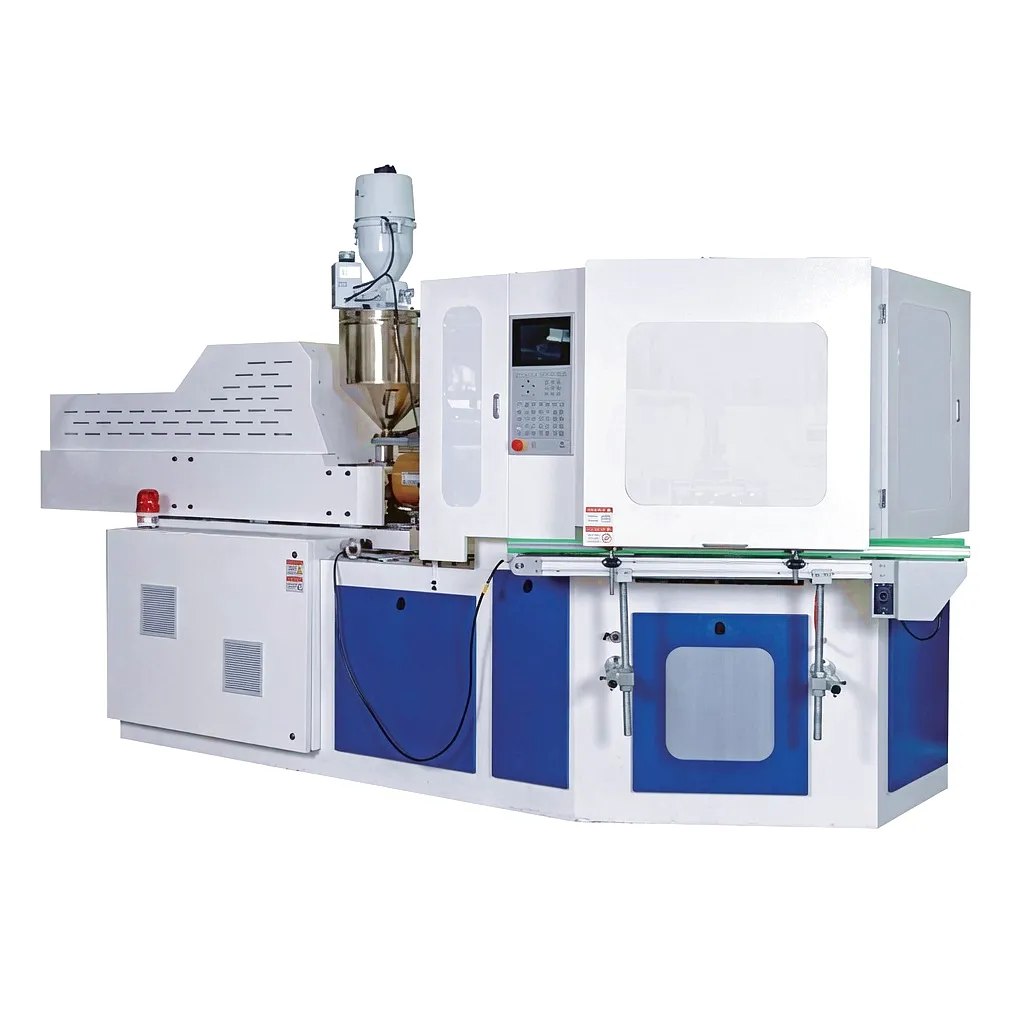
 The packaging landscape across the United Kingdom has undergone profound transformation over the past decade. Driven by tightening sustainability regulations, consumer demand for tamper-evident closures and the relentless push from major retailers in Birmingham, Leeds and Sheffield toward lightweight yet structurally robust containers, manufacturers are turning with increasing urgency to the injection-blow molding machine as their production technology of choice. Unlike older extrusion-blow methods, the injection-blow process begins by forming a precise injection-molded preform before transferring it directly onto a blow mandrel, ensuring wall-thickness consistency and dimensional accuracy that simply cannot be matched by conventional alternatives. This matters enormously in food and beverage packaging, where the mechanical integrity of a hot-fill juice bottle or a pressurized sports-drink container is a non-negotiable safety and regulatory requirement. Whether you are a contract packaging operation in Manchester, a branded drinks manufacturer in Bristol or a condiment producer scaling up capacity in Glasgow, understanding the technical capabilities and operational economics of an injection-blow molding machine is central to making confident capital equipment decisions.
How the Injection-Blow Molding Process Actually Works
Stage 1 — Injection of Preform
Molten polymer — typically PET, PP or HDPE — is injected under high pressure into a precision-machined preform cavity. The neck finish, which determines thread geometry and sealing performance, is formed to its final dimensions at this stage. Because the neck is never re-heated or re-stretched, thread tolerances of ±0.05 mm are routinely achievable, a critical advantage for locking closures on carbonated drink bottles or childproof pharmaceutical caps. The preform is retained on the core rod, maintaining its temperature within a precisely controlled window before transfer.
Stage 2 — Transfer to Blow Station
The still-warm preform is rotated — typically through a 120-degree index on a three-station machine — into the blow mold. There is no reheating step, which means the heat energy invested in the initial plasticization is not wasted, giving the injection-blow molding machine a meaningful energy efficiency advantage over reheat stretch-blow processes when running smaller container volumes. The blow mold closes around the preform, and high-pressure air (typically 6–10 bar) expands the parison against the cooled mold cavity walls to produce the final bottle shape.
Stage 3 — Ejection and Cooling
The finished container is indexed to the ejection station, where it is stripped from the core rod. Because the bottle has been blown against a chilled mold at a controlled temperature — usually 10–18°C — it exits the machine dimensionally stable, with no post-mold warpage. This eliminates the secondary cooling conveyors that add floor space and capital cost in other processes. UK manufacturers running high-output lines benefit significantly from this compact, three-station architecture, particularly in the retrofitted Victorian mill buildings common to food production sites in the Midlands and the North of England.
Core Materials Processed by Injection-Blow Molding Equipment
PET (Polyethylene Terephthalate)
The dominant material for beverage containers in the UK. Offers exceptional clarity, a high strength-to-weight ratio and outstanding barrier properties against CO2 permeation — essential for carbonated soft drinks and sparkling water. PET processed on an injection-blow molding machine produces bottles with a haze value typically below 2%, meeting supermarket and convenience-retail appearance standards without secondary treatment.
PP (Polypropylene)
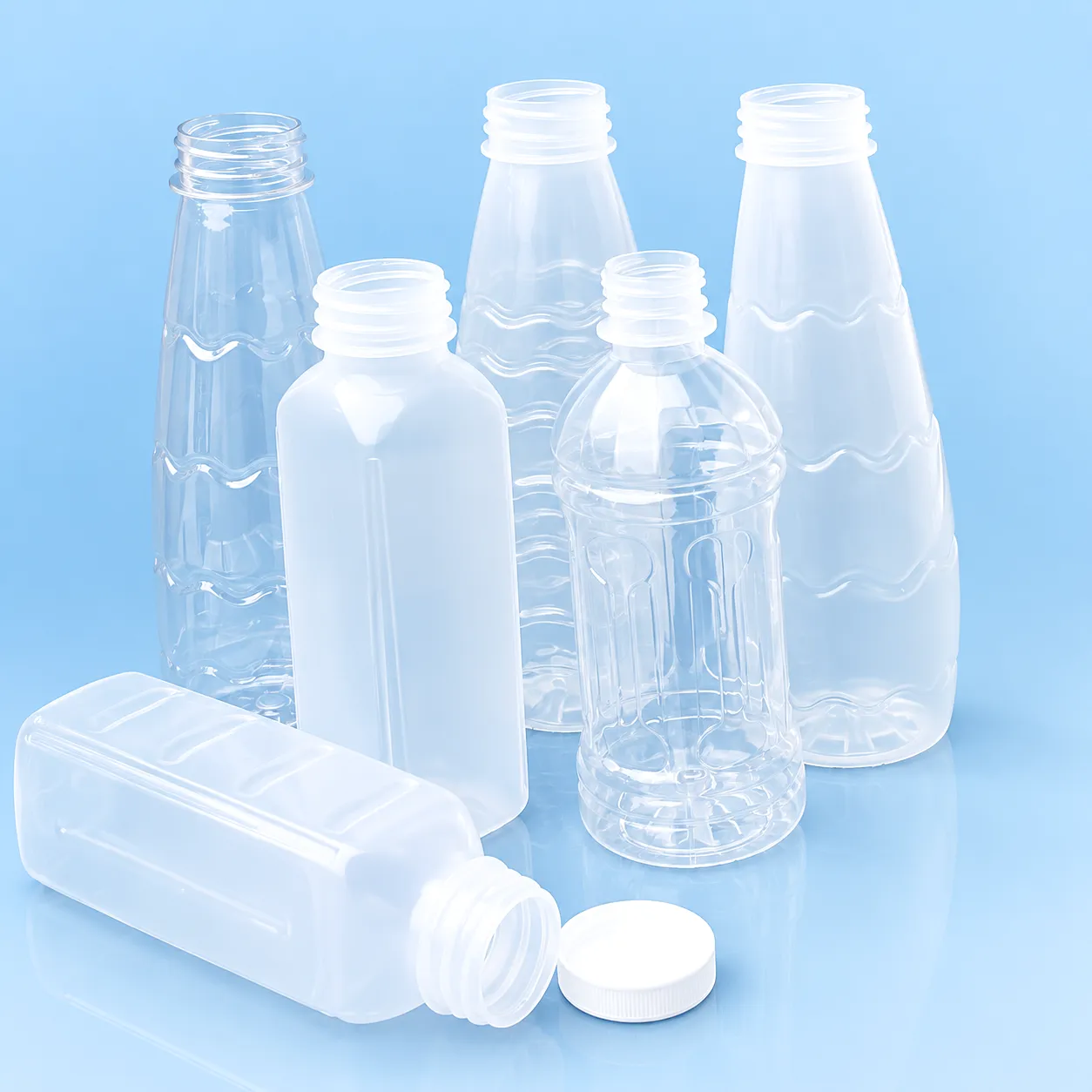
Preferred where hot-fill resistance is paramount. PP retains its shape at filling temperatures up to 95°C, making it the material of choice for hot-fill juice bottles, sauces and condiment containers destined for UK retailers such as Tesco, Sainsbury’s and Marks & Spencer. Its chemical resistance also makes it the standard choice for containers holding acetic-acid-based dressings and acidic marinades.
HDPE (High-Density Polyethylene)
Chosen for opaque containers — notably milk bottles, flavoured-milk packaging and sports-nutrition powders. HDPE’s stiffness and moisture barrier properties combine to protect dairy-based products over extended chilled distribution routes, including the demanding logistics chains servicing supermarket depots across the M1 and M6 corridors. Importantly, HDPE from certified post-consumer recycled (PCR) streams can be processed on the same machine, supporting brands pursuing UK Plastics Pact commitments.
LDPE & Other Specialty Resins
Low-density PE and specialty co-polymers extend the injection-blow molding machine’s versatility into squeeze-bottle applications — mustard dispensers, honey packaging and soft-sided salad dressing bottles where a degree of controlled flexibility improves end-user dispensing convenience. Thermoplastic elastomers (TPE) blended into the base resin are increasingly specified by premium condiment brands targeting the gift and specialty food retail channel.
Application Scenario 1 — Hot-Fill Juice Bottles
Application Scenario 2 — Sports Drink and Energy Drink Containers
Application Scenario 3 — Condiment and Sauce Containers
The United Kingdom’s condiment market — from Worcestershire sauce and brown sauce with their deep regional manufacturing heritage in the Midlands, through to the booming range of craft hot sauces and Asian cooking sauces filling the shelves of Waitrose and Ocado — requires containers that balance aesthetic premiumness with functional practicality. Sauce containers are typically specified in either PP or PET depending on the filling temperature and the required shelf life. An injection-blow molding machine fitted with a multi-cavity tool (4, 8 or 12 cavities depending on container volume) can produce the same container design in multiple materials without major mechanical alteration, simply by changing the processing parameters on the machine’s PLC. For squeeze condiment bottles, where the consumer expects a firm but yielding body that expresses product at consistent flow, wall-thickness control across the injection-blow process is critical: variation of more than ±0.15 mm can produce excessively rigid zones that frustrate end users and generate customer-service complaints. The injection-blow process, by forming the parison on the same core rod that then acts as the blow mandrel, controls this variation to within ±0.05–0.08 mm across the full container circumference — a figure that no extrusion-blow process can consistently approach in production volumes.
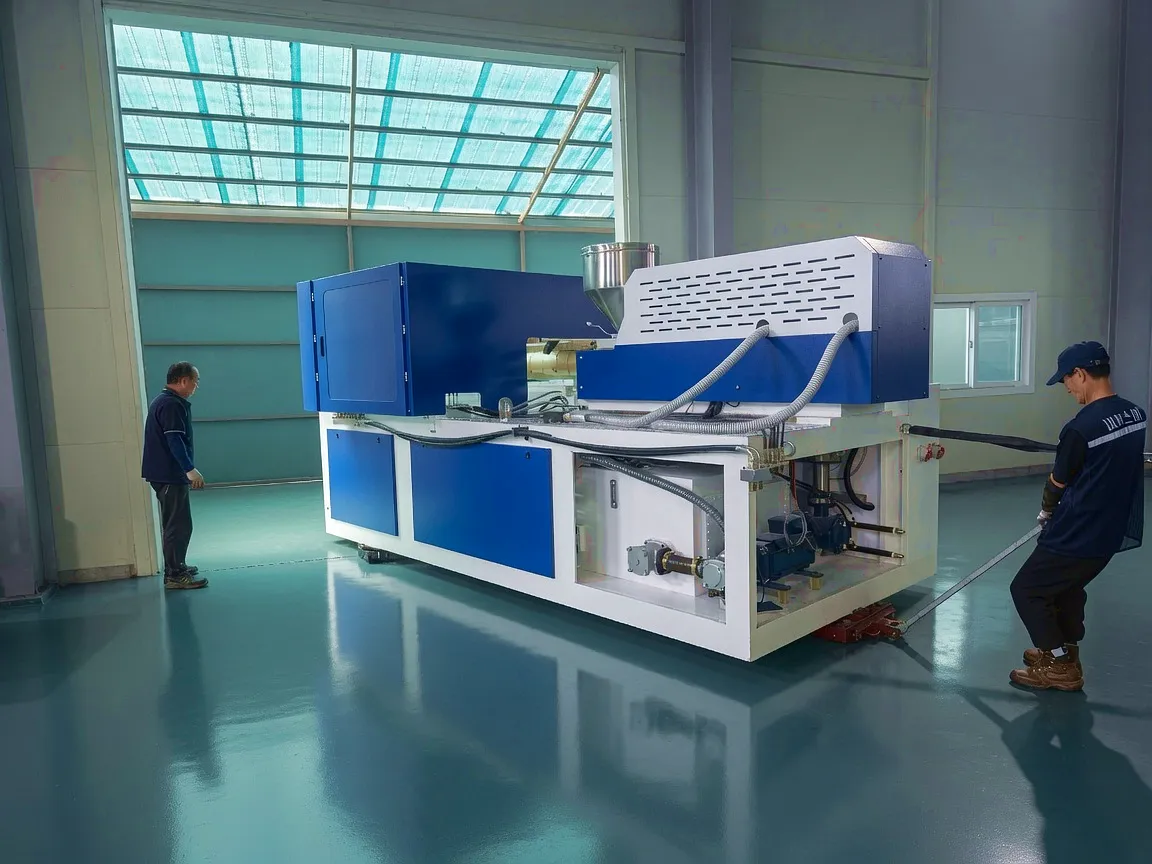
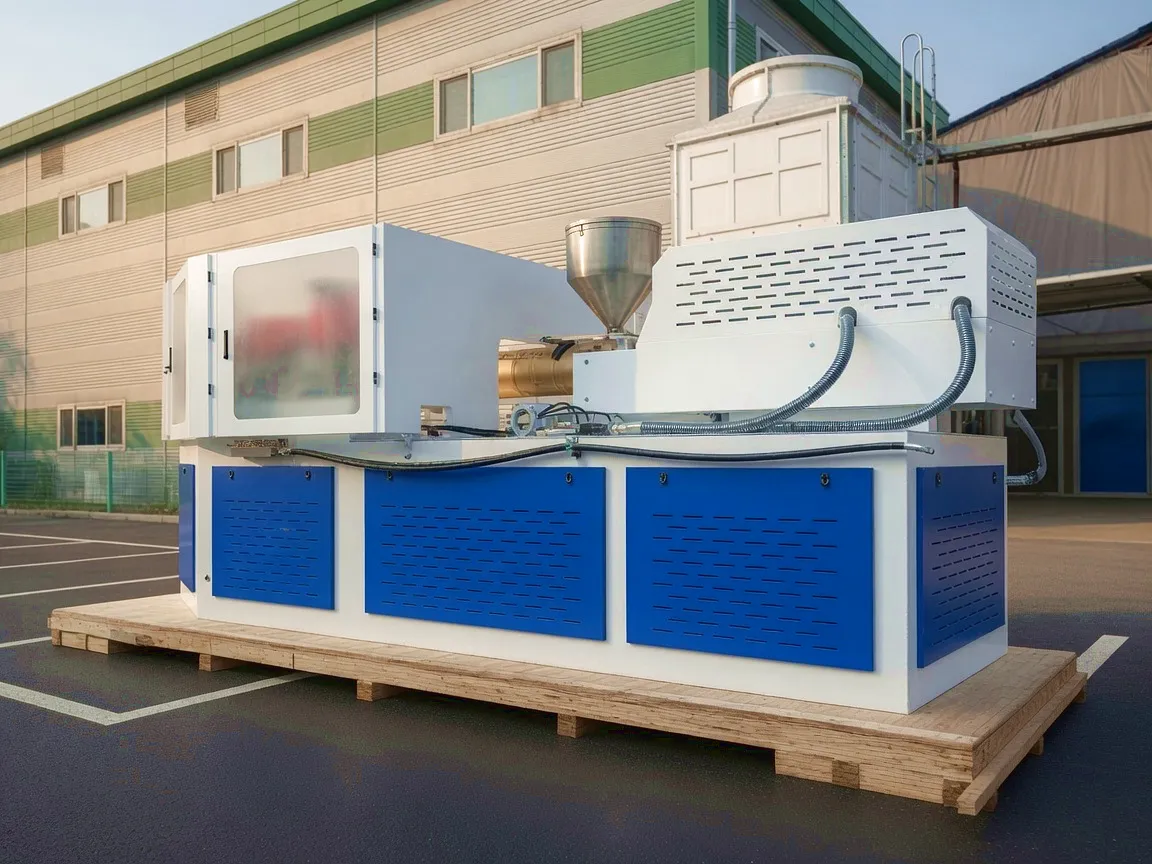
Core Technical Advantages of the Injection-Blow Molding Machine
✅ Neck Finish Precision
Because the neck finish is injection-molded and never re-formed, thread dimensions are held to within ±0.03 mm. This prevents closure-leakage failures that cost UK beverage producers millions annually in product recalls and retailer chargebacks.
✅ No Flash or Trim Scrap
Unlike extrusion-blow molding, the injection-blow process produces no pinch-off flash, eliminating the secondary trimming operation and the associated labour cost. Material yield typically reaches 99.2–99.7%, a figure that contributes meaningfully to per-unit cost competitiveness — an important consideration when responding to supermarket buyers pressing for cost reductions.
✅ Superior Wall Uniformity
Wall-thickness variation of ±0.05–0.08 mm is achievable across the container’s cylindrical section. This consistency enables lightweighting — reducing bottle weight by 8–15% compared with conventional alternatives — while maintaining the drop-impact performance and top-load stacking strength demanded by UK grocery supply chains.
✅ Compact, Single-Stage Architecture
The entire injection-blow molding machine footprint — injection unit, blow station, ejection — occupies a fraction of the floor area of a two-machine stretch-blow-molding installation. For UK food manufacturers operating in older buildings with limited floor space and weight-bearing constraints, this translates directly into avoided civil engineering costs and faster time-to-production.
✅ Fast Changeover and Multi-Material Flexibility
Modern injection-blow molding machines with servo-driven injection units and PLC-stored parameter sets can switch between container designs or materials in 60–90 minutes. For contract manufacturers handling 15–30 different SKUs across multiple FMCG clients, this agility is the difference between a profitable contract and an uncompetitive bid.
✅ Energy Efficiency
Servo-hydraulic and all-electric injection-blow molding machine configurations reduce energy draw by 25–40% versus traditional hydraulic-only machines. With UK industrial electricity prices above 20p/kWh on many tariffs, energy efficiency is now a primary factor in total-cost-of-ownership calculations when justifying capital expenditure to a finance director.
Technical and Performance Parameters — Injection-Blow Molding Machine
| Parameter | ZQ40 Model | ZQ60 Model | Notes |
|---|---|---|---|
| Clamp Force | 40 kN | 60 kN | Toggle or hydraulic clamp options |
| Max. Container Volume | 200 mL | 300 mL | PET/PP/HDPE compatible |
| Neck Diameter Range | 10–38 mm | 10–45 mm | PCO, BPF, 3-start thread options |
| Output Rate (4-cavity) | 2,400–3,200 pcs/h | 2,000–2,800 pcs/h | Cycle time 4.5–6.0 s |
| Injection Pressure | Up to 160 MPa | Up to 160 MPa | Servo-controlled injection unit |
| Blow Air Pressure | 6–10 bar | 6–10 bar | Adjustable via PLC |
| Wall Thickness Tolerance | +/-0.05 mm | +/-0.05 mm | Measured across full circumference |
| Mold Stations | 3 (Inject/Blow/Eject) | 3 (Inject/Blow/Eject) | Rotary index, no preform transfer |
| Motor / Drive Type | Servo-hydraulic / All-electric | Servo-hydraulic / All-electric | CE-certified, EU Machinery Directive |
| Temperature Control Zones | Up to 6 zones | Up to 8 zones | PID-controlled barrel and nozzle |
| Machine Weight (approx.) | 3,200 kg | 4,500 kg | Suitable for standard UK factory floors |
| Control System | Siemens / Mitsubishi PLC | Siemens / Mitsubishi PLC | HMI touchscreen, parameter memory |
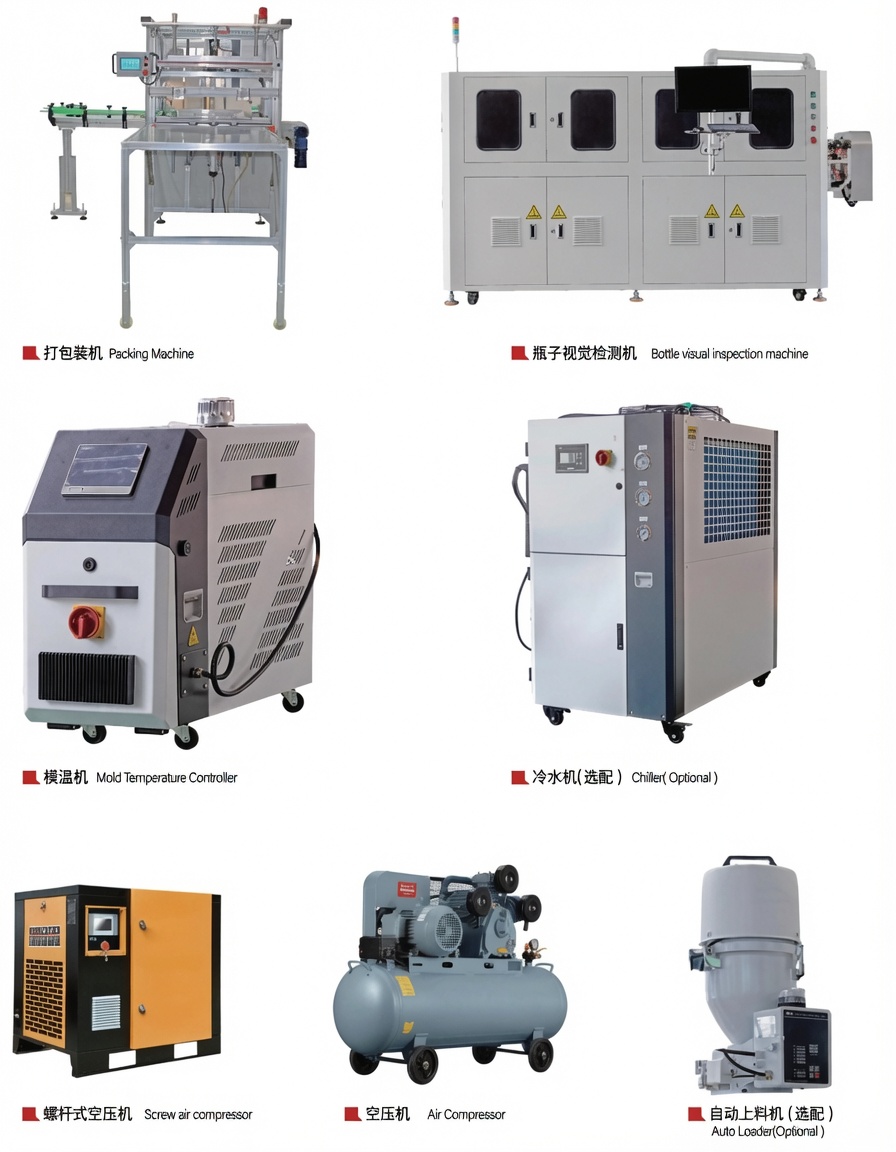
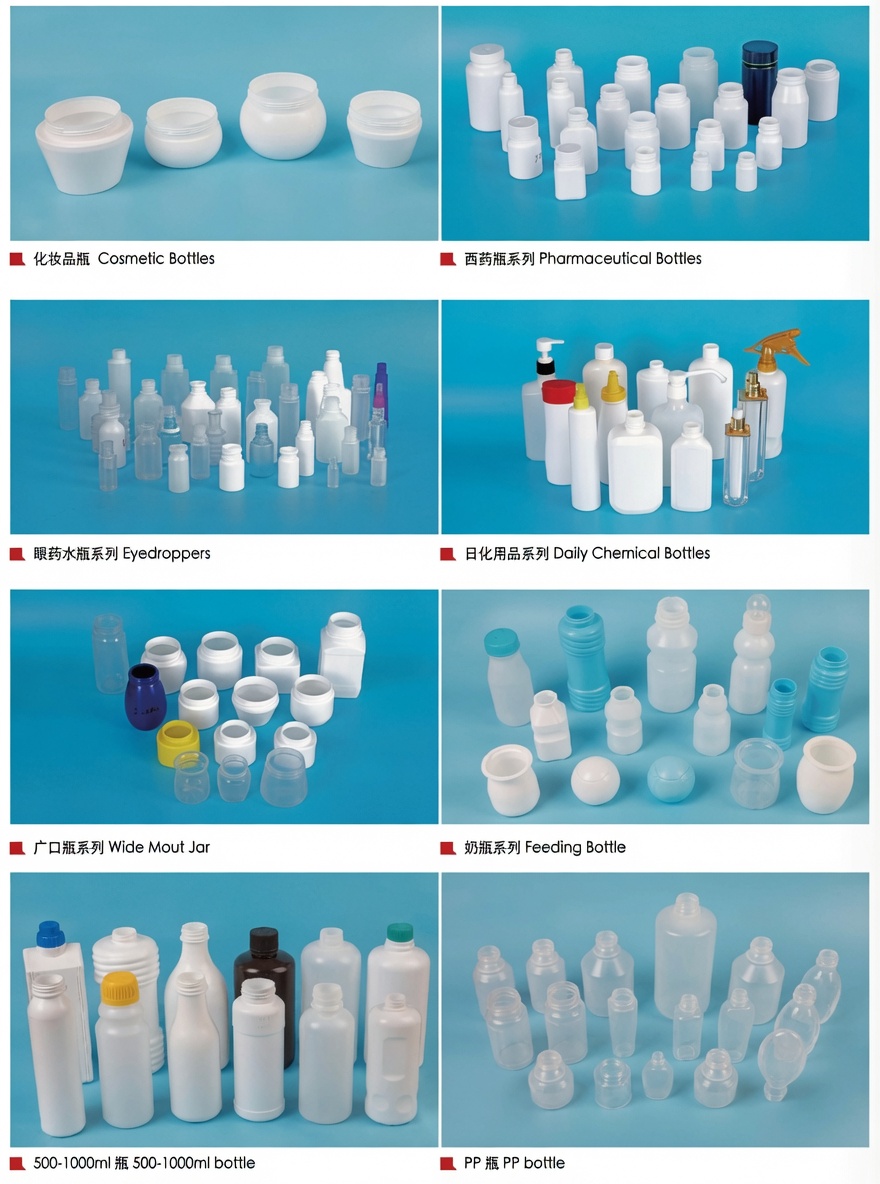
Featured Injection-Blow Molding Machines — European Series
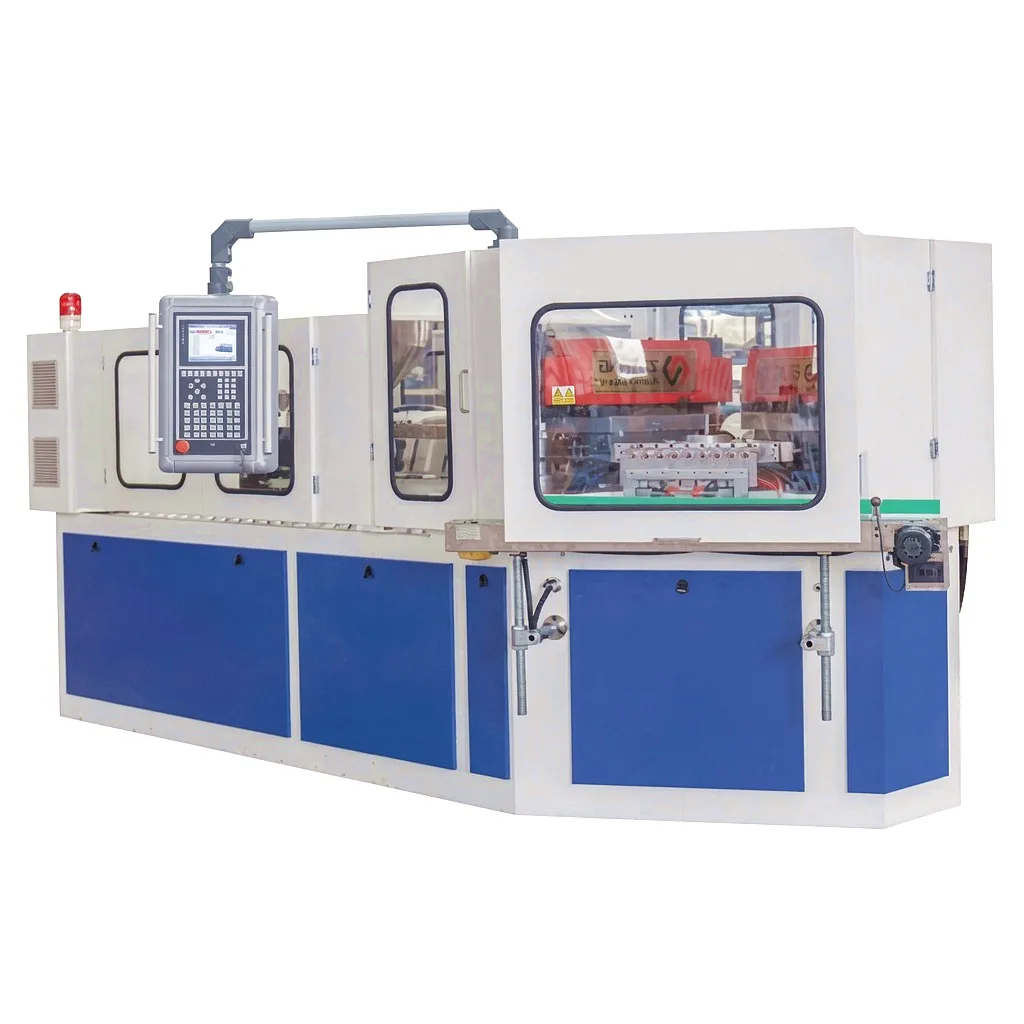
Ever Power — Manufacturing Excellence and Customisation Capability
Ever Power brings more than two decades of precision engineering experience to every injection-blow molding machine that leaves its manufacturing facilities. The company’s engineering team spans mechanical, electrical and software disciplines, enabling a level of end-to-end customisation that catalogue suppliers simply cannot match. When a Sheffield-based condiment producer requires a unique bottle shoulder geometry that no standard cavity tool accommodates, or a Bristol contract packaging house needs a dual-material capability to run both PET and PP on the same machine within a single shift, Ever Power’s in-house design office develops, simulates and validates the solution before committing to tooling steel.
The company’s supply chain management deserves particular attention. Ever Power maintains strategic inventory positions for critical lead-time components — servo amplifiers, barrel-and-screw assemblies, hydraulic manifold blocks — so that a bespoke injection-blow molding machine order can be fulfilled within competitive lead times rather than the extended waits that have plagued some competing suppliers. For UK buyers, this matters: a 12-week lead time advantage over a rival quotation can determine whether a new product launches in time for a key retail window such as the summer soft-drinks season or the pre-Christmas health-drink surge.
Ever Power’s quality management system covers raw material qualification, sub-assembly inspection, full-machine functional testing at rated output, and a comprehensive factory acceptance test (FAT) procedure that can be witnessed remotely via live video link or conducted in person at the manufacturing facility. Documentation packages are prepared in English and meet the technical file requirements of the UK Conformity Assessed (UKCA) marking process, ensuring smooth importation and commissioning for UK buyers post-Brexit.
🛠 Custom Cavity Tooling
Proprietary bottle geometries, custom neck finishes, multi-cavity configurations from 2 to 12 cavities.
💻 PLC and HMI Integration
Siemens or Mitsubishi control platforms, remote diagnostics, OPC-UA connectivity for Industry 4.0 integration.
✅ UKCA / CE Documentation
Full technical file in English, risk assessment, wiring diagrams and FAT protocol included as standard.
🚚 Supply Chain Reliability
Strategic component inventory ensures quoted lead times are met. Spare-parts kits dispatched to UK from bonded stock.
Customer Success Story — Birmingham, UK Food and Beverage Sector
Midland Packing Solutions Ltd — Birmingham, West Midlands
Midland Packing Solutions Ltd is a contract packaging operation based on the Aston Industrial Estate in Birmingham, supplying branded fruit drinks, flavoured water and condiment containers to regional grocery chains and national food-service distributors. In 2024, the company had been operating a pair of ageing extrusion-blow molding machines that produced unacceptably high levels of flash waste — around 6.5% of total material consumption — and struggled to maintain the neck-finish tolerances required by a new supermarket customer whose automated filling line demanded closures that seated within ±0.06 mm.
After evaluating several injection-blow molding machine suppliers, Midland Packing’s engineering manager selected Ever Power’s ZQ60 European model on the basis of the detailed technical documentation, the willingness to conduct a witnessed trial run in a material specification matching their PP hot-fill juice bottle, and the competitive lead time of eleven weeks from purchase order to delivery at Birmingham. Ever Power’s engineering support team visited the site during installation week, adjusted the temperature profile across all eight barrel zones to suit the specific PP grade Midland Packing sourced from their UK distributor, and ran a process capability study across 1,200 consecutive shots before signing off the installation.
The results after 90 days of production were significant. Flash waste dropped from 6.5% to below 0.4%. Neck-finish Cpk improved from 0.88 to 1.56, comfortably within the supermarket customer’s minimum acceptance criterion of 1.33. Energy consumption per thousand bottles decreased by 29% compared with the extrusion-blow machines, translating to a saving of approximately £18,400 per year at prevailing West Midlands electricity tariffs. The ZQ60’s 60-minute tooling changeover enabled Midland Packing to consolidate four different SKUs onto a single injection-blow molding machine, freeing floor space that was subsequently used to bring in a secondary labelling line — expanding the company’s service offering without additional premises cost.
★★★★★
“The ZQ60 reduced our scrap rate from over six percent to essentially zero. The neck-finish accuracy means our filling line runs without interruption — something we never achieved with our old extrusion-blow machines. Ever Power’s installation support was exceptional; their engineer stayed on-site for four days until we were fully confident.”
— D. Warwick, Engineering Manager, Midland Packing Solutions Ltd, Birmingham
★★★★★
“We specified a custom label-panel geometry for a branded sports drink contract. Ever Power’s design team modelled the bottle in CAD, produced a T1 sample tool within seven weeks, and the first production shots were within tolerance. The whole customisation process felt genuinely collaborative — they understood what we needed commercially, not just technically.”
— S. Patel, Operations Director, NorthWest Beverages Ltd, Manchester
★★★★★
“We compared three injection-blow molding machine suppliers on price, lead time, and after-sales. Ever Power came out ahead on all three, but what really decided it was the completeness of the UKCA documentation pack. Our health and safety team approved it first time without a single query — that kind of preparation makes our buying process straightforward.”
— C. Thornton, Procurement Lead, Sheffield Premium Foods Ltd, Sheffield
Frequently Asked Questions
Ready to Upgrade Your UK Packaging Line?
Contact Ever Power today for a no-obligation technical consultation and competitive quotation.
edit by gzl