Injection-Blow Molding Machine: Applications, Technology & UK Industrial Deployment
A deep-dive technical and commercial guide for procurement engineers, plant managers, and purchasing directors across the United Kingdom.
Technical Reference
UK Industry Focus
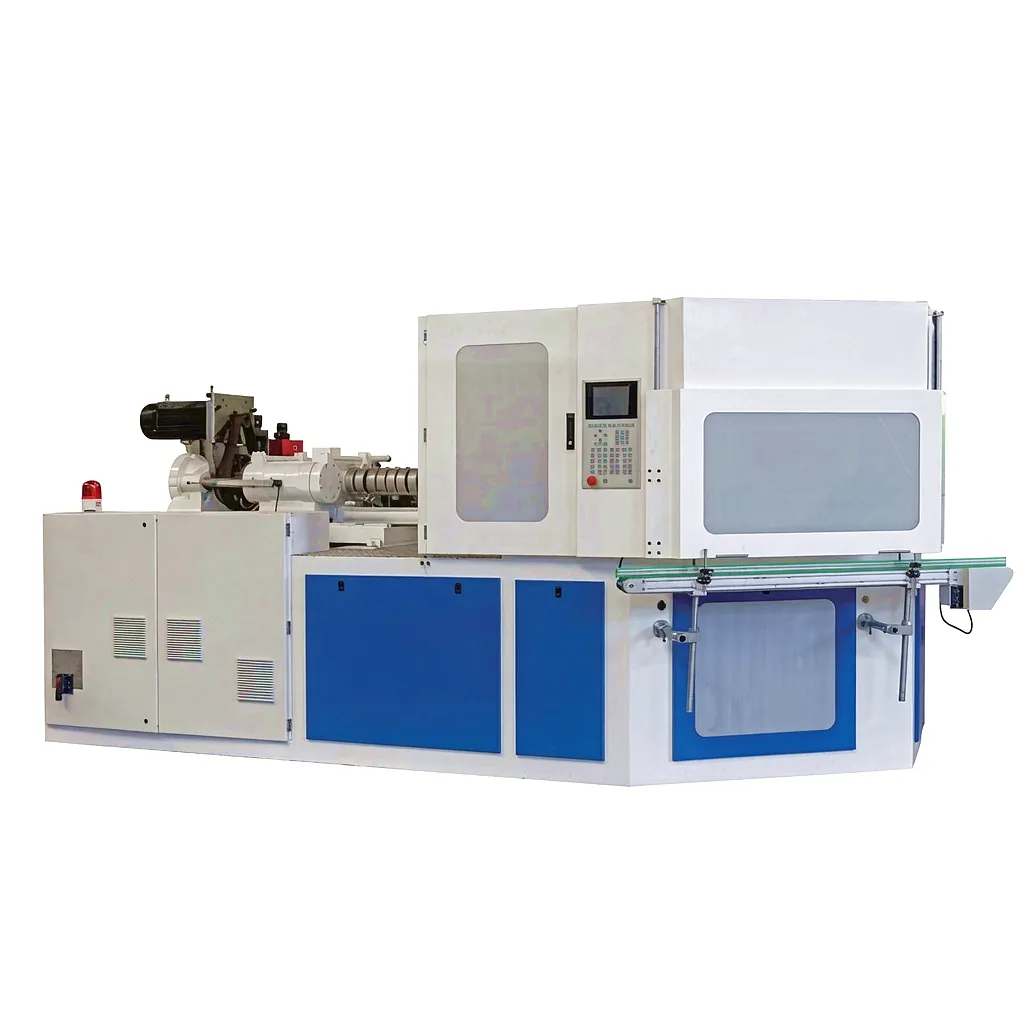 When manufacturers across Birmingham, Sheffield, and the broader UK production corridor evaluate their blow-moulding investments, the injection-blow molding machine stands apart as one of the most technically precise container-forming solutions available on the industrial market today. Unlike extrusion-blow or stretch-blow processes, the injection-blow molding machine merges two distinct process stages — polymer injection over a core rod and subsequent inflation inside a blow mould cavity — into a single, tightly controlled manufacturing cycle. This integration eliminates the flash and trimming waste that plagues extrusion alternatives, reduces secondary handling costs, and delivers dimensional accuracy that satisfies even the most demanding pharmaceutical, cosmetics, and specialty chemical packaging specifications. The technology has matured substantially over the past two decades, with modern machines delivering repeatability tolerances measured in fractions of a millimetre, cycle times under 20 seconds for sub-100ml bottles, and energy consumption profiles that align with the UK manufacturing sector’s intensifying carbon-reduction commitments. For procurement professionals exploring high-output, zero-waste container production, understanding the full scope of what the injection-blow molding machine offers — from its mechanical architecture through to post-installation service logistics — is essential groundwork before any capital expenditure decision.
How the Injection-Blow Molding Machine Actually Works
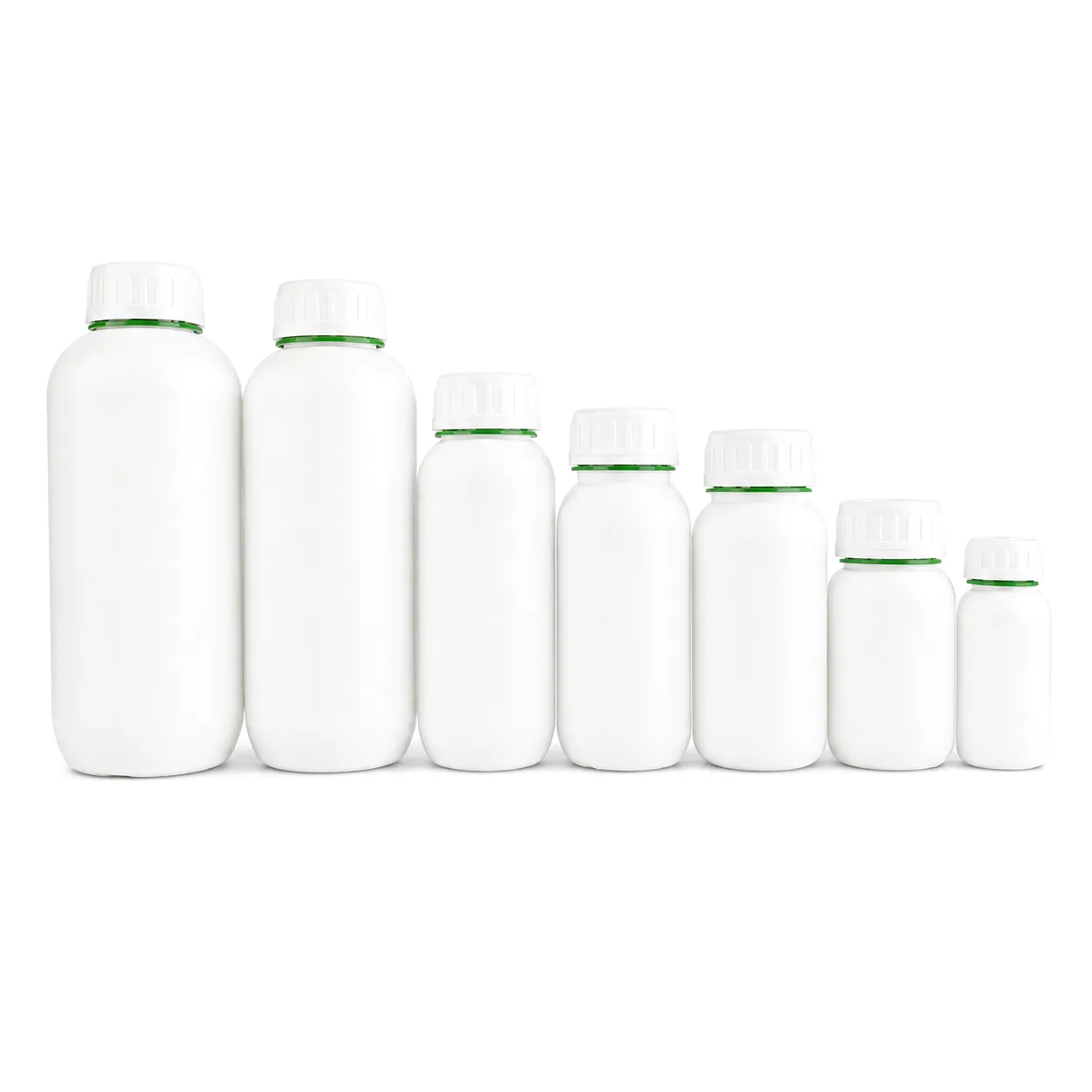 The operating principle of an injection-blow molding machine centres on a rotating or indexing platen that carries core rods through three distinct stations, each performing a critical function within the same machine footprint. At the injection station, molten thermoplastic — fed through a reciprocating screw and barrel system — is injected into a precision steel mould to form a preform, or parison, directly over the core rod. This preform already holds the finished neck geometry, thread profile, and neck-support flange, meaning no secondary neck-trimming operation is ever required. The core rod simultaneously acts as a temperature-regulation mandrel, chilling the preform to the precise blow-moulding temperature range before the indexing mechanism rotates it to the blow station.
At the blow station, the still-warm preform is enclosed within the blow mould and subjected to internal air pressure — typically between 4 and 10 bar depending on resin type and container geometry — that inflates the preform against the mould wall, capturing every surface detail of the finished container. Cooling channels machined into the blow mould rapidly extract heat, allowing the container to solidify and retain its dimensional form. The third station handles ejection, where finished bottles are stripped from the core rods and discharged onto conveyors or accumulation tables. This three-station architecture means a single injection-blow molding machine achieves continuous production with virtually no dead time between cycle phases, translating directly into output rates that extrusion-blow processes struggle to match on a per-gram-of-material basis.
Clamping systems on modern machines use toggle or hydraulic mechanisms calibrated to the mould-parting-force requirements of each container geometry, and the barrel temperature zones — commonly five or six independent PID-controlled zones — allow the processing engineer to tailor melt viscosity across the screw length for maximum shot-weight consistency. Combined with servo-driven injection and clamping axes now available on premium models, the injection-blow molding machine achieves shot-weight variation figures below 0.5%, a critical performance indicator for pharmaceutical primary packaging audited under MHRA guidelines in the United Kingdom.
Core Materials Processed by Injection-Blow Molding Machines
High- and low-density polyethylene remain the dominant resins on the UK injection-blow molding machine market. Their excellent chemical resistance makes them indispensable for agrochemical, cleaning product, and personal care containers where wall contact with aggressive surfactants demands robust material integrity. HDPE in particular processes cleanly with wide barrel temperature windows (160–230°C) and exhibits outstanding stress-crack resistance under consumer use conditions.
Polypropylene’s heat resistance and hinge-fatigue endurance make it the preferred resin for food-grade and medical sample containers produced on injection-blow molding machines throughout the Yorkshire and West Midlands manufacturing belt. Its autoclavability enables pharmaceutical manufacturers to produce injection vials and eye-drop containers that pass terminal sterilisation protocols, a major selling point for UK-regulated healthcare packaging.
Single-stage injection-blow molding with PET delivers glass-clear containers with outstanding gas-barrier properties, essential for premium cosmetics and specialty beverage packaging. The injection-blow molding machine’s capacity to produce narrow-neck PET containers with excellent optical clarity and consistent wall distribution gives UK cosmetics brands — concentrated in the London and Manchester retail clusters — a differentiated packaging platform without secondary orientation equipment.
Polycarbonate and specialty engineering polymers are processed on higher-tonnage injection-blow molding machines for applications demanding exceptional transparency combined with impact resistance, such as laboratory reagent bottles, reusable water containers, and precision optical lens blanks. The high melt temperatures involved (260–310°C) require machines with nitride-hardened barrels and high-torque screw drive systems, features now standard on current-generation platforms.
Core Technical Advantages of the Injection-Blow Molding Machine
Because the neck is formed during injection, the injection-blow molding machine produces containers with no mould parting line across the neck and no flash requiring trimming, reducing post-moulding labour costs by up to 35% compared with extrusion-blow alternatives.
Thread dimensions, neck OD, and ovality tolerances produced on a modern injection-blow molding machine typically achieve ±0.05 mm or better — critical for pharmaceutical caps that must seal to Class II or III device standards as audited under UK Medicines and Healthcare products Regulatory Agency (MHRA) frameworks.
Multi-cavity tooling on injection-blow molding machines scales from 2 to 24 cavities in a single platen, allowing high-volume UK pharmaceutical and cosmetics producers to reach output rates exceeding 12,000 units per hour without the footprint penalties of running multiple single-cavity machines side by side.
Simultaneous indexing across all three stations means an injection-blow molding machine’s effective cycle time equals only the longest single-station cycle — typically 8–22 seconds depending on container volume and resin. Integrated servo axes and real-time clamp-force monitoring now enable cycle-time tuning that was impossible with hydraulic-only systems.
Servo-hydraulic and all-electric injection-blow molding machine variants consume 30–55% less energy per unit produced than their purely hydraulic predecessors, aligning with commitments many UK manufacturers have made under the Environment Act 2021’s energy intensity improvement targets. Standby power draw during non-production periods also drops substantially with modern servo drives.
The closed-mould nature of the injection-blow molding machine prevents external particulate contamination of the container interior — a non-negotiable requirement for oral liquid pharmaceutical containers, sterile diagnostic kits, and clinical-grade reagent bottles destined for NHS supply chain programmes across England and Scotland.
Injection-Blow Molding Machine — Technical & Performance Parameter Table
| Parameter | ZQ60 (UIB 90 Class) | ZQ80 (UIB 120 Class) | Standard Unit |
|---|---|---|---|
| Clamping Force | 600 | 800 | kN |
| Injection Volume (max) | 390 | 500 | cm3 |
| Screw Diameter | 60 | 70 | mm |
| Barrel Temperature Zones | 5 | 6 | Zones (PID) |
| Blow Air Pressure (max) | 10 | 10 | bar |
| Cavity Range | 2–12 | 4–24 | Cavities |
| Container Volume Range | 5–500 | 5–1,000 | ml |
| Cycle Time (50ml HDPE) | approx. 10–14 | approx. 10–16 | seconds |
| Shot Weight Repeatability | < ±0.5% | < ±0.4% | % Deviation |
| Neck Tolerance | ±0.05 | ±0.05 | mm |
| Compatible Resins | HDPE, LDPE, PP, PET, PC, EVOH, PVC (medical) | — | |
| Control System | Siemens / Beckhoff PLC, 10″ HMI touchscreen | — | |
| Machine Weight (approx.) | 8,500 | 11,000 | kg |
| Mould Material | P20, H13, S136 stainless steel; Al-alloy on request | — | |
Industrial Application Scenarios Across the UK
Application Scenario 1 — Pharmaceutical Primary Packaging
The pharmaceutical sector represents the highest-value application space for the injection-blow molding machine in the United Kingdom. Facilities across Cambridge’s life sciences cluster, the Oxford biomedical corridor, and established pharma manufacturers in the Cheshire and Merseyside region rely on injection-blow molded containers for oral liquid medicines, ophthalmic drops, nasal sprays, and reagent bottles. The combination of injection-precision necks and seamlessly blown bodies delivers the hermetic seal integrity and dimensional consistency demanded by British Pharmacopoeia standards. Clean-room-compatible machine configurations with stainless-steel surfaces, positive-pressure housings, and validated cleaning-in-place protocols make the injection-blow molding machine the default choice for MHRA-licensed pharmaceutical primary packaging lines. Container volumes from 5ml single-dose vials up to 500ml multi-dose syrup bottles can be produced on the same platform with mould-change intervals measured in minutes using quick-release tooling systems, enabling pharmaceutical contract manufacturers to run multiple product SKUs on a single shift without sacrificing dimensional validation status.
Application Scenario 2 — Cosmetics and Personal Care Packaging
Britain’s cosmetics industry — anchored by a dense supplier network across London, the East Midlands, and the Scottish Central Belt — places a premium on surface finish quality, design flexibility, and colour fidelity in container production. The injection-blow molding machine excels here because the closed-cavity blow process faithfully reproduces surface textures, embossed logos, and faceted geometries that would be impossible on extrusion lines. PP and PET runs on these machines yield shampoo bottles, lotion dispensers, and serum containers with wall thickness uniformity that directly influences label adhesion, printing quality, and shelf-appeal metrics. Leading UK cosmetics brands have adopted injection-blow molding machine platforms specifically to reduce the rejection rate on high-clarity PET containers — some reporting a reduction from 4.8% to under 0.6% after switching — while simultaneously eliminating the trimming stations that previously occupied valuable cleanroom floor space. Short-run customisation capabilities also support the UK’s growing independent cosmetics sector, where limited-edition container runs of 25,000–100,000 units are commercially viable on modern injection-blow molding machine tooling.
Application Scenario 3 — Food and Beverage Containers
The UK food and beverage packaging market, valued in the billions annually, places the injection-blow molding machine at the centre of a growing shift toward portion-controlled and single-serve formats. Sauce bottles, condiment containers, flavoured syrups, vitamin drinks, and speciality vinegars produced in food manufacturing hubs across Yorkshire, Lancashire, and the West Country increasingly rely on injection-blow molded HDPE and PP vessels for their combination of food-contact compliance (under UK Food Standards Agency regulations) and production efficiency. The absence of flash on injection-blow molded bottles eliminates a major microbiological contamination risk present on trimmed extrusion-blow containers, a factor that accelerates FSA auditor approval. Injection-blow molding machines running high-clarity PP also serve the premium ambient sauce segment, where glass replacement is commercially attractive but requires a container with sufficiently close optical properties to sustain brand positioning at retail — a challenge that PP injection-blow molding handles remarkably well given the resin’s inherent semi-gloss surface characteristics.
Application Scenario 4 — Chemical and Agrochemical Bottles
Agricultural chemicals, domestic cleaning agents, and industrial solvents all demand container solutions with robust chemical resistance, precise fill-level markings, and child-resistant neck compatibility — requirements that align directly with the strengths of HDPE-based injection-blow molding machine production. UK agrochemical formulators based in the East Anglian farming belt and the Scottish farming regions require containers that maintain structural integrity through thermal cycling, UV exposure, and prolonged contact with organophosphate-based compounds. The injection-blow molding machine’s capacity to produce containers with controlled wall thickness distribution (no thin spots caused by parison sag, as occurs in extrusion-blow) directly addresses these structural demands. Neck finish accuracy also matters enormously in this sector: trigger-spray and pump-top closures applied to injected necks demonstrate dramatically lower leakage rates than those applied to trimmed extrusion-blow necks, reducing product loss during bulk transport through UK distribution networks such as the major agricultural cooperative logistics channels.
Application Scenario 5 — Medical Device Components and Lab Ware
Medical device manufacturers and laboratory equipment suppliers in the UK — particularly those serving the National Health Service supply chain and private diagnostics companies concentrated in the Thames Valley corridor and Edinburgh’s biotech quarter — source injection-blow molded components for specimen collection vessels, reagent bottles, IV solution containers, and pipette packing. The contamination-free interior surface produced by the injection-blow molding machine’s closed-mould process means there is no risk of the lubricant residues or flash particles that can compromise diagnostic assays when present in extrusion-blow containers. PP injection-blow molded centrifuge tubes and cryogenic storage vials now constitute a significant growth category for UK injection moulding converters, driven by post-pandemic investment in domestic diagnostic manufacturing capacity under the UK Health Security Agency’s supply resilience programmes.
Application Scenario 6 — Automotive Fluid and Industrial Chemical Containers
The automotive aftermarket and industrial maintenance sectors, clustered heavily around Birmingham’s manufacturing corridor and Sheffield’s advanced engineering base, represent a growing injection-blow molding machine market segment for HDPE and PP fluid containers. Engine oil top-up bottles, brake fluid reservoirs, windscreen wash containers, and speciality lubricant vessels all benefit from the precise neck geometry that an injection-blow molding machine delivers — ensuring leak-proof sealing with standard automotive screw caps, a critical requirement when containers are transported through the complex distribution network serving UK automotive workshops. Injection-blow molded automotive fluid containers typically feature integrated measurement graduations moulded into the container wall at the injection station, a design detail that extrusion-blow processes struggle to replicate with sufficient depth and sharpness to survive the ultrasonically applied marking cycles common in automotive packaging lines.
Featured Injection-Blow Molding Machine Products
Ever Power’s current platform lineup delivers proven replacements for industry-standard Uniloy UIB machines, with enhanced servo control and UK-compliant electrical specifications as standard.
The ZQ80 is a direct performance replacement for the Uniloy UIB 120 platform, delivering 800 kN clamping force, up to 24-cavity tooling compatibility, and a Siemens PLC control architecture with full EU/UK CE compliance. Servo-assisted injection and clamping reduce energy consumption by up to 48% versus its hydraulic predecessor, making it an ideal choice for high-volume pharmaceutical and cosmetics converters across the UK seeking to modernise their injection-blow molding machine fleet without retooling their existing mould inventory.
The ZQ60 brings 600 kN clamping capacity and a compact machine footprint that suits mid-range production facilities looking to upgrade their injection-blow molding machine infrastructure without requiring major factory floor reconfigurations. Fully backward-compatible with UIB 90 tooling, the ZQ60 allows UK converters in the personal care, food, and medical sectors to transition swiftly to modern servo-hydraulic performance standards while retaining the mould investments they have already made. Delivery lead times for standard configurations are typically 10–14 weeks from order confirmation to UK port of entry.
Ever Power: Manufacturing Capability & Customisation Services
Ever Power operates a purpose-built precision engineering facility equipped with CNC machining centres, coordinate-measuring machines, and assembly lines dedicated entirely to the production of injection-blow molding machines and associated tooling. The factory’s ISO 9001-certified quality management system, combined with an in-house materials testing laboratory and dimensional inspection suite, ensures that every injection-blow molding machine shipped to a UK customer has passed a complete Factory Acceptance Test (FAT) before despatch.
Ever Power’s in-house mould design team works directly with UK packaging engineers to develop bespoke injection-blow mould tooling from P20, H13, or S136 stainless steel, with 3D-printed prototype validation available before steel cutting commences.
Customer-specified PLC platforms — including Siemens, Beckhoff, and Allen-Bradley — are accommodated without additional lead-time penalties, supporting integration with existing UK factory SCADA and MES networks.
Ever Power coordinates DDP freight to UK ports (Felixstowe, Southampton, Tilbury), manages customs documentation, and provides on-site commissioning engineers fluent in English who remain on-site until full production validation is achieved.
All injection-blow molding machines supplied by Ever Power to UK customers carry full CE and UKCA marking, with Declaration of Conformity documentation provided in English and machine documentation packages formatted to BS EN ISO 12100 machine safety standards.
Ready to discuss your injection-blow molding machine requirements? Ever Power’s technical sales team provides detailed quotations, FAT schedules, and mould feasibility assessments at no charge for qualifying UK projects.
Customer Success Story: Sheffield Pharmaceutical Packaging Converter
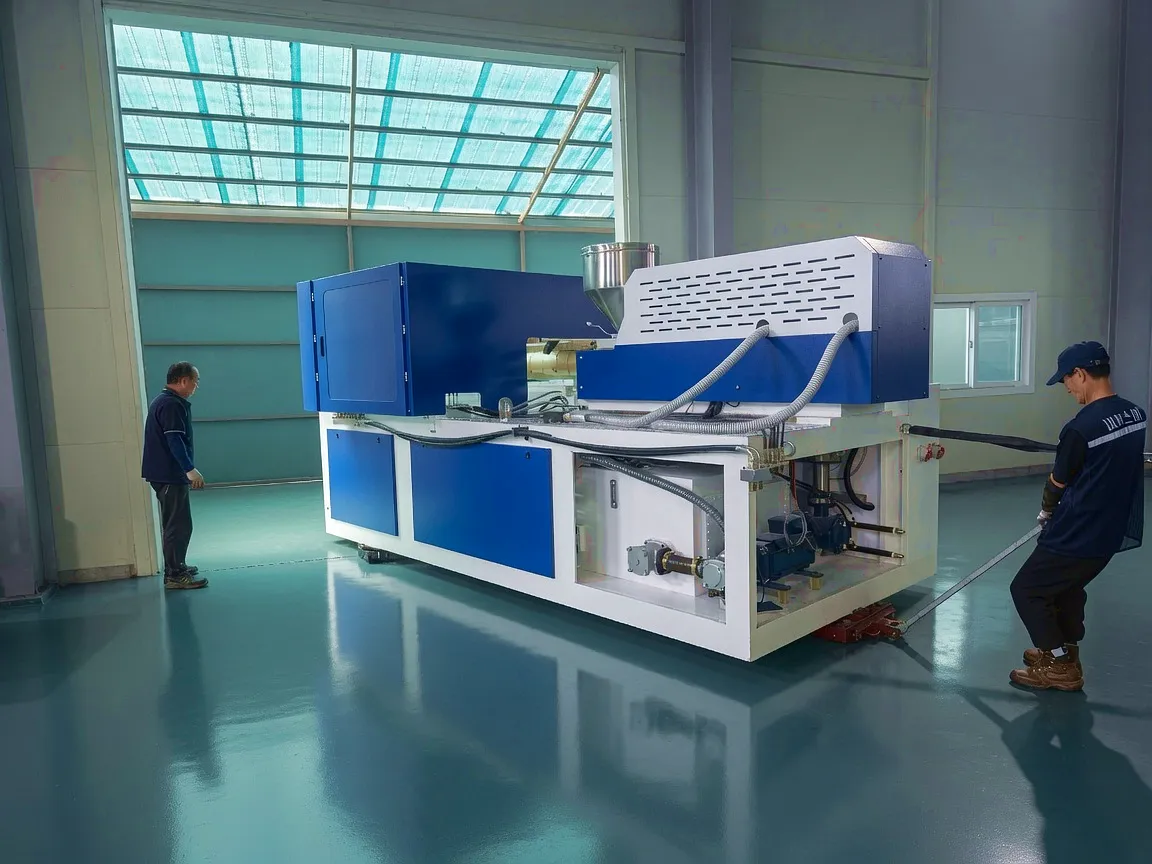
A mid-size pharmaceutical packaging converter based in Sheffield — serving both NHS-contracted generic medicine manufacturers and private-label OTC healthcare brands throughout Northern England — approached Ever Power in late 2023 with a specific challenge: their ageing fleet of three Uniloy UIB 90 injection-blow molding machines was approaching end-of-serviceable-life, with increasingly frequent unplanned downtime events costing the business an estimated £140,000 per quarter in lost production and emergency maintenance call-outs.
After a detailed technical consultation with Ever Power’s engineering team, the Sheffield facility chose to replace all three UIB 90 units with Ever Power ZQ60 injection-blow molding machines, retaining their entire existing mould tooling inventory — a critical financial consideration given the estimated £280,000 combined tooling replacement value. Ever Power’s factory validation team confirmed ZQ60-UIB 90 mould compatibility across all 27 active container SKUs within six working days of the initial tooling audit, and the three machines were delivered DDP to Sheffield within the agreed 12-week lead time.
Post-commissioning results, measured over the first six months of production operation, showed an average cycle-time reduction of 18% versus the retired UIB 90 units, energy consumption down by 41%, and overall equipment effectiveness (OEE) improving from 67% to 84%. Unplanned downtime events — which had averaged 3.2 per month across the old fleet — fell to 0.4 per month on the new injection-blow molding machines. The Sheffield converter has since placed a follow-on order for a single ZQ80 injection-blow molding machine to serve its growing high-volume personal care packaging contract, which requires the larger cavitation capacity the ZQ80 platform provides.
What Our UK Customers Say
“The ZQ60 injection-blow molding machine from Ever Power matched our UIB 90 tooling perfectly — not a single mould required modification. The cycle time improvement was immediately measurable in our first production run, and the Siemens HMI is something our operators found intuitive within half a day of training. For a Sheffield pharmaceutical converter trying to maintain MHRA validation continuity through an equipment transition, this was as smooth a changeover as we could have hoped for.”
“We evaluated three alternative injection-blow molding machine suppliers before committing to Ever Power’s ZQ80. The level of pre-sale technical support — including a free mould feasibility report for our 18-cavity PP cosmetics tooling — set them apart entirely. Their commissioning engineer spent a full two weeks on-site at our Birmingham facility until we achieved validated production output. The quality of the containers we are now producing is genuinely better than anything we achieved on the previous platform.”
“We source Ever Power injection-blow molding machines for our HDPE agrochemical container line serving East Anglian customers. The neck accuracy on the finished bottles has cut our closure leakage complaint rate to effectively zero — something we struggled with for years on our previous extrusion-blow setup. Ever Power’s after-sales parts supply through their UK logistics partner has also been consistently reliable, with critical wear components arriving within 48 hours of order.”
Frequently Asked Questions
edit by gzl