Industrial Packaging Technology · UK B2B Guide
IBM Blow Molding Machine: Smart Factory & IoT Integration in Modern Blow Molding Production
From intelligent process control to real-time data acquisition — a comprehensive technical guide for UK manufacturers adopting injection blow molding in Industry 4.0 environments.
Blow Molding Process Comparison: IBM, ISBM, EBM & Extrusion
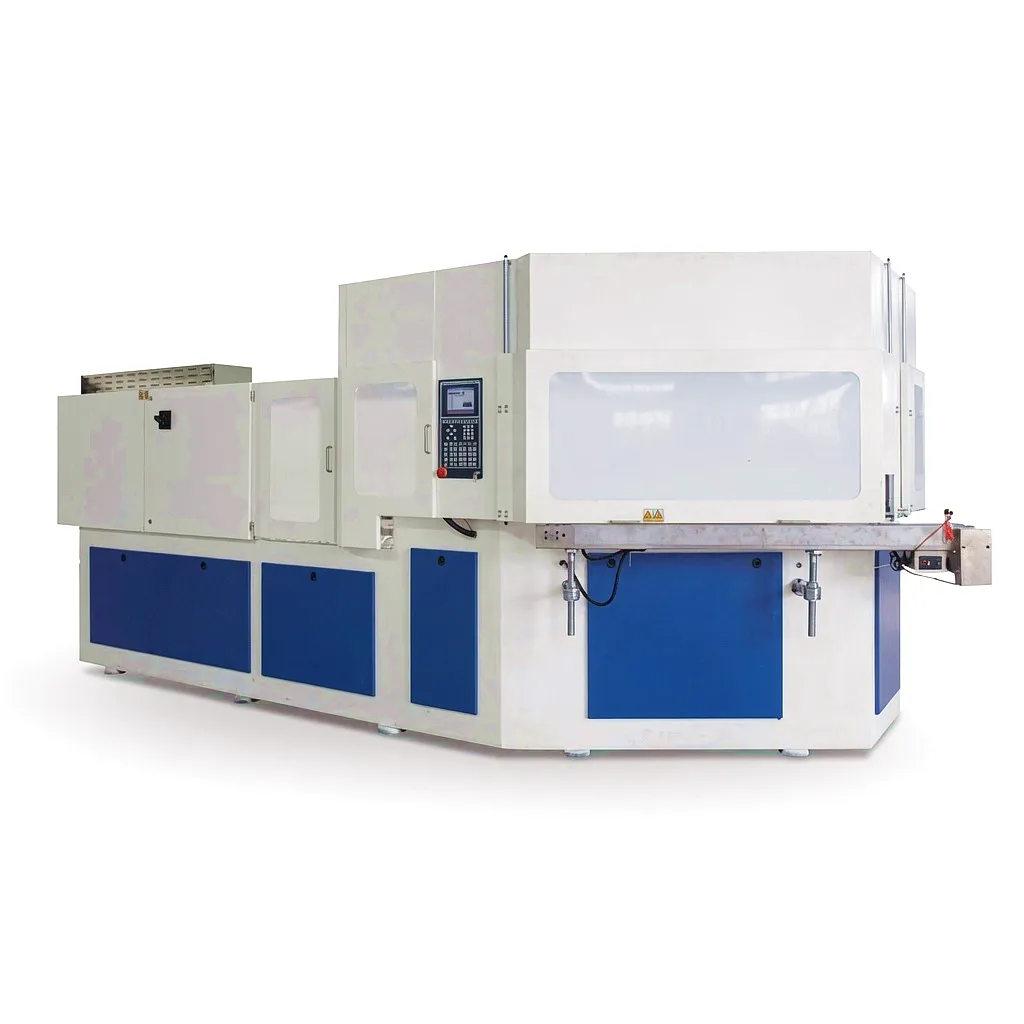
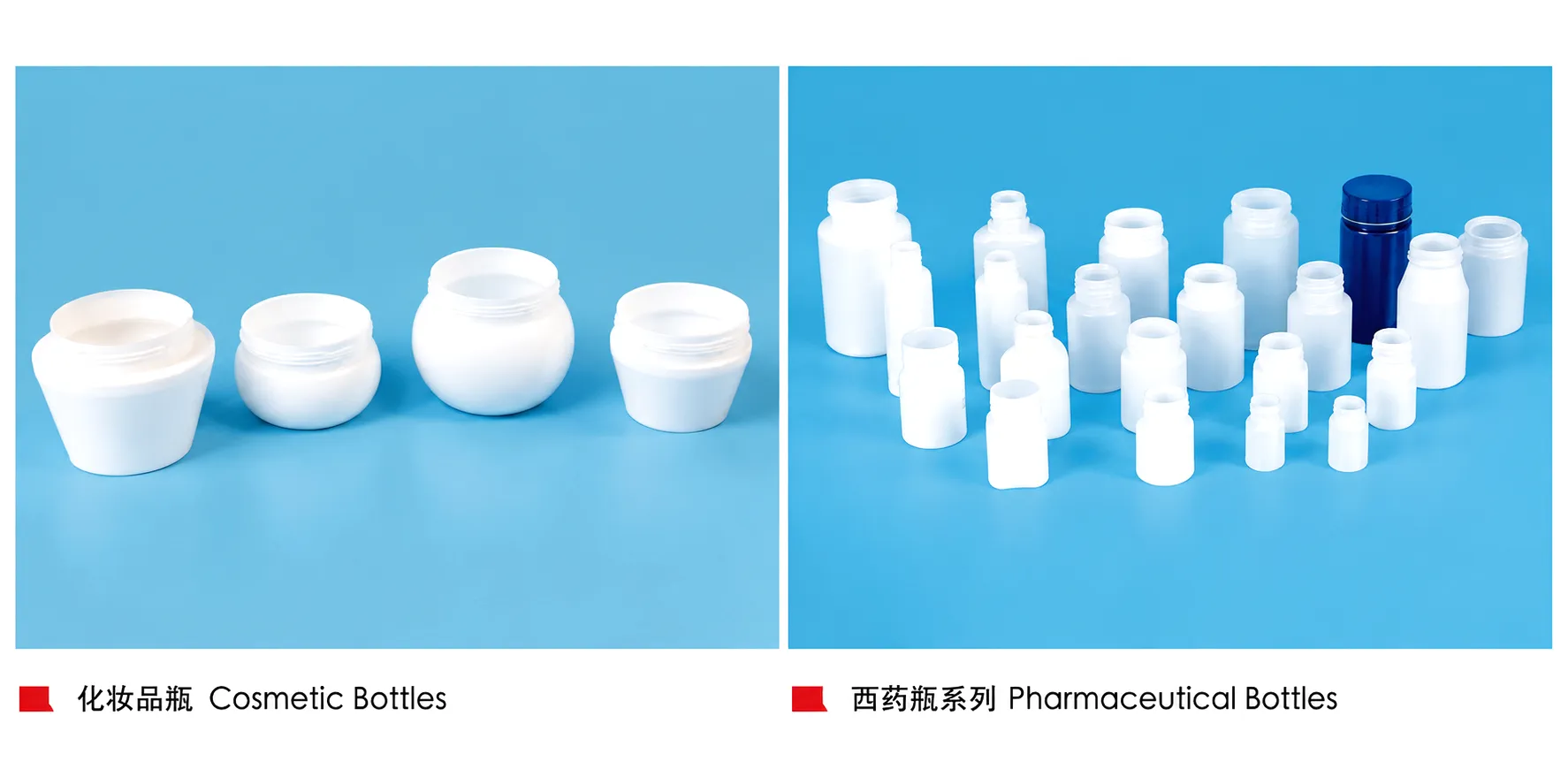
Not all blow molding processes are created equal, and selecting the right technology is the single most consequential decision for a UK packaging plant. The four dominant methods — Injection Blow Molding (IBM), Injection Stretch Blow Molding (ISBM), Extrusion Blow Molding (EBM), and continuous Extrusion — each carry distinct mechanical characteristics, tooling cost structures, output quality profiles, and suitability for different resin families. UK manufacturers in the healthcare, food & beverage, and personal care sectors routinely face this selection decision, and the wrong choice can mean months of rejected output or costly retrofits. An IBM blow molding machine operates in a three-station rotary architecture: Station 1 injects molten polymer over a core pin to form the preform; Station 2 blows the preform into its final bottle shape inside a blow mold; Station 3 strips the finished container and returns the core pin to the injection station. Because the preform is never removed from the core pin between stations, dimensional accuracy is exceptional, flash is essentially eliminated, and no trimming operations are required downstream — a critical advantage for pharmaceutical-grade and cosmetic-grade containers produced in Birmingham and Sheffield facilities where clean-room compatibility and zero-flash standards are non-negotiable.
| Process | Core Mechanism | Wall Uniformity | Flash / Trim | Best Resin | Typical UK Application |
|---|---|---|---|---|---|
| IBM | Inject preform on core pin → blow | Excellent | None | PP, HDPE, PET, PETG | Pharma bottles, cosmetics, small containers |
| ISBM | Inject preform → reheat → stretch + blow | Very Good | None | PET | Beverage bottles, wide-mouth jars |
| EBM | Extrude parison → blow in split mold | Moderate | Top/bottom flash | HDPE, LDPE, PP | Drums, jerricans, automotive ducts |
| Extrusion | Continuous parison, accumulator head | Variable | Significant | HDPE, LDPE | Large industrial containers, tanks |
Wall Thickness Uniformity Control & Preheating Temperature Curves
Core Pin Temperature Zoning
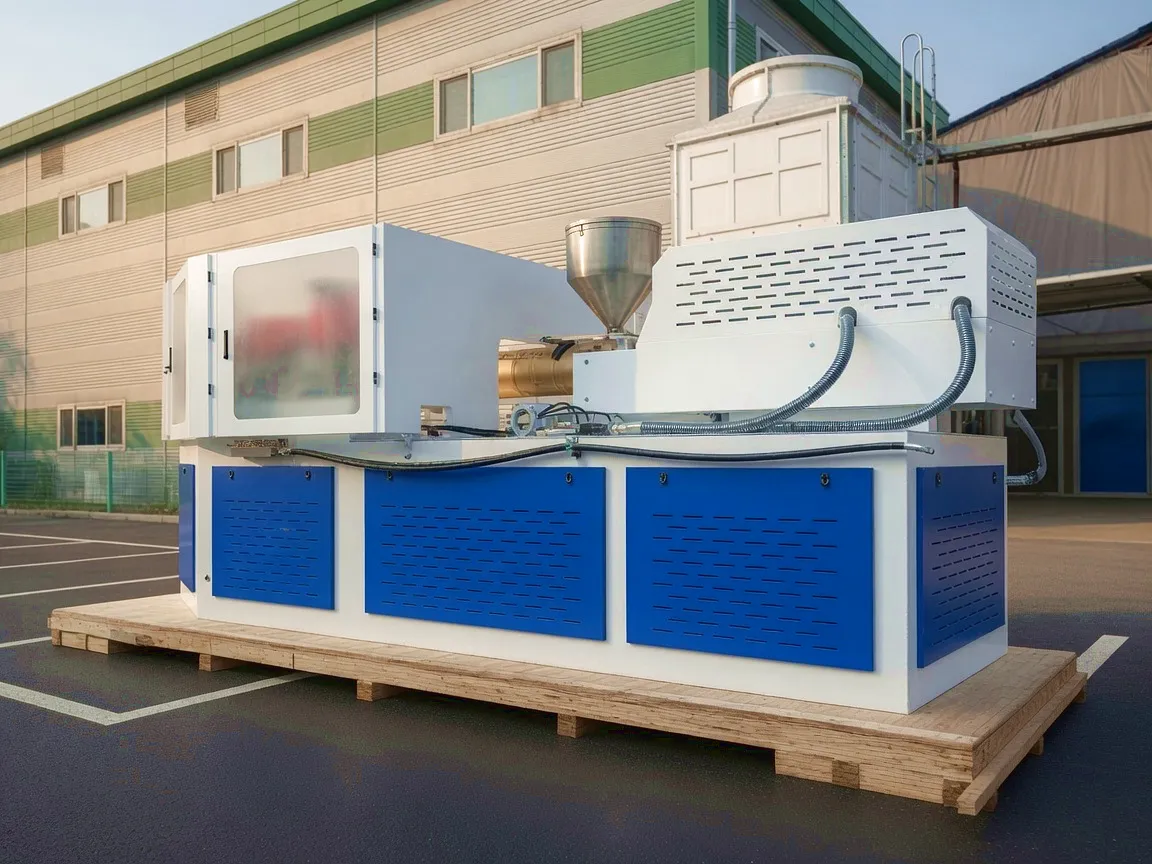
The core pin in a well-engineered IBM blow molding machine is divided into multiple independently controlled heating zones — typically 3 to 5 zones from the tip to the shank. Each zone holds a target temperature within ±1°C, creating a deliberately non-uniform axial temperature profile on the preform. This gradient is not a defect; it is intentional. Thicker portions of the bottle body require a slightly hotter preform zone to achieve the same degree of blow expansion as thinner sections. For PP containers targeting a wall thickness of 0.3–0.6 mm, the core tip zone typically runs at 150–165°C while the upper shank zone operates at 130–145°C. Precise zonal control directly dictates whether the bottle passes UK pharmacopoeia wall-thickness tests or fails at the point of first inspection.
Mold Temperature Profiles for PP & HDPE
Blow mold temperature management is an often underestimated lever for wall-thickness uniformity. In IBM production of HDPE pharmaceutical bottles (a dominant product line at several Leeds and Manchester filling operations), blow mold surface temperatures are typically maintained at 15–25°C using chilled-water cooling channels. For PP containers, slightly warmer mold temperatures of 20–35°C may be required to avoid premature surface chilling that can leave stress marks or haze. Ever Power’s IBM machines incorporate independent blow mold cooling circuits — separate from the injection mold circuits — with proportional control valves that maintain temperature variance of less than 2°C across the mold surface. This level of thermal stability is what separates industrial-grade IBM equipment from lower-cost alternatives, and it is the invisible engineering that produces a consistently uniform wall distribution across each production shift.
Blow Pressure Ramp Curves
A single-stage blow pressure application often produces uneven fill in complex bottle geometries — particularly those with handles, squared shoulders, or recessed bases common in UK personal care packaging. Modern IBM blow molding machines overcome this with programmable multi-stage blow pressure curves. A typical ramp profile begins with a low pre-blow pressure of 2–3 bar to allow the preform to partially expand and orient the polymer chains, followed by a high-blow pressure step of 8–12 bar held for 0.8–2.0 seconds to fully define the final bottle shape and surface detail. The transition point between these stages is precisely timed relative to the preform’s real-time temperature reading, enabling the IBM machine controller to self-correct on a shot-by-shot basis. This dynamic pressure management capability is one of the defining features that distinguishes an IoT-enabled IBM blow molding machine from a conventional analogue-controlled press.
Smart Factory and IoT Integration in IBM Blow Molding Production
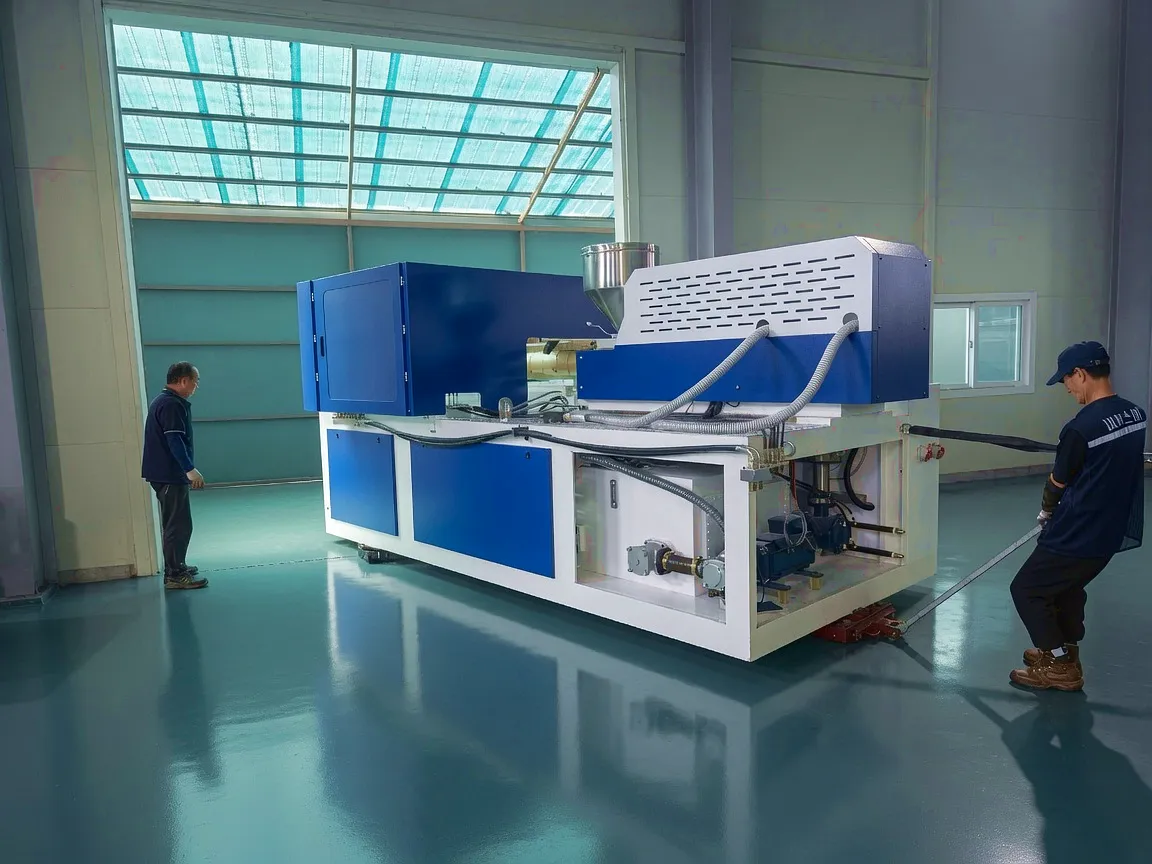
The convergence of IBM blow molding machine technology with Industry 4.0 architectures is reshaping production management at UK packaging plants, particularly at multi-site operations in the East Midlands and the North West where centralised process monitoring across distributed factories has become a competitive necessity. An IoT-connected IBM blow molding machine transmits a continuous stream of process data — injection pressure curves, barrel temperature logs, cycle time variance, blow pressure waveforms, and cooling circuit temperatures — to a plant-level SCADA or MES platform. This data stream, captured at sampling frequencies of 100 Hz or higher on modern machine controllers, provides process engineers with a level of visibility that was simply unavailable on analogue machines built even five years ago.
OPC-UA / MQTT Connectivity
Ever Power’s IBM machines support OPC-UA and MQTT protocol stacks natively, enabling direct integration with Siemens MindSphere, Rockwell FactoryTalk, and custom-built Azure IoT Hub or AWS Greengrass deployments used by UK manufacturing groups. No middleware protocol converters are required, reducing integration complexity and commissioning time significantly for IT-driven smart factory programmes.
Real-Time SPC & Drift Detection
Statistical Process Control (SPC) algorithms running within the IBM machine HMI calculate Cp and Cpk values for critical parameters — injection pressure peak, fill time, and cycle time — on a rolling 50-cycle basis. When a parameter drifts beyond its control limits, the machine controller generates an alert and can autonomously adjust injection speed or barrel temperature setpoints to re-centre the process, all without operator intervention. This capability, known as Adaptive Process Control (APC), is standard on Ever Power’s premium IBM model range.
Predictive Maintenance via AI
Vibration signatures from the rotary table servo motor, injection unit hydraulics, and blow valve solenoids are continuously analysed by an embedded AI inference engine that compares current operating patterns against a baseline model trained during machine commissioning. Deviations indicative of bearing wear, valve leakage, or seal degradation are flagged with a predicted maintenance window, allowing UK production schedulers to arrange planned downtime rather than suffering costly unplanned stoppages at critical production periods such as Q4 demand peaks for personal care and OTC pharmaceutical lines.
Vision System Integration
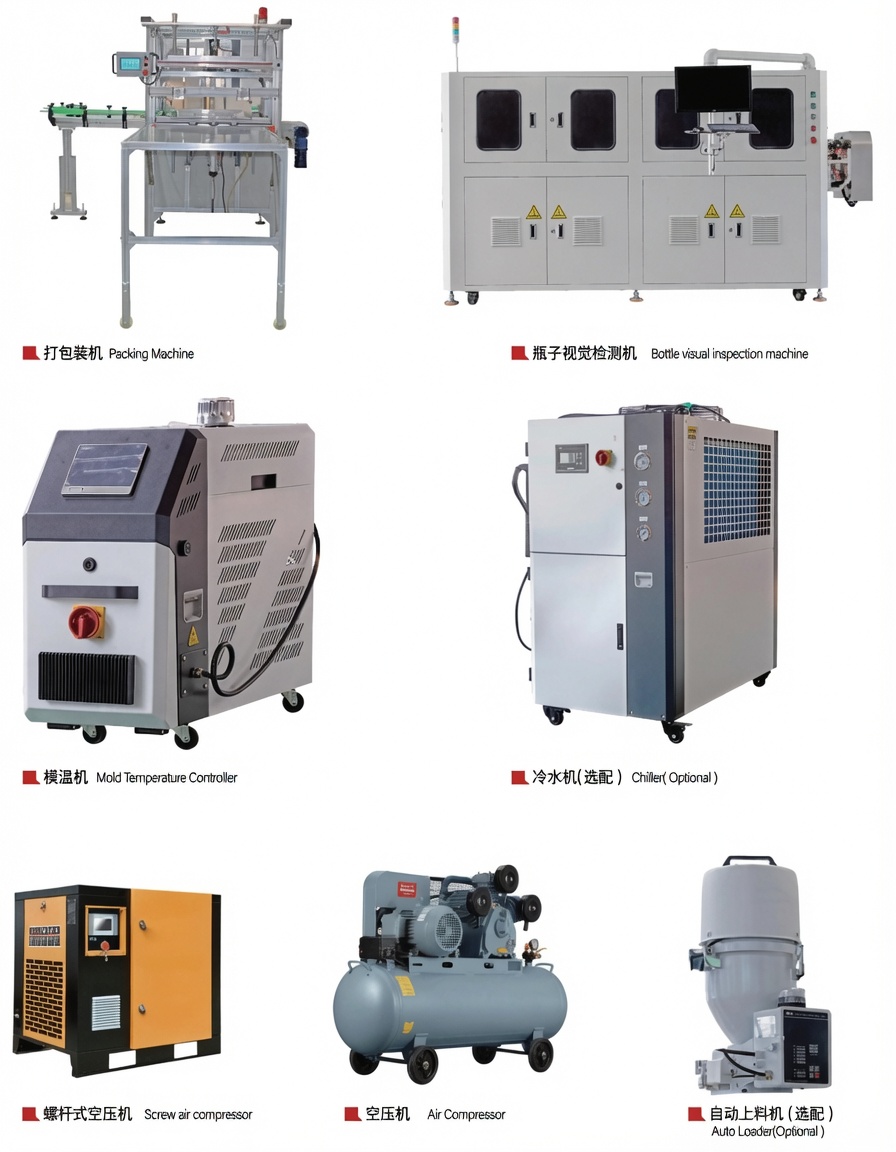
High-resolution inline camera systems — typically 5–8 megapixel colour cameras with ring-LED illumination — are integrated at the stripping station to perform 100% visual inspection of every produced container. The vision system checks for short shots, surface contamination, wall haze, flash remnants, and colour deviation on a per-cycle basis. Rejected containers are automatically diverted to a quarantine bin before the conveyance system, ensuring that only conforming product proceeds to filling or labelling. All inspection results are logged with a timestamp and batch number, feeding directly into the plant’s quality management system for GMP documentation at UK pharmaceutical clients.
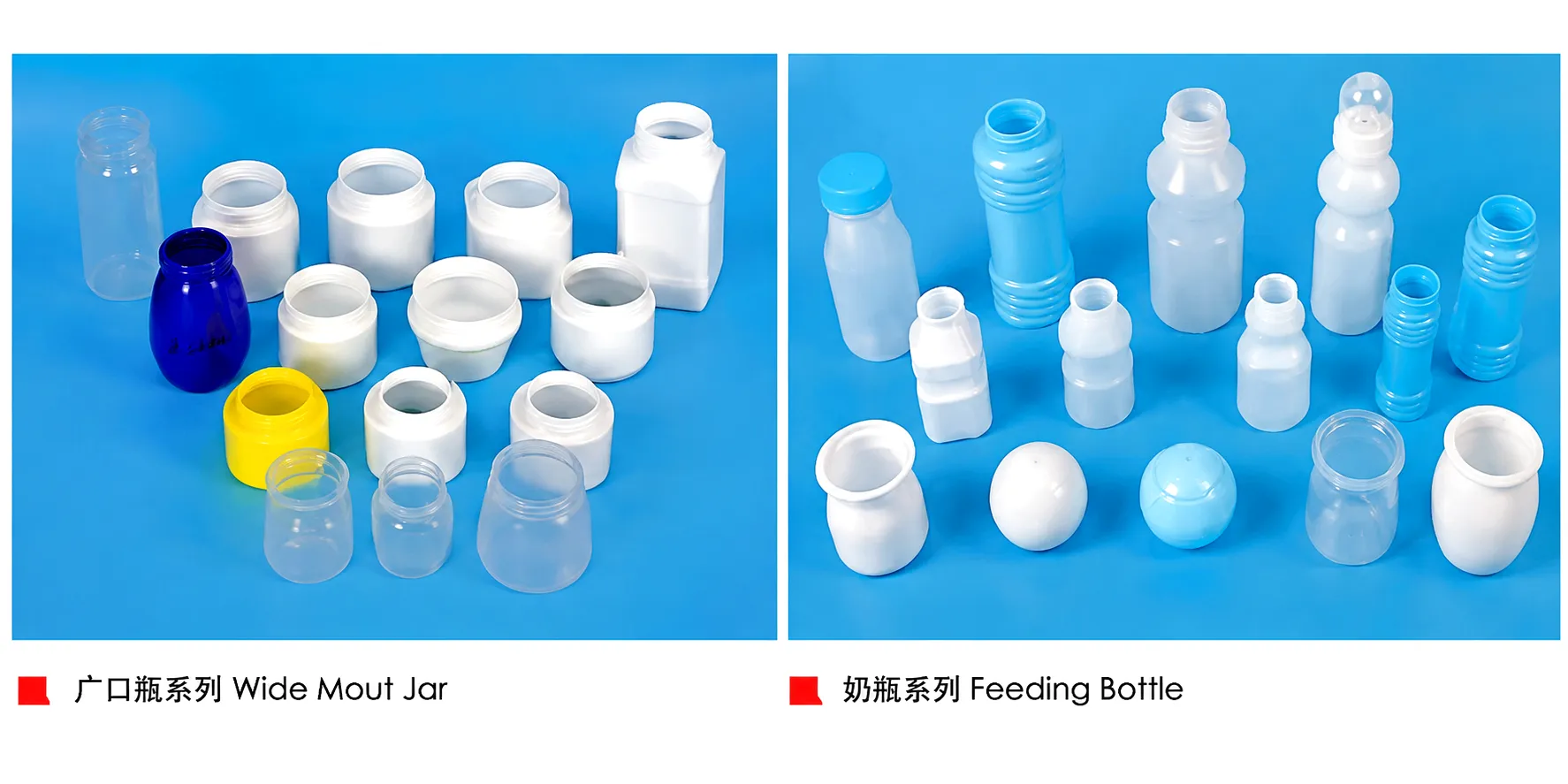
Core Materials Processed by IBM Blow Molding Machines
PP — Polypropylene
The most commonly processed resin on IBM machines globally. Food-contact grade PP (per EU 10/2011 and UK-equivalent retained regulations) is the material of choice for pharmaceutical tablets bottles, cosmetic creams, and food supplement containers produced across Sheffield and Birmingham. Processing temperatures: 200–240°C barrel; 145–165°C core pin. Outstanding chemical resistance and steam-sterilisation compatibility.
HDPE — High-Density Polyethylene
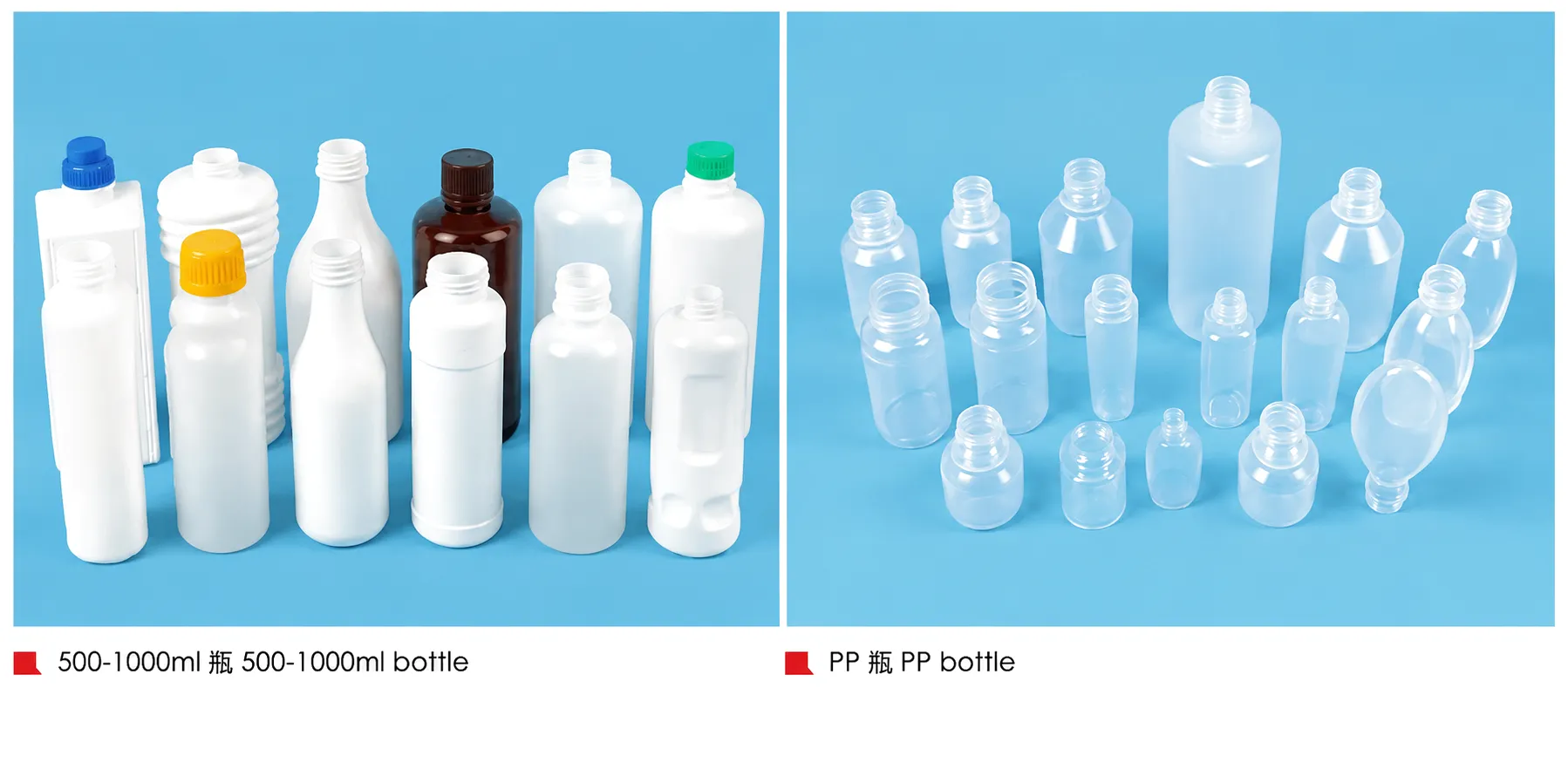
HDPE on IBM machines produces bottles with excellent ESCR (Environmental Stress Crack Resistance) and rigidity at low wall thicknesses. Processing temperatures: 185–225°C barrel. Preferred for agrochemical containers and household chemical packaging where compatibility with solvents and surfactants is required. UK chemical formulators in Teesside rely heavily on IBM-produced HDPE containers for their 100–500 mL product range.
PET / PETG
PET and PETG IBM production yields containers with exceptional optical clarity, enabling premium cosmetic bottle aesthetics sought by UK beauty brands. PET barrel temperature: 255–285°C; PETG: 220–250°C. The IBM single-stage process preserves PET’s inherent clarity by avoiding the reheating haze that can affect two-stage ISBM process outputs. Ideal for small-volume perfume bottles, eye-drop containers, and high-clarity supplement capsule jars.
Engineering Polymers — PC, PETG Blends
Specialty IBM applications for medical device housings, laboratory reagent bottles, and optical containers may call for polycarbonate (PC) or advanced PETG alloys. These materials require higher-specification injection units with bimetallic screw and barrel coatings, along with closed-loop melt temperature management. Ever Power’s high-tonnage IBM machines support these engineering grades with appropriate screw geometry and dedicated vented barrel designs for moisture-sensitive resins requiring pre-drying to below 0.02% moisture content.
Product Technical & Performance Parameters
| Parameter | ZQ110 IBM Machine | ZQ135 IBM Machine | Unit / Notes |
|---|---|---|---|
| Clamping Force | 110 | 135 | kN |
| Max Container Volume | 500 | 1,000 | mL |
| No. of Cavities (std.) | 4 / 6 | 4 / 6 / 8 | Configurable |
| Cycle Time (PP 100 mL) | 8–11 | 9–13 | seconds |
| Injection Pressure (max) | 180 | 180 | MPa |
| Blow Pressure Range | 0.5–12 | 0.5–12 | bar |
| Barrel Temp. Range | Room temp – 300 | Room temp – 300 | °C (6 zones) |
| Core Pin Temp. Zones | 3 | 4 | Independent PID |
| Wall Thickness Accuracy | +/- 0.05 | +/- 0.05 | mm |
| Compatible Resins | PP, HDPE, PET, PETG, PC | — | |
| Machine Drive System | Servo-hydraulic / All-electric (optional) | — | |
| Connectivity | OPC-UA, MQTT, Ethernet/IP, Profinet | IoT-ready | |
| Power Consumption (idle) | 3.5 | 4.8 | kW |
| Mold Material (std.) | P20, H13, S136 (stainless) | Application-specific | |
| Screw Material | 38CrMoAlA nitrided / bimetallic | — | |
Core Technical Advantages of IBM Blow Molding Machines
Zero Flash, Zero Trim Waste
The IBM process inherently eliminates parting-line flash because the neck finish is injection-molded to final dimensions and the blow station does not generate an overflow. This eliminates the trimming stations and regrind conveyors required by EBM processes, reducing scrap material generation by an estimated 5–12% and removing a significant source of downtime and maintenance cost on UK production floors.
Superior Neck Finish Accuracy
Because the neck is injection-molded rather than blown or cut, IBM machines achieve neck finish tolerances of ±0.05 mm on thread OD and sealing land runout. This level of precision directly translates into first-pass capper efficiency rates above 99.5% at UK pharmaceutical filling lines, reducing stoppages and rejection loops that can disrupt production scheduling at multi-SKU OTC pharmaceutical operations.
Single-Stage Energy Efficiency
IBM’s single-stage nature — where the polymer is injected and blown in one thermal cycle — means the heat energy stored in the preform from injection is utilised directly in the blow step. No reheating ovens are required. Ever Power’s servo-driven IBM machines consume 35–50% less electrical energy per 1,000 containers produced compared with two-stage ISBM systems, a compelling business case for UK energy-cost management under current electricity pricing environments.
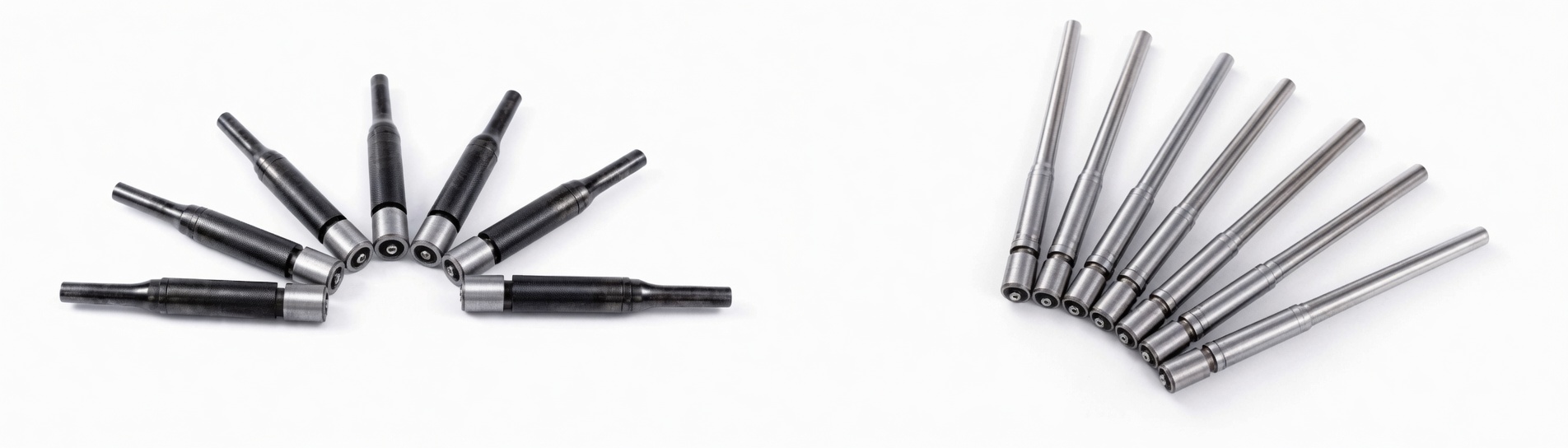
Energy Consumption Optimisation & Retrofit Strategies
Servo-Hydraulic Drive Retrofit
Replacing fixed-displacement hydraulic pumps with servo-motor-driven variable-displacement pump units typically delivers 30–45% reduction in hydraulic power consumption on existing IBM machines. The servo drive only consumes full power during high-demand phases of the injection cycle; during low-demand phases such as mold opening and rotation, power draw drops by up to 70%. Payback periods on UK IBM machine servo retrofit projects average 14–22 months at 2024 UK industrial electricity tariff levels.
Insulated Barrel Jackets
Barrel heating represents 15–25% of total IBM machine power draw. Installing ceramic-fibre insulation jackets around barrel heating zones reduces radiated heat loss by 55–70%, reducing the duty cycle of the barrel heaters and delivering measurable energy savings. This low-cost retrofit is particularly relevant for IBM machines operating in the colder ambient temperatures common in North of England factory buildings during winter months, where uninsulated barrels lose significant heat to the surrounding atmosphere.
Compressed Air Pressure Optimisation
Blow air represents the largest single compressed-air consumer on an IBM blow molding machine. Mapping the actual minimum blow pressure required for each specific container geometry — rather than applying a uniform conservative setpoint — can reduce compressor energy consumption by 8–20%. IBM machine controllers with per-container blow pressure parameter storage make this optimisation feasible on multi-product lines without requiring manual resetting, and the energy saving compounds directly with production volume across a UK factory’s annual output.
Industrial Application Scenarios for IBM Blow Molding Machines in the UK
Ever Power — Factory Excellence & Customisation Capability
Ever Power operates a dedicated IBM blow molding machine manufacturing campus covering more than 18,000 m² of precision engineering floor space, equipped with CNC machining centres, CMM (Coordinate Measuring Machine) dimensional inspection systems, and a dedicated mold trial workshop where new tooling is validated under production-representative conditions before shipment. The manufacturing infrastructure is certified to ISO 9001:2015 quality management standards, and our assembly and test processes incorporate 100% machine function verification — including a full production cycle run, process data logging review, and dimensional container inspection — before any IBM machine leaves our facility for export to UK or international clients. Our supply chain integrates European-origin servo motors, Japanese hydraulic valves, and domestically manufactured precision castings, providing a controlled component quality standard that directly translates into machine reliability and service longevity for UK customers whose production uptime requirements leave no tolerance for poorly sourced components.
Ever Power’s customisation capability for IBM blow molding machines extends across the full spectrum of mechanical, electrical, and software design parameters. UK clients who approach us with non-standard container geometry requirements, unusual resin systems, clean-room compatibility mandates, or multi-cavity configurations beyond our standard catalogue ranges will find our engineering team fully resourced to develop purpose-engineered solutions. We offer custom preform mold design, blow mold fabrication to customer-supplied CAD data, bespoke control system interfaces (including integration with named customer SCADA platforms), and modified machine guarding configurations for UK CE-equivalent UKCA safety compliance. Our experienced technical sales team can support UK buyers through the full project lifecycle — from initial feasibility assessment through commercial quotation, production mold qualification, installation, and ongoing after-sales service — with English-language documentation, CE/UKCA declaration of conformity, and access to our global after-sales service network.
Featured Ever Power IBM Blow Molding Machines
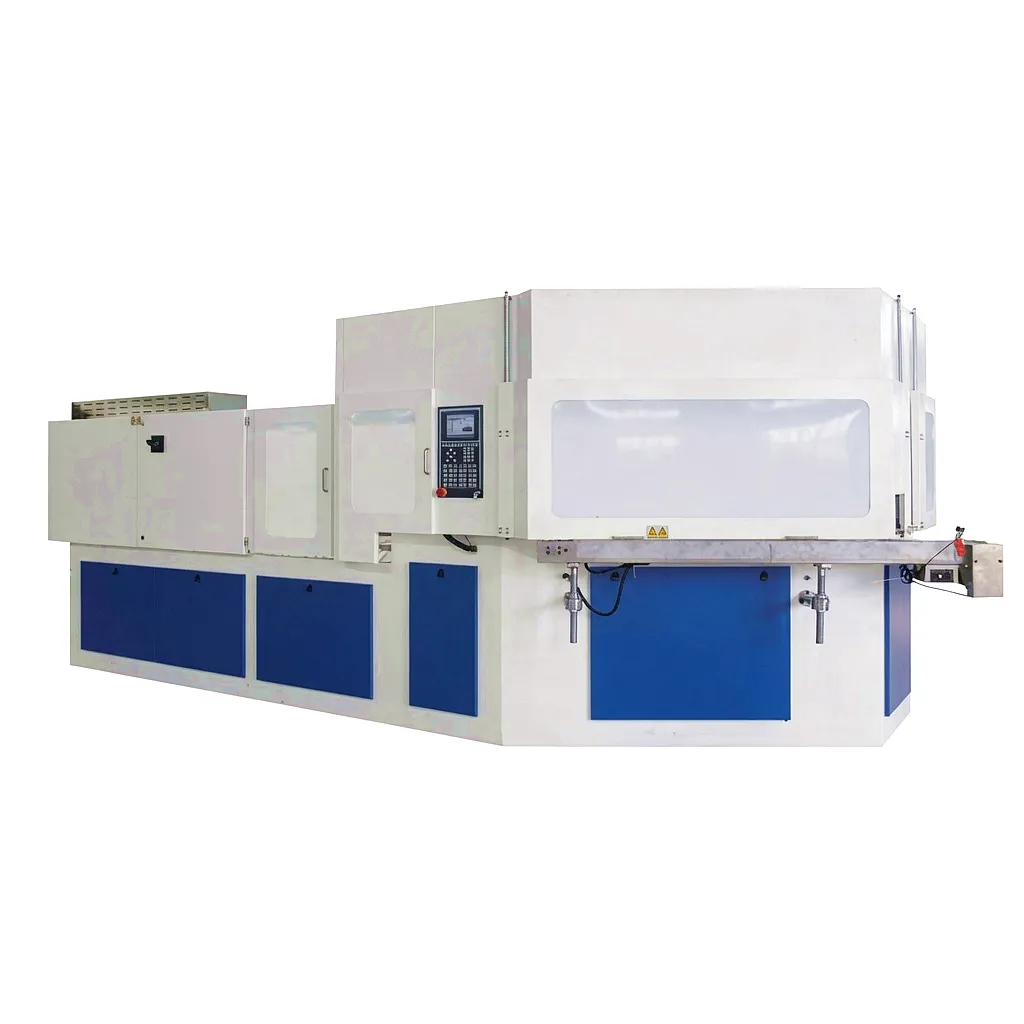
Customer Success Story: Sheffield Pharmaceutical Container Manufacturer
Background: MedPack Solutions Ltd, a pharmaceutical-grade plastic container manufacturer based in Sheffield, South Yorkshire, had been operating two ageing EBM machines for production of HDPE oral medication bottles across their core 60 mL, 100 mL, and 200 mL product range. Flash trimming was generating 8.7% material waste per production run, and the manual trimming operation required two additional headcount per shift. Furthermore, their MHRA audit in 2023 had flagged concerns over internal surface quality consistency on their 60 mL amber HDPE bottles, creating regulatory risk that threatened their supply contracts with three NHS procurement trust partners.
Solution: MedPack Solutions engaged Ever Power for a complete IBM blow molding machine replacement programme. After a thorough needs assessment — covering container specification sheets, production volumes, floor space constraints at their Meadowhall Road facility, and MHRA documentation requirements — Ever Power’s team proposed two ZQ135 IBM machines with bespoke S136 stainless-steel molds to suit MedPack’s amber PP and natural HDPE product range. Ever Power provided full Moldflow simulation data for each preform geometry, UKCA-compliant electrical certification packages, and remote commissioning support with on-site installation supervision.
Results: Within 60 days of commissioning, MedPack Solutions achieved a measurable reduction in material waste from 8.7% to under 1.2%, the complete elimination of the flash trimming workstation, wall-thickness Cpk improvement from 0.98 to 1.52 across all three bottle sizes, and a clean bill of health from their subsequent MHRA process validation audit. The ZQ135 machines’ OPC-UA data feeds were integrated directly with MedPack’s SAP Manufacturing Execution System, enabling real-time batch traceability from resin lot number through to finished container pallet label. Production output increased by 22% relative to the replaced EBM lines, operating at lower energy consumption per unit produced.
Customer Reviews
“The wall-thickness consistency we achieved after commissioning the ZQ135 was something we genuinely hadn’t anticipated at that speed of implementation. Our MHRA validation passed first time — no additional corrective actions. Ever Power’s application engineering support throughout the mold qualification process was technically excellent and delivered ahead of schedule.”
— Operations Director, MedPack Solutions Ltd, Sheffield
“We evaluated three IBM machine suppliers before selecting Ever Power, and the differentiating factor was clear: the customisation depth they offered on mold design and the process data architecture was simply more mature than the alternatives. The OPC-UA integration with our SAP MES was handled smoothly, and the IoT data quality from the ZQ135 has genuinely transformed our production reporting capability.”
— Head of Manufacturing Technology, MedPack Solutions Ltd, Sheffield
“Energy reduction was a major driver for our capital investment decision. We quoted our utilities team a 35% power reduction per thousand containers — and the ZQ135 has actually delivered closer to 40% compared with our old EBM setup. The servo drive technology makes a measurable difference and the payback has been well within the 18-month window we modelled.”
— Finance & Capital Projects Manager, MedPack Solutions Ltd, Sheffield