Industry Insight · Personal Care Packaging
Injection-Blow Molding Machine Applications in Personal Care and Cosmetics Packaging
Shampoo Bottles · Conditioner Containers · Shower Gel Vessels — A Complete Technical Guide for UK Manufacturers
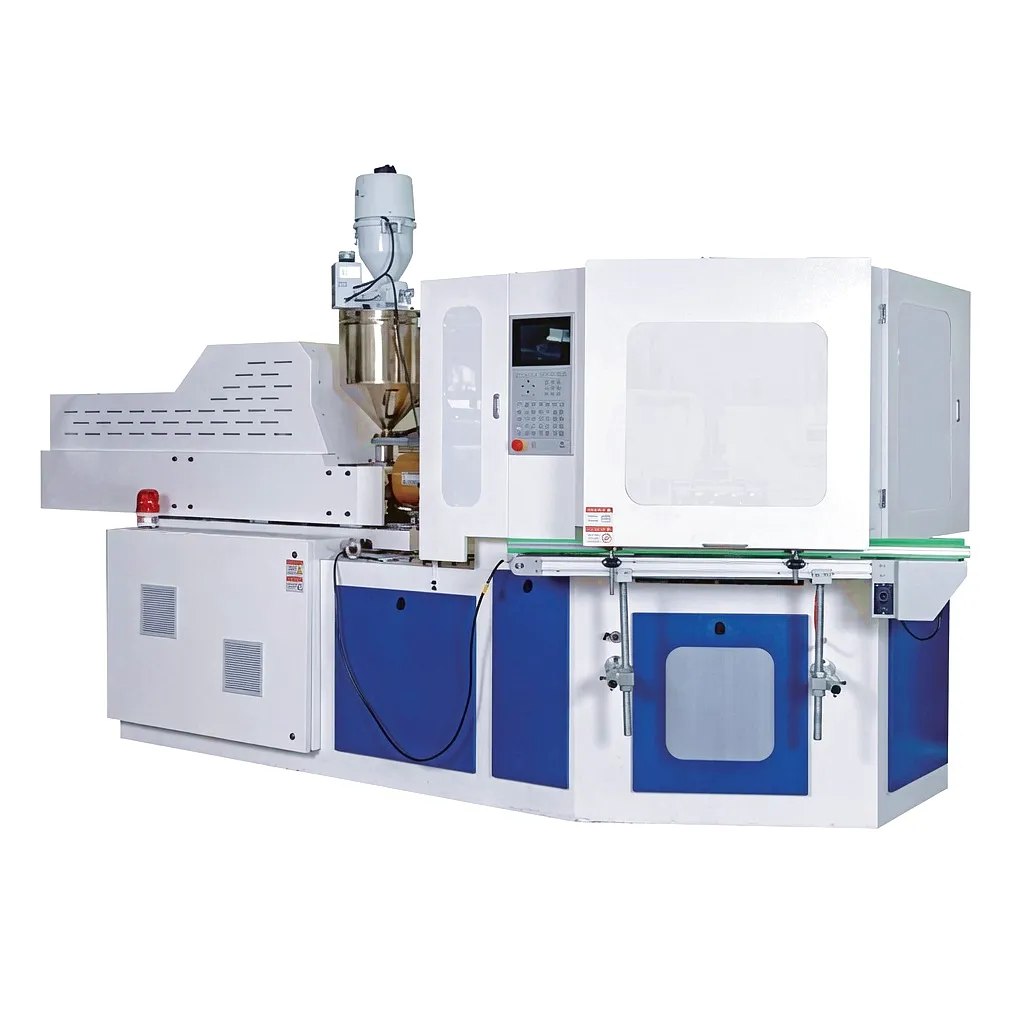 The personal care industry has never been more demanding when it comes to container quality, throughput consistency, and the ability to handle complex bottle geometries. Walk into any pharmacy in Birmingham or browse the shelves of a Manchester supermarket and you will see hundreds of bottles — shampoo, conditioner, body wash, hand sanitiser — each one shaped to communicate brand identity before a customer even reads the label. What most consumers never consider is the manufacturing intelligence behind every one of those containers. Injection-blow molding machines are at the centre of that story, and their role in personal care and cosmetics packaging has grown dramatically as brands demand tighter tolerances, better surface clarity, and greater production efficiency from a single platform.
An injection-blow molding machine combines two distinct forming stages into one integrated cycle. In the first stage, a preform — essentially a thick-walled, test-tube-shaped precursor — is injection-moulded around a steel core rod with a precision neck finish already formed to exact thread specification. In the second stage, that preform, still hot and dimensionally stable, is transferred to a blow mould where compressed air expands the polymer walls outward against the cavity surface. The result is a hollow container with a perfectly formed neck, uniform wall distribution, and essentially zero flash or trimming scrap. For shampoo and shower gel manufacturers supplying retailers under tight margin pressure, that combination of speed, quality, and material efficiency is not a bonus feature — it is the operating baseline.
How the Injection-Blow Molding Process Works
Understanding the mechanics behind injection-blow molding machines helps procurement engineers and production managers appreciate why this technology consistently outperforms alternatives such as extrusion blow moulding when neck finish precision matters. The process operates in three rotary or shuttle stations on most modern platforms, and the sequence is elegantly logical once you trace the material journey from pellet to finished bottle.
Polymer resin — most commonly HDPE, PP, or PET depending on the chemical compatibility requirements of the product being contained — is fed from a hopper into a reciprocating screw barrel. The screw simultaneously conveys, melts, and homogenises the material before injecting a precise shot volume into the preform cavity. This injection step is the defining quality moment. Because the neck thread, base geometry, and wall thickness profile are all formed under controlled injection pressure rather than by subsequent blowing force, the critical dimensions that determine how a cap seals, how a pump dispenser inserts, and how the bottle stacks in a shipping case are all set at this stage with tolerances that extrusion processes simply cannot match.
The preform then rotates on its core rod to the blow station, still at a temperature where the polymer is thermoplastic and responsive. Blow air — typically between 6 and 10 bar for HDPE personal care containers — inflates the preform walls against the cooled blow mould cavity. Cooling channels circulating chilled water extract heat rapidly, and the material sets in the cavity shape within a few seconds. The third station — stripping — ejects the finished bottle cleanly. Some machines add a fourth conditioning station between injection and blow, which gives additional process control for demanding applications such as PET containers requiring high optical clarity for cosmetic serums and transparent shampoo formulations.
Core Materials Used in Personal Care Container Production
HDPE
High-Density Polyethylene is the workhorse material for shampoo and body wash bottles. Its chemical resistance to surfactants and fragrances, its compatibility with most colorant systems, and its outstanding stiffness-to-weight ratio make it the first choice for high-volume personal care SKUs. HDPE containers processed on injection-blow molding machines exhibit consistent wall thickness and excellent drop impact performance — crucial for retail distribution environments where bottles are handled aggressively in picking operations across UK logistics hubs.
PET
Polyethylene Terephthalate delivers outstanding optical clarity and a glass-like appearance at a fraction of the weight and breakage risk. Premium cosmetic brands — and an increasing number of value-tier personal care lines repositioning through packaging — specify PET for products where the consumer can see the formulation colour or texture through the container wall. The injection stage of the IBM process gives PET containers a neck finish precision that compression-blow alternatives cannot replicate, which matters when paired with precision pump dispensers common in conditioner and treatment product lines.
PP
Polypropylene occupies an important niche in personal care packaging — particularly for hot-fill applications, containers requiring sterilisation resistance, and products where the brand specifies a matte or semi-transparent aesthetic rather than the crystal clarity of PET. PP’s higher thermal resistance means it retains dimensional stability in applications that would distort HDPE, and it performs well in squeeze-bottle formats for thick conditioners and styling products where the bottle body needs to flex under finger pressure without stress-whitening or cracking.
Application Scenario: Shampoo and Conditioner Bottle Manufacturing
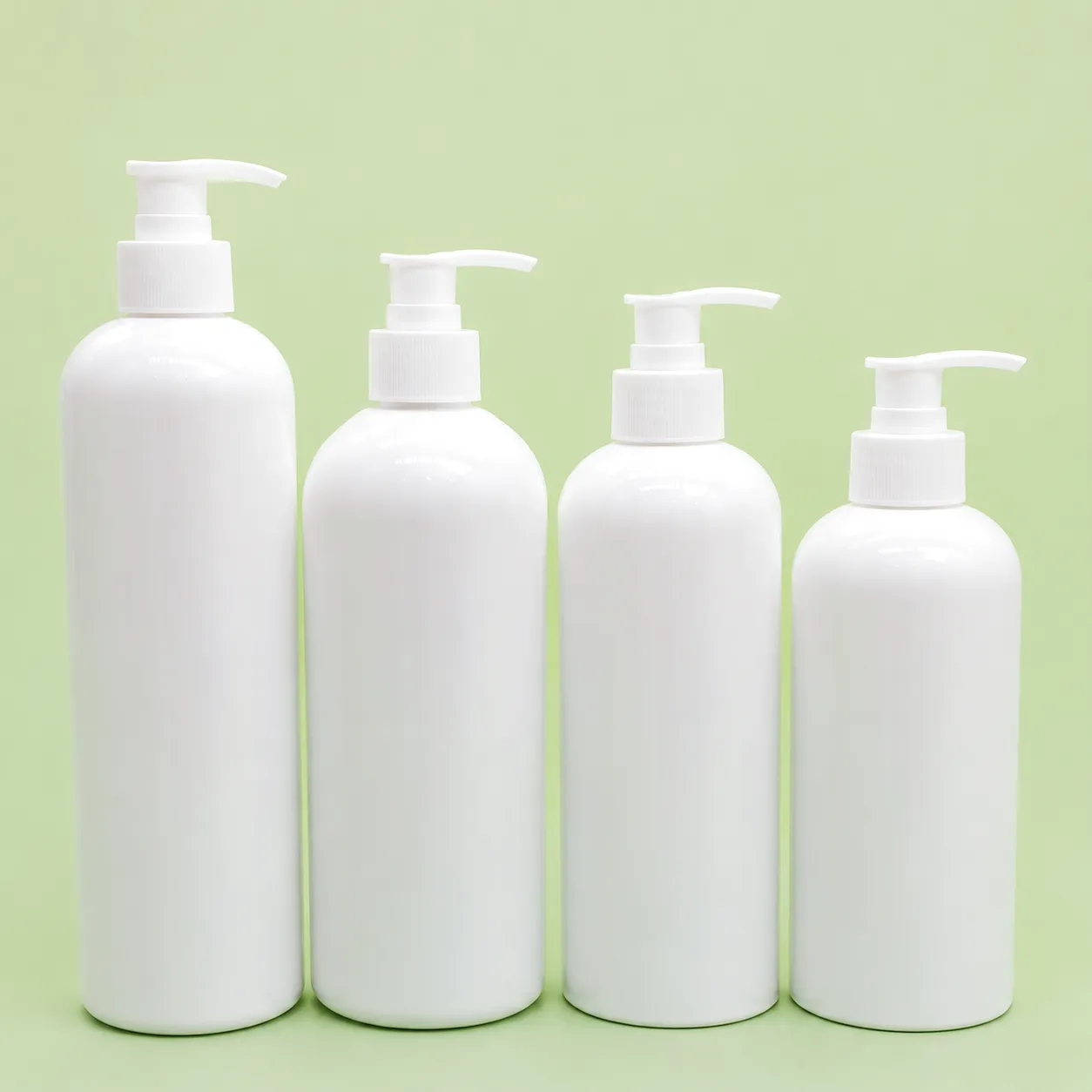 Shampoo and conditioner represent the highest-volume personal care categories in the UK market, with annual bottle consumption running into hundreds of millions of units across mass-market, professional salon, and own-label retail channels. The container requirements in this category are deceptively complex. A shampoo bottle must accommodate a controlled dispensing experience — meaning the neck finish must engage a flip-top or pump closure consistently across every unit in a production run. It must withstand the humid, chemically active environment of a bathroom shelf over a usage period that might span several months. It must meet the drop test requirements set by major UK grocery retailers before it can be approved for distribution through their supply chains. And it must do all of this while being produced at a cost per unit that leaves commercial margin intact.
Injection-blow molding machines address every one of these requirements through the process characteristics described above. The injected neck finish means flip-top caps engage with a positive, audible click every single time — no leakers, no rejects at the filling line. Wall thickness uniformity across the bottle body means the container performs predictably under the static load of stacked bottles in a warehouse pallet configuration. And the absence of a weld line or parting line flash in the IBM process means the container’s surface is ready for labelling, shrink-sleeve decoration, or direct printing without secondary preparation operations that add cost and handling risk.
Application Scenario: Shower Gel and Body Wash Containers
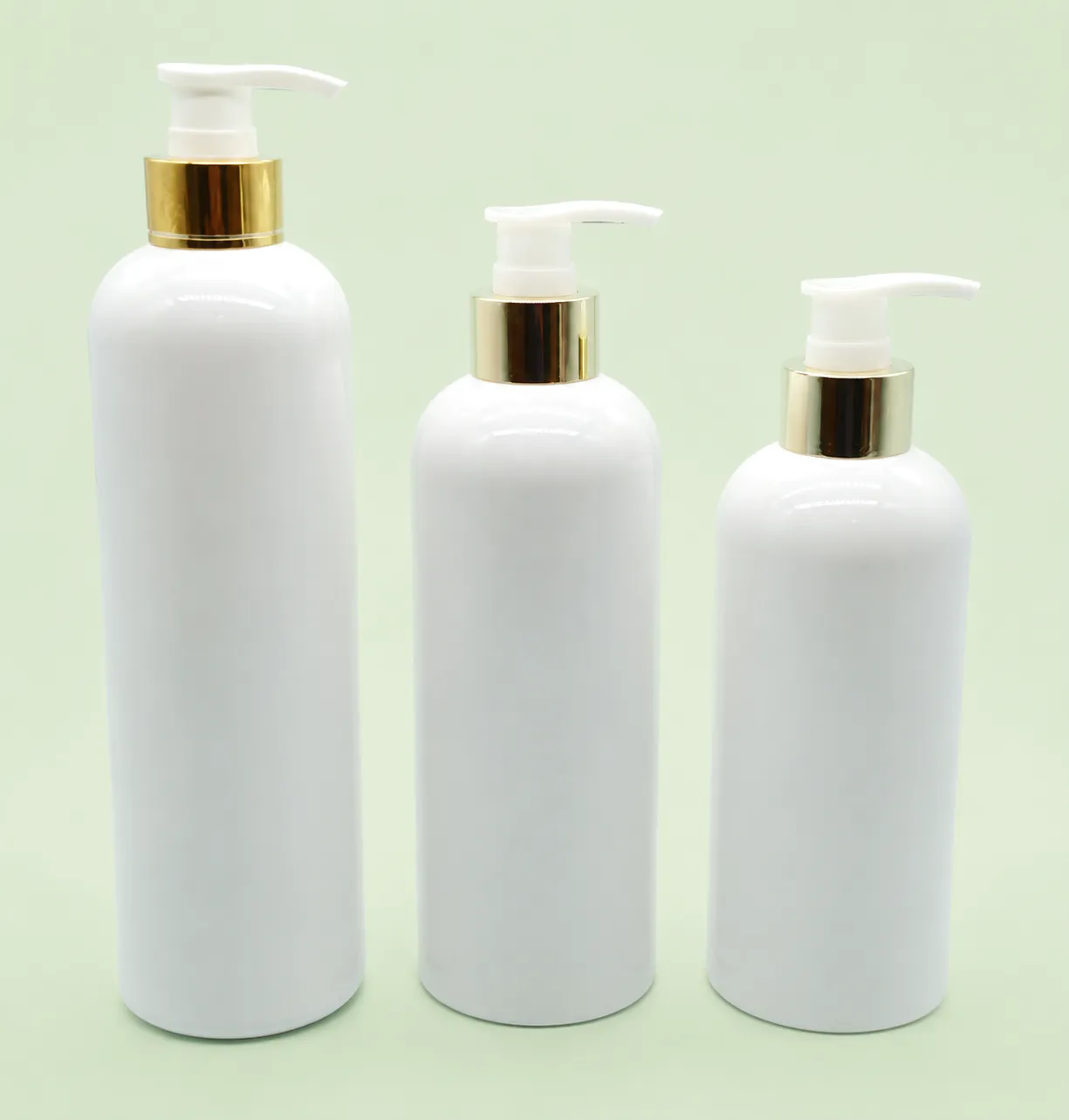 Body wash and shower gel packaging follows similar technical logic to shampoo but introduces additional geometric demands. Category brands — particularly those competing in the premium segment — frequently specify bottles with compound curves, narrow waist profiles, or sculpted grip zones that communicate premium tactility and brand differentiation on the shelf. These features are straightforward to achieve in the injection-blow molding process because the blow mould cavity defines the exterior geometry with complete freedom, constrained only by blow-ratio engineering limits and the need to maintain minimum wall thickness at the furthest points from the blow pin. The result is that IBM-equipped manufacturers can offer personal care brands a level of bottle design flexibility that distinguishes them from commodity converters running only extrusion equipment.
The Yorkshire and East Midlands corridor hosts a concentration of personal care contract manufacturers supplying own-label products to major UK grocery and pharmacy chains. Production operations in this region typically run multi-cavity IBM tooling to achieve the throughput rates demanded by their retailer customers, and the machines must maintain consistent output over extended shift patterns. Cycle time stability is a key procurement criterion: a machine that drifts in cycle time across a twelve-hour shift introduces weight variation in preforms, which translates to wall thickness inconsistency in finished bottles and elevated closure failure rates at the filling plant. Modern injection-blow molding machines with closed-loop process monitoring are designed specifically to eliminate this variability, maintaining injection pressure, mould temperature, and blow timing within programmed parameters throughout the entire run.
Technical Performance Specifications
| Parameter | Typical Range | Personal Care Relevance |
|---|
| Clamp Force | 25 kN – 300 kN | Determines maximum cavity count and bottle size range |
| Shot Volume | 5 cm³ – 500 cm³ | Covers 15 ml travel to 1 L salon size |
| Container Capacity | 10 ml – 1,000 ml | Hotel miniatures to family-size shampoo formats |
| Blow Pressure | 6 – 10 bar | Optimal for HDPE / PP / PET personal care polymers |
| Mould Temperature | 5°C – 80°C | Controlled per resin type for surface quality |
| Cycle Time | 4 – 15 seconds | Up to 3,600 units/hour on 4-cavity tooling |
| Wall Thickness Tolerance | +/- 0.05 mm | Consistent label application and drop performance |
| Neck Finish Tolerance | +/- 0.02 mm | Zero-leak closure engagement on pump/flip-top caps |
| Compatible Resins | HDPE, PP, PET, LDPE | Covers full personal care formulation compatibility range |
| Scrap Rate | Less than 0.5% | No flash, no sprue waste; near-zero reprocess cost |
Why Injection-Blow Molding Machines Outperform for Personal Care
⚙
Precision Neck Finish
Thread geometry formed by injection moulding, not blow force — guarantees closure integrity on every single unit across millions of cycles.
📈
Zero Flash Output
No parting-line trim required. Bottles leave the machine production-ready, eliminating a downstream handling operation that creates cost and introduces surface damage risk.
🏠
Material Efficiency
Shot-controlled injection minimises resin usage. With virgin polymer costs under sustained pressure in UK supply chains, gram-per-bottle optimisation directly affects line profitability.
🔍
Surface Clarity
IBM-produced PET and PP bottles achieve surface finishes appropriate for direct printing and shrink-sleeve decoration without pre-treatment, shortening the packaging line from machine to retailer shelf.
🌿
Quick Changeover
Modern IBM platforms with modular tooling allow bottle size changes in under two hours, enabling contract packagers to switch between SKUs within the same shift window — a competitive necessity in UK private-label manufacturing.
⚡
Energy Efficiency
All-electric and servo-hydraulic IBM machines reduce energy consumption versus older hydraulic platforms by 30–45%, directly supporting sustainability reporting requirements for UK brands with published carbon reduction commitments.
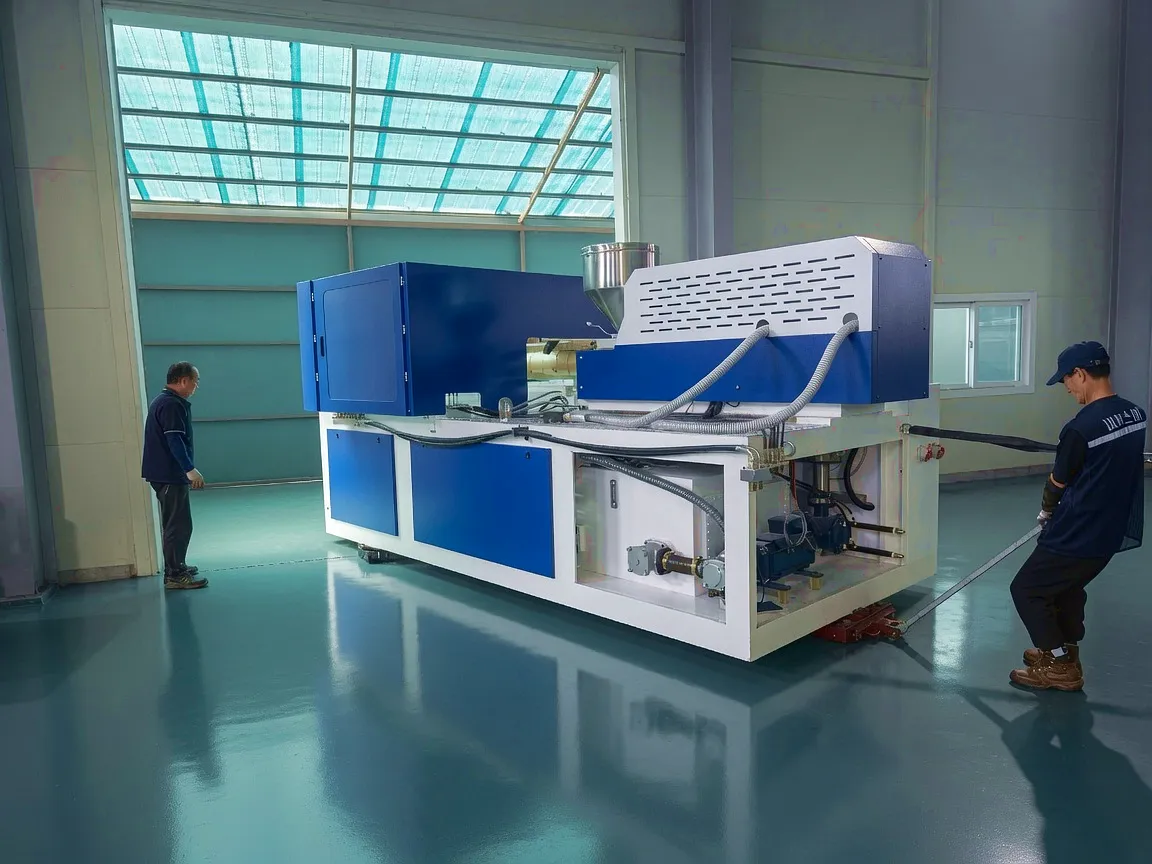
Ever Power Manufacturing Facility
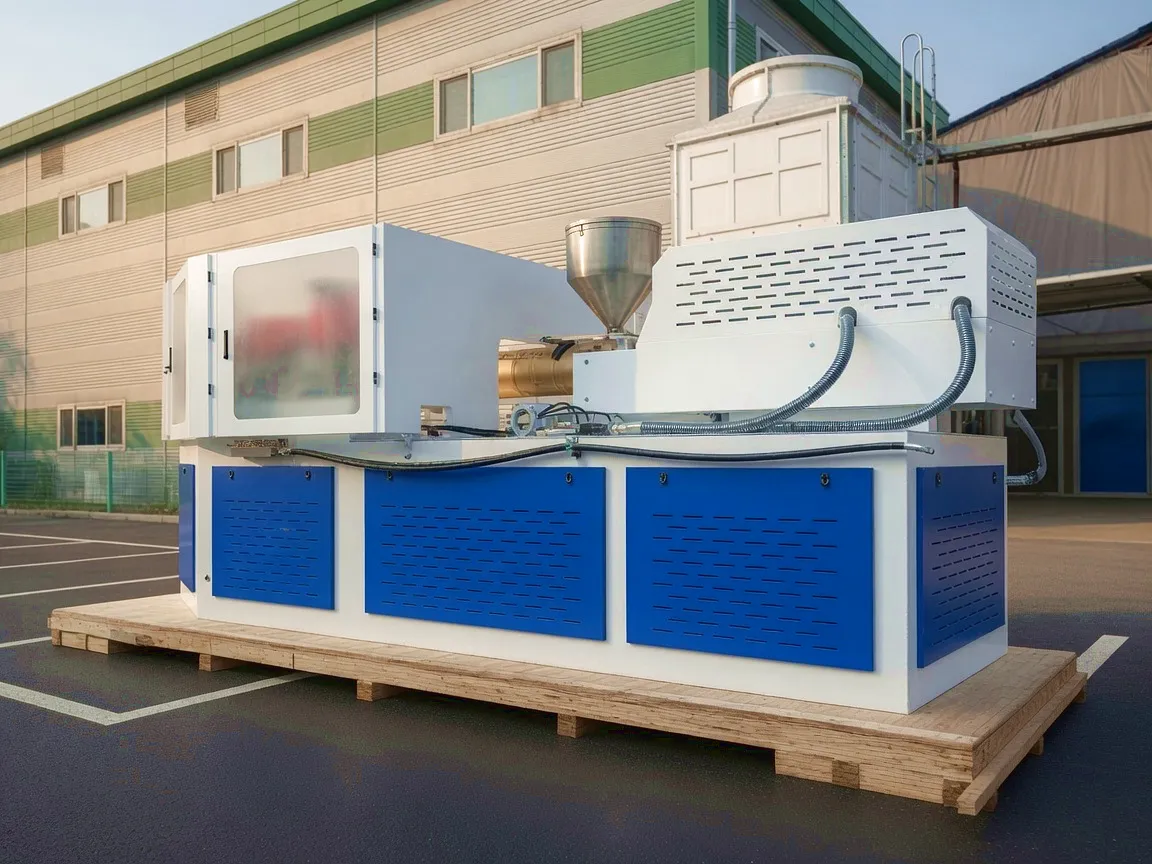
Precision Assembly and Quality Control Line
Manufacturer Profile
Ever Power — Precision IBM Machine Manufacturing and Customisation
🏭 Manufacturing Scale
Ever Power operates purpose-built precision machining and assembly facilities with complete in-house capability from raw casting through to final machine commissioning and operator training. Our facility integrates CNC machining centres, CMM quality verification, and dedicated injection mould tool manufacture, giving UK clients a single supply partner for the machine, the tooling, and the ongoing support.
⚙ Customisation Capability
Every injection-blow molding machine supplied by Ever Power can be configured to client specification across cavity count, platen size, controller architecture, and auxiliary integration. Personal care customers frequently request custom core rod geometry to match proprietary bottle neck standards, and Ever Power’s engineering team handles these requests through a documented design-review process that typically delivers production-validated tooling within 8–12 weeks of drawing approval.
📦 UK Supply Chain Support
Ever Power maintains a structured spare parts programme for all supplied machine models, with critical wear components available for air freight despatch and longer-lead structural items managed through planned stock agreements. For UK customers requiring installation support and commissioning, Ever Power coordinates factory-trained technicians with relevant travel documentation and works through established UK-based engineering agents familiar with local health and safety regulations including PSSR 2000 and PUWER 1998 compliance requirements.
Featured Injection-Blow Molding Machines for Personal Care Production
EUROPEAN STANDARD
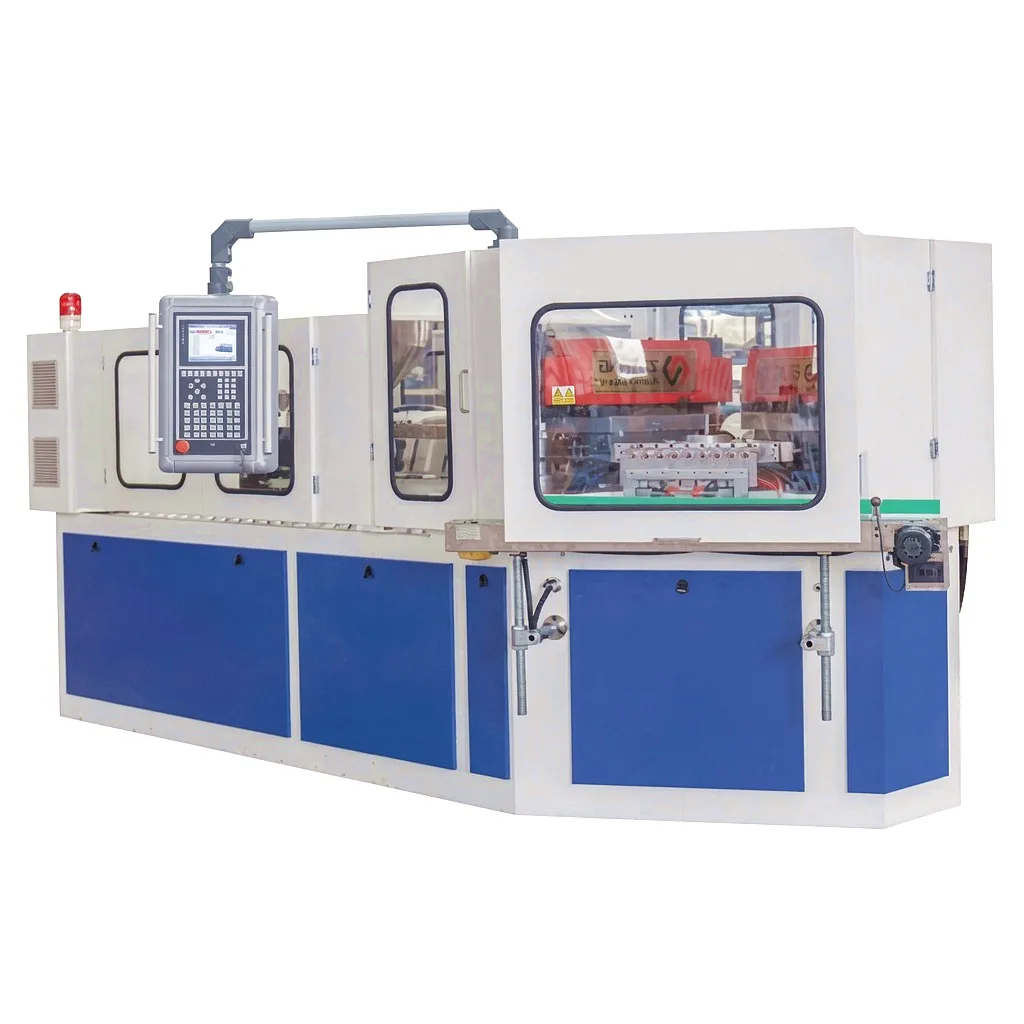
ZQ40 Injection-Blow Molding Machine (European)
The ZQ40 is a compact, high-precision IBM platform engineered for personal care containers in the 10–400 ml range. Its servo-driven injection unit delivers consistent preform quality across multi-cavity tooling, and the European-standard electrical architecture simplifies CE compliance documentation for UK-based manufacturing sites. Ideal for shampoo, conditioner, hand sanitiser, and travel-size cosmetic bottle production.
View ZQ40 Details →
HIGH CAPACITY
ZQ60 Injection-Blow Molding Machine (European)
The ZQ60 steps up clamp force and shot volume to serve the higher-capacity end of personal care production — particularly suited to 400–1,000 ml body wash and salon-size shampoo formats. Its reinforced platen and enhanced cooling circuit architecture support 6-cavity tooling configurations where throughput targets demand sustained high-cycle-rate operation over extended production windows. Widely specified by UK contract packaging operations supplying the grocery retail sector.
View ZQ60 Details →
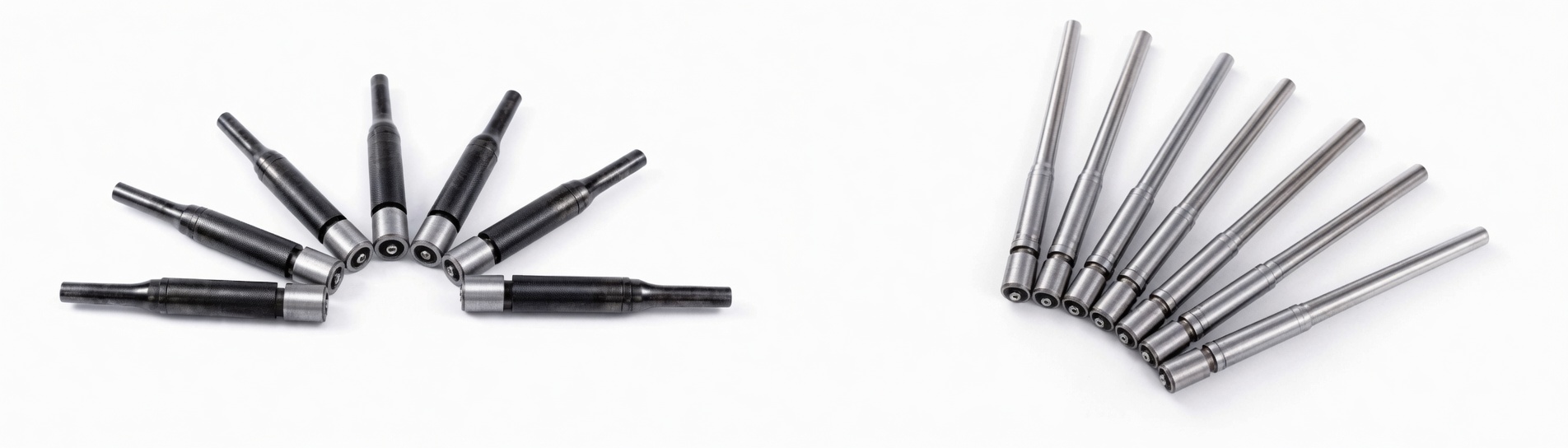
Auxiliary Equipment — Chiller, Air Compressor and Material Handling Systems
Customer Success
How a Leeds Personal Care Contract Manufacturer Reduced Waste and Increased Output with Ever Power IBM Equipment
Meridian Pack Solutions, a contract packaging manufacturer based in the Kirkstall industrial corridor of Leeds, had been running a mixed fleet of extrusion blow moulding machines to supply shampoo and conditioner bottles to three grocery retail own-label programmes. While throughput met baseline volume commitments, the operation was generating persistent quality issues: variable neck finish dimensions were causing closure failure rates of approximately 1.2% at client filling sites, and parting-line flash on body wash bottles was necessitating a manual inspection and trim operation that added 0.4 minutes of labour per hundred units. As retailer packaging specifications tightened — driven partly by a shift toward lighter closures requiring tighter thread tolerances — it became clear that the existing equipment platform could not meet the incoming requirements without investment.
After evaluating three equipment suppliers, Meridian Pack Solutions selected Ever Power as their IBM machine partner, commissioning two ZQ60 Injection-Blow Molding Machine (European) units configured for 4-cavity HDPE tooling to run their two highest-volume shampoo SKUs. Ever Power’s engineering team worked directly with Meridian’s toolroom manager to validate the core rod geometry against the flip-top closure specifications supplied by the client’s cap manufacturer, catching and resolving a thread minor-diameter tolerance conflict before tooling was cut. The machines arrived at the Leeds facility pre-commissioned to Meridian’s agreed cycle parameters, and the site’s production team completed operator training over two days before the first production run.
Within six weeks of production launch, closure failure rates at the filling client had fallen from 1.2% to below 0.05% — a figure that eliminated all chargebacks associated with the previous leaker issue. The manual trim operation was removed entirely from the workflow, saving 14 labour hours per week. Overall line efficiency on the shampoo programmes improved from 81% to 94% as the consistent IBM cycle eliminated the machine-adjustment time that operators had previously spent managing flash variation. Meridian Pack Solutions subsequently placed a follow-on order for two ZQ40 units to service a new hotel amenities programme requiring smaller 50 ml PET format containers — a capability gap that the original extrusion equipment could not have addressed at all.
★★★★★
“The neck finish precision from the Ever Power machines is in a completely different category from what we ran before. Our filling client noticed the difference on the very first pallet — zero chargebacks in six months.”
— Operations Director, Meridian Pack Solutions, Leeds
★★★★★
“Ever Power’s team caught a thread tolerance issue in our tooling design review that would have cost us a full re-cut after first samples. That kind of engineering input before the tooling is cut is exactly what differentiates a real machine partner from a box-shifter.”
— Technical Manager, Meridian Pack Solutions, Leeds
★★★★★
“Moving to injection-blow on the IBM machines from Ever Power removed our trim operation entirely. That step alone freed up nearly three shifts of labour per week. The ROI calculation was easier than we expected when we ran the numbers.”
— Production Manager, Meridian Pack Solutions, Leeds
Frequently Asked Questions
What is the typical price range for an injection-blow molding machine suitable for UK personal care bottle production, and how do I request a quote from a supplier?+
Entry-level IBM machines for small-format personal care containers typically start in the range of £40,000–£80,000 for a new machine with standard tooling. High-cavity configurations for volume production of shampoo and body wash bottles — particularly ZQ60-class machines with 4–6 cavity tooling — carry investment levels between £90,000 and £200,000 depending on specification and auxiliary equipment packages. Bespoke tooling for proprietary neck finishes or custom bottle profiles is priced separately. To obtain a specific quote for your production requirements, contact Ever Power directly at
[email protected] with your bottle specification, required cavity count, and annual volume target.
How does an injection-blow molding machine differ from an extrusion blow molding machine when it comes to producing shampoo bottles for the UK retail market?+
The fundamental difference is where and how the neck thread is formed. In extrusion blow moulding, the neck is formed by the blow mould itself, which creates inherent dimensional variability — particularly on the thread minor diameter — that can cause sealing failures with precision closures. In injection-blow moulding, the neck is formed in the injection stage under controlled injection pressure, giving thread tolerances of +/- 0.02 mm that EBM cannot reliably achieve. For UK retailers whose own-label specifications require leak-proof performance with flip-top and pump closures, this distinction directly affects product quality approval outcomes at the filling stage.
Which injection-blow molding machine supplier in the UK or internationally can provide CE-certified European-standard equipment with full after-sales support for cosmetics manufacturers in Birmingham or Sheffield?+
Ever Power’s ZQ40 and ZQ60 injection-blow molding machines are built to European electrical and safety standards and are CE-marked for operation within the UK and EU regulatory framework. For manufacturers in Birmingham, Sheffield, and surrounding industrial regions, Ever Power coordinates installation and commissioning support through established UK engineering networks and provides remote diagnostics capability for ongoing technical support. Spare parts for the ZQ series are available with air freight delivery for critical components, minimising machine downtime risk for production operations that supply time-sensitive retail programmes.
How long does it take from placing an order with an injection-blow molding machine manufacturer to having the machine installed and running bottles at a UK personal care production facility?+
Lead time from confirmed order to machine delivery at a UK site typically runs 10–16 weeks for standard configurations, and 16–22 weeks for machines with custom tooling requiring bespoke core rod or blow mould manufacture. Ever Power builds machines against confirmed purchase orders and stages the tooling manufacture in parallel where specifications allow, compressing the overall timeline. Commissioning at site, including operator training and first-article bottle qualification against client specifications, adds 3–5 working days depending on the number of product sizes being validated simultaneously.
What bottle sizes and polymer types can a ZQ60 injection-blow molding machine process for manufacturing conditioner and body wash containers at high output rates?+
The ZQ60 processes containers from approximately 50 ml to 1,000 ml capacity across HDPE, PP, and PET resins — covering the full range of conditioner, body wash, and salon-size shampoo formats. In 4-cavity HDPE tooling running 500 ml conditioner bottles, the ZQ60 achieves output rates in excess of 1,200 finished bottles per hour. For PET formats requiring enhanced clarity — increasingly specified by premium conditioner brands — the machine’s conditioning station option provides the preform temperature control that supports optically clear output without requiring a separate reheat stretch-blow platform.
Where can cosmetics packaging manufacturers in the North of England find a reliable injection-blow molding machine cost comparison and technical specification guide to support their capital investment decision?+
Ever Power provides detailed machine specification documentation and application-specific cost-benefit analysis on request for qualifying enquiries. For personal care manufacturers in the North of England — including operations in the Leeds, Sheffield, Manchester, and Merseyside areas — the evaluation process typically begins with a technical discussion to match machine series and cavity configuration to the specific bottle geometry, polymer type, and volume requirements. Contact
[email protected] to initiate a specification review and receive a documented cost comparison against the customer’s current production platform.
How energy-efficient are modern injection-blow molding machines compared with older hydraulic platforms, and what does this mean for the operating cost of a UK personal care bottle manufacturing site?+
Modern servo-driven and all-electric IBM machines typically reduce energy consumption by 30–45% versus equivalent-capacity hydraulic platforms of previous generations. For a UK personal care bottle site running two IBM machines on a 16-hour shift pattern, this represents annual electricity savings in the range of £8,000–£22,000 depending on local electricity tariff and machine utilisation rate — with UK industrial electricity costs having risen substantially in recent years, this operational saving materially affects the ROI calculation for new machine investment. Ever Power’s ZQ-series machines use servo-hydraulic drive architecture that delivers this efficiency profile without the maintenance complexity associated with fully all-electric platen drive systems on larger clamp-force configurations.
Ready to Upgrade Your Personal Care Bottle Line?
Talk to Ever Power About Your IBM Machine Requirements
Whether you are evaluating your first injection-blow molding machine investment or expanding an existing IBM fleet to meet new volume commitments, Ever Power’s engineering team is available to discuss your specific bottle specifications, production targets, and site installation requirements.
✉ Get a Quote — [email protected]
edit by gzl