Key Factors to Consider When Buying a Single-Stage ISBM Machine
A practical, engineering-led walkthrough for British packaging producers comparing one-step injection stretch blow moulding platforms before they commit capital.
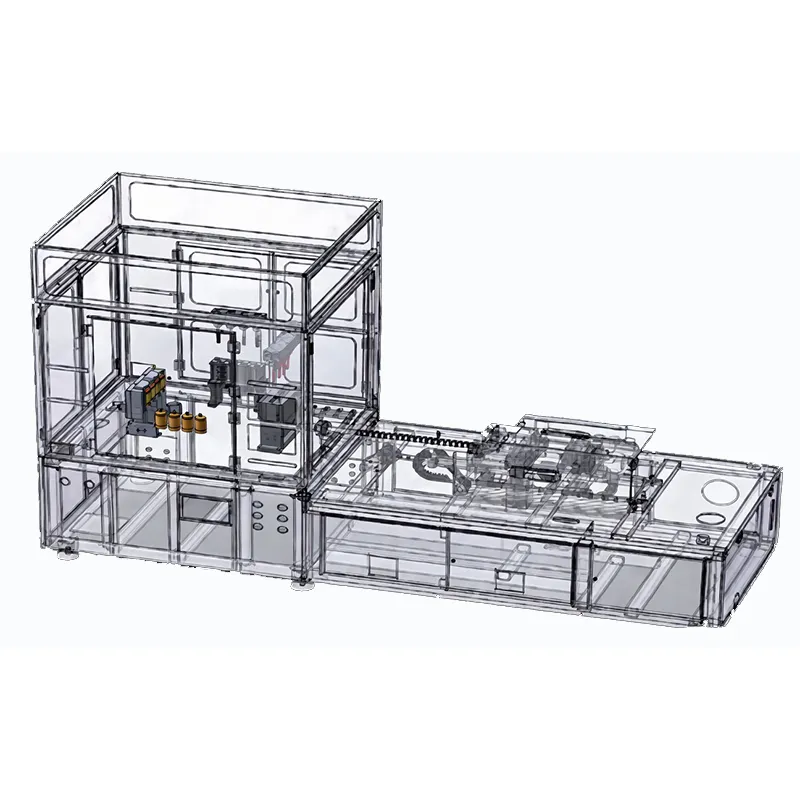 Choosing capital equipment for a modern packaging operation rarely comes down to a single specification sheet. For producers across the United Kingdom weighing their next bottle production investment, the single-stage ISBM machine sits at the centre of that decision because it merges injection, stretch and blow moulding into one uninterrupted thermal cycle. That integration shapes almost everything that follows: floor space, energy draw, labour requirements, scrap rates and the dimensional consistency of every container that leaves the line. A well-specified single-stage ISBM machine can quietly underpin years of profitable output, while a poorly matched one becomes a daily bottleneck that drains margin. The pages below work through the practical and mechanical considerations that genuinely separate one platform from another, written for procurement teams, plant engineers and business owners who want real clarity before signing a purchase order. The emphasis stays on what matters on the factory floor, so the right single-stage ISBM machine becomes an obvious decision rather than an expensive gamble.
How a Single-Stage ISBM Machine Actually Works
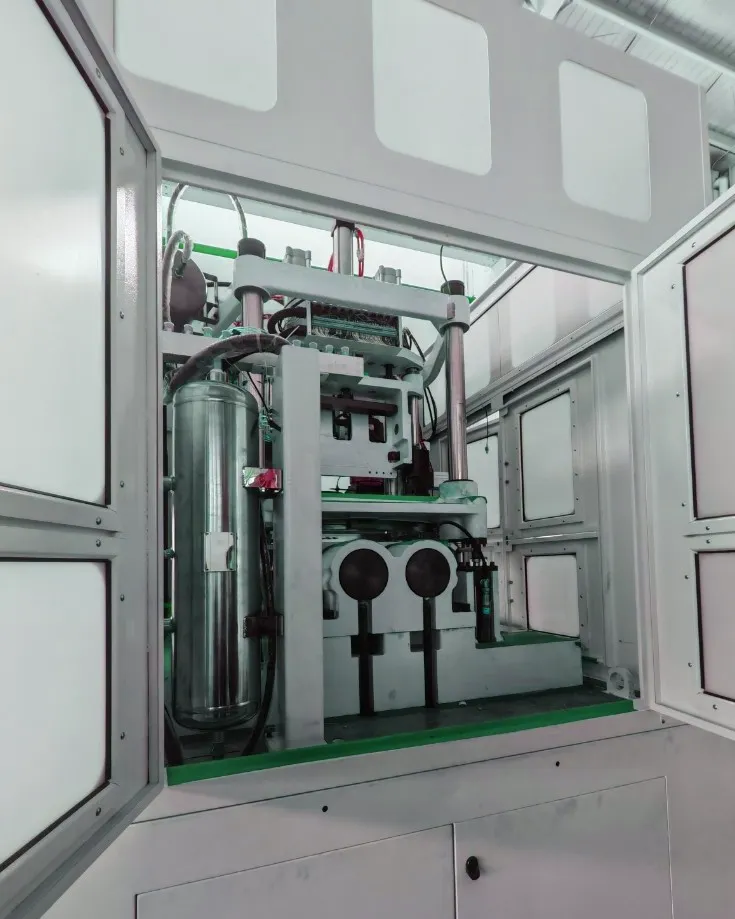 Understanding the mechanics is the foundation of a confident purchase. A single-stage ISBM machine carries a single batch of material through four linked stations mounted around an indexing turntable. Molten resin is first injection-moulded onto temperature-controlled core rods, forming precise preforms with an engineered neck finish. Rather than cooling the preform to ambient temperature, the machine retains a carefully managed core heat and passes it to a conditioning station, where the wall temperature is evened out across the body. The conditioned preform then rotates into the stretch-blow station, where a servo-driven stretch rod elongates it axially while high-pressure air inflates it radially against the cavity wall. This biaxial orientation is what gives the finished container its clarity and strength.
The toggle or direct clamp generates the locking force that holds the injection mould closed against melt pressure, and the indexing servo motor delivers the controlled torque that rotates the rod set through each 90-degree station with repeatable accuracy. Because the preform never leaves the production envelope, a single-stage ISBM machine eliminates the reheat oven that a two-step line depends upon, cutting both energy use and the contamination risk of handling cold preforms. Grasping this sequence helps a buyer judge whether a given single-stage ISBM machine matches the wall thickness, neck weight and output their products genuinely demand.
The Materials Behind a Reliable Build
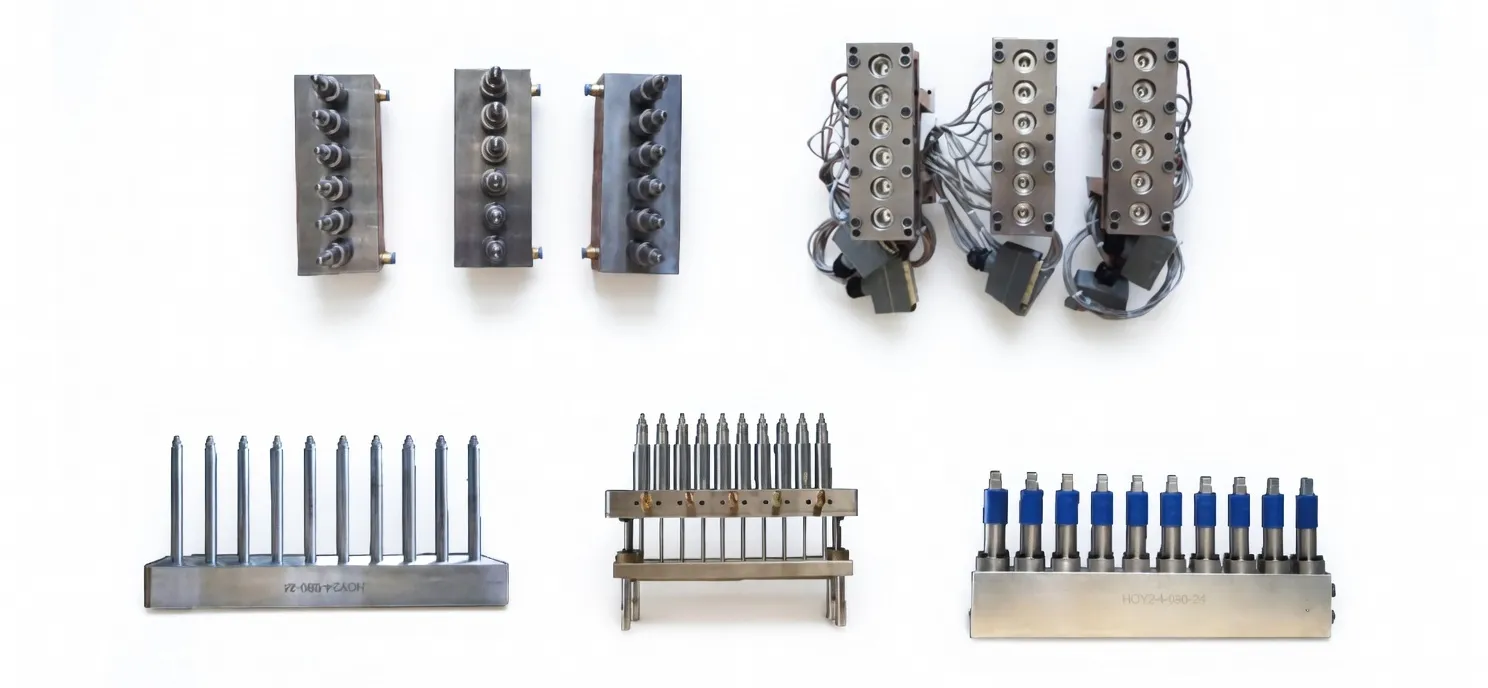
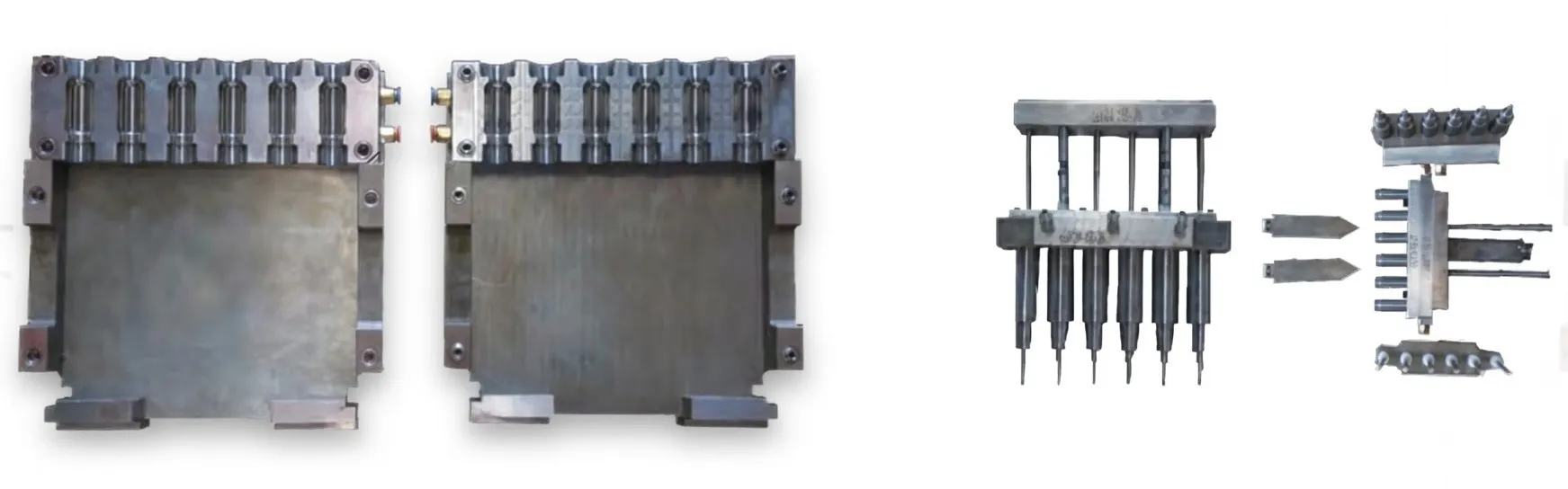
Build quality is decided long before commissioning, in the metallurgy of the frame and tooling. A dependable single-stage ISBM machine begins with a welded, stress-relieved steel base that resists vibration during rapid clamp cycles, keeping the platens parallel under repeated load. The tie bars and clamp columns are typically hardened and ground alloy steel so they tolerate millions of locking cycles without bowing. Where it matters most, the injection and blow cavities are machined from corrosion-resistant stainless grades such as 420 or S136, or from hardened P20 tool steel, then polished and frequently nickel-coated to protect the surface that shapes food and pharmaceutical containers. Hot-runner manifolds use heat-stable tool steels with balanced channels for even melt delivery, while the core rods rely on conductive alloys that carry precise cooling water. Air valves, seals and pneumatic blocks are specified for high-pressure, high-cycle duty. When you scrutinise the bill of materials of a single-stage ISBM machine, you are really reading its lifespan, hygiene rating and the steadiness of its output years into service.
Core Advantages That Justify the Investment
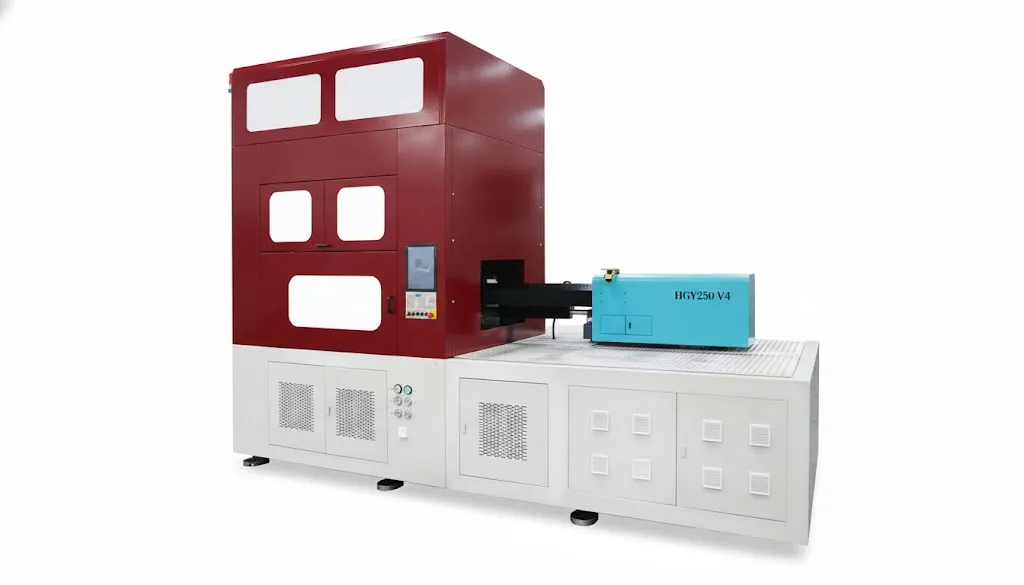
The commercial case for a one-step ISBM machine becomes clear once the benefits are set against day-to-day production realities. Because the preform is shaped and blown in one continuous flow, a single-stage ISBM machine delivers a combination of hygiene, economy and finish that resonates strongly with British manufacturers serving regulated and premium markets. The points below summarise the gains that show up most reliably on a real shop floor.
Built-in Hygiene
The preform never touches the floor or human hands before blowing, so a single-stage ISBM machine produces containers that suit pharmaceutical, dairy and edible-oil packaging without extra cleanroom handling.
Lower Energy Use
By retaining latent heat from injection, the platform skips the power-hungry reheat oven of a two-step line, trimming the running cost of every bottle a one-step ISBM machine produces across a shift.
Superior Finish
Biaxial orientation under tight thermal control yields crystal clarity, even wall thickness and crisp neck threads, which is why premium cosmetic and spirits brands favour single-stage ISBM machine output.
Compact Footprint
One integrated cell replaces a preform machine, oven and reheat blower, freeing valuable floor area in space-constrained British workshops and simplifying line layout around a single ISBM machine.
Wide Material Range
PET, PP, PETG, PLA and HDPE can run on a well-built single-stage injection stretch blow moulding machine, letting one asset serve jars, vials, wide-mouth tubs and slender bottles alike.
Less Material Waste
Tight neck-weight control and minimal handling damage keep scrap low, so a single-stage ISBM machine protects resin spend at a time when polymer prices remain volatile across Europe.
The Factors That Separate a Great Machine From an Average One
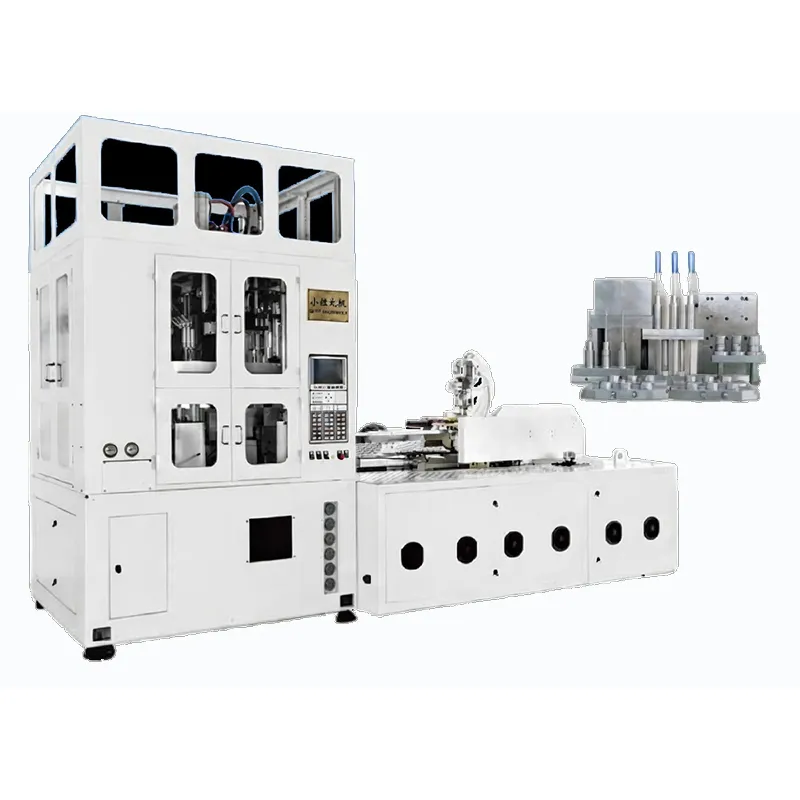 Two platforms can look almost identical in a glossy brochure yet behave very differently once they are bolted to your floor. The decision that protects your investment hinges on a handful of measurable factors, each tied directly to how a single-stage ISBM machine will earn money for your business. Weighing output against your real takt time stops you overbuying capacity you cannot fill, or worse, buying a machine that throttles your growth. Cavity count and tooling philosophy dictate both unit cost and changeover flexibility, while the choice between servo-electric and hydraulic actuation governs energy bills and repeatability over a decade. Utilities, compressed-air demand and the practicalities of UK-based service all belong on the same scorecard. The cards that follow translate those abstract considerations into the questions you should be asking any single-stage ISBM machine supplier before money changes hands.
Output vs Real Takt Time
Match rated bottles-per-hour to your filling line speed, not a peak figure. An oversized single-stage ISBM machine sits idle; an undersized one becomes the line’s permanent constraint.
Cavity Count & Tooling
More cavities lift throughput but raise tool cost and changeover effort. Confirm how quickly moulds swap so your one-step ISBM machine flexes between product runs.
Servo vs Hydraulic Drive
All-electric servo torque control offers tighter repeatability and lower power draw. Ask whether the single-stage ISBM machine uses servo clamping, injection and stretch motion.
Air & Utility Demand
High-pressure blow air is a hidden running cost. Verify compressor sizing and installed power so your single-stage ISBM machine fits existing site services.
UK Service & Spares
Downtime is costly. Confirm spare-part lead times and remote-support arrangements so a single-stage ISBM machine stays productive between scheduled UK service visits.
Control & Diagnostics
An intuitive HMI with recipe storage and fault logging shortens operator training and turns a single-stage ISBM machine into a transparent, easily managed asset.
Technical and Performance Parameters
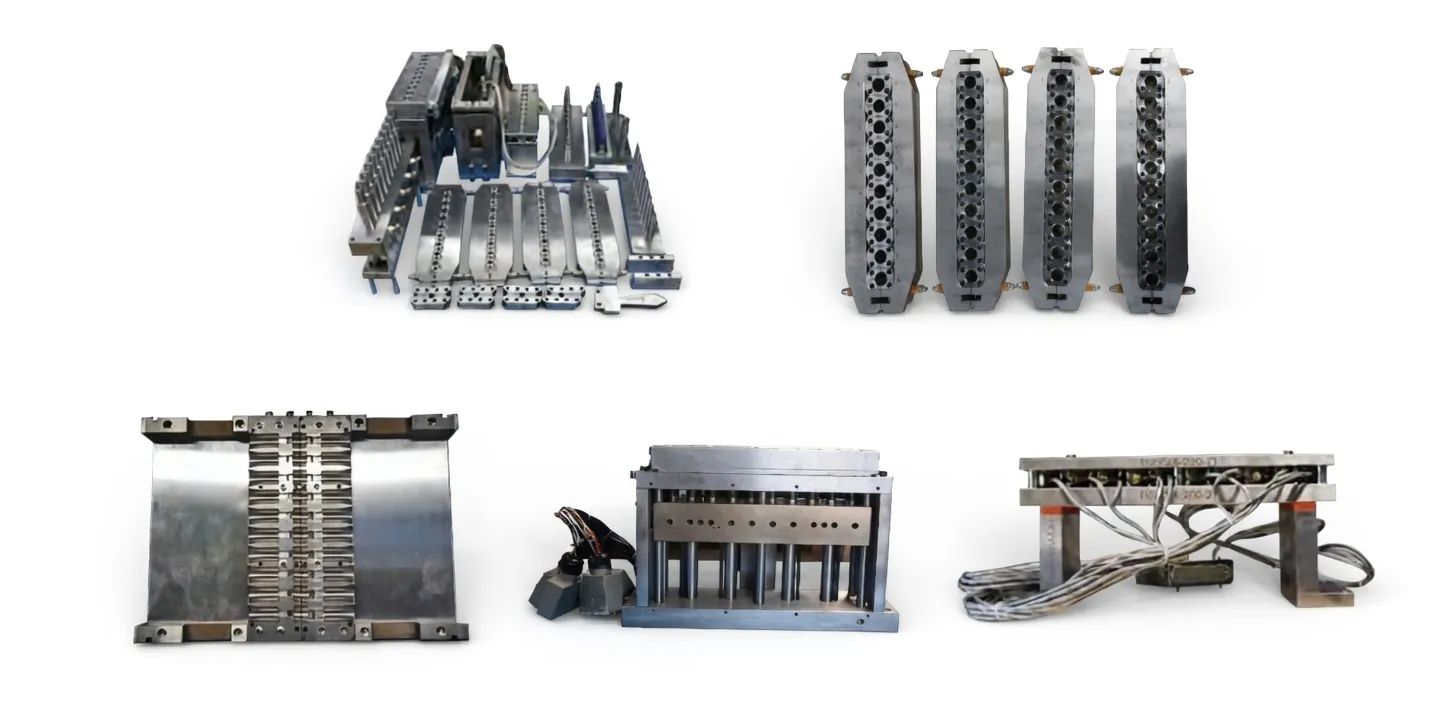
Numbers reveal what marketing cannot. The reference table below sets out the parameters that decide whether a single-stage ISBM machine fits your application, from the clamp torque that locks the injection mould to the rotation angle of the indexing servo and the steel grades used in the cavities. Treat these figures as a benchmark when comparing quotations; insist that every supplier presents the same data set so you compare like for like. Values vary by model and tooling, yet the categories themselves are the constants every serious buyer should evaluate before committing to a particular single-stage ISBM machine.
Where Single-Stage ISBM Machines Earn Their Keep
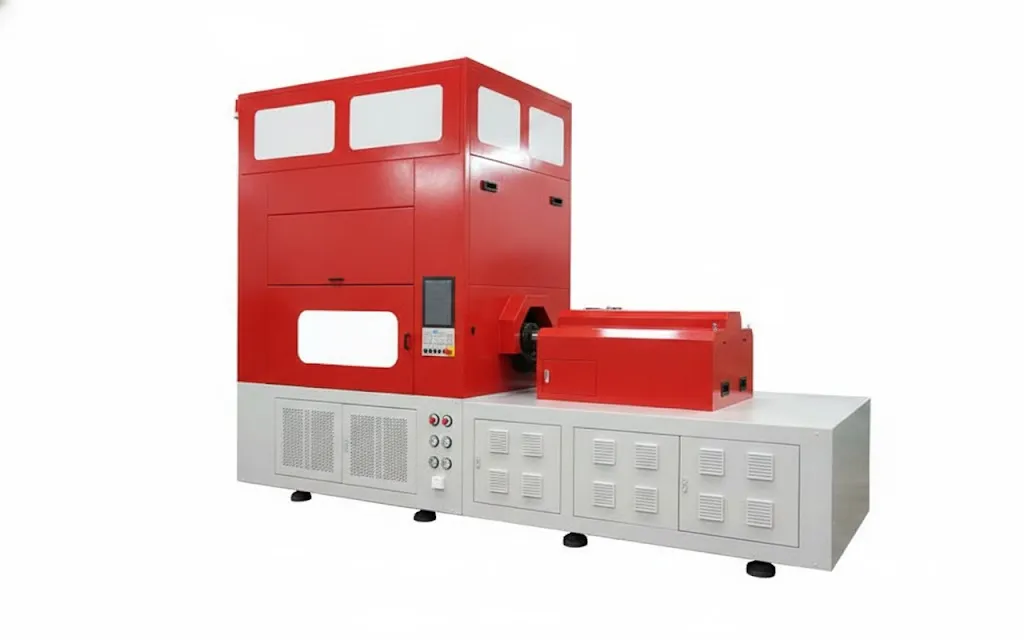 The breadth of British manufacturing gives a capable single-stage ISBM machine plenty of room to prove itself. Around Birmingham and the wider Midlands, contract fillers serving personal-care and cosmetics brands lean on a single-stage ISBM machine for the clarity and tight neck tolerances that premium toiletry bottles demand. In Sheffield and the surrounding industrial belt of South Yorkshire, producers of speciality lubricants, coolants and household chemicals value the platform’s ability to form sturdy wide-mouth tubs and chemical-resistant containers in a single pass. Pharmaceutical and nutraceutical sites across the South East rely on the hygienic, hands-free sequence of a single-stage ISBM machine to keep dropper bottles and supplement jars within strict regulatory limits.
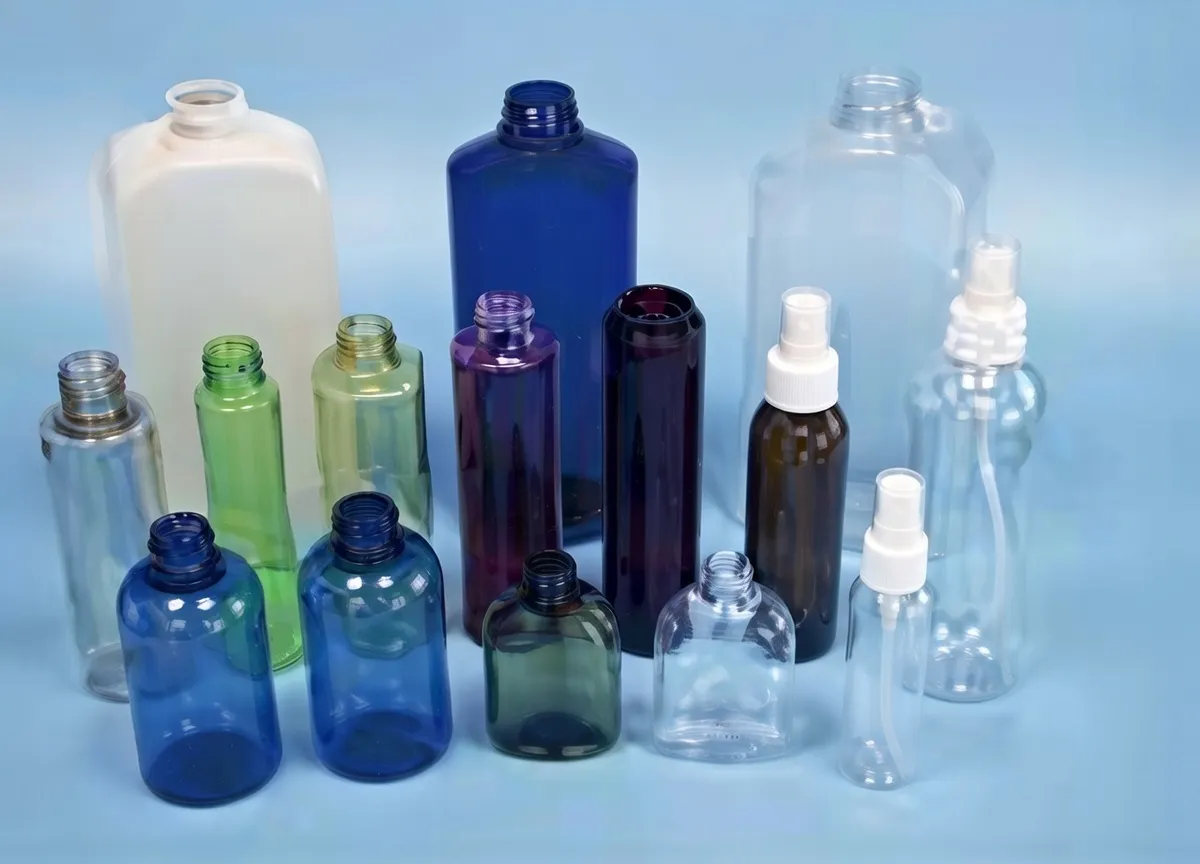
Food and dairy packers benefit too, since the one-step ISBM machine produces edible-oil bottles and sauce containers without intermediate handling. The compact footprint suits the converted warehouse units common across northern industrial estates, and short domestic delivery routes mean a UK-based operation can keep buffer stock lean and respond quickly to a retailer’s private-label order. Whether the brief is a 30 ml serum bottle for a Manchester skincare label or a 2-litre coolant container for an automotive supplier in the West Midlands, a correctly specified single-stage ISBM machine handles the run with consistent quality, helping British factories keep production onshore rather than importing finished empties.
Inside Ever Power Manufacturing
A single-stage ISBM machine is only as dependable as the workshop behind it, and this is where Ever Power positions its strongest argument. Every single-stage ISBM machine we build starts from in-house design, where our engineers translate a customer’s container drawings into clamp force, cavity layout and cycle parameters tailored to the exact product. Our customisation capability runs deep: neck finishes, special resins, bespoke cavity counts, integrated leak-testing and line-matched output can all be engineered to order rather than forced into a fixed catalogue model. Precision machining centres cut tie bars, platens and tooling to tight tolerances, and each completed single-stage ISBM machine is dry-cycle tested and trial-run with the customer’s own preform geometry before it ever leaves the floor.
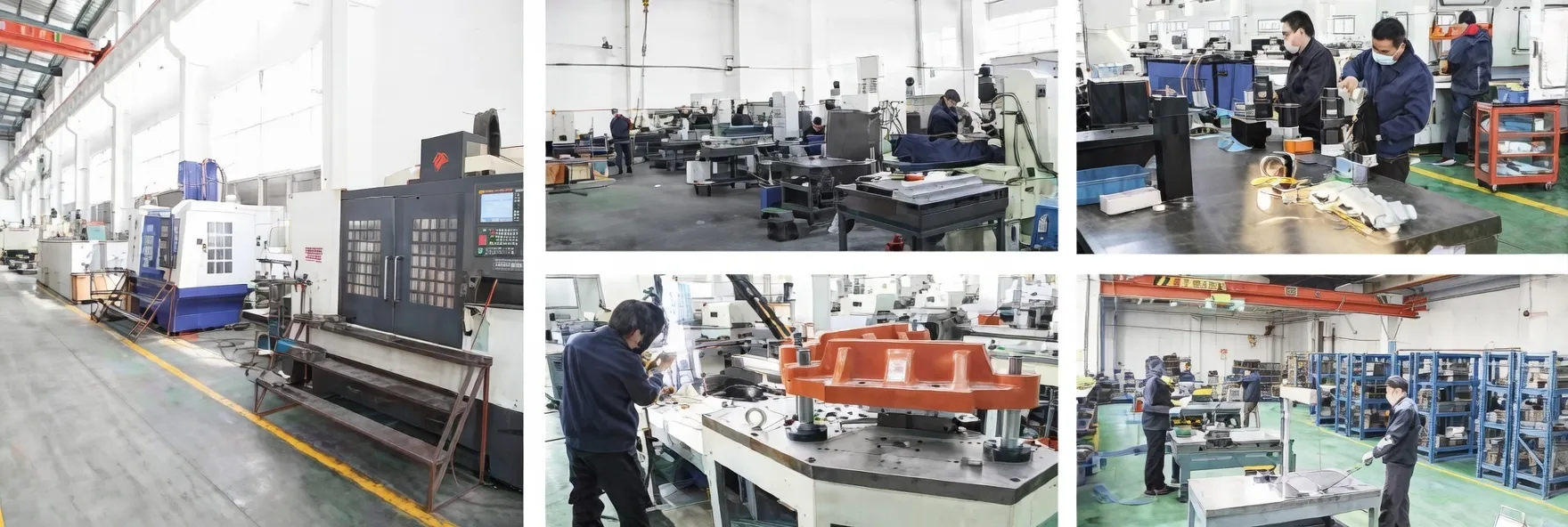
Behind that workmanship sits a resilient supply chain. By stocking critical servo drives, valves and wear components, Ever Power shortens lead times and keeps spares moving quickly to British sites, so a single-stage ISBM machine stays productive long after installation. Commissioning support, operator training and remote diagnostics are built into the package, giving UK manufacturers a partner rather than merely a supplier. When clarity, hygiene and uptime decide your packaging margins, that combination of bespoke engineering, disciplined manufacturing and steady supply is exactly what protects the investment.
A Sheffield Success Story
A speciality lubricants and metalworking-fluids manufacturer based on the eastern edge of Sheffield, South Yorkshire, approached Ever Power after years of buying empty bottles from a third-party converter. Rising freight costs, inconsistent neck quality and long reorder lead times were eroding both margin and reliability for their automotive and engineering clients. Their requirement was demanding: chemical-resistant HDPE and PET containers from 250 ml to 5 litres, food-grade hygiene for a small edible-oil sideline, and the flexibility to switch products several times a week. We specified a six-cavity single-stage ISBM machine with servo clamping, an upgraded high-pressure blow circuit and a recipe-driven HMI, then matched cavity tooling to their three highest-volume bottles.
Within the first quarter of running the new single-stage ISBM machine in-house, the plant reported a clear shift. Scrap on their flagship 1-litre bottle dropped sharply thanks to tighter neck-weight control, while bringing moulding onsite removed the freight bills and stock-out risk that had dogged the old arrangement. Changeover between products fell to under thirty minutes, letting the team respond to short-notice orders from regional engineering firms. Most importantly, the consistency of the output let them quote new private-label contracts with confidence, turning a single-stage ISBM machine into a genuine engine for growth rather than just a cost line.
“Bringing moulding in-house transformed our scrap figures. The neck consistency on our litre bottles is something our previous supplier never managed, and Ever Power tuned the cavities to our exact resin.”
“The customisation made the difference. We needed a particular neck finish and fast changeovers, and the single-stage ISBM machine they engineered delivered both. Commissioning was smooth and the support since has been excellent.”
“Spare parts reach us quickly and the remote diagnostics save us hours of downtime. Having a responsive UK-facing partner behind the machine gives us the confidence to take on bigger private-label contracts.”
Matching the Machine to Your Growth Plan
Smart buyers think three years ahead, not only about today’s order book. A single-stage ISBM machine is a long-lived asset, so the wisest specification leaves headroom for the products you expect to win rather than just the ones you run now. If your roadmap includes new container formats, heavier neck finishes or a move into regulated sectors, choosing a slightly more capable single-stage ISBM machine, or one whose tooling can be extended later, avoids an expensive second purchase within a couple of seasons. Equally, resist the temptation to over-specify capacity you have no realistic plan to fill, because idle cavities simply tie up capital. The most resilient British operations treat the single-stage ISBM machine as the heart of a flexible cell, surrounded by modular ancillaries such as leak testers, conveyors and bagging units that can be bolted on as demand climbs. Talking through your two- and three-year volume forecasts with the engineering team early means the single-stage ISBM machine you commission today still fits comfortably when your order book looks very different tomorrow.
Frequently Asked Questions
Tap a question to reveal the answer.
How much does a single-stage ISBM machine cost for a small bottling plant in Birmingham?
Pricing depends heavily on cavity count, automation level and tooling, so the honest answer is that it varies. A compact servo unit for a small Birmingham operation typically sits well below a high-cavity, fully automated line. Share your container sizes and target output, and we will return a tailored quote rather than a misleading headline figure.
What should a UK manufacturer check before requesting a quote from an ISBM machine supplier?
Pin down your container range, required bottles per hour, resin types and filling-line speed first. Then ask the supplier about clamping force, drive type, air consumption, changeover time and UK spare-parts lead times. Having these details ready lets you compare quotations fairly and avoid an under- or over-specified machine.
Which single-stage ISBM machine is best suited for cosmetic bottle production in the Midlands?
Cosmetic work rewards a servo-driven machine with precise temperature control and polished cavities, because clarity and neck accuracy define a premium look. For Midlands contract fillers handling many small SKUs, a mid-cavity configuration with quick mould changeover usually balances finish quality against the flexibility those varied product runs demand.
Where can food and beverage producers in Sheffield find a reliable one-step ISBM machine supplier?
Ever Power supplies food-and-beverage producers across Sheffield and South Yorkshire with hygienic, hands-free machines and responsive UK-facing support. Because the preform is never handled before blowing, the process meets food-contact expectations, and our stocked spares keep your line running. Email our team to discuss your specific containers and volumes.
When is it worth upgrading from a two-step line to a single-stage ISBM machine in the UK?
Upgrading makes sense when you want hygienic in-house moulding, lower energy use and freedom from reheat ovens, especially for premium or regulated products. If you are paying for bought-in preforms, fighting freight costs or chasing tighter quality, consolidating into one integrated cell usually pays back through reduced scrap and shorter lead times.
Who provides installation and spare parts support for these machines across the United Kingdom?
Ever Power handles commissioning, operator training and ongoing spare-parts supply for customers throughout the United Kingdom. We stock critical servo drives, valves and wear components to shorten lead times, and remote diagnostics let our engineers resolve many issues without a site visit, keeping your production schedule on track.
How long does delivery and commissioning take for a single-stage ISBM machine shipped to England?
Lead time depends on customisation and tooling complexity, with bespoke cavities adding to the schedule. Once a machine arrives at your English site, commissioning, trial runs with your own preforms and operator handover are typically completed within a planned window. We confirm realistic dates in writing as part of every quotation.
What ongoing running costs should UK buyers expect from a single-stage injection stretch blow moulding machine?
The main running costs are electricity, compressed air for the blow stage, resin and routine maintenance of seals and wear parts. All-electric servo models lower the power element considerably, while skipping the reheat oven cuts energy per bottle. We can model expected consumption against your output so the figures are clear before you buy.
Why do many UK packaging companies prefer a single-stage ISBM machine over imported finished bottles?
Moulding onsite removes the freight, customs and stock-out risks tied to importing empty bottles, while giving full control over quality and lead times. British producers gain the flexibility to launch private-label runs quickly, protect margins against polymer price swings and keep value-adding production firmly within the UK.
Ready to specify the right single-stage ISBM machine for your operation?
edit by gzl