Precision Injection Blow Molding Solutions for Healthcare and Ophthalmic Packaging
Precision sterile container manufacturing for the UK pharmaceutical, ophthalmic and medical device sectors — powered by Ever Power IBM technology
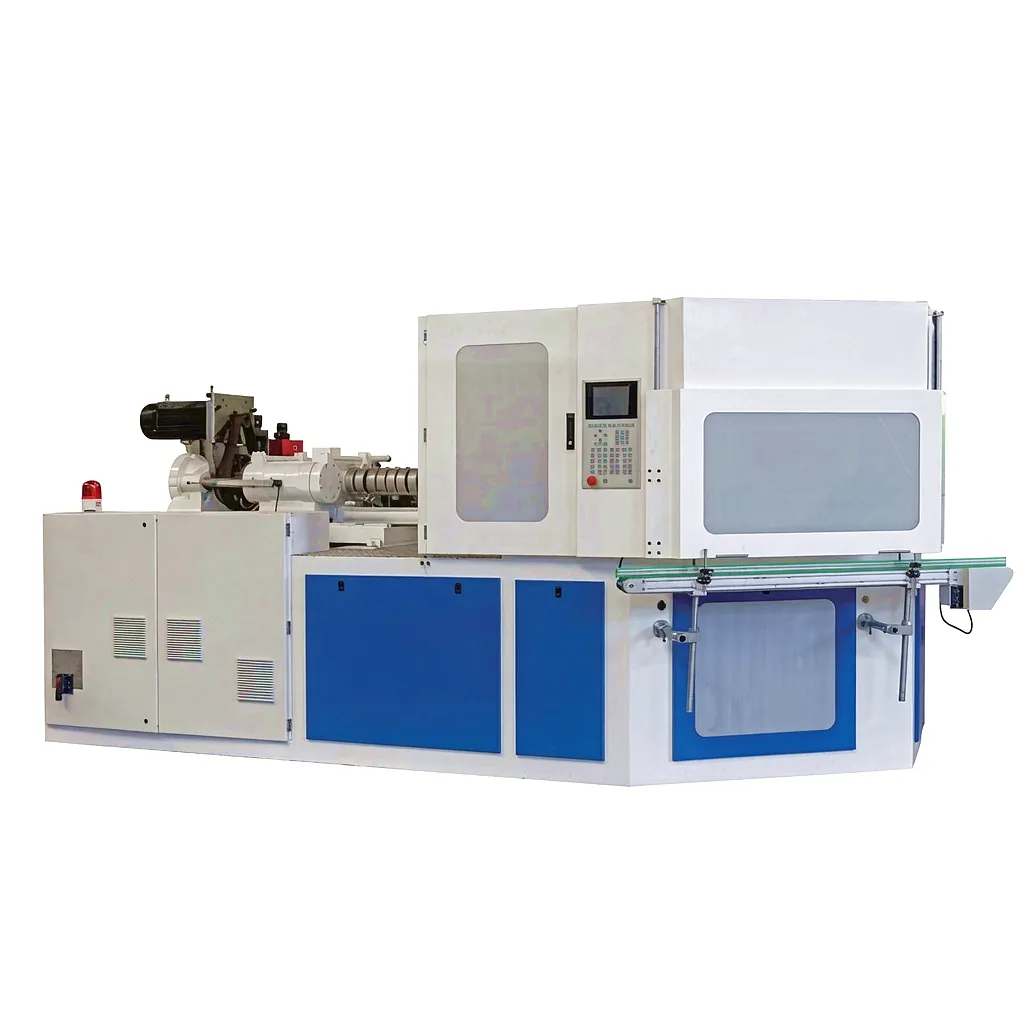 Healthcare packaging demands a level of precision that few manufacturing processes can consistently deliver at scale. When the end product is a sterile eye drop bottle, a nasal spray container or a multi-dose ophthalmic dropper destined for a hospital formulary or a high-street pharmacy in Birmingham or Manchester, every dimension, every sealing surface and every gram of resin must conform to pharmacopoeial standards. The injection blow molding machine — or IBM machine — has emerged as the defining production technology for this segment, precisely because its closed-mould forming cycle eliminates the open-air parison exposure common in extrusion processes and gives manufacturers pinpoint control over neck geometry, wall thickness distribution and container weight.
Application Scenario: Healthcare & Ophthalmic Packaging — Eye Drops, Nasal Sprays & Sterile Irrigation Containers
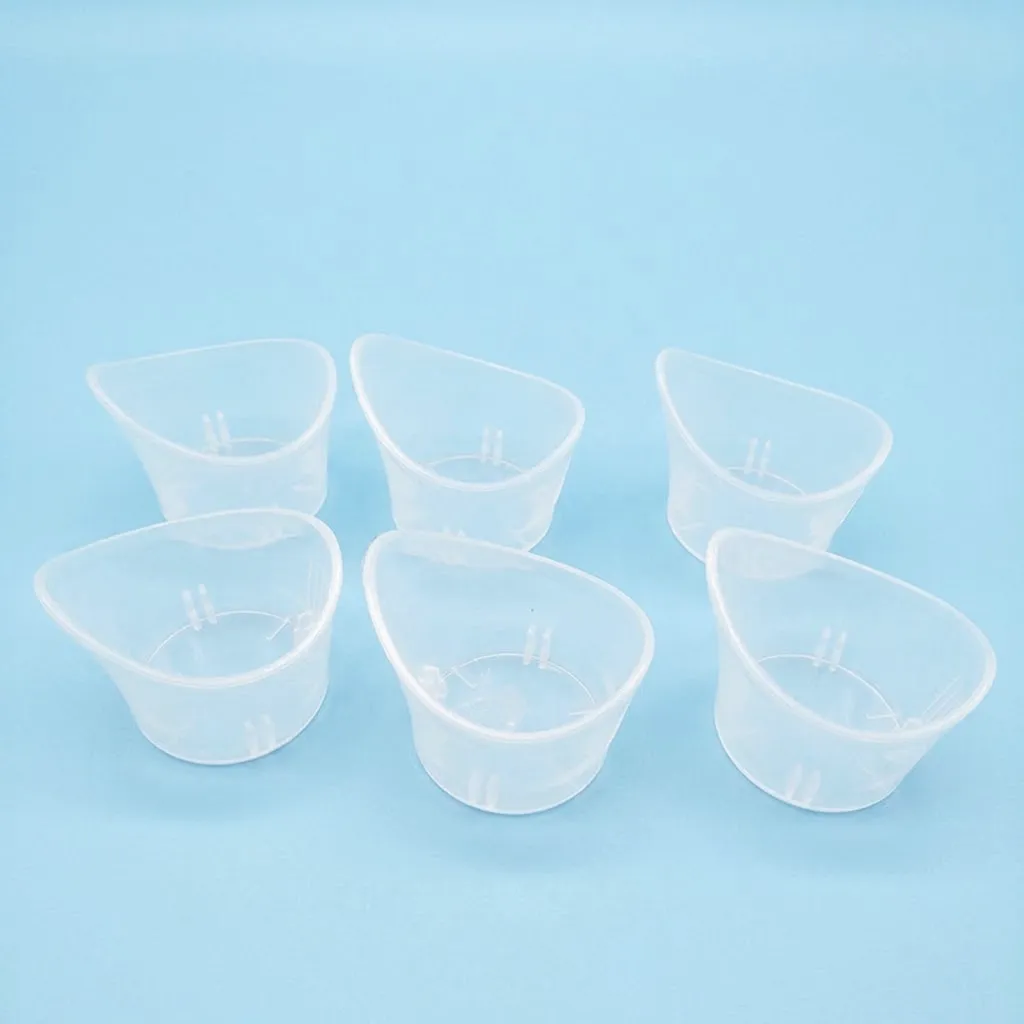
Healthcare packaging produced by injection blow molding machines covers a broad spectrum of primary containers. Each product type carries its own regulatory burden — whether that is compliance with the British Pharmacopoeia, alignment with EU MDR 2017/745 transitional requirements that continue to shape UK MedTech practice, or meeting USP Class VI polymer classifications. Below is a representative catalogue of IBM-produced healthcare containers, spanning ophthalmic, nasal and irrigation applications across the UK pharmaceutical manufacturing sector.
Eye Drop Bottles
Single-dose and multi-dose ophthalmic containers manufactured in LDPE or HDPE with tamper-evident tip caps. Typical volumes range from 2.5 mL to 15 mL. The IBM process delivers neck finish tolerances within ±0.05 mm, critical for dropper tip fitment and controlled-drop dispensing.
Nasal Spray Containers
High-precision HDPE or PP bottles for nasal delivery systems, designed to accept standard spray pump assemblies (18 mm or 20 mm crimp or screw fitments). The IBM neck finish eliminates parting-line flash that could impair pump seating — a known failure mode in extrusion blow moulded alternatives.
Sterile Saline Irrigation Bottles
LDPE soft-squeeze bottles for wound irrigation, eye irrigation and surgical theatre applications. IBM machines produce containers with highly consistent wall thickness (typically 0.5–0.9 mm), enabling reliable squeeze force across an entire batch — essential for clinical predictability in ward settings across NHS England procurement.
Multi-Dose Ophthalmic Droppers
Precision dropper assemblies requiring tight ovality and roundness on the bottle shoulder and neck thread. Used for glaucoma treatments, antibiotic eye preparations and corticosteroid formulations. The absence of weld lines in IBM containers reduces the risk of stress cracking when containers are exposed to preservative-containing formulations over their shelf life.
Eye Wash Cup Containers
PP or HDPE eye-wash bottles and cup assemblies for first-aid and occupational health applications in UK manufacturing, laboratory and construction environments. IBM machines produce the bottle body and integral fitting rim in a single cycle, removing secondary assembly steps and reducing contamination risk before terminal sterilisation.
Working Principle of the Injection Blow Molding Machine
Stage 2 — Indexing & Blow Expansion
The preform, still on the mandrel, is rotated to the blow station. Compressed air is introduced through the mandrel core, expanding the heated preform against the blow mould cavity walls. The contact cooling from the mould surface sets the final container geometry. Because the neck has already been formed in Stage 1, dimensional stability of the thread or fitment is guaranteed.
Stage 3 — Ejection
At the third index position, the finished container is stripped from the mandrel and conveyed to downstream handling. There is no flash, no tail and no post-moulding trim required. For pharmaceutical applications, this no-trim architecture is critical: it eliminates the particulate generation associated with mechanical trimming operations in EBM and reduces downstream contamination risk in cleanroom production environments.
The entire three-stage cycle on a modern injection blow molding machine typically runs in 6–18 seconds per cycle, depending on container size, wall thickness specification and resin grade. Cycle time on medical-grade runs is often set conservatively to allow full cooling of the neck finish before ejection, protecting the critical sealing geometry. Advanced IBM machines — including those manufactured by Ever Power — incorporate servo-driven indexing tables that reduce dwell-time variability across cavities, a key advantage when validating a line under statistical process control protocols required by pharmaceutical quality management systems.
Core Materials Used in Pharmaceutical IBM Production
LDPE (Low-Density Polyethylene)
The dominant resin for ophthalmic dropper bottles and irrigation containers. LDPE offers outstanding flexibility, chemical inertness to aqueous saline and buffered ophthalmic formulations, and excellent clarity in thin-walled sections. Medical-grade LDPE grades (e.g., Dow LDPE 722 or equivalent) carry FDA 21 CFR and EU 10/2011 compliance documentation. The soft squeeze-force profile of LDPE containers enables precise drop-size control, which is pharmacologically important for ophthalmic dosing.
HDPE (High-Density Polyethylene)
Selected for nasal spray bottles and containers requiring higher barrier performance against moisture vapour transmission. HDPE’s stiffness also makes it suitable for dropper assemblies where the bottle body must resist deformation during cap application on high-speed filling lines. British Pharmacopoeia Chapter IV requirements for polyolefin containers are routinely met by pharmaceutical-grade HDPE resins running on IBM machines.
PP (Polypropylene)
Used where heat resistance is required — particularly for containers intended for gamma or autoclave sterilisation cycles. PP containers produced on IBM machines maintain dimensional stability through standard sterilisation temperature ranges (up to 121 °C autoclave cycles), making them suitable for theatre-ready surgical irrigation bottles and first-fill sterile preparations in hospital pharmacy manufacture.
PET (Polyethylene Terephthalate)
Increasingly specified for over-the-counter ophthalmic and contact lens care products where optical clarity, excellent barrier properties and premium retail aesthetics are required. IBM-processed PET containers offer wall-thickness uniformity that stretch-blow alternatives cannot match for small-volume medical containers below 50 mL. PET also supports photostability testing requirements under ICH Q1B guidelines.
Technical Advantages of IBM Machines for Pharmaceutical Container Production
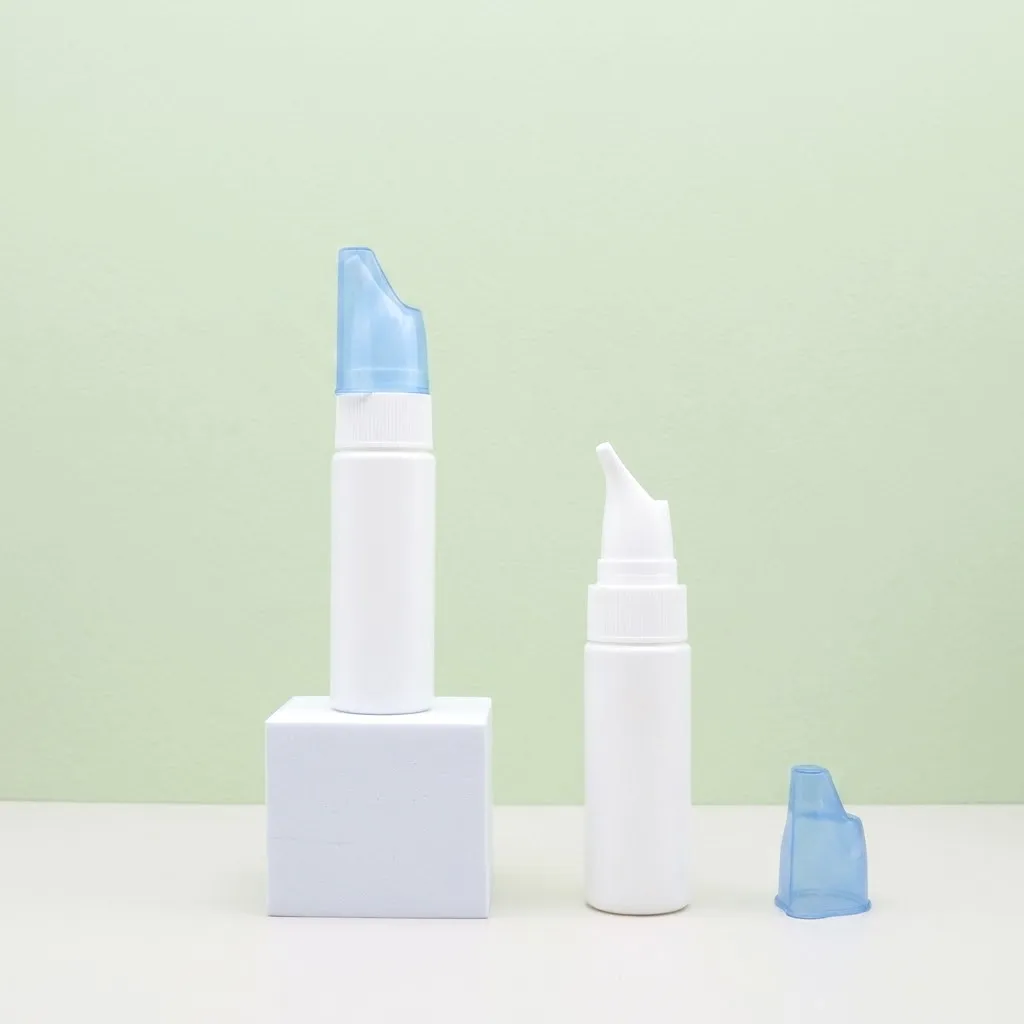 The technical superiority of the injection blow molding machine over competing processes in healthcare applications is not a matter of marketing narrative — it is demonstrable in measurable production outcomes. UK pharmaceutical packaging engineers who have migrated from extrusion-based lines to IBM technology consistently report improvements across a set of core performance indicators that directly affect regulatory compliance, batch release rates and total cost of ownership.
✓ Flash-Free Production Architecture
Because the IBM process uses a closed-cavity mandrel transfer, there is no pinch-point flash on the container base or body. This eliminates in-mould trimming requirements, removes a source of particulate generation and simplifies qualification of clean-area conveyor systems. For NHS supply contract packaging — where AQL inspection levels for visible defects are often tightened beyond standard commercial specifications — a flash-free architecture can significantly improve AQL pass rates on incoming inspection.
✓ Neck Finish Accuracy to ±0.05 mm
The injection-moulded neck is formed in a precision steel cavity rather than being shaped by the blow mould. This means thread form, bore diameter and finish height are held to injection-moulding tolerances — typically ±0.05 mm or better — rather than the broader tolerances inherent in EBM neck forming. For pharmaceutical dropper and spray applications, this precision is non-negotiable: it determines whether the closure achieves the required removal torque and closure integrity values across the entire shelf life of the drug product.
✓ Consistent Wall Thickness Distribution
Wall thickness uniformity in IBM containers is controlled by the preform design and blow ratio rather than by extrusion die gap variation. This results in sigma values on wall thickness that are consistently tighter than EBM alternatives — a quality characteristic that is particularly significant for thin-walled ophthalmic dropper bottles where wall thickness variation directly affects squeeze force uniformity and, therefore, delivered drop volume consistency across a production batch.
✓ Reduced Contamination Risk in Cleanroom Environments
The enclosed mandrel-transfer process minimises airborne particulate shedding during the forming cycle. IBM machines are routinely integrated into ISO 7 and ISO 8 cleanroom environments at UK pharmaceutical CMO sites, with laminar-flow enclosures fitted over the index table. The absence of parison flash handling and base-trim conveyors further reduces machine-generated particulate sources within the controlled environment, simplifying environmental monitoring baseline qualification.
✓ Material Efficiency and Low Scrap Rates
Medical-grade polymer resins carry significant cost premiums over standard commodity grades, and waste resin in pharmaceutical applications cannot simply be reground and reintroduced — regulatory restrictions on rework and regrind in primary pharmaceutical packaging are stringent. IBM machines’ inherently low flash rates (typically below 1.5% by weight) translate directly into lower material cost per unit and reduced material-deviation events in the batch record, supporting smoother batch release under UK GMP.
Technical Performance Parameters — IBM Machine Specification Table
| Parameter | Ever Power ZQ80 | Ever Power ZQ110 | Pharmaceutical Significance |
|---|---|---|---|
| Clamping Force | 80 tonnes | 110 tonnes | Ensures cavity closure integrity during injection; prevents flash on neck finish |
| Container Volume Range | 2 mL – 250 mL | 10 mL – 500 mL | Covers ophthalmic (2–15 mL), nasal (20–50 mL) and irrigation (100–500 mL) ranges |
| Neck Finish Tolerance | ±0.05 mm | ±0.05 mm | Pharmaceutical closure integrity; dropper tip and spray pump fitment precision |
| Wall Thickness Uniformity | < ±8% variation | < ±8% variation | Consistent squeeze force for controlled ophthalmic drop volume delivery |
| Cycle Time | 6 – 14 s | 8 – 18 s | Production rate calculation for NHS tender volume commitments |
| Index Stations | 3 (Inject / Blow / Eject) | 3 (Inject / Blow / Eject) | Minimal air exposure time between preform forming and blow stage |
| Scrap / Flash Rate | < 1.2% by weight | < 1.2% by weight | Reduces virgin resin cost burden on medical-grade polymer spend |
| Compatible Resins | LDPE, HDPE, PP, PET | LDPE, HDPE, PP, PET, PC | Full range for BP/USP Class VI pharmacopoeial compliance |
| Injection Pressure | Up to 180 MPa | Up to 200 MPa | Enables complete fill of fine-detail neck cavities; supports precision thread profiles |
| Blow Air Pressure | 0.5 – 1.0 MPa | 0.5 – 1.2 MPa | Controlled expansion for thin-wall ophthalmic containers; avoids stress whitening |
Industrial Application Scenarios: IBM Machines Across UK Healthcare Manufacturing
From contract pharmaceutical packaging in Staffordshire to OTC healthcare production in Wales and Scotland
Auxiliary Equipment & Production Systems
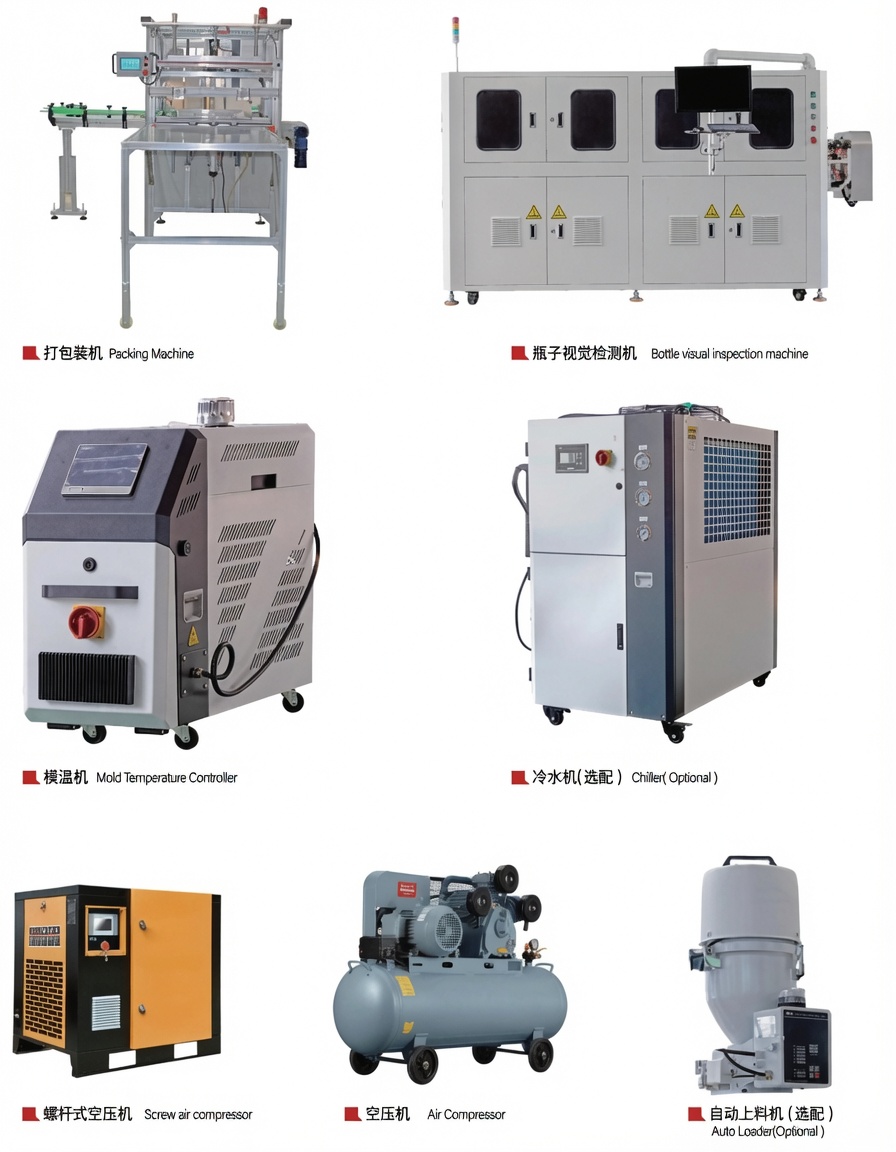
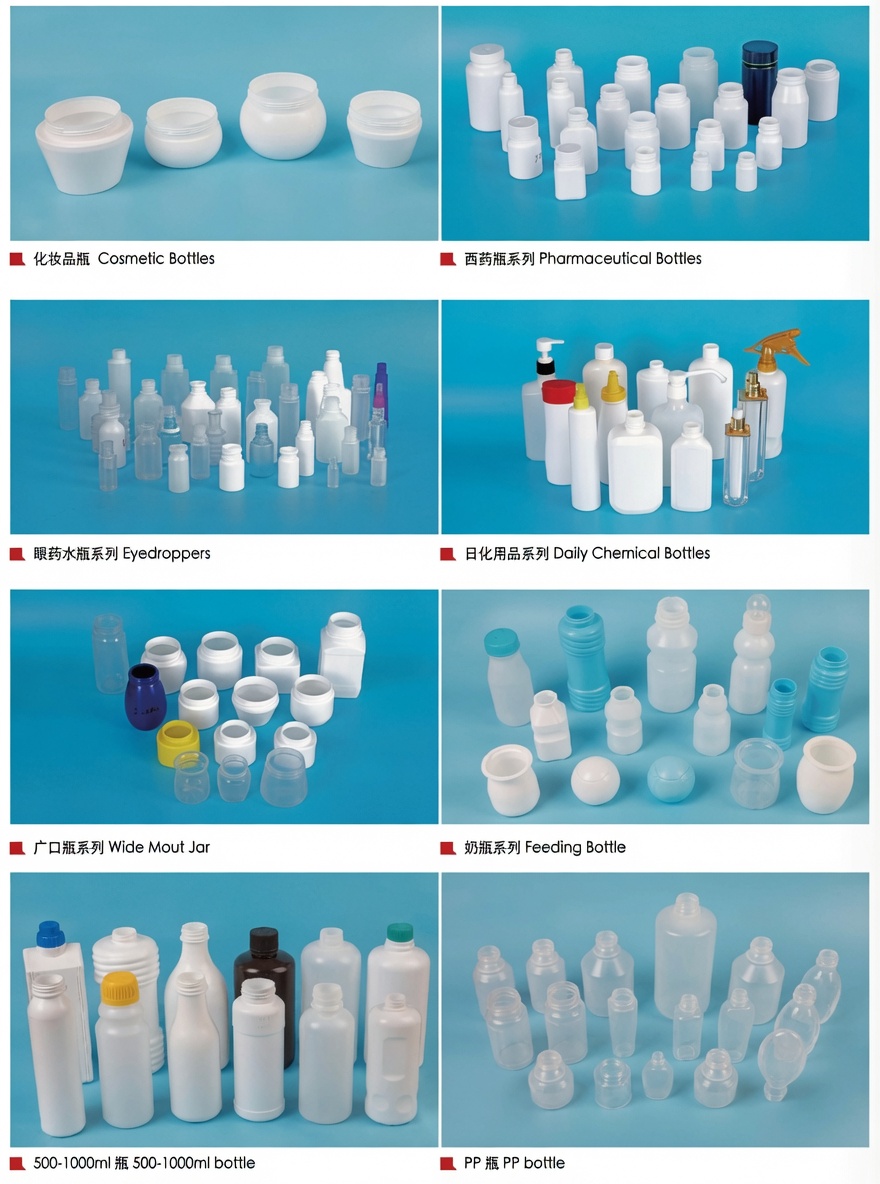
Ever Power: Precision IBM Machine Manufacturing & Customisation
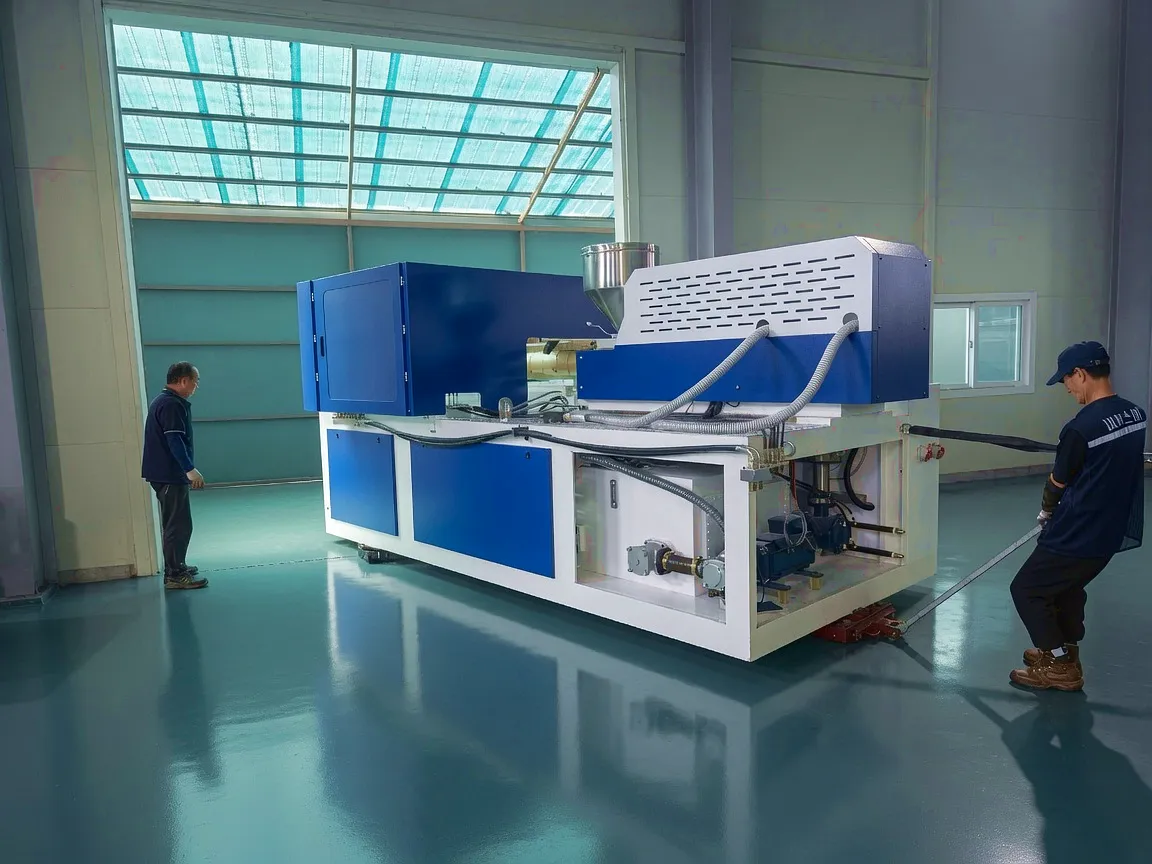
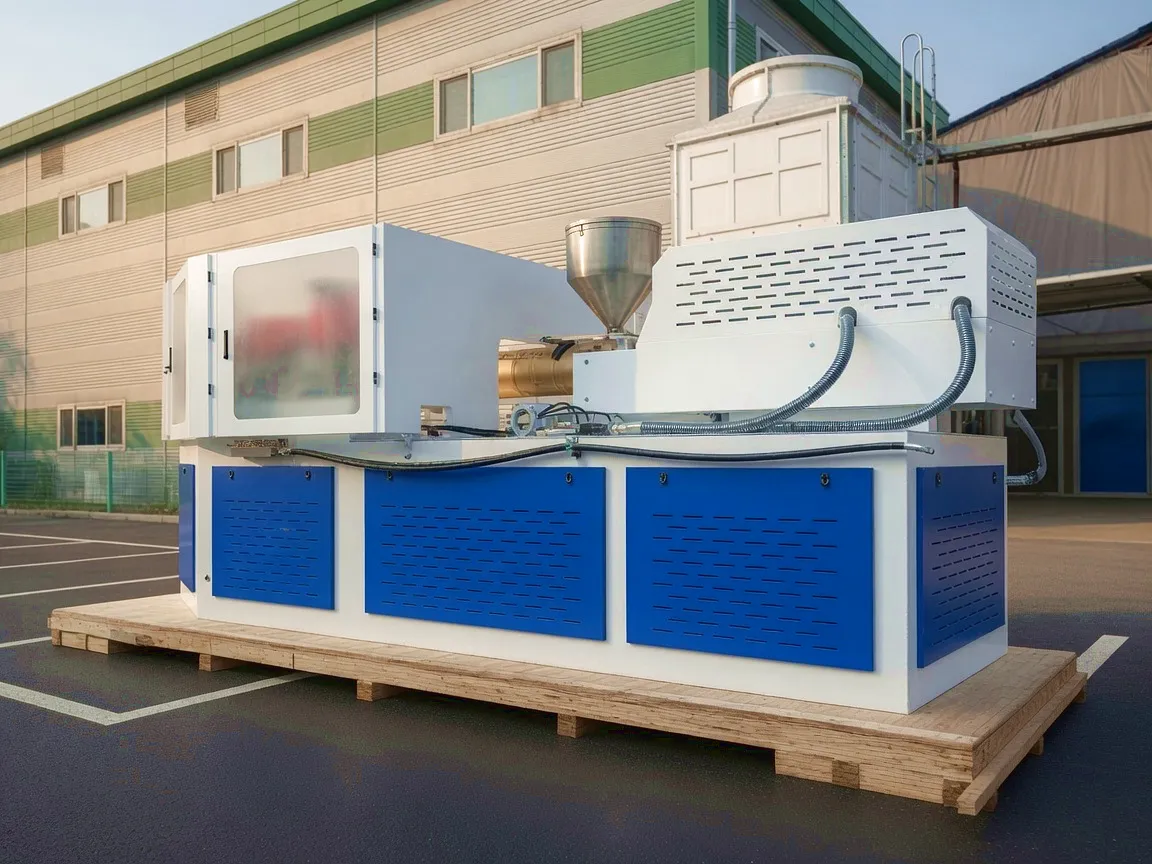
Ever Power has established itself as a specialist manufacturer of injection blow molding machines designed for pharmaceutical, ophthalmic and medical device packaging applications. The company’s engineering team brings deep application knowledge from decades of working with UK and European pharmaceutical packaging manufacturers, CMOs and hospital pharmacy units. Every machine produced by Ever Power is built to accommodate the specific regulatory and quality system requirements of healthcare container production — from cleanroom-compatible surface specifications and HEPA-ready machine enclosures to servo-controlled index tables that deliver the inter-cycle repeatability demanded by pharmaceutical process validation.
The customisation capabilities at Ever Power extend beyond standard machine configurations. Pharmaceutical clients frequently require application-specific tooling for non-standard container formats — unusual neck diameters, multi-start threads, integrated tamper-evidence skirts or container geometries dictated by proprietary delivery system components. Ever Power’s in-house mould design and precision machining teams work directly with customers’ packaging development engineers to translate a primary packaging concept into a validated IBM tooling solution, from initial container CAD modelling through prototype evaluation to commercial-scale mould qualification. The supply chain infrastructure supporting Ever Power’s IBM machine programme provides lead-time and cost certainty that is particularly valued by UK procurement teams managing capital expenditure approval cycles in NHS-linked and private pharmaceutical manufacturing settings.
⚙ Precision Machining & Tooling
CNC machining centres producing injection and blow mould tooling to DIN tolerances. Pharma-grade tool steel (P20, H13) for long-run mould life on medical applications.
📋 GMP Documentation Support
Factory Acceptance Test protocols, IQ/OQ documentation packages and spare-parts matrices provided as standard to support customer qualification programmes under UK GMP.
✈ UK Logistics & Field Service
Coordinated delivery scheduling to UK manufacturing sites via established freight partners. On-site commissioning and operator training provided by Ever Power field engineers across England, Scotland and Wales.
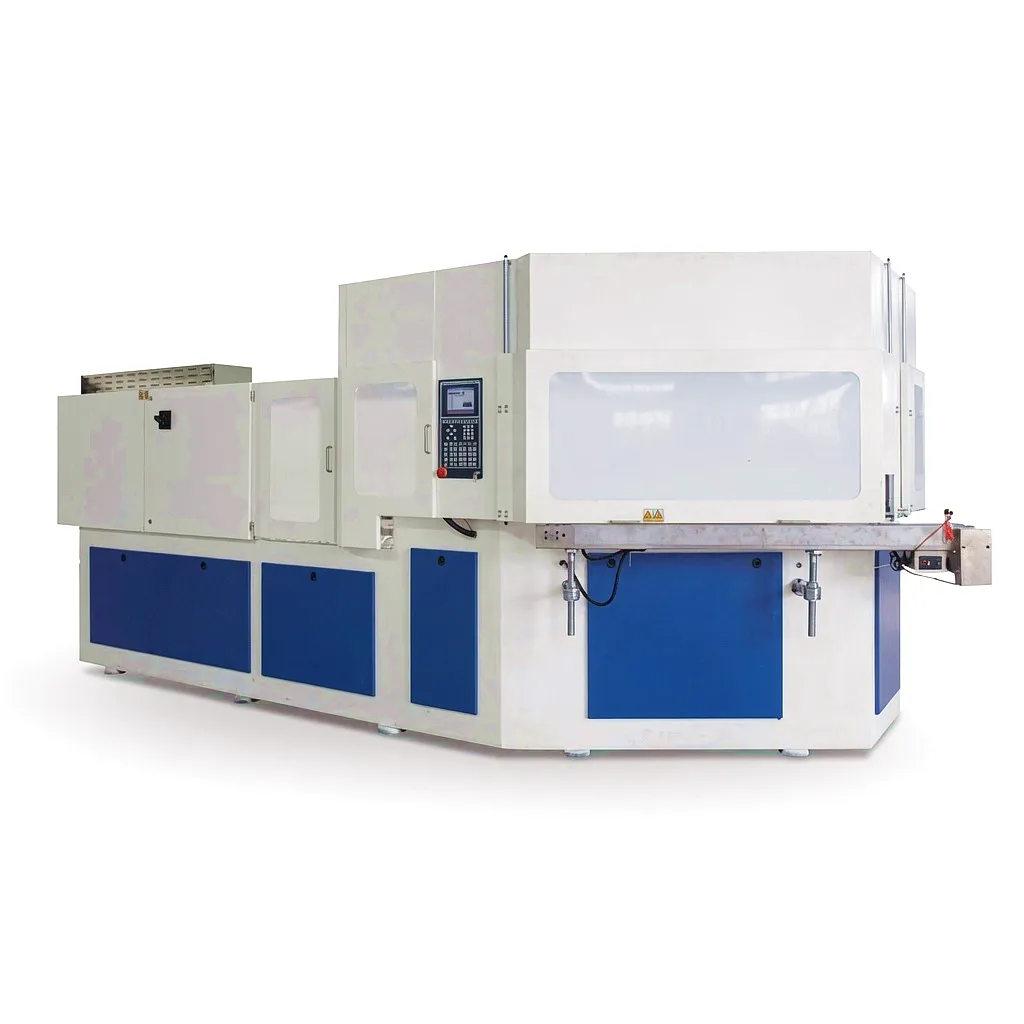
Featured Ever Power IBM Machines for Healthcare Applications
Customer Success Story
Ophthalmic Contract Manufacturer — Nottingham, East Midlands
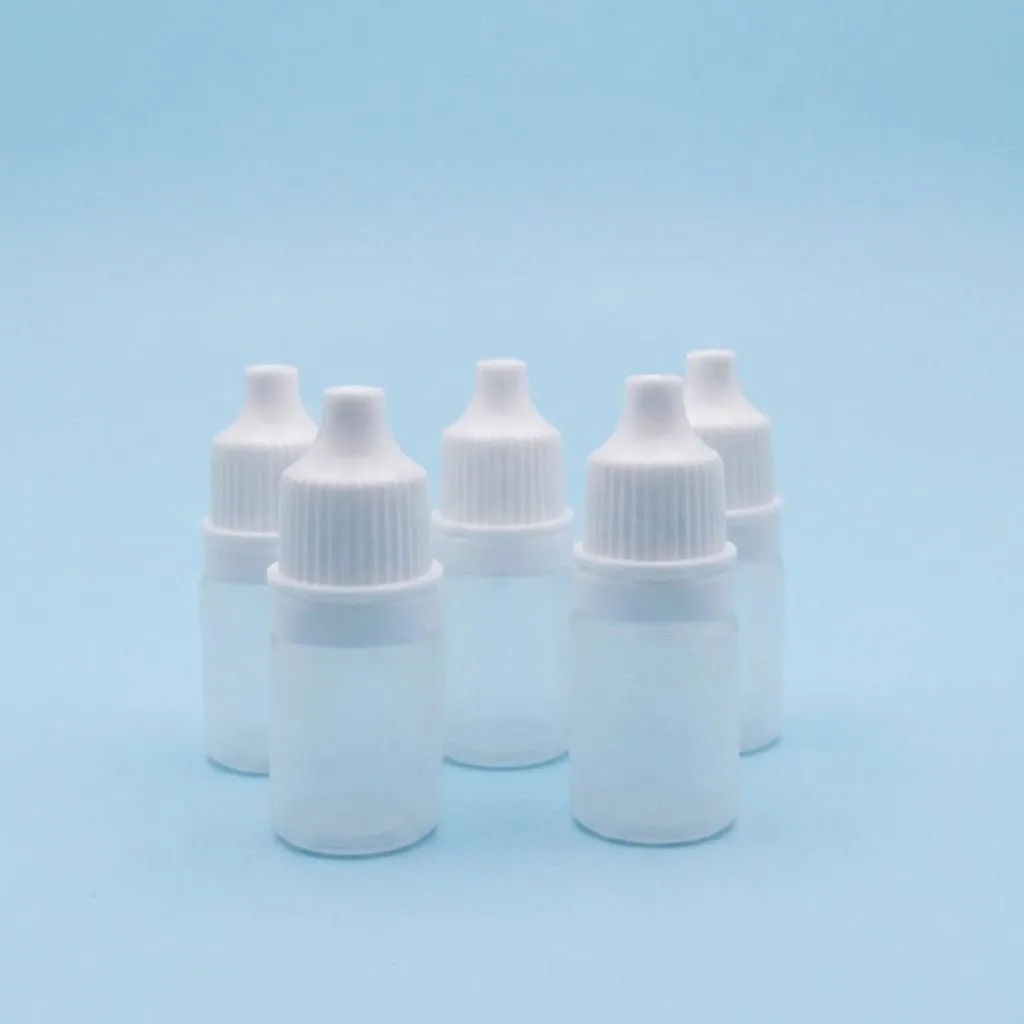
A specialist contract packaging organisation based in Nottingham — operating a GMP-licensed pharmaceutical primary packaging facility — approached Ever Power following a strategic decision to consolidate their eye drop and nasal spray container production onto a single in-house IBM platform. Previously, the client had sourced containers from multiple European blow moulding suppliers, which introduced lead-time variability, incoming inspection burden and inter-supplier dimensional inconsistency that was creating problems at their aseptic filling line.
After an initial technical review and site audit, Ever Power’s application team recommended a dual-installation of ZQ80 machines configured with purpose-designed tooling for four container formats: a 5 mL LDPE eye drop bottle, a 10 mL LDPE dropper, a 20 mL HDPE nasal spray bottle and a 30 mL HDPE unit-dose preparation container. The tooling was designed with identical neck finish geometry across all four formats, enabling the client to use a single closure component across their portfolio — a significant supply chain simplification that reduced their component SKU count and annual packaging procurement spend.
Installation was completed on schedule. The machines achieved Factory Acceptance Test sign-off within three days of installation, with IQ and OQ documentation packages delivered by Ever Power’s technical team within the client’s project timeline. By the end of the first full calendar month of production, the Nottingham facility was running at a combined output of approximately 340,000 containers per week across both IBM machines, with a measured in-process rejection rate of 0.7% — materially below their previous supplier’s specification of 3.5% maximum. The client subsequently extended the programme with a third ZQ80 machine for a sterile irrigation container format scheduled for NHS Supply Chain listing in the following financial year.
What Our Customers Say
“The neck-finish accuracy on the ZQ80 is genuinely exceptional. We ran our first closure torque validation study and hit our target removal torque specification across all cavities without any adjustment. That level of consistency from a new installation is something we had not seen with previous equipment suppliers.”
— Technical Director, Ophthalmic CMO, Nottingham
“Ever Power’s customisation capability was what differentiated them from other IBM machine suppliers we evaluated. Their tooling team designed a standardised neck finish across four different container formats for our product range — that one decision alone reduced our closure component inventory by 60% and simplified our GMP documentation significantly. The supply chain support from order through to commissioning was handled professionally throughout.”
— Packaging Development Manager, Pharmaceutical CMO, East Midlands
“Our in-process rejection rate dropped from 3.5% to under 1% within the first month of running the Ever Power ZQ80 machines. The IQ/OQ documentation pack that came with the installation was comprehensive and saved our QA team a considerable amount of protocol-writing time during the qualification phase. We would not hesitate to specify Ever Power IBM machines for future capacity expansion projects.”
— QA Director, NHS-linked Pharmaceutical Packaging Facility, Nottingham
Frequently Asked Questions
Answering the questions UK pharmaceutical packaging engineers and procurement teams ask most
How much does an injection blow molding machine cost for a UK pharmaceutical packaging operation, and what should I budget for tooling?
Indicative machine pricing for a pharmaceutical-specification IBM machine in the ZQ80 to ZQ110 range typically starts from approximately USD 120,000 to USD 220,000 for the base machine, with tooling costs for a single pharma-grade container format adding USD 18,000 to USD 45,000 depending on cavity number and container complexity. UK buyers should factor in delivery freight, installation, commissioning and IQ/OQ qualification services. Contact Ever Power directly at [email protected] for a formal quotation based on your specific volume and container format requirements.
Which injection blow molding machine supplier in the UK or internationally can provide full IQ/OQ documentation support for GMP validation?
Ever Power provides comprehensive IQ and OQ documentation packages as a standard component of every pharmaceutical IBM machine supply. The documentation is structured to align with MHRA GMP expectations and can be adapted to customer-specific quality system templates. On-site FAT and SAT support is included within the commissioning programme. UK pharmaceutical buyers should verify documentation scope with any prospective IBM machine supplier before commercial agreement.
What is the minimum order quantity for custom IBM tooling for an eye drop bottle, and how long does tooling lead time typically take for a new ophthalmic container project in the UK?
There is no formal minimum order quantity for tooling at Ever Power — single-cavity tooling is available for clinical trial and hospital pharmacy scale production runs, while multi-cavity tooling (typically 4 to 8 cavities) is specified for commercial-scale pharmaceutical production. Tooling lead time from CAD design sign-off to delivery is typically 10 to 16 weeks for pharmaceutical-grade IBM tooling in hardened steel, depending on container complexity and the client’s design freeze timeline.
Where can a contract pharmaceutical manufacturer in Birmingham or Sheffield get a competitive price quote for an injection blow molding machine that meets MHRA requirements?
Ever Power serves UK pharmaceutical manufacturers directly, with field representation covering the Midlands, Yorkshire and wider England. To receive a formal price quotation covering machine, tooling, delivery to a Birmingham or Sheffield site and commissioning support, contact the team at [email protected] with your container format specifications, target production volumes and site cleanroom classification.
How does an injection blow molding machine compare with an extrusion blow molding machine when producing ophthalmic containers for the UK pharmaceutical market?
IBM machines consistently outperform EBM alternatives for ophthalmic and pharmaceutical container production across three key dimensions: neck finish accuracy (injection-moulded vs blow-moulded neck), particulate generation during forming (closed-mandrel process vs open-parison) and flash/scrap rate (below 1.5% for IBM vs 6–15% for EBM). For UK pharmaceutical manufacturers facing MHRA inspection scrutiny on primary packaging process controls, the IBM process offers a more defensible manufacturing narrative across all three dimensions.
When should a UK nasal spray manufacturer consider upgrading from an existing extrusion blow molding line to a new injection blow molding machine to improve their NHS tender compliance and container quality?
The decision to migrate from EBM to IBM technology is typically triggered by one or more of these factors: recurring closure integrity failures at the filling line, AQL inspection failures on incoming container quality, increasing cost of quality arising from EBM scrap and rework, preparation for an NHS tender requiring tighter container specification compliance, or a new product requiring neck finish tolerances that EBM cannot reliably deliver. Manufacturers experiencing any of these pressures are advised to conduct a formal process capability comparison before the next capital expenditure cycle.
Ready to Specify an IBM Machine for Your UK Healthcare Packaging Line?
Ever Power’s pharmaceutical IBM machine specialists are available to discuss your container format requirements, volume targets and quality system needs. Formal quotations, technical data sheets and IQ/OQ documentation samples are available on request.
edit by gzl