Understanding the Injection-Blow Molding Machine
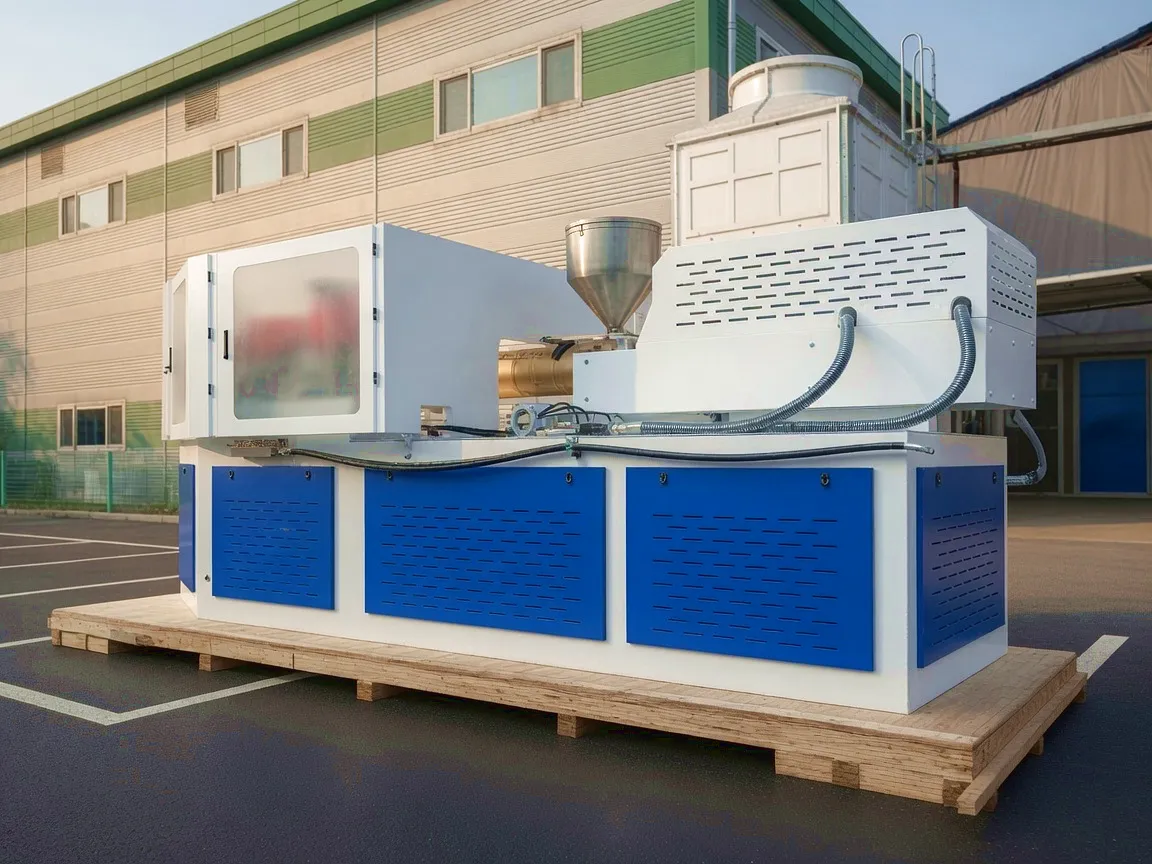
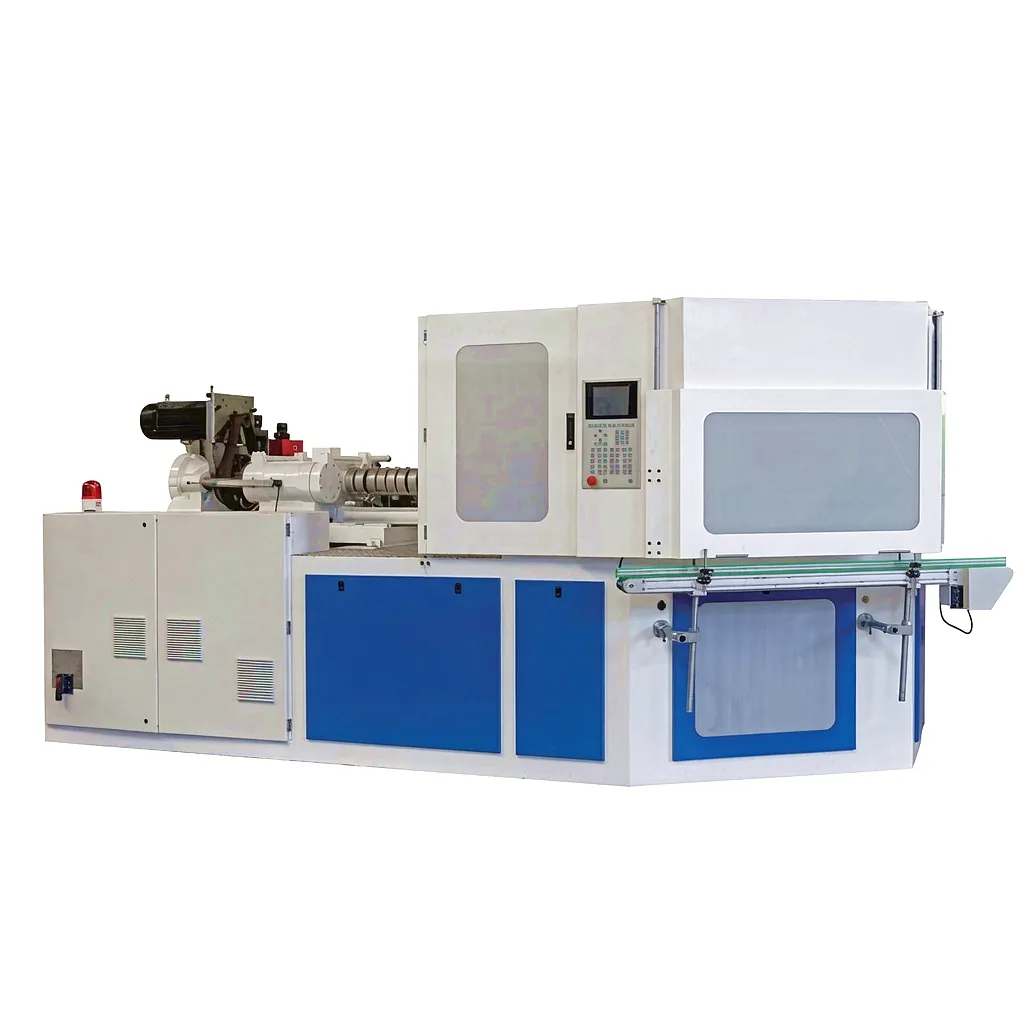 The injection-blow molding machine sits at the intersection of precision engineering and high-volume production capability, and it has become one of the most strategically important pieces of equipment in modern UK manufacturing. Unlike conventional blow molding or injection molding in isolation, the IBM process unites both techniques into a single, continuous production cycle — injecting a molten polymer preform onto a steel core pin, then transferring that preform to a blow molding station where compressed air expands it into a finished, dimensionally exact hollow container. What this achieves in practice is a level of neck-finish accuracy and wall-thickness consistency that neither process could deliver independently.
Core Materials Processed by Injection-Blow Molding Machines
The dominant material for pharmaceutical bottles, health supplement containers, and high-clarity personal care packaging. PET delivers outstanding optical clarity, excellent barrier properties against moisture and gases, and inherent recyclability — critical for UK brands operating under Extended Producer Responsibility (EPR) regulations and WRAP targets for sustainable packaging.
Preferred wherever chemical resistance is non-negotiable — agrochemical dosing bottles, automotive fluid reservoirs, and pharmaceutical primary packaging for oily or emulsion-based formulations. PP processed through injection-blow molding retains dimensional stability at sterilisation temperatures, making it suitable for healthcare products distributed through NHS-approved supply chains.
Growing rapidly in aromatherapy, premium cosmetics, and specialty food supplement segments. PETG combines the visual clarity and shatter-resistance profile that retail buyers demand with improved formability at IBM-compatible processing temperatures. Its superior drop-resistance compared with conventional glass makes it particularly valuable for e-commerce-distributed products where parcel transit damage is a serious commercial concern.
The workhorse of industrial chemical packaging, household product bottles, and veterinary medicine containers. HDPE’s outstanding solvent resistance and low permeability to moisture make it the material of choice wherever product integrity over extended shelf life is the governing specification. IBM-processed HDPE produces containers with controlled neck-to-body alignment, essential for automated filling lines operating in high-speed UK distribution centres.
Technical Advantages of the IBM Platform
The closed mold system means containers exit the machine complete, with no material trim required. This eliminates a significant secondary handling step, reduces material waste, and maintains the container surface integrity required for pharmaceutical labelling adhesion and cosmetic decoration.
The neck thread and sealing surface are formed in the injection cavity, not in the blow cavity. Thread dimensions are repeatable within ±0.05mm across entire production runs, enabling consistent compatibility with standard GPI/SPI closures and specialist dispensing systems used in pharmaceutical and personal care applications across the UK.
Because the preform is designed to distribute material predictably during the blow phase, wall variation across any given container typically stays within ±0.08mm. This consistency translates directly to predictable container weight, dependable stacking strength on automated packing lines, and reliable barrier performance in moisture-sensitive pharmaceutical or aromatherapy product applications.
Modern multi-cavity injection-blow molding machines achieve cycle times as low as 8–12 seconds for small-volume containers, allowing sustained output rates that compete effectively with high-volume extrusion processes while delivering the quality advantages that premium product categories demand. Energy-efficient servo-driven clamping systems reduce per-unit power consumption compared with older hydraulic-dominant designs.
The IBM tooling system accommodates complex body geometries including faceted panels, embossed logos, in-mould labelling recesses, and asymmetric profiles that would be impractical with extrusion blow. For UK brands in the premium personal care, wellness, and niche food supplement markets, this design capability directly supports the brand differentiation that drives shelf presence and repeat purchase.
Precise preform design allows manufacturers to achieve target container weights with minimum material use — important not just for cost management but for UK Plastics Packaging Tax compliance and retailer sustainability scorecards. IBM containers typically weigh 8–15% less than equivalent extrusion blow-molded containers while meeting the same structural performance specifications.
Injection-Blow Molding Machine: Technical Performance Parameters
| Parameter | ZQ60 Series | ZQ80 Series | Unit / Note |
|---|---|---|---|
| Clamping Force | 600 | 800 | kN |
| Injection Volume | 180 | 265 | cm3 |
| Container Volume Range | 5 – 500 | 5 – 1000 | ml |
| Blow Air Pressure | 6 – 10 | 6 – 12 | bar |
| Screw Diameter | 50 | 60 | mm |
| Max Mold Cavities | 6 | 8 | Cavities |
| Cycle Time (100ml bottle) | 10 – 14 | 9 – 13 | seconds |
| Compatible Materials | PET, PP, HDPE, PETG, PS | — | |
| Barrel Temperature Range | 160 – 320 | °C, zones independently controlled | |
| Control System | PLC + HMI touchscreen, servo-hydraulic hybrid | — | |
| Wall Thickness Variation | +/- 0.08 | mm (typical) | |
| Installed Power | 37 | 55 | kW |
Application Scenarios: Where IBM Technology Delivers
Across six distinct UK industrial sectors, injection-blow molding machines are enabling manufacturers to produce containers that meet increasingly demanding specifications for precision, aesthetics, and regulatory compliance.
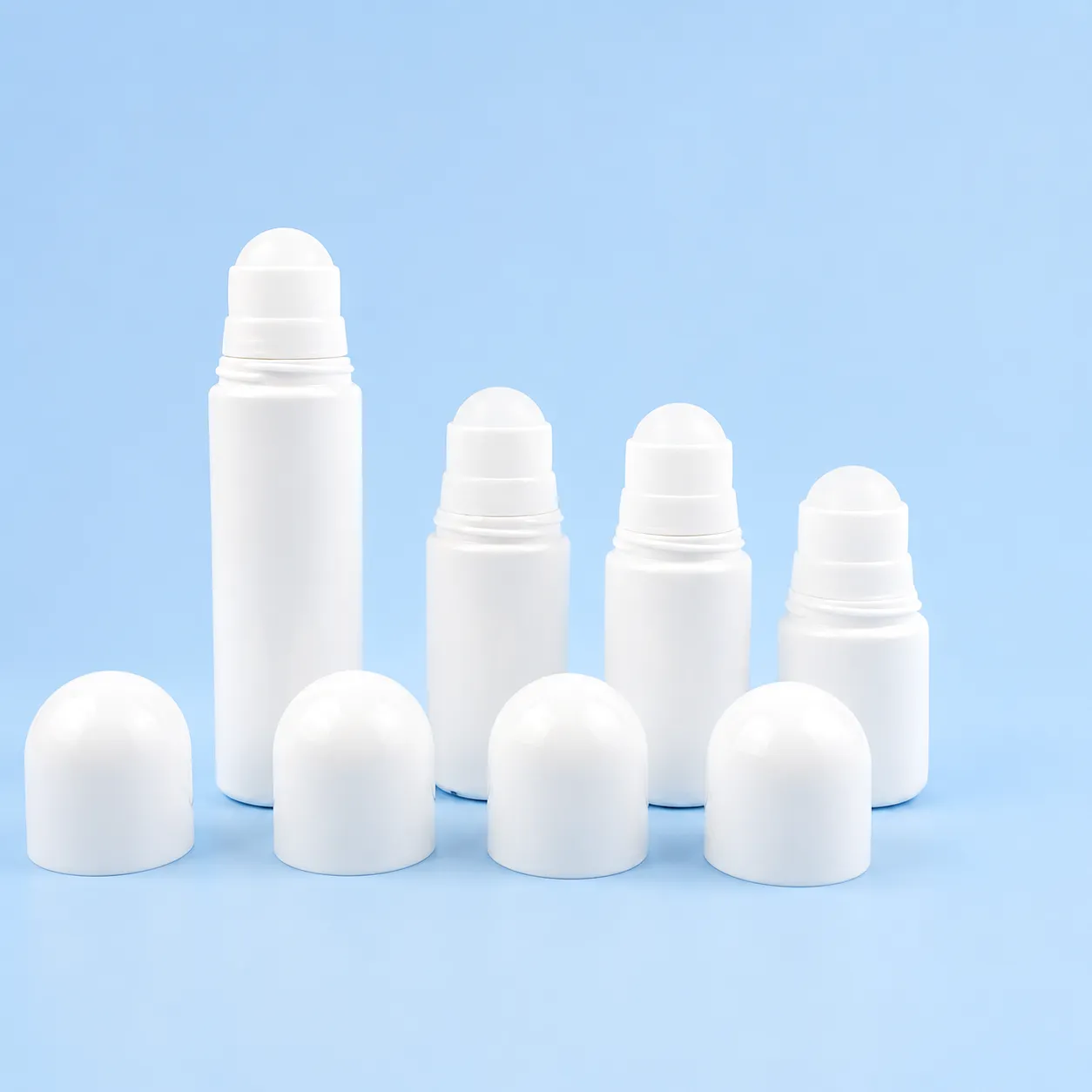
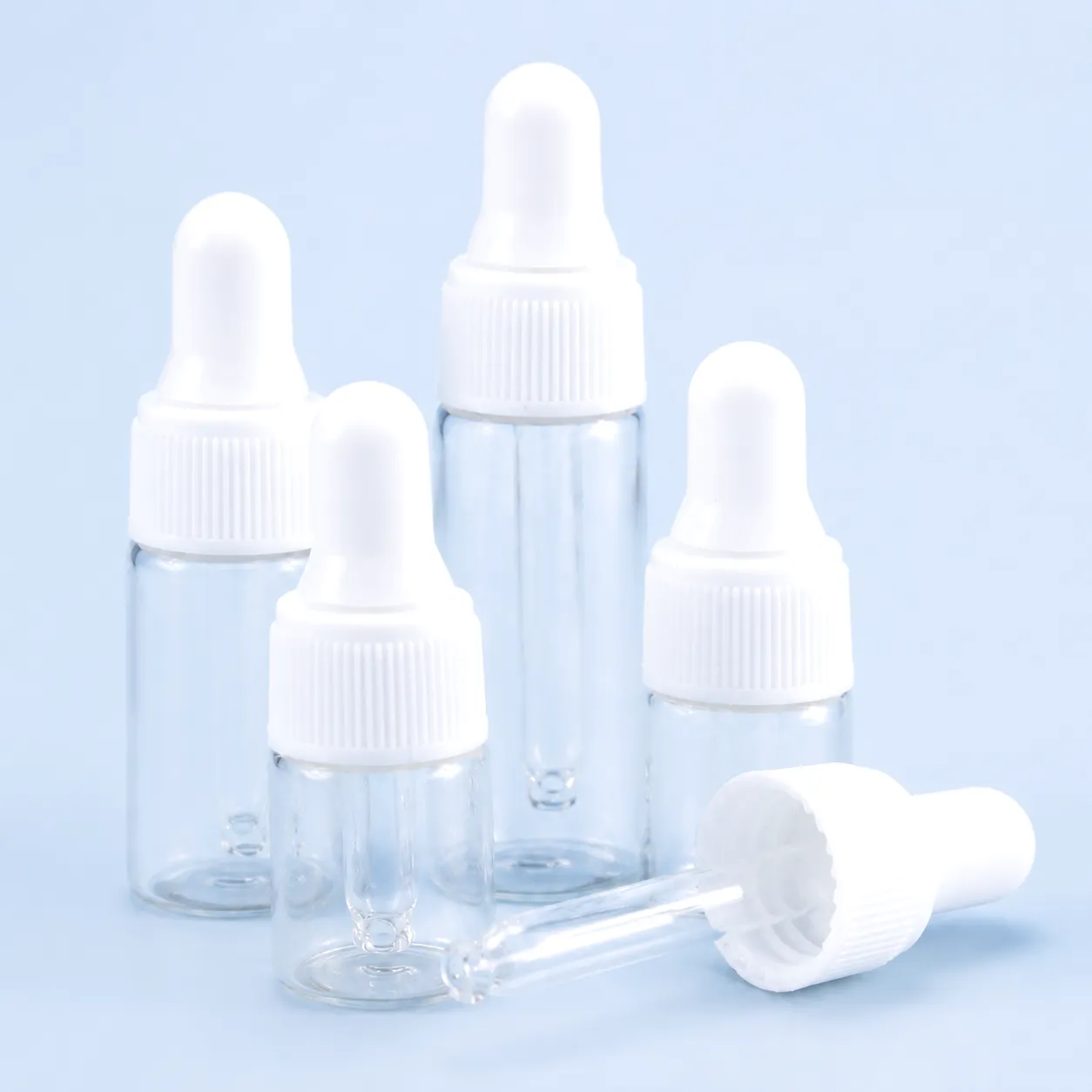
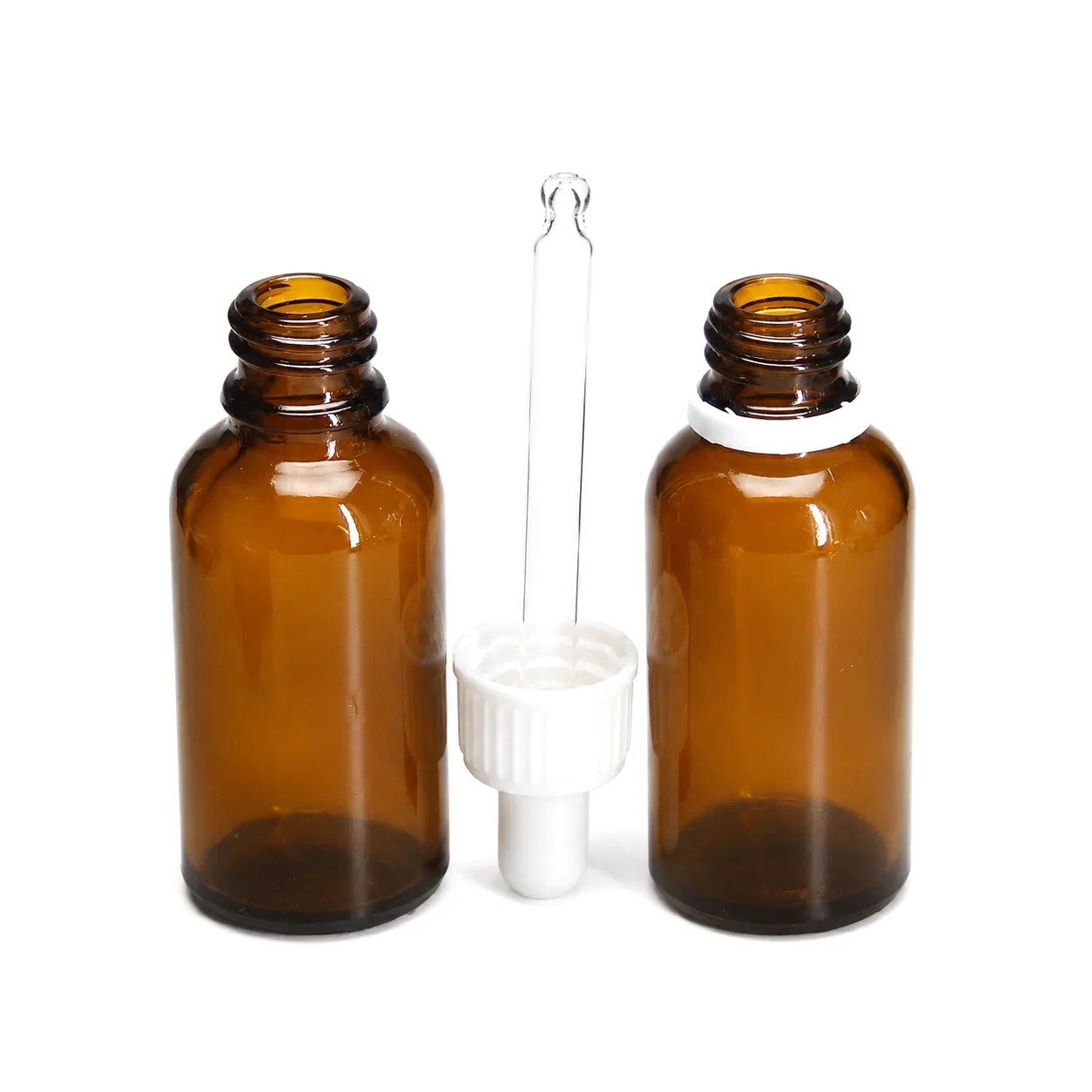
 Essential oil and aromatherapy packaging has historically been dominated by dark glass — amber and cobalt blue dropper bottles that protect UV-sensitive formulations while projecting the premium, natural aesthetic central to wellness brand identity. However, a meaningful shift is now underway across the UK aromatherapy sector, driven by three converging pressures: the fragility of glass during e-commerce fulfilment, aviation carry-on restrictions affecting gift sets and travel-size ranges, and the creative design constraints that glass imposes on emerging brands seeking distinctive shelf presence.
 The UK pharmaceutical packaging sector operates under some of the most stringent regulatory requirements of any packaging category globally — a combination of MHRA guidance, British Pharmacopoeia standards, EU GMP retained in UK law, and retailer codes governing everything from child-resistant closure compatibility to container extractables and leachables profiles. Within this demanding environment, the injection-blow molding machine has established itself as the preferred primary packaging production platform for a wide range of oral solid dose, oral liquid, and nutraceutical supplement containers.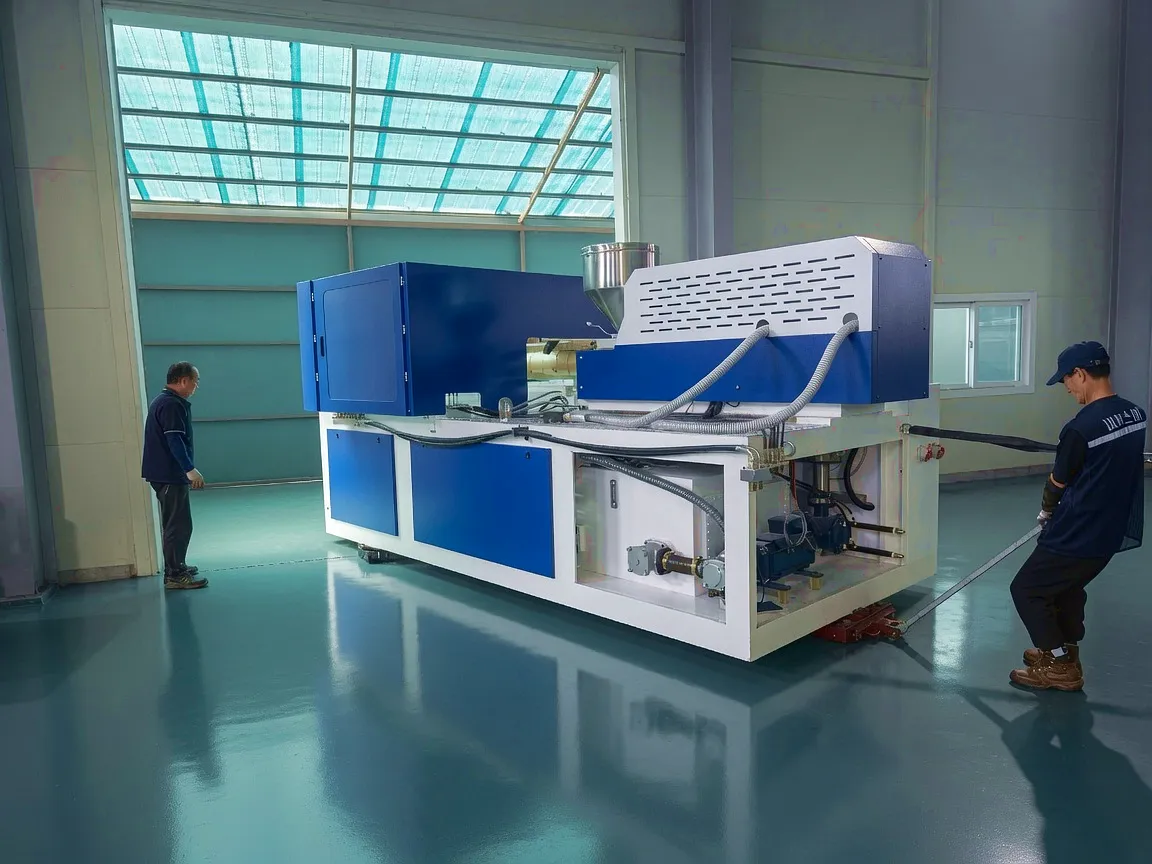
 The UK food manufacturing sector, concentrated in production clusters across Yorkshire, the East Midlands, and the Welsh borders, produces a wide range of condiment, sauce, and specialty food products packaged in containers where precision and food safety compliance are equally critical. Injection-blow molding machines processing food-grade PET and PP resins produce containers that meet UK Food Safety Act requirements and EU Regulation 10/2011 standards on plastic materials in contact with food — a compliance baseline that has become more rather than less important following the UK’s departure from the EU and the establishment of independent UKCA conformity pathways.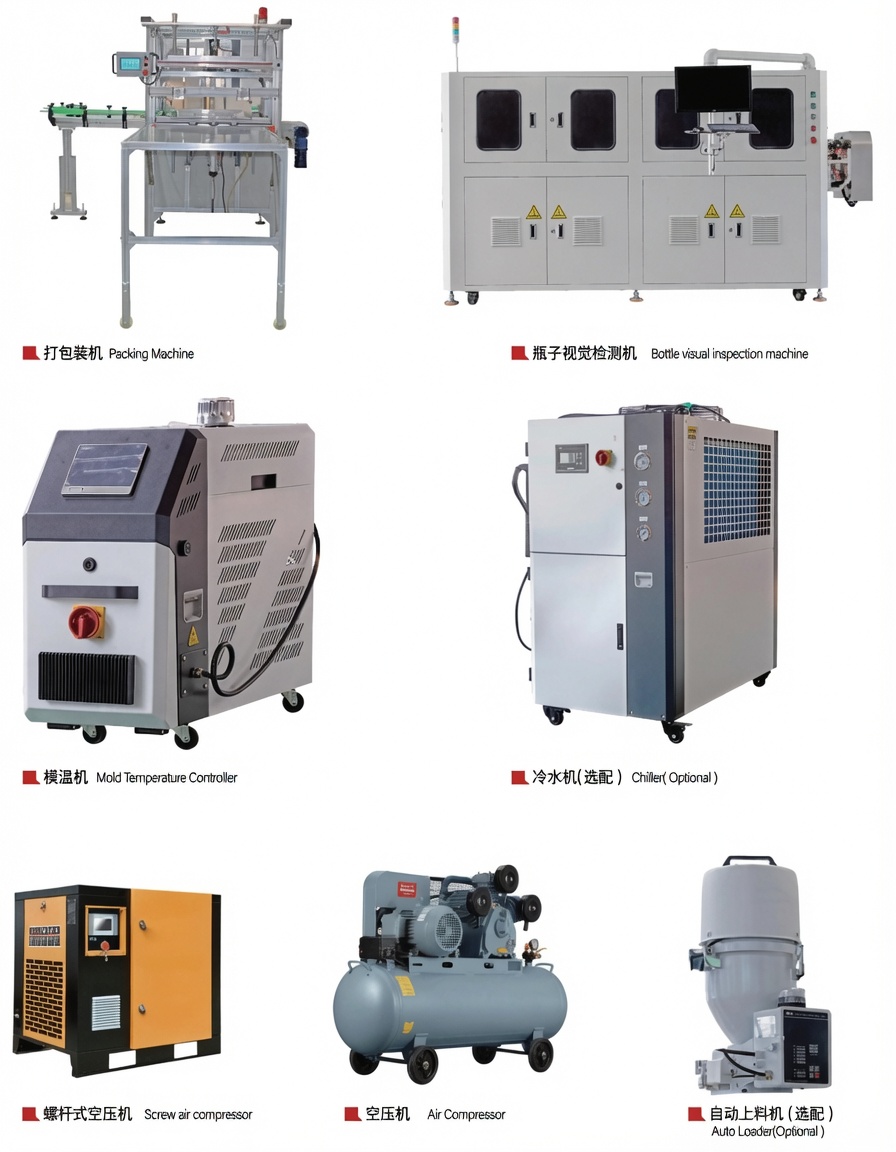
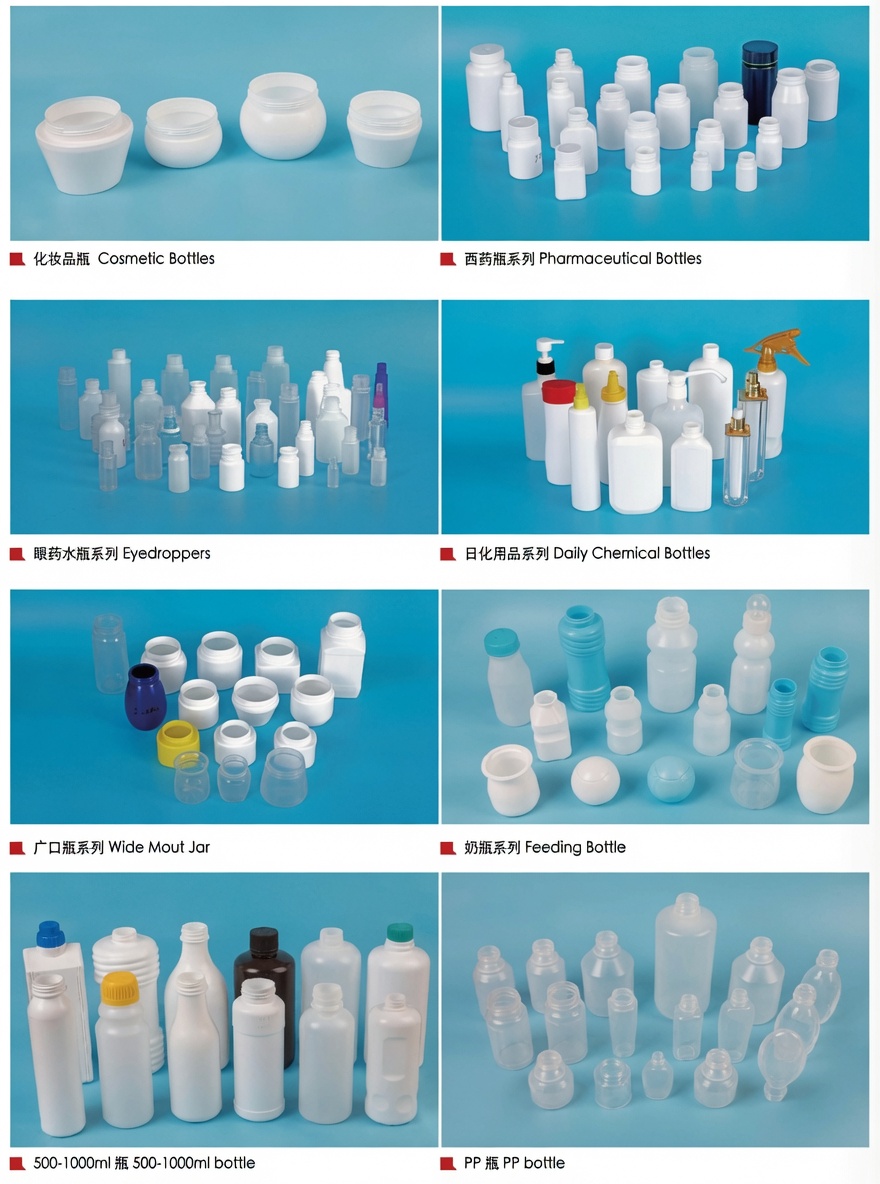
 Agrochemical packaging represents one of the most technically demanding application environments for any container system. Products ranging from concentrated herbicide and fungicide formulations to liquid fertilisers and crop protection concentrates are chemically aggressive, often classified as hazardous goods under UK Dangerous Goods regulations, and must be contained in packaging that maintains hermetic closure integrity throughout a distribution chain that may involve ambient storage, outdoor use, partial emptying, and return logistics. The injection-blow molding machine processes HDPE at grades specifically compounded for maximum chemical resistance, producing containers whose wall structure is entirely free of the microporosity sometimes found in rotationally moulded or blow-extruded thick-wall containers.
Two proven platforms — direct SUMA replacements engineered for UK and European container producers.
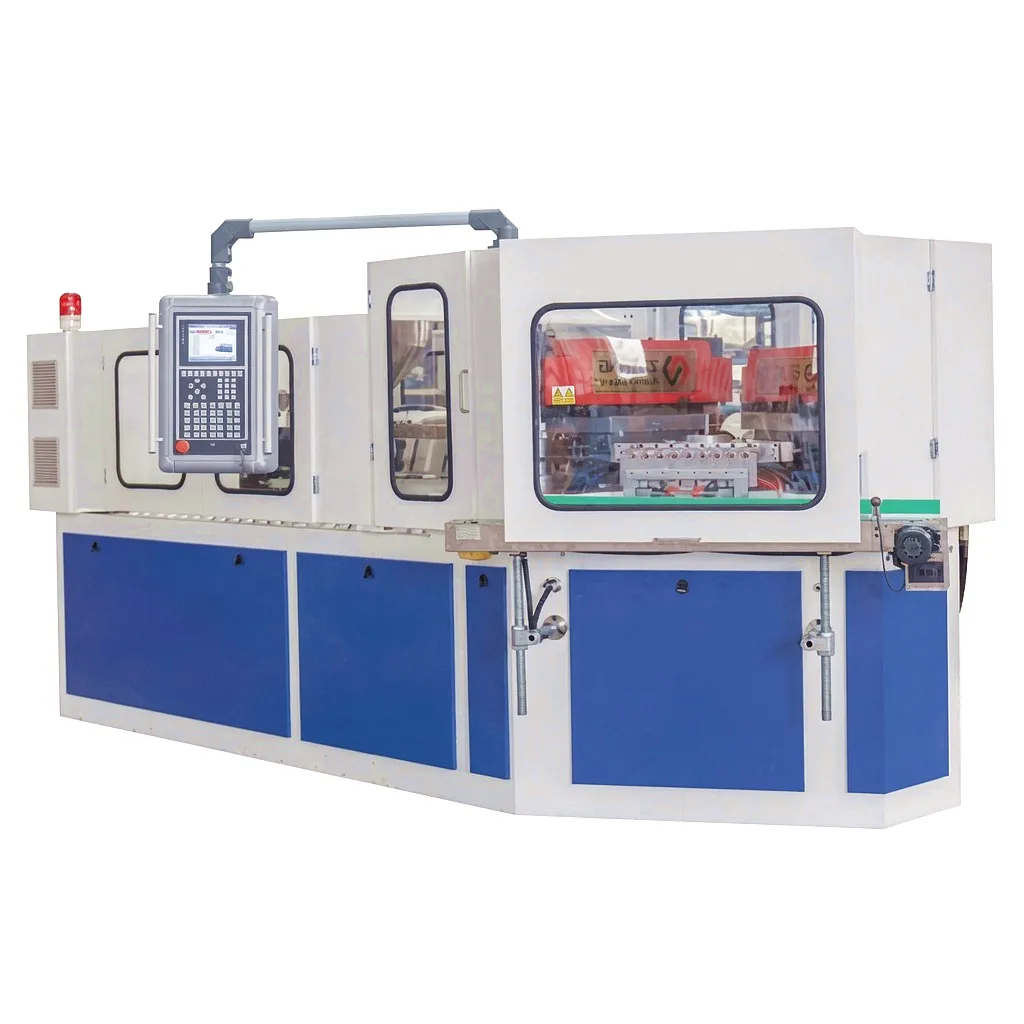
Ever Power operates a purpose-built injection-blow molding machine manufacturing facility where every aspect of the production process is oriented toward the precision standards that pharmaceutical, cosmetic, and specialty chemical packaging producers require. From in-house casting and CNC machining of critical clamping and injection components through to full machine assembly, pressure testing, and automated quality validation, Ever Power’s manufacturing workflow eliminates the tolerance stack-up issues that affect machines assembled from loosely specified sub-supplier components. The result is IBM equipment that holds its process settings over long production runs with a consistency that packaging producers’ quality teams can audit and validate with confidence.
Ever Power’s engineering team provides full customisation support from initial container design consultation through preform geometry modelling, blow mold design, machine parameter development, and production trial management. UK customers receive complete technical packages in English, including mold validation protocols, machine commissioning manuals, and process parameter datasheets.
Spare parts availability is guaranteed for a minimum of 10 years post-delivery, with critical wear parts held in bonded UK-accessible inventory. Shipment to UK ports including Felixstowe, Southampton, and Tilbury is managed through established freight logistics partners, with predictable lead times and full export documentation for HMRC customs clearance support.
Every IBM machine undergoes a factory acceptance test programme before despatch, including full cycle running at rated cavitation with dimensional inspection of sample containers against drawing, closure torque compatibility testing, and electrical safety certification to European CE and UK UKCA requirements. Test reports accompany each machine shipment.
Ever Power’s sales engineering team can review your container specifications, production volume targets, and site installation parameters to recommend the right machine configuration and mold design for your application.
NutriCore Solutions Ltd., a contract manufacturer of premium sports nutrition and health supplement products based in the Sheffield Business Park, had been operating two ageing SUMA 85iB injection-blow molding machines for the previous eight years. The machines had served the business well in a period of lower production volume, but as NutriCore secured contracts with three major UK health supplement brands requiring ISO-validated container quality documentation, the limitations of the ageing equipment became a commercial barrier. Thread-form variation across the existing machines’ output was generating a measurable CRC (child-resistant closure) rejection rate at the customer’s automated capping line, and the maintenance team was spending an increasing proportion of its time managing hydraulic system unpredictability rather than optimising production parameters.
NutriCore’s production director engaged Ever Power following a technical recommendation from a packaging technology consultant who had reviewed the ZQ80’s dimensional accuracy performance data. Ever Power’s engineering team conducted a two-day site survey at the Sheffield facility, reviewed NutriCore’s container range — spanning 100ml to 500ml HDPE tablet bottles and 50ml to 250ml PET liquid supplement bottles — and developed a machine and tooling specification that consolidated both the existing product ranges onto a single ZQ80 platform with a two-position mold change arrangement. The proposal also included custom core pin sets engineered to NutriCore’s specific closure compatibility requirements.
Installation was completed within a four-day scheduled maintenance window to minimise production disruption. Ever Power’s commissioning engineer remained on site in Sheffield for three days post-startup, working alongside NutriCore’s operators to optimise cycle parameters and validate container dimensions against the quality documentation required by the customers’ QA teams. Within six weeks of commissioning, NutriCore’s CRC rejection rate at the customer filling site had fallen from an average of 2.3% to below 0.1% — a performance change that translated directly into a reduction in container returns claims and the ability to pass the ISO 15378 primary pharmaceutical packaging audit that one key customer had placed on hold pending equipment upgrade.
The productivity impact was equally significant. The ZQ80’s servo-hydraulic drive reduced power consumption per 1,000 containers by approximately 22% compared with the displaced machines, and the faster cycle time at the new equipment’s rated output allowed NutriCore to reduce weekend overtime shifts while actually increasing weekly container output. The site manager noted that the HMI system’s process logging functionality had allowed the quality team to generate the production traceability records that the NHS supply chain audit required without any additional manual data entry — a compliance benefit that neither the old SUMA machines nor the team had anticipated when the investment decision was made.
“The ZQ80 has transformed our thread-form rejection rates. We went from managing CRC failures as a routine production cost to treating them as rare events requiring investigation. The neck geometry consistency on this machine is genuinely a step above what we had before, and it directly supported our pharmaceutical audit qualification.”
“Ever Power’s customisation process was meticulous. Their engineers understood our closure system requirements before they committed to core pin dimensions, and the validation package they provided was exactly what our customers’ QA teams needed to approve the container switch. The support during commissioning was outstanding — their engineer genuinely knew the machine inside out.”
“We had concerns about choosing a supplier from outside the UK for capital equipment of this specification. Ever Power addressed every concern — CE documentation, English-language manuals, UK freight routing via Felixstowe, and a 10-year spare parts commitment in writing. The machine has run without unplanned downtime since installation eleven months ago. That’s the reliability we needed.”
Frequently Asked Questions
Whether you’re upgrading ageing SUMA equipment, specifying a new IBM line for pharmaceutical-grade container production, or evaluating the economics of IBM versus extrusion blow for a new product range — the Ever Power engineering team can help.
✉ Get a Free Consultation — [email protected]