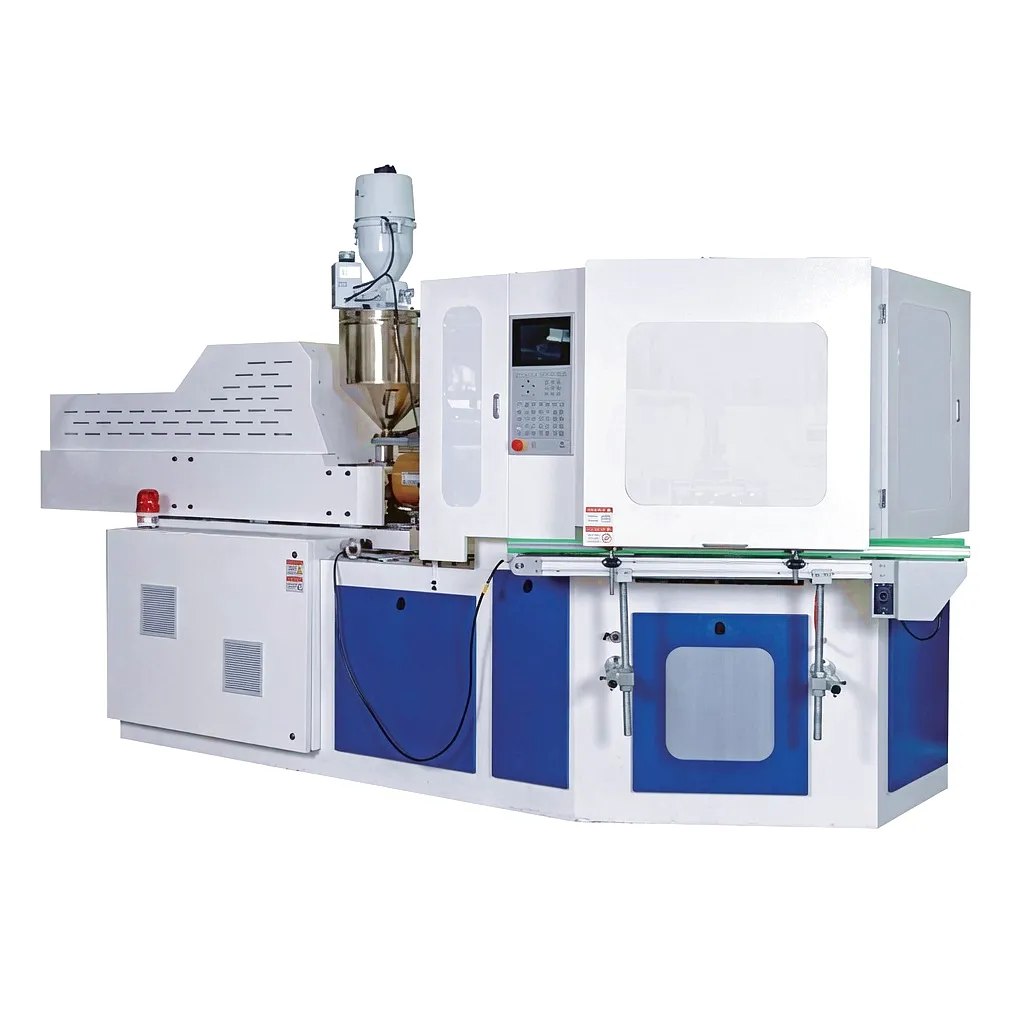
The laboratory and in-vitro diagnostics sector represents one of the most exacting manufacturing environments in the world. Every specimen container that arrives in a pathology laboratory — whether at a teaching hospital in Manchester, a private diagnostic centre in London, or a regional NHS trust in the East Midlands — must meet extraordinary standards of dimensional accuracy, chemical inertness, and sterile integrity. Injection-blow molding machines have emerged as the process of choice for producing these containers precisely because the technology delivers single-step, contamination-free forming that is difficult to replicate with any alternative method. The parison formed during the injection stage sets wall thickness with micron-level consistency, and the subsequent blow stage expands that preform into a finished container whose neck geometry, thread profile, and base flatness all conform to tolerances that analytical chemistry demands. UK manufacturers supplying NHS procurement frameworks and global IVD instrument manufacturers are increasingly specifying injection-blow molding machines as their primary forming platform for specimen containers, tubes, and cryogenic vials.
Understanding the depth of this application requires looking beyond the machine itself and into the complete ecosystem of materials science, regulatory compliance, and process engineering that UK laboratory packaging converters navigate every day. From choosing the right resin grade to validating container-additive compatibility under ISO 13485, the injection-blow molding machine is the technical centrepiece around which every other decision is made.
How the Injection-Blow Molding Process Works in IVD Container Manufacturing
Polymer melt — typically polypropylene, PET, or PETG — is injected under controlled pressure into a precision cavity that forms a thick-walled preform, or parison, around a steel core pin. The core pin defines the internal geometry of the finished container’s neck and bore, which is critically important for blood tube stoppers or cryovial threading. Wall thickness distribution across the parison body is programmed to deliver optimal material distribution during the blow stage, ensuring that thin-walled sections of the finished tube do not fall below the minimum specification for pressure retention during centrifugation.
The still-molten parison is transferred on the core pin — without release from the mould — to the blow station. High-pressure air inflates the parison against the blow cavity walls, stretching the material biaxially and producing the final container geometry in a single thermal cycle. Because the parison never leaves the pin, there is no opportunity for contamination from ambient particulate matter, and the neck geometry produced by the injection stage is preserved without secondary machining. This sealed-cycle forming is particularly valued by IVD manufacturers seeking ISO class 7 or class 8 cleanroom compatibility at the forming station itself.
The cooled container is ejected at the stripping station. Modern injection-blow molding machines integrate in-line vision inspection capable of measuring neck outer diameter, thread depth, and base flatness within the same cycle time. For vacuum blood collection tube production, leak testing probes can be integrated to verify that the evacuated internal environment, sealed by the rubber stopper assembly added downstream, will be maintained through transport and storage under the conditions specified in ISO 6710. This level of closed-loop quality management is standard practice among UK medical packaging converters supplying NHS Blood and Transplant procurement channels.
Core Materials Used in IVD Specimen Container Production
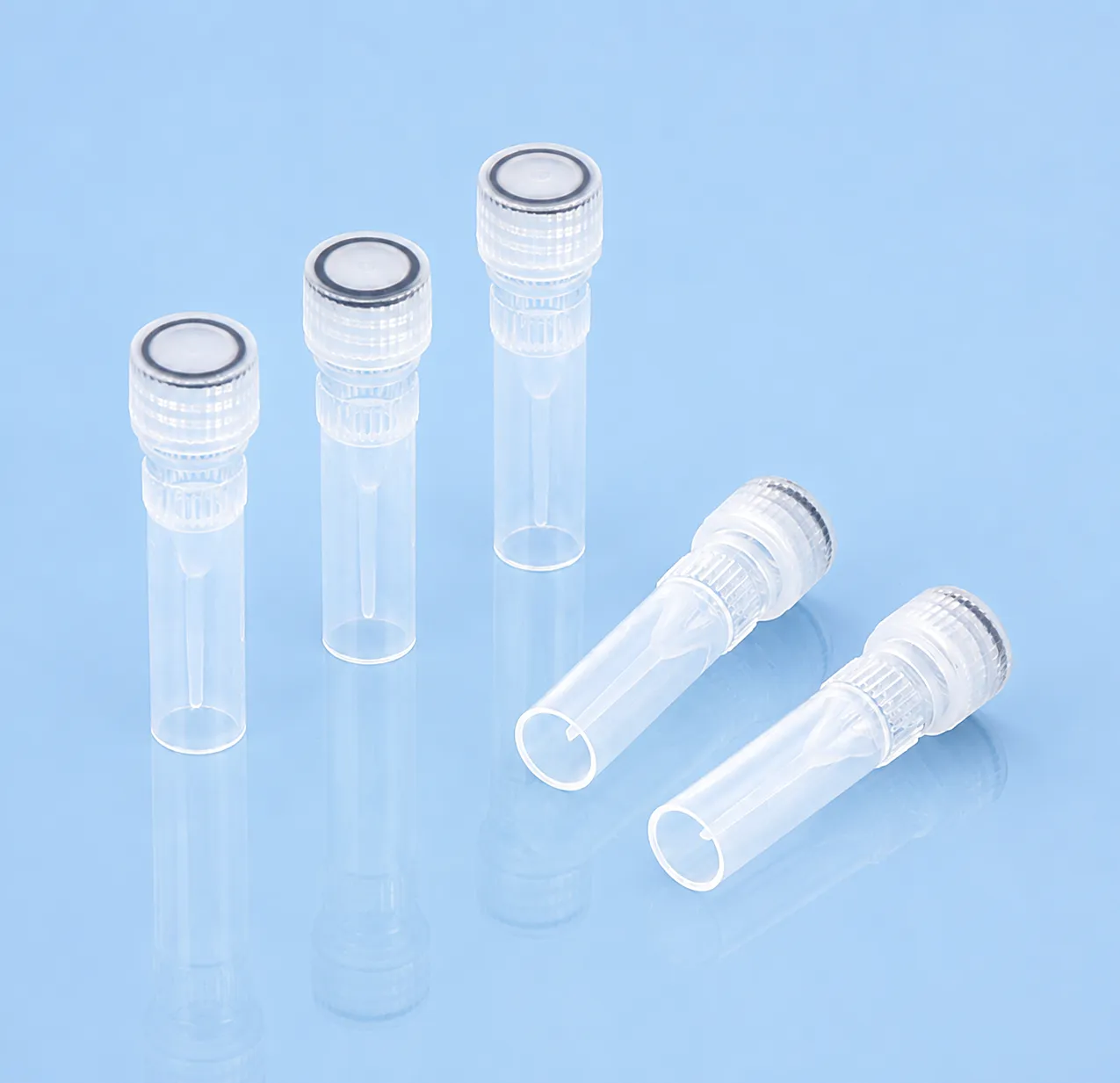
Material selection for injection-blow molded IVD containers is governed by a matrix of chemical compatibility requirements, mechanical performance specifications, and regulatory clearances that differ by container type and end use. Polypropylene remains the dominant resin for urine specimen containers and stool collection bottles due to its excellent resistance to a broad spectrum of clinical disinfectants, its transparency in random copolymer grades, and its cost-effective processability on high-speed injection-blow molding machines. Medical-grade PP must conform to ISO 10993-1 biocompatibility testing, and compounders supplying UK converters typically provide full extractables profiles aligned with USP Class VI or EU 10/2011 requirements.
For vacuum blood collection tubes — the flagship product of the IVD IBM segment — PET or PETG is generally preferred. PET’s outstanding gas barrier properties allow the evacuated internal atmosphere to be maintained for the 24- to 36-month shelf life specified in ISO 6710. PETG, with its lower processing temperature, is selected when the formulation incorporates additives such as EDTA dipotassium salt or sodium citrate that must survive the moulding process without degradation. The amorphous clarity of PETG also allows phlebotomists to confirm blood draw volume visually, which is a hard requirement for most NHS trust procurement specifications.
Cryovials present a distinct materials engineering challenge because the finished container must withstand thermal cycling between ambient temperature and -196°C in liquid nitrogen storage without stress cracking or seal failure. Medical-grade polypropylene in an impact-modified grade is the near-universal choice, with the injection-blow molding process delivering the uniform wall thickness essential for consistent mechanical performance across the entire cryovial population in any given batch. Sputum specimen containers and phlegm collection bottles are similarly produced in PP, with the IBM process delivering thread geometry precise enough to engage the integrated spatula-lid assembly reliably at the speeds required in high-volume NHS pathology collection logistics.
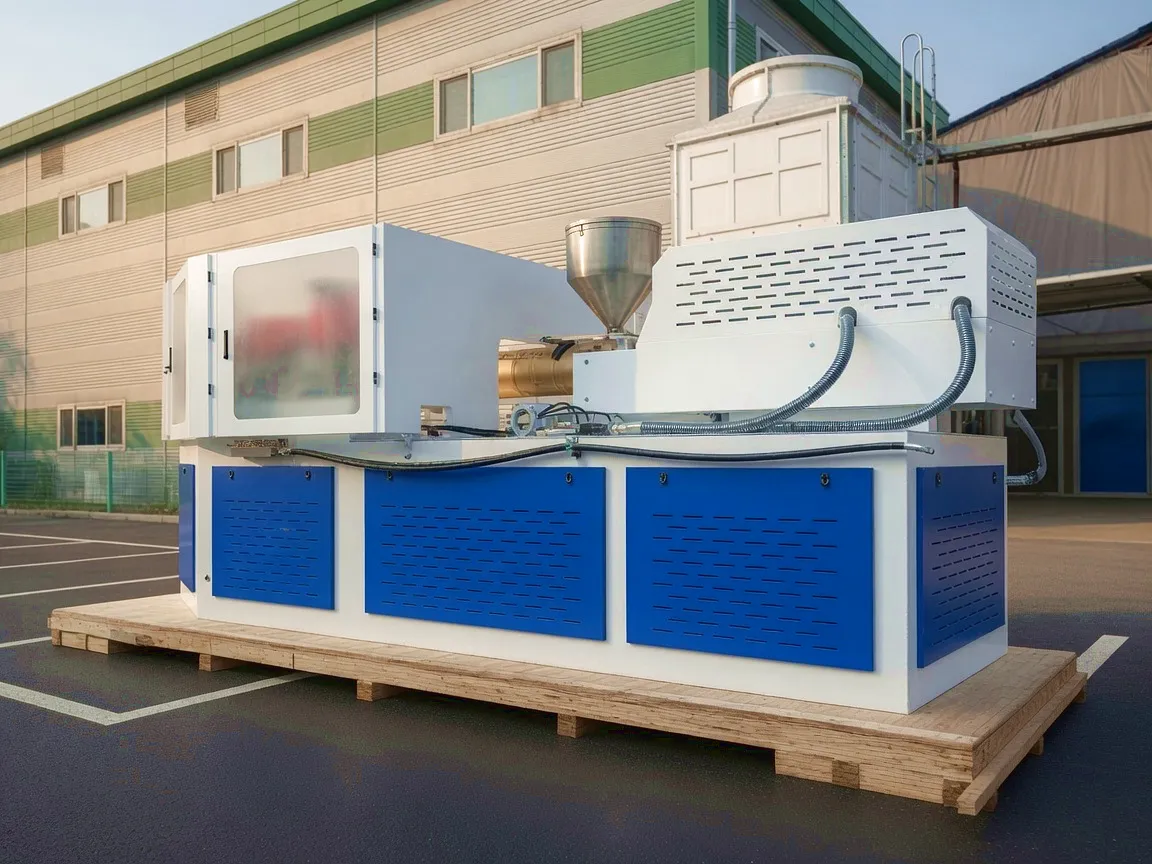
Featured Injection-Blow Molding Machine Products
The ZQ40 is engineered as a direct performance replacement for the Uniloy UIB 70, offering upgraded servo-hydraulic control, reduced cycle time by up to 18%, and compatibility with PET, PP, and PETG across all IVD container formats from 5 mL blood tubes to 120 mL urine specimen bottles. Purpose-built for UK medical packaging converters seeking modern IBM capability without full tooling retooling costs.
Replacement of Uniloy UIB 70 Injection Blow Molding Machine – ZQ40 →
Designed as a specification-matched successor to the Bloma IBM45, this ZQ40 variant retains full mould compatibility while delivering enhanced clamping force precision and a new HMI interface that dramatically simplifies changeover between cryovial, sputum, and stool specimen container tooling sets. A practical solution for contract manufacturers in Birmingham and Sheffield managing multi-product IVD container lines on a single machine platform.
Replacement of Bloma IBM45 Injection Blow Molding Machine – ZQ40 →
Core Technical Advantages of IBM in Laboratory & IVD Container Production
The injection stage forms the neck on a precision core pin, delivering thread diameter tolerances of ±0.05 mm. For vacuum blood collection tubes, this is the fundamental requirement ensuring reliable rubber stopper seating and maintained internal vacuum over the product shelf life — a specification that extrusion blow moulding cannot consistently achieve.
Unlike extrusion blow moulding, the IBM process produces no pinch-off flash and requires no trimming station. This translates directly to higher material yield per kilogram of resin processed, reduced downstream handling, and elimination of trim regrind that can introduce contamination risk in medical-grade production environments certified under ISO 13485.
The closed-cycle nature of IBM, in which the parison never leaves the core pin between injection and blow stages, prevents internal surface contamination during forming. For cryovials and specimen containers that will be used without terminal sterilisation, this inherent process cleanliness significantly reduces the bioburden control burden at subsequent cleanroom assembly stations.
Modern injection-blow molding machines can operate with cavity configurations from 2 to 32 cavities per shot, depending on container size. For standard 4 mL EDTA blood tubes, a 16-cavity machine running at a 7-second cycle time delivers output rates exceeding 8,000 tubes per hour — throughput figures that make IBM competitive with rotary EBM for high-volume IVD production, while maintaining the dimensional accuracy that EBM cannot match.
Advanced injection-blow molding machines can process PP, PET, PETG, PEN, and specialty bioresorbable polymers on the same platform with tooling changes only. This flexibility is commercially significant for UK contract manufacturers managing short-run speciality IVD container orders alongside high-volume commodity tube production — a common production profile among converters supplying diagnostic OEMs across England and Scotland.
Modern IBM machine control systems generate cycle-by-cycle process parameter logs — melt temperature, injection pressure, blow pressure, cycle time — that support FDA 21 CFR Part 11 and MHRA process validation documentation requirements. For UK medical device manufacturers supplying both domestic NHS markets and export markets in the EU under CE/UKCA dual-marking arrangements, this data traceability is a non-negotiable quality system requirement.
Application Scenarios: IVD Specimen Container Products Manufactured on IBM Machines
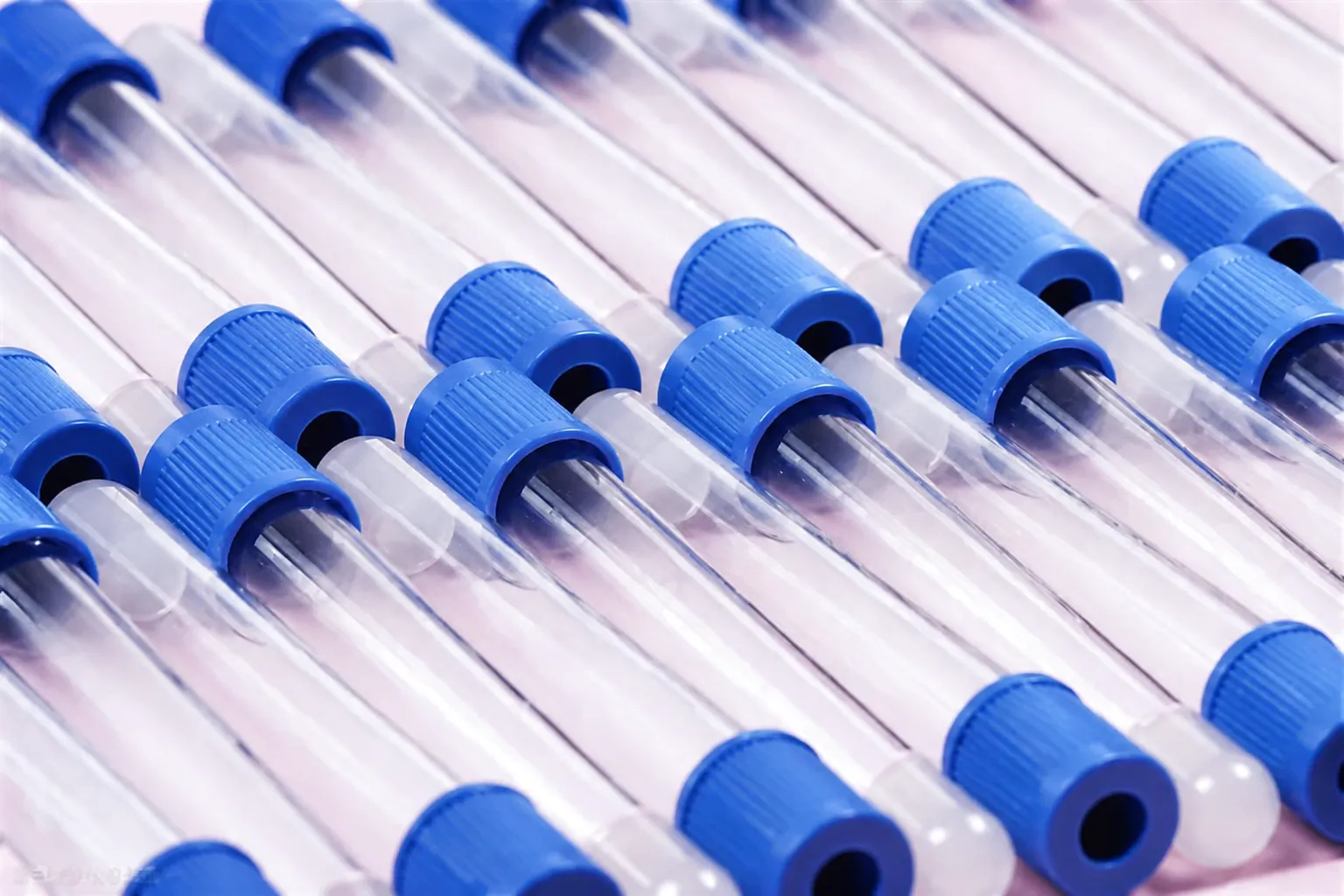
Vacuum blood collection tubes — primarily manufactured in PETG or PET with EDTA dipotassium or tripotassium additive coatings — are among the highest-volume products in the global IVD disposables market, with the UK’s NHS collecting tens of millions of blood specimens annually across primary and secondary care settings. The injection-blow molding machine is the dominant production technology for these tubes because no other forming process can simultaneously deliver the neck dimensional accuracy required for rubber stopper vacuum retention, the wall clarity needed for visual fill level inspection, and the gas barrier properties necessary to maintain partial vacuum over a 24-month shelf life at ambient distribution temperatures. UK converters supplying BD Vacutainer-compatible tube formats for NHS framework contracts depend on injection-blow molding machines with cavity-to-cavity dimension variation below 0.1 mm to ensure interoperability with automated sample handling and analysis systems deployed across NHS laboratories in cities from Sheffield to Cardiff.
Urine specimen collection containers for both midstream urine (MSU) culture testing and 24-hour collection applications require an injection-blow molded PP body that combines wide-mouth accessibility for sample collection, a leak-proof closure system, and label-panel geometry consistent with automated labelling in GP surgery collection areas. The IBM process allows these containers — typically in 60 mL, 120 mL, or 250 mL formats — to be produced with integrated pour spouts, graduated volume markings moulded directly into the side wall during the blow stage, and thread profiles engineered to accept both flat press-fit lids and secondary screw closures. Birmingham-based contract packaging manufacturers supplying GPs and NHS primary care networks across the West Midlands have specified injection-blow molding machines as their preferred platform for these containers, citing the superior thread accuracy and the elimination of post-moulding trimming operations as key cost drivers.
The UK’s growing cell and gene therapy sector, anchored by research institutions in Oxford, Cambridge, and the Francis Crick Institute in London, requires cryovials that perform reliably at temperatures down to -196°C. These 1.0 mL, 1.8 mL, and 2.0 mL cryovials are produced on injection-blow molding machines using impact-modified medical-grade PP, with the IBM process delivering the wall thickness uniformity — typically ±0.03 mm across the vial body — that is essential for consistent mechanical performance under repeated freeze-thaw cycling. The integral writing surface panel, the external thread profile, and the O-ring groove geometry are all formed in a single IBM cycle, eliminating the secondary machining operations that would otherwise introduce dimensional scatter into the population of vials entering automated cryogenic storage systems. For UK biobanks operating under HTA regulations, the ability to validate the IBM process under ISO 13485 and provide full batch traceability from polymer lot to finished vial lot is a foundational requirement that the injection-blow molding machine’s digital process control capabilities directly support.
Sputum specimen containers for tuberculosis diagnosis and respiratory infection culture testing require an IBM-moulded PP body with a wide-mouth opening and a hermetically sealing screw closure to contain biohazardous material safely during transport to Public Health England reference laboratories. The injection-blow molding machine produces the screw thread and the sealing land surface in a single forming operation, with dimensional consistency across all cavities sufficient to ensure reliable lid torque values — a functional parameter that must remain within specification even after the specimen container has been transported in Royal Mail or courier refrigerated dispatch services from remote GP surgeries across rural Wales or the Scottish Highlands to central pathology hubs.
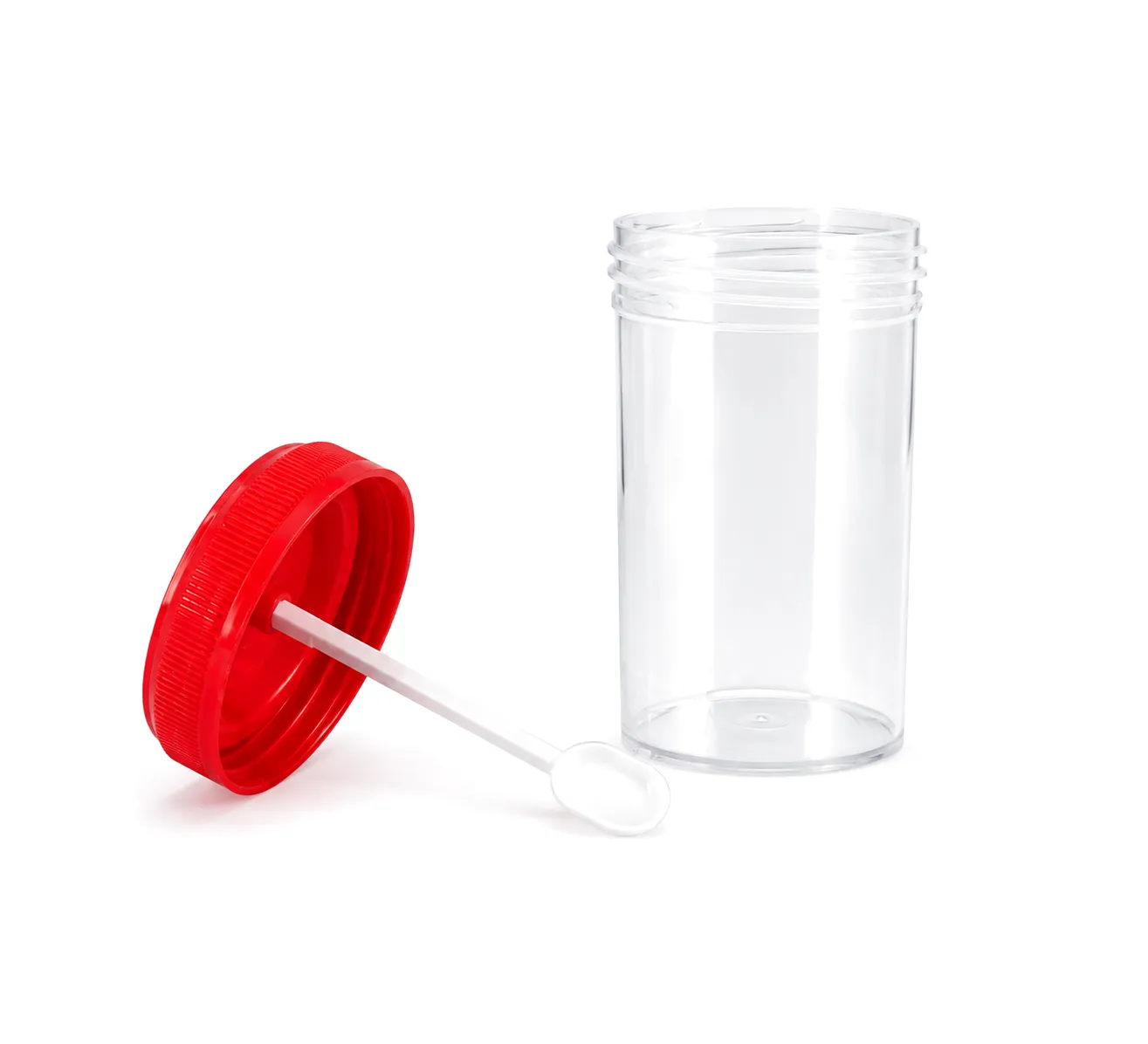
Stool specimen bottles used in bowel cancer screening programmes — including the NHS Bowel Cancer Screening Programme operating across England — incorporate an integrated spatula lid assembly produced downstream of the IBM moulding step. The IBM-moulded PP container provides the precise thread geometry and bore diameter necessary for the spatula assembly to be fitted reliably at high-speed automated assembly stations. The container’s graduated volume markings, moulded directly into the side wall, guide patients in collecting the correct specimen volume — a design feature that is achievable only because the IBM blow stage can reproduce fine surface detail with high fidelity across all cavities in the tool.
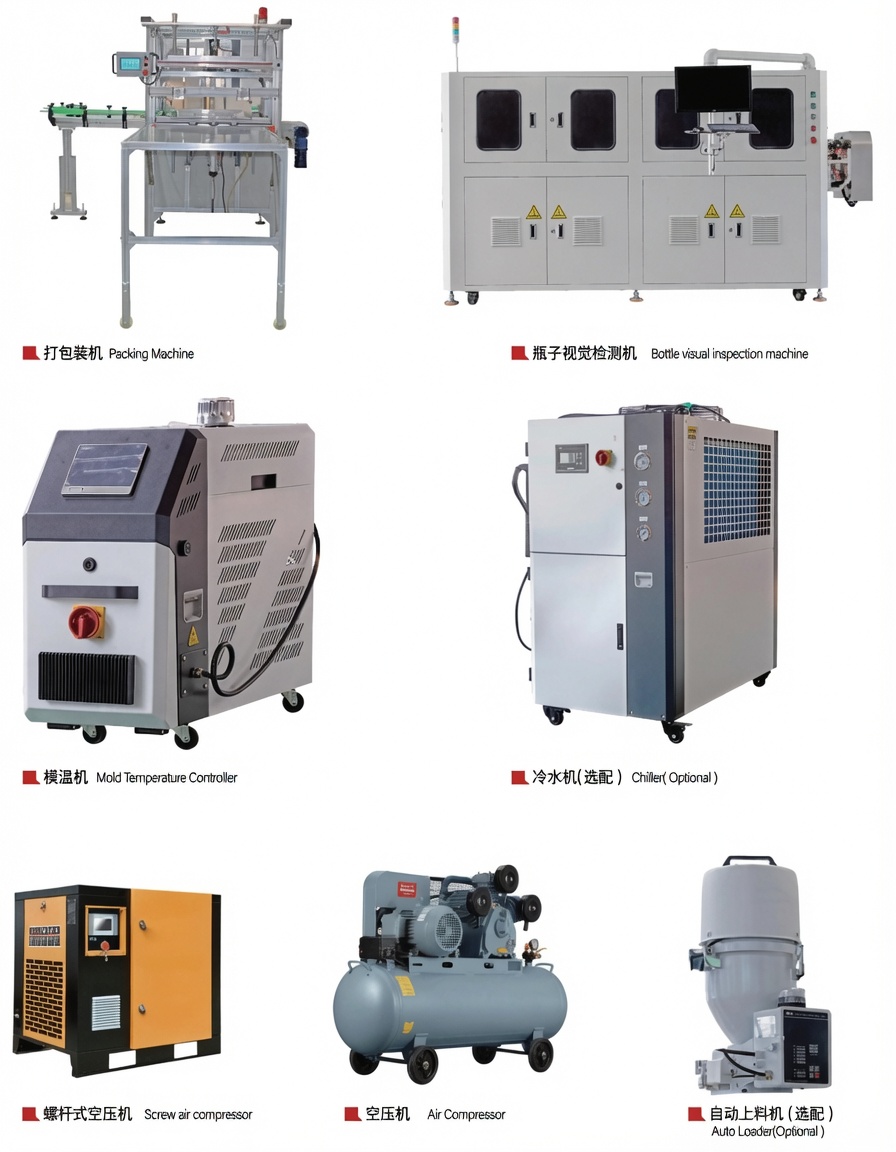
IBM Machine Auxiliary Equipment
ZQ40 Injection-Blow Molding Machine — Technical & Performance Specifications
Ever Power — Precision Manufacturing & Custom IBM Solutions for IVD Packaging
Ever Power designs, manufactures, and commissions injection-blow molding machines specifically configured for the exacting demands of medical device and IVD diagnostic packaging. With a manufacturing campus covering over 28,000 square metres and a dedicated R&D tooling centre staffed by mechanical and polymer process engineers, Ever Power has the capacity to engineer customised IBM machine platforms from concept through validated production, including bespoke mould tooling in hardened P20 or H13 steel for blood tube, cryovial, and specimen container applications. Our quality management system operates under ISO 9001 and ISO 13485, and our engineering team can provide full FAT (Factory Acceptance Testing) documentation aligned with the validation protocols required by UK medical device manufacturers operating under MHRA guidance.
Ever Power’s customisation capabilities extend across every dimension of the injection-blow molding machine platform. Our customers in the UK’s IVD packaging sector regularly specify modifications including cleanroom-compatible machine enclosures meeting ISO 14644-1 Class 8, integrated vision inspection systems for 100% neck dimension verification, servo-electric injection unit upgrades for reduced cycle-to-cycle variation, and custom HMI software modules that generate MHRA-compliant batch production records automatically at end-of-lot. The supply chain infrastructure behind every Ever Power IBM machine includes strategic partnerships with tier-one hydraulic component manufacturers, servo drive suppliers, and precision mould makers, ensuring spare parts availability and technical support response times that UK medical packaging manufacturers can rely on — whether the machine is installed at a site in the East Midlands industrial corridor or at a specialist cleanroom contract manufacturer in Cambridge.
Customer Success Story: IVD Container Manufacturer, Nottingham
MedSpec Containers Ltd, a mid-size contract medical plastics manufacturer based in Nottingham’s Riverside Business Park, had been operating two ageing injection-blow molding machines — one Uniloy UIB 70 unit dating from 2008 and one Bloma IBM45 installed in 2011 — to produce their complete range of EDTA vacuum blood collection tubes and 120 mL urine specimen containers for NHS East Midlands supply. By 2024, both machines were experiencing increasing downtime due to ageing hydraulic systems, and the lack of digital data logging capability was creating compliance difficulties during MHRA audits under their ISO 13485 certification scope.
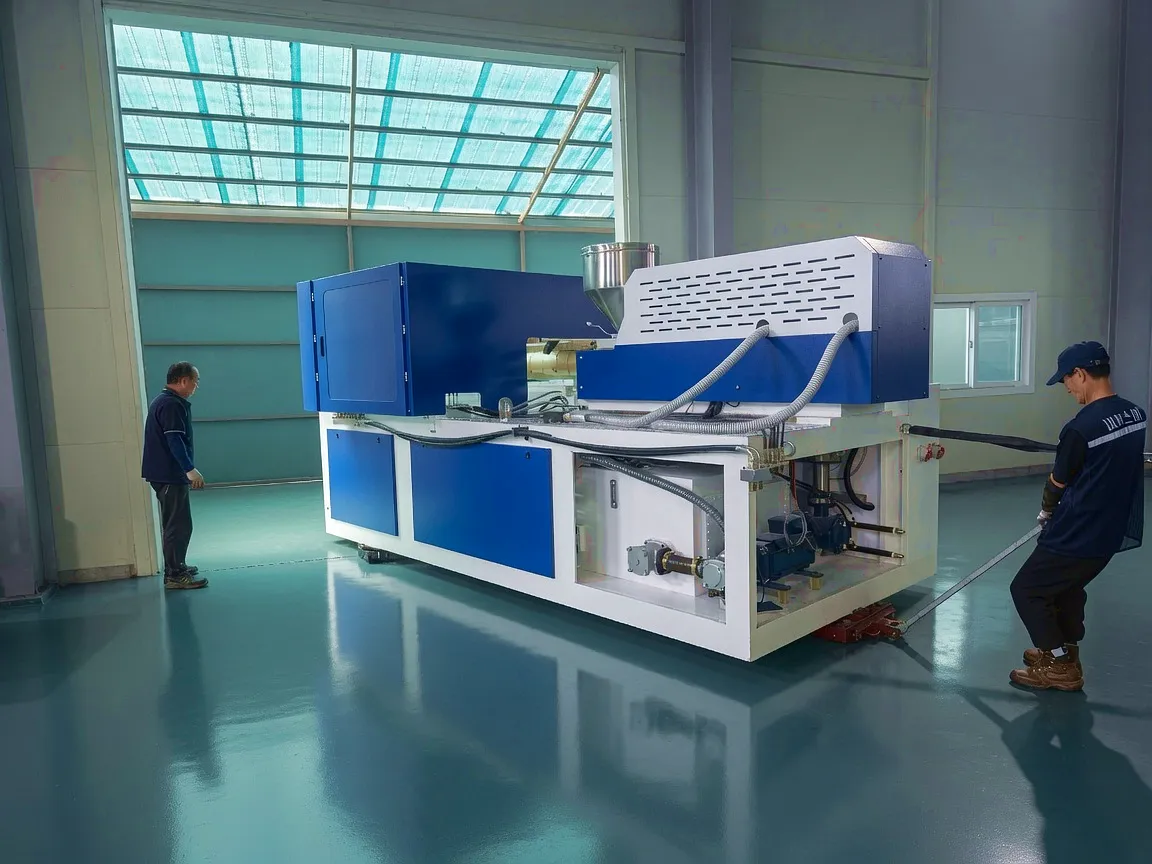
After evaluating three injection-blow molding machine suppliers, MedSpec selected Ever Power’s ZQ40 platform — in two units, one configured as a direct specification replacement for each of the legacy machines. The procurement process included a detailed technical assessment at Ever Power’s manufacturing facility, followed by a formal FAT witnessed by MedSpec’s quality manager. Both machines were shipped via container to Immingham Dock and delivered by road freight to Nottingham within the agreed lead time. On-site commissioning by Ever Power’s field engineering team took four days per machine, with the first production batches of EDTA blood tubes from the new machines validated and released to NHS East Midlands within six weeks of installation. Cavity-to-cavity neck diameter variation on the ZQ40 units measured at ±0.04 mm on an independent CMM during IQ/OQ testing — consistently better than the ±0.08 mm specification — and the integrated cycle data logging module eliminated the manual data recording burden that had previously occupied two operator hours per shift.
Within the first operational quarter, MedSpec reported a 22% reduction in per-unit resin consumption on blood tubes owing to the improved parison weight consistency of the ZQ40 injection system, and machine utilisation increased from 68% to 86% as scheduled maintenance intervals lengthened under the new servo-hydraulic design. The combined effect allowed MedSpec to take on an additional NHS framework supply contract for sputum specimen containers — a container type they had not previously produced — using the second ZQ40 unit’s remaining available capacity.
“The neck dimension accuracy of the ZQ40 exceeded our validation acceptance criteria straight from the first IQ test run. We had been battling stopper seating failures on the old machines for years — this machine solved it completely. Ever Power’s commissioning engineer stayed on-site until every process parameter was locked and documented in our validation protocol. That level of support from a supplier is genuinely rare.”
“Ever Power configured the ZQ40 data logging module to export directly into our existing MES in a format our IT team could integrate without custom development. The automated batch record generation has saved us roughly 14 hours of manual QC data entry per week, which has allowed us to reallocate two QC technicians to downstream inspection activities. The return on investment from that change alone is ahead of our original business case projections.”
“We had concerns about switching from established Western brands on a machine that goes directly into our ISO 13485 scope, but the ZQ40’s build quality removed those doubts immediately. The servo-hydraulic unit is noticeably quieter and more consistent than the old Uniloy, cycle time variation over an eight-hour shift is within 0.15 seconds, and the HMI is genuinely intuitive. Ever Power’s willingness to customise the tooling plate dimensions to accept our existing legacy mould sets without modification saved us approximately £85,000 in re-tooling costs.”
Frequently Asked Questions
The injection-blow molding machine forms the blood tube body in PET or PETG using a closed two-stage cycle — injection then blow — that produces a glass-clear container with outstanding gas barrier properties. The neck geometry and thread profile are formed on a precision core pin in the injection stage, delivering the dimensional accuracy required for the rubber stopper to create and maintain a specific partial vacuum level. Downstream of the IBM machine, stopper assembly and evacuation equipment draws the tube to the correct vacuum level, which is then maintained throughout the product’s two-year shelf life by the PET wall’s low oxygen permeability. For NHS phlebotomy use, the stopper seating torque is directly dependent on the thread profile accuracy achieved by the injection-blow molding machine’s injection tooling.
The price of an injection-blow molding machine configured for cryovial production varies depending on cavity count, precision specification, and the inclusion of IVD-grade data logging and vision inspection options. Entry-level configurations for 4-cavity cryovial production typically start below mid-six-figure GBP, while fully configured 16-cavity IVD-grade platforms with ISO 13485-aligned validation documentation packages represent a higher capital investment appropriate for dedicated biobank contract manufacturers. Ever Power offers detailed quotations including machine specification, mould tooling, commissioning, and validation support package costs — email [email protected] to receive a tailored quote for your specific cryovial container size and annual volume requirements.
Medical-grade polypropylene, in random copolymer or impact-modified grades, is the dominant material for NHS-specified urine specimen containers due to its chemical resistance, clarity, and processability on injection-blow molding machines. Some urine container designs requiring enhanced clarity and a glass-like appearance are produced in PETG, which offers lower processing temperatures and excellent transparency. The chosen grade must carry a full extractables profile and biocompatibility data under ISO 10993-1, which UK medical packaging converters supplying NHS framework contracts are required to hold in their technical file for MHRA regulatory purposes. Ever Power’s ZQ40 injection-blow molding machines are validated for both PP and PETG urine container production.
The UK’s IVD container manufacturing base is spread across several industrial regions, with significant concentrations in the East Midlands (Nottingham, Leicester), the West Midlands (Birmingham, Coventry), and Yorkshire (Sheffield, Leeds). Ever Power provides direct shipping of injection-blow molding machines to all major UK ports — typically Felixstowe, Southampton, or Immingham — and offers on-site commissioning and operator training at customer facilities across England, Scotland, and Wales. Enquiries from manufacturers in Birmingham and Sheffield are particularly welcome, as Ever Power has established commissioned installations in both the West Midlands and South Yorkshire regions and can leverage local logistics partners for machine delivery and rigging.
The decision to upgrade an ageing injection-blow molding machine is typically driven by a combination of increasing maintenance downtime, failure to meet tightening dimensional tolerance requirements, and the absence of process data logging needed for ISO 13485 or MHRA audit compliance. Manufacturers upgrading from Uniloy UIB 70 or Bloma IBM45 machines to Ever Power’s ZQ40 platform consistently report cycle time reductions of 12–20%, resin consumption reductions of 8–15% through improved parison weight consistency, and a significant reduction in scheduled maintenance hours per quarter owing to the servo-hydraulic actuation system’s extended service intervals. For most UK IVD container manufacturers, the combined productivity and compliance benefits deliver a business case payback period of 18–30 months at typical NHS supply contract pricing.
Ever Power provides a comprehensive validation support package with every IBM machine supplied to UK medical device or IVD packaging manufacturers. This includes a completed Installation Qualification (IQ) protocol with actual measured data from Factory Acceptance Testing, a blank Operational Qualification (OQ) and Performance Qualification (PQ) template pre-populated with the machine’s specification limits and suggested test methods, a full set of calibration certificates for all critical instrumentation (temperature sensors, pressure transducers, timers), and user manuals available in English. On-site commissioning engineers can witness the IQ/OQ testing alongside the customer’s quality team during installation. For customers requiring a fully executed validation package, Ever Power’s technical services team can provide support under a separate validation consultancy agreement.