Technical Deep-Dive · IBM Process Engineering
Preform Heating Temperature Curves: Optimising Your IBM Blow Molding Process
A precision guide for UK plastics manufacturers — covering zone-by-zone infrared profiling, material-specific ramp rates, wall thickness control, and energy-efficient heating strategies for injection blow molding machines.
IBM vs ISBM vs EBM vs Extrusion Blow Molding: Thermal Profiles Compared
Understanding where IBM sits within the broader blow molding landscape is essential before diving into preform heating curves. The four dominant processes — Injection Blow Molding (IBM), Injection Stretch Blow Molding (ISBM), Extrusion Blow Molding (EBM), and conventional extrusion-based Blow Molding — each impose fundamentally different thermal demands on the polymer. IBM is unique in that the preform is produced in a single thermally continuous cycle: resin is injected onto a core rod, travels through a conditioning station, and is blown in the same heat cycle without cooling to ambient temperature first. This gives IBM a distinct advantage in thermal efficiency but demands tighter process control.
ISBM, used predominantly for PET bottles in food and beverage applications, re-heats a cold preform using infrared lamp arrays, introducing a separate and independently controllable heating stage. EBM continuously extrudes a parison, with temperature governed primarily by die temperature and screw speed rather than a discrete preform conditioning profile. Conventional extrusion blow molding for HDPE or PP containers operates with broader temperature tolerances. IBM, by contrast, works within the tightest thermal window of all four — typically ±3°C across critical wall sections for materials such as PP, PE, and PET-G — making accurate heating curves non-negotiable for UK-specification container production.
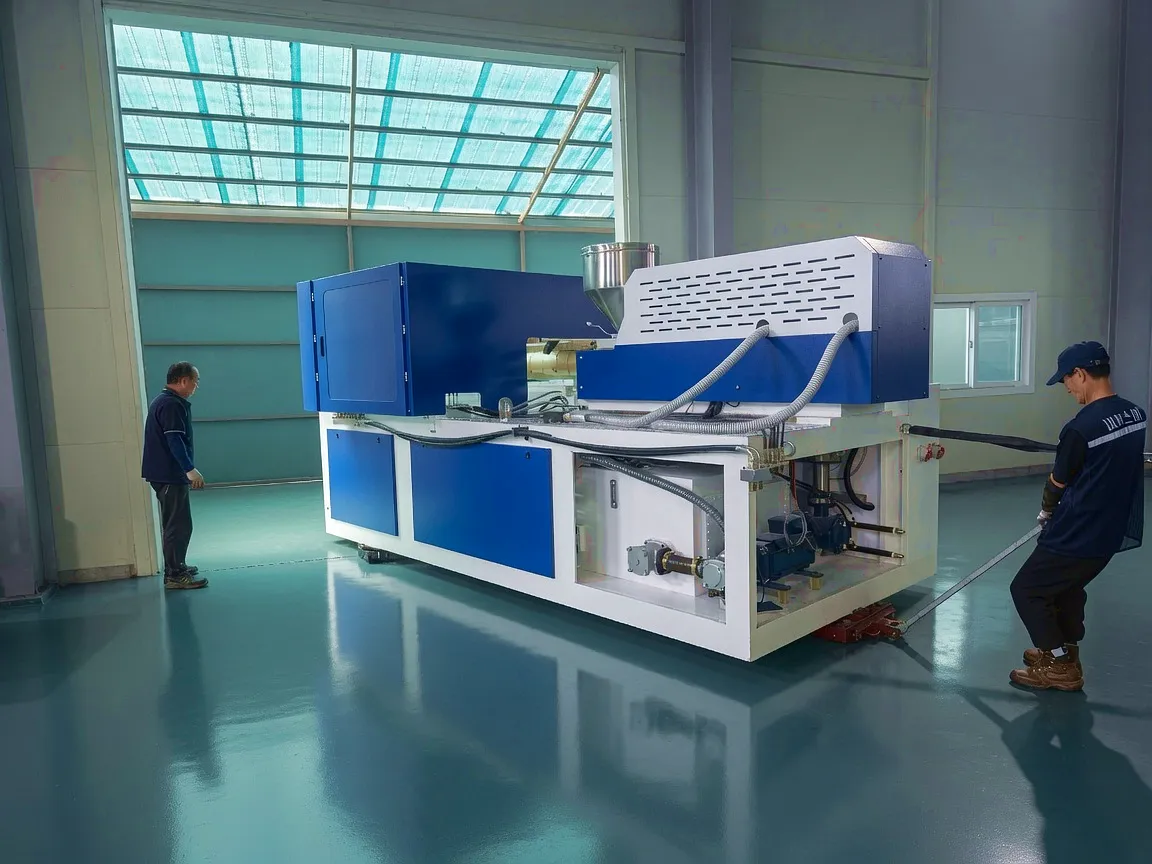 In an IBM cycle, the preform temperature curve is defined across three primary thermal regions: the neck finish zone, the body wall zone, and the base zone. Each region has distinct functional requirements. The neck finish must remain dimensionally rigid — temperatures here are deliberately suppressed, typically held 20–35°C below the main body temperature, to ensure thread form accuracy and cap torque performance. For polypropylene, this means the neck zone is maintained at approximately 130–145°C while the body wall targets 165–175°C. PET-G, increasingly used in UK pharmaceutical container production, demands a tighter body wall band of 78–88°C above its glass transition temperature, placing the optimal body zone at 155–168°C.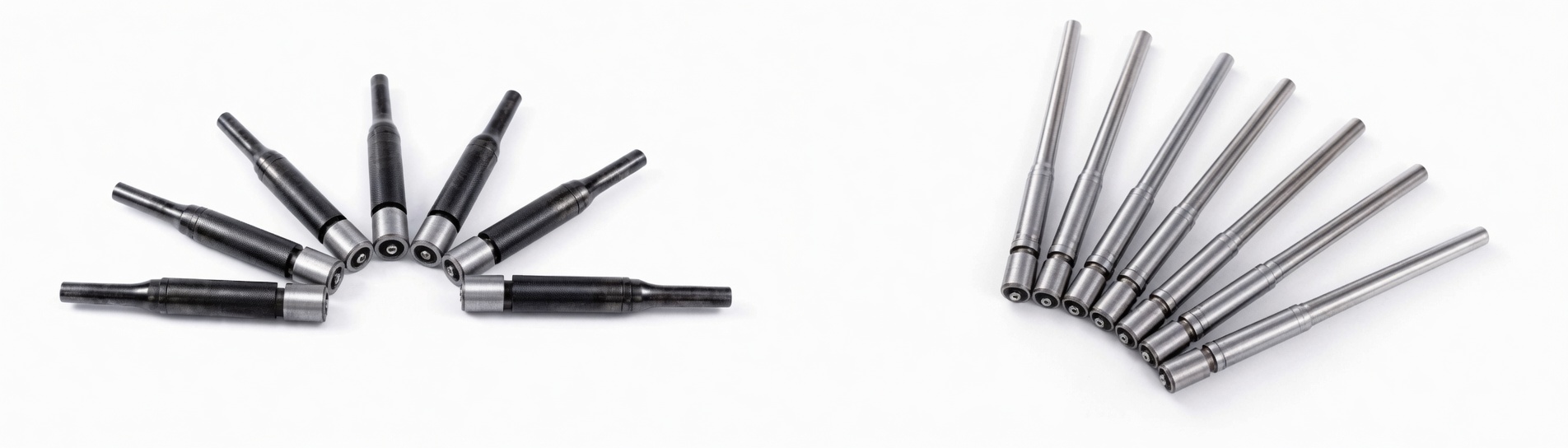
IBM Preform Heating Temperature: Material-Specific Zone Parameters
Wall Thickness Uniformity Control Through Thermal Profiling
Thermal Gradient vs. Wall Distribution
Wall thickness in an IBM container is governed primarily by the local preform temperature at the moment of blowing. A hotter region stretches more readily, producing a thinner wall. The IBM process must therefore maintain an intentional, calculated thermal gradient — cooler at the shoulder where more material is needed to support neck integrity, progressively warmer through the body for even radial expansion, and carefully balanced at the base to prevent thinning at the pinch point. UK processors supplying pharmaceutical packagers under MHRA GMP guidelines face strict minimum wall thickness specifications of 0.35–0.55mm for primary packaging, making this thermal gradient precision a regulatory requirement as well as a quality parameter.
Ramp Rate Control During Conditioning
The ramp rate — the speed at which the preform temperature rises or falls between injection and blowing stations — affects crystallinity onset in semi-crystalline materials. For PP running at typical UK pharmaceutical speeds of 6,000–14,000 containers per hour, a ramp rate faster than 8°C per second through the crystallisation range (125–135°C for homopolymer PP) risks surface haze. Controlled ramp rates of 3–5°C/s through this window preserve optical clarity. Ever Power’s IBM machines incorporate variable conditioning dwell time, allowing the operator to extend rod residence at the conditioning station for high-clarity grades without reducing output speed on standard runs — a dual-mode advantage unavailable on fixed-index competitors.
Symmetry and Eccentricity Correction
Radial temperature asymmetry in the IBM preform — where one side of the preform wall is hotter than the opposite side — results in container eccentricity, where the finished bottle has off-centre walls and an oval cross-section rather than a true round. This defect is common when core rod alignment drifts or cooling channels in the injection mould become partially blocked. Correcting this requires both mechanical alignment maintenance and, where IBM machines support it, asymmetric heating zone capability at the conditioning station. With this control, the operator can add 3–5°C to the cooler side of the preform to re-balance radial expansion without altering the axial profile.
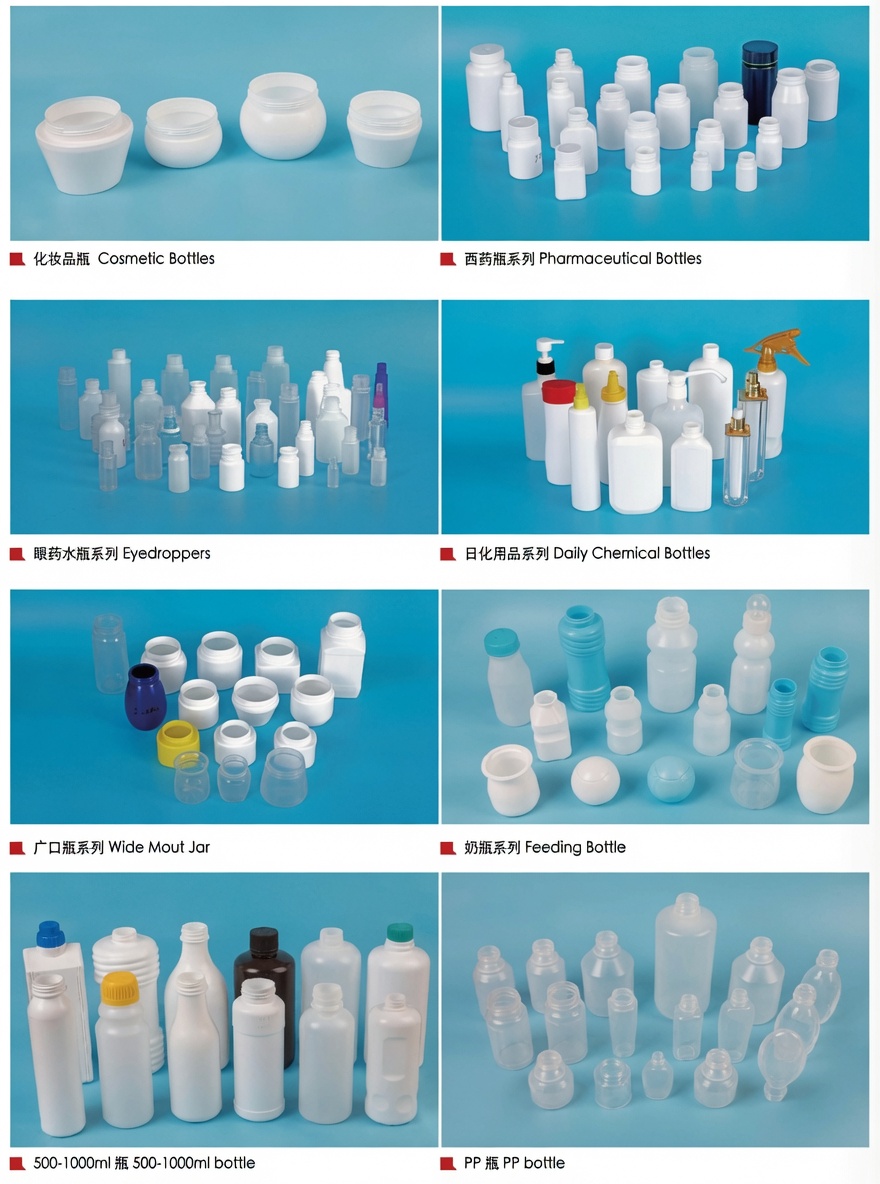 In injection blow molding for UK pharmaceutical container production — an application sector concentrated in areas including Cheshire, Cambridge, and the Glasgow pharmaceutical corridor — mould design is inseparable from preform heating strategy. The injection mould geometry determines the preform wall thickness distribution before thermal conditioning even begins. A parison that is 20% thicker on the shoulder than the body will require either a steeper negative thermal gradient between shoulder and body, or a geometric compensation in the blow mould cavity to achieve uniform wall distribution. IBM engineers must treat mould design and heating curve definition as a paired optimisation problem.
Common Fault Diagnosis: IBM Preform Heating Temperature Issues
Fault: Stress Whitening / Haze Lines
Caused by blowing below the minimum viable preform temperature. The polymer chains cannot orient uniformly, creating micro-voids that scatter light. Solution: increase conditioning dwell time by 0.3–0.6 seconds or raise body zone target temperature by 4–6°C. Check core rod surface condition — worn chrome plating reduces thermal transfer efficiency and lowers effective conditioning heat input.
Fault: Uneven Wall Thickness (Thick Base / Thin Body)
Indicates the base zone is running 8–12°C cooler than specified, restricting material flow during blowing. Root cause is often blocked base-cooling channels in the injection mould reducing heat transfer to the core rod base. Flush cooling circuits, verify coolant flow rate (target 4–6 L/min per circuit), and increase base conditioning temperature setpoint incrementally by 3°C steps until wall distribution normalises.
Fault: Container Ovality / Eccentricity
Radial temperature asymmetry at blowing. Check core rod concentricity within the injection mould — acceptable runout is typically 0.02mm TIR maximum. Verify the blowing station stripper plate is not imparting lateral force during the blow phase. Where IBM machines support quadrant-resolved conditioning temperature, apply a 3–5°C compensating offset to the cold quadrant. Re-measure ovality after each increment using a calibrated bore gauge at mid-body.
Fault: Neck Deformation / Thread Distortion
Neck zone temperature is running too high, softening the thread form during demoulding. This is common when the conditioning station auxiliary heater is placed too close to the neck finish. Maintain neck zone temperature at minimum 20°C below body zone. Verify the neck-cooling insert in the blow mould is functioning — coolant blockage here is the most frequent cause of neck distortion on high-speed IBM lines. Apply calibrated torque testing (minimum 10 Nm retention at 24 hours post-production) to verify closure performance.
 UK manufacturing sites operating injection blow molding equipment face increasingly significant energy cost pressures, particularly following the 2021–2024 energy price escalation cycle that affected midlands plastics converters operating in Birmingham and Coventry. For IBM lines running continuous production, the barrel heating system represents 35–45% of total machine power draw. Optimising the preform heating temperature curve is therefore not only a quality measure — it is a direct energy-reduction lever. By precisely characterising the minimum viable blowing temperature for each material grade and setting conditioning targets no higher than necessary, processors regularly achieve 8–15% reductions in barrel heater energy consumption compared to conservative over-temperature settings inherited from legacy process sheets.
Industrial Application Scenarios for IBM Blow Molding in the UK
Pharmaceutical Primary Packaging — Cambridge & Cheshire
Injection blow molding is the industry standard for producing Type III pharmaceutical PP containers, eye-drop bottles, and oral liquid phials. UK sites supplying licensed medicines under MHRA oversight require ISO Class 8 cleanroom-compatible IBM equipment. The preform heating temperature curve must be validated within the process validation documentation per EU GMP Annex 15, with thermal mapping records retained for batch release. Ever Power ZQ-series IBM machines deliver the real-time temperature logging and PLC data export needed to satisfy these validation requirements.
Cosmetics and Personal Care Containers — Sheffield and Leeds
High-gloss cosmetic bottles in PET-G demand the tightest preform heating window of any IBM application. Sheffield-based converters supplying premium personal care brands require optical clarity values exceeding 88% light transmission, which necessitates body zone temperature control within ±2°C of specification. Surface finish on the blow mould cavity must achieve Ra 0.1 µm or better to complement the thermal precision. IBM in this sector runs containers ranging from 15ml travel-size to 500ml body care formats, all produced without the seam lines inherent in EBM alternatives.
Food Grade Sauces and Condiment Bottles — Midlands and Yorkshire
PP IBM containers for UK food manufacturers producing sauces, ketchup, vinegar, and dressings require FDA/EU 10/2011 compliance for direct food contact. The blow molding preform heating temperature must keep PP below its oxidative degradation threshold of 280°C at the melt phase, while achieving a body zone of 165–172°C for precise weight control (typically ±1.5g per container on 500ml formats). IBM offers superior neck-finish accuracy over EBM for standard 38mm and 28mm food-grade closures, reducing cap application torque variability on high-speed filling lines.
Veterinary and OTC Healthcare Bottles — North West England
The North West England pharmaceutical and veterinary manufacturing corridor, spanning sites around Salford, Warrington, and Preston, represents a significant market for IBM-produced HDPE and PP bottles used in liquid veterinary medicines and OTC healthcare products. These containers frequently require child-resistant closures (CRC) that demand tight neck finish tolerances of ±0.15mm on thread diameter. IBM delivers inherently superior neck dimension reproducibility compared to EBM, because the neck is formed by injection rather than blown, eliminating pinch-off-related neck distortion entirely.
Ever Power IBM Machine Range: European-Spec Models for UK Production
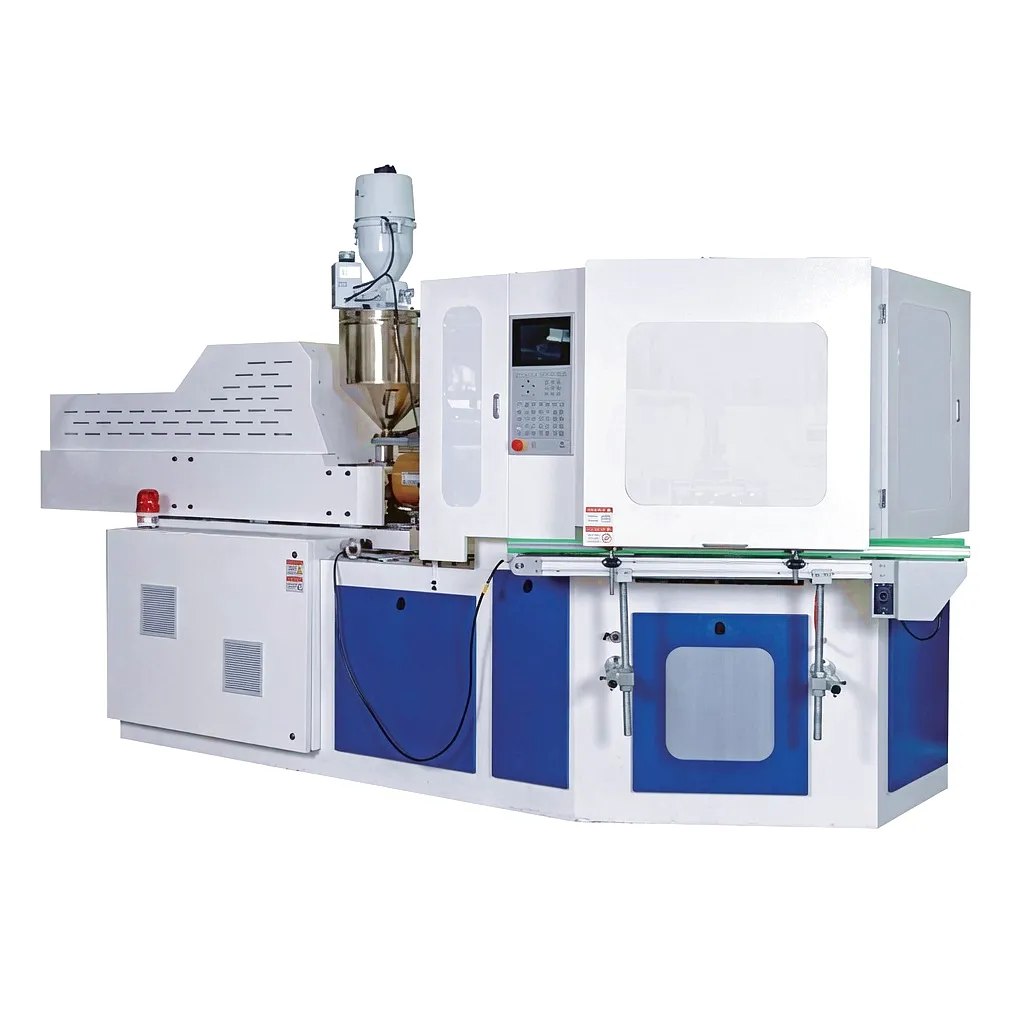
ZQ40 Injection-Blow Molding Machine (European)
The ZQ40 is Ever Power’s compact European-specification IBM platform, designed for UK pharmaceutical and cosmetics converters requiring precise preform heating temperature control on containers from 5ml to 400ml. Servo-driven indexing, multi-zone core rod conditioning, and CE-certified electrical systems make it ready for UK cleanroom and GMP production environments. Cavity count up to 4, output to 14,000 units/hour.
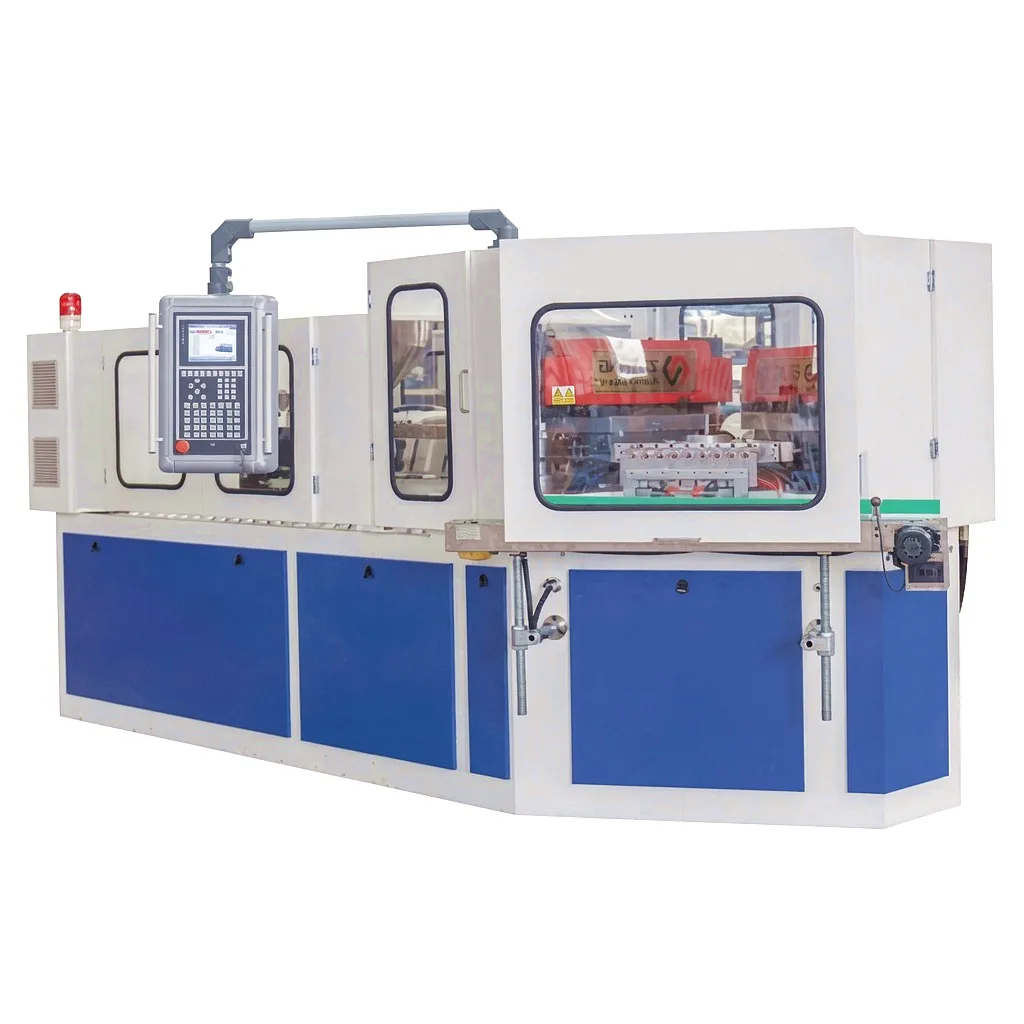
ZQ60 Injection-Blow Molding Machine (European)
The ZQ60 steps up clamping force and cavity count for mid-to-large scale UK production facilities, supporting containers up to 1,000ml with a 6-cavity configuration. Its extended conditioning station incorporates independent axial temperature zone control across five segments per core rod, enabling the advanced preform heating temperature curve management required for complex geometry bottles and bi-colour preform structures. Ideal for high-volume UK food-grade, healthcare, and personal care container manufacturing.
 Ever Power has built its reputation in the global injection blow molding machine sector through a manufacturing philosophy centred on component-level precision engineering and total process customisation capability. The manufacturing facility spans more than 60,000 square metres and operates with over 150 dedicated engineers across R&D, precision machining, assembly, and quality assurance functions. Every IBM machine that leaves the Ever Power production floor carries the benefit of in-house barrel and screw manufacturing, CNC-machined clamping platens held to ±0.005mm flatness tolerance, and factory-assembled hydraulic circuits pressure-tested at 1.5x operating rating before shipment.
60,000m²
Manufacturing Facility
150+
Specialist Engineers
3,000+
Projects Delivered
68+
Patents Held
10,000+
Customers Served
IBM Machine Technical Performance Parameters — ZQ40 / ZQ60 Comparison
IBM System Auxiliary Equipment Integration
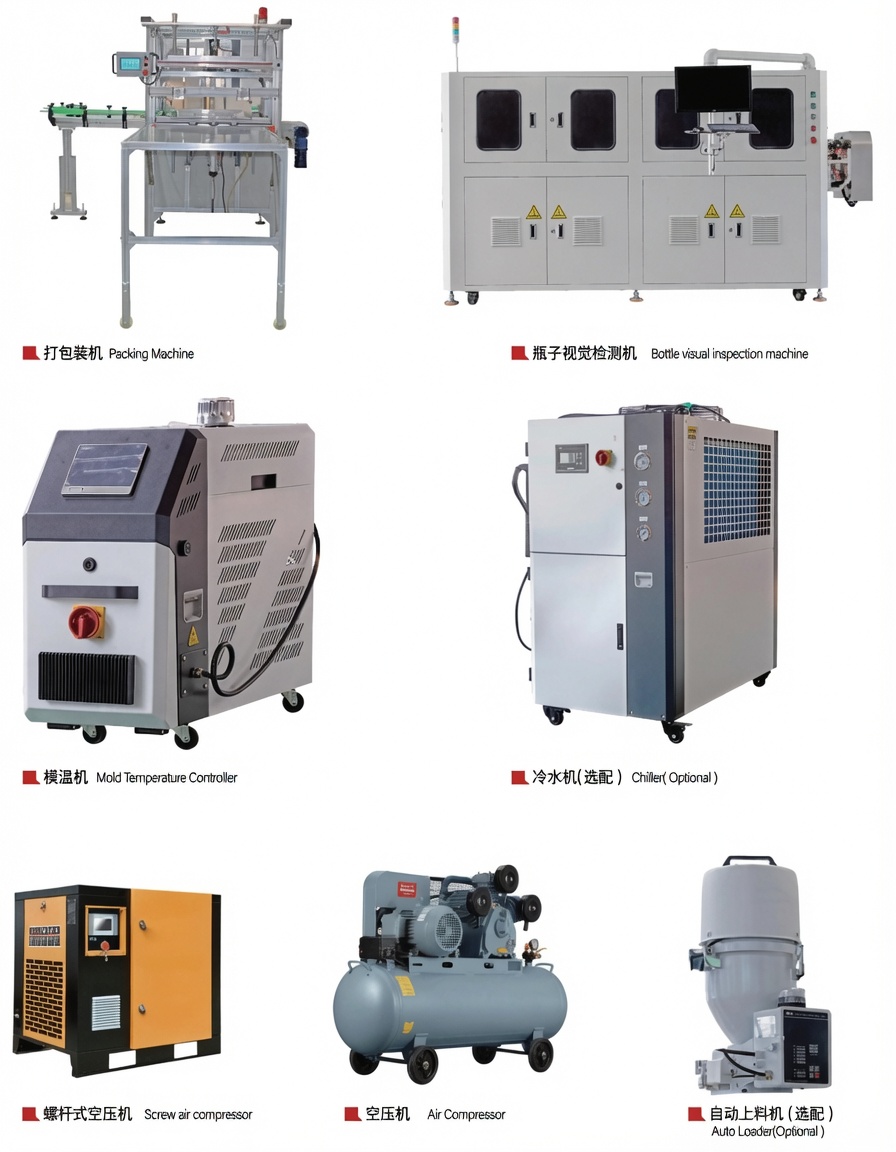
A complete IBM production system extends well beyond the core machine. Material drying and conveying systems are critical upstream components — polypropylene and PET-G must be dried to residual moisture levels below 200 ppm and 50 ppm respectively before entering the barrel, as moisture in the melt directly degrades the preform heating temperature curve reproducibility by causing viscosity fluctuations. Ever Power supplies fully integrated auxiliary packages including dehumidifying hopper dryers, gravimetric blenders for masterbatch dosing, chiller units for mould cooling circuit temperature control (setpoint accuracy ±0.5°C), and downstream conveying and vision-inspection systems. UK customers benefit from a single-source supply arrangement, simplifying UKCA documentation and reducing site commissioning time.
Customer Success Story: Pharmaceutical Container Production — Nottingham, UK
A contract pharmaceutical packaging manufacturer based in Nottingham — serving multiple UK licensed medicine brands requiring primary container supply under MHRA GMP licence — approached Ever Power in 2023 seeking to replace an ageing 1990s-era IBM machine that was producing unacceptable neck-finish variation on 100ml oral liquid PP bottles. The existing equipment lacked independent conditioning zone control, meaning the entire preform was conditioned at a single temperature setpoint, and the operation was experiencing neck-finish rejection rates averaging 4.2% — well above the 0.5% maximum specified in the customer’s quality management plan.
Ever Power’s applications engineering team conducted a detailed thermal analysis of the existing process and proposed a ZQ40 European IBM machine configured with a 3-segment axial conditioning station. The preform heating temperature curve was developed in collaboration with the customer’s process validation team, defining a neck zone setpoint of 138°C, body zone of 169°C, and base zone of 158°C — with a validated control band of ±2.5°C on all zones. The new machine was commissioned at the Nottingham site within 12 days of delivery, with process validation completed across three consecutive validation batches within the first three weeks of operation.
Post-implementation results demonstrated a neck-finish rejection rate reduction from 4.2% to 0.18% — a 95.7% reduction in primary defect rate. Machine output increased by 22% compared to the legacy equipment at equivalent quality standards, and the site’s annual energy consumption for the IBM line fell by 18.4% due to the ZQ40’s more efficient barrel insulation and servo-assisted hydraulic system. The customer subsequently ordered a second ZQ40 unit for a parallel production line running 50ml eye-drop PP bottles.
★★★★★
“The conditioning zone control on the ZQ40 transformed our preform temperature curve management entirely. We went from fighting defects every shift to running validated batches with minimal intervention. The Ever Power team understood our GMP requirements from day one and delivered a machine ready for our quality system without compromise.”
— Production Manager, Pharmaceutical Packaging, Nottingham
★★★★★
“We run PET-G cosmetic containers on a ZQ60 and the wall thickness consistency we achieve is genuinely impressive — wall variance under 0.04mm across a 4-cavity tool is something we simply could not hit before. The Ever Power customisation service on the blow mould cooling circuit made all the difference to our surface finish quality.”
— Technical Director, Cosmetics Container Manufacturer, Sheffield
★★★★★
“After switching from an older European IBM platform to the ZQ60, our energy metering showed an 18% drop in line consumption within the first month. The multi-zone barrel control combined with the VFD hydraulic pump option has had a material impact on our site’s annual energy budget, and the ROI calculation came in at under 2.5 years.”
— Operations Director, Food-Grade Packaging, Midlands
Frequently Asked Questions: IBM Blow Molding Preform Heating in the UK
What is the ideal preform heating temperature for polypropylene on an IBM machine running pharmaceutical bottles in the UK?
For pharmaceutical-grade homopolymer PP on UK IBM production lines, the target body wall conditioning temperature is typically 165–175°C, with the neck zone maintained at 130–145°C to preserve thread form accuracy. The exact setpoint within these ranges depends on the PP grade’s melt flow index and the container wall thickness specification. Process validation under GMP requirements will fix the setpoint and its control band.
How does the IBM preform heating temperature curve affect wall thickness uniformity in PET-G cosmetic containers produced in Sheffield?
In PET-G IBM production, the preform temperature directly governs local stretch behaviour during blowing. A hotter region produces a thinner wall; a cooler region resists stretch and produces a thicker wall. For Sheffield cosmetics containers requiring uniform wall distribution, the axial temperature gradient across the conditioning station must be calibrated to compensate for the injection-moulded preform’s inherent wall thickness variation, typically adjusting the curve in 2–3°C increments per zone until ultrasonic wall measurement confirms uniform distribution.
Which IBM machine supplier in the UK can provide customised preform heating curve development support for a new PP pharmaceutical container project?
Ever Power offers dedicated applications engineering support for UK pharmaceutical and cosmetics customers, providing pre-delivery thermal curve development services. This means the machine arrives with a validated baseline preform temperature curve for the specific material, container geometry, and cavity configuration required, reducing the time from machine delivery to validated production. Enquiries can be directed to [email protected] for a project-specific assessment.
How much does it cost to buy a European-specification IBM blow molding machine for a UK plastics manufacturing site and what is the typical lead time?
Pricing for European-specification IBM machines such as the ZQ40 and ZQ60 varies based on cavity count, container volume range, conditioning station configuration, and auxiliary equipment included. UK-specific requirements such as CE certification, 400V 3-phase supply configuration, and English HMI are standard inclusions. For an accurate price quotation aligned to your specific production requirements, contact Ever Power directly at [email protected]. Standard lead times for European-spec IBM machines range from 10 to 16 weeks from order confirmation.
When should a UK IBM operator recalibrate the preform heating temperature curve after a material grade change on a production line?
Recalibration is required any time the polymer grade, melt flow index, or material supplier changes — even when the nominal material specification appears identical. Different batches of the same PP grade from different compounders can have MFI variations of ±1.5 g/10min, which shifts the optimal body zone conditioning temperature by up to 5°C. UK GMP sites must treat a material supplier change as a process change requiring documented temperature curve revalidation, including wall measurement records and visual inspection data from the first production batches.
Where can a Birmingham-based plastics converter get a reliable quote for an IBM blow molding machine with multi-zone preform conditioning capability?
Birmingham-based converters can request a detailed quotation directly from Ever Power’s export sales team via [email protected]. Ever Power supplies IBM machines to UK sites with full CE documentation, English technical manuals, and application engineering consultation. On-site commissioning support is available for UK mainland locations, and the European spare parts logistics hub ensures critical components reach Birmingham and other midlands sites within next-business-day delivery windows.
How does the blow molding preform heating temperature difference between IBM and ISBM processes affect the choice of machine for a UK food packaging application?
IBM retains the preform’s injection heat through to blowing, making it thermally more efficient and better suited to materials that crystallise during re-heating (such as PP). ISBM is optimised for PET, which benefits from the biaxial orientation achieved by stretching a cold preform. For UK food packaging using PP containers — sauces, condiments, dairy products — IBM is generally the preferred process, offering superior neck finish accuracy, lower energy input per container, and elimination of the re-heat oven that ISBM requires. For PET beverage formats, ISBM remains the industry standard.
Ready to Optimise Your IBM Preform Heating Process?
Speak with Ever Power’s IBM application engineers about temperature curve development, machine specification, and UK delivery.
✉ Get Your IBM Machine Quote Now
edit by gzl