Advanced 1-Step Injection Stretch Blow Molding Machine Engineering for 3-Gallon and 5-Gallon Water Jugs
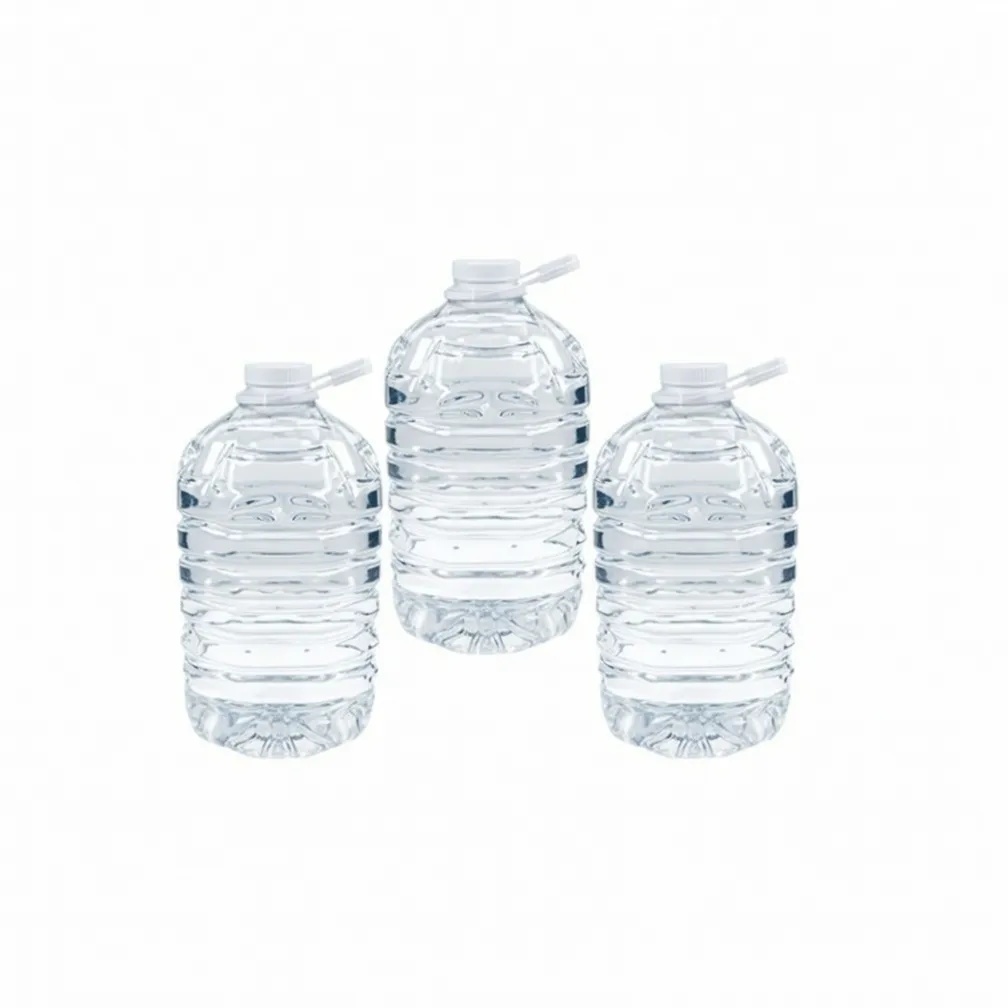 The paradigm of bulk liquid packaging across the United Kingdom is undergoing a rigorous transformation, driven by an escalating necessity for highly durable, dimensionally stable, and chemically inert hydration vessels. The engineering architecture required to manufacture massive capacity containers, specifically the ubiquitous 3-gallon and 5-gallon water jugs, demands an absolute mastery over polymer thermodynamics and mechanical processing. Traditional two-stage manufacturing paradigms frequently exhibit critical vulnerabilities when attempting to manage the substantial preform wall thickness required for multi-trip containers, often resulting in uneven material distribution, compromised drop-test integrity, and severe optical distortions. The deployment of a sophisticated 1-step injection stretch blow molding machine resolves these inherent structural deficiencies by seamlessly consolidating the polymer melting, precise cavity injection, targeted thermal conditioning, and biaxial stretch-blowing phases into a single, uninterrupted thermal cycle.
Thermodynamic Principles and Advanced Material Processing Mechanics
Delving into the core operational mechanics of this sophisticated equipment reveals a masterpiece of thermal management and fluid dynamics, meticulously engineered to handle complex polymers. The sequence initiates within the injection station, where an advanced reciprocating screw with a highly optimized length-to-diameter ratio subjects the raw polymer pellets to precise shear forces and controlled barrel temperatures, ensuring absolute melt homogeneity without inducing thermal degradation. This pristine melt is then forcefully injected into the preform cavity, where the critical neck finish—essential for preventing catastrophic leaks in inverted commercial cooler applications—is flawlessly molded and securely retained by the neck ring for the entirety of the production cycle. Moving seamlessly to the thermal conditioning station, the dense preform undergoes an intricate temperature equalization process; sophisticated heating and cooling zones work in tandem to establish the perfect thermal profile across the preform’s longitudinal and radial axes. This meticulous conditioning is paramount for heavy-weight vessels, as it dictates the precise material distribution during the subsequent biaxial orientation in the blow mold. The integration of high-velocity stretch rods and multi-stage, high-pressure blowing profiles guarantees that the polymer matrix is stretched to its optimal threshold, resulting in a 5-gallon container that exhibits extraordinary top-load resistance, exceptional clarity, and the rugged durability required to survive dozens of rigorous commercial delivery cycles across varied environmental conditions.
Unrivaled Engineering Advantages for High-Capacity Hydration Vessels
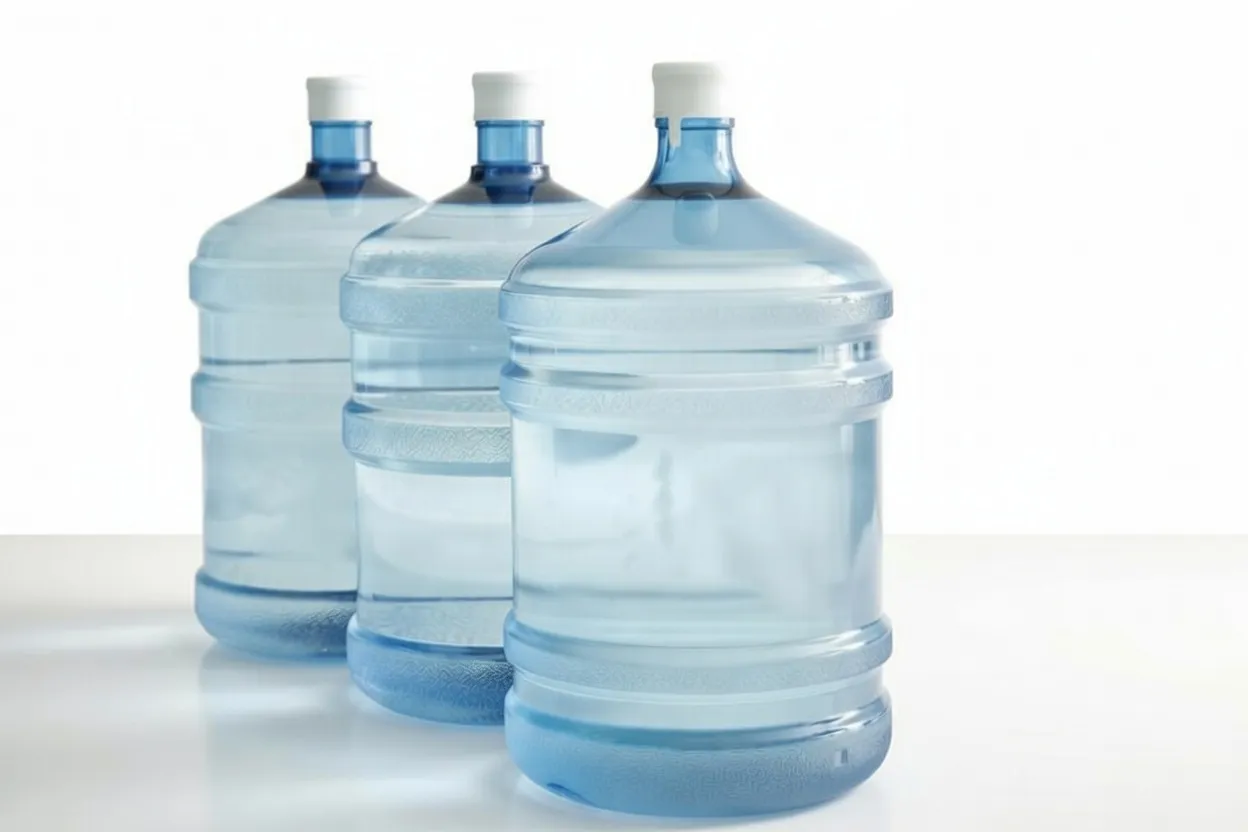 The strategic deployment of a dedicated 1-step injection stretch blow molding machine for large format containers provides a comprehensive suite of manufacturing advantages that directly elevate operational profitability and product quality metrics. The absolute precision of the injection-molded neck finish is arguably the most critical structural benefit, as the single-stage process entirely eliminates the preform transfer vulnerabilities inherent in two-stage systems, ensuring the neck remains perfectly concentric and entirely free from the microscopic deformations that cause seal failures in standard 19-liter water coolers. Furthermore, the inherent energy efficiency of this architectural design is staggering; by utilizing the residual latent heat from the initial melting phase for the final stretch-blow sequence, the system bypasses the massive electrical load required by the infrared reheating ovens used in alternative methods. This phenomenal reduction in kilowatt-hour consumption directly aligns with stringent modern sustainability mandates and significantly lowers the baseline overhead costs for high-volume production facilities. Additionally, the complete elimination of preform collision during transit—a frequent issue in bulk hopper feeding systems—results in containers that boast pristine, glass-like optical clarity, entirely devoid of the unsightly surface scratches, hazing, or scuff marks that can severely compromise the premium brand perception of high-end mineral or purified water products delivered directly to corporate clientele.
Comprehensive Technical and Performance Parameters
| Technical Parameter | Specification Specification | Operational Impact |
|---|---|---|
| Maximum Container Volume | 20 Liters (5 Gallons) | Accommodates all standard commercial and residential bulk hydration requirements seamlessly. |
| Injection Clamping Force | 1200 kN – 1500 kN | Ensures absolutely flawless parting lines and flash-free preform injection for heavy-wall designs. |
| Compatible Resins | PET, PC, Tritan, PP | Provides extraordinary market versatility, from durable multi-trip polycarbonate to BPA-free Tritan. |
| Theoretical Output Rate | 150 – 250 BPH (Cavity Dependent) | Delivers highly consistent, scalable production metrics crucial for maintaining localized supply chain stability. |
| Dry Cycle Time | 4.5 Seconds | Optimizes overall machine kinematics, reducing non-productive mechanical movements to the absolute minimum. |
Strategic Application Scenarios in Fluid Logistics
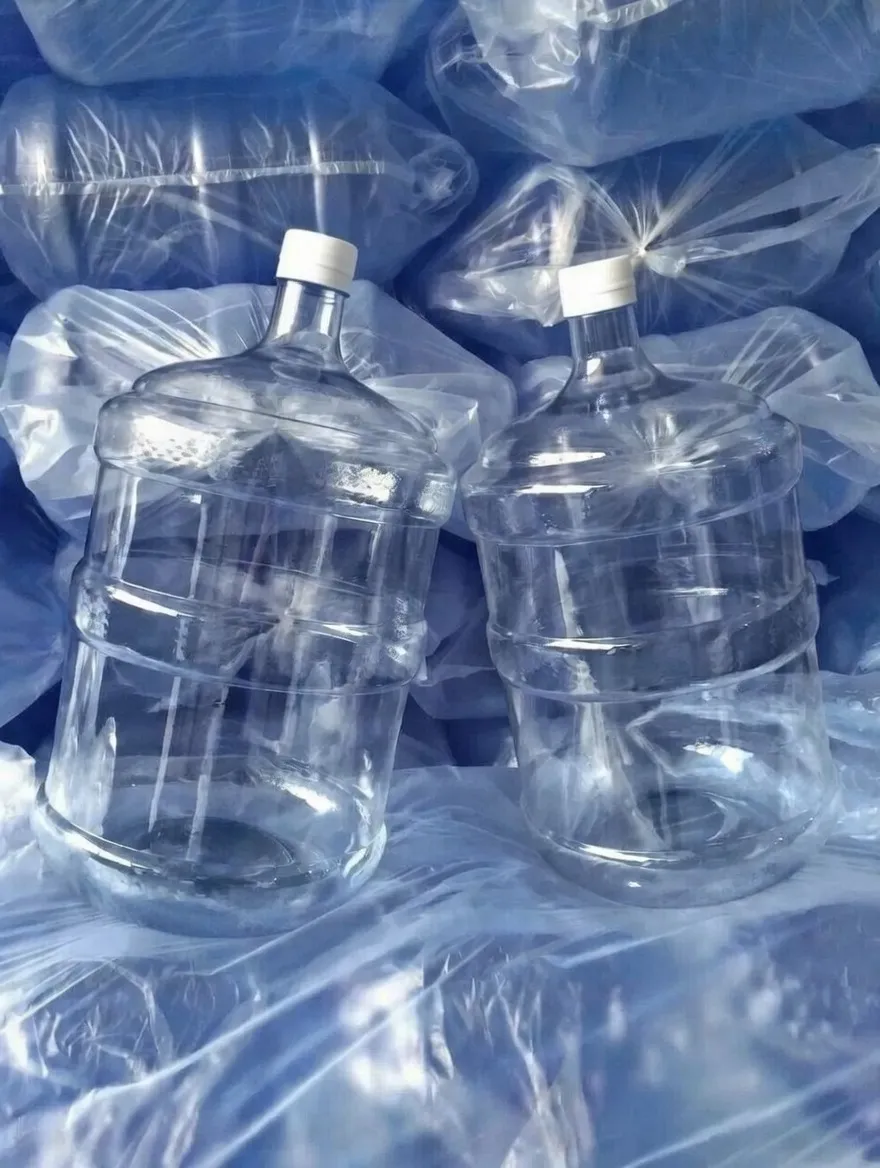 The versatility and robust performance of these large-format containers make them the absolute cornerstone of diverse commercial and emergency fluid distribution networks. In the realm of corporate office hydration solutions, the flawlessly molded 5-gallon jugs serve as the reliable backbone for standard inverted water cooler systems, where the precision-engineered neck finish guarantees a hermetic seal against the dispenser spike, entirely eradicating the risk of costly and damaging slow leaks within professional environments. Transitioning to the residential sector, the slightly more compact 3-gallon iterations are experiencing explosive growth; their reduced physical weight ensures they are significantly more manageable for individual consumers to maneuver and install in home dispensers, catering directly to a demographic increasingly focused on premium, bulk-delivered spring and purified waters. Beyond daily consumption metrics, these heavily reinforced, biaxially oriented containers play an absolutely critical role in emergency preparedness and disaster relief infrastructure. Government agencies and non-governmental organizations heavily rely on the extreme drop-test survivability and long-term chemical inertness of these specific vessels to stockpile and safely transport potable water into compromised geographic zones, where the structural integrity of the container can literally mean the difference between successful aid deployment and total logistical failure.
Client Success Validation: Enterprise Deployment in Manchester, UK
To comprehensively understand the transformative operational impact of this specific technology within a rigorous production environment, we examine the recent enterprise-level deployment by AquaPennine Bulk, a premier regional water distribution fleet headquartered in the industrial heart of Manchester. Faced with aging, highly inefficient extrusion blow molding infrastructure that was yielding unacceptable scrap rates and staggering energy bills, the company executed a strategic capital pivot towards our advanced single-stage PET and Tritan processing platform. The integration of this state-of-the-art machinery fundamentally revolutionized their entire shop floor dynamics. Within the first quarter of continuous, high-volume operation, the facility documented an astonishing forty percent reduction in direct electrical consumption per manufactured unit, alongside a virtual elimination of catastrophic failures during their brutal, multi-story drop testing protocols. This remarkable enhancement in structural integrity dramatically extended the viable lifecycle of their multi-trip container fleet, slashing their annual replacement overheads and significantly fortifying their dominant position within the fiercely competitive Northern English bulk hydration marketplace.
“The transition to this precise injection stretch methodology has been nothing short of a revelation for our operational metrics. The drastic reduction in our factory floor footprint allowed us to optimize our entire palletization workflow, but the true masterstroke was the immediate, verifiable collapse in our monthly kilowatt-hour expenditure, which provided an ROI trajectory far exceeding our initial capital expenditure forecasts.”
— Director of Plant Operations, AquaPennine Bulk
“From a strict quality assurance perspective, the absolute concentricity and dimensional stability of the neck finish produced by the single-stage process are breathtaking. We have virtually eradicated customer complaints regarding micro-leaks at the cooler interface, and the glass-like aesthetic clarity of the finished vessels has noticeably elevated our brand presentation in high-end corporate office settings across the city.”
— Head of Quality Assurance, AquaPennine Bulk
“The sophisticated yet deeply intuitive human-machine interface has drastically streamlined our daily shift changeovers and routine maintenance protocols. The precise localized control over the thermal conditioning zones allows us to dial in the exact heating profile required for different resin batches, eliminating the frustrating guesswork and extended downtime we previously experienced with our legacy dual-stage equipment.”
— Senior Floor Technician, AquaPennine Bulk
Uncompromising Factory Customization and Turnkey Manufacturing Excellence
At Ever Power, we recognize that off-the-shelf industrial solutions rarely satisfy the nuanced, highly specific demands of complex fluid packaging operations. Our dedicated engineering consortium specializes in delivering profoundly customized, turnkey manufacturing ecosystems tailored meticulously to the exact volumetric requirements, material preferences, and localized electrical compliances of our global clientele. The journey begins with our advanced 3D rheological modeling and finite element analysis, where we collaboratively engineer the optimal preform geometry and mold cavitation to match your specific 3-gallon or 5-gallon jug aesthetic and structural requirements. Our bespoke approach extends deep into the machinery itself; we precisely tailor the extrusion screw geometry to perfectly complement the intrinsic viscosity and melt flow index of your chosen resin, whether you are utilizing robust recycled PET blends or premium, impact-resistant Tritan copolymers. Every system engineered for the rigorous demands of the British industrial sector undergoes exhaustive pre-shipment validation, ensuring absolute compliance with complex UKCA standards, integrating seamless 415V 50Hz compatibility, and incorporating advanced, localized diagnostic telemetry. This relentless dedication to holistic customization guarantees that your facility receives not just a piece of machinery, but a fully optimized, fiercely competitive manufacturing asset engineered to dominate your specific market segment.
Expert Insights on Advanced Bulk Container Manufacturing
How much does a commercial 5-gallon water jug manufacturing machine cost for UK suppliers?
What is the energy consumption of a 3-gallon injection stretch blow molding setup in England?
Which specific polymer materials are best suited for multi-trip 5-gallon water bottles in Britain?
Where can I find reliable technical support and maintenance for single-stage blow molders in Scotland?
Why should a London corporate water delivery service upgrade to a 1-step PET making machine?
When is the ideal time to replace an aging PC extrusion blow molding setup with ISBM?
edit by gzl