Ready to explore a custom single-stage ISBM solution for your UK production facility?
Speak to the Ever Power technical sales team today.
What Single-Stage ISBM Technology Actually Means
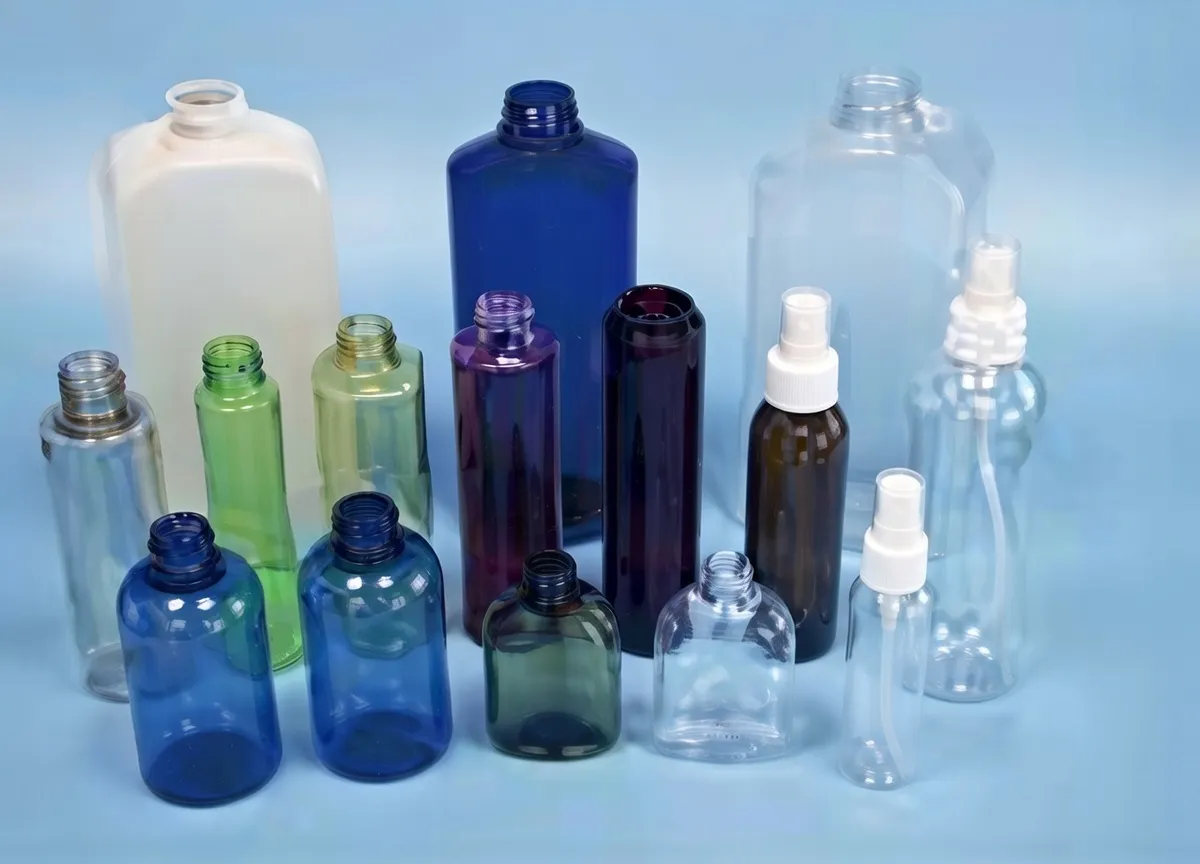
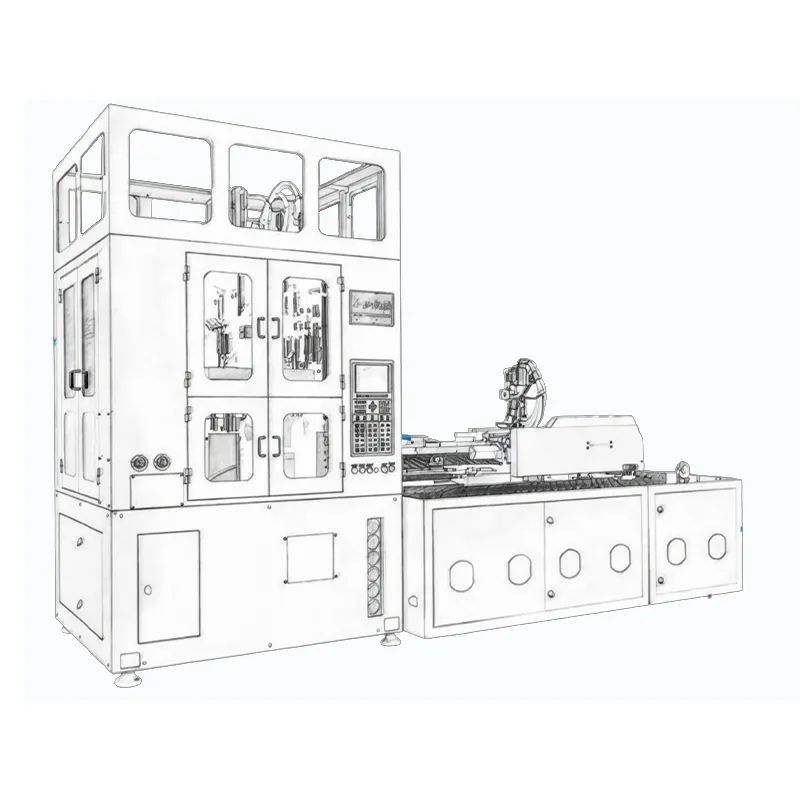 The term single-stage ISBM describes a manufacturing cycle in which injection moulding, temperature conditioning, stretch-blow moulding, and bottle ejection all occur within one integrated machine — and within one continuous thermal cycle. The preform is injected, conditioned, blown, and released without ever touching a conveyor belt, a storage bin, or an external reheating tunnel. This distinction carries enormous practical implications for the quality of the finished bottle, and it is what defines the single-stage ISBM process against every competing approach in rigid plastic container production.
In contrast, a two-stage system manufactures preforms separately, cools them completely to ambient temperature, stockpiles them, and then transports them to a reheat stretch blow moulding machine where infrared lamps heat the preform exterior before blowing. This reheating step introduces a structural problem: heat is applied from the outside in, and the temperature gradient through the preform wall can never be fully equalised before blowing begins. The mechanical properties of the finished bottle reflect this inconsistency, and manufacturers working to tight specifications in UK food-grade or pharmaceutical supply chains see the difference in every batch.
Single-stage ISBM avoids this entirely by preserving the preform’s thermal history from injection. The preform arrives at the blowing station still warm, still in a state of controlled molecular mobility, and — when the conditioning station has done its job correctly — with a uniform temperature profile that allows ideal biaxial orientation during stretch blowing. The finished ISBM bottle shows measurably superior optical clarity, more consistent wall thickness, better top-load performance, and lower residual stress compared to bottles produced on reheat equipment with equivalent resins. For UK packaging manufacturers supplying retail channels governed by the BRC Global Standard for Packaging or ISO 15378 for pharmaceutical packaging, these performance differences translate directly into commercial and compliance advantage that justifies the investment in single-stage ISBM technology.
The Temperature Conditioning Stage — A Closer Look at the Core Process
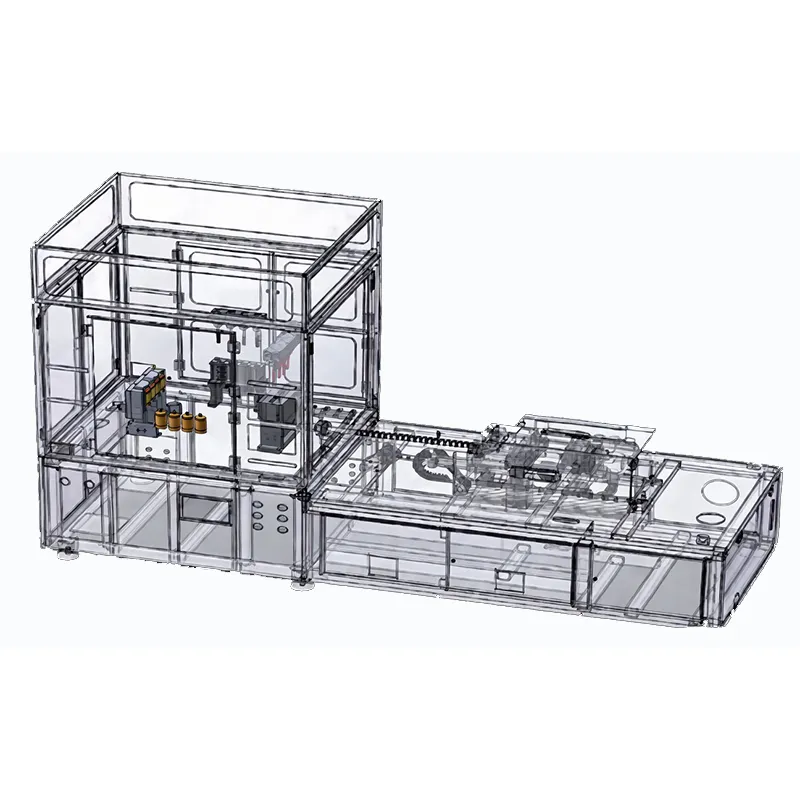 Between the injection station and the blow station in a single-stage ISBM machine sits the conditioning station — a thermally active zone that process engineers sometimes describe as the true “secret weapon” of the entire ISBM process. Its stated function is deceptively straightforward: bring every region of the preform wall to an optimal, uniform temperature before stretch blowing. In practice, achieving this consistently, at production speeds that may reach 6,000 bottles per hour on a multi-cavity ISBM machine, represents one of the most demanding engineering challenges in plastic packaging production.
When a preform exits the injection mould, its temperature profile is far from uniform. The outer surface has cooled rapidly against the mould cavity wall, while the inner core retains significantly more heat from the melt. The gate area — the thick base of the preform where the injection point is located — is typically the coolest zone, receiving the last material to flow through the hot runner and containing the highest polymer mass to cool. The neck region often retains slightly elevated temperatures by comparison. These variations, if left uncorrected, translate directly into a bottle with inconsistent wall thickness, reduced optical clarity, and compromised structural performance in service — commercially unacceptable outcomes in any serious ISBM production environment.
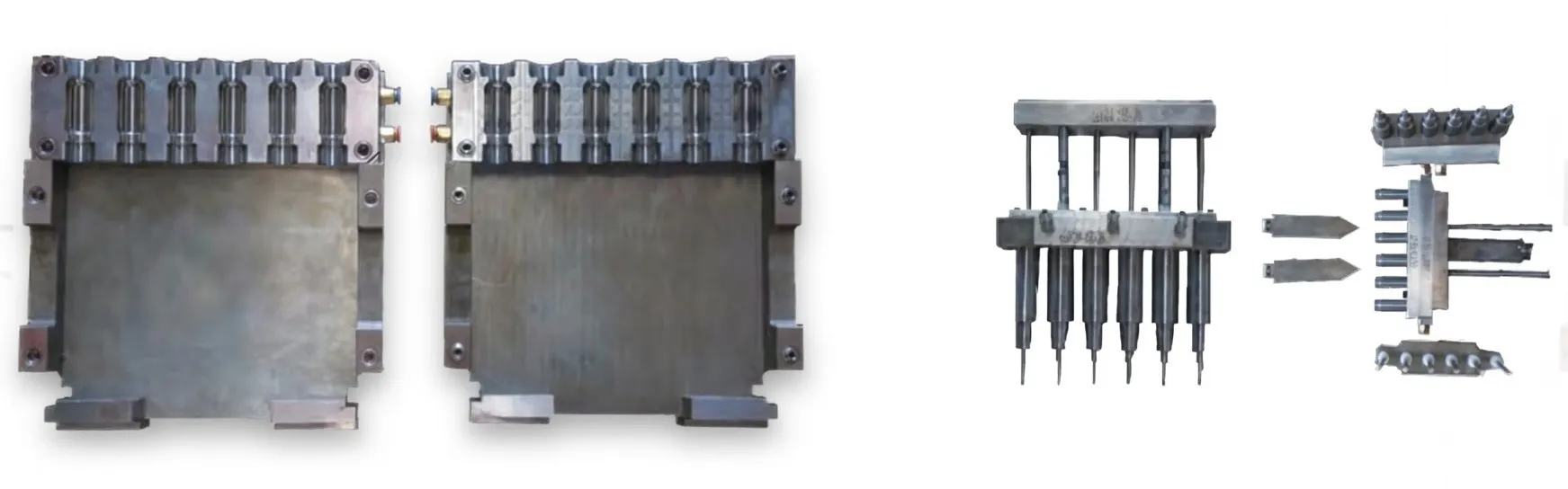
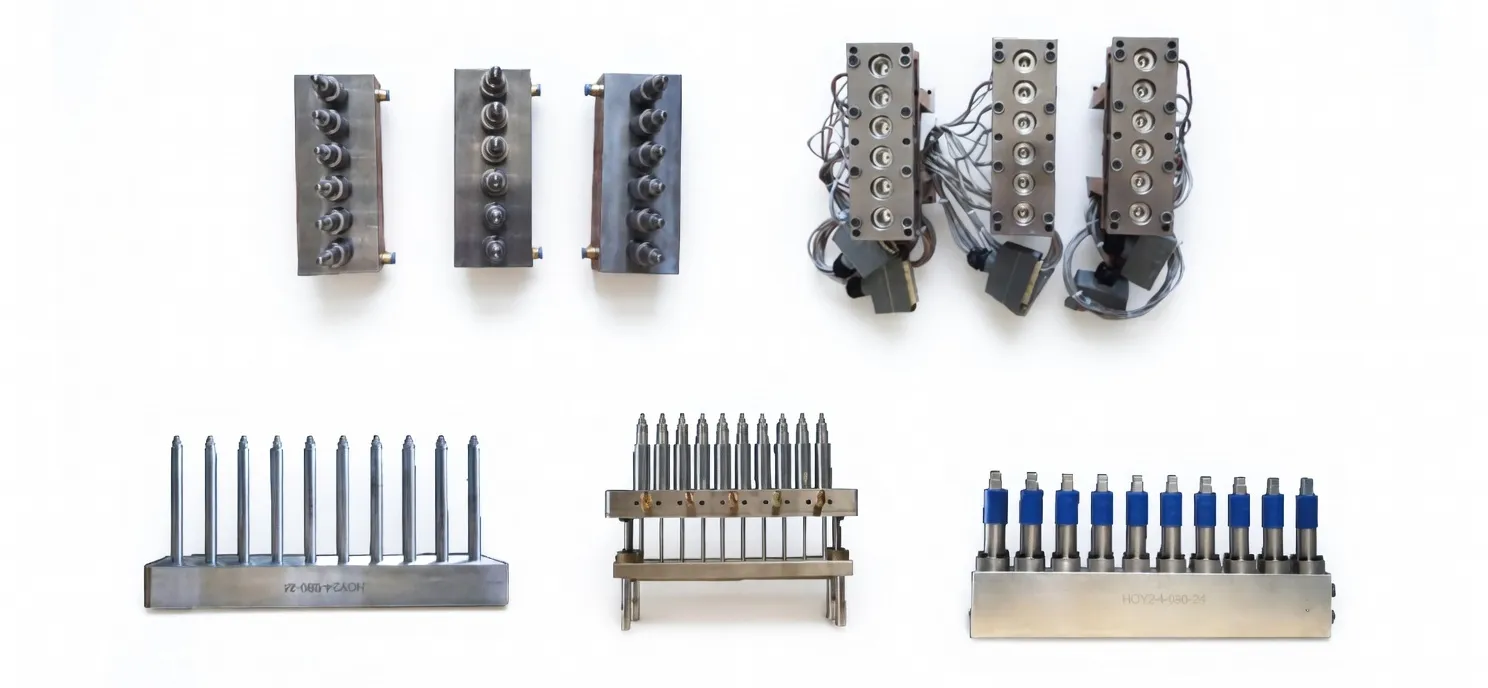
The conditioning station addresses this by inserting precision-machined thermal pins into the preform interior while surrounding the exterior with controlled heating elements. The pins transfer heat from the inside outward, warming the cooler gate region and equalising the gradient across the wall cross-section. Depending on the specific ISBM application, the conditioning station may also apply active cooling to selected zones — most commonly the neck area, where residual heat above the design specification would distort the critical thread geometry. The outcome of this combined internal heating and zone-selective external management is a preform exiting the conditioning station with a temperature uniformity within ±2–3°C across its entire wall — a tolerance that supports the precise stretch-blow behaviour required for premium ISBM bottle quality at any production volume.
“In single-stage ISBM production, the conditioning station is not an optional refinement — it is the mechanism by which molecular orientation quality is determined. A poorly conditioned preform will produce a poorly performing bottle regardless of how precisely the blowing parameters are set.”
— Ever Power Technical Engineering Team
The Science of PET Behaviour and Biaxial Orientation in ISBM Production
To appreciate what temperature conditioning achieves inside a single-stage ISBM machine, it helps to understand how PET (polyethylene terephthalate) — the dominant material processed in ISBM bottle production — behaves thermally and mechanically at the molecular level. PET is a semi-crystalline polymer with a glass transition temperature (Tg) of approximately 76–80°C. Below this threshold, PET is rigid and glassy; attempting to stretch it in this state causes stress whitening, cracking, or catastrophic fracture. Above the Tg, molecular chains gain sufficient mobility for the material to be efficiently stretched and oriented. This transition is the physical foundation upon which the entire ISBM process is built.
The optimal temperature window for PET stretch blowing in a single-stage ISBM machine typically falls between 90°C and 115°C for standard bottle applications — though the precise target depends on the resin grade, molecular weight distribution, the container geometry, and the axial and hoop stretch ratios involved in the specific mould. Within this range, PET stretches readily and undergoes efficient biaxial orientation — the simultaneous molecular alignment in both the axial and circumferential directions that gives ISBM-blown PET bottles their signature combination of optical clarity, tensile strength, gas barrier performance, and impact resistance. Each of these properties has direct commercial significance for UK packaging customers operating in food-grade, pharmaceutical, or premium consumer product markets.
Push the preform wall above approximately 120–125°C, and a different phase transition begins: PET crystallisation. The amorphous, transparent PET transforms into a crystalline, opaque structure that requires dramatically higher blowing forces and produces a bottle with a hazy, milky appearance — commercially unacceptable in virtually every UK packaging market segment. Stay below 85°C in any portion of the preform wall when stretch blowing begins, and that region resists efficient orientation; the resulting bottle wall is non-oriented PET with inferior mechanical performance and elevated residual stress. The conditioning station’s job is to hold every point of the preform wall simultaneously within this relatively narrow thermal window, across every cavity of a multi-cavity ISBM tool, cycle after cycle at production speed. This precision requirement is why the conditioning system engineering receives as much design attention as the injection and blowing systems themselves in a well-engineered single-stage ISBM machine.
76–80°C
PET Glass Transition (Tg)
Below this, PET is rigid and resists orientation — ISBM blowing is not possible
90–115°C
Optimal ISBM Conditioning Window
Ideal zone for efficient biaxial orientation — the target for every ISBM conditioning cycle
>120°C
Crystallisation Threshold
Above this, ISBM bottles become hazy and structurally degraded
Machine Engineering: How Modern ISBM Systems Deliver Conditioning Precision
Translating thermal theory into consistent, high-speed production performance demands engineering solutions that span every subsystem of the single-stage ISBM machine — from the base casting to the control software architecture. Ever Power’s ISBM machines address the conditioning challenge through an integrated design that combines mechanical precision, advanced materials selection, and closed-loop thermal control into a unified system built for the demands of continuous UK industrial production.
The machine base is cast from Meehanite iron — a controlled-density cast iron alloy with superior damping and dimensional stability characteristics — stress-relieved in a controlled thermal cycle and precision-ground on all critical mating surfaces. This foundation ensures that thermal expansion during extended production runs does not create misalignment between the conditioning station and the blow mould station. Even a small positional offset between these stations causes preforms to enter the blow mould off-centre, producing uneven wall distribution in the finished ISBM bottle. The Meehanite base maintains inter-station alignment within micrometre-level tolerances across a full production shift, regardless of the ambient temperature fluctuations common in UK factory environments between winter and summer shift patterns.
The conditioning pins are machined from copper-beryllium or aluminium-bronze alloys, with thermal conductivity values in the range of 110–160 W/m·K — two to four times higher than the 35–50 W/m·K typical of standard P20 tool steel. This elevated conductivity allows each pin to transfer heat rapidly and precisely into the preform interior, minimising dwell time at the conditioning station and keeping the overall ISBM machine cycle time competitive with two-stage alternatives. Each pin operates under independent PID (proportional-integral-derivative) control, giving operators the ability to set discrete temperature targets for the gate zone, the body zone, and the shoulder zone of each cavity independently. This zone-by-zone capability is particularly important when running custom geometries — wide-mouth containers, asymmetric profiles, or bottles with significant axial variation in wall thickness — where a single uniform conditioning temperature cannot optimise all zones simultaneously. The result is an ISBM conditioning system that adapts to the bottle rather than requiring the bottle design to adapt to the machine’s limitations.
Real-time infrared temperature sensors positioned at the conditioning station feed continuous data to the PLC control system, enabling automatic cycle-time adjustment that maintains target conditioning temperatures regardless of ambient conditions or production speed variations. This closed-loop approach distinguishes Ever Power ISBM machines from simpler open-loop competitors and directly underpins the bottle quality consistency that UK customers in regulated industries — food contact, pharmaceutical packaging, premium personal care — require as a baseline specification.
Materials That Make the Difference: ISBM Machine Construction Standards
The precision demanded of a single-stage ISBM machine — particularly for temperature conditioning — means that material selection throughout the machine is an engineering specification, not a cost-reduction exercise. Every component that contacts the preform, transfers heat, or maintains positional accuracy under cyclic thermal and mechanical loading is specified for its functional properties in the continuous-production operating environment of a live ISBM facility.
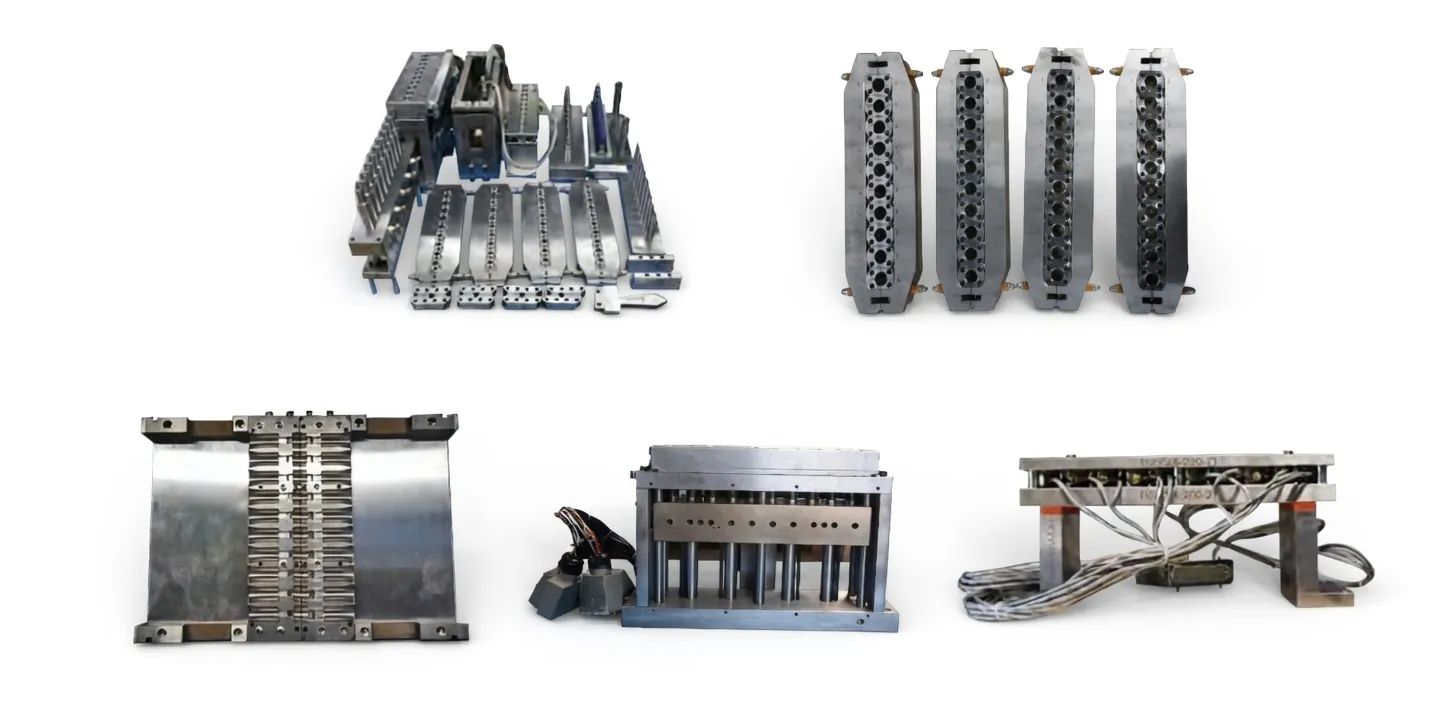
Mould cavities and cores for the injection station are manufactured from H13 hot-work tool steel, vacuum heat-treated to 48–52 HRC hardness, and finished by EDM (electrical discharge machining) to a surface roughness of Ra ≤ 0.4 µm. This surface quality standard is non-negotiable in ISBM production: even microscopic surface imperfections in the preform mould cavity translate into optical defects in the finished bottle that are particularly unacceptable in premium beverage and cosmetics packaging. The mould cooling circuits — embedded within both cavity and core — use precision-bored channels and turbulence-inducing inserts to maximise heat transfer uniformity, reducing the cycle-to-cycle variation in preform temperature that would otherwise undermine conditioning station accuracy further down the ISBM process chain.
The hot runner manifold — the heated distribution system delivering molten PET from the injection barrel to the preform cavities — is constructed from 420-grade stainless steel with independently controlled heating zones and precision-bored flow channels designed to minimise shear heating variation between cavities. Uneven melt distribution through the hot runner leads to cavity-to-cavity variation in preform weight and wall thickness; this variation compounds the conditioning challenge and can make consistent ISBM quality across all cavities extremely difficult to achieve. All fluid-cooling circuits within the ISBM machine are constructed from corrosion-resistant stainless steel tubing, ensuring long service life even under the water quality conditions typical of UK industrial facilities in cities like Coventry and Leeds where mains supply hardness can accelerate scale formation in unprotected circuits.
Technical Specifications: Ever Power HGY Series Single-Stage ISBM Machine
The parameters below cover the standard configuration range of the Ever Power HGY series single-stage ISBM machines. Custom specifications are available for UK customers on request, and Ever Power’s engineering team can configure virtually any parameter combination to match a specific production application.
| Parameter | HGY-2 (2-Cavity) | HGY-4 (4-Cavity) | HGY-6 (6-Cavity) |
|---|---|---|---|
| Bottle Volume Range | 10 ml – 5 L | 10 ml – 2 L | 10 ml – 1 L |
| Max Output (bottles/hr) | 1,800 – 2,400 | 3,600 – 4,800 | 5,400 – 6,600 |
| Conditioning Temp Range | 60°C – 140°C | 60°C – 140°C | 60°C – 140°C |
| Temp Control Accuracy | ±1.5°C per zone | ±1.5°C per zone | ±1.5°C per zone |
| Conditioning Zones / Cavity | 3 independent zones | 3 independent zones | 3 independent zones |
| Injection Clamping Force | 1,200 kN | 2,000 kN | 2,800 kN |
| Blowing Pressure Range | 1 – 40 bar | 1 – 40 bar | 1 – 40 bar |
| Material Compatibility | PET, PETG, PP, rPET | PET, PETG, PP, rPET | PET, PETG, PP, rPET |
| Conditioning Pin Material | Cu-Be / Al-Bronze | Cu-Be / Al-Bronze | Cu-Be / Al-Bronze |
| Pin Thermal Conductivity | 110 – 160 W/m·K | 110 – 160 W/m·K | 110 – 160 W/m·K |
| Mould Steel Grade | H13 / P20 | H13 / P20 | H13 / P20 |
| Mould Hardness (HRC) | 48 – 52 HRC | 48 – 52 HRC | 48 – 52 HRC |
| Machine Base Material | Meehanite Cast Iron | Meehanite Cast Iron | Meehanite Cast Iron |
| Electrical Supply (UK) | 400 V / 50 Hz / 3-phase | 400 V / 50 Hz / 3-phase | 400 V / 50 Hz / 3-phase |
| Compliance / Approvals | CE / ISO 9001 | CE / ISO 9001 | CE / ISO 9001 |
| UK Delivery Lead Time | ~90 days | 100 – 110 days | 110 – 120 days |
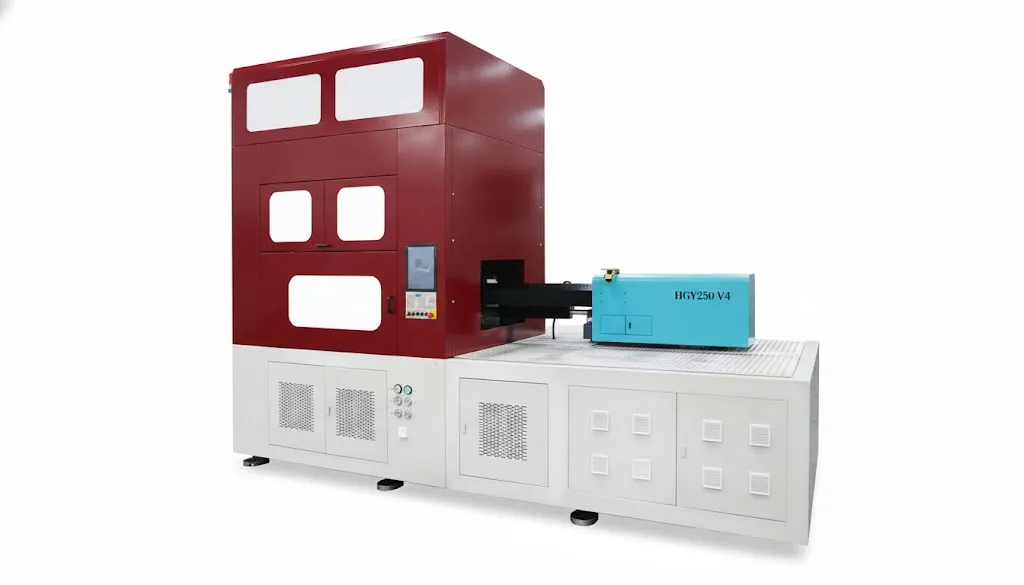
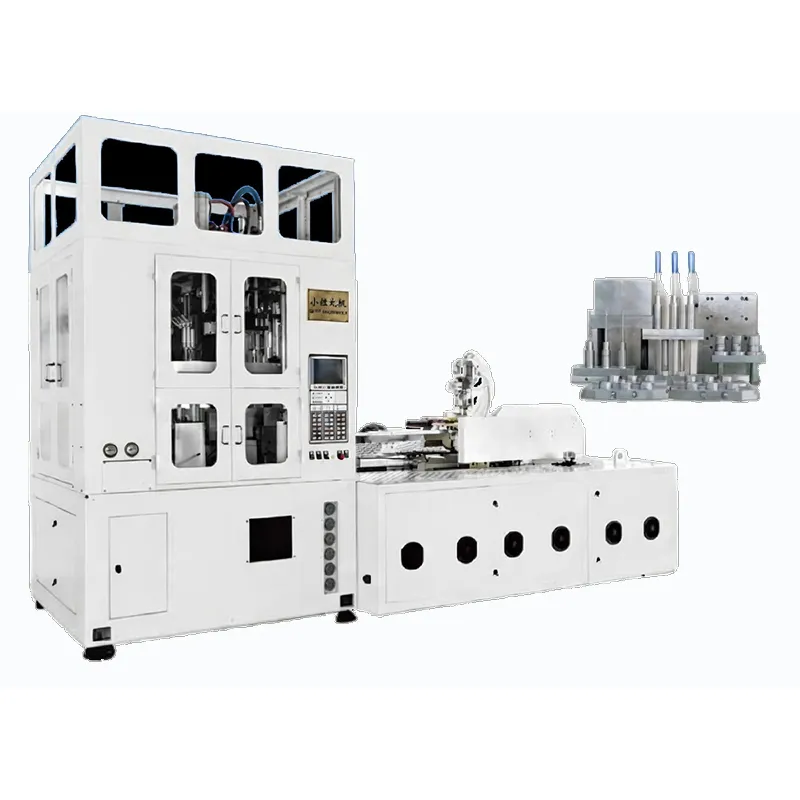
Ever Power HGY250-V4 ISBM Machine
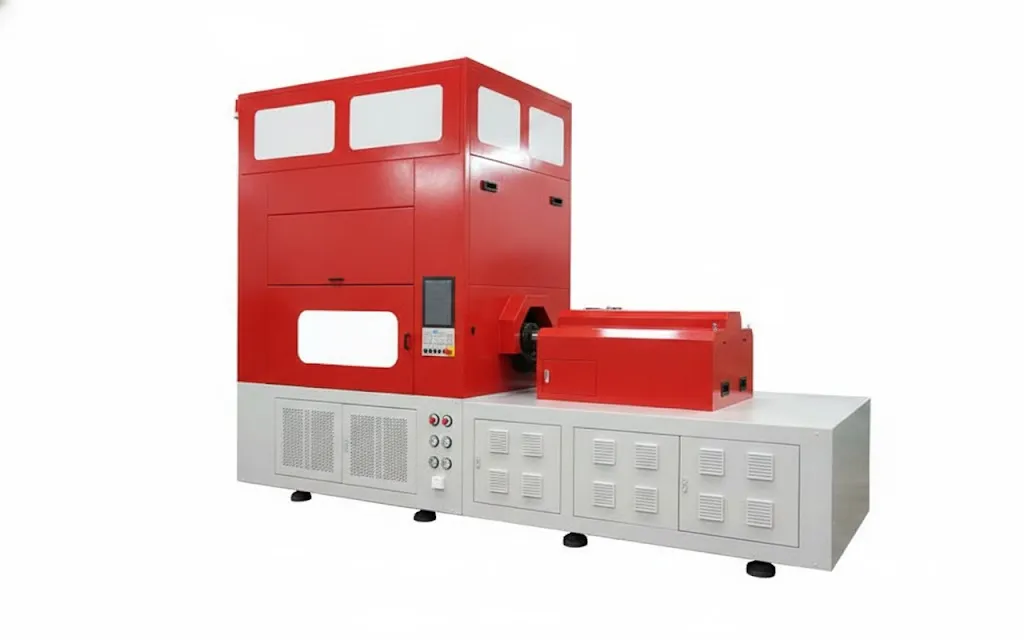
HGY250-V4 — Side Configuration View
Customer Success Story: Leeds-Based Premium Packaging Manufacturer
Client: Premium personal care packaging manufacturer, Leeds, West Yorkshire | Sector: Cosmetics & Personal Care | ISBM Machine: Ever Power HGY-4, 4-Cavity
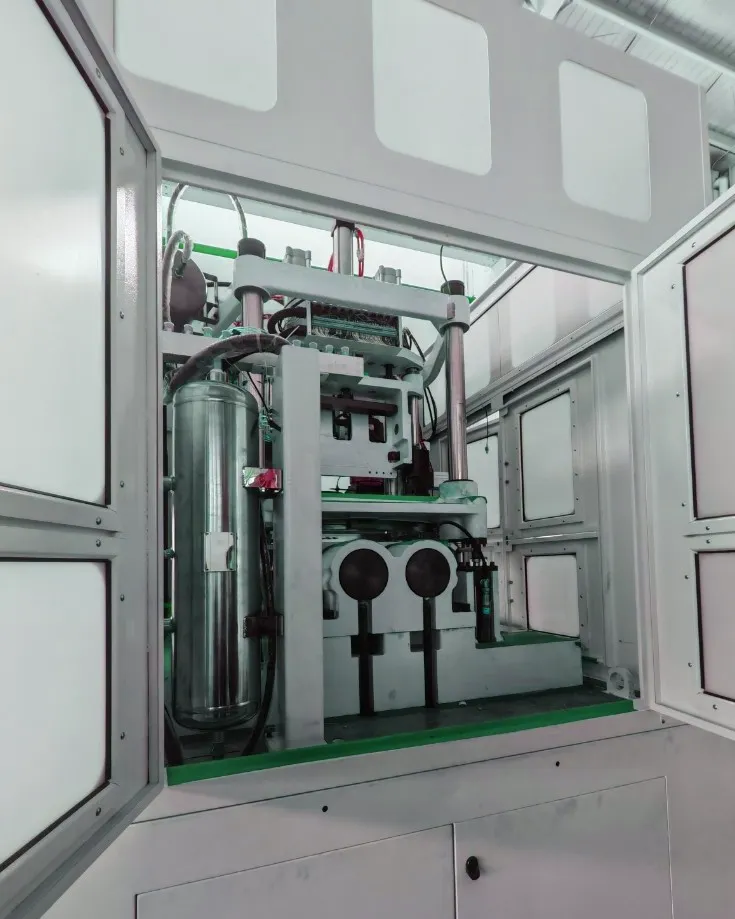 A Leeds-based specialist in premium personal care packaging faced a production challenge that many mid-market UK manufacturers will recognise: rapidly growing demand for premium-quality bottles in increasingly short batch runs, combined with pressure to reduce per-unit costs and cut the facility’s energy consumption — without compromising the exacting optical and dimensional quality standards their retail and luxury brand customers expected as a non-negotiable baseline.
Operating two ageing two-stage blow moulding lines, the company carried significant energy overhead from the reheating systems, maintained a preform inventory in excess of 250,000 units at any given time, and accepted reject rates averaging 1.8–2.1% — largely driven by reheating variability and mechanical handling damage during preform transfer. After a structured evaluation process involving three ISBM machine manufacturers, the company selected Ever Power to design and supply a customised four-cavity HGY-4 single-stage ISBM machine configured for their core product range: bottles from 50 ml to 500 ml in standard and lightweight cosmetic PET grades.
The project included a fully custom preform design exercise to optimise the conditioning station layout for the customer’s specific bottle range, with particular attention to achieving consistent wall thickness in a 200 ml wide-mouth format that had been a persistent quality issue on the two-stage process. Ever Power’s engineering team conducted thermal simulation of the conditioning stage prior to manufacture, allowing preform geometry and conditioning pin specification to be finalised before any tooling was cut. This eliminated costly trial-and-error during commissioning and compressed the overall project timeline by approximately three weeks compared to the initial schedule.
Eight months after machine installation and commissioning, the results were transformative. Energy consumption per thousand bottles dropped by 37%, delivering annual savings of approximately £58,000 at the facility’s contracted tariff rate. Reject rates during steady-state ISBM production fell to below 0.4% — a reduction of more than 78% from the two-stage baseline. The elimination of the preform buffer stock freed approximately 180 m² of floor space, subsequently repurposed for added-value secondary packaging operations. The conditioning station’s independent zone control — configured to Ever Power’s specification for the wide-mouth 200 ml format — was directly credited by the production manager for enabling consistent ISBM bottle quality across both narrow-neck and wide-mouth formats in the product range without requiring intensive parameter changes between product changeovers.
What UK Customers Say About Ever Power ISBM Machines
★★★★★
“The temperature conditioning system on our Ever Power HGY-4 is in a genuinely different class from anything we ran on our previous two-stage line. The zone-independent control means we can dial in the right conditioning profile for each bottle format without resetting the entire process — a massive time saving on changeovers. Bottle clarity is exceptional, and our brand customers have noticed the improvement on shelf.”
— Production Director, Premium Cosmetics Packaging, Leeds
★★★★★
“We supply into pharmaceutical secondary packaging and our ISBM quality approval process is stringent. Ever Power’s technical team worked with us from preform design through to GMP documentation — they understand what UK pharmaceutical customers require, not just the machinery. Our single-stage ISBM machine has now run for 14 months with zero quality-related customer rejections. That record speaks for itself.”
— Quality Manager, Pharmaceutical Packaging Supplier, Cheshire
★★★★★
“The Ever Power ISBM machine at our Birmingham site arrived on schedule, was commissioned faster than the quoted timeline, and has delivered reject rates below 0.3% since the second month of production. The energy savings alone — we calculated around 35% per thousand bottles against our previous process — have already moved the payback analysis well ahead of our initial projections. Their aftersales support is responsive and genuinely knowledgeable every time we’ve needed it.”
— Operations Manager, Beverage Packaging Manufacturer, Birmingham
Frequently Asked Questions About Single-Stage ISBM Machines
How does temperature conditioning in a single-stage ISBM machine directly affect the optical clarity of the PET bottles it produces?
Temperature conditioning determines the uniformity of biaxial orientation achieved during stretch blowing. When every region of the preform wall reaches the optimal 90–115°C window before blowing, PET molecular chains orient consistently in both directions, scattering light minimally and producing a bottle with exceptional clarity. Poorly conditioned preforms have zones of reduced or non-uniform orientation that create haze, stress whitening, or visible streaking — all of which are commercially unacceptable in UK premium packaging markets and directly traceable to conditioning deficiencies in the ISBM process.
What is the approximate price range for a four-cavity single-stage ISBM machine suitable for a UK packaging manufacturer?
ISBM machine pricing varies significantly based on cavity count, bottle size range, material specification, and custom features. For a four-cavity single-stage ISBM machine at the HGY-4 specification level — including UK-spec electrical systems, CE compliance, and commissioning support — indicative pricing typically falls in a range that reflects the precision engineering involved. For an accurate, application-specific quote, contacting Ever Power directly at [email protected] is the most efficient route; the team can turn around a detailed proposal within 48 hours of receiving your bottle specification and production volume requirements.
Which single-stage ISBM machine suppliers serving UK industrial customers offer genuine custom configurations with full commissioning and after-sales support?
Ever Power is an ISBM machine manufacturer that offers full customisation — not just off-the-shelf models — and backs UK supply with on-site commissioning, operator training, and ongoing technical support familiar with UK production environments and regulatory standards. When evaluating ISBM machine suppliers, UK buyers should ask specifically about conditioning station zone control capability, UK electrical compliance, GMP documentation support if applicable, and post-installation response times. These criteria distinguish a genuine long-term manufacturing partner from a transactional equipment supplier.
How much energy does a single-stage ISBM machine actually save compared to a two-stage reheat blow moulding system at a UK production facility?
Independent energy audits at UK ISBM production sites consistently show savings in the range of 30–45% per thousand bottles produced, compared to equivalent two-stage reheat systems running on the same resin and bottle format. The saving comes from the conditioning stage requiring only incremental heat input to equalise the preform temperature profile — rather than the full reheating from ambient temperature that a reheat tunnel must deliver. At current UK industrial electricity rates, this typically equates to several tens of thousands of pounds per year for a production facility running a 4-cavity ISBM machine on a two-shift pattern.
Where can manufacturers in Birmingham or Sheffield get a competitive quote for a custom single-stage ISBM machine with UK-standard specifications?
Manufacturers in Birmingham, Sheffield, and across the UK can contact Ever Power directly at [email protected] to initiate a quotation. The process begins with a brief technical exchange covering bottle specification, production volume, material grade, and any site-specific requirements. A detailed ISBM machine proposal — including UK electrical specification, CE compliance details, conditioning station configuration, and indicative pricing — is typically provided within 48 hours. On-site technical visits to UK facilities can be arranged for projects above a certain scale.
When is the right time for a UK beverage or cosmetics packaging manufacturer to upgrade from two-stage to single-stage ISBM production?
The business case for upgrading to single-stage ISBM typically becomes compelling when any combination of the following applies: reject rates on the current process exceed 1%, energy costs are a significant share of per-unit production cost, floor space is constrained by preform storage, new product development is limited by the constraints of the existing two-stage process, or customer quality specifications have tightened beyond what the current process can reliably meet. For UK manufacturers facing regulatory changes, sustainability reporting requirements, or brand customer pressure on packaging quality, the transition to single-stage ISBM production addresses multiple challenges simultaneously.
What bottle sizes and shapes can be produced on an Ever Power four-cavity single-stage ISBM machine?
The HGY-4 single-stage ISBM machine handles bottle volumes from 10 ml to 2 litres within a standard configuration, covering the vast majority of applications in UK food, beverage, personal care, and pharmaceutical packaging. Bottle shapes include standard round, oval, and square cross-sections, wide-mouth formats, bottles with integral handles, containers with pronounced shoulder features, and asymmetric designs. The conditioning station’s zone-independent control is specifically what enables this design range — each bottle geometry can have its own conditioning programme stored and recalled by the ISBM machine’s PLC.
How long does it typically take to receive and commission a custom single-stage ISBM machine at a production facility in the UK?
For a standard configuration Ever Power ISBM machine, the lead time from confirmed order to UK delivery is approximately 90 days for a 2-cavity unit and 100–120 days for a 4- or 6-cavity configuration. Following delivery, on-site installation and commissioning typically takes 5–10 working days depending on site readiness, the complexity of the mould tooling, and the number of product formats being qualified. Operator training is included in the commissioning process. Total project timeline from order to first production approval is typically 100–135 days, making site preparation planning during the manufacturing lead time important for minimising the gap between machine delivery and production start.
Who should UK food and pharmaceutical manufacturers contact to find out more about ISBM machine cost and supplier qualification?
UK manufacturers in food, beverage, pharmaceutical, and personal care sectors evaluating ISBM machine suppliers should initiate contact with Ever Power’s technical sales team at [email protected]. The team can provide full supplier qualification documentation including ISO 9001 certification, CE declaration of conformity, relevant test reports, reference customer contacts, and, for pharmaceutical applications, a site master file supporting GMP qualification. Ever Power’s track record with UK-based customers across multiple industries provides a practical basis for supplier qualification.