Precision Packaging Equipment
Injection-Blow Molding Machine for Perfume and High-End Fragrance Packaging
Engineered for UK manufacturers who demand optical clarity, uniform wall thickness and impact-resistant PETG or PC containers that rival glass while cutting logistics risk and production cost.
PETG / PC Containers
UK Industrial Supply
Updated July 2026 · 12 min read
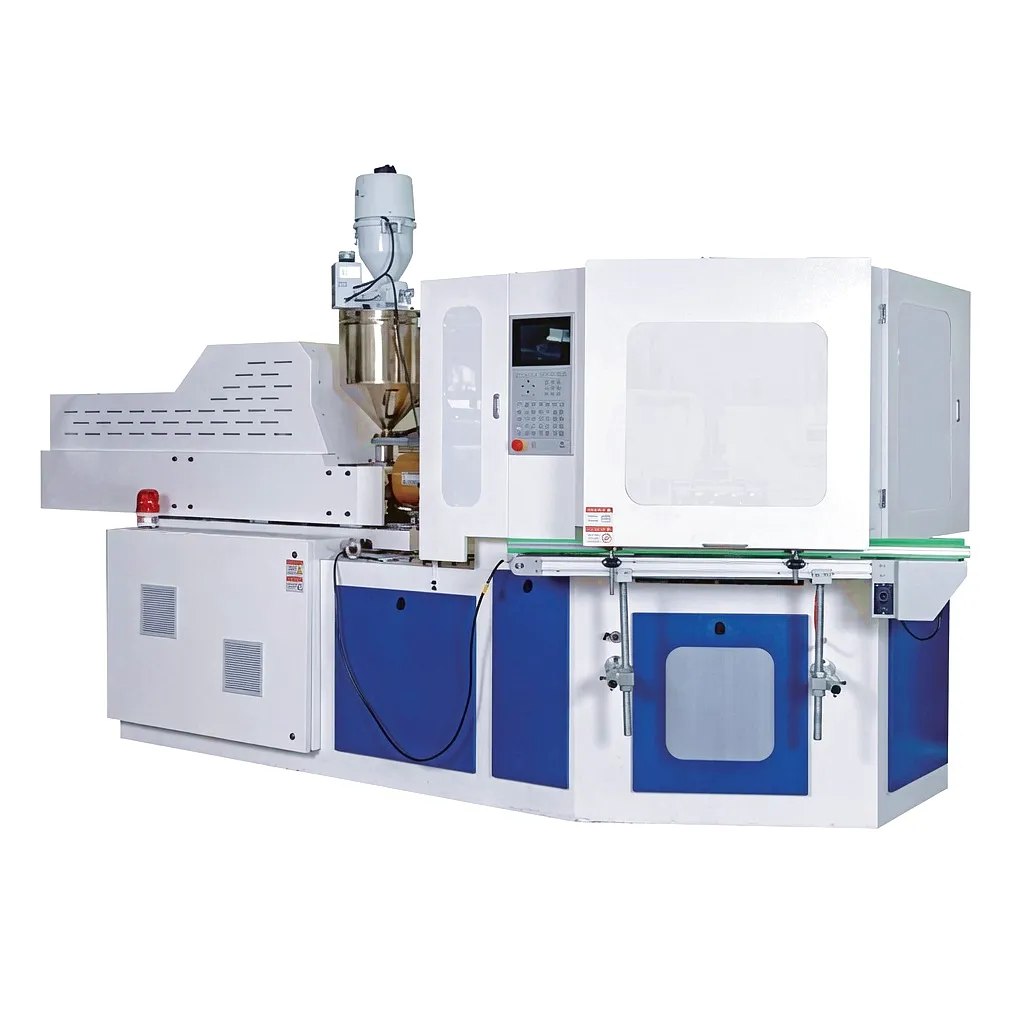
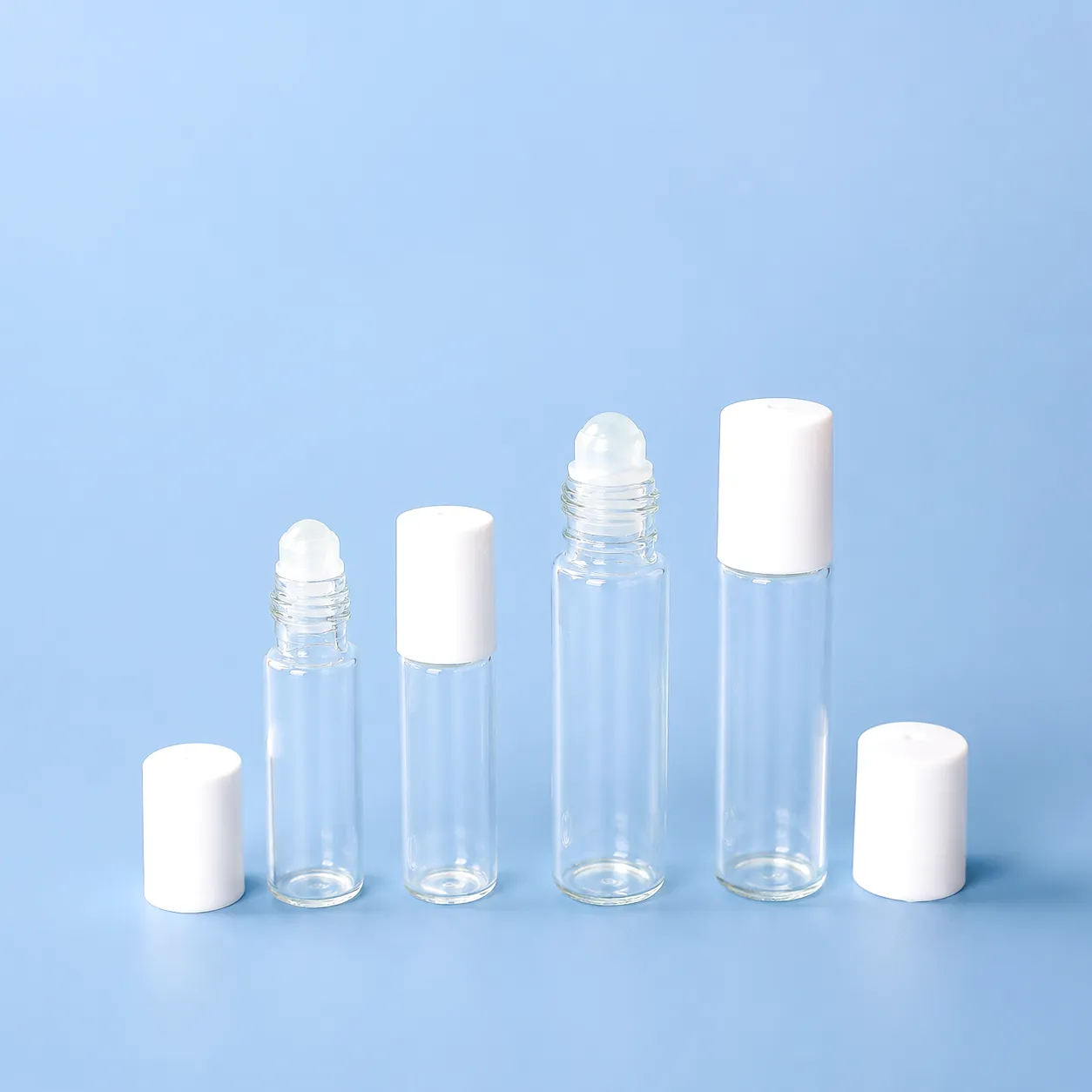
Across Birmingham’s packaging clusters and Sheffield’s precision engineering corridors, UK fragrance houses and contract fillers face mounting pressure to replace fragile glass with high-clarity polymer bottles that survive automated filling lines and e-commerce distribution. The injection-blow molding machine has become the preferred platform for producing PETG perfume bottles from 30 ml to 200 ml, cologne containers, body spray bottles of 100–250 ml, travel minis of 5–15 ml and roller-ball fragrance packs. Unlike traditional extrusion-blow routes, the process begins with an injected preform that already carries the finished neck finish and precise thread geometry, then stretches and blows the body in a single continuous cycle. This eliminates secondary finishing steps, reduces scrap rates and delivers the zero-defect optical quality demanded by premium perfume brands. Ever Power’s range of injection-blow molding machines is purpose-built for these exact requirements, combining servo-driven injection units, multi-cavity blow stations and closed-loop process control that keeps wall-thickness variation inside ±0.05 mm.
British manufacturers operating near the Midlands logistics hub value equipment that arrives fully tested, ships within standard UK freight windows and can be commissioned by engineers familiar with local electrical and safety standards. The same machines also serve personal-care and pharmaceutical packaging lines that share the need for tight dimensional control and high surface gloss. Whether the output is a 50 ml eau-de-parfum bottle destined for a London boutique or a 150 ml body mist headed for high-street retailers, the injection-blow molding machine delivers consistent geometry, reduced material usage and faster change-over times than older single-stage systems.
How the Injection-Blow Molding Machine Works
The operating sequence of an injection-blow molding machine begins with plasticising a measured shot of PETG or polycarbonate in a reciprocating-screw extruder. The melt is injected under high pressure into a multi-cavity preform mould mounted on a rotating table or shuttle. Each preform already incorporates the finished neck finish, including threads, sealing surfaces and any undercuts required for pumps or sprayers. After a short cooling dwell, the table indexes the preforms into the blow station. Here heated stretch rods and compressed air expand the still-warm preform against the cavity walls of the blow mould, creating the final bottle shape. Because the neck is already solid and dimensionally locked, the process avoids the post-blow trimming and neck-finishing operations typical of extrusion-blow lines. Cycle times for a 50 ml perfume bottle commonly range between 12 and 18 seconds depending on cavity count and material, allowing a four-cavity machine to produce more than 800 units per hour while holding weight variation below 0.3 %. Servo-electric drive systems on modern injection-blow molding machines further reduce energy consumption and enable precise control of injection speed, hold pressure and blow pressure profiles, which is essential when running heat-sensitive PETG grades that demand optical clarity comparable to glass.
STEP 01
Preform Injection
Melt is injected into multi-cavity preform moulds, forming the precise neck finish and body preform in one shot.
STEP 02
Index & Condition
Rotary table or shuttle moves preforms to the blow station while residual heat is equalised for uniform stretching.
STEP 03
Stretch-Blow
Stretch rods and high-pressure air expand the preform into the final bottle geometry with controlled wall thickness.
STEP 04
Eject & Inspect
Finished bottles are ejected, cooled and transferred to downstream inspection or packaging conveyors.
Core Materials Used in Injection-Blow Molding Machines
Machine frames are fabricated from high-grade structural steel plate, stress-relieved and precision-machined to maintain alignment under continuous thermal cycling. Tie bars and platens use induction-hardened alloy steel to resist wear from repeated clamping forces that can exceed 60 tonnes on larger models. The injection unit screw and barrel are manufactured from bimetallic nitrided steel or tungsten-carbide coated alloys to withstand the abrasive and mildly corrosive nature of PETG and polycarbonate melts. Blow-mould cavities are cut from hardened tool steel or stainless grades with polished surfaces that achieve optical finishes better than Ra 0.05 µm, essential for perfume bottles that must look identical to glass. Heating bands, thermocouples and ceramic insulation packages are selected for rapid response and long service life in the UK’s variable ambient conditions found in older industrial estates around Birmingham and Manchester. Hydraulic or hybrid power packs employ high-efficiency pumps and proportional valves rated for continuous duty, while servo-electric versions replace most oil circuits with ball-screw actuators that reduce maintenance intervals and eliminate the risk of oil contamination near fragrance filling lines.
Sealing surfaces on the preform moulds rely on high-temperature elastomers and metal-to-metal contact zones designed for thousands of cycles without leakage. Cooling circuits inside both preform and blow moulds are gun-drilled or conformally channelled to extract heat evenly, preventing residual stress that could cause later warpage or haze. All electrical cabinets meet UK and CE safety requirements, using IP54 enclosures and components rated for the dusty environments typical of packaging halls. The combination of these materials ensures that an injection-blow molding machine running three-shift production of fragrance containers can maintain dimensional stability and optical quality for years with only scheduled preventive maintenance.
Product Advantages of Modern Injection-Blow Molding Machines
01
Optical Clarity Matching Glass
Polished cavities and controlled cooling produce PETG bottles with haze levels below 1 %, satisfying luxury fragrance brand standards without secondary polishing.
02
Uniform Wall Thickness
Stretch-blow control keeps thickness variation inside ±0.05 mm, reducing material use by up to 12 % compared with extrusion-blow while improving drop resistance.
03
Finished Neck in One Step
Injected preforms already carry precise threads and sealing faces, eliminating secondary neck finishing and reducing labour cost on UK production lines.
04
Fast Colour and Format Change
Quick-change mould packages and recipe-driven controls allow a typical 30-minute swap between 50 ml and 100 ml perfume formats, supporting short runs common in UK contract packing.
05
Lower Energy per Bottle
Servo-electric drives and optimised heating zones cut specific energy consumption by 25–35 % versus older hydraulic injection-blow molding machines still operating in some UK plants.
06
Impact Resistance Over Glass
PETG and PC containers survive warehouse handling and last-mile delivery far better than glass, reducing breakage claims for fragrance brands shipping across the UK and Europe.
Technical Specification Table
| Parameter | ZQ40 Series | ZQ60 Series | Unit |
|---|---|---|---|
| Clamping Force | 400 | 650 | kN |
| Max Shot Weight (PETG) | 80 | 160 | g |
| Cavity Options | 1–6 | 1–8 | — |
| Typical Cycle Time (50 ml) | 14–18 | 12–16 | s |
| Screw Diameter | 35 | 45 | mm |
| Max Opening Stroke | 320 | 420 | mm |
| Drive Type | Hybrid / Servo | Servo-Electric | — |
| Frame Material | Stress-relieved steel | Stress-relieved steel | — |
| Power Supply | 380–415 V 50 Hz | 380–415 V 50 Hz | — |
Industrial Application Scenarios for Perfume and Fragrance Packaging
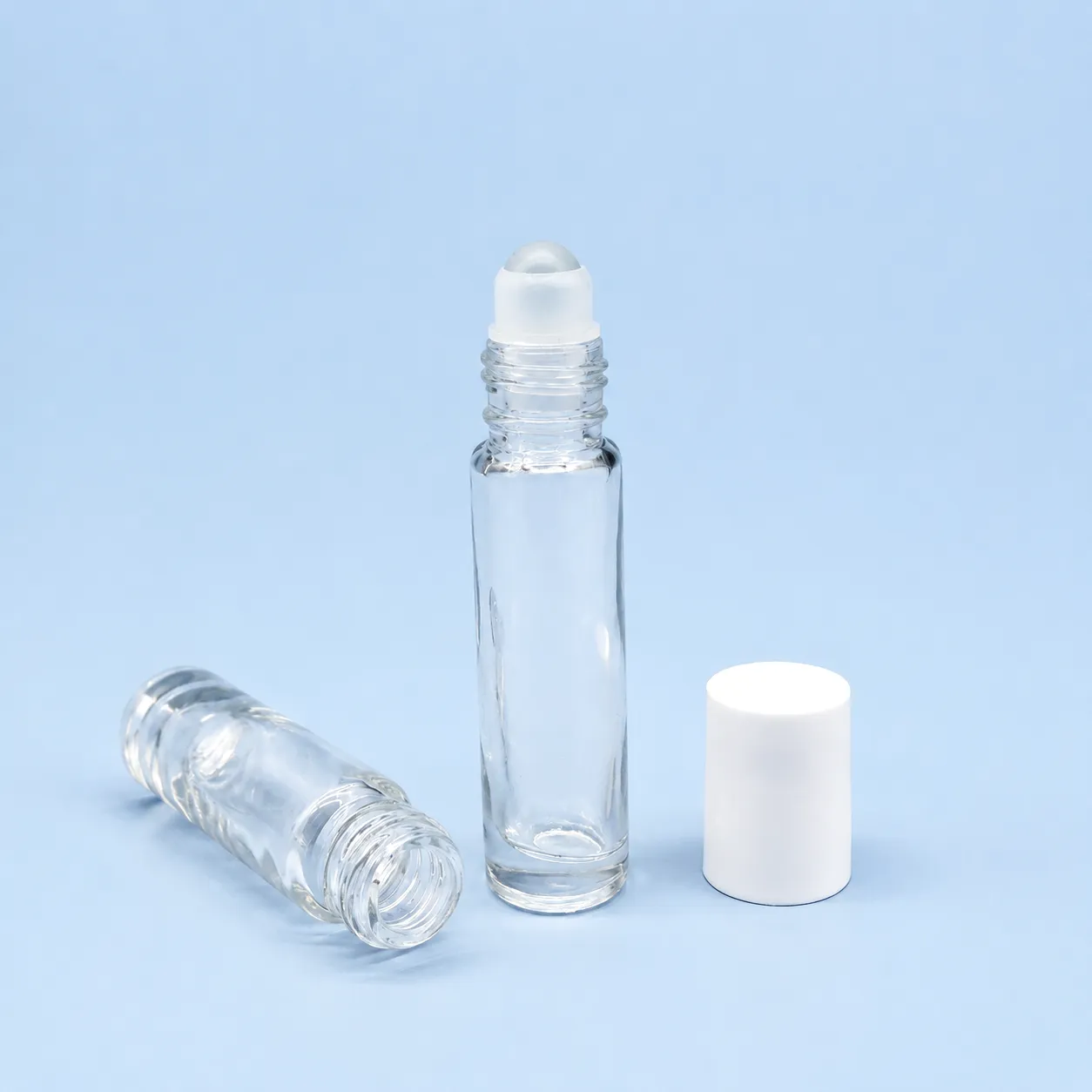
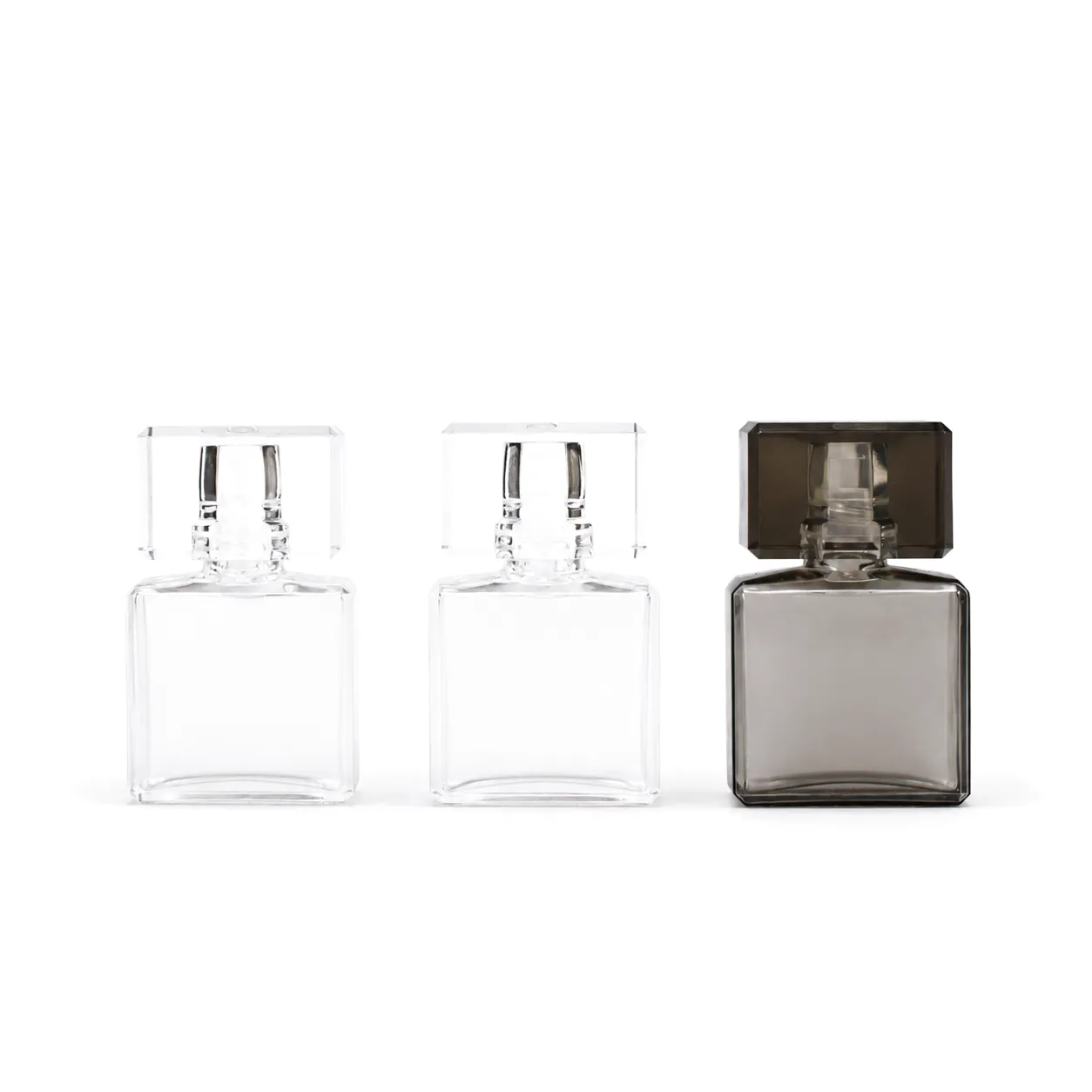
In the perfume and high-end fragrance sector, the injection-blow molding machine has moved from experimental tool to mainstream production platform. Luxury houses that once insisted on glass now accept PETG and polycarbonate containers because the process delivers the same optical depth, precise weight distribution and flawless surface that brand guidelines demand. A typical UK contract packer located near Birmingham or the North-West can run 30 ml to 200 ml eau-de-parfum bottles, 100–250 ml body sprays, 5–15 ml travel minis and roller-ball fragrance packs on the same machine by swapping cavity sets. The injected neck finish accepts standard crimp pumps, screw closures and spray valves without secondary machining, which shortens lead times for seasonal fragrance launches that dominate the UK retail calendar. Because wall thickness is tightly controlled, the bottles resist stress cracking when filled with alcohol-based formulations and survive the drop tests required by major high-street retailers. The same equipment is also used for cologne containers that need slightly thicker walls for a heavier hand-feel, demonstrating the flexibility of modern injection-blow molding machines across the full fragrance spectrum.
Beyond pure perfume, the technology serves personal-care and limited-edition gift sets that combine fragrance with body lotion or shower gel. UK manufacturers supplying both domestic and export markets appreciate the reduced breakage rates compared with glass, especially when containers travel through parcel networks or are displayed on open shelves. The ability to produce clear, coloured or lightly frosted finishes in a single cycle further expands design freedom without the cost of secondary decoration. For brands that still require a glass-like weight perception, heavier base designs can be engineered into the blow mould while keeping overall material usage lower than traditional thick-wall glass. These application advantages explain why an increasing number of British fragrance fillers and OEM packaging specialists are specifying injection-blow molding machines as the core of new production cells.
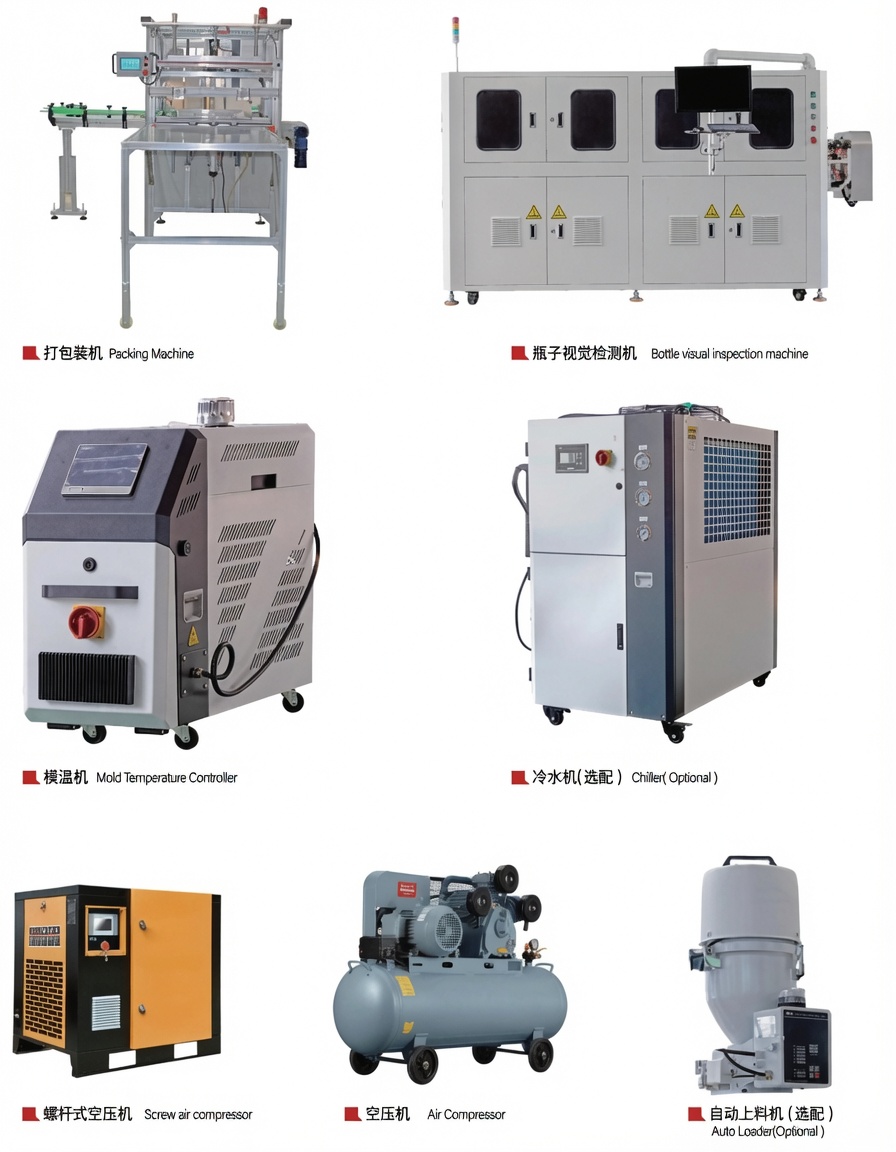
Sheffield-based engineering firms that supply tooling and automation to the packaging industry also benefit from the standardised interfaces of these machines, allowing rapid integration of in-line leak testers, vision systems and robotic palletising. The result is a complete production cell that can be commissioned within a few weeks of delivery, supporting the fast-moving product cycles typical of the UK fragrance market.
Ever Power Manufacturing Capability and Customisation
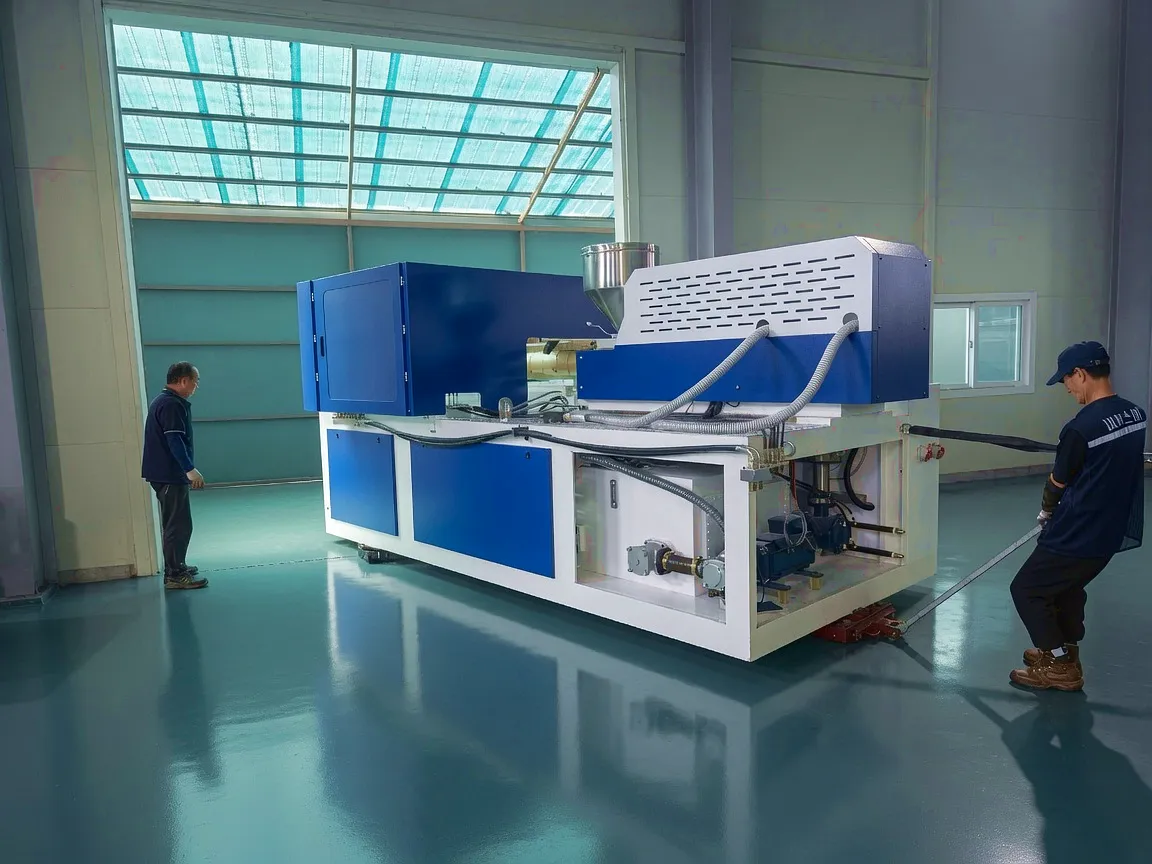
Ever Power operates a vertically integrated manufacturing facility dedicated to injection-blow molding machines and related packaging equipment. From plate cutting and stress-relieving through CNC machining of platens, screw manufacture and final assembly, every critical component is produced under one roof. This control over the supply chain allows the company to offer extensive customisation: cavity counts tailored to specific bottle volumes, hybrid or full-servo drive packages, special neck-finish geometries for proprietary pumps, and integration interfaces for UK-standard safety and control systems. Process engineers work directly with customers to optimise shot size, cooling layout and blow-pressure profiles for PETG, PC or specialised copolymers. Quality gates include laser tracking of platen parallelism, ultrasonic inspection of welds and full dry-cycle testing before shipment. Spare-parts inventories are maintained for rapid response to UK sites, and remote diagnostic links can be activated so that technicians in Birmingham or Manchester receive support within hours rather than days. The same manufacturing discipline that produces the ZQ40 and ZQ60 series also supports special projects such as multi-layer or barrier-capable variants when fragrance formulations require additional oxygen or aroma protection.
Because every machine is built to order, lead times remain competitive even for non-standard configurations. Customers receive detailed documentation packages that satisfy UK insurance and regulatory requirements, together with operator training that can be delivered on-site or at the factory. This combination of precision manufacturing, flexible customisation and reliable after-sales support has made Ever Power a preferred partner for British packaging companies seeking to upgrade from older hydraulic systems or expand capacity for growing fragrance lines.
Customer Success Story – Midlands Fragrance Packer
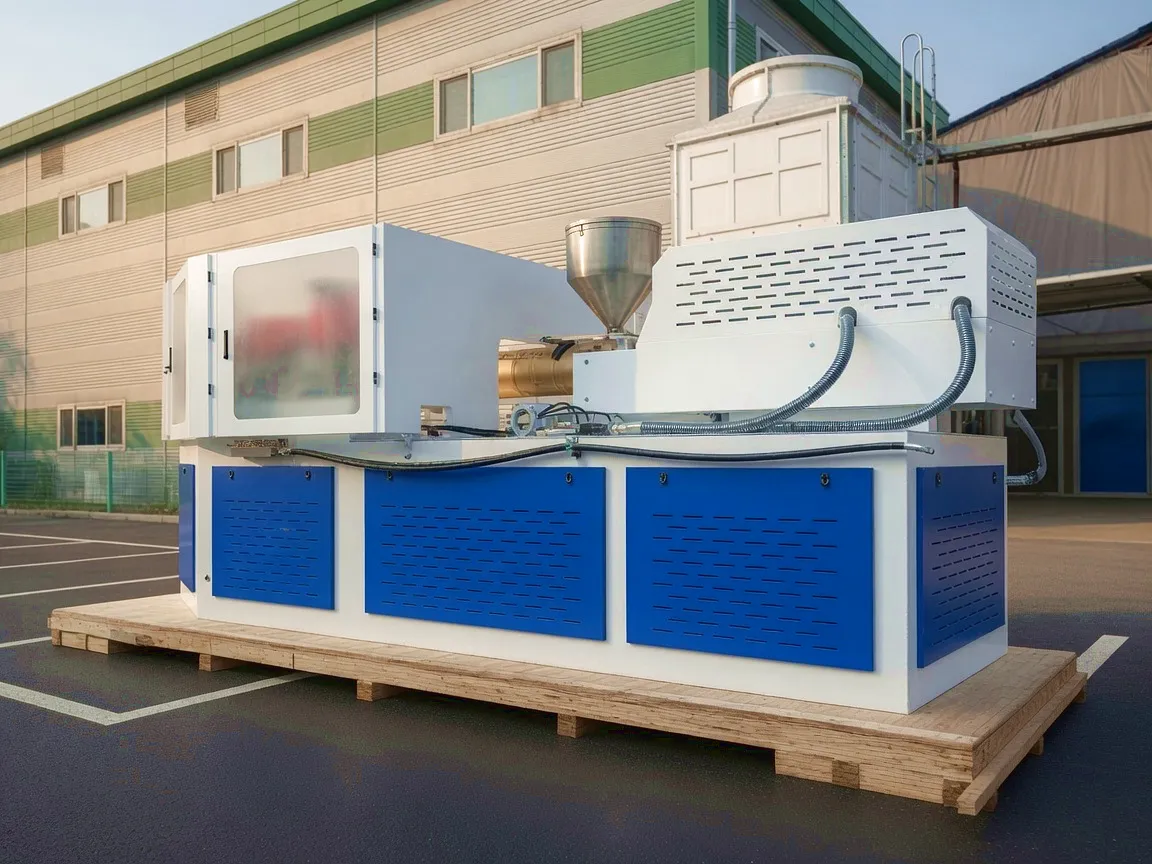
A contract packaging company based in the Birmingham area specialising in prestige fragrance and body-care products faced rising breakage rates and high glass freight costs on its 50 ml and 100 ml perfume lines. Existing extrusion-blow equipment could not hold the neck-finish tolerances required by the brand’s preferred spray pumps, forcing an expensive secondary machining step. After a technical audit, the firm selected an Ever Power ZQ60 injection-blow molding machine configured for six-cavity production of PETG bottles. The machine was delivered, installed and commissioned within the agreed window, with local electrical compliance verified by UK engineers. Within the first three months the line achieved a sustained output of 920 bottles per hour at a reject rate below 0.4 %. Wall-thickness variation stayed inside the ±0.05 mm specification, eliminating stress-cracking issues previously seen with alcohol-based formulations. Material usage dropped by 11 % compared with the earlier process, and the removal of the secondary neck-finishing station freed floor space for an additional filling line. The customer also reported a measurable reduction in warehouse damage claims once the lighter, impact-resistant PETG bottles replaced glass for the same SKUs. The project demonstrated that a well-specified injection-blow molding machine can deliver both quality and cost improvements for UK fragrance packers operating under tight retail lead times.
Customer Reviews
★★★★★
“The ZQ60 has given us consistent optical quality on our 50 ml PETG perfume bottles that our brand partners accept without secondary polishing. Cycle times are stable and the servo package keeps energy use low.”
— Production Manager, OEM Manufacturer from Midlands UK
★★★★★
“Ever Power’s customisation of the neck finish saved us an entire secondary operation. Support response from their UK contacts has been quick whenever we needed process advice.”
— Technical Director, Contract Packer, North-West England
★★★★★
“We run both 30 ml travel sizes and 150 ml body sprays on the same machine. Change-over is straightforward and the wall-thickness control has cut our material cost noticeably.”
— Operations Lead, Fragrance Packaging Specialist, Sheffield area
Featured Injection-Blow Molding Machine Models
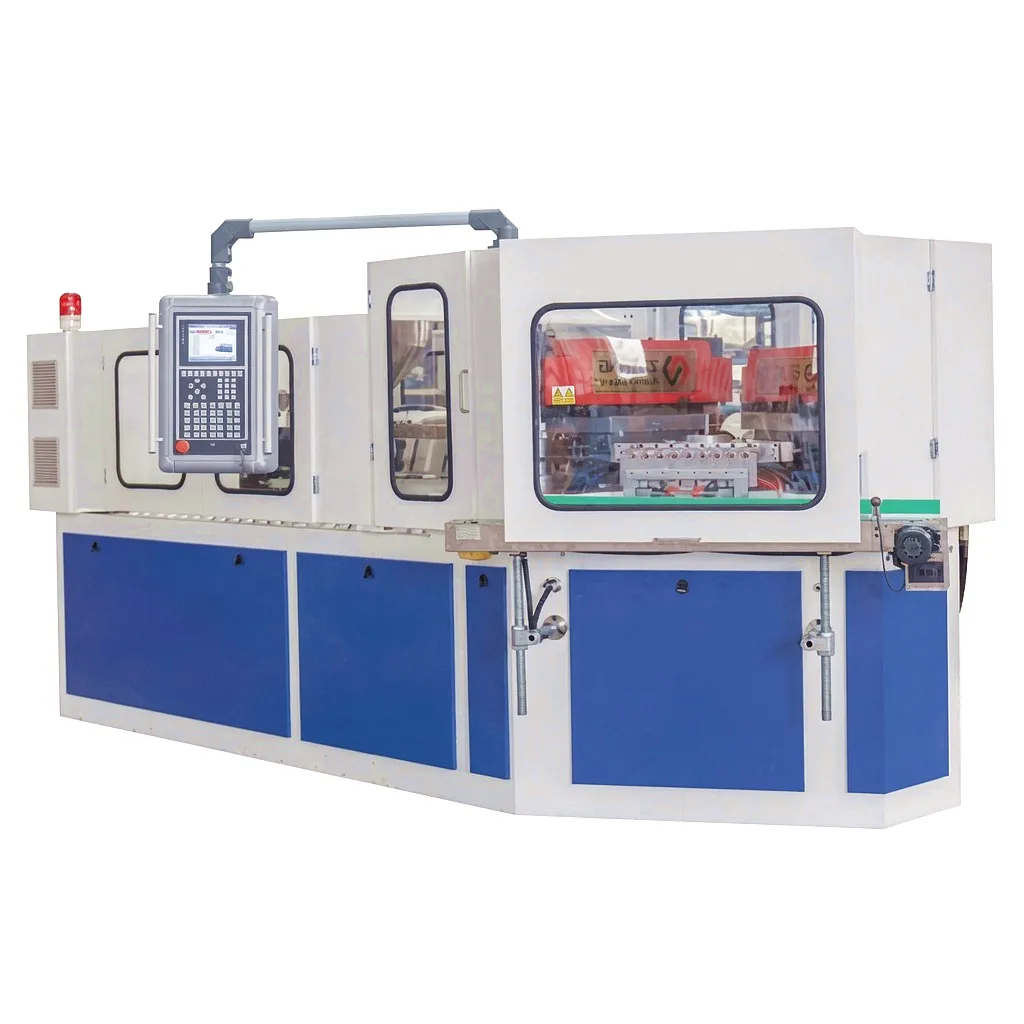
Replacement of SUMA 65iB Injection Blow Molding Machine – ZQ60
Higher-cavity servo-electric platform ideal for 50–200 ml perfume and body-spray bottles, offering 650 kN clamp and rapid format change for UK contract packers.
Replacement of SUMA 40ib Injection Blow Molding Machine – ZQ40
Compact hybrid model suited to 5–100 ml travel sizes and roller-ball packs, delivering precise neck finishes and lower energy use for smaller UK production cells.
Frequently Asked Questions
How much does an injection-blow molding machine cost for a UK perfume packaging line?
Pricing depends on cavity count, drive type and custom neck finishes. A typical ZQ40 or ZQ60 configuration for fragrance bottles falls in a range that most Midlands contract packers find recoverable within 18–24 months through material savings and reduced secondary operations. Request a detailed quote for an accurate figure matched to your volumes.
What is the typical lead time for an Ever Power injection-blow molding machine delivered to Birmingham?
Standard configurations ship in 10–14 weeks from order confirmation. Custom cavity sets or special interfaces may add two to three weeks. UK freight and commissioning are coordinated so that installation can begin shortly after arrival at your site.
Which injection-blow molding machine model suits 30 ml travel perfume bottles in Sheffield production?
The ZQ40 series with four to six cavities is frequently chosen for 5–50 ml formats. It offers the precision neck finish required by mini pumps while keeping floor space and energy use modest for smaller UK cells.
How can I obtain a price quote for a replacement SUMA injection-blow molding machine in the UK?
Send your current bottle drawings, target volumes and preferred cavity count to [email protected]. The team will return a configuration proposal and quotation normally within two working days.
What materials can an injection-blow molding machine process for high-clarity fragrance containers?
PETG and polycarbonate are the most common choices for perfume bottles that need glass-like clarity and impact strength. Certain copolymer grades are also qualified when barrier or chemical resistance requirements are higher.
Where can UK manufacturers find reliable after-sales support for injection-blow molding machines?
Ever Power maintains spare-parts stock and remote diagnostic capability that serves sites across the Midlands, North-West and beyond. On-site visits can be arranged through the same sales channel used for original equipment.
When should a UK contract packer upgrade from extrusion-blow to an injection-blow molding machine?
The switch becomes attractive when neck-finish precision, optical quality or secondary finishing costs start to limit margin on fragrance or personal-care bottles. A process audit usually clarifies the payback period.
Who supplies custom cavity tooling for Ever Power injection-blow molding machines used in British fragrance plants?
Ever Power designs and manufactures the majority of cavity sets in-house, ensuring compatibility with the machine kinematics and cooling layout. Third-party toolmakers can also be coordinated when customers prefer local UK sources.
edit by gzl