Essential Preventive Maintenance Checklist for Single-Stage ISBM Machines
Your definitive technical guide to maximising uptime, reducing lifecycle costs, and protecting your investment in injection stretch blow moulding equipment — built for UK manufacturing environments.
 Across the breadth of British manufacturing — from the moulding shops of Birmingham and advanced polymer facilities in Sheffield, to food-grade packaging producers in Leeds and personal care bottlers near Bristol — the single-stage ISBM machine sits at the core of high-volume container production. It is a sophisticated piece of equipment that merges injection moulding and blow moulding into one continuous, thermally efficient cycle. Precisely because it handles so many critical operations within a single platform, every mechanical, hydraulic, and thermal subsystem must be kept in optimal condition. When one element drifts out of specification, quality issues propagate almost instantly — whether that manifests as wall-thickness variation, preform crystallisation, mould flash, or catastrophic hydraulic failure during a peak production shift. For any UK manufacturer running a contract that demands consistent container clarity, dimensional repeatability, and throughput reliability, a structured preventive maintenance programme is not a discretionary overhead; it is the engineering backbone of the entire production operation.
This checklist has been compiled with input from equipment engineers and production managers who run ISBM blow moulding machines in demanding, high-output environments. It is deliberately structured so that teams with varying levels of technical expertise can act on it — from shift operators recording daily observations through to maintenance engineers performing deep quarterly work. The aim is not to replace your OEM manual; it is to provide a structured framework that complements it, addresses the maintenance gaps that manuals often leave open, and maps directly onto the reality of running single-stage ISBM equipment in a British industrial context where cooling water hardness, ambient humidity, and energy cost all shape the right maintenance approach.
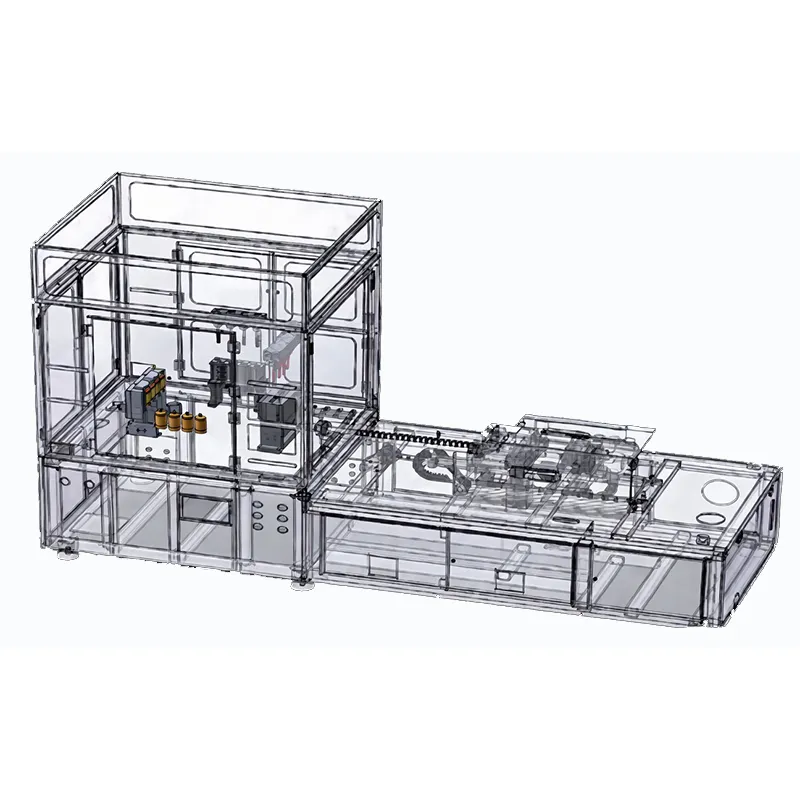
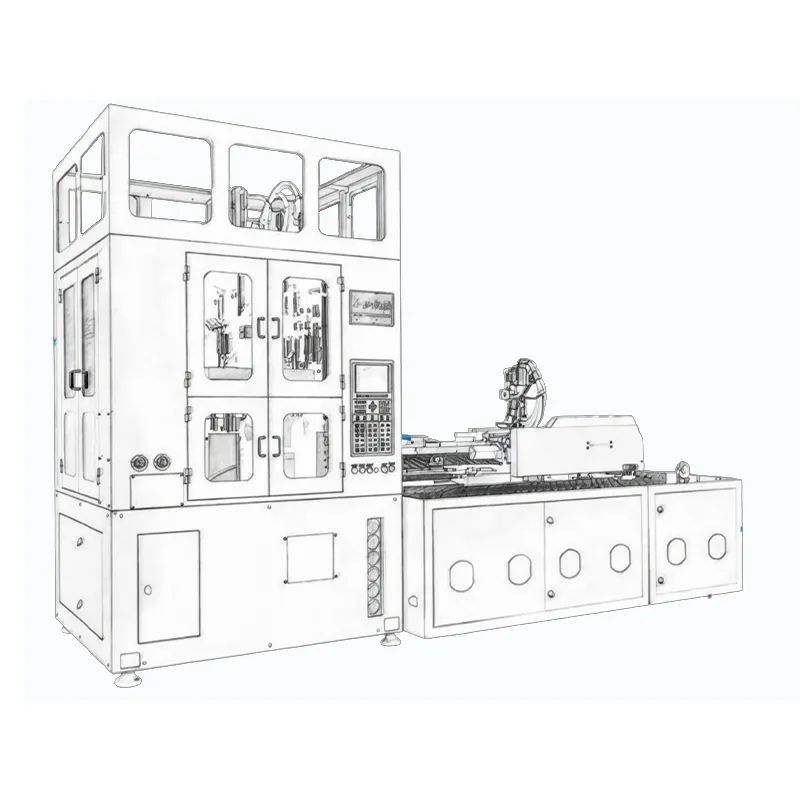
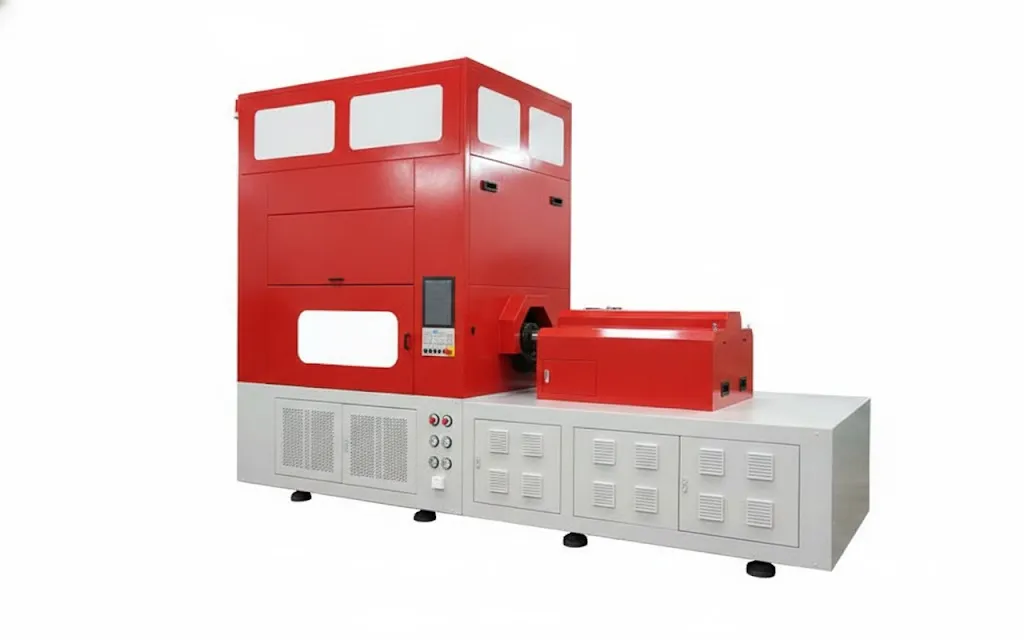
Ever Power Single-Stage ISBM Machine — designed for precision and high-throughput production
Our engineering team responds within 24 hours · [email protected]
How a Single-Stage ISBM Machine Actually Works
Understanding the operating cycle is the foundation of any meaningful maintenance programme. Each stage introduces specific failure modes that preventive maintenance is designed to intercept.
Plasticisation & Injection
Resin — typically PET, PP, or PC — is metered into the injection barrel and plasticised by a reciprocating screw. The molten polymer is then injected at controlled speed and pressure into the cavity of a precision injection mould, producing a preform of defined geometry, weight, and wall distribution. This stage establishes the material’s molecular orientation and determines all downstream blow performance. Injection screw wear, barrel temperature deviation, or back-pressure inconsistency at this point will directly manifest as preform dimensional defects that no downstream adjustment can fully correct. The sensitivity of preform weight to screw-barrel clearance makes this assembly the number-one wear component to monitor on any single-stage ISBM machine.
Thermal Conditioning
In a single-stage ISBM machine, the preform transfers directly to the conditioning station — still attached to the core rod and retaining a portion of the injection heat. Temperature profiling at this stage is exceptionally precise: different zones of the preform are brought to their individual blow temperatures independently through ceramic heating elements and, in some configurations, supplementary cooling channels. Maintaining the conditioning station’s heating elements, temperature sensors, and thermal shields is arguably the highest-priority maintenance task on any one-step ISBM platform. A failed thermocouple in a single conditioning zone will produce a batch of containers with localised whitening or unacceptable wall-thickness distribution, and the failure often goes unnoticed until downstream inspection flags the reject rate.
Stretch-Blow Moulding
The conditioned preform transfers into the blow mould, where a precision stretch rod descends axially to extend the preform towards the base of the mould. Simultaneously, high-pressure air (typically 25–40 bar) is introduced to radially expand the preform against the mould cavity wall. The biaxial orientation that results from this simultaneous axial and radial stretching imparts the superior optical clarity, barrier properties, and mechanical strength that single-stage ISBM machines are known for. Blow pressure regulation, stretch rod alignment, and mould clamping integrity are maintenance-critical at this phase — even a 1 bar deviation in blow pressure or 0.3 mm misalignment of the stretch rod will produce measurable wall-thickness asymmetry in the finished container.
Cooling, Ejection & Quality Gate
Following the blow cycle, the mould cooling system rapidly extracts heat from the formed container, allowing it to dimensionally stabilise before ejection. Cooling channel condition — including flow rate, water quality, and temperature differential — directly determines cycle time and container geometry consistency. The finished container is then ejected onto an output conveyor, where dimensional and visual inspection can be integrated as a first quality gate. The efficiency of this phase is largely a function of cooling system maintenance and mould surface condition. In UK facilities where mains water hardness varies considerably by region, cooling channel scale build-up is one of the most common and underappreciated sources of cycle time creep and container geometry drift on ISBM blow moulding machines.
Core Materials in ISBM Machine Construction
Knowing what your machine is made of directly informs your maintenance strategy — different materials carry different failure modes, lubrication requirements, and inspection intervals.
Machine Frame & Platens — Ductile Cast Iron / Welded Structural Steel
The machine bed, tiebars, and clamping platens are fabricated from stress-relieved ductile cast iron or heavy-section welded steel. These materials provide the vibration damping and dimensional stability that precision injection moulding demands over millions of operating cycles. Even minor deformation in the platen or tiebar system will cause mould misalignment, flash generation, and accelerated mould wear — making platen parallelism and tiebar thread condition primary inspection items during annual overhaul.
Injection Screw & Barrel — Bimetallic / Nitrided Tool Steel
The plastication screw is manufactured from high-speed tool steel (typically H13 or equivalent) with a surface hardness of 58–62 HRC achieved through nitriding. The barrel features a bimetallic liner — the inner surface alloyed with tungsten carbide or nickel boron — to resist abrasive wear from glass-fibre filled resins or high-fill masterbatch compounds. Regular measurement of screw-barrel clearance is the key annual maintenance task; for PET resin the OEM-specified clearance is typically 0.05–0.08 mm, and when this exceeds 0.12 mm, melt flow behaviour degrades perceptibly.
Blow Moulds — P20 / H13 Steel & 7075-T6 Aluminium Alloy
Blow mould halves are typically machined from P20 pre-hardened tool steel for long-run production, or from aerospace-grade 7075-T6 aluminium alloy where rapid heat transfer and light weight are priorities. H13 hot-work tool steel is selected for moulds that process glass-clear PET at elevated blow temperatures. Mould cavity surface condition — including chrome or nickel plating integrity — must be inspected and documented at every scheduled mould change. Surface pitting of as little as 0.05 mm depth will transfer to the container exterior and will be rejected in pharmaceutical and premium cosmetic applications.
Stretch Rods & Core Rods — Hardened Stainless / Carbon Steel
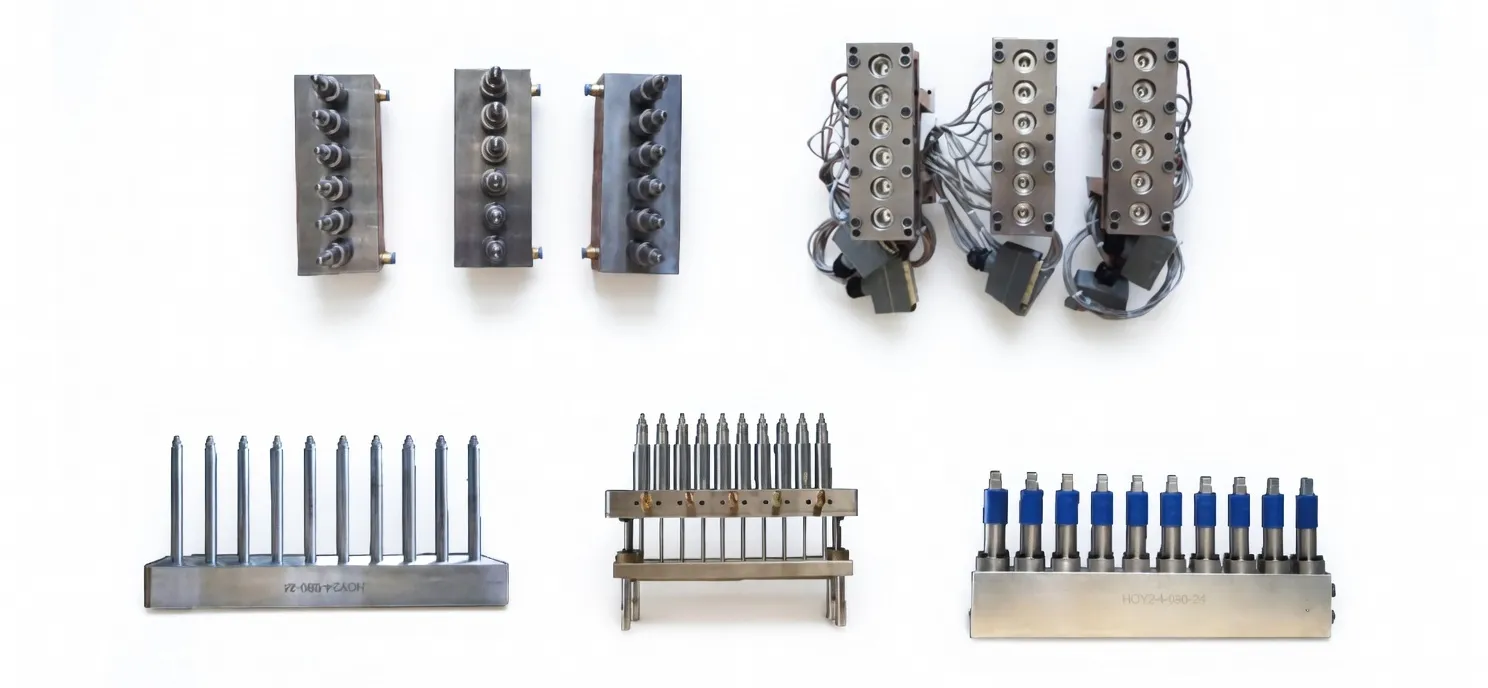
Stretch rods on a single-stage ISBM machine are manufactured from through-hardened stainless steel or tool steel, ground to tight tolerances on both diameter and straightness. Core rods, which carry the preform throughout the rotary transfer sequence, must maintain their geometric integrity through millions of cycles. Core rod tip wear is a frequent cause of preform neck finish defects and should be measured quarterly using a calibrated optical comparator or contact coordinate measurement to confirm that tip dimensions remain within the ±0.02 mm OEM tolerance band.
The Complete Preventive Maintenance Checklist
Structured by frequency — from daily operator checks through to comprehensive annual overhaul procedures. Every interval is informed by the real-world failure modes of injection stretch blow moulding equipment in continuous UK production.
Operator-Level Checks — Every Production Shift
✓ Hydraulic Oil Level & Visual Leak Inspection
Check the oil level in the hydraulic reservoir against the sight glass before each shift commences. Any reading below the minimum mark requires immediate top-up with the grade specified by the machine manufacturer before operation begins. Simultaneously, perform a visual walk-around of all hydraulic hoses, union fittings, valve block faces, and cylinder rod seals. Even a minor seep can develop into a catastrophic failure within hours under full production pressure. Record any anomalies in the shift log and escalate for corrective attention within 24 hours. On ISBM blow moulding machines running three-shift continuous production, this inspection takes under five minutes but prevents the majority of hydraulic-related unplanned stoppages that interrupt UK manufacturing lines.
✓ Mould Temperature & Cooling Water Flow Verification
Confirm that the chilled water circuit supplying the blow mould is flowing at the correct volumetric rate and that inlet and outlet temperature differential is within the target band specified in your validated process recipe. In UK facilities running continuous production, cooling tower performance can be affected by ambient temperature swings — particularly during summer periods where outside temperatures rise enough to reduce cooling tower efficiency. Log the actual chilled water inlet temperature at the start of each shift. Any deviation exceeding ±2°C from set-point should be investigated before full-speed production resumes on the single-stage ISBM machine, as a degraded cooling circuit will lengthen cycle time and introduce container base geometry variation.
✓ Barrel & Conditioning Zone Temperature Profile Check
Compare actual temperature readouts from each barrel zone and each conditioning station zone against the validated process recipe stored in the machine controller. On a single-stage ISBM machine, conditioning temperature directly determines biaxial orientation quality and container optical clarity. If any zone reads more than ±5°C outside set-point, this indicates a failing heating element or degraded thermocouple — both must be addressed promptly, as running out of specification generates product that will fail downstream clarity testing or burst-pressure validation. Pharmaceutical and food packaging producers operating under BRC or ISO 15378 quality frameworks are required to evidence this check in their process monitoring records.
✓ Lubrication Points — Platens, Tiebars & Transfer Arm
Every ISBM machine has a defined set of lubrication points requiring daily grease application or oil-mist confirmation. These include the tiebar bushings, moving platen guide rails, injection unit linear guides, and — critically — the rotary table or transfer arm bearings that move the preform between stations. Use only the lubrication grade specified in the OEM maintenance schedule; substituting a general-purpose grease on high-temperature areas near the conditioning zone will cause rapid degradation and bearing seizure. A bearing failure on the transfer arm of a single-stage ISBM machine typically requires a 4–6 hour repair window and the loss of hundreds of production cycles.
✓ Air Supply Pressure & Filtration Condition
The blow air circuit typically operates at 25–40 bar high pressure and a secondary 6–8 bar pilot and actuation circuit. Confirm both circuits are at regulated set-point on the machine’s pressure display. Check the FRL (filter-regulator-lubricator) unit on the low-pressure circuit for water accumulation in the bowl — especially relevant in UK environments where compressed air humidity is higher during autumn and winter months. Water ingress into the blow valve block will cause corrosion of spool seats and erratic blow timing within weeks of sustained exposure, resulting in variable container shoulder geometry that only trained visual inspection will catch before containers reach the filling line.
Planned Technical Checks — Every 7 Days
✓ Mould Cavity & Core Cleaning
Even in closed-loop clean-room environments, blow mould cavities accumulate a thin deposit of oligomers, release agents, and airborne particulate over the course of a production week. This build-up compromises container surface gloss, can cause air-trap venting failures, and will gradually transfer as cosmetic defects onto the container shoulder and sidewall. Strip the blow mould halves during the weekend maintenance window and clean cavities with an approved solvent and a lint-free cloth. Never use abrasive pads — they will damage cavity surface finish and compromise the plating integrity that protects against corrosion in the cooling channel walls surrounding the cavity. For ISBM blow moulding machines running 24/7, schedule this cleaning on a fixed day rather than letting it drift.
✓ Hydraulic Filter Differential Pressure Check
Most hydraulic systems on modern ISBM equipment feature delta-P indicators on the pressure and return line filters. A weekly reading of these indicators — and logging the values in a trending sheet — allows the maintenance team to predict the optimal filter change interval, rather than following a fixed calendar schedule that results in either premature filter disposal or dangerous operating pressure differentials. A clogged hydraulic filter restricts flow, causes pump cavitation, and introduces proportional valve response errors within the injection sequence. On single-stage ISBM machines operating above 80% duty cycle, filter loading trends faster than many operators expect, and calendar-based intervals are frequently inadequate.
✓ Electrical Panel & Drive Cooling Fan Inspection
Open the main electrical cabinet during a planned stoppage and inspect cooling fan operation, cable loom condition for chafing or heat discolouration, and terminal block tightness on highest current-carrying circuits — specifically the barrel heater contactors and servo drive inputs. UK manufacturing environments near Sheffield’s industrial estates or Birmingham’s manufacturing zones can generate high levels of fine airborne particulate, which accumulates on servo drive heatsinks and causes thermal shutdown in summer. Blow out accumulated dust from all heatsinks using dry filtered air. Thermal shutdown of a servo drive on a single-stage ISBM machine during production is among the most disruptive faults an operator can experience, as the restart sequence requires a full parameter reload and process warm-up.
✓ Stretch Rod Alignment & Stroke Verification
Using the machine’s diagnostic screen or a physical dial gauge, verify that each stretch rod descends centrally within the preform neck opening and achieves the programmed bottom clearance distance within the mould. On single-stage ISBM machines with multiple cavities, each stretch rod must be individually checked, as wear in individual rod bushings introduces cavity-to-cavity variation that only becomes visible as a quality trend rather than an obvious fault. A rod that is even slightly off-centre will produce non-uniform wall distribution on the container base, which manifests as drop-failure under pressure testing — a particularly serious non-conformance for UK food-contact and pharmaceutical packaging operations.
Engineering-Level Maintenance
✓ Hydraulic Oil Sampling & Viscosity Analysis
Draw an oil sample from the hydraulic reservoir mid-month and submit it to a UKAS-accredited oil analysis laboratory for viscosity, acid number, water content, and particulate count testing. This practice, widely adopted in UK aerospace, automotive, and heavy industry, provides an early-warning signal of pump wear, system contamination, or thermal oil degradation — all conditions that are invisible to the eye but progressive in their damage to ISBM machine hydraulic components. The cost of a monthly oil analysis programme is typically under £50 per sample and is trivial compared to the cost of a hydraulic pump replacement or proportional valve failure caused by running contaminated fluid through precision-clearance components.
✓ Cooling Channel Descaling & Flow Rate Measurement
Depending on local mains water hardness — which varies considerably across UK regions, with notably hard water prevalent across the East Midlands and South East England — the cooling channels within blow moulds and conditioning stations develop scale deposits within 4–8 weeks of operation. Monthly descaling of water manifolds and mould channel inlets using a suitable food-safe descalant, followed by a measured flow rate test against the OEM specification, ensures that cooling efficiency remains within the thermal parameters used to set your validated cycle times. Degraded cooling on a single-stage ISBM machine simultaneously increases cycle time, raises unit energy cost per container, and reduces dimensional stability of the finished article.
✓ Torque Verification on All Critical Fasteners
Vibration generated during high-speed injection and clamping cycles gradually loosens fasteners across the machine structure — particularly the mould fixing bolts, injection unit slide gibs, and tiebar locking nut assemblies. A monthly torque audit using a calibrated torque wrench, conducted against the machine’s fastener specification table, prevents the class of failures where loose mechanical joints allow micro-movement that leads to fretting wear, mould misalignment, and — in worst cases — catastrophic mould ejection during clamping. UK manufacturers operating under ISO 9001 or IATF 16949 quality systems should retain signed torque audit records as objective evidence within their maintenance management system.
Comprehensive Annual Overhaul
✓ Injection Screw & Barrel Dimensional Inspection
The injection screw and barrel must be removed annually for a full dimensional inspection. Measure the screw flight land diameter using a precision micrometer and compare against the OEM nominal diameter. Measure the barrel bore at multiple points along its length and calculate clearance. For PET resin on a single-stage ISBM machine, typical OEM tolerance is 0.05–0.08 mm clearance; when this exceeds 0.12–0.15 mm, melt flow behaviour degrades and preform weight scatter increases beyond process control limits. Screw wear is progressive and almost invisible to process monitoring until it crosses a threshold — annual dimensional inspection is the only way to manage it proactively rather than reactively.
✓ Full Hydraulic System Flush & Oil Replacement
Regardless of monthly oil analysis results, a full hydraulic system flush and oil replacement is recommended as part of the annual shutdown. This involves draining the reservoir, flushing the system with a low-viscosity flushing fluid to dislodge any varnish deposits from valve spools and manifold passages, replacing all hydraulic filters, and refilling with fresh oil to the OEM viscosity specification. Many UK plastics manufacturers align this procedure with their plant-wide annual shutdown in December, making it logistically straightforward and ensuring the single-stage ISBM machine returns from the holiday period in optimum hydraulic condition — ready for the accelerated output demands of Q1.
✓ Servo Drive & PLC Software Backup & Instrument Calibration
Modern ISBM machines use servo-electric drives for precision injection profiling and, in some configurations, for the stretch rod actuator. Annual maintenance must include a full backup of all PLC programmes, servo drive parameter sets, and HMI recipe files to secure off-machine storage. The annual calibration of position encoders, pressure transducers, and temperature instruments against traceable reference standards is not merely good engineering practice — for UK manufacturers operating under BRC Global Standards, SQF, or ISO 9001 quality systems, it is a documented audit requirement that must be evidenced with calibration certificates and records of any out-of-tolerance findings and corrective actions taken.
Technical Specifications & Performance Parameters
Reference data for standard Ever Power single-stage ISBM machine configurations. Custom parameters available on request — contact [email protected].
| Parameter | EP-HGY100 | EP-HGY250-V4 | EP-HGY500 | Unit |
|---|---|---|---|---|
| Max Container Volume | 50–1,000 | 100–2,500 | 200–5,000 | mL |
| Number of Cavities | 2 / 4 | 4 / 6 | 4 / 8 | — |
| Output Rate (500 mL PET) | 800–1,200 | 1,500–2,400 | 2,800–4,200 | pcs/hr |
| Injection Clamping Force | 1,000 | 2,500 | 5,000 | kN |
| Blow Clamping Force | 400 | 800 | 1,500 | kN |
| Max Blow Pressure | 40 | 40 | 40 | bar |
| Screw Diameter | 40 | 55 | 70 | mm |
| Screw L/D Ratio | 22:1 | 22:1 | 24:1 | — |
| Barrel Heating Zones | 4 | 5 | 6 | zones |
| Conditioning Zones | 3 | 4 | 4 | zones |
| Installed Power | 28 | 55 | 90 | kW |
| Compatible Resins | PET, PP, PC, PETG, PLA | — | ||
| Control System | Siemens / Mitsubishi PLC + Servo Drives + 10″ HMI Touchscreen | — | ||
| Machine Dimensions L x W x H | 3.5 x 1.8 x 2.1 m | 4.8 x 2.2 x 2.4 m | 6.5 x 2.8 x 2.7 m | — |
Why Single-Stage ISBM Machines Outperform Two-Stage Systems
A well-maintained one-step ISBM platform delivers a compounding set of technical and commercial advantages that two-stage reheating systems cannot replicate.
Superior Optical Clarity
Because the preform never fully cools before blow moulding, the polymer’s amorphous structure is preserved, resulting in containers with haze values typically below 2%. This is essential for premium cosmetic, pharmaceutical, and specialty food packaging across the UK market where shelf transparency directly drives purchase decisions.
Energy Efficiency — No Reheat Stage Required
The single-stage ISBM process eliminates the energy-intensive reheating step required in two-stage systems. For UK manufacturers operating under increasingly stringent carbon reporting and energy cost pressures, this translates to a measurable reduction — typically 20–35% lower energy cost per thousand units than equivalent two-stage output — and supports Scope 1 and 2 emission reduction commitments.
Precise Wall Thickness Control
Direct carry-over from injection to blow moulding allows the process engineer to control wall thickness distribution with a precision that is impossible in two-stage systems. This is critical for wide-mouth containers, asymmetric bottles, and containers with complex shoulder geometries that require tight material distribution to pass drop and top-load testing.
Smaller Footprint, Integrated Process
A single-station ISBM machine replaces what would otherwise be two separate machines plus a conveyance system between them. For UK manufacturers in constrained factory units — the kind of Victorian-era industrial buildings common in Birmingham, Leicester, and the West Midlands — this compactness is a genuine operational and capital advantage.
Wide-Mouth & Complex Shape Capability
Unlike two-stage systems, an ISBM machine operating in the one-step mode can produce wide-mouth jars (neck finish above 63 mm) and containers with non-standard base geometry — including hot-fill vacuum panel bottles and oval cross-section containers — without the neck finish distortion issues that arise in reheat stretch blow moulding.
Pharmaceutical & Food-Grade Compliance
Because the preform never contacts external handling equipment between injection and blow, the single-stage ISBM process is inherently cleaner and more suitable for pharmaceutical and food-contact applications. This makes it the preferred platform for many UK healthcare product manufacturers operating under MHRA-compliant quality management systems and European Pharmacopoeia container specifications.
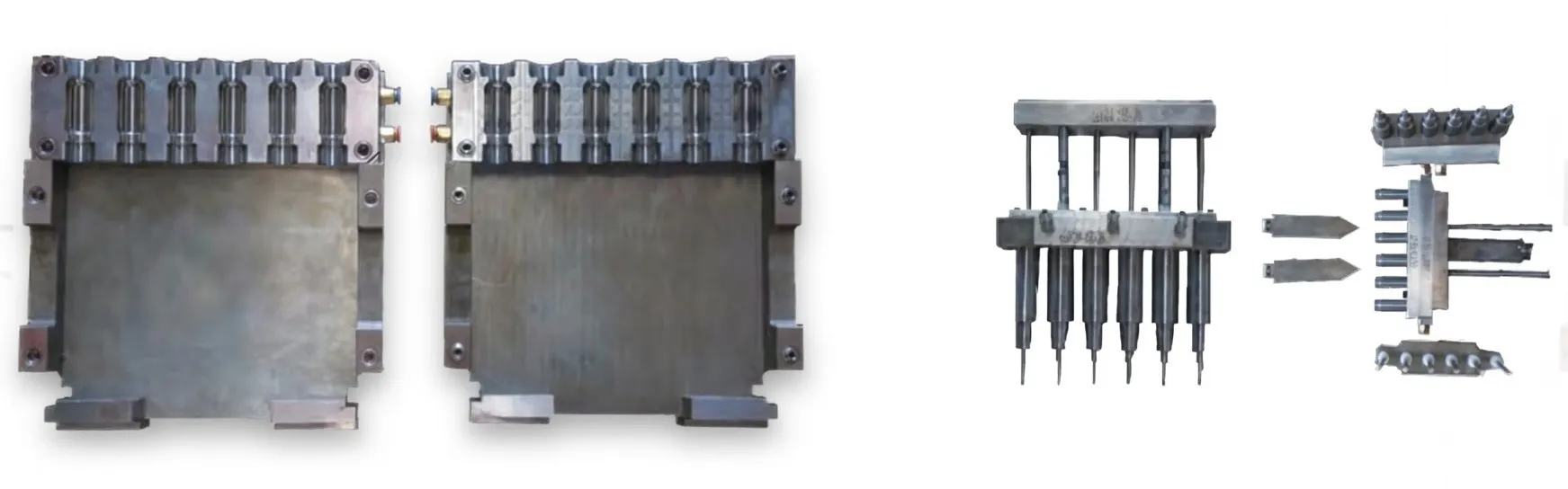
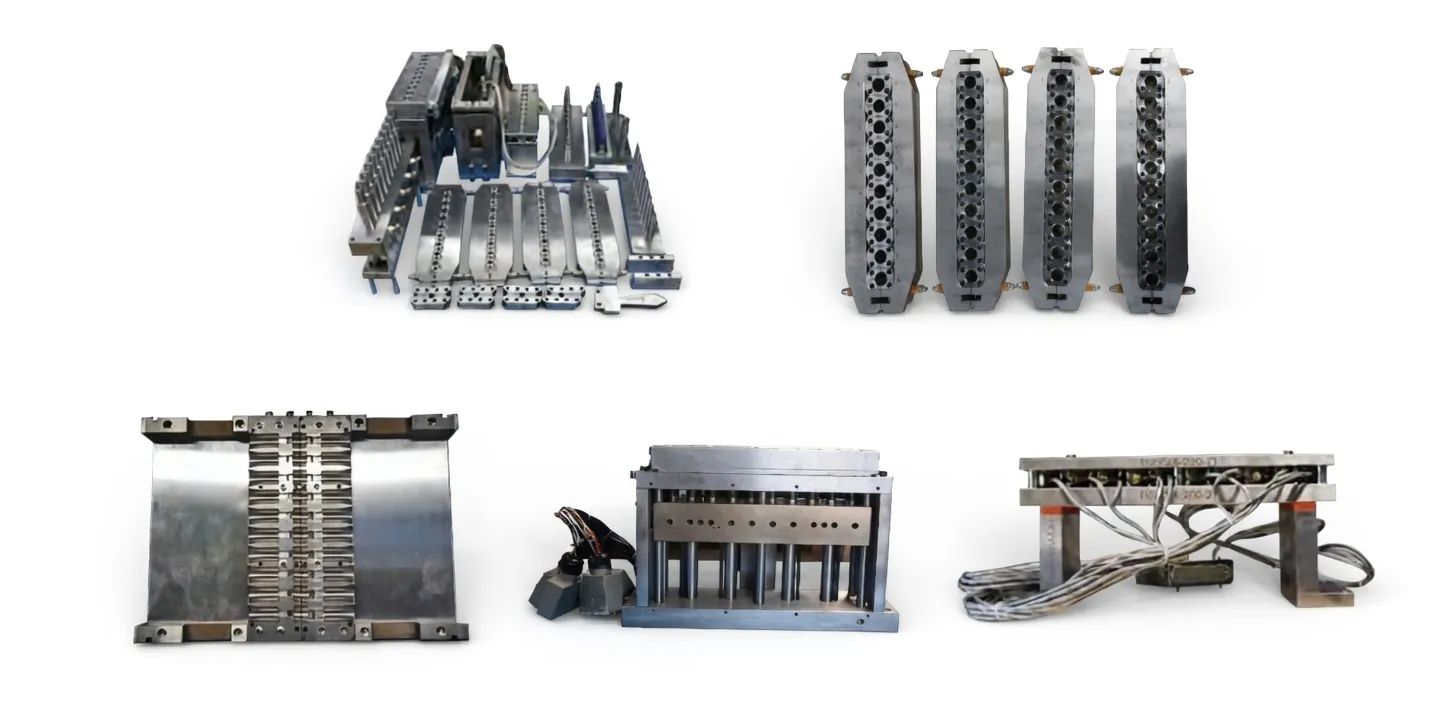
Precision Components & Tooling
Industrial Application Scenarios Across UK Manufacturing
Single-stage ISBM machines are operating across a broad spectrum of British industries — from the pharmaceutical belt along the M4 corridor to food and beverage producers across Yorkshire and Scotland.
💊 Pharmaceutical Packaging — Midlands & South East
The Midlands pharmaceutical cluster and the M4 corridor biotech belt represent some of the most demanding application environments for single-stage ISBM equipment. Containers for solid oral dose drugs, liquid medicines, and diagnostic reagents must meet European Pharmacopoeia requirements for clarity, headspace oxygen, and chemical resistance. The closed-loop thermal management of the ISBM process eliminates recontamination risk between injection and blow, making it the platform of choice for MHRA-regulated manufacturers in Nottingham, Coventry, and the Thames Valley who must demonstrate validated container cleanliness throughout manufacture.
🧬 Personal Care & Cosmetics — Yorkshire & North West
Yorkshire and the North West of England are home to a significant cluster of personal care product manufacturers and contract fillers. The optical clarity achievable with a single-stage ISBM machine is unmatched for premium shampoo bottles, serum vials, and cosmetic lotion dispensers where shelf appeal drives purchase decisions. The wide-mouth capability of the Ever Power ISBM platform allows the production of cream jars and oval cosmetic bottles — formats that would require entirely different tooling and processes on a standard two-stage ISBM system.
🥤 Food & Beverage — Scotland to the South Coast
From Scottish whisky accessories and condiment bottles in the Midlands to artisan sauce and cold-press juice producers across the South Coast, food and beverage producers rely on ISBM blow moulding machines for containers that carry direct food-contact approvals and withstand hot-fill and pasteurisation cycles. The single-stage process’s ability to produce heat-set containers without a separate post-treatment step is particularly valued in this sector, reducing capital equipment investment and simplifying the validation burden under FSSC 22000 and BRC Food Standards frameworks.
🔧 Automotive & Industrial Fluids — Birmingham & Sheffield
Birmingham’s deep history as an automotive manufacturing centre and Sheffield’s heritage in precision industrial production create strong ongoing demand for robust containers for engine oils, brake fluids, coolants, and industrial lubricants. ISBM blow moulding machines producing PC or PET containers with high chemical resistance, precise neck finishes, and tamper-evident geometry are essential to this supply chain. The mechanical strength of biaxially oriented containers from a single-stage ISBM machine far exceeds that of comparable extrusion blow moulded alternatives, reducing the rate of in-transit container failures that cost UK distributors significant rework and warranty claims annually.
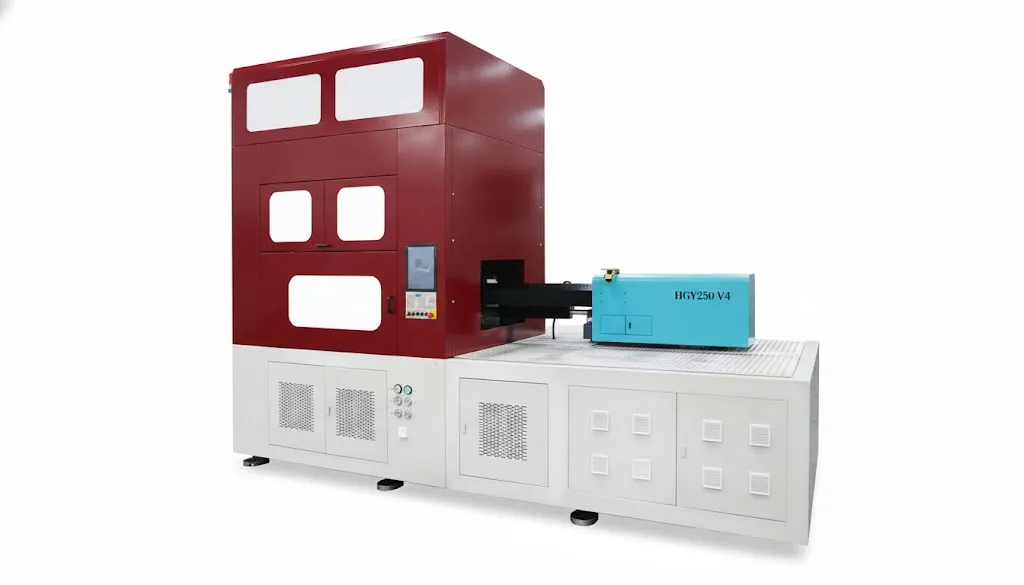
Ever Power — Precision Engineering at the Core of Every ISBM Machine
Ever Power has established itself as a globally respected manufacturer of single-stage ISBM machines, building a reputation founded not on marketing claims but on the measurable performance of machines running continuously in the world’s most demanding production environments. Our engineering team combines decades of polymer processing expertise with precision CNC machining capability, allowing us to hold component tolerances that most suppliers describe as aspirational. Every critical assembly on an Ever Power ISBM machine — from the injection barrel to the conditioning station frame — is manufactured to a documented dimensional specification and verified against a traceable inspection record before it leaves the factory floor.
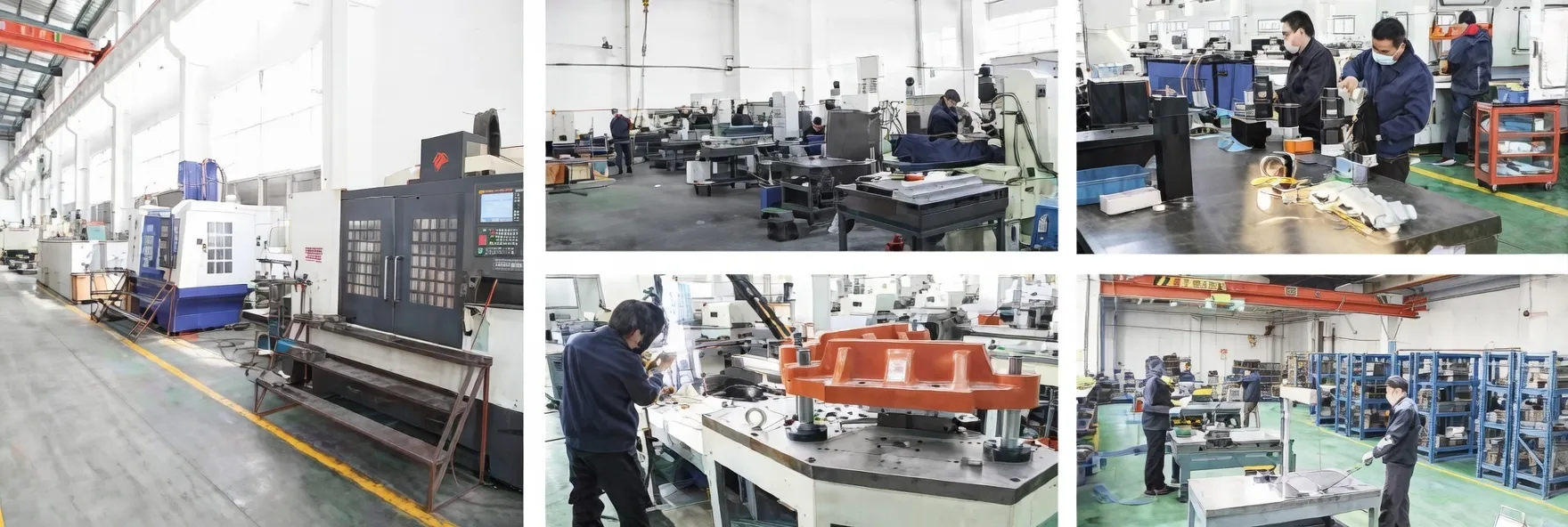
Inside the Ever Power ISBM manufacturing facility
Where a standard supplier fits a catalogue machine to your container specifications, our engineering team works from your container drawing outwards — designing the mould stack, conditioning temperature profile, blow sequence, and machine configuration around the specific optical and mechanical properties your application demands. This approach has led to Ever Power ISBM blow moulding machines being selected by packaging converters across the UK, throughout continental Europe, and in more than 40 countries worldwide. Our supply chain quality system ensures that every component — from servo drives and hydraulic pumps through to injection barrels and precision mould tooling — is sourced from suppliers meeting our published material and dimensional specification sheets.
We hold strategic spares inventory to support UK operators with next-day international courier delivery on the components that matter most in a production emergency. For planned maintenance programmes, our technical team can supply calibration data, wear limit tables, and torque specifications referenced to your specific machine serial number — ensuring your maintenance team always works from the correct baseline for your individual unit.
Customer Success Story: Sheffield Packaging Converter Cuts Unplanned Downtime by 73%
Pharmaceutical Contract Packaging
3 x Ever Power EP-HGY250-V4
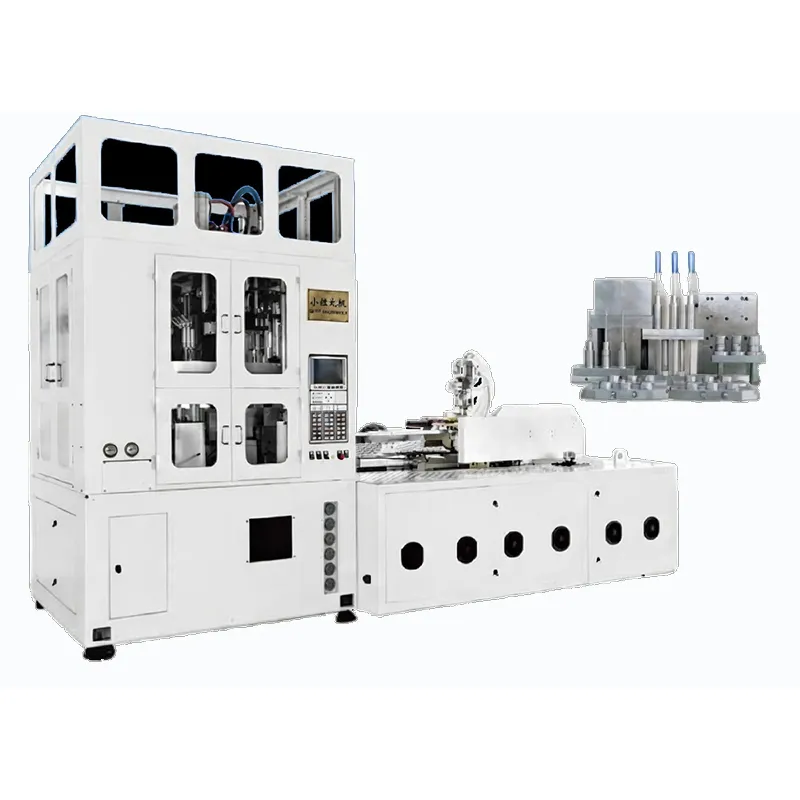 Meridian Plastics Solutions, a mid-size contract packaging manufacturer based in the Tinsley industrial area of Sheffield, approached Ever Power in early 2023 with a production crisis that was threatening their primary pharmaceutical supply contract. Their existing fleet of ageing two-stage ISBM machines was generating scrap rates above 6% and suffering hydraulic failures that averaged 4.2 unplanned stoppages per machine per month. The pharmaceutical client — a major UK healthcare brand operating under MHRA quality oversight — issued a formal supplier improvement notice demanding that container clarity and dimensional consistency be brought within tighter specification limits within six months, or the contract would be retendered competitively.
Ever Power’s technical team conducted a three-day process audit at the Sheffield facility, reviewing tooling condition, production records, and quality inspection data before presenting a solution built around three EP-HGY250-V4 single-stage ISBM machines, each configured with 4-cavity moulds for Meridian’s primary 250 mL and 500 mL pharmaceutical container formats. The installation included custom conditioning station profiles developed through thermal modelling of Meridian’s specific PET resin grade, and a comprehensive preventive maintenance programme — structured around the same daily, weekly, monthly, and annual framework detailed throughout this article — delivered as a training package to Meridian’s shift engineers and maintenance team.
Within twelve weeks of commissioning, Meridian reported a measured scrap rate reduction to 0.8% — an 86% improvement on the previous baseline. Unplanned machine stoppages fell from an average of 4.2 per month to 1.1, representing the 73% downtime reduction cited in their management report to the pharmaceutical client. Container haze measurements, previously averaging 4.2%, consistently tracked below 1.5% on the new single-stage ISBM platform. The pharmaceutical contract was retained in full, and Meridian subsequently placed an order for a fourth EP-HGY250-V4 to support a new contract with a major OTC healthcare brand entering the UK market in Q3 2024.
“The results exceeded every number we put in our business case. From the commissioning visit to the first production run, Ever Power’s team were professional and deeply knowledgeable about pharmaceutical packaging environments. The preventive maintenance programme they built into our contract has fundamentally changed how our engineering team operates.” — Operations Director, Meridian Plastics Solutions, Sheffield