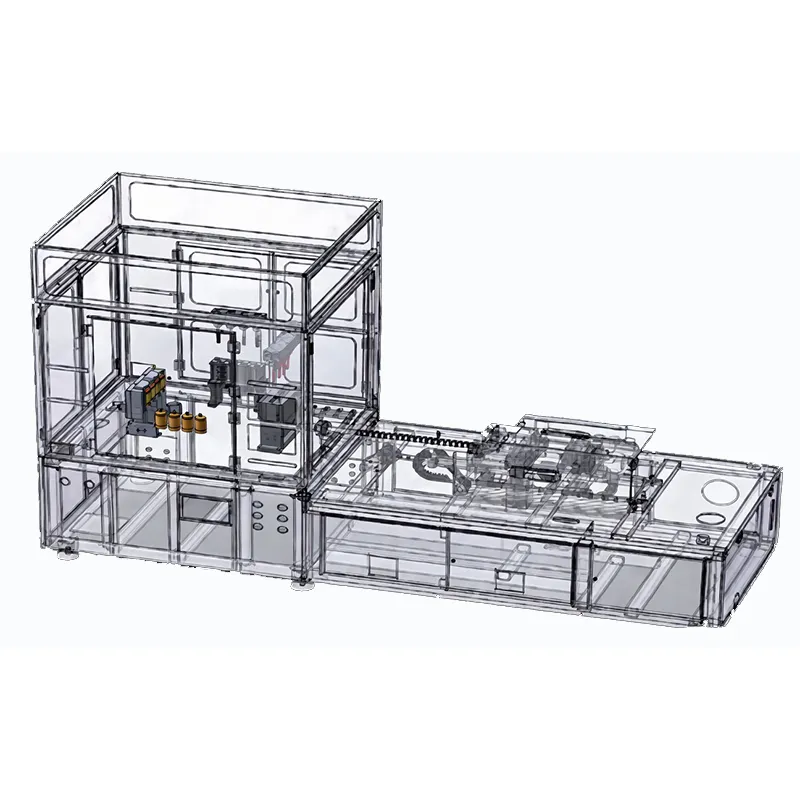
 In the competitive world of UK plastics manufacturing, cycle time is the single greatest lever available to production engineers seeking to improve output without expanding capital investment. Whether you are running a pharmaceutical container line in Sheffield, a beverage packaging operation near Birmingham, or a personal care product facility in Manchester, the performance of your single-stage injection stretch blow molding process — measured in seconds per cycle — directly determines your annual unit capacity, energy costs per thousand bottles, and competitive pricing power. Unlike conventional two-stage reheat systems that treat preform production and bottle blowing as separate operations, the one-step ISBM approach integrates injection moulding, thermal conditioning, stretch rod engagement, and blow moulding into a single, tightly sequenced machine cycle. This integration creates unique opportunities for time compression that multi-stage processes simply cannot replicate — but only when the underlying thermal, mechanical, and material variables are understood and actively managed.
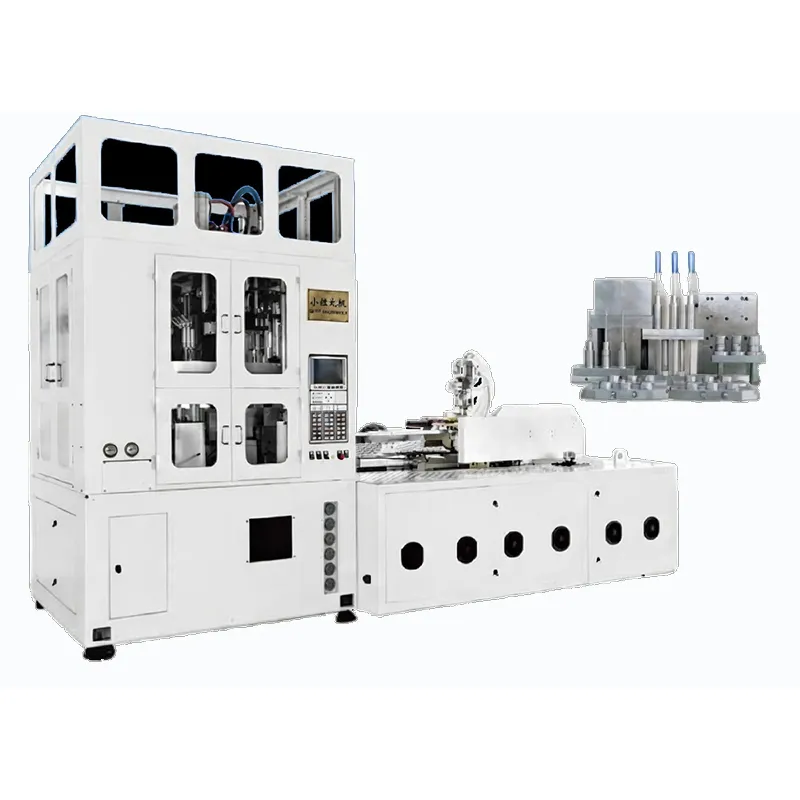
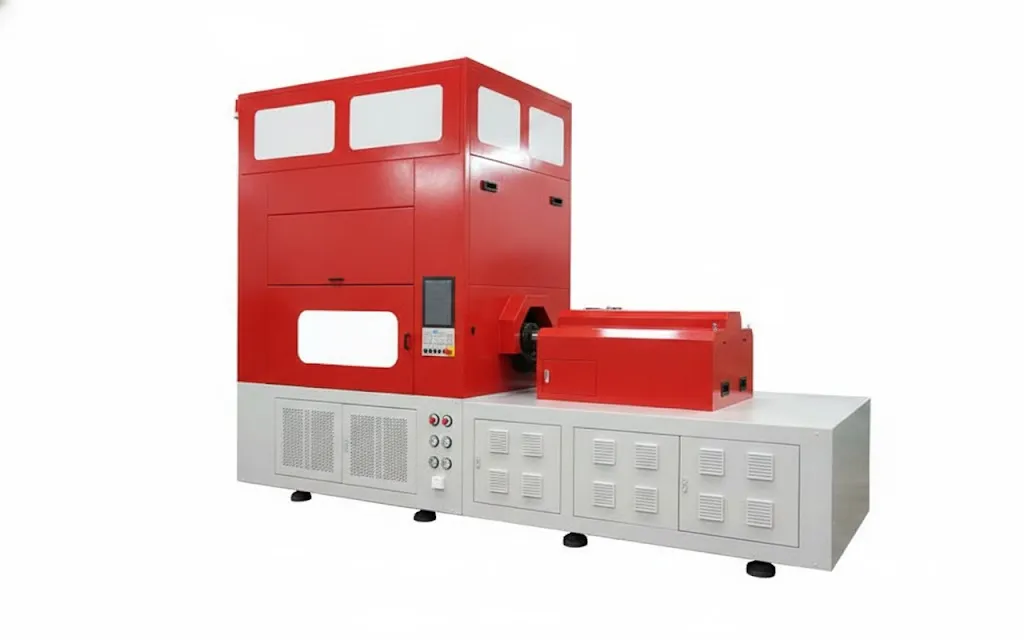
Ever Power single-stage ISBM machine — engineered for high-cycle performance in demanding UK production environments
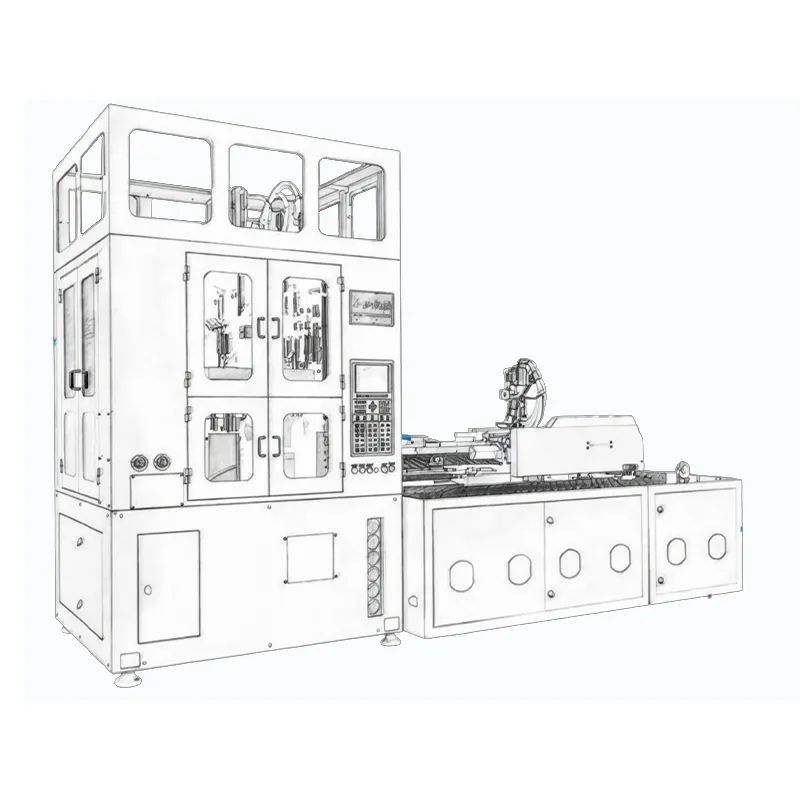
Working Principle
How the One-Step ISBM Process Really Works
Breaking down the four stages where cycle time is won or lost
Injection Phase
Molten PET or PP resin is injected into the preform cavity at precisely controlled temperatures — typically 250–280 °C for PET — using a reciprocating screw. The injection fill time, hold pressure, and back pressure are calibrated to produce a dimensionally stable, stress-homogeneous preform every shot. In a single-stage injection stretch blow molding machine, this preform never leaves the thermal envelope of the process. That retained heat — representing 60–75% of the energy required for blow moulding — is the engine of the one-step process efficiency advantage. Consistent gate geometry and barrel temperature control during this phase directly set the foundation for everything that follows, and small variations here can cascade into wall-thickness defects that consume time during sorting or rework downstream.
Thermal Conditioning
The conditioning station is arguably the most technically demanding stage in the one-step ISBM cycle. Infrared heaters or conductive contact pots regulate differential temperature gradients across the preform zones: the neck finish must be cooled below PET’s glass transition temperature (Tg ≈ 75 °C) to maintain thread dimensional accuracy for closure fitment, while the body section must remain in the biaxial orientation window of 90–120 °C. The precision of this temperature profiling determines wall thickness distribution in the finished bottle, the achievable stretch ratio, and critically — how quickly the stretch-blow phase can be executed without triggering stress whitening, crystallisation, or over-stretch failures. Conditioning time is a major contributor to total cycle length and the most rewarding target for systematic optimisation on any ISBM production line.
Stretch-Blow Phase
A servo-driven stretch rod extends axially through the preform, typically achieving longitudinal stretch ratios of 2.5:1 to 3.5:1. This mechanical stretching simultaneously triggers strain hardening, which enhances the hoop-direction gas barrier and mechanical performance of the finished bottle. Compressed air at 5–10 bar (pre-blow stage) initiates radial expansion, with the main blow at 20–40 bar completing the cavity fill. The synchronisation of rod velocity to blow pressure timing — optimised at millisecond resolution — is the single greatest mechanical lever for cycle time compression in single-stage ISBM. Poorly sequenced blow timing adds unnecessary dwell time; well-optimised systems recover 15–25% of total cycle duration at this stage alone without any change to the hardware, purely through control parameter refinement.
Mold Cooling & Ejection
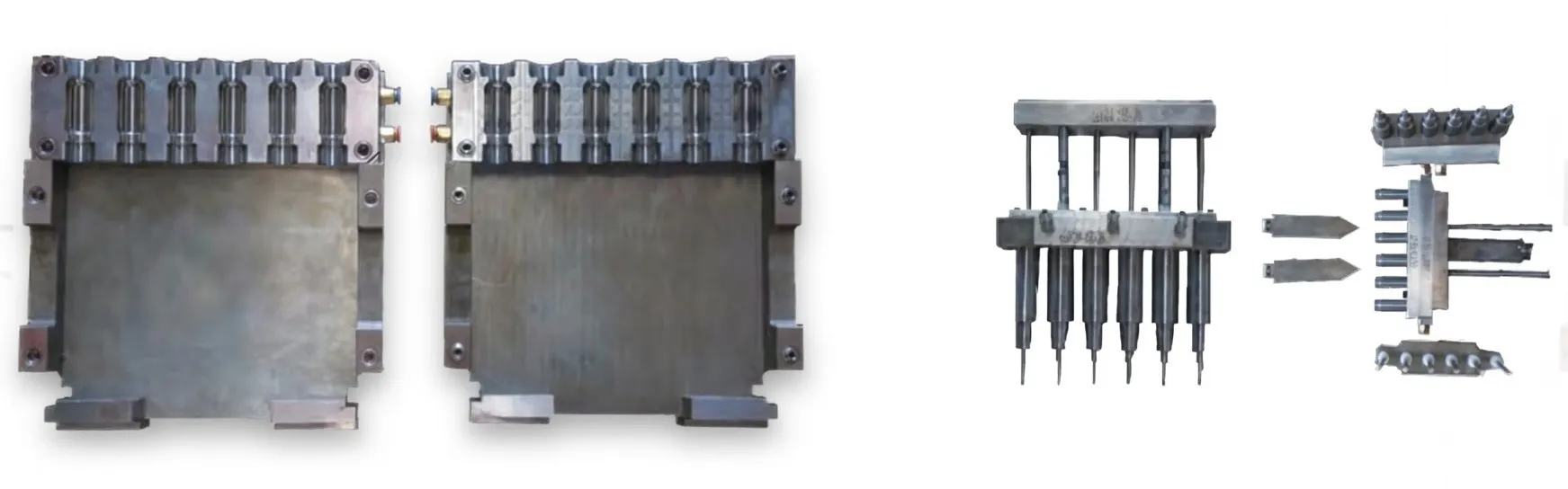
Cooling dominates total cycle time — typically 40–60% of the full ISBM cycle — and is the stage most directly governed by tooling design. Chilled water circuits at 8–15 °C are routed through high-conductivity beryllium copper inserts in the blow mold cavity, extracting heat from the bottle wall at rates measurably faster than conventional P20 steel alone. Conformal cooling channel geometry — where coolant paths follow the curvature of the bottle profile rather than running in straight drilled lines — can reduce this phase by 20–35% versus conventional tooling. Once the bottle has cooled below its demoulding temperature, pneumatic ejector pins or servo-driven take-out arms remove bottles from the cavity. Minimising mechanical dead time between mold opening, ejection, closing, and recommencement of the injection phase is the final target in a complete cycle time optimisation programme.
Materials
Core Materials in Single-Stage ISBM Processing
Resin specification and tooling metallurgy are the hidden drivers of cycle time potential
PET — The Benchmark Resin
Polyethylene terephthalate dominates single-stage injection stretch blow molding globally, and the UK market is no different. Its molecular architecture responds predictably to biaxial orientation — strain hardening simultaneously in axial and hoop directions delivers barrier performance and mechanical strength beyond what the base resin properties suggest. Intrinsic viscosity (IV) grade selection is fundamental: IV 0.72–0.78 dL/g suits carbonated soft drink containers requiring CO₂ barrier; IV 0.80–0.84 dL/g is preferred for wide-mouth jars and pharmaceutical bottles needing structural rigidity. Moisture content must be reduced below 50 ppm before barrel entry to prevent hydrolytic chain scission, which degrades IV and causes yellowing — and inadequately dried PET directly lengthens conditioning time by requiring extended temperature stabilisation. Ever Power machines include integrated infrared pre-dryer monitoring capability as standard on the HGY-500 and HGY-1000 models.
PP & PP-R for Hot-Fill Applications
Polypropylene grades are increasingly deployed in ISBM one-step lines for hot-fill containers and medical packaging, particularly across UK food manufacturers operating under BRC or SQF certification schemes where autoclave sterilisation compatibility is required. PP demands conditioning temperatures of 140–165 °C due to its higher crystallisation rate and different Tg characteristics, which means the processing window in single-stage ISBM is narrower and temperature profiling requirements are more exacting. Random copolymer PP grades have largely displaced homopolymer in ISBM applications because their lower melt crystallisation temperatures translate directly into faster cooling — a measurable cycle time benefit. The lower gas barrier of PP versus PET is compensated in hot-fill applications by the thermal stability advantage, and UK manufacturers in Cheshire and the East Midlands commonly run PP ISBM lines for ambient-shelf dairy and sauce products.
Machine Steel & Mold Metallurgy
The ISBM machine frame, platen, and tie bars are fabricated from 42CrMo4 alloy steel (UK equivalent EN24T), heat-treated to HRC 28–32 for fatigue resistance under millions of high-pressure clamping cycles. Blow mold cavities are produced in P20 pre-hardened tool steel for medium-volume production tooling, or hardened 420 stainless steel (HRC 48–52) for long-run corrosion-resistant applications. The most significant metallurgical contribution to cycle time reduction comes from beryllium copper (BeCu) alloy inserts, which offer thermal conductivity of 105–130 W/(m·K) versus P20 steel at 28–35 W/(m·K) — a fourfold improvement in heat extraction rate at thermal pinch points such as base domes and shoulder transitions. Every Ever Power HGY-series machine includes BeCu insert mold specification as standard from the HGY-500 model upwards, delivering measurable cooling time reductions from the first production shot.
Product Advantages
Why One-Step ISBM Outperforms Two-Stage Reheat Systems
Quantifiable operational advantages that transform the business case for UK manufacturers
⚡ Thermal Energy Conservation
Reheat ISBM systems must replenish bottle-forming energy entirely using banks of near-infrared lamps — adding 25–45 seconds per cycle for standard PET bottles and introducing new temperature uniformity variables. In the single-stage process, the preform retains and redistributes rather than regenerates heat, reducing energy consumption per bottle by 18–30% compared with equivalent two-stage lines. For UK manufacturers operating under energy cost pressures and carbon reduction commitments following the UK Plastics Packaging Tax framework, this differential represents a material improvement in operating economics and sustainability reporting performance. At a production volume of 50 million bottles per year, a 25% energy reduction equates to a substantial annual utility saving achievable without any capital expenditure beyond the initial machine investment.
🎯 Superior Wall Thickness Distribution
Zone-controlled conditioning in single-stage ISBM allows the neck area to be maintained 15–20 °C below the body temperature, preserving thread dimensions while maximising body orientation. The practical result is wall thickness distribution control finer than any reheat system can achieve. UK contract manufacturers running 50–100 million units annually have found bottle weight reduction opportunities of 2–5 grams per container without compromising top-load performance — a direct material cost saving of £40,000–£120,000 per year at current PET pricing. Improved distribution also means fewer rejects from shouldering defects, reducing the cost of non-quality that erodes profitability on long-run production campaigns typical of major UK beverage brand supply agreements.
🔧 Reduced Footprint & Operator Overhead
A single-stage ISBM machine replaces three discrete items of equipment: an injection moulding machine, a preform storage and logistics system, and a reheat blow moulding machine. In Sheffield and Birmingham manufacturing sites where floor space is a measurable cost, reducing the production line footprint from 80–120 m² to 20–35 m² changes site economics materially. Operator requirements drop proportionally — where a two-stage line demands two skilled operators plus material-handling staff, a single ISBM machine typically runs under one operator with automated take-out. Given the well-documented challenges of skilled plastics technician recruitment across UK manufacturing regions, this reduction in manning requirement addresses a structural operational risk alongside its direct labour cost saving.
🏥 Contamination Elimination for Regulated Applications
In pharmaceutical and food-grade packaging applications — sectors particularly concentrated across West Yorkshire, Hertfordshire, and Cheshire — eliminating preform storage and bulk transport removes a contamination risk vector that HACCP and pharmaceutical GMPs must otherwise control through elaborate monitoring and containment systems. In a one-step ISBM machine, PET pellets enter the hopper and finished containers exit directly, with no intermediate handling of open-ended preforms. This cleanroom-compatible process sequence has enabled UK pharmaceutical manufacturers to achieve FDA 21 CFR and EU GMP compliance on ISBM lines that would require dedicated preform isolation facilities on conventional two-stage configurations — significantly reducing the regulatory validation burden and ongoing quality assurance cost associated with each production batch.
Technical Specs
Ever Power HGY Series — Performance Parameters
Key technical data for production planning, procurement, and engineering assessment
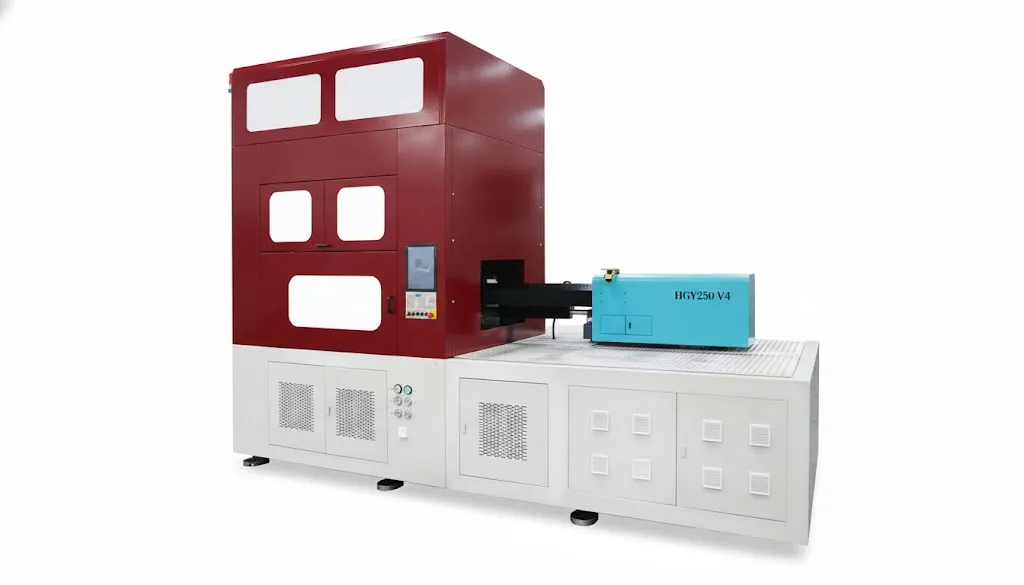
| Parameter | HGY-100 | HGY-250 | HGY-500 | HGY-1000 |
|---|---|---|---|---|
| Max Bottle Volume | 100 ml | 250 ml | 500 ml | 1,000 ml |
| Cavity Options | 4 / 6 / 8 | 4 / 6 | 2 / 4 | 2 |
| Cycle Time (s) | 8 – 12 | 10 – 16 | 14 – 20 | 18 – 28 |
| Injection Pressure (bar) | ≤ 1,800 | ≤ 1,800 | ≤ 2,000 | ≤ 2,000 |
| Blow Pressure (bar) | 25 – 35 | 25 – 38 | 28 – 40 | 30 – 40 |
| Axial Stretch Ratio | 2.5 – 3.2 : 1 | 2.5 – 3.5 : 1 | 2.8 – 3.5 : 1 | 3.0 – 3.8 : 1 |
| Mold Cavity Material | P20 / 420 Stainless Steel / BeCu insert (custom specification) | |||
| Drive Architecture | Full servo-electric / hydraulic hybrid — model dependent | |||
| Compatible Resins | PET · PP · PC · PETG · PLA · rPET (up to 100% recycled content) | |||
| Cooling Circuit | Chilled water 8–15 °C · BeCu inserts standard on HGY-500 & HGY-1000 | |||
| Control System | Siemens S7-1500 PLC · 15″ HMI Touchscreen · OPC-UA Industry 4.0 output | |||
| Frame Steel Grade | 42CrMo4 alloy steel (EN24T) · HRC 28–32 · Epoxy prime finish | |||
| Certification | ISO 9001:2015 · CE marked · GMP-compatible configurations available | |||
Optimisation Strategies
Proven Methods for Cutting Cycle Time on ISBM Lines
Techniques validated across real-world UK production environments
Conformal Cooling Channel Design
Conformal cooling channels — machined or additively manufactured to follow cavity contour lines precisely — reduce cooling time by 20–35% compared with straight-drilled conventional circuits. The impact is most pronounced in ISBM base designs where heat accumulates from thick gate-area deposition, and in heavily contoured bottle shoulders where straight coolant lines cannot maintain close proximity to the mould surface. Computational fluid dynamics analysis of coolant flow distribution, combined with in-production mould temperature mapping using thermal imaging cameras, allows targeted redesign of heat-flux bottlenecks without full mould replacement. Ever Power’s tooling engineering team offers conformal cooling retrofits for existing mould sets, providing documentable cycle time reductions as a capital-efficient upgrade on machines already in operation at UK facilities.
Servo Drive Conversion
Older hydraulic-drive ISBM machines exhibit actuator response latency of 80–150 ms per valve cycle, versus 5–20 ms for servo-electric equivalents. Retrofitting servo drives to clamping, injection, and stretch rod axes enables motion profiles to be optimised with millisecond precision, eliminates unnecessary deceleration ramps, and allows mechanical motions to be overlapped where hydraulic systems must sequence them separately. UK machinery retrofitters have documented aggregate cycle time reductions of 12–22% following servo conversion on machines built between 2008 and 2015. Beyond cycle time, servo conversion reduces hydraulic oil consumption, eliminates heat rejection from throttled hydraulic circuits, and reduces power consumption per cycle — a meaningful contribution to UK manufacturers’ sustainability targets. Siemens S7-1500 PLC platforms with OPC-UA output further enable real-time cycle analytics and drift detection.
Stretch Rod Velocity Profiling
Standard ISBM machines execute the stretch rod stroke at a single controlled velocity. Advanced servo stretch systems support multi-ramp velocity profiling: initial engagement at moderate speed to prevent preform puncture, rapid acceleration through mid-stroke for maximum orientation, then controlled deceleration near full extension to eliminate mechanical shock. This profiling technique reduces stretch phase duration by 0.8–1.5 seconds per cycle without degrading bottle material properties. At 8-cavity operation on a 12-second baseline cycle, a 1-second saving yields an output increase of approximately 8.3% — recoverable through control software adjustment alone, requiring no new hardware on servo-equipped machines. This is one of the few optimisation levers available to process engineers with no incremental capital cost whatsoever.
Preform Lightweighting
Reducing preform wall thickness shortens both injection fill time and mould cooling residence time in a directly proportional relationship. A 10% reduction in average preform wall thickness typically yields 8–12% cooling time reduction, the compounding benefit of less total heat mass to extract. Achieving this requires parallel optimisation of the injection velocity profile (faster fill to maintain shear-induced orientation), hold pressure duration (shorter to prevent over-packing), and conditioning temperature. The approach is bounded by functional requirements — drop impact performance, top-load strength, closure torque retention — but in many UK beverage and personal care bottle specifications there remains meaningful lightweighting headroom that production engineers have not fully pursued. Material cost savings accrue simultaneously with the cycle time gain.
Applications · UK Market
Industrial Applications Across UK Manufacturing Sectors
Where single-stage injection stretch blow molding delivers the strongest return on investment
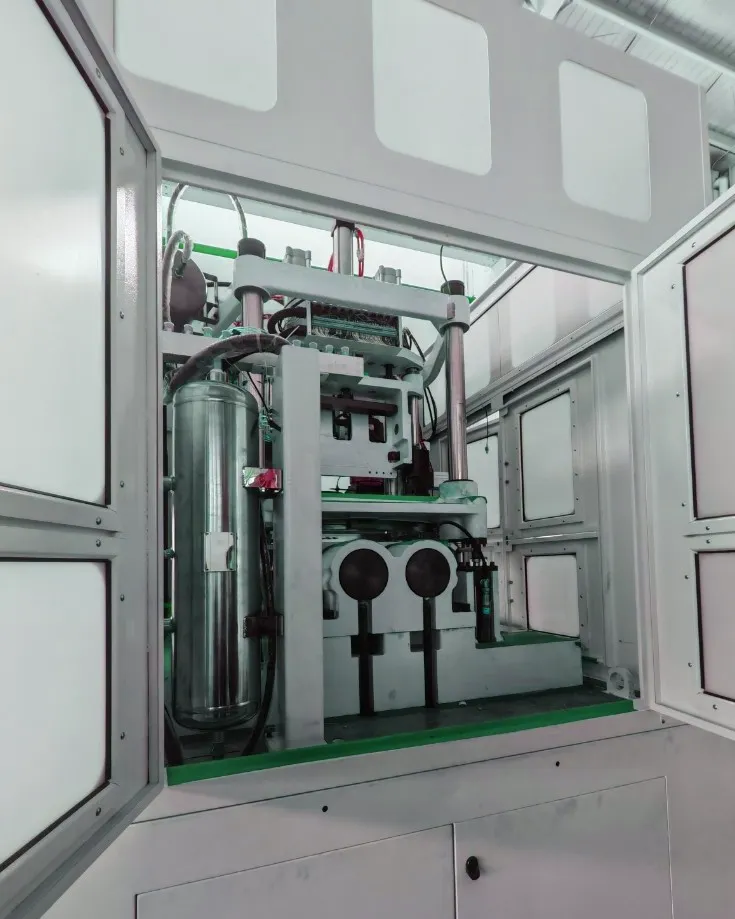
The pharmaceutical packaging sector in the UK — concentrated in Hertfordshire, West Yorkshire, and Cheshire — demands the highest standards of process hygiene, dimensional precision, and regulatory documentation. Single-stage injection stretch blow molding meets these demands through its closed process chain, servo-driven cavity transfer ensuring thread dimensions within ±0.05 mm tolerance, and full batch traceability through Siemens S7 PLC logging. PET and PETG bottles for solid-dose tablets, liquid medicines, and ophthalmic solutions are produced efficiently on one-step ISBM lines, with in-line weight checks and vision systems for compliance audit documentation. The GMP-compatible process sequence reduces IQ/OQ/PQ validation scope compared with two-stage lines handling open preforms.
UK soft drink, mineral water, and juice manufacturers in the Midlands and South West run 24/7 ISBM operations at cycle speeds of 8–12 seconds per shot. Biaxially oriented PET bottles from one-step ISBM machines provide the CO₂ barrier performance required for carbonated beverages without secondary barrier coatings. The shift toward rPET across the UK market — driven by the Plastic Packaging Tax and extended producer responsibility frameworks — requires ISBM machines capable of processing 30–100% recycled content without clarity or mechanical property degradation. Ever Power HGY-series machines are validated for rPET blends with IV management strategies that compensate for the typically lower intrinsic viscosity of recycled feedstocks, maintaining cycle time performance across virgin-to-recycled transitions.
Shampoo, body wash, and skincare brands headquartered in London, Manchester, and Leeds increasingly specify single-stage ISBM for complex bottle geometries — oval cross-sections, panelled waists, asymmetric forms — that require the precise wall thickness distribution that multi-stage processes cannot reliably deliver. Fine surface features including ribbing, textured grip zones, and embossed logos are produced directly in the blow mould without secondary decorating operations. S136 polished steel cavity surfaces achieve cosmetic-grade finish standards, and the process supports PCR resin inclusion for sustainability credentials required by major UK retail buyers. Shorter changeover times versus reheat lines are particularly valued in cosmetics contract packaging, where runs of 500,000–2,000,000 bottles per SKU are standard.
Lubricant, agrochemical, and industrial cleaning product manufacturers across Sheffield’s manufacturing corridor and the North West industrial belt use single-stage ISBM machines producing thick-walled PP containers meeting UN certification requirements for hazardous goods transport under ADR regulations. Biaxial orientation reduces the crystalline permeation pathways that allow solvent migration through container walls — a direct performance advantage versus extrusion blow moulded containers for aggressive chemical applications. The Ever Power HGY-1000 series handles containers up to 5 litres with consistent top-load strength, and its heavy-duty clamping architecture tolerates the higher-tonnage requirements of thicker PP wall sections without the cycle time penalties seen on smaller machines adapted beyond their design envelope.
Ever Power · Manufacturing
World-Class Precision Manufacturing for Every ISBM Application
Custom engineering, ISO-certified quality, and UK-dedicated after-sales support
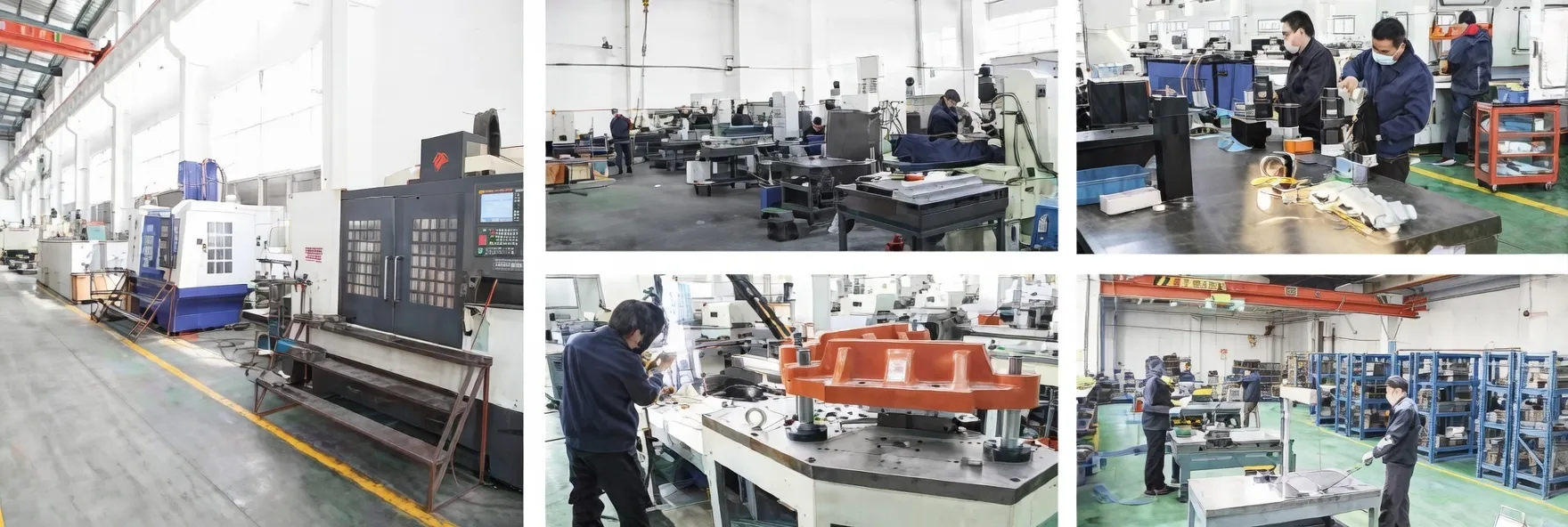
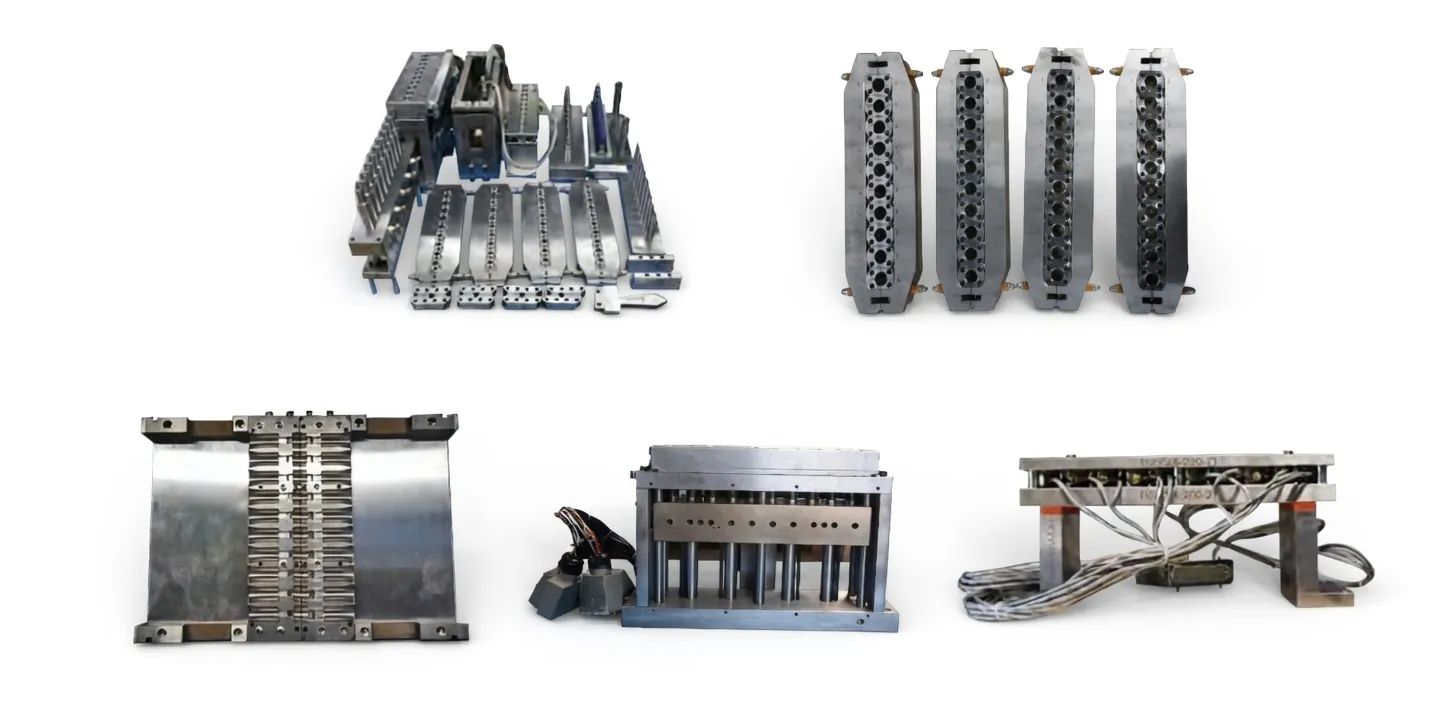
Ever Power manufacturing facility — CNC precision machining, full machine assembly, and documented factory acceptance testing
Deep Customisation Capability
Ever Power’s engineering team works alongside UK clients from concept through to factory acceptance testing, delivering single-stage ISBM machines configured precisely for their bottle geometry, resin specification, output requirement, and site utility constraints. Custom cavity counts from 1 to 12, non-standard clamping forces, integrated label applicator interfaces, cleanroom-compatible ionised air rinse units, ATEX-rated electrical panels for chemical environments, and GMP batch reporting PLC configurations are all routinely specified by Ever Power’s UK client base. Every machine undergoes comprehensive FAT before despatch, with witnessed testing available for pharmaceutical, food-grade, and other regulated industry clients who require documented qualification evidence for their quality management systems.
Precision Manufacturing Standards
All structural components are machined on 5-axis CNC centres with positional accuracy of ±0.01 mm, using ISO-certified tooling and CMM final inspection at every critical dimension. Tie bars are ground to h6 tolerance and hard-chrome plated for long-service wear and corrosion resistance, ensuring platen parallelism is maintained throughout the machine’s operational lifetime. The mould clamping system is designed for mould change in under 45 minutes — a significant benefit for UK manufacturers running multi-product operations with frequent format changeovers, where minimising setup downtime has a direct impact on OEE. Ever Power’s ISO 9001:2015 quality management system ensures full traceability of materials, heat treatment certificates, and CMM inspection data for every critical component in every machine shipped globally.
UK-Focused After-Sales Support
Ever Power maintains dedicated spare parts inventory for UK-based customers, with express despatch via DHL and FedEx Priority from the factory warehouse to UK delivery addresses in 3–5 working days for standard wear components. Critical replacement parts — injection screws, barrel liners, stretch rods, blow valve assemblies, and mould temperature controllers — are stocked at regional distribution points to minimise unplanned downtime impact. Remote diagnostic support via OPC-UA connectivity allows Ever Power engineers to analyse live machine performance data, identify parameter drift, and guide on-site technicians through corrective procedures without requiring international travel. Annual preventive maintenance visit packages ensure machine performance remains at the optimised cycle times established during original commissioning.
Ready to discuss your single-stage injection stretch blow molding project with Ever Power’s UK-focused technical team?
🏭 Request a Custom Machine Quote
[email protected] · Ever Power ISBM Technology
Customer Success Story
Sheffield Pharmaceutical Packaging Ltd
How one South Yorkshire manufacturer transformed output quality and cycle time economics
🏭
Industry
Pharmaceutical Packaging
📍
Location
Sheffield, South Yorkshire
⚙️
Machine Deployed
Ever Power HGY-250 (4-cavity)
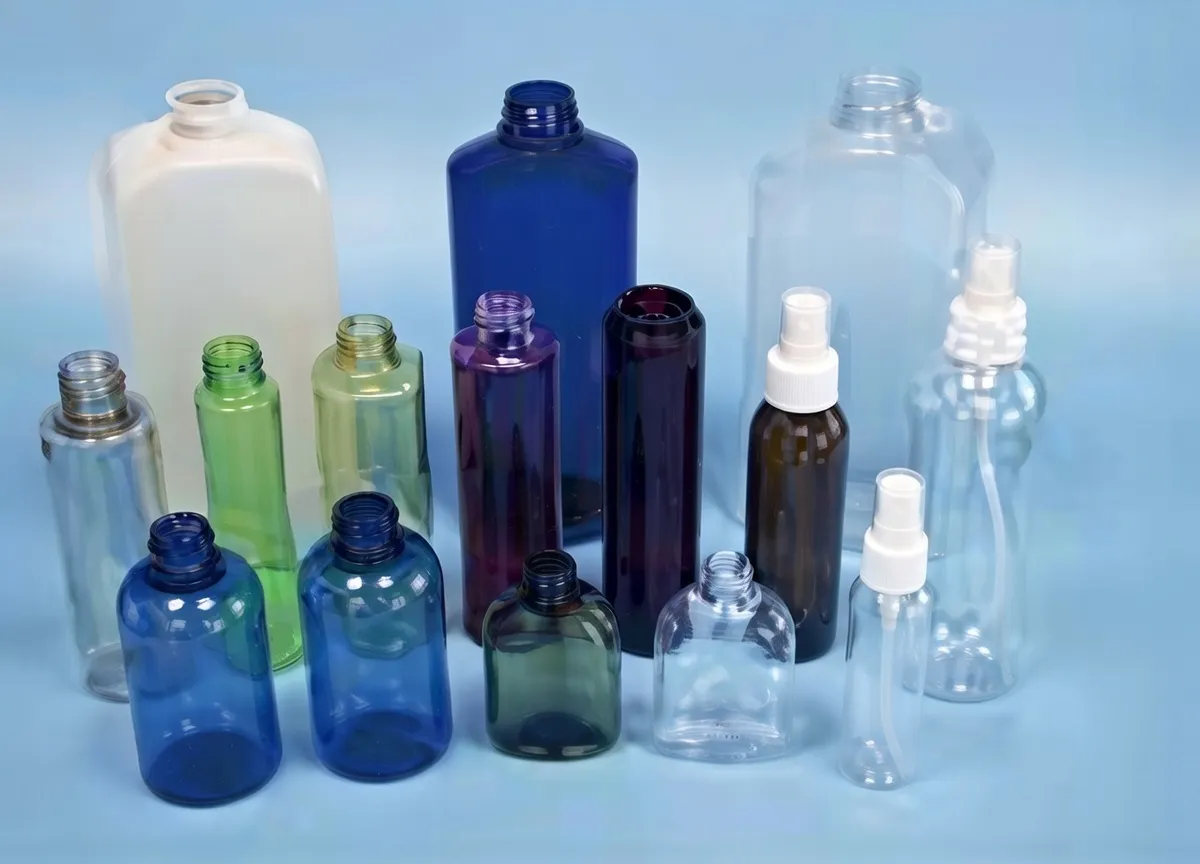 Sheffield Pharmaceutical Packaging Ltd had been operating a two-stage reheat blow moulding line producing 50 ml and 100 ml PET tablet bottles for a major UK generics manufacturer. Output ran at approximately 1,800 bottles per hour across two machines, with quality reject rates persistently between 3.5 and 4.2% — driven primarily by thread dimensional variation and inconsistent shoulder wall thickness. Unplanned downtime attributed to preform transport system jams and lamp failures averaged 8.7% over the preceding 12 months. Energy costs per thousand bottles were considered acceptable until detailed benchmarking revealed a 31% premium over sector best practice.
After a detailed site assessment by Ever Power’s application engineering team, the facility replaced both existing lines with a single HGY-250 four-cavity ISBM machine. The machine was custom-configured with a cleanroom-compliant ionised air rinse unit, integrated checkweigher and vision inspection system, Siemens S7-1500 PLC with batch reporting for GMP audit documentation, and a conformal-cooled mould set designed specifically for the 50 ml and 100 ml bottle family. Commissioning and IQ/OQ/PQ validation protocols were completed within 11 working days.
+47%
Output increase
per hour
0.4%
Reject rate
(from 3.8%)
-27%
Energy per
1,000 bottles
<1.2%
Unplanned
downtime Y1
£18.4k
Annual utility
saving
What Our UK Customers Say
We were genuinely cautious about moving from our existing reheat setup — the thread tolerances on our childproof closures are tight and the consequences of dimensional drift are significant for us as a pharmaceutical supplier. Ever Power walked through the technical specification in detail before we committed, and the HGY-250 has delivered exactly the cycle times and dimensional consistency they described. Our reject rate is below half a percent and we have not had a single unplanned stop in over four months of continuous production.
— James Hartley, Production Director
Sheffield Pharmaceutical Packaging Ltd, South Yorkshire
The cycle time performance on our Ever Power machine has changed our production economics entirely. Running 28 mm PET bottles at 10.4 seconds per shot on four cavities — consistently across three shifts, day in day out — is something we could not achieve on our previous equipment. The servo stretch system and the conformal-cooled tooling Ever Power designed for our specific bottle made a genuine difference. For a Birmingham packaging operation competing against Continental European contract manufacturers on price, this efficiency level is what keeps us in the conversation.
— Sarah Connelly, Operations Manager
Midlands Container Solutions Ltd, Birmingham
We approached Ever Power needing a bespoke single-stage ISBM solution for a cosmetic bottle with a complex oval cross-section that other suppliers had declined. Their tooling engineers collaborated directly with our in-house development team on the conformal-cooled mould design and preform geometry, and the result was a 9.8-second cycle on a 150 ml PETG bottle that our previous supplier said was impossible below 15 seconds. The quality of the engineering and the responsiveness throughout the project has made Ever Power our preferred global ISBM partner.
— Dr. Emma Forsythe, Head of Packaging Technology
NorthStar Cosmetics Group, Manchester
FAQ
Questions from UK Manufacturers
Answers to the questions production engineers and procurement teams ask most often
How much does a single-stage injection stretch blow molding machine cost for a UK manufacturer, and what should I budget for full installation including site preparation?
ISBM machine pricing varies substantially based on cavity count, maximum bottle volume, resin capability, and customisation scope. Entry-level 2-cavity single-stage machines for small pharmaceutical or cosmetic applications start from approximately £85,000–£120,000 CIF UK port, while high-output pharmaceutical or beverage configurations can reach £280,000–£450,000 fully specified. Installation — covering electrical panel connection, compressed air and chilled water supply infrastructure, and commissioning — typically adds 8–15% to the machine capital cost. Ever Power provides detailed quotations itemised in GBP for UK customs, VAT, and Intrastat reporting purposes. Reach out to [email protected] with your bottle specification and annual output requirement for a project-specific price within 3 working days.
What is a realistic cycle time for a modern one-step ISBM machine producing 500 ml PET bottles in a UK beverage packaging plant, and what variables have the most impact?
A well-optimised single-stage ISBM machine with conformal-cooled tooling and a servo stretch rod typically achieves 14–16 seconds per cycle for a standard 500 ml carbonated beverage bottle (22–24 g, 28 mm PCO neck) on a 2-cavity configuration. The primary variables are cooling channel design, chilled water inlet temperature (target 8–10 °C), blow pressure sequencing, and preform wall thickness. Machine process recipe optimisation during commissioning is essential — Ever Power’s commissioning engineers spend 3–5 days on-site establishing tuned process recipes for each new bottle specification. With a well-executed commissioning programme, cycle times at the low end of the range cited above are achievable in sustained three-shift production.
Which UK industries are currently investing most heavily in single-stage ISBM equipment, and where are the main manufacturing clusters located across England and Scotland?
Pharmaceutical and nutraceutical packaging manufacturers in Hertfordshire, West Yorkshire, and Cheshire represent the fastest-growing UK investment segment for single-stage ISBM, driven by MHRA and EU GMP compliance requirements. Food and beverage packaging remains the volume leader, concentrated in the Midlands, South West, and North West. Personal care and cosmetics packaging is a growing specifier in London, Leeds, and Manchester. Industrial chemical container producers in Sheffield and the North West industrial corridor are also active investors in ISBM, particularly for large-format PP lines. Scottish food and drinks exporters — particularly whisky and soft drink bottlers near Edinburgh and Glasgow — represent an emerging market segment.
How long does it take to get a custom ISBM machine delivered and commissioned at a manufacturing site in Birmingham or Sheffield when ordering from an overseas supplier like Ever Power?
Custom single-stage ISBM machines from Ever Power carry lead times of 90–120 days from confirmed order and technical freeze, including mould fabrication, full machine assembly, and factory acceptance testing. Sea freight from the production facility to UK destinations — Birmingham, Sheffield, Manchester, Leeds, or elsewhere — adds 28–35 days, giving total delivery in 120–155 days from order. Air freight options for critical components are available for urgent projects. Experienced ISBM teams can complete installation and commissioning on a properly prepared UK site in 5–10 working days. Ever Power recommends beginning site preparation (power supply, compressed air, chilled water circuit) in parallel with machine production to avoid delays after machine arrival.
What are the key technical differences between single-stage and two-stage ISBM, and which process typically achieves better cycle time for small and medium-volume bottle production in the UK?
Single-stage ISBM integrates injection, conditioning, stretch, and blow in one continuous machine cycle — retaining preform heat to eliminate reheating and achieving part-to-part times under 12 seconds for small bottles. Two-stage reheat systems achieve higher absolute throughputs at scale (above 20,000 bph), because large rotary reheat blow moulders exceed what any single-station ISBM machine can produce. For UK contract packaging or in-house brand manufacturing at 1,000–8,000 bph, single-stage ISBM typically delivers superior economics through capital, floor space, operator, and energy savings that outweigh the throughput differential. Pharmaceutical, precision cosmetics, and any application requiring preform handling hygiene control will generally prefer single-stage ISBM regardless of volume.
Where can a pharmaceutical packaging manufacturer in the UK get a competitive price quote for a single-stage ISBM machine with custom molds and GMP-compliant process documentation?
UK pharmaceutical packaging manufacturers can request a fully itemised, project-specific quotation from Ever Power by emailing [email protected] with their bottle specification (dimensions, neck finish, weight, container volume), required annual output target, site utility capacity details (available electrical supply in kVA, compressed air in bar and m³/min, chilled water flow rate and supply temperature), and regulatory requirements (GMP grade, ATEX zone, cleanroom class). Ever Power’s UK-dedicated technical sales team responds with formal quotations including CIF UK port pricing, tooling packages, recommended spares kit, and commissioning scope within 3 working days. References from existing UK pharmaceutical packaging customers operating Ever Power single-stage ISBM machines are available upon request.
Start Optimising Your ISBM Cycle Times Today
Speak with Ever Power’s technical team about your single-stage injection stretch blow molding requirements — custom tooling, optimised cycle parameters, UK delivery, and full commissioning included.
edit by gzl