ISBM Technology · UK Manufacturing Insight · Ever Power
Top 5 Advantages of Using
Single-Stage ISBM for
Bottle Production
From raw resin pellets to a finished, market-ready bottle in a single uninterrupted machine cycle — discover why leading UK manufacturers are specifying single-stage injection stretch blow moulding over traditional two-stage processes.
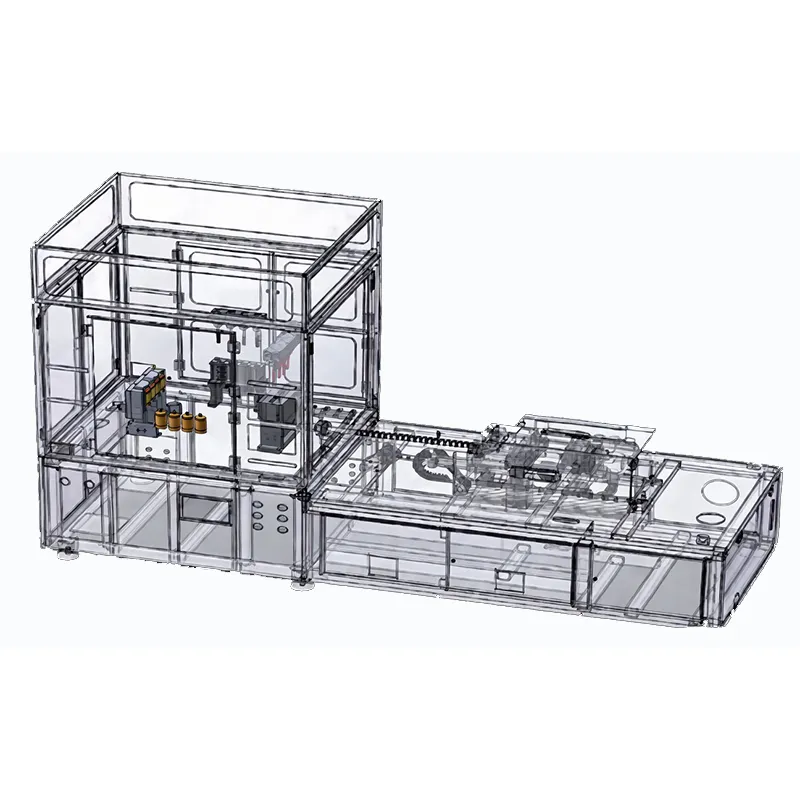 The single-stage injection stretch blow moulding process — commonly referred to as single-stage ISBM — has reshaped bottle production across the UK manufacturing landscape in ways that deserve serious attention from any operations manager or capital expenditure planner evaluating packaging lines. Unlike the conventional two-stage approach, where preforms are injection-moulded separately, cooled, stored, and then reheated before blowing, single-stage ISBM integrates every step into one seamless, thermally continuous cycle. The result is a production process that’s architecturally leaner, energetically smarter, and capable of delivering bottle quality that many two-stage lines genuinely struggle to match consistently.
This isn’t a new technology — the fundamental principle of retaining injection heat through to the blow stage has been understood for decades. What has changed is the sophistication of the machines themselves: servo-driven injection units, closed-loop process control, rapid-change tooling platforms, and intuitive HMI software have all matured to the point where single-stage ISBM is now a compelling option not just for large-scale factories, but for mid-size contract packers, start-up beverage brands, and specialist pharmaceutical manufacturers operating across the UK’s diverse industrial geography — from Sheffield’s precision engineering heartland to the pharmaceutical corridors of the Thames Valley.
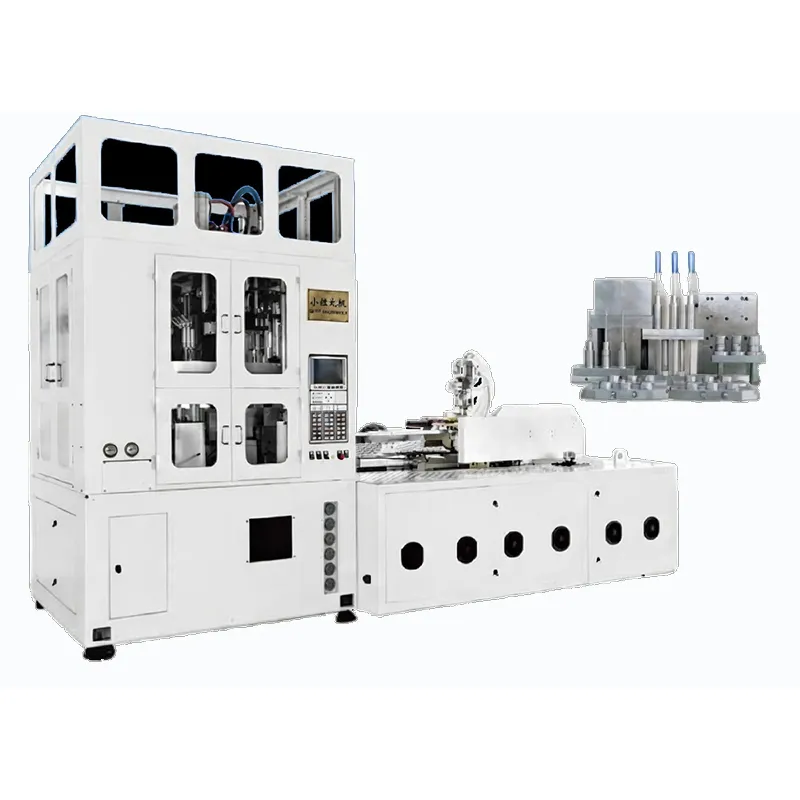
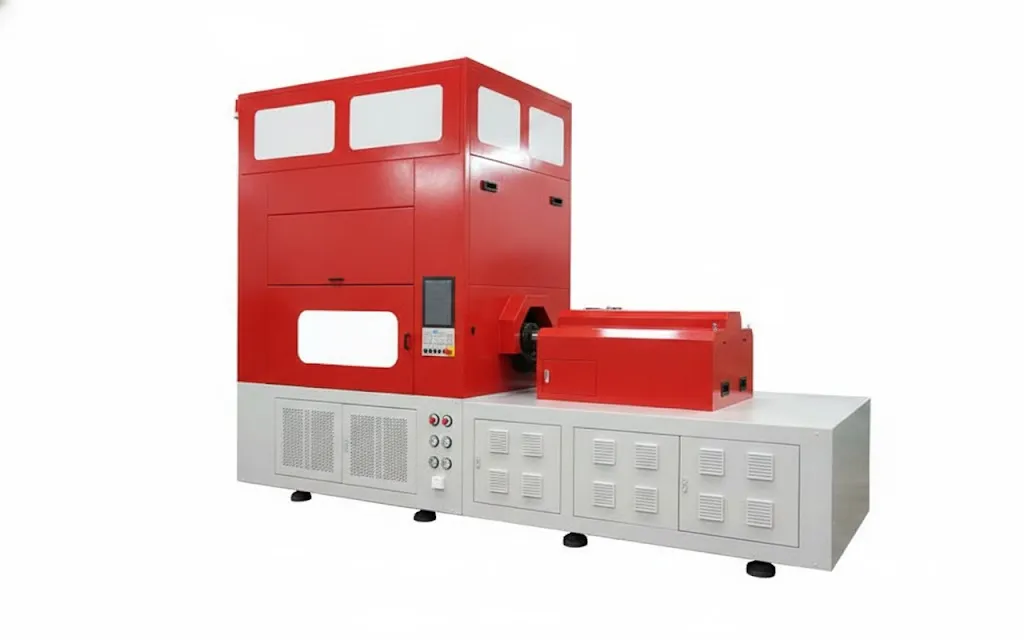
Ever Power Single-Stage ISBM Machine — Precision Engineering for Modern Bottle Production
How the Single-Stage ISBM Process Works
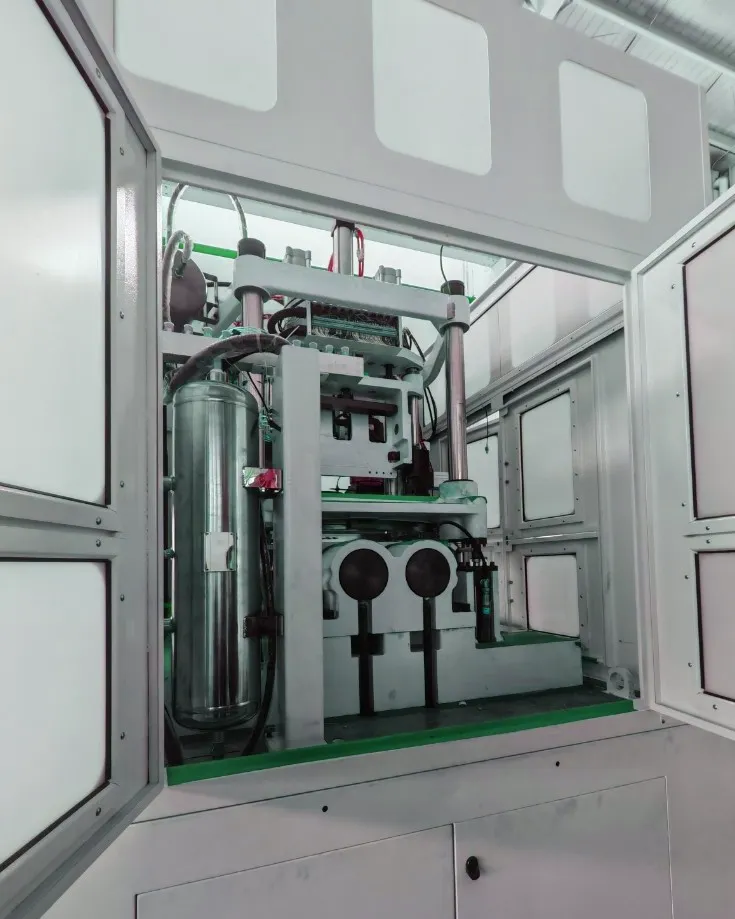 To properly understand why single-stage ISBM delivers the advantages it does, it’s worth being precise about the physical sequence of events that takes place inside the machine during every production cycle. The process begins when raw polymer resin — most commonly PET (polyethylene terephthalate) — is fed from the hopper into the injection barrel. There, it is plasticised under heat and screw pressure, then injected through a hot runner system into the preform cavity set. The preform — a test-tube-shaped intermediate component with a fully formed neck finish — is moulded to extremely tight dimensional tolerances, because the final bottle geometry is entirely dependent on preform wall distribution.
What happens next is what fundamentally differentiates single-stage ISBM from every other blow moulding process. Rather than being cooled to ambient temperature and stored, the preform is indexed — still carrying significant residual heat from the injection stage — to the conditioning station and then directly to the blow moulding unit. A precision-machined stretch rod extends axially down through the preform neck, elongating it to its target height. Simultaneously, a pre-blow of lower-pressure air begins shaping the preform walls. High-pressure air — typically 25 to 40 bar depending on resin type and bottle geometry — then inflates the preform fully against the cooled blow mould cavity surfaces.
The significance of this thermal continuity cannot be overstated. By retaining heat from injection through to the blow stage, single-stage ISBM avoids the energy-intensive reheating that two-stage systems require. It also maintains a more uniform and controllable thermal profile across the preform wall — a critical factor in achieving consistent biaxial orientation and, by extension, the optical clarity and structural integrity that brand owners and regulatory bodies demand from finished bottles. Every gram of resin passes through a defined, monitored thermal history from pellet to finished container. In a market increasingly focused on quality consistency and production transparency, that level of process integration is a real engineering advantage.
Materials Processed by Single-Stage ISBM Machines
Single-stage ISBM machines are engineered to process a range of thermoplastic polymers, with PET remaining the dominant material across the global packaging industry. PET’s combination of exceptional transparency, gas barrier performance, chemical resistance, and well-established recyclability makes it the default resin for the majority of single-stage ISBM applications. When processed correctly through a single-stage platform, PET benefits from carefully managed crystallinity levels — too much and the bottle becomes hazy; too little and structural performance suffers. The integrated thermal control of the single-stage process is particularly well-suited to achieving the narrow crystallinity window that produces water-clear bottles with reliable impact resistance.
PET — Polyethylene Terephthalate
The dominant choice for clear, lightweight consumer bottles across beverages, personal care, and healthcare sectors. PET processed through single-stage ISBM delivers outstanding barrier performance against CO₂ and O₂, superior optical clarity, and strong sustainability credentials under UK extended producer responsibility legislation. Standard injection temperatures range from 260°C to 300°C with zone-controlled heating across the barrel length. Intrinsic viscosity (IV) grade selection matters significantly here — Ever Power’s process engineers advise on resin grade selection as part of every machine commissioning programme.
PP — Polypropylene
Preferred in pharmaceutical, nutraceutical, and food packaging applications where chemical resistance and sterilisation compatibility are required. PP has a higher melting point than PET and is fully compatible with autoclave and gamma-irradiation sterilisation cycles, making it the material of choice for MHRA-regulated manufacturing in the UK. Its slightly diffuse optical character is often deliberately specified for UV-sensitive product protection. Single-stage ISBM machines processing PP require adjusted tooling, modified stretch ratios, and specific temperature profiles — all areas where Ever Power’s configuration support adds clear value to customers switching from PET lines.
PC, PEN & Engineering Resins
For large-format industrial containers, water dispenser bottles, and specialist chemical packaging, polycarbonate and PEN (polyethylene naphthalate) are processed on configured single-stage ISBM platforms. These engineering resins deliver enhanced temperature resistance and mechanical strength compared to standard PET. They require higher injection pressures — up to 200 MPa in some configurations — and carefully managed post-blow cooling profiles. Ever Power offers custom machine configurations for these materials, with application-specific tooling and validated process parameters developed during factory acceptance testing before each machine leaves the production facility.
Top 5 Advantages of Single-Stage ISBM
Why UK bottle manufacturers are choosing single-stage ISBM over conventional two-stage production
01
Significantly Lower Energy Consumption Per Bottle
Energy cost is among the most significant operational burdens in any UK manufacturing environment, particularly against the backdrop of the energy price volatility the country experienced from 2021 onwards. Single-stage ISBM machines deliver a meaningful and measurable advantage in this area: by retaining the heat generated during the injection phase and carrying it through directly to the blow moulding stage, the process eliminates the reheating cycle that two-stage systems depend on entirely. In a conventional reheat stretch blow moulding line, infrared lamps must raise every preform — which has cooled to ambient or sub-ambient storage temperature — back up to the correct orientation temperature window before it can be blown. That heating cycle runs continuously across every preform on every shift, representing a constant and substantial electricity draw.
Field comparisons between equivalent single-stage and two-stage bottle production operations consistently indicate energy savings of 15% to 30% per bottle produced. For a contract packer running three shifts in Sheffield or Manchester, those savings accumulate rapidly across an annual production calendar. There’s a secondary benefit too: the UK government’s Streamlined Energy and Carbon Reporting (SECR) framework has made electricity consumption reporting obligatory for many mid-size manufacturers. A 20% reduction in per-bottle energy use doesn’t just cut bills — it improves compliance metrics and strengthens a company’s sustainability narrative with brand-owner customers who are increasingly scrutinising supply chain carbon data.
02
Superior Bottle Clarity and Wall Consistency
Optical clarity is one of the most commercially sensitive quality metrics in consumer bottle packaging. Retailers, brand owners, and end consumers all expect PET bottles to be water-clear — any visible haze, streaking, pearlescence, or uneven wall thickness can trigger rejection at the filling line, on the retail shelf, or even in customer focus groups. Single-stage ISBM delivers a structural quality advantage here rooted in physics: because the preform moves directly from injection into the conditioning and blow stations without being allowed to cool fully, the thermal homogeneity across the preform wall is maintained throughout the process. This prevents the formation of the stress concentrations and localised crystallinity variations that are a known quality risk when cold preforms from external suppliers are reheated in a two-stage line.
Wall thickness distribution — a critical parameter for both structural integrity and gas barrier performance in carbonated beverage bottles — is also demonstrably more uniform in single-stage ISBM output. The axial stretch ratio and blow pressure are both directly controlled by the machine’s process parameters, giving engineers precise influence over final bottle geometry without dependence on the consistency of a third-party preform supplier. For high-value applications such as premium spirits bottling in Edinburgh, cosmetic packaging for London’s beauty and wellness brands, or pharmaceutical-grade containers produced in the East Midlands, this degree of quality control isn’t a bonus — it’s an absolute prerequisite.
03
Lower Total Capital Investment and Reduced Factory Footprint
Capital expenditure planning for a new or upgraded bottle production line involves considerably more than the headline price of the primary machinery. A two-stage system requires two distinct machine installations — a dedicated injection moulding unit and a separate reheat blow moulding machine — plus the conveyors, preform storage systems, desiccant drying equipment, and environmental controls required to manage preform logistics safely between those two steps. Single-stage ISBM consolidates this entire production chain into one machine platform, which has significant and direct implications for both the initial capital outlay and the ongoing factory management overhead. For manufacturers operating in legacy industrial buildings across Birmingham’s Jewellery Quarter, Sheffield’s Lower Don Valley, or Leeds’ Kirkstall Road corridor, floor space genuinely commands a premium — and a machine that replaces two is a real estate advantage in its own right.
Beyond the initial purchase, single-stage ISBM also reduces ongoing operational costs associated with preform storage (racking, climate control, stock management), handling damage to preforms in transit between injection and blow stations, and the risk of preform contamination during storage — a particular concern in pharmaceutical and food-contact applications. The whole-life cost of a single-stage ISBM installation compares very favourably when modelled on a per-bottle basis across a realistic machine service life of 10 to 15 years. For many small-to-mid-size UK manufacturers, the total investment in single-stage ISBM is substantially lower than an equivalent two-stage setup — and the operational simplicity of a single-machine process is a recurring theme in the feedback Ever Power receives from customers post-commissioning.
04
Faster Mould Changeover and Greater Production Flexibility
Modern UK manufacturing increasingly demands short-run flexibility — the capacity to switch bottle formats, sizes, neck finishes, or resin grades without extended downtime and without the substantial changeover complexity that two separate machine platforms entail. This shift has been driven by several converging forces: the continued growth of private-label and own-brand packaging programmes for major retailers, the craft beverage sector’s appetite for distinctive bottle aesthetics, and the pharmaceutical industry’s migration towards smaller batch sizes under flexible manufacturing licences. Single-stage ISBM machines are inherently well-positioned for this kind of production environment, because any given format change involves only one set of tooling — a combined injection-and-blow mould set — rather than coordinated changeovers across two separate machines with different operators and tooling schedules.
Ever Power’s single-stage ISBM machines incorporate rapid-change mould systems and modular tooling platforms that reduce typical changeover times to under 30 minutes on trained production teams. Combined with intuitive HMI controls, stored process recipe management, and clear visual tooling guides, operators can switch between bottle types confidently without the quality risk that often accompanies format changes on less well-engineered platforms. For contract manufacturers serving multiple brand clients from sites in Bristol, Glasgow, or the East Midlands, this flexibility directly enables more commercially competitive service offerings — and reduces the minimum economic order quantity that makes short runs viable.
05
Improved Material Utilisation and Reduced Per-Bottle Waste
Material efficiency is a persistent and financially significant challenge in high-volume plastics processing. Single-stage ISBM machines offer a structural advantage here: because the preform is designed and manufactured as an integral part of the same cycle as the finished bottle, the entire system can be optimised as a single, coherent unit. Preform weight, wall distribution profile, neck finish geometry, and base configuration are all tuned precisely to the specific bottle being produced — without the compromises that sometimes arise when generic preforms from a separate injection operation are adapted to fit a given blow mould in a two-stage line. Those compromises frequently manifest as excess material in one region of the bottle and marginal material in another, resulting in either overweight bottles (higher resin cost) or field failures from underweight walls.
This integrated optimisation approach allows Ever Power’s engineering team to collaborate with customers during the bottle development phase to minimise preform weight to the practical minimum required for structural compliance. Across a production run of several million bottles — entirely realistic for a mid-size UK contract packer running a single ISBM platform at full utilisation — even a one-gram reduction in average preform weight represents a substantial annual saving in resin purchase cost, shipping weight, and downstream recycled plastic volumes. With the UK government’s plastic packaging tax now fully in force and charging manufacturers on packaging that doesn’t meet recycled content thresholds, every gram of polymer saved has a direct and calculable financial benefit.
Technical Specifications & Performance Parameters
The specifications below summarise the core performance parameters of Ever Power’s single-stage ISBM machine range. Figures represent typical production configurations across the HGY platform; actual performance will vary with bottle design complexity, resin grade, cavity count, and production environment. Ever Power provides full application-specific technical datasheets and performance modelling for all customers at the quotation stage.
| Parameter | Specification | Notes |
|---|---|---|
| Machine Platform | HGY Series (HGY100 – HGY500) | Single-stage ISBM platform |
| Bottle Volume Range | 50 ml – 20,000 ml | Subject to mould design |
| Cavity Count | 1 – 12 cavities | Configurable per application |
| Compatible Resins | PET, PP, PC, PEN, PLA (bio-based) | Material-specific tooling required |
| Injection Pressure | Up to 200 MPa | Servo-hydraulic or full-electric |
| Blow Pressure | 20 – 40 bar | Adjustable per bottle geometry |
| PET Injection Temp. | 260°C – 300°C | ±2°C zone control |
| Cycle Time (typical) | 12 – 35 seconds | Depends on bottle size / cavity count |
| Energy vs Two-Stage | 15% – 30% lower per bottle | Based on comparative field data |
| Neck Finish Options | PCO 1810, PCO 1881, 38mm, custom | Full customisation available |
| Clamping Force | 100 – 500 kN | Model dependent |
| Control System | Siemens / Mitsubishi PLC + HMI touchscreen | English-language interface standard |
| Mould Changeover | Under 30 minutes (trained operator) | Quick-change tooling available |
| Machine Footprint | 3.2 m x 2.0 m – 5.8 m x 3.0 m | Configuration-dependent |
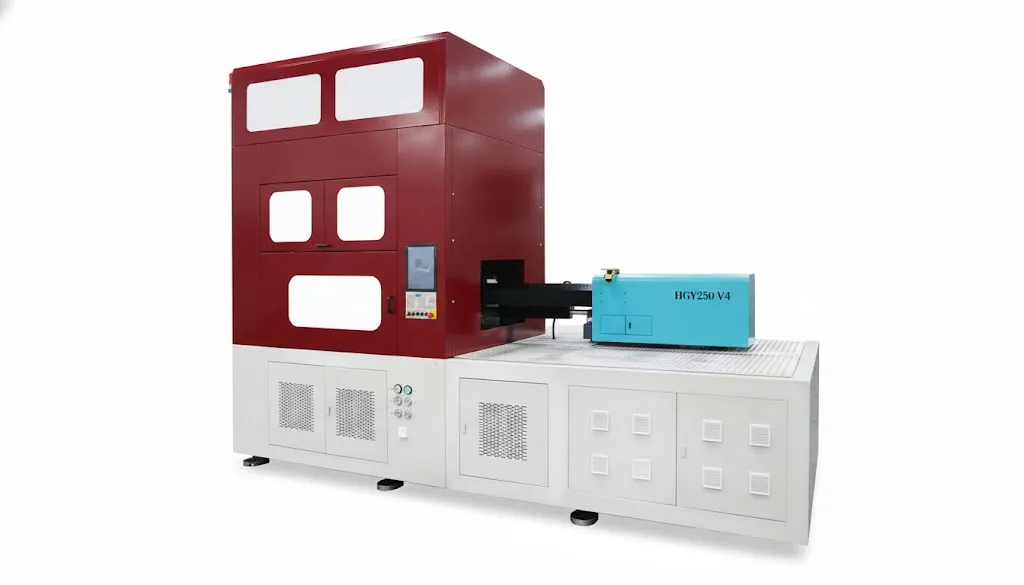
Ever Power HGY250 — One of the most specified models for mid-volume UK bottle production projects
Where Single-Stage ISBM Delivers the Most Value
Single-stage ISBM isn’t a niche technology confined to one sector — its combination of quality consistency, process flexibility, and compact footprint makes it relevant across a wide and growing range of UK industrial applications. The technology is particularly well-suited to production contexts where bottle clarity, precise dimensional tolerances, and hygienic processing are non-negotiable, and where the versatility to switch between formats without excessive downtime adds commercial value. The following sectors represent the most active areas of single-stage ISBM adoption across the UK today.
Beverages and Soft Drinks
The beverages sector remains the single largest application for single-stage ISBM in the UK. Still and sparkling water, juices, sports drinks, energy drinks, and carbonated soft drinks all require PET bottles that combine optical clarity with reliable CO₂ retention. The single-stage process is particularly valued by craft soft drink producers operating from Yorkshire and the South East who need premium-looking bottles in volumes that don’t justify the capital overhead of a high-capacity two-stage reheat line. Several established brands producing from facilities near Leeds and Harrogate have adopted single-stage ISBM specifically for its quality-to-volume economics.
Personal Care and Cosmetics
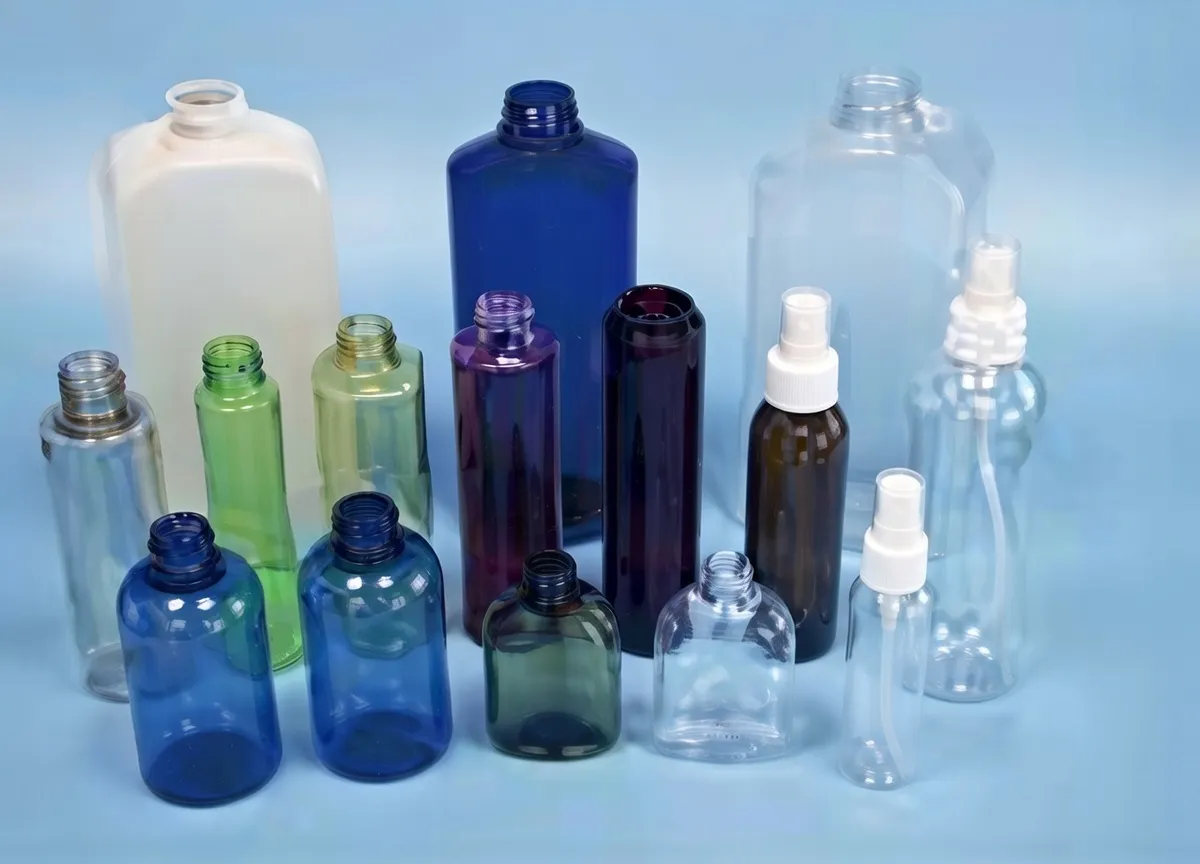
Shampoos, conditioners, body washes, shower gels, and skincare liquids require packaging with complex curved profiles, oval cross-sections, and decorative bottle geometries that distinguish a product on the shelf. Single-stage ISBM supports this through custom mould design and precise blow pressure management. UK cosmetics manufacturers — particularly those supplying premium health and beauty retailers and independent brands based in London — regularly specify ISBM-produced containers for product lines where packaging aesthetics directly influence purchase intent and retail price positioning.
Pharmaceutical and Nutraceutical
Pharmaceutical-grade bottle production carries stringent hygiene, dimensional, and documentation requirements. The closed-loop nature of single-stage ISBM — from resin pellet to finished bottle in a controlled manufacturing environment, without intermediate storage — reduces contamination risk at the most vulnerable stage in two-stage processes. MHRA-regulated manufacturers producing nutraceutical supplements, liquid medicines, and healthcare products in Nottingham, Warwickshire, and the Thames Valley pharmaceutical corridor have all leveraged this characteristic to strengthen their quality management documentation and reduce batch reject rates.
Agrochemicals and Industrial Fluids
PP containers produced via single-stage ISBM are widely used for agrochemical concentrates, industrial lubricants, and cleaning chemical packaging. PP’s resistance to aggressive chemical content makes it ideal for containers that must maintain their structural integrity and seal quality throughout a shelf life measured in years. Agricultural supply companies operating across the East of England — one of the UK’s most intensive arable farming regions — depend on chemically robust containers where dimensional consistency is critical for accurate metered dispensing systems used in precision farming applications.
Food and Condiments
Sauces, vinegar, cooking oil, honey, flavoured syrups, and liquid seasoning products all require bottles that balance shelf appeal with functional packaging performance — good barrier properties, leakproof closures, and reliable fill volumes at high speed. Single-stage ISBM platforms can be configured for wide-mouth openings, handled containers, and custom neck geometries that suit specific filling and capping systems. Food manufacturers in Lincolnshire’s food processing corridor and across the West Midlands regularly integrate single-stage ISBM into existing production environments with straightforward utility requirements: compressed air supply, chilled water circuit, and standard three-phase electrical connection.
Ever Power: Precision Manufacturing & Custom ISBM Solutions
Engineering-led customisation, rigorous quality assurance, and direct UK market support
Ever Power has built its reputation as a specialist manufacturer of single-stage ISBM machinery through a combination of deep process engineering expertise, uncompromising quality standards, and an unusually strong commitment to customer-specific machine customisation. Where many equipment manufacturers offer a fixed catalogue of standard configurations, Ever Power approaches each new project as an engineering collaboration — spending time with the customer’s technical team to understand the specific bottle design requirements, production volumes, resin grades, and factory constraints before specifying a machine solution. This isn’t marketing language; it’s a reflection of how the company actually operates, and it’s why a significant proportion of Ever Power’s business comes from repeat customers and referrals.
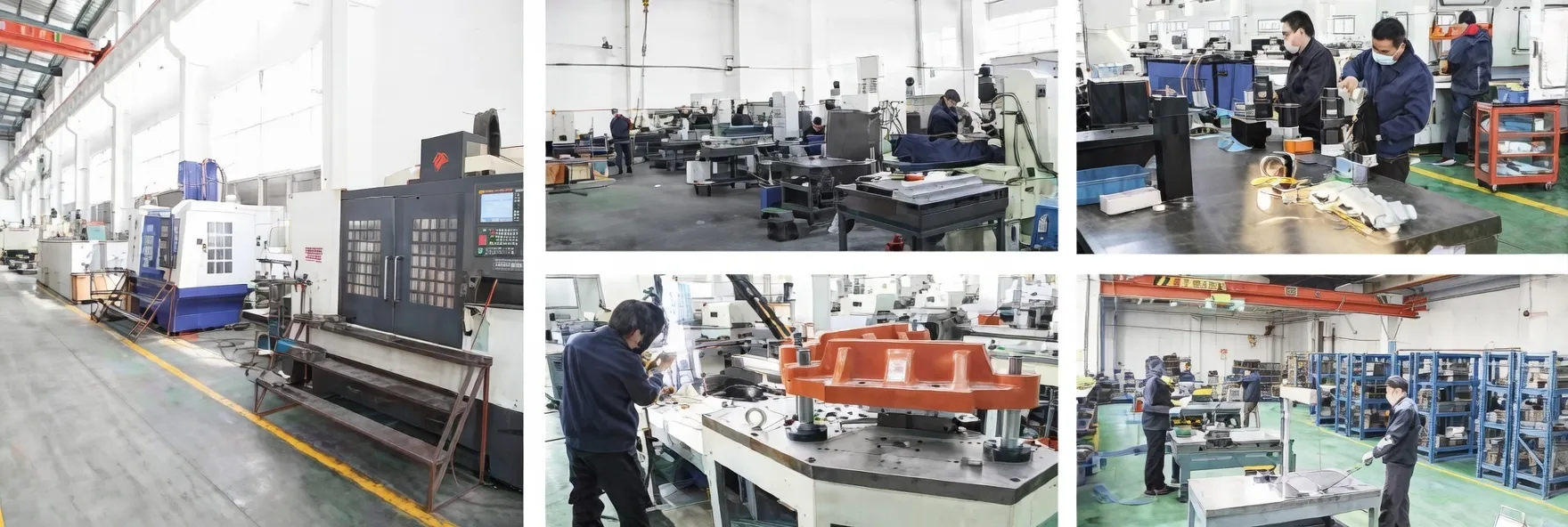
The company’s manufacturing facility operates a full suite of precision machining equipment including multi-axis CNC machining centres, EDM wire-cutting systems, and coordinate measuring machines (CMM) holding tolerances to ±0.005 mm on critical mould components. All tooling manufactured at the Ever Power facility undergoes full first-article inspection (FAI) before despatch, ensuring every machine delivered to the UK or European market meets the exact dimensional and functional specifications agreed during the design review process.
Custom Mould Design
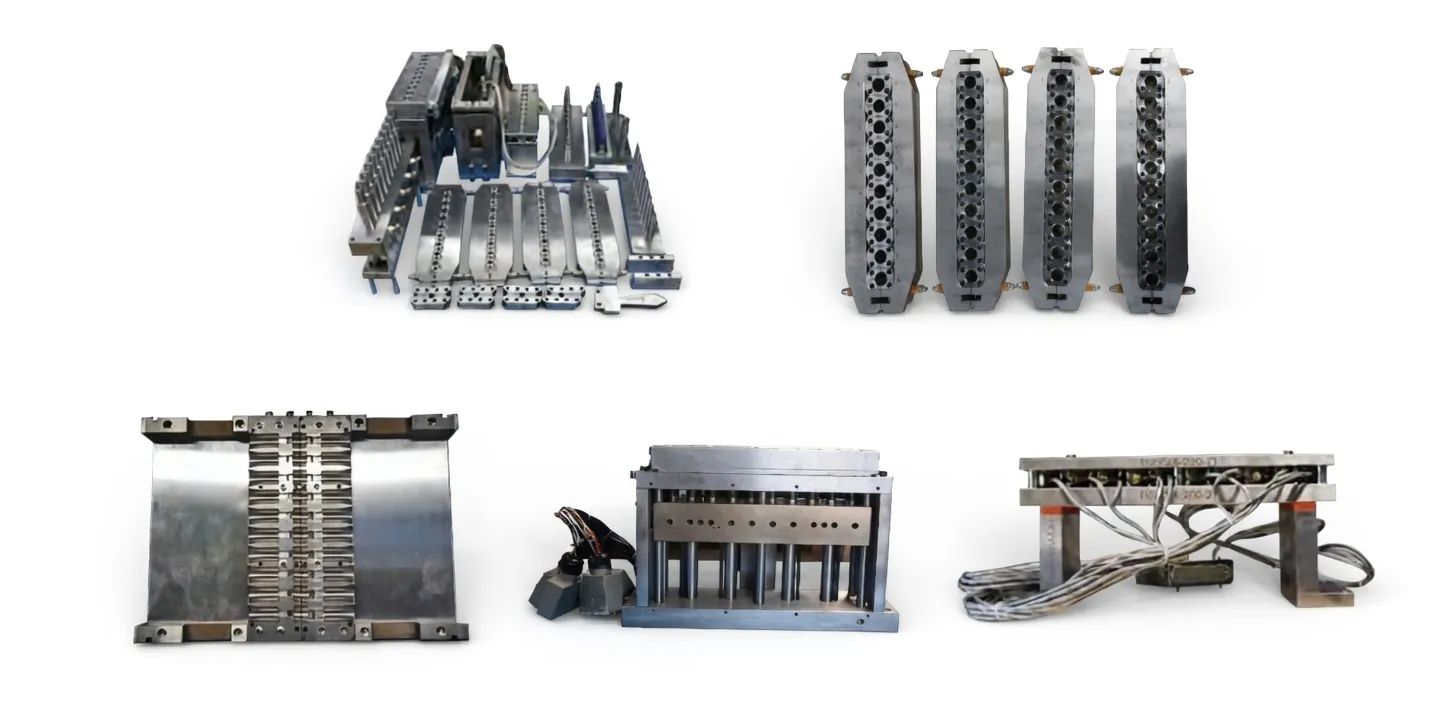
In-house mould design using SolidWorks and Moldflow simulation software. Every cavity geometry is digitally validated before machine time is committed, reducing development cycles and eliminating most first-article dimensional failures before metal is ever cut. Complex bottle profiles — oval, asymmetric, handled, multi-faceted — are accommodated as standard within the design service.
Commissioning & Process Optimisation
Ever Power engineers travel to customer facilities for on-site commissioning and process parameter development. The objective is to establish a fully validated process window before the Ever Power engineer leaves site — not to hand the customer a machine and leave them to work it out. Typical UK commissioning duration is 3 to 5 days depending on machine complexity and the number of bottle formats being set up simultaneously.
UK Logistics & After-Sales
Parts despatch to all UK mainland destinations within 48 hours of order confirmation. Remote diagnostic support available via secure VPN connection to the machine PLC — most alarm conditions and process drift issues can be diagnosed and resolved remotely without the cost and delay of an engineer visit. Scheduled preventative maintenance contracts are available for UK-based customers operating under production uptime commitments to brand-owner clients.
Quality Assurance
ISO 9001:2015 certified manufacturing processes across all machine production stages. 100% functional testing of complete machines prior to shipment, with documented FAT reports. Factory acceptance testing can be attended in person by UK customer representatives, and video-documented FAT reports with full production run footage are available as standard for customers who cannot travel to the facility before despatch.
Ready to Specify Your Custom ISBM Solution?
Ever Power’s technical sales team works with UK and European customers to define machine configurations that precisely match your bottle design, production volume targets, resin type, and site constraints. Detailed technical and commercial proposals are typically returned within 48 working hours of receiving bottle drawings and volume requirements.
Customer Success Story: Hartwell Industrial Coatings Ltd, Sheffield
Hartwell Industrial Coatings Ltd — Attercliffe Road, Sheffield, South Yorkshire
Industrial surface treatment chemicals · PP bottle packaging line upgrade
Hartwell Industrial Coatings had operated from their Attercliffe Road site in Sheffield for over 25 years, supplying surface treatment and metal protection chemicals to the city’s precision engineering and fabrication businesses — many of them long-term survivors of the region’s industrial evolution from bulk steel production towards specialist, high-value metal components. As part of a production modernisation programme in 2023, Hartwell’s operations director identified that their existing packaging arrangement — which relied on purchased preforms and an ageing reheat blow moulding machine acquired secondhand nearly a decade earlier — was generating a scrap rate approaching 3.8% and producing PP containers with inconsistent wall thickness that occasionally led to in-field container failures when exposed to concentrated chemical products over extended storage.
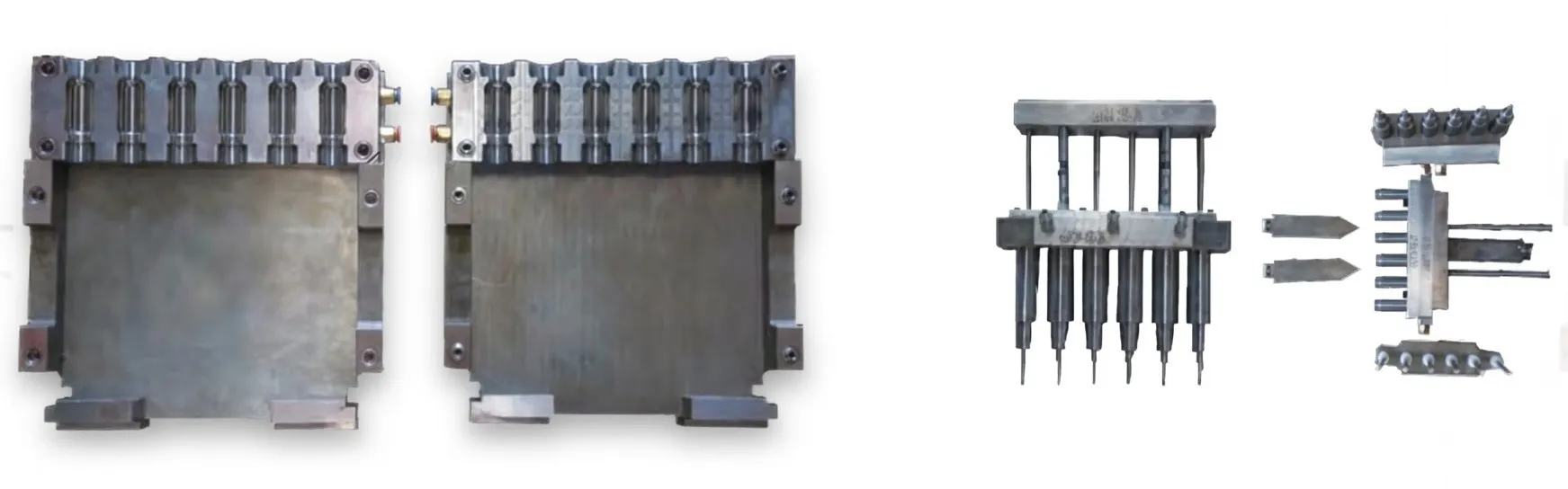
After a technical discussion with Ever Power’s sales team — which included a detailed review of Hartwell’s bottle drawings, production volume data, and documented failure modes — the company specified an HGY250 single-stage ISBM machine configured for PP processing, with a 2-cavity mould set producing their primary 500 ml and 1,000 ml chemical containers. The machine was delivered CIF to Tilbury, transported to Sheffield by a contracted logistics partner, and commissioned over a four-day period with an Ever Power engineer on-site throughout. Within the first 30 days of operation, Hartwell recorded a reduction in packaging scrap rate from 3.8% down to 0.6%, and eliminated the weekly preform delivery cost from a West Midlands supplier — a logistics overhead that had quietly grown to represent a meaningful line in the annual P&L.
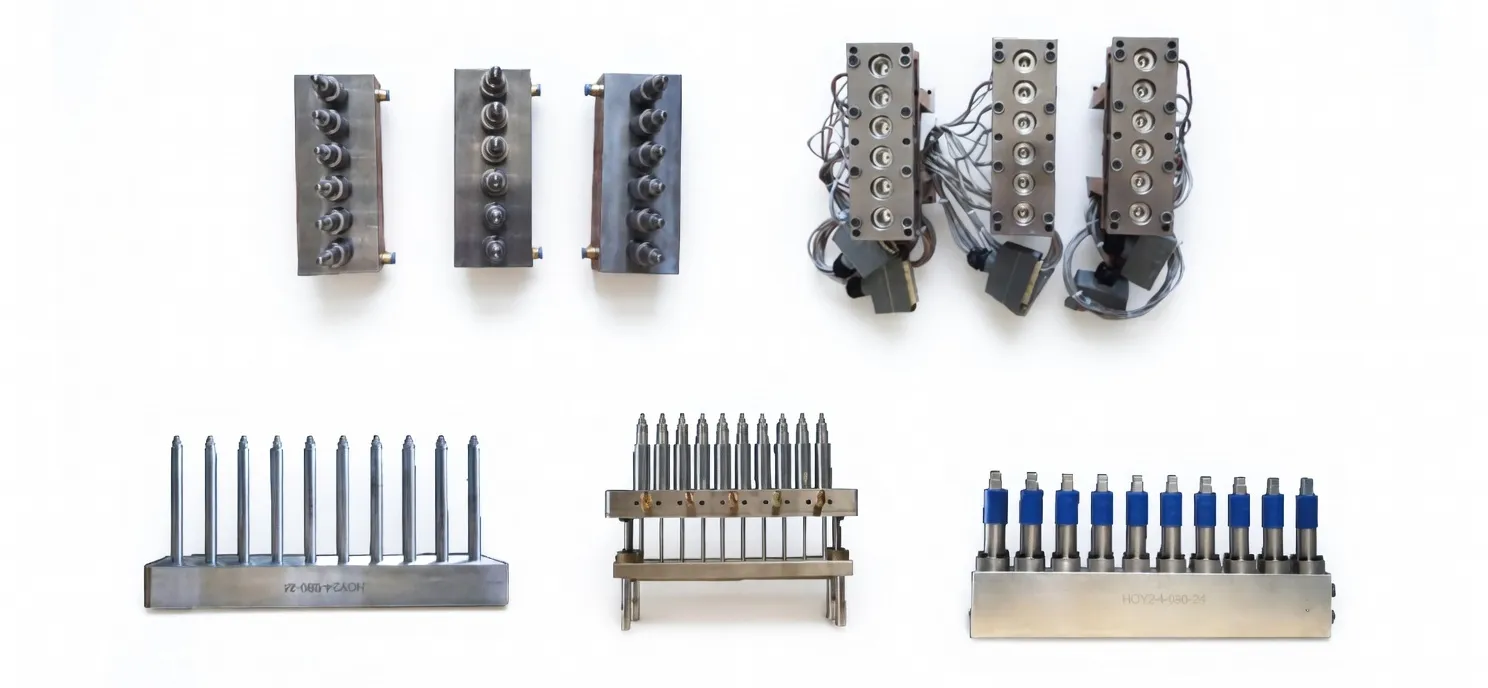
The wall consistency issue — the root cause of the in-field container failures — was resolved entirely. Chemical field returns attributed to packaging failure dropped to zero in the eight months following commissioning, eliminating both the direct replacement cost and the reputational risk with long-standing trade customers. The full investment payback period, calculated across resin cost savings, scrap rate reduction, and eliminated preform logistics, was modelled at 22 months. Hartwell subsequently placed a second order for an Ever Power machine to expand their container range into the 250 ml format for retail-channel distribution through the UK’s agricultural merchant network.
What Our Customers Say
“
The quality difference was visible from the very first production run. Our bottles now have the wall consistency we couldn’t achieve with preform-based production. The Ever Power commissioning engineer clearly knew the machine inside out — and the remote support since has been genuinely responsive, not just a helpdesk email address. For an operation like ours in Sheffield, this investment has been transformative.
— Operations Director, Hartwell Industrial Coatings Ltd, Sheffield
“
We produce premium wellness drinks and needed bottles that look genuinely premium on shelf — not generic. Ever Power worked with us on the mould design from sketch stage, and the optical clarity of the final bottle exceeded what we’d specified. The single-stage process means we control quality from resin to finished bottle ourselves. No more blaming the preform supplier when something isn’t right.
— Production Manager, Clarity Drinks Co., Leeds
“
Lead time was shorter than competitors quoted, and the custom neck finish we needed was no problem at all. We’ve been running the Ever Power machine for fourteen months with zero unplanned downtime — that track record matters more than any brochure. Spares pricing and availability have been straightforward to work with, and the PLC remote access support has resolved every minor issue quickly without an engineer callout.
— Engineering Manager, Brentford Pharma Packaging Ltd, Bristol
Frequently Asked Questions
Common questions from UK manufacturers and packaging buyers evaluating single-stage ISBM technology and Ever Power’s machine range.
What is the typical price range for a single-stage ISBM machine from a reputable supplier available to UK manufacturers?
Machine pricing varies significantly depending on cavity count, bottle volume range, resin types supported, and automation level. Entry-level single-cavity platforms capable of producing bottles up to 2 litres typically start from around £80,000 to £120,000 CIF to a UK port, while larger multi-cavity systems with full servo drives and integrated downstream handling can reach £250,000 or beyond. Ever Power’s standard quotations include CIF pricing to all major UK ports (Felixstowe, Southampton, Tilbury), commissioning costs, and a first-year critical spares package. Contact our team with your bottle drawings and volume requirements for a specific price.
How does a single-stage ISBM machine compare in cost and overall performance to a two-stage system for a small or mid-size UK bottle manufacturer?
For production volumes under approximately 5 million bottles per year, single-stage ISBM generally offers a lower total capital investment because it consolidates injection and blowing into one machine. Operating costs per bottle are also typically lower due to energy savings from retained heat and the elimination of preform handling and storage. Two-stage systems become more competitive at very high volumes — above 30 to 50 million bottles per year — where the faster output rates of dedicated reheat blow moulding lines can outweigh the higher running costs. For the majority of small-to-mid-size UK manufacturers and contract packers, single-stage ISBM is the more economical choice on a total-cost basis.
Which industries and sectors in Birmingham and the wider West Midlands region are currently using single-stage ISBM bottle production technology?
In Birmingham and the West Midlands, single-stage ISBM is active across several industrial sectors. Automotive aftercare packaging — screenwash, coolant, engine treatment containers — is a significant application given the region’s deep connection to the automotive supply chain. Food manufacturers in the Coventry and Solihull areas produce sauce and condiment bottles via ISBM. Personal care contract packers supply branded packaging solutions to major retailers, many of whom have distribution hubs along the M6 corridor. The Midlands’ concentration of skilled machine operators, proximity to chemical resin distributors in the North West, and excellent motorway access make it a practical and productive base for ISBM operations.
How long does it typically take to get a custom ISBM machine quote from Ever Power, and what is the delivery lead time to a UK address?
Standard quotation turnaround from Ever Power is typically 24 to 48 business hours following receipt of bottle drawings, production volume requirements, and resin type specification. Delivery lead time from confirmed purchase order to CIF arrival at a UK port is typically 90 to 120 days for standard configurations and 120 to 150 days for heavily customised machines with bespoke multi-cavity mould tooling. Ever Power can typically mobilise a commissioning engineer to any UK mainland location within 2 weeks of machine arrival. Expedited lead times are sometimes available for repeat customers or for machines with standard tooling configurations.
What types and sizes of PET bottle can an Ever Power ISBM machine produce, and what are the practical minimum and maximum volume limits?
Ever Power single-stage ISBM machines can produce PET bottles ranging from 50 ml (sample-size pharmaceutical or cosmetic containers) up to 20 litres (large-format water dispensers, agricultural chemical containers, or industrial fluid bottles). The machine platform is specified according to the bottle volume range — smaller, faster-cycling platforms for sub-500 ml bottles, larger-format machines for 5-litre-plus containers. Neck finish diameters from 18 mm to 120 mm are achievable depending on mould design. Round, oval, rectangular, asymmetric, and handled bottle profiles are all supported within the standard engineering service.
Where can UK packaging manufacturers find a reliable ISBM machine supplier who provides genuine after-sales service and fast spare parts availability?
Ever Power serves the UK market directly, with CIF delivery available to all major UK ports. After-sales support is provided through remote PLC diagnostic access via VPN, a dedicated UK-facing technical support contact point, and a parts despatch service with a comprehensive stockholding of common wear items — most orders are processed and shipped within 48 hours. For complex maintenance requirements, Ever Power can mobilise an on-site engineer to any UK mainland location. Preventative maintenance contracts are available for customers operating under production uptime commitments to brand-owner clients, with scheduled visit frequencies tailored to individual machine utilisation.
When is the right time for a UK bottle manufacturer to switch from buying external preforms to investing in their own single-stage ISBM machine?
Common indicators that the investment case is worth a serious appraisal include: annual preform purchase volumes above 500,000 units (the typical point where in-house ISBM economics start to favour self-manufacturing), recurring quality issues with externally sourced preforms, an appetite for faster response to new bottle format development, and rising preform logistics costs — particularly relevant since 2021’s freight market disruption. Manufacturers facing capacity constraints on their current packaging line, or those planning new product launches requiring distinctive bottle geometries, will also find single-stage ISBM worth evaluating. Ever Power’s team is happy to run a structured cost-benefit analysis for any prospective customer considering the move to in-house production.
Start Your Single-Stage ISBM Project with Ever Power
Whether you’re replacing an ageing two-stage line, building a new packaging operation from the ground up, or exploring a custom bottle format for a new product launch — Ever Power’s engineering team is ready to help you specify a solution. Send your bottle drawings, target production volume, and resin type to receive a detailed technical and commercial proposal.
[email protected] · Ever Power ISBM Equipment
edit by gzl