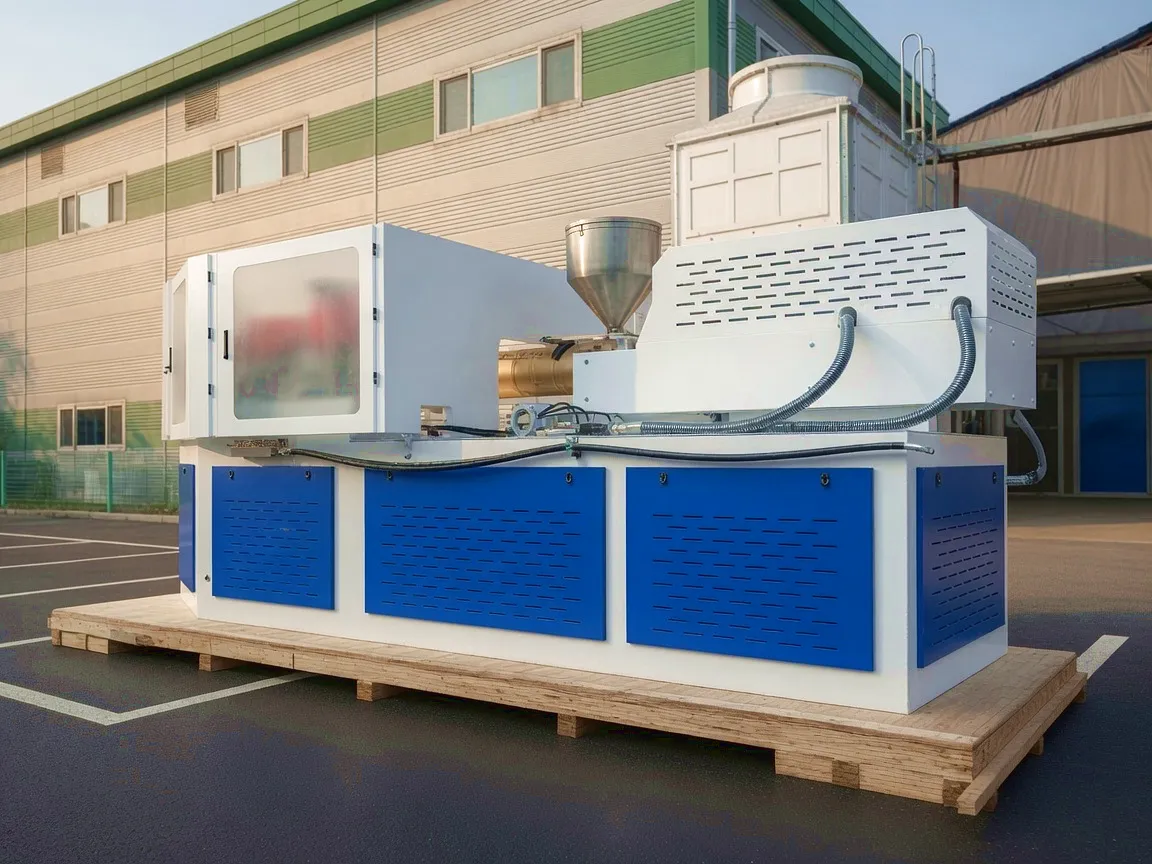
 Across the United Kingdom’s rapidly evolving manufacturing landscape — from the precision-engineering corridors of Birmingham to the medical-device clusters in Cambridge and the plastics hubs of the East Midlands — the injection-blow molding machine has emerged as one of the most strategically significant pieces of capital equipment that modern producers can deploy. The process combines the dimensional accuracy of injection molding with the hollow-body formation of blow molding in a single, uninterrupted cycle, eliminating secondary operations, reducing material waste, and delivering containers with wall thicknesses that remain consistent to tolerances measured in tenths of a millimetre. These characteristics make the injection-blow molding machine the preferred production platform wherever sterility, geometric precision, and high-volume throughput must coexist — conditions that define virtually every segment of the laboratory and in-vitro diagnostics (IVD) packaging supply chain.
How an Injection-Blow Molding Machine Works: The Three-Stage Production Cycle
Injection Stage — Preform Formation
In the first station, molten polymer — most commonly polyethylene terephthalate (PET), polypropylene (PP), or high-density polyethylene (HDPE) — is injected at pressures ranging from 80 to 160 MPa into a precision-machined steel cavity surrounding a hollow core rod. The result is a thick-walled, test-tube-like preform whose internal dimensions are set by the core rod and whose outer surface geometry is determined by the cavity. This stage controls the final container’s neck finish geometry, wall distribution, and base thickness with sub-micron accuracy. For laboratory-grade specimen containers, this precision at stage one is what guarantees that stopper seating depths, thread engagement lengths, and cap-torque values will remain consistent across millions of production cycles without manual adjustment.
Blow Stage — Container Body Expansion
Still mounted on the core rod and retaining its thermal energy from injection, the preform rotates to the blow station, where pressurised air — typically between 0.5 and 1.2 MPa — inflates the softened polymer body outward until it contacts the blow mould cavity walls. The core rod continues to define the container’s inner diameter and bottom geometry while the outer mould sets the final external shape. Because the neck finish was already formed in stage one and never re-touched, concentricity between the thread profile and the body axis is guaranteed — a critical requirement for automated capping lines that operate at 300 to 800 containers per minute in UK pharmaceutical and diagnostics facilities.
Ejection Stage — Controlled Release & Quality Monitoring
At the third station, the finished container is stripped from the core rod and transferred to a discharge conveyor. Modern injection-blow molding machines integrate in-mould cavity pressure sensors and real-time weight monitoring at this stage, flagging out-of-specification parts before they enter the downstream accumulation conveyor. The absence of any flash or parting line on the body — a defining advantage over extrusion-blow molding — means containers can proceed directly to filling, capping, and labelling without deflashing, sanding, or trimming steps that would introduce contamination risk in ISO Class 7 or Class 8 cleanroom environments typical of diagnostics and pharmaceutical filling suites across Manchester, Nottingham, and Stevenage.
Core Materials Used in Injection-Blow Molding Machine Production
Material selection for injection-blow molding is simultaneously a polymer science decision, a regulatory compliance decision, and a commercial decision. The injection-blow molding machine must be configured — through screw geometry, barrel temperature zoning, residence-time management, and cooling channel design — to handle the specific rheology of the chosen resin without degrading its molecular structure or introducing contamination. For laboratory and IVD containers produced in UK facilities, material choice directly impacts chemical resistance to blood anticoagulants, specimen preservatives, and urine matrices, as well as gamma-radiation and ethylene-oxide sterilisation compatibility.
PET dominates blood collection tube and urine specimen container production in UK diagnostics. It delivers optical clarity that allows clinical staff to visually verify fill levels and sample appearance without opening the container. Intrinsic viscosity (IV) values between 0.72 and 0.84 dl/g provide the melt stability needed for IVD wall thicknesses down to 0.25 mm. PET’s low oxygen permeability protects analyte integrity during transit from GP surgeries to NHS pathology laboratories — transit windows that can extend up to 48 hours in rural Scotland or Wales.
Medical-grade polypropylene — particularly nucleated clarified grades with haze values below 5% — is the dominant resin for cryovials and faecal specimen containers. PP’s chemical inertness to DNA denaturants, protease inhibitors, and fixatives makes it indispensable in molecular diagnostics laboratories. Crucially, PP withstands autoclaving at 121 °C without deformation, enabling reprocessable laboratory consumables. The injection-blow molding machine’s tight melt-temperature control — typically ±1 °C across the barrel — is essential to prevent PP degradation that would compromise gamma sterilisation integrity.
HDPE grades with melt flow index (MFI) values of 0.3 to 2.0 g/10 min are processed on injection-blow molding machines to produce sputum containers and multi-purpose specimen bottles. HDPE’s superior chemical resistance — particularly to strong acids and bases encountered in urine pH adjustment — combined with its outstanding drop-impact performance at low temperatures (tested to -30 °C in BS EN ISO 8974 protocols) makes it the resin of choice for specimen containers that travel through NHS courier networks in unheated vehicles during UK winters.
Application Scenario: Laboratory & In-Vitro Diagnostics (IVD) — Blood Collection Tubes, Urine Specimen Containers, and Cryovials
 Laboratory and in-vitro diagnostics (IVD) packaging represents one of the most demanding application areas for the injection-blow molding machine within the entire plastics processing industry. Specimen containers do not merely hold biological material — they actively participate in the diagnostic process, because any dimensional variation, surface contamination, or seal failure can degrade analyte stability before the sample ever reaches an analyser. A blood collection tube produced on an injection-blow molding machine must meet precise internal volume tolerances (typically ±0.05 ml on a 4 ml tube) to ensure that the ratio between anticoagulant additive and drawn blood volume falls within the clinically validated window. An EDTA tube that pulls 0.1 ml less blood than specified will yield a falsely elevated haematocrit, while excess anticoagulant depresses calcium, sodium, and potassium results — errors that propagate through clinical decision-making pathways from Sheffield’s Northern General Hospital to community pathology laboratories across the North East of England.
Vacuum blood collection tubes manufactured on an injection-blow molding machine achieve the simultaneous precision of a calibrated internal volume (maintained by the core rod diameter throughout millions of shots) and a glass-smooth inner wall surface (Ra typically less than 0.4 µm) that prevents platelet adhesion and fibrin deposition. The machine’s ability to mold the evacuation-grade stopper seat geometry directly into the tube neck during the injection stage eliminates the tolerance stack-up that occurs when separately moulded neck inserts are bonded — a critical advantage for tubes destined for high-throughput automated analysers used in NHS Trusts. UK manufacturers in Cambridge and Oxford science parks processing high-value molecular assay samples particularly value the oxygen-barrier capabilities achievable when PET is co-moulded with EVOH layers using multi-material injection-blow molding machine configurations.
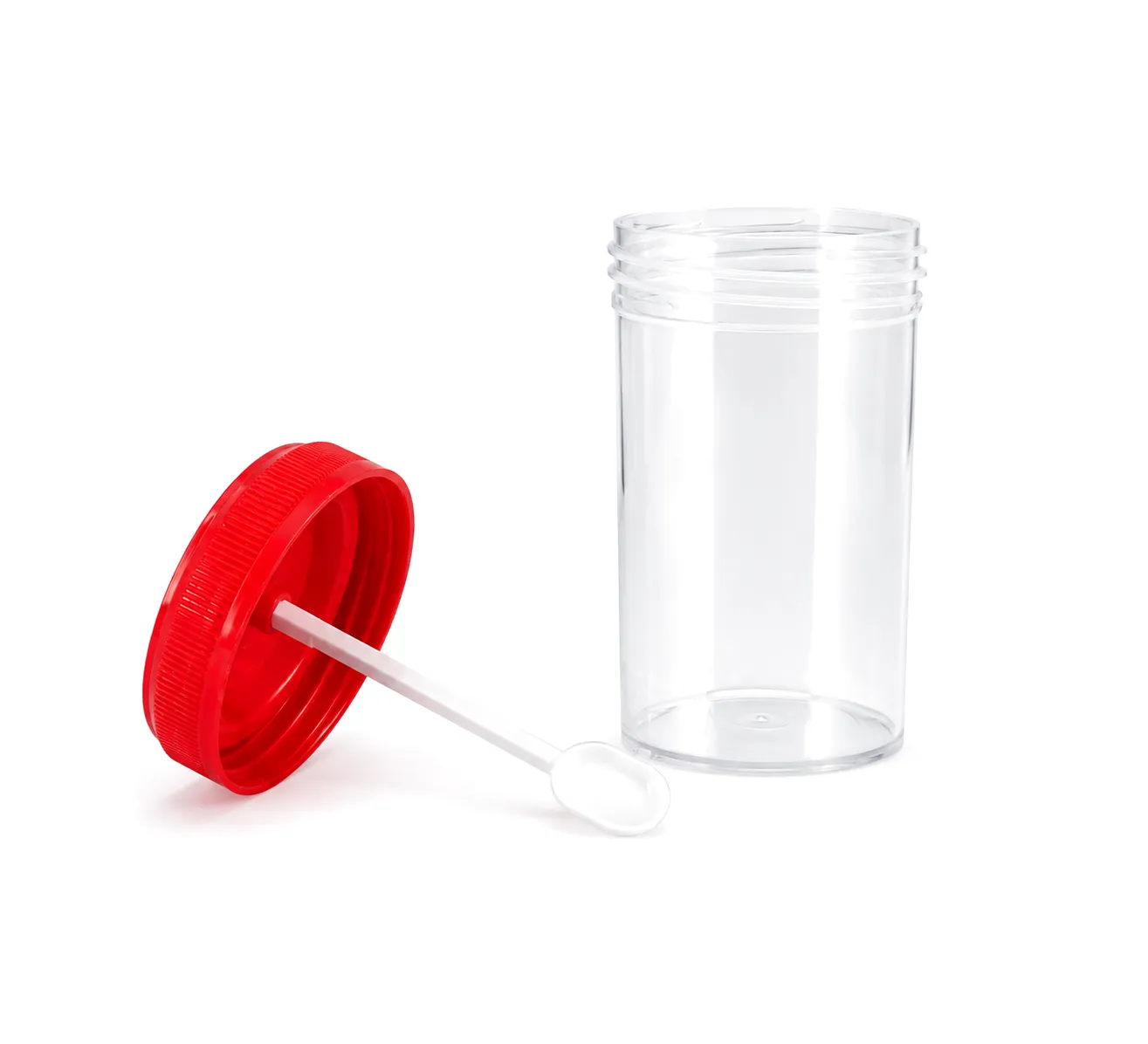
Urine specimen containers are a high-volume category where the injection-blow molding machine’s output efficiency directly translates into competitive unit economics for UK contract manufacturers. A standard 30 ml midstream urine (MSU) container requires a wide mouth for comfortable sample collection, a tamper-evident snap cap, and a leak-proof thread geometry that withstands the mechanical stresses of the Royal Mail Special Delivery postal diagnostic service used by GP practices across rural England. The IBM process delivers all three simultaneously: the wide mouth is defined by the core rod at station one, the thread profile is injection-formed to ISO 38 mm standards, and the body wall thickness is controlled by blow pressure to achieve the 0.7 to 0.9 mm specification that balances crush resistance with material economy. High-clarity PP with a haze below 3% allows the NHS phlebotomist to verify adequate fill volume without removing the cap — a workflow-time saving that matters when processing 200-plus samples per shift.
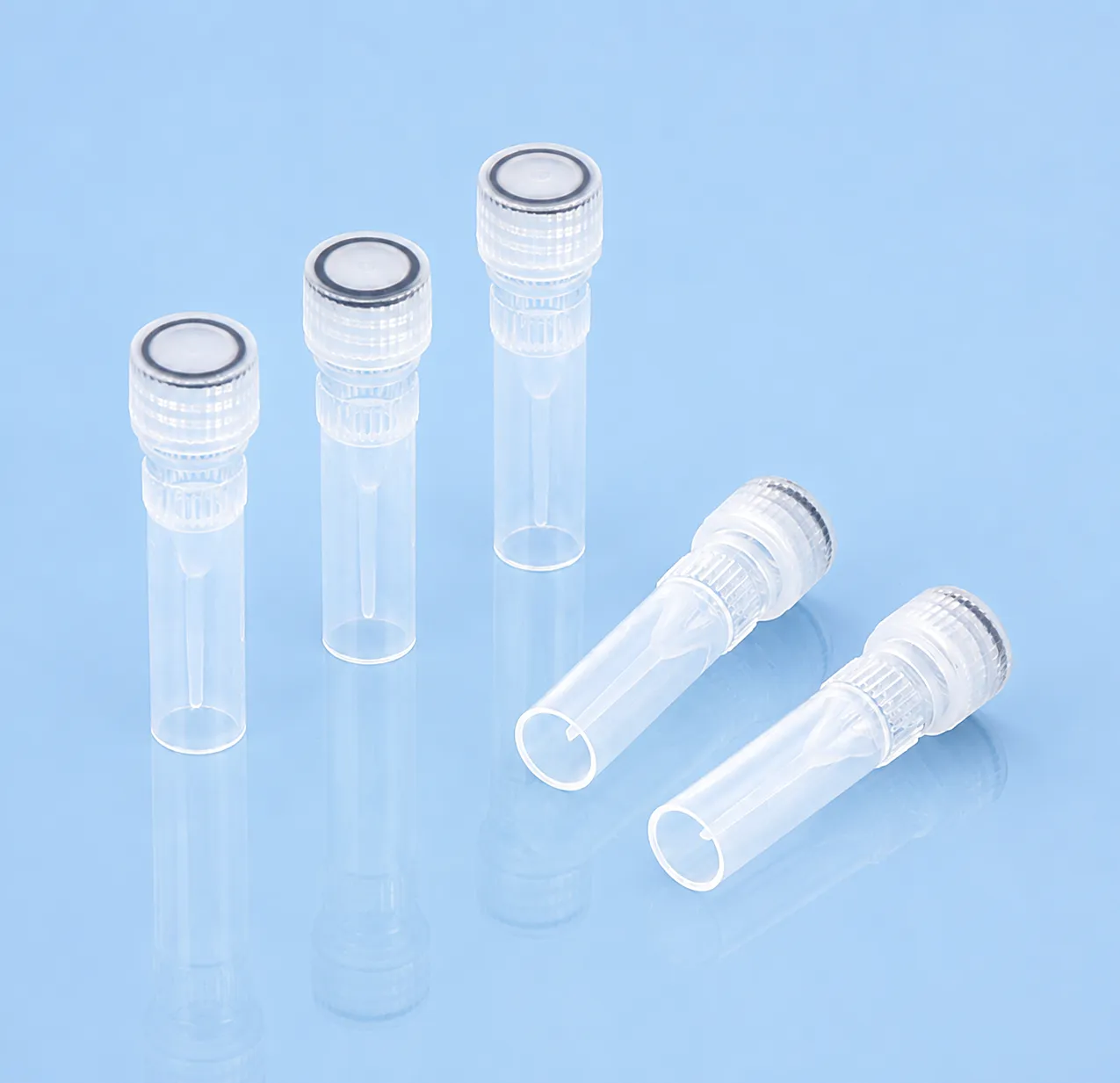
The cryovial market in the United Kingdom has expanded dramatically since the establishment of Biobank UK at Stockport and the genomics programmes run through Genomics England, creating sustained demand for high-specification sample storage containers capable of maintaining specimen integrity at -196 °C in liquid nitrogen. Cryovials produced on an injection-blow molding machine in medical-grade PP withstand liquid-nitrogen temperatures without embrittlement because the IBM process achieves the molecular orientation through blow-stage biaxial stretching that imparts the low-temperature ductility required by ISO 18113-1. The injection-blow molding machine’s core-rod geometry guarantees that the cryovial’s internal thread — whether external-cap or internal-cap design — maintains a helium leak rate below 1 × 10^-6 mbar·l/s, the threshold specified for biobank sample integrity in ISBER Best Practices guidelines adopted by UK biorepositories from Edinburgh to Plymouth.
Core Technical Advantages of the Injection-Blow Molding Machine
Because the injection-blow molding machine never opens the preform mould and re-closes it around the blow mould with the parison hanging freely — as extrusion-blow molding does — no pinch-off line is formed at the container base or along the body. This eliminates flash entirely, removing a contamination vector that is incompatible with cleanroom production environments and saving the labour and equipment cost of deflashing operations that would add 8 to 14% to the per-container conversion cost in UK manufacturing facilities.
The neck finish is injection-moulded at station one and never re-processed. Thread profile, pitch diameter, and ovality are set in steel and remain constant for the tool’s operational life. For automated capping machines at UK pharmaceutical filling lines — the kind operating in Barnard Castle, Wrexham, and Liverpool’s Estuary Commerce Park — this consistency eliminates the cap-application torque variation that causes leaks or cross-threading, both of which trigger costly batch quarantine events under MHRA Good Manufacturing Practice requirements.
One injection-blow molding machine replaces two separate production cells — an injection moulding press for preforms plus a separate blow moulding machine — together with all intermediate transfer equipment, preform storage silos, re-heating ovens, and inter-machine conveyor systems. UK producers operating in constrained factory footprints — common in Birmingham’s Jewellery Quarter district repurposed for medical device manufacturing — value the floor-space reduction of up to 60% compared to a two-stage injection-stretch-blow system producing the same container geometry.
Injection-blow molding machines equipped with enclosed mould areas, HEPA-filtered air curtains over ejection zones, and stainless-steel or medical-white painted surfaces integrate directly into ISO 14644-1 classified cleanroom environments. This is not a minor feature enhancement — it is the specification that determines whether a UK IVD contract manufacturer can produce containers for the NHS Supply Chain framework without maintaining a separate, bonded contamination-control enclosure around the production machine, which would add substantial capital cost and ongoing validation burden.
Injection-Blow Molding Machine: Technical & Performance Parameters
Ever Power — Manufacturing Excellence & Customisation Capabilities
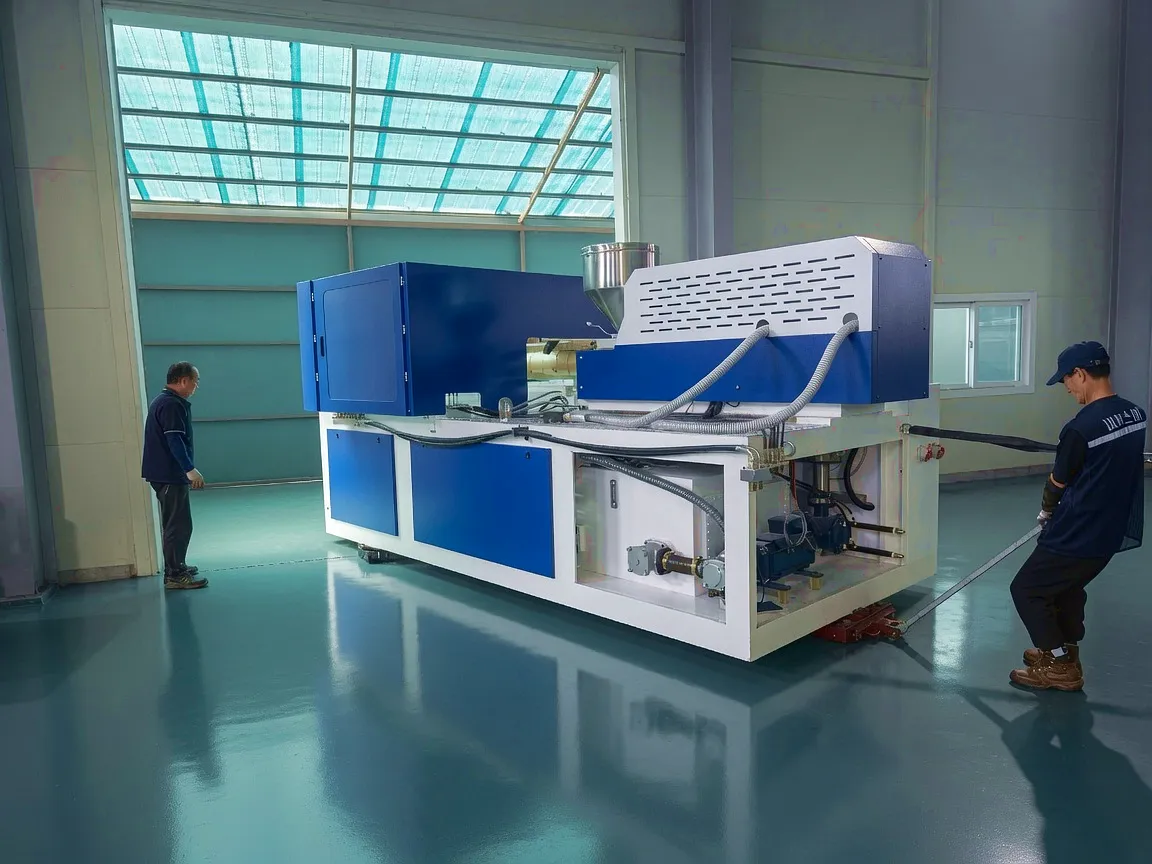
Ever Power has built its reputation across the United Kingdom and European markets by combining the precision engineering heritage of its manufacturing base with a customer-first customisation philosophy that recognises no two production requirements are identical. Where commodity machine builders offer catalogue configurations, Ever Power operates with an engineering-led sales process — every injection-blow molding machine order begins with a detailed application review that examines container geometry, resin specification, cleanroom requirements, production volume targets, and downstream filling-line integration parameters before a single commercial proposal is issued.
Ever Power’s in-house tooling workshop machines core rods and blow moulds to tolerances of ±0.005 mm using multi-axis CNC centres and EDM wire-cutting equipment. For UK IVD customers requiring novel container geometries — asymmetric body profiles for ergonomic blood draw, integral measurement graduation domes, or flat-sided cryovials for maximising biobank rack density — Ever Power’s toolmakers work from client CAD files or reverse-engineered legacy tooling to deliver matched-pair core rod and blow mould sets within 6 to 10 weeks of design freeze.
Ever Power maintains a UK-based spare-parts holding through its logistics partner in Coventry, ensuring that critical wear items — screw flights, barrel liners, core rod bushings, valve gates — are available for next-day delivery to any UK postcode. For manufacturers operating under NHS Supply Chain framework agreements, machine downtime is not merely a production loss — it can trigger penalty clauses and supply shortage notifications. Ever Power’s UK logistics infrastructure eliminates the 6-to-8-week lead time typically associated with sourcing spare parts from Far Eastern machine manufacturers through freight forwarders.
For UK IVD and pharmaceutical packaging manufacturers operating under MHRA Good Manufacturing Practice or UKCA Medical Device Registration requirements, Ever Power supplies a comprehensive factory acceptance test (FAT) and site acceptance test (SAT) documentation package with every injection-blow molding machine. This includes IQ/OQ/PQ (Installation, Operational, and Performance Qualification) protocol templates pre-completed with machine-specific data, reducing the customer’s validation burden by approximately 40% compared to producing validation documentation from blank templates — a significant cost saving on a validation programme that typically costs £40,000 to £120,000 for a UK pharmaceutical packaging facility.
Auxiliary Equipment & Complete Production System
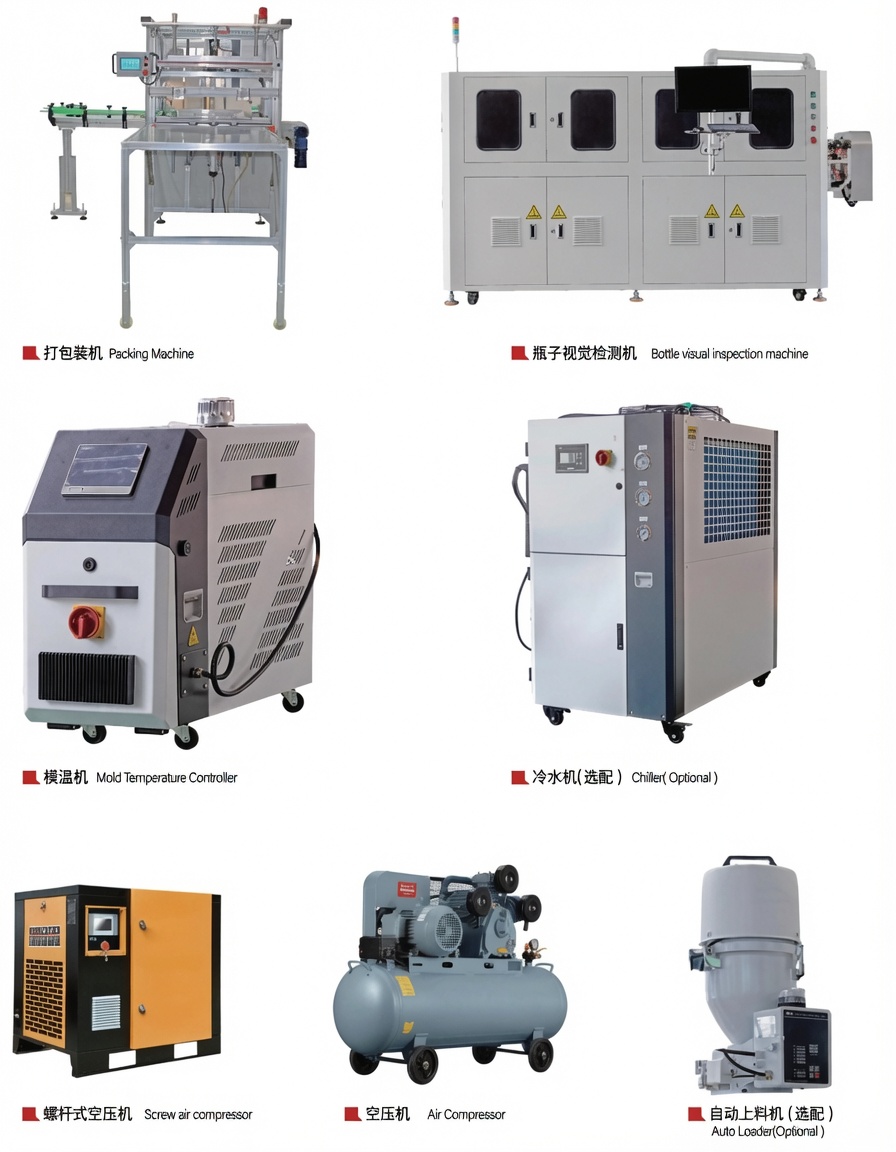
Featured ZQ40 Injection-Blow Molding Machines — Industry-Proven Replacements
The ZQ40 series from Ever Power has been engineered as a direct performance replacement for legacy injection-blow molding machines from major European and American OEMs, allowing UK manufacturers to upgrade their production capability without re-qualifying container tooling or modifying downstream filling and packaging lines. The following two configurations are particularly relevant to UK diagnostics and laboratory packaging producers:
The ZQ40 configured as a replacement for the Uniloy UIB 70 preserves full compatibility with existing UIB 70 core rod tooling, allowing UK manufacturers to transfer their validated IVD container moulds directly onto the new machine without dimensional re-qualification. The ZQ40 delivers enhanced servo-electric drive efficiency — reducing energy consumption by 30 to 45% compared to the UIB 70’s hydraulic-drive system — while adding modern PLC-based process monitoring with data export capability for Industry 4.0 manufacturing execution system (MES) integration.
Designed as a mechanical and functional replacement for the Bloma IBM45, the ZQ40 in this configuration addresses the growing number of UK plastics processing companies whose ageing IBM45 machines are reaching end-of-service-life without available OEM support. Ever Power’s engineering team has mapped all critical IBM45 mounting interfaces, control signal architectures, and tooling attachment geometries to the ZQ40 platform, enabling a machine swap that can be completed within a planned maintenance window rather than requiring extended plant shutdown and new tooling commissioning.
Expanded IVD Application: Sputum & Faecal Specimen Containers for NHS Pathology Networks
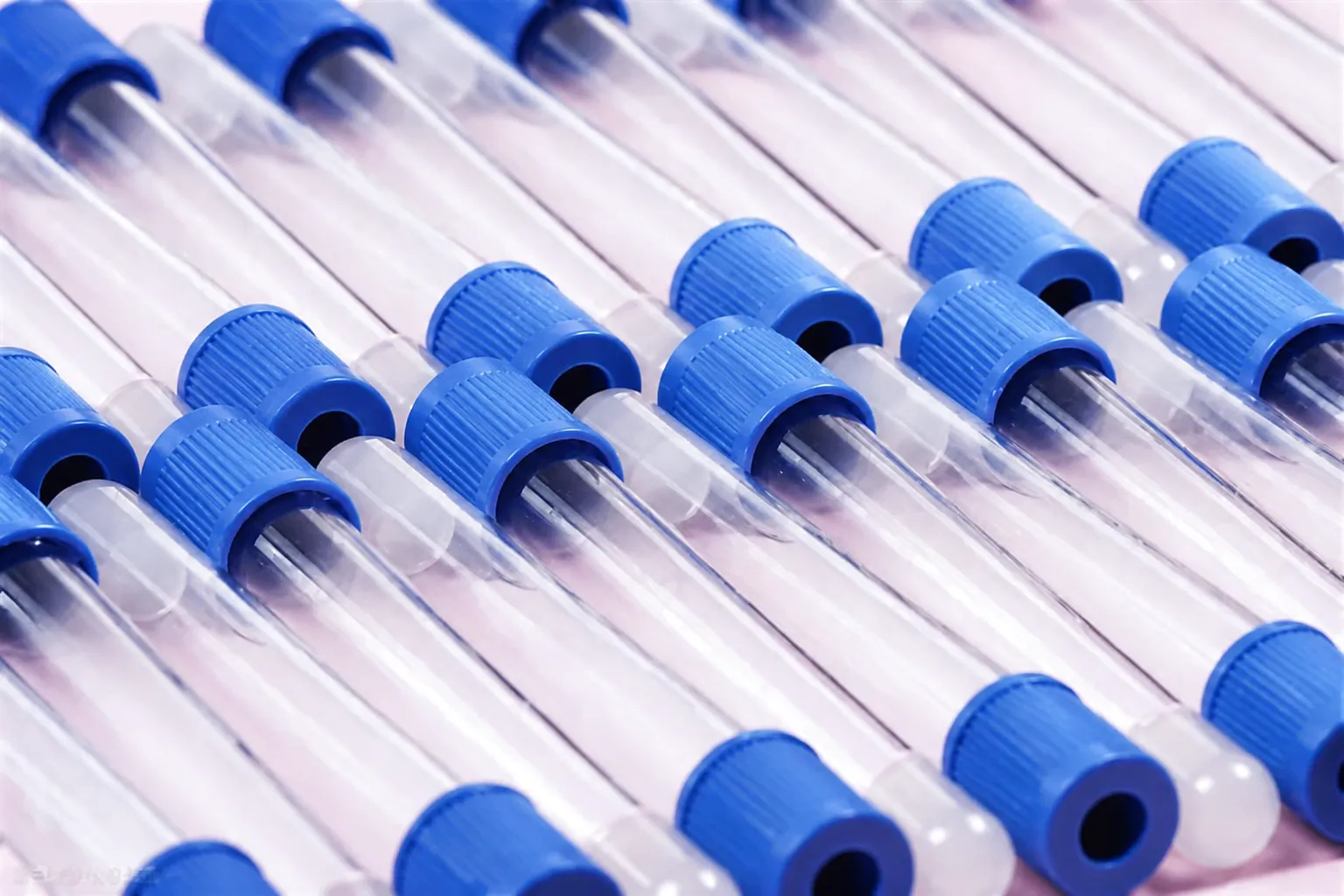 The NHS pathology network consolidation programme — which has progressively merged standalone hospital laboratories into large hub facilities in cities such as Leeds, Bristol, and Southampton — has created new demand profiles for IVD specimen containers that the injection-blow molding machine is uniquely positioned to address. Consolidated pathology hubs process vastly higher specimen volumes per shift than their predecessor individual hospital laboratories, driving demand for containers with enhanced automation compatibility: machine-readable barcodes applied to cylindrical surfaces without adhesive lift on automated sorters, stackable base geometries that reduce conveyor jam rates, and standardised neck finishes compatible across multiple container types to rationalise automated capping machine tooling changeover. The injection-blow molding machine satisfies all of these requirements through its fundamental process architecture: a single core rod defines the neck finish geometry for a given container family across all body sizes, while the blow mould is changed to adjust body volume — enabling rapid product changeover on the machine while maintaining neck-finish tooling and reducing capping line changeover from 45 minutes to under 8 minutes.
Customer Success Story: Cambridge IVD Contract Manufacturer Scales Blood Tube Output by 340%
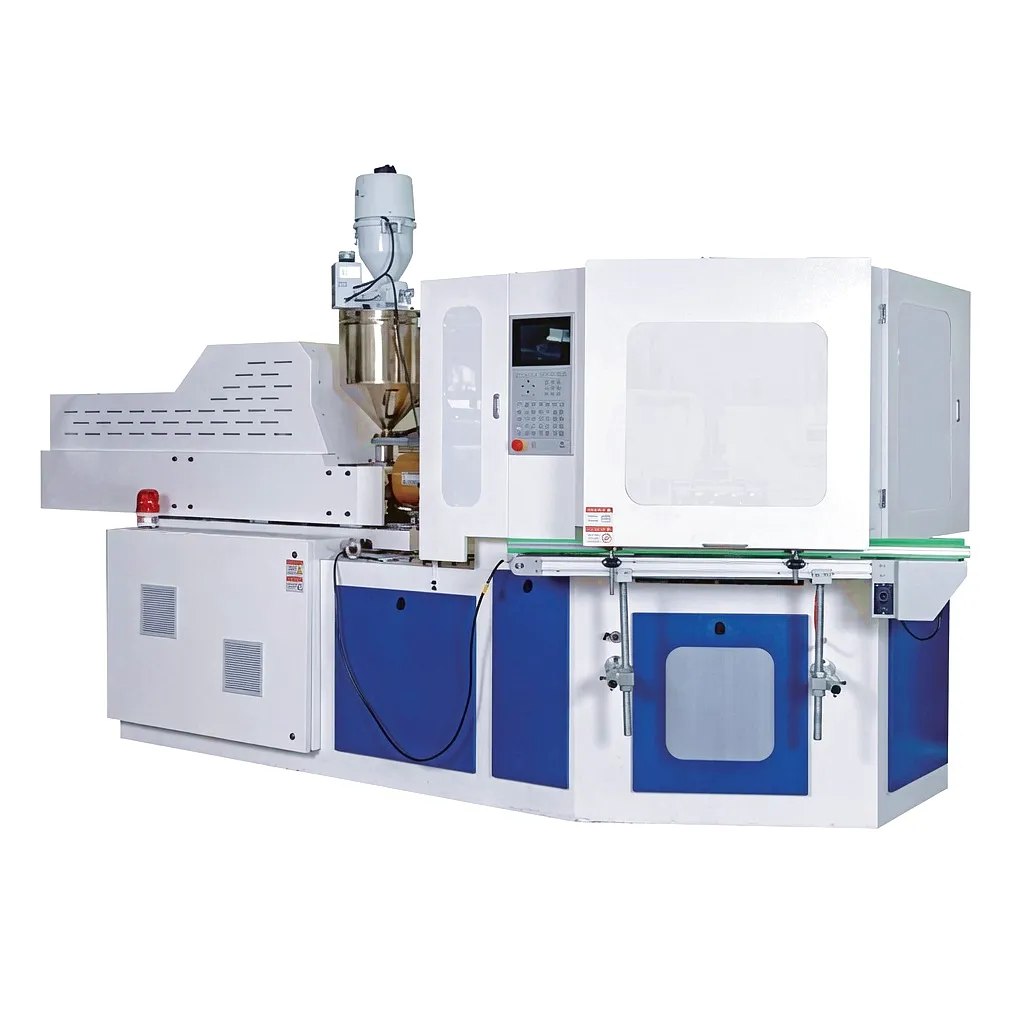 A specialist IVD contract manufacturer based on the Cambridge Science Park — producing EDTA blood collection tubes and urine specimen containers for four NHS Trust laboratory networks across East Anglia — approached Ever Power in late 2024 facing a combination of capacity crisis and equipment obsolescence. Their installed base consisted of two ageing Bloma IBM45 machines, both exceeding twelve years of service life, operating at 91% of theoretical maximum throughput with no capacity buffer for the additional volume expected under a forthcoming five-year NHS Supply Chain framework agreement worth approximately £2.8 million.
The core engineering challenge was that the customer’s validated EDTA tube geometry — a 75 × 13 mm tube body with a proprietary low-profile neck finish designed for compatibility with Roche cobas and Siemens Atellica automated analyser racks — represented several years of regulatory investment that could not be abandoned by switching to a different container design. Ever Power’s application engineers conducted a three-day tooling audit at the Cambridge facility, measuring the existing IBM45 core rods and blow moulds to a dimensional record, then designed a matched ZQ40 tooling set that reproduced the customer’s validated geometry to within 0.004 mm on all critical dimensions. The ZQ40 also incorporated a servo-electric drive system replacing the IBM45’s hydraulic architecture, reducing energy consumption per thousand containers from 4.2 kWh to 2.6 kWh — a saving that translates to approximately £18,000 per year at UK industrial electricity rates.
Two ZQ40 units were commissioned at the Cambridge facility over a six-week installation programme, with Ever Power’s field engineers co-ordinating with the customer’s MHRA-supervised validation team to complete IQ/OQ/PQ documentation within the project timeline. By week ten after the first machine’s site acceptance test, the Cambridge facility was producing 4.2 million EDTA tubes per month — compared to 1.4 million on the two IBM45 units — with a measured process capability index (Cpk) of 1.67 on internal volume, exceeding the customer’s 1.33 minimum specification and qualifying for reduced inspection frequency under their NHS framework quality plan.
“The tooling replication accuracy Ever Power achieved on our EDTA tube geometry was remarkable — we transferred our validated process without a single dimensional deviation on the critical neck finish. The Cpk improvement from 1.21 to 1.67 on internal volume was not something we expected; it directly reduced our inspection overhead and gave our quality team genuine confidence that every tube meets the NHS framework specification before it leaves the building.”
“Ever Power’s field commissioning team worked alongside our validation engineers throughout the entire IQ/OQ/PQ process — something that simply doesn’t happen with other suppliers who hand over documentation and leave. The energy saving on the ZQ40’s servo-electric drive was almost exactly what they projected: we reduced our monthly electricity bill for the injection-blow molding line by £1,500, which compounded over the five-year machine lifetime justifies a substantial portion of the capital cost differential versus rebuilding our old hydraulic machine.”
“The spare-parts logistics through Ever Power’s Coventry hub have transformed our maintenance planning. We’ve gone from a 6-to-8-week lead time sourcing consumable tooling components from the Far East to next-day delivery on everything except custom-machined core rods — and even those arrive within two weeks. For a facility producing to NHS framework supply agreements, that responsiveness is not a convenience, it’s a contractual necessity. We’ve also found the customisation dialogue with Ever Power’s application engineers to be genuinely collaborative rather than catalogue-driven.”
Frequently Asked Questions — Injection-Blow Molding Machine for UK IVD & Laboratory Manufacturers
Ready to Upgrade Your Injection-Blow Molding Capability?
Connect with Ever Power’s engineering team for a project-specific assessment of your production requirements, tooling compatibility evaluation, and a detailed quotation for UK delivery and installation.
edit by gzl