What Is an Injection-Blow Molding Machine and Why Does It Matter?
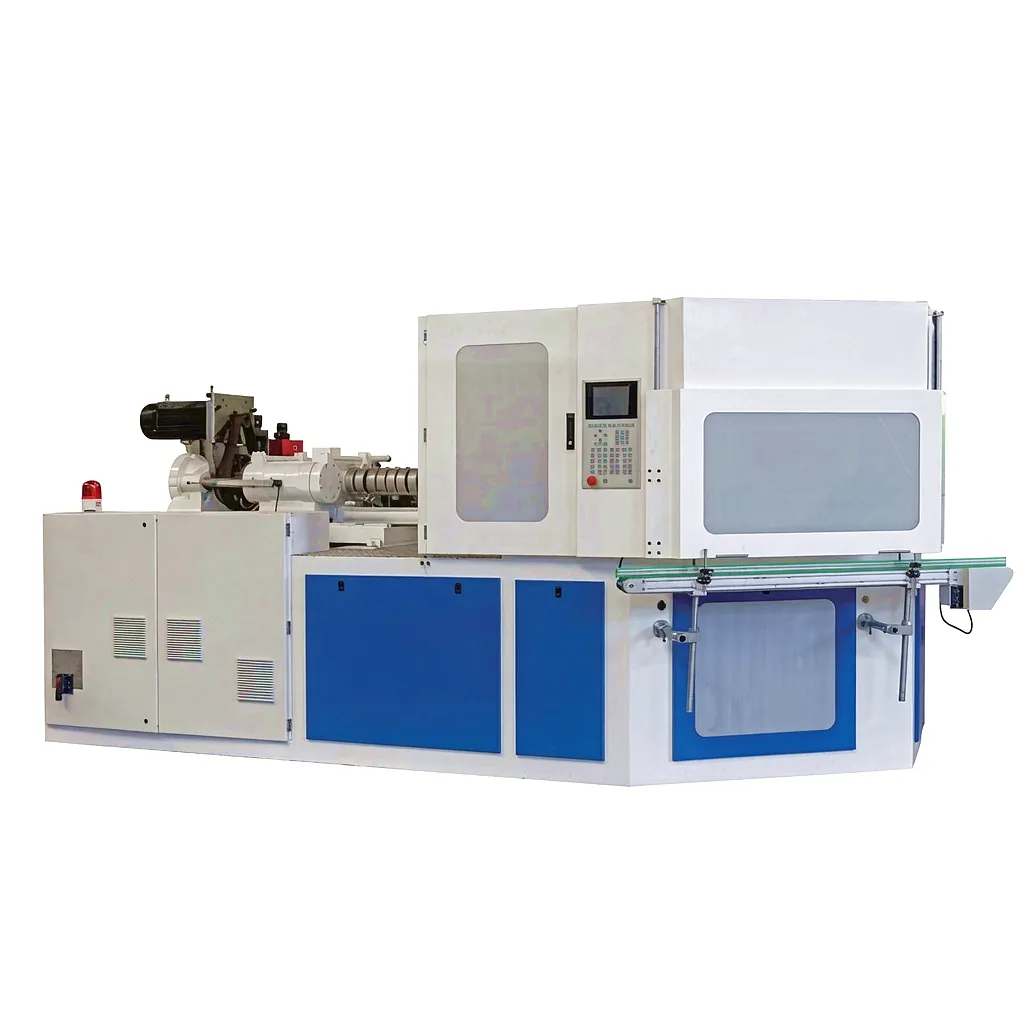
The Three-Stage Working Principle
Understanding how an injection-blow molding machine operates requires looking at three mechanically distinct but thermally interdependent stages. These stages take place on a rotating indexing table or linear transfer system, and each position on the machine performs a specific, simultaneous function, allowing continuous high-speed production without any dead time between cycles.
Injection Stage
Plastic pellets are melted in the plasticising unit and injected under high pressure into the injection mold. The mold closes around a steel core rod — called the blow pin — and the molten polymer fills the space, forming a precise preform. The neck finish, including threads or snap-fit geometry, is formed here and does not change in subsequent stages, ensuring perfect dimensional accuracy at the container opening.
Blow Molding Stage
The indexed table rotates, carrying the preform — still mounted on the blow pin and at precisely the right thermal gradient — into the blow mold station. Compressed air at pressures between 5 and 10 bar is introduced through the core rod, expanding the preform outward to contact the chilled mold cavity walls. The container body acquires its final shape, surface texture, and wall thickness distribution in this stage, with the cooling action of the mold walls locking in the geometry almost instantly.
Ejection Stage
The blow pin retracts and the finished container is stripped cleanly from the mold. Because no trimming, deflashing, or secondary processing is required, the container exits the machine already finished and ready for filling or further downstream packaging operations. This self-finishing characteristic is one of the primary economic and quality advantages of the injection-blow molding machine compared to extrusion blow molding alternatives, which frequently require post-mold flash removal.
Core Materials Used in Injection-Blow Molding
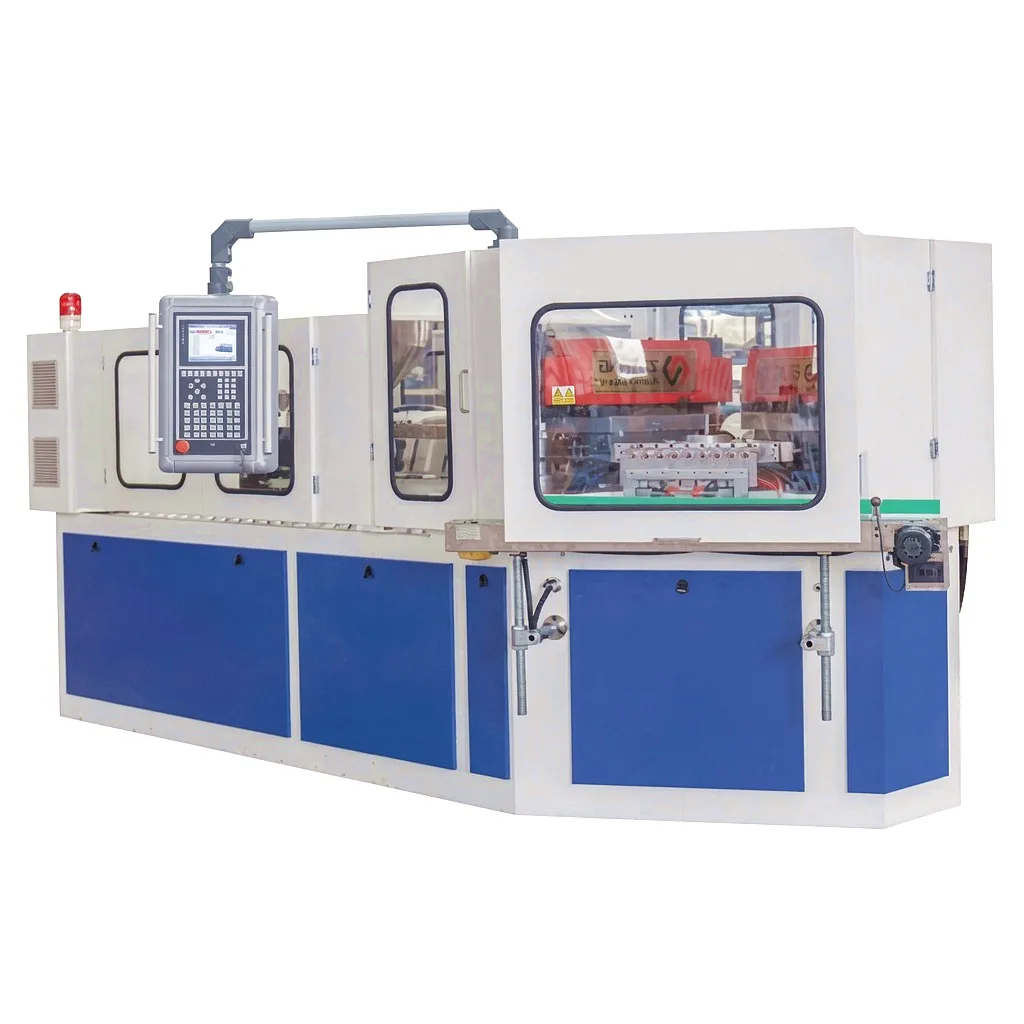
Core Technical Advantages of the Injection-Blow Molding Process
Why leading UK packaging manufacturers specify IBM over alternative processes
Zero Flash & No Weld Lines
Containers exit the machine in a finished state with no parting line flash, no weld lines, and no secondary trimming operations. This dramatically reduces scrap rates and labour costs compared to extrusion blow alternatives, while delivering superior container aesthetics.
Precise Neck Finish Tolerances
The neck and thread geometry is formed in the injection stage and never subsequently stretched or deformed. This ensures tolerances within ±0.05 mm — a critical requirement for child-resistant closures, dispensing pumps, and tamper-evident caps used in pharmaceutical and nutraceutical packaging.
Multi-Cavity Efficiency
Modern injection-blow molding machines support 2, 4, 6, or more cavities per cycle. Higher cavity tooling multiplies output proportionally without increasing the machine footprint or energy demand per unit, making the process highly cost-competitive at medium to high annual volumes.
Clean Room Compatibility
Because the interior surface of the container is formed in contact with only the sterile core rod, IBM-produced containers are inherently clean on the inside and can be integrated into GMP-compliant clean room environments. This is a decisive requirement for pharmaceutical manufacturing in the UK, where MHRA oversight is stringent.
Energy-Efficient Operation
All-electric servo-driven injection-blow molding machines consume 30–50% less energy compared to hydraulic equivalents. With UK electricity costs under sustained pressure, this operating efficiency translates directly to lower per-unit production costs and helps manufacturers meet scope 1 emissions reduction commitments.
Wide Material Compatibility
A single machine platform can be configured to run PET, PP, HDPE, PETG, and various speciality grades including UV-protective formulations and bio-based resins. Quick-change tooling systems allow production shifts between material types in under two hours, supporting flexible contract manufacturing operations.
Product Technical & Performance Specifications
Representative specification range for Ever Power IBM machine series — contact sales for application-specific configuration
| Parameter | ZQ60 Series | ZQ80 Series | Notes |
|---|---|---|---|
| Container Volume Range | 2 ml – 500 ml | 5 ml – 1000 ml | Per cavity, standard molds |
| Number of Cavities | 2 / 4 / 6 | 2 / 4 / 6 / 8 | Custom multi-cavity available |
| Injection Pressure | Up to 160 MPa | Up to 180 MPa | Servo-controlled |
| Blow Air Pressure | 6 – 10 bar | 6 – 12 bar | Adjustable per material |
| Cycle Time | 8 – 16 sec | 10 – 20 sec | Depends on material & volume |
| Compatible Materials | PET, PP, HDPE, PETG | PET, PP, HDPE, PETG, EVOH | Speciality grades on request |
| Neck Finish Tolerance | +/- 0.05 mm | +/- 0.05 mm | Pharmaceutical grade |
| Machine Clamping Force | 600 kN | 800 kN | All-electric servo drive |
| Control System | PLC + 10″ HMI touchscreen | PLC + 12″ HMI touchscreen | Industry 4.0 ready |
| Mold Material | P20 / H13 tool steel | P20 / H13 / 420SS | Stainless for pharma |
| Power Supply | 380 V / 50 Hz / 3-phase | 380–415 V / 50 Hz / 3-phase | UK 415V compatible |
Industrial Application Scenarios
Where injection-blow molding machines deliver the greatest value across industry sectors

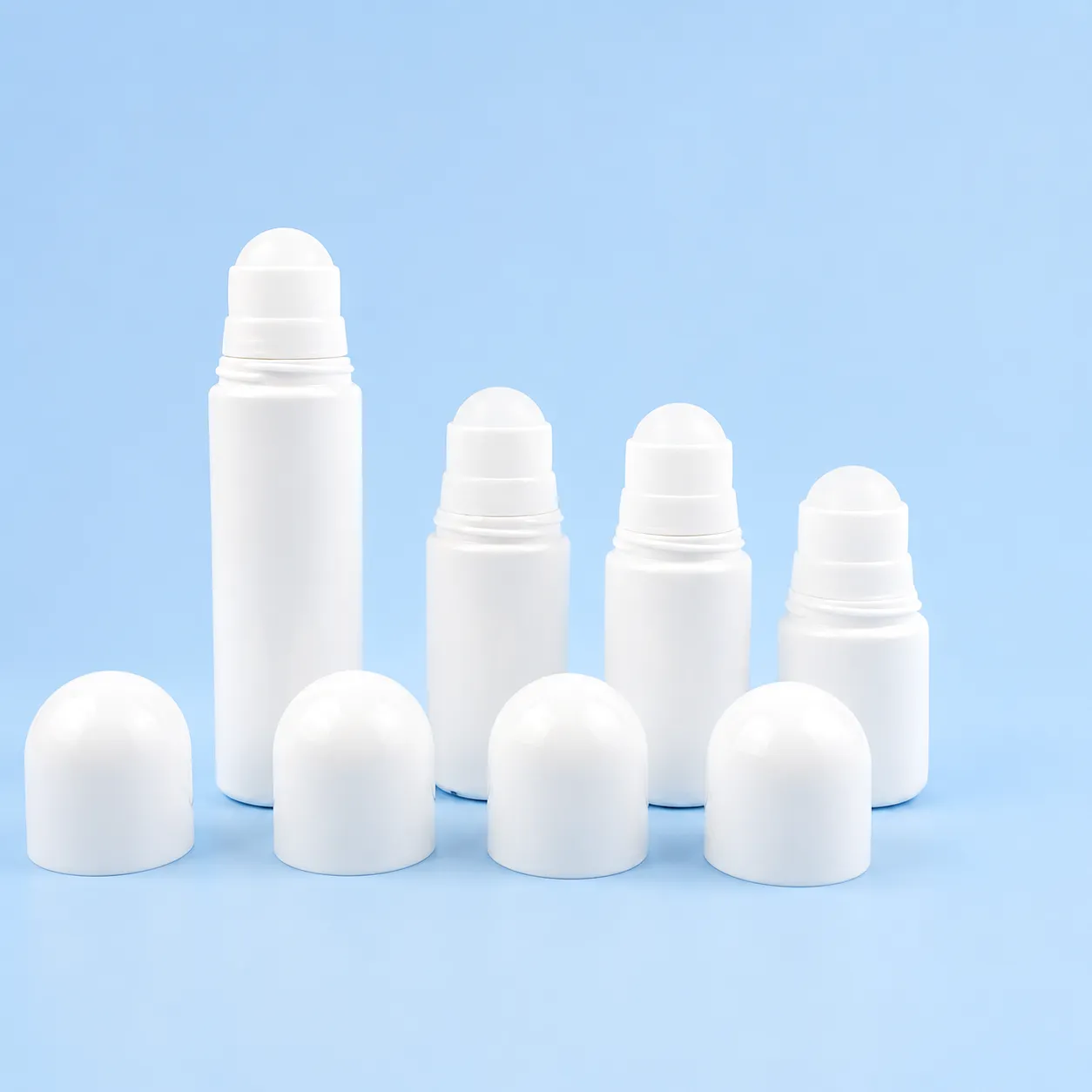
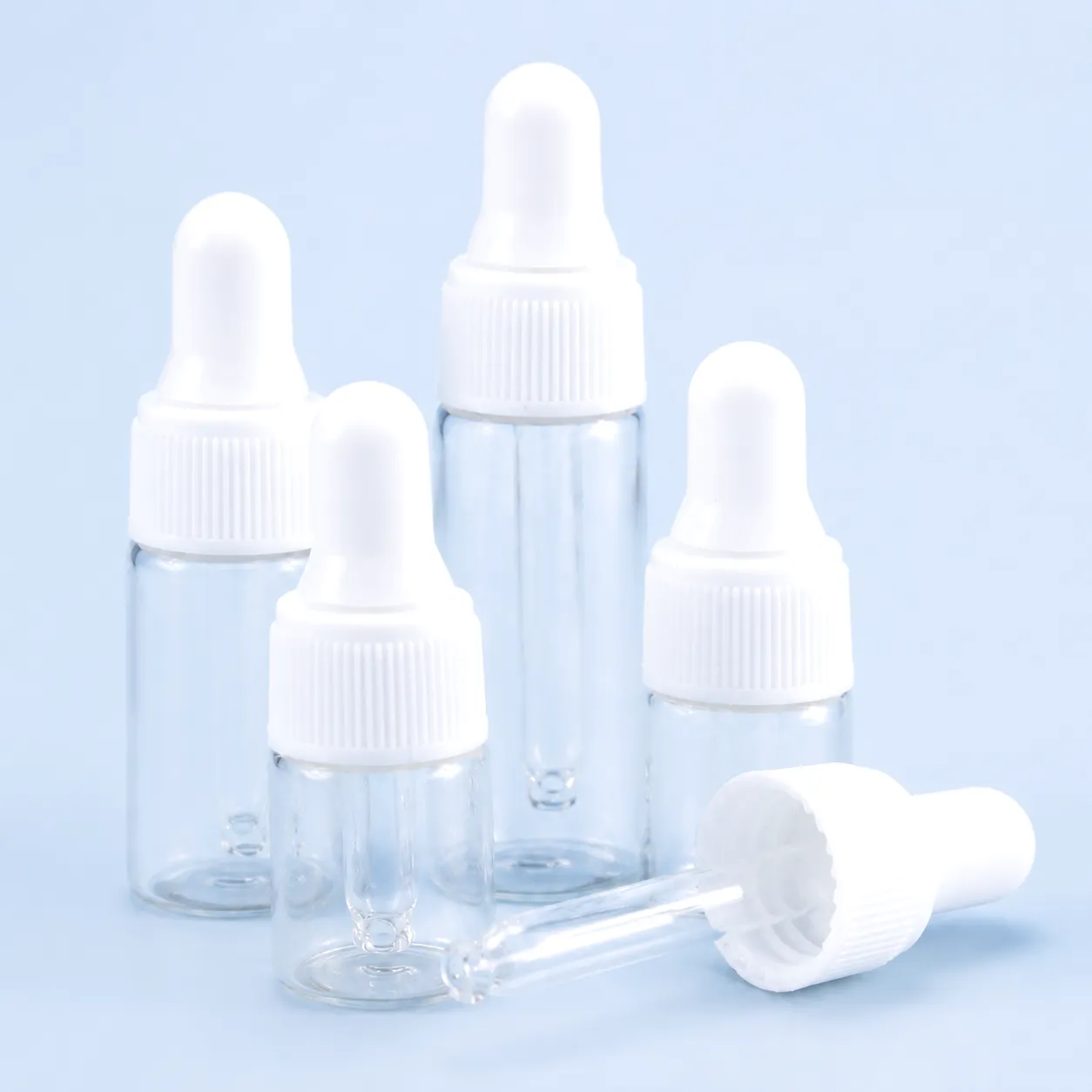
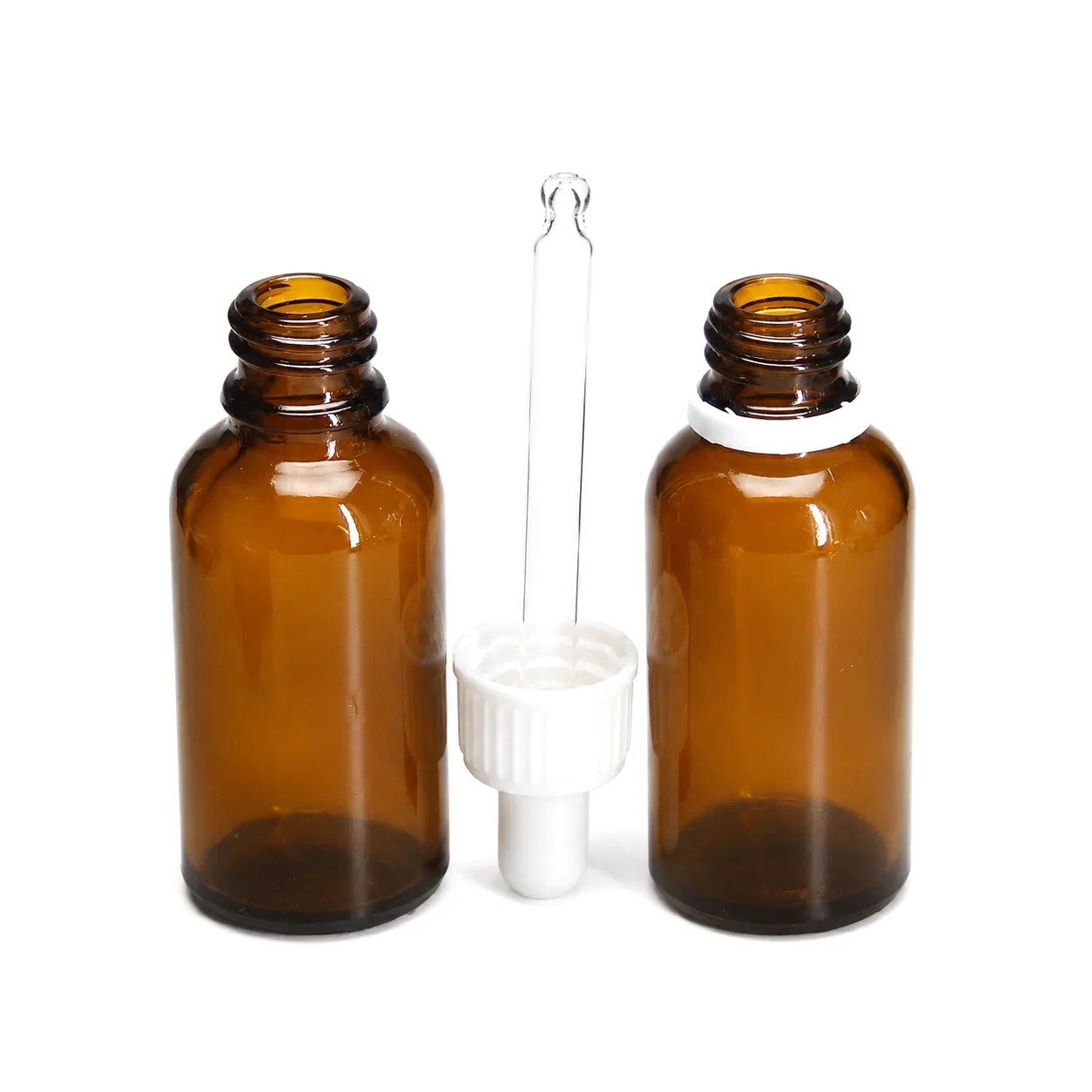
Production Capability
Complete IBM System & Auxiliary Equipment
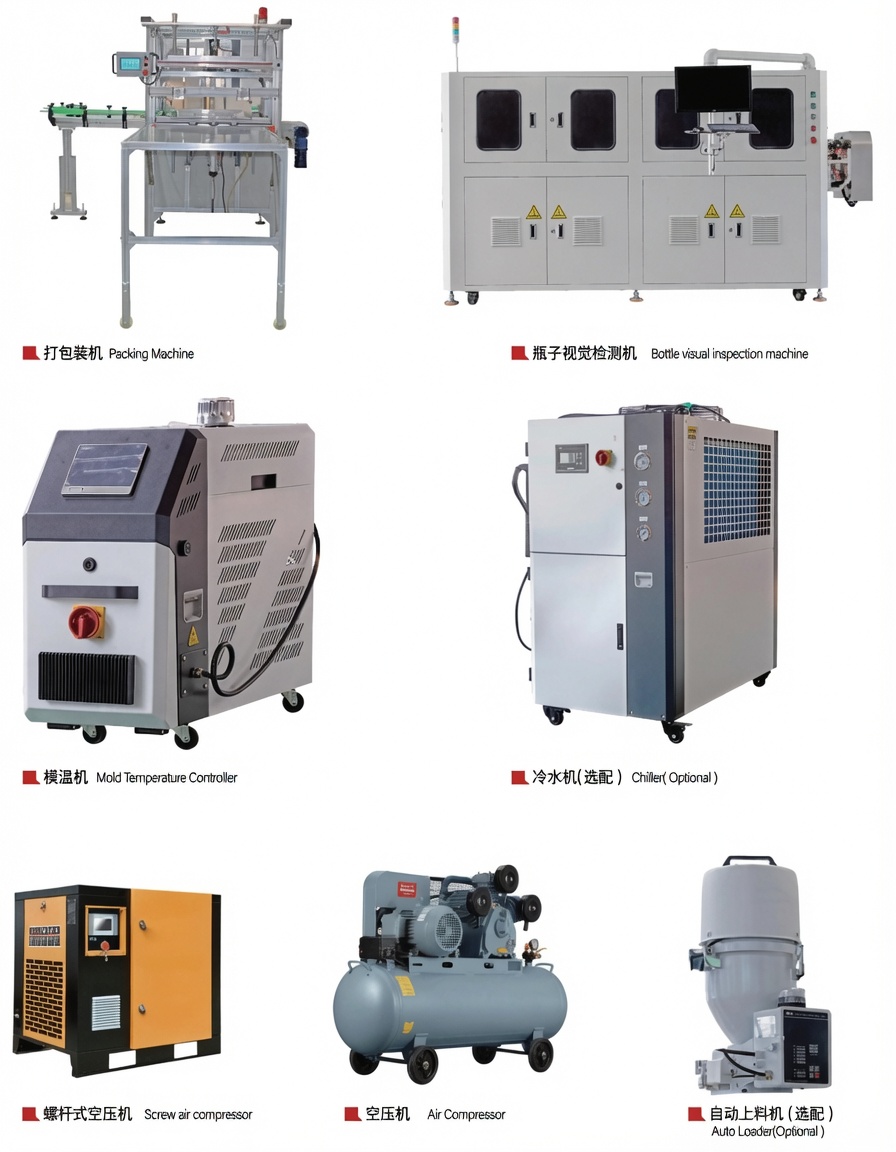
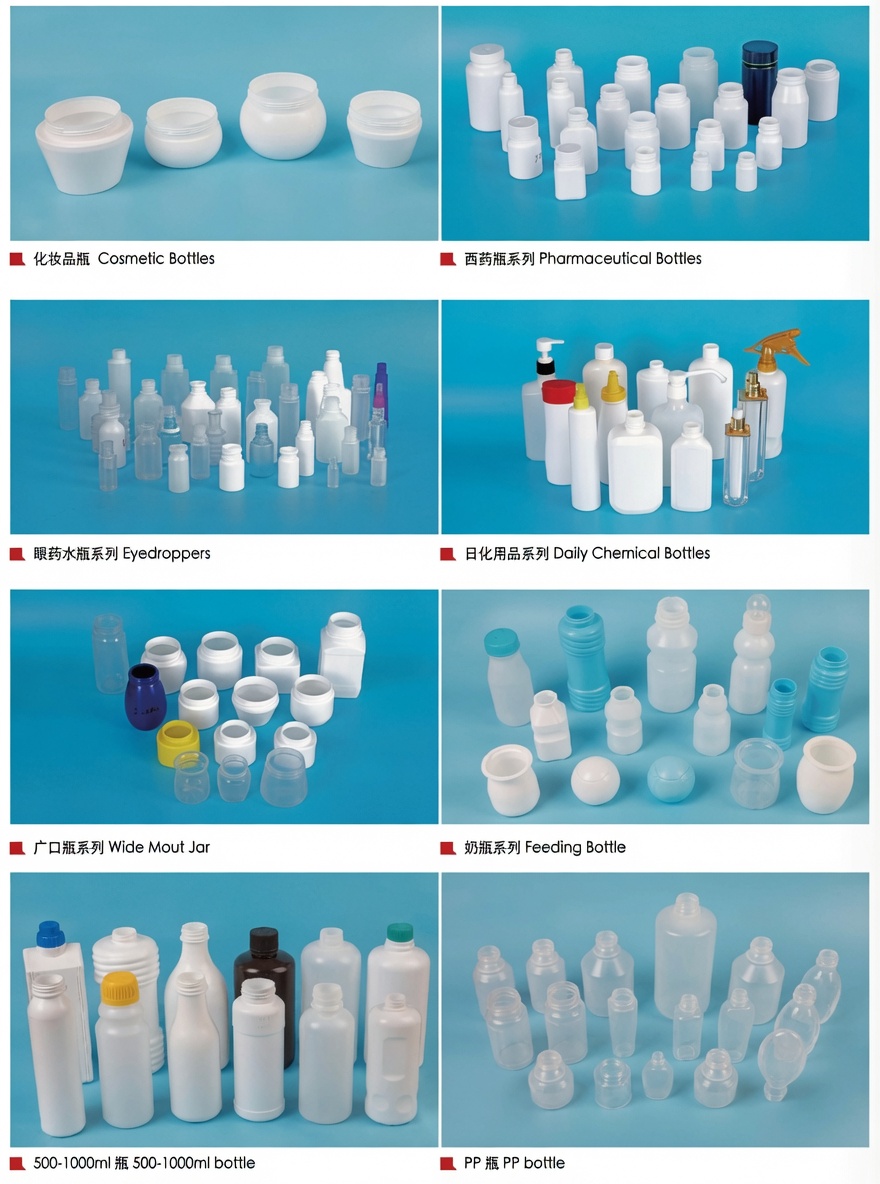
Our Equipment Range
Ever Power Injection-Blow Molding Machines
Manufacturing Excellence
Ever Power: Factory Capability & Customisation Services
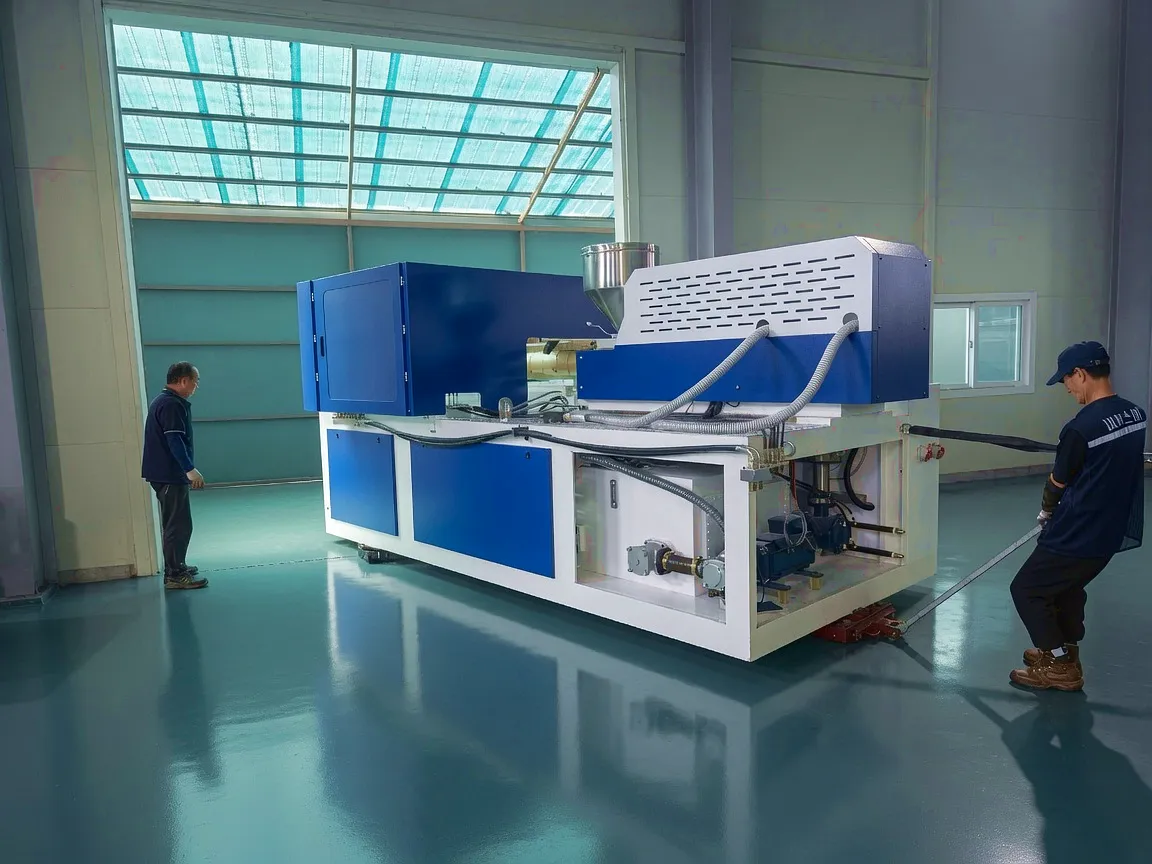
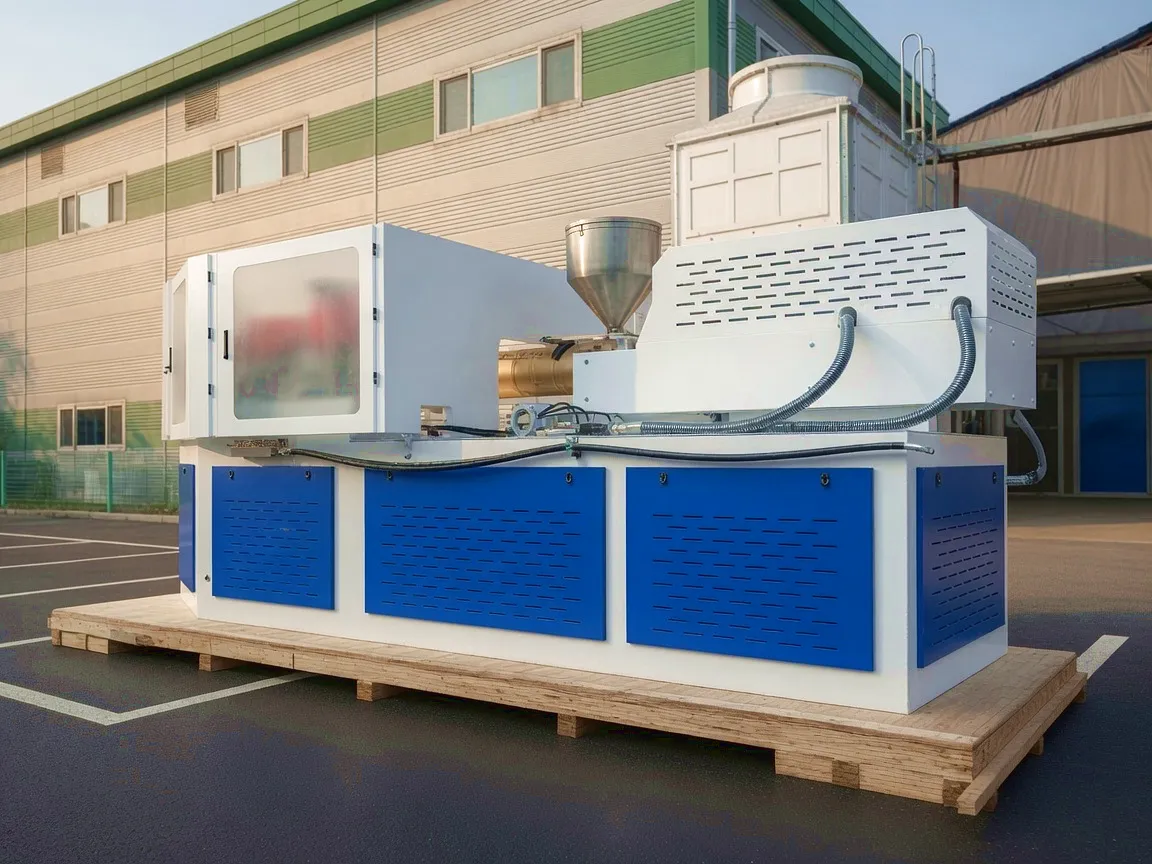
Ever Power operates purpose-built manufacturing facilities equipped with CNC machining centres, precision EDM toolrooms, and climate-controlled assembly bays dedicated entirely to injection-blow molding machine production and custom tooling fabrication. The factory quality management system is certified to ISO 9001:2015, and machine assemblies undergo a structured FAT (Factory Acceptance Testing) protocol before dispatch — every machine is run at full production speed with the customer’s specified mold and material prior to shipping.
The customisation capability at Ever Power extends from machine platform modification — barrel length, screw geometry, shot volume — through to complete bespoke tooling design and manufacture for unique container geometries. For UK customers requiring containers with specific regulatory attributes, Ever Power’s engineering team works from customer CAD data or physical sample containers to develop tooling that hits dimensional specifications in validation and holds them in production. This includes pharmaceutical neck tooling to European Pharmacopoeia standards, child-resistant closure geometries, and containers with asymmetric or decorative body forms for the premium cosmetics segment.
The supply chain at Ever Power is vertically integrated at key points — critical components including injection barrels, core rod assemblies, and indexing drive units are manufactured in-house, eliminating lead time uncertainty from third-party suppliers. This allows delivery timelines of 60–90 days for standard configurations and 90–120 days for fully customised platforms with bespoke multi-cavity tooling — substantially faster than the industry average for comparable specifications. Spare parts are stocked for all current machine models and held in a dedicated logistics hub with DHL and FedEx accounts for overnight delivery to any UK facility.
ISO 9001
Quality Certified
60–90d
Standard Lead Time
FAT
Factory Acceptance Test
24h
UK Spare Parts Dispatch
Case Study
Customer Success Story: Sheffield Contract Pharma Manufacturer
A contract pharmaceutical manufacturer based in Sheffield — one of the UK’s historically significant manufacturing cities, now home to a cluster of high-tech life sciences and chemical processing operations in its Advanced Manufacturing Park — approached Ever Power in 2024 with a production challenge that had become commercially critical. The company was operating legacy extrusion blow moulding lines to produce PP oral liquid bottles for clinical trial supplies and NHS hospital formulary products. Rejection rates at the filling line were consistently above 4% owing to flash remnants and neck tolerance variation, and the company was spending significant engineer time on manual inspection.
After an initial technical consultation with Ever Power’s engineering team, the company specified a ZQ80 series injection-blow molding machine with 4-cavity pharmaceutical PP tooling for their primary 100 ml bottle format, along with 2-cavity tooling for a 250 ml secondary format. Ever Power produced a full set of tooling drawings within three weeks of receiving the customer’s container specification, conducted a virtual design review with the customer’s packaging validation team, and delivered the machine with both mold sets within 85 days of order placement — ahead of the agreed schedule.
Following a two-day installation and commissioning period — with an Ever Power service engineer on site throughout — the Sheffield facility ran a formal process validation study over three weeks. The IBM line achieved a filling-line rejection rate below 0.3%, a reduction of more than 92% versus the previous EBM process. Wall thickness consistency across cavities measured within 0.04 mm, and neck finish dimensions held to within the ±0.05 mm tolerance band throughout the validation run. The facility subsequently converted a second product line to IBM using a ZQ60 configuration for smaller 30 ml and 50 ml containers, and the combined IBM capacity now handles over 60% of the site’s bottle production volume.
Key Outcomes
Filling-line rejection rate: 4.2% → 0.28% | Wall thickness variation: ±0.12 mm → ±0.04 mm | Neck tolerance compliance: 94% → 99.8% | Line efficiency uplift: +18%
“The neck tolerances on the PP 100 ml tooling have been exceptional. We’ve run over 2 million units since commissioning and the dimensional compliance has never dipped below 99.6%. For a pharmaceutical filling line, that consistency is genuinely valuable — it’s eliminated a manual inspection step entirely.”
— Production Engineering Manager, Sheffield
Contract Pharmaceutical Manufacturing
“Ever Power’s customisation service was thorough and professional. We had a non-standard bottle profile with a tapered shoulder that we weren’t sure IBM could handle — their tooling team confirmed it was achievable, designed accordingly, and delivered a mold that ran first-shot without modification. That kind of technical confidence from a supplier is rare.”
— Packaging Development Director, Manchester
Premium Cosmetics Contract Packer
“Lead time was critical for us — we had a retailer launch window and couldn’t slip the schedule. Ever Power delivered the ZQ60 with tooling in 82 days, including a factory acceptance test that we attended remotely. The machine has been running in our Midlands facility for eight months and has never missed a scheduled production run. Spare parts arrived overnight the one time we needed them.”
— Operations Manager, Birmingham
Health & Wellness Product Manufacturer
Frequently Asked Questions
Common Questions About Injection-Blow Molding Machines
Ready to Optimise Your Container Production?
Get a Quote for Your Injection-Blow Molding Machine
Tell us your container specification, annual volume, and preferred material — Ever Power will respond within 48 hours with a detailed commercial and technical proposal.
edit by gzl