Ever Power · Industrial Equipment Knowledge Series
Cost Analysis: Single-Stage vs. Two-Stage Blow Moulding Equipment
A rigorous financial and technical comparison for UK manufacturers, procurement engineers, and packaging operations managers evaluating ISBM technology
UK B2B
Capital & OpEx Analysis
Ever Power
 When a packaging line manager in Birmingham sits down to evaluate new blow moulding capital equipment, one question consistently dominates every spreadsheet: does the investment in a single-stage ISBM machine deliver a faster and more certain return than committing to a conventional two-stage reheat system? The honest answer is that it depends — on annual production volumes, bottle geometry complexity, UK energy tariffs, available floor space, labour availability, and the degree of product variety across a manufacturer’s SKU portfolio. This guide cuts through the headline price comparisons to examine the full cost structure of both technologies, so that UK procurement teams, plant engineers, and financial controllers can arrive at a decision grounded in real engineering economics rather than vendor-provided payback estimates alone.
The injection stretch blow moulding (ISBM) process integrates preform production and bottle forming into a single, unbroken thermal cycle. That integration carries direct and meaningful financial consequences: fewer pieces of capital equipment, no preform inventory to manage, substantially reduced material-handling overhead, lower labour headcount requirements, and a footprint that is typically a fraction of a two-stage line of equivalent output. Yet two-stage technology — which separates the injection moulding of the preform from the reheat-and-blow stage — retains genuine economic advantages at very high volumes. Understanding precisely where each technology earns its keep is the analytical starting point for any responsible cost comparison.
The Fundamental Architecture: What Separates Single-Stage from Two-Stage?
⚡
Single-Stage ISBM: One Machine, One Thermal Cycle
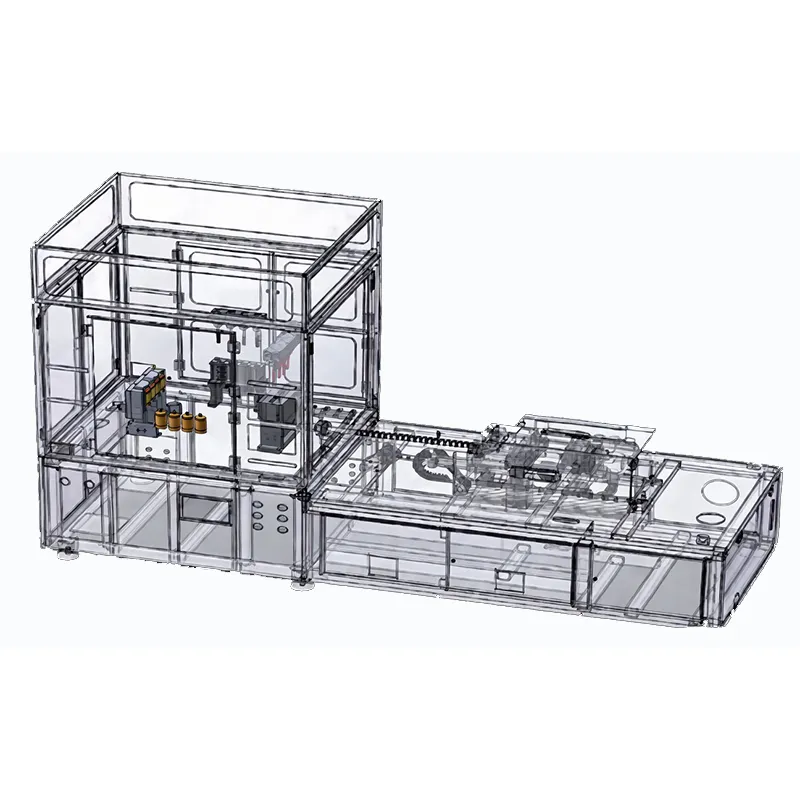
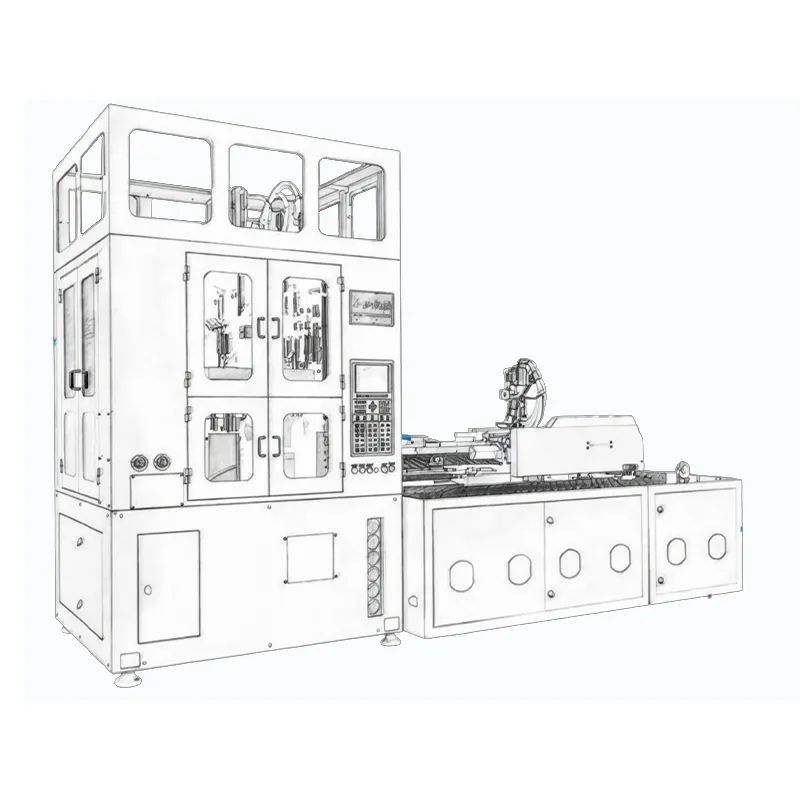
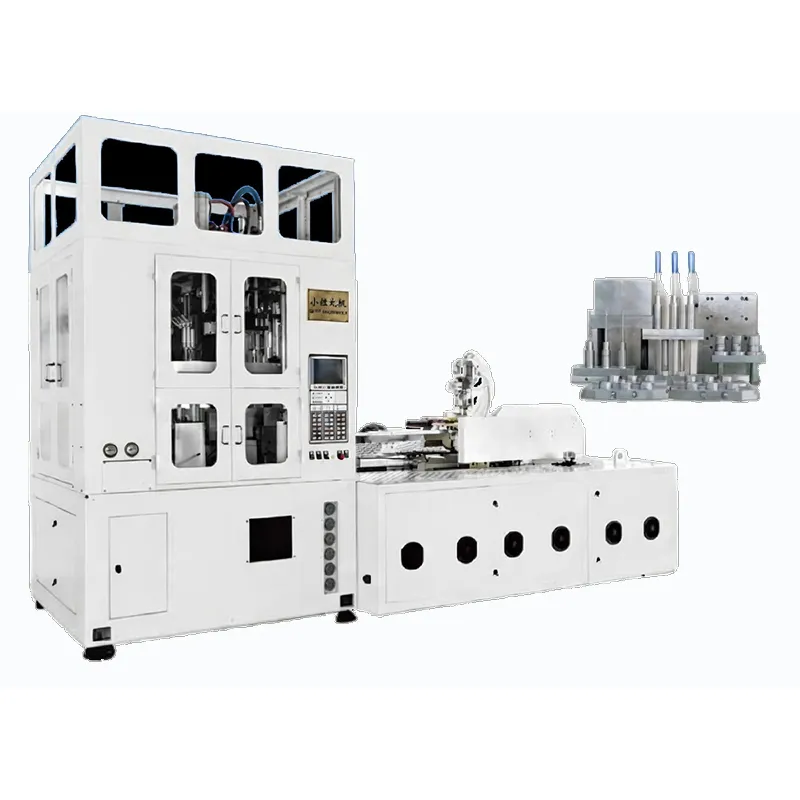
In a single-stage injection stretch blow moulding machine, plastic resin enters at one end and finished, commercially acceptable bottles emerge at the other — all within the same continuously controlled thermal environment. PET or PP resin is injected under high pressure into a preform mould; while the preform still retains residual heat from that injection stage, it is indexed to a stretch-blow station where a stretch rod and high-pressure blowing air simultaneously form the final bottle geometry. This retained heat is the financial engine of the single-stage process. It eliminates entirely the energy-intensive infrared reheating step that defines every two-stage system in operation today. For UK packaging converters running diverse product portfolios — particularly in personal care, pharmaceutical, and specialty food sectors — this integration dramatically reduces the number of process control points, lowers scrap rates associated with reheating temperature variations, and gives operators direct visual feedback on preform quality before a single gram of material reaches the blow mould. The commercial and operational implications are substantial.
🔄
Two-Stage Reheat Stretch Blow: Volume at a Price
Two-stage blow moulding deliberately separates the injection and blowing operations — often into entirely distinct pieces of capital equipment running in different shifts or even different production facilities. Preforms are mass-produced on high-cavitation injection moulding machines, cooled to ambient temperature, stored in bulk bags or cartons, and then reheated and blown in a dedicated reheat stretch blow moulding machine at a later point. The economic justification for this separation rests on volume. When a beverage plant in Sheffield is producing 400 million identical PET water bottles per year, the extraordinary throughput capacity of a high-speed linear two-stage reheat machine is essentially unmatched by any single-stage platform. However, every kilogramme of preform that passes through a reheating oven carries a direct energy cost — and at UK industrial electricity rates that have exceeded 30p per kWh for many SME manufacturers during recent energy price cycles, that cost is far from trivial. Every handling step between injection and blow is also an opportunity for surface contamination, scratching, moisture absorption, and quality variation that rarely appears in equipment brochures but is very real on the quarterly P&L.
Capital Expenditure: What the Purchase Price Doesn’t Tell You
The sticker price comparison between a single-stage ISBM machine and a comparable two-stage system almost always misleads procurement teams who focus on equipment cost in isolation. A single-stage machine from Ever Power typically demands a meaningfully lower upfront capital commitment than the combined cost of a high-cavitation injection moulding machine plus a standalone reheat stretch blow unit — along with the compressed air infrastructure, conveyors, preform handling systems, and additional utility connections required to operate them as a coordinated line. For a small or mid-sized UK plastic packaging converter operating from a facility in the West Midlands or Yorkshire, this difference in initial capital can be the single factor that determines whether an expansion project clears the investment committee. The single-stage platform also requires considerably less floor space — a financial factor that carries genuine weight in UK industrial environments where warehouse rental in areas like Birmingham’s Tyseley district or Sheffield’s Meadowhall industrial corridor represents a significant recurring overhead. A smaller footprint translates directly into lower lease liability, reduced utility provisioning scope, and a faster, simpler installation programme.
££
Single-Stage ISBM — CapEx Profile
- One integrated machine replaces two pieces of capital equipment
- Lower per-bottle tooling cost across most specialty applications
- Reduced compressed air and chiller infrastructure scope
- Compact footprint lowers facility rent burden
- Faster commissioning and shorter production interruption
- No preform storage racks, conveyors, or bulk handling systems
££££
Two-Stage System — CapEx Profile
- Separate injection machine plus standalone reheat blower
- Preform bulk storage, conveyors, and loading systems
- Higher utility infrastructure: additional chillers, air compressors
- Larger floor area requirement adds rent and fitout cost
- Longer installation programme increases production downtime
- Validated integration between two separate control systems
Working Principle of the ISBM Single-Stage Machine
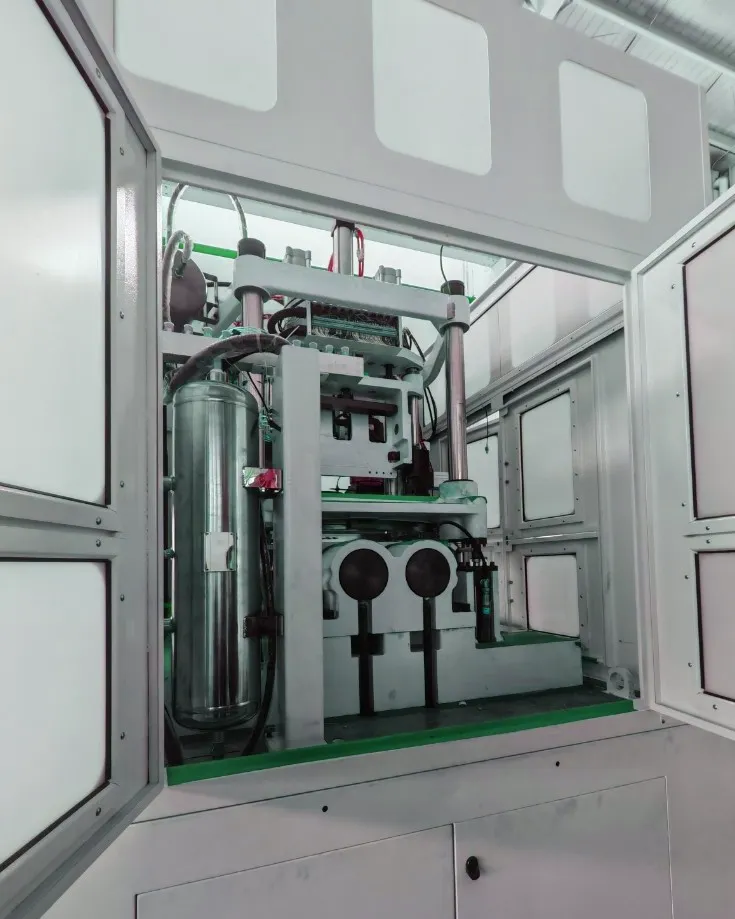 The ISBM process begins with the metering and plasticisation of raw polymer resin — most commonly PET, PP, or HDPE — inside a reciprocating screw plasticising unit. The molten polymer is injected under high pressure (typically 800–1,800 bar) into a multi-cavity preform mould, where it fills the cavity geometry and begins to cool. Critically, rather than being cooled to ambient temperature, the preform is held at a precisely controlled conditioning temperature — generally between 95°C and 120°C for PET — and transferred by a rotating or indexing arm to the stretch-blow station while still carrying thermal energy from the injection phase.
At the blow station, a precision stretch rod extends axially to orientate the polymer chains in the longitudinal direction while high-pressure blowing air — typically 25 to 40 bar depending on material and wall thickness requirements — simultaneously expands the preform outward against the blow mould cavity. This simultaneous axial and circumferential orientation, known as biaxial orientation, is responsible for the mechanical and optical properties that make ISBM bottles valuable in pharmaceutical, cosmetic, and food-contact applications across markets from Northampton to Glasgow. It also produces a bottle with measurably better drop-impact resistance and clarity than extrusion blow moulded alternatives, which is a quality argument that UK packaging buyers in demanding sectors will recognise immediately.
Operational Costs: Energy, Labour, and the Hidden Costs of Reheating
The operational cost gap between single-stage blow moulding and two-stage blow moulding becomes most vivid when energy consumption is modelled on a per-thousand-bottles basis over a full production year. In a two-stage system, every kilogramme of preform passes through an infrared reheating oven before it can be blown. That reheating phase typically accounts for between 18% and 30% of the total electrical energy consumption of a two-stage line. At UK industrial electricity rates — which have exceeded 30 pence per kWh for many manufacturing SMEs during recent energy price cycles, and remain structurally elevated compared to many European competitors — the cumulative annual cost of reheating several hundred tonnes of PET preforms can comfortably represent tens of thousands of pounds in direct energy spend for a medium-volume line. A single-stage ISBM machine eliminates that entire energy category from day one of operation. For a packaging converter in Sheffield or Leeds already managing tight margins, the thermal efficiency advantage of single-stage technology is not a marginal improvement — it is a structural, recurring cost reduction that compounds year after year and improves the attractiveness of the investment case at every stage of the machine’s service life.
Labour allocation follows a comparable pattern of compression. A two-stage blow moulding line typically demands at least two dedicated machine operators — one monitoring injection machine parameters and one managing the reheat blower and blow station — alongside material-handling personnel responsible for transporting, visually inspecting, and loading preforms between production stages. A single-stage ISBM machine operating at comparable output can routinely be managed by a single skilled operator who monitors the entire integrated process from a central HMI touchscreen. This labour compression is especially relevant to UK manufacturers facing persistent skilled-operator shortages in the plastics processing sector, a structural challenge that the British Plastics Federation has consistently highlighted as a bottleneck to capacity expansion across facilities from the West Midlands to the North West.
⚡ Energy Efficiency — The Compound Savings Argument
UK operations switching from two-stage reheat systems to single-stage ISBM equipment typically report energy savings of 25% to 40% per 1,000 bottles produced. On a two-shift operation running 250 days per year at medium-range bottle weights, this translates into between £18,000 and £55,000 of direct annual energy cost reduction, depending on tariff and volume — entirely separate from labour, scrap, and maintenance savings that also move in the right direction.
ISBM Machine Technical Specifications & Performance Parameters
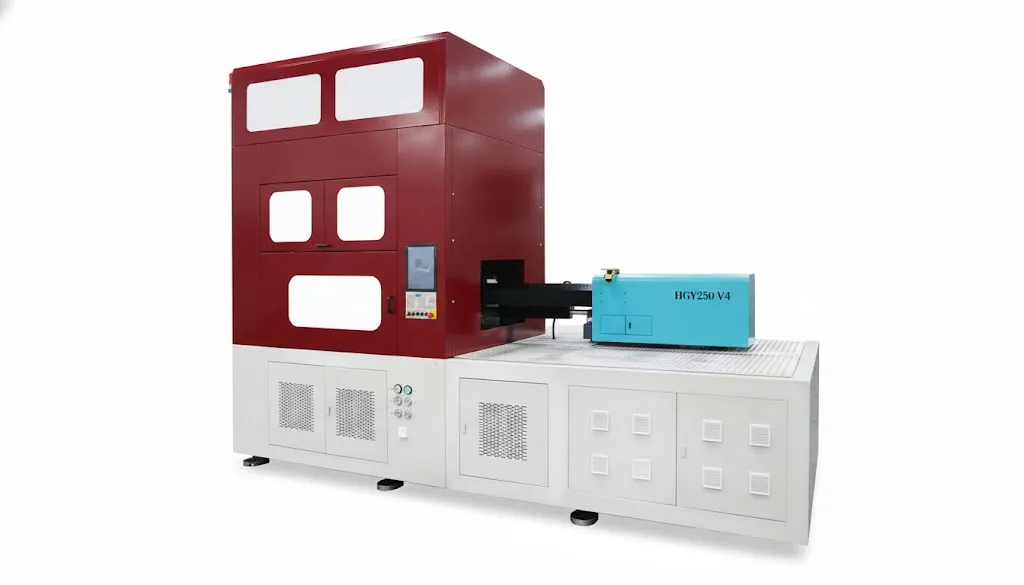
The table below summarises representative technical parameters for Ever Power’s single-stage ISBM machine range. These figures serve as a structured reference; exact specifications are engineered to individual customer requirements during the quotation and design-review phase, and Ever Power’s application team can supply a machine-specific data sheet for any target bottle geometry.
| Parameter | Specification | Application Note |
|---|---|---|
| Process Type | Injection Stretch Blow Moulding (ISBM) | Single continuous thermal cycle |
| Compatible Materials | PET, PP, HDPE, PC, PETG | Material-specific screw geometry |
| Cavity Configuration | 1–6 cavities standard; up to 12 on custom builds | Rotary or linear indexing platform |
| Bottle Volume Range | 5 mL – 5,000 mL | Wide-mouth and asymmetric profiles available |
| Blowing Pressure | Up to 40 bar | Pressure-regulated per resin grade |
| Preform Conditioning Temp. | 85°C – 130°C | PET optimum: 95–120°C |
| Output Rate | 500 – 6,000 bottles/hour | Varies by cavity count and volume |
| Clamping Force | 150 – 800 kN | Model-dependent configuration |
| Screw Diameter | 40 mm – 80 mm; L/D ratio 22:1 – 28:1 | Barrier screw designs available |
| Injection Pressure | 800 – 1,800 bar | Closed-loop pressure control |
| Mould Material | H13 tool steel / 7075 aluminium alloy | Heat-treated, surface nitrided |
| Machine Frame | High-grade structural steel, precision welded | Stress-relieved and finish-machined |
| Control System | Siemens / Mitsubishi PLC + HMI touchscreen | Remote diagnostics available |
| Power Supply | 380V / 415V, 50 Hz, 3-phase | UK 415V wiring standard supported |
| Neck Finish Compatibility | PCO 1810, PCO 1881, 28 mm, 38 mm, custom | Proprietary closure tooling engineered |
| Colour Capability | Clear, coloured, UV-barrier, pearlescent | Gravimetric masterbatch dosing |
| Certifications | CE, ISO 9001:2015 | UKCA compliance documentation prepared |
Core Technical Advantages of Single-Stage ISBM Equipment
⚡
Thermal Efficiency
Residual preform heat is fully exploited throughout the process, eliminating the infrared reheating energy cost entirely and reducing per-bottle carbon footprint — increasingly important for UK manufacturers managing Scope 3 reporting obligations to retail customers.
📈
Superior Optical Clarity
Controlled biaxial orientation produces bottles with exceptional optical clarity and wall-thickness consistency, critical for cosmetic and pharmaceutical packaging where visible product quality drives purchasing decisions at the retail shelf.
🔧
Rapid Mould Changeover
Integrated tooling architecture on ISBM machines allows mould sets to be exchanged in a fraction of the time needed to reconfigure a two-stage line, supporting the multi-SKU production schedules that UK contract packaging operations routinely manage across dozens of bottle formats.
🔒
Contamination-Free Process
Preforms never leave the machine’s controlled environment between injection and blowing. Surface contamination, moisture absorption, and mechanical damage risks associated with preform handling and storage are entirely eliminated — a qualification advantage in GMP and food-contact regulated environments.
🛠
Lower Reject Rates
The single, tightly controlled thermal cycle minimises process variation, producing measurably lower reject rates versus two-stage systems where reheating temperature inconsistencies introduce additional dimensional and weight-distribution variability into the final bottle — a direct material cost saving that accumulates rapidly at production scale.
🌞
Wide-Mouth and Asymmetric Capability
Single-stage ISBM technology handles wide-mouth container profiles, asymmetric oval and square geometries, and integrated handle configurations that are technically difficult or cost-prohibitive to produce reliably on standard two-stage reheat blow systems, opening up design territory unavailable to competitors on two-stage platforms.
Core Materials: What Single-Stage ISBM Machines Process and Why It Matters
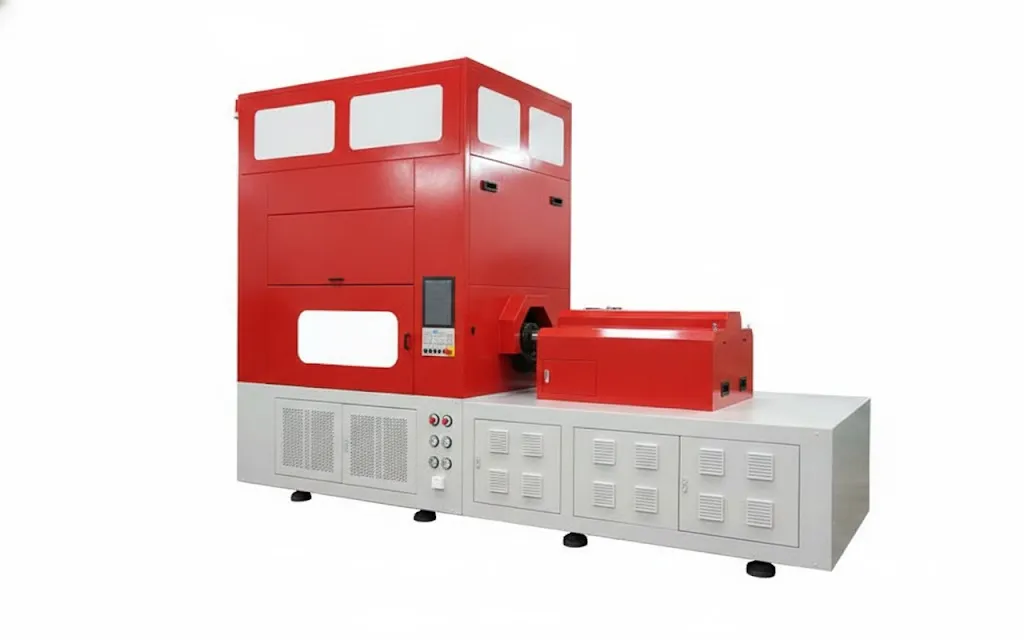 Material selection is one of the most significant cost variables in any bottle production operation, and the single-stage ISBM process interacts with resin properties in ways that have direct commercial implications. PET — polyethylene terephthalate — remains the dominant processing material for ISBM machines globally, and its cost and availability profile is well established across UK resin distribution networks including major distributors operating from logistics hubs in Coventry, Northampton, and the Manchester freight corridor. PET processed through ISBM at the correct conditioning temperature exhibits biaxial orientation that improves its barrier properties significantly compared to amorphous unoriented PET, which is a relevant consideration for pharmaceutical and carbonated liquid applications that demand precise CO2 or oxygen barrier specifications.
PP — polypropylene — is the second most common ISBM material and is specified for applications that require elevated chemical resistance, higher fill temperatures (including hot-fill above 70°C), or autoclave sterilisation compatibility in medical device packaging. Ever Power machines configured for PP processing include appropriately rated plasticising screws with compression ratios and mixing zone geometries optimised for the rheological behaviour of polypropylene, which behaves materially differently from PET in terms of viscosity profile, shear sensitivity, and crystallisation rate during the conditioning and blow phases. HDPE and PC grades are also processed on ISBM platforms for specialist applications including industrial chemical containers in the West Midlands, optical-clarity consumer electronics packaging, and blow-moulded medical bottles where PP is not adequate.
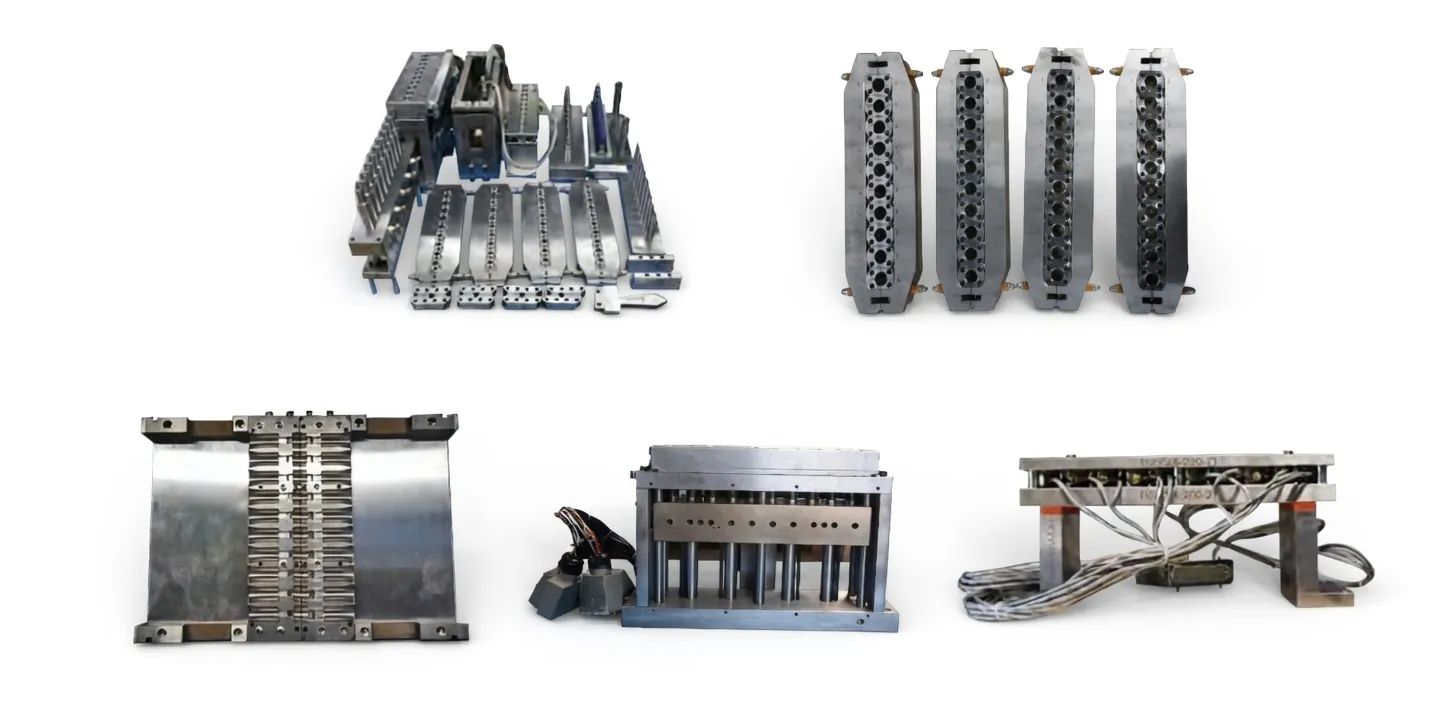
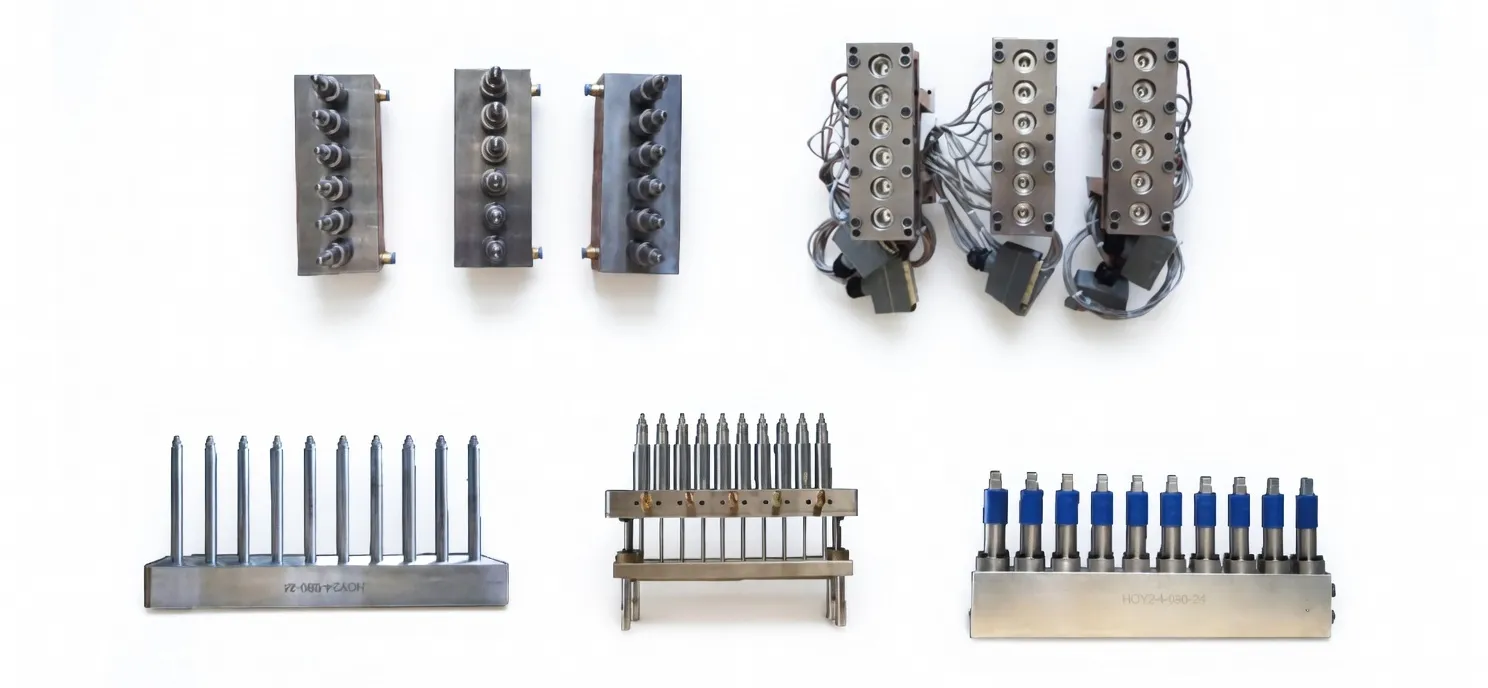
The structural components of Ever Power ISBM machines are engineered around the demanding mechanical requirements of continuous-cycle injection blow operations. The machine frame is fabricated from high-grade structural steel that is stress-relieved after welding and precision-machined on five-axis CNC centres to ensure platens remain geometrically accurate over decades of cyclic clamping loads. Preform and blow moulds are manufactured from either H13 hot-work tool steel — the industry standard for long-run applications demanding hardness and thermal conductivity — or 7075 aluminium alloy for smaller-volume specialty applications where faster thermal cycling and lighter tooling weight are commercially justified. All mould cavities are surface-treated by nitriding or hard chrome plating to extend service life and resist the abrasive wear associated with glass-filled resin grades and pigmented masterbatch.
Where UK Manufacturers Choose Single-Stage ISBM: Application Scenarios
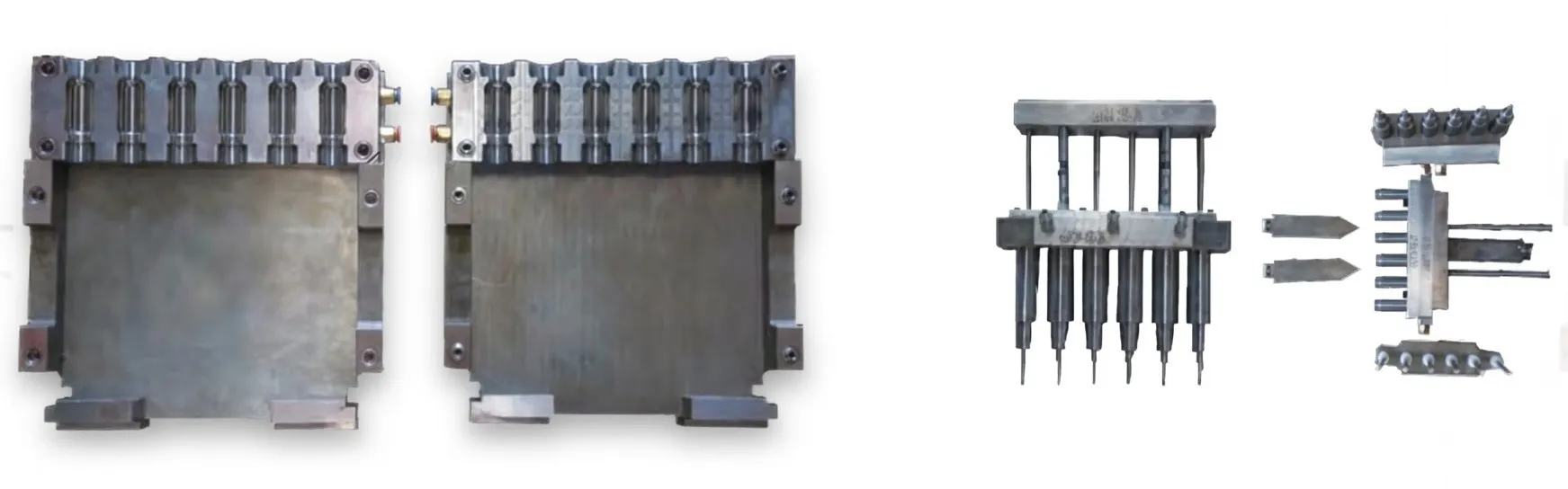
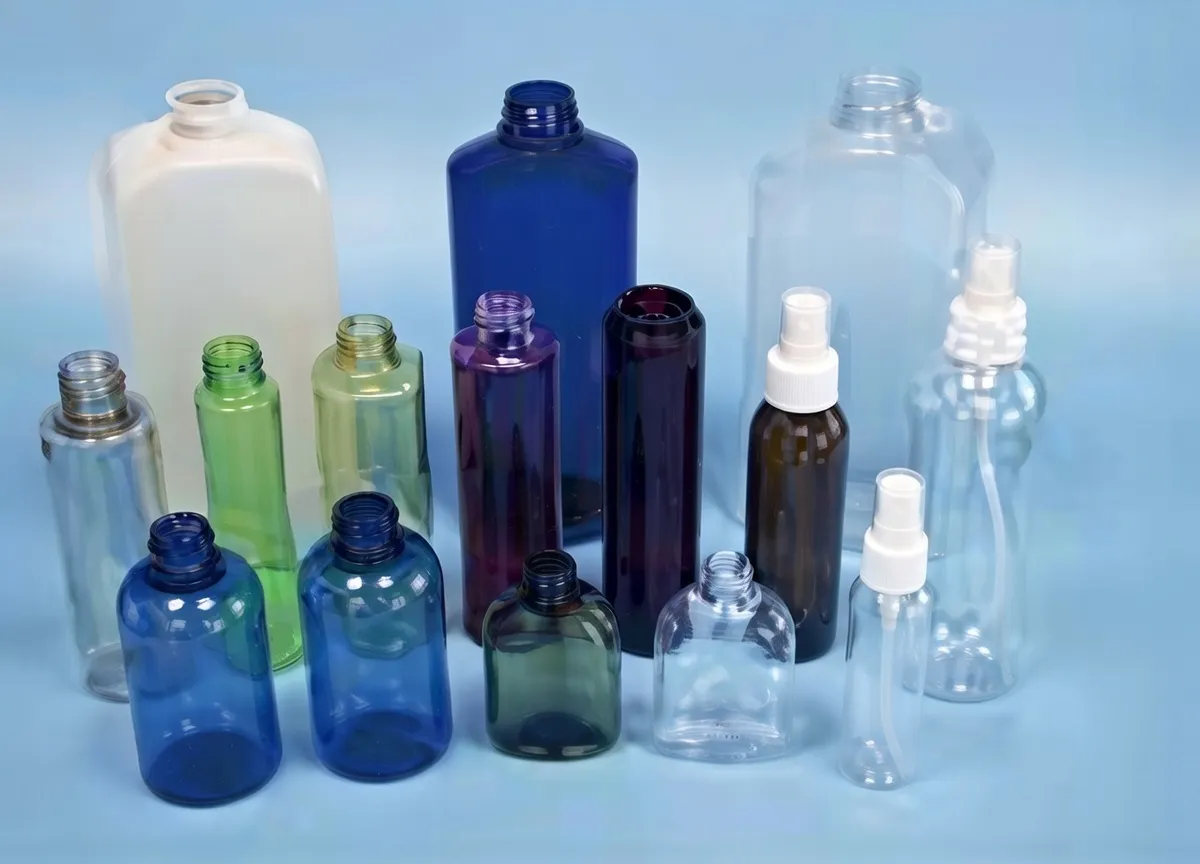
The UK’s plastics packaging sector encompasses a remarkably diverse range of end-use markets, each with distinct bottle geometry requirements, material standards, regulatory obligations, and production volume structures. Single-stage ISBM machines have established a dominant position in several high-value application niches where their combination of process cleanliness, design freedom, and thermal efficiency creates a competitive moat that two-stage technology cannot reasonably challenge.
💊 Pharmaceutical & Healthcare — Northampton, Huddersfield, South East
Pharmaceutical manufacturers and healthcare packaging operations across Northampton, Huddersfield, and the South East rely on single-stage ISBM machines to produce tablet bottles, liquid medicine containers, and nasal spray bottles to GMP-compliant standards. The sealed-environment processing of preforms within the machine satisfies cleanroom-adjacent installation requirements without the contamination risks associated with open preform handling in two-stage systems. Wall thickness consistency — controlled precisely in the single-stage process — directly governs the torque performance of child-resistant closures, which is a UK regulatory requirement under consumer product safety legislation, and a dimension that pharmaceutical customers verify rigorously during packaging qualification trials.
💉 Personal Care & Beauty — Manchester, London, Milton Keynes
The UK’s cosmetics and personal care sector — with major procurement hubs in Manchester, London’s West End, and the Milton Keynes logistics corridor — demands packaging designs that differentiate clearly on an increasingly crowded retail shelf. Asymmetric oval profiles, custom shoulder angles, and integrated handle features are standard requirements in this sector and are all achievable on single-stage ISBM equipment while remaining either technically difficult or commercially unviable on conventional two-stage systems. The optical clarity achievable with PET processed through ISBM technology allows brand owners to use the bottle material itself as a quality signal, reducing dependence on applied labels and delivering a premium aesthetic at a competitive manufacturing cost.
🍎 Specialty Food & Condiments — Yorkshire, Scotland, West Country
Artisanal condiment producers, premium oil bottlers, and specialty sauce manufacturers in Yorkshire, Scotland, and the West Country have found that single-stage ISBM technology enables the small-batch, multi-format flexibility their business models depend on. Rather than committing to large-volume preform purchasing arrangements that lock them into a single bottle design for months, these operations can economically produce 30,000 to 80,000-unit batches of several different SKUs on a single Ever Power ISBM machine, changing between mould sets between production shifts without the prohibitive downtime costs associated with line changeovers on two-stage equipment.
🔧 Automotive & Industrial Chemicals — Coventry, West Midlands
Chemical packaging manufacturers in Coventry and the wider West Midlands industrial corridor process HDPE and PP grades on single-stage ISBM machines to produce solvent-resistant containers for automotive fluids, cleaning concentrates, and agrochemical formulations. The controlled wall thickness distribution achievable in ISBM-produced bottles — superior to extrusion blow moulded equivalents — addresses structural requirements for containers that must withstand transport vibration, stacking loads, and chemical permeation. UK chemical manufacturers operating under REACH obligations for hazardous-substance packaging find that ISBM-produced containers with barrier layer options provide a credible and certifiable compliance pathway.
Head-to-Head Cost Comparison Summary
| Cost Factor | Single-Stage ISBM | Two-Stage System | Verdict |
|---|---|---|---|
| Initial Capital Cost | Lower | Higher | ✓ ISBM advantage |
| Floor Space Required | Compact | Extensive | ✓ ISBM advantage |
| Energy per 1,000 Bottles | 25–40% Lower | Baseline | ✓ ISBM advantage |
| Labour Requirement | 1 Operator | 2–3 Operators | ✓ ISBM advantage |
| Reject / Scrap Rate | Lower (<1%) | Higher (1–4%) | ✓ ISBM advantage |
| Max Volume Ceiling | Medium–High | Very High | ✓ Two-stage advantage |
| Design Flexibility | High | Limited | ✓ ISBM advantage |
| Minimum Economic Run | 10,000–50,000 pcs | 500,000+ pcs | ✓ ISBM advantage |
| Process Contamination Risk | Very Low | Higher | ✓ ISBM advantage |
| Typical UK Payback Period | 18–36 months | 36–60 months | ✓ ISBM advantage |
Manufacturing Excellence
Ever Power: Precision Manufacturing & UK-Focused Customisation
Your dedicated single-stage ISBM engineering partner — from specification through commissioning
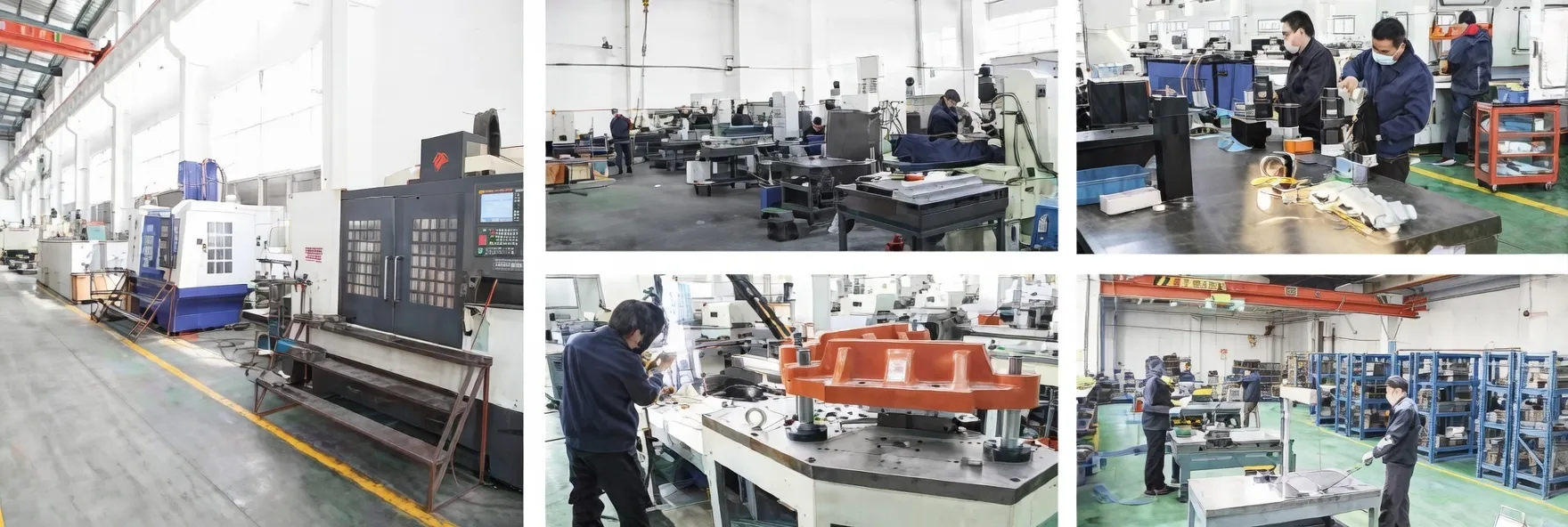
Ever Power operates a purpose-built manufacturing facility equipped with multi-axis CNC machining centres, precision grinding lines, automated assembly stations, and a dedicated quality control laboratory. Every single-stage ISBM machine that leaves our factory undergoes a comprehensive factory acceptance test (FAT) that includes live bottle production across all specified cavity configurations, dimensional verification of output bottles against customer-supplied engineering drawings, and a continuous mechanical run-in at rated speed for a minimum of 72 hours. For UK customers, this means the machine arriving at your facility in Sheffield, Birmingham, Leeds, or Bristol has already demonstrated its capability against your exact production specification before it clears UK customs — reducing the commercial risk associated with importing capital equipment across international supply chains.
Our customisation capability extends substantially beyond the selection of standard options. Ever Power’s engineering team engages with UK customers at the concept stage to jointly develop preform and bottle geometry combinations that maximise material efficiency, evaluates mould material selection between aluminium alloy and hardened tool steel based on projected annual production volumes, and configures control logic to integrate with existing downstream filling, capping, and labelling line management systems. We regularly supply machines with custom neck finish tooling for proprietary closure systems, co-injection capability for oxygen-barrier pharmaceutical packaging, and integrated camera-based vision inspection systems that identify and reject non-conforming bottles before they reach the downstream conveyor. UK customers receive CE and UKCA documentation packages as standard, eliminating the compliance burden often associated with importing capital equipment and streamlining the regulatory approval process with UK health and safety authorities.
🏗
5-Axis CNC
±0.005 mm tolerance on all critical surfaces
📋
ISO 9001:2015
Certified quality management throughout
📉
72-Hour FAT
Factory acceptance testing before every shipment
🔒
UKCA Ready
Full UK conformity documentation prepared
🌎
UK Logistics
FCL shipping to Felixstowe, Southampton, Hull
Customer Success Story: Sheffield Pharmaceutical Packaging Converter
Meridian Packaging Solutions Ltd.
Sheffield, South Yorkshire | Pharmaceutical & Nutraceutical Packaging
The Challenge
Meridian Packaging Solutions had been running a two-stage reheat blow moulding line for seven years, producing PET tablet bottles and supplement containers for the UK nutraceutical and OTC healthcare market. By 2023, the operation was being squeezed from three directions at once. Elevated UK energy costs were compressing margins on the reheating-intensive two-stage process in a way that forward projections suggested would only worsen. A growing roster of retail customers was requesting multi-variant bottle geometries — new shoulder profiles, different neck finishes, one format with a snap-on handle — that the existing line could not economically accommodate. And a newly tendered contract with a Sheffield-based pharmaceutical distributor required cleanroom-adjacent production standards that the open preform-handling architecture of the two-stage system could not satisfy without substantial and disruptive facility modifications estimated at a significant additional capital cost.
The Ever Power Solution
Following a structured three-supplier tender evaluation, Meridian’s engineering and procurement team selected an Ever Power four-cavity single-stage ISBM machine configured for PET and PP production. The specification included a Siemens S7-1500 PLC, integrated downstream conveyor interface, and custom tooling for five bottle profiles across two neck finish standards. Before finalising the specification, Ever Power’s application engineers conducted a two-day on-site technical review at Meridian’s Sheffield facility, examining available floor space, utility supply constraints, chilled water infrastructure, and downstream filling and capping line integration requirements in detail. The machine was manufactured to the agreed specification, underwent a full 72-hour factory acceptance test at Ever Power’s facility producing bottles to Meridian’s dimensional drawings, and was shipped under an all-risk marine insurance policy. It cleared UK customs within four working days using the UKCA documentation package prepared by Ever Power’s compliance team, and was commissioned on-site by Ever Power’s field engineers over three days — two days ahead of the contracted completion schedule.
Measured Outcomes
Within three months of reaching full production, Meridian documented a 31% reduction in energy consumption per 1,000 bottles compared to the retired two-stage line. Reject rates dropped from 2.8% to under 0.6%, directly reducing raw material waste cost. The pharmaceutical distribution contract — which had been conditional on achieving cleanroom-adjacent process standards — was signed within six weeks of commissioning and became one of Meridian’s three largest accounts within twelve months. The mould-change flexibility of the ISBM platform allowed the company to take on four additional SKUs from existing customers without capacity expansion, improving revenue per machine-hour by a measurable margin. Meridian subsequently placed a second order for an Ever Power ISBM machine to support expansion into the contract packaging sector for a Manchester-based personal care brand.
What Our UK Customers Say
★★★★★
“We replaced a two-stage line that had been in service for a decade, and the energy saving alone justified the switch within 26 months. The Ever Power machine runs at under half a percent rejection rate on our pharmaceutical containers — a level of consistency we genuinely did not think achievable at this investment level. The process control is far tighter than anything we operated before.”
James T., Production Director
Meridian Packaging Solutions Ltd., Sheffield
★★★★★
“The customisation work from Ever Power was genuinely exceptional. Our bottles have an asymmetric handle profile that two other machine suppliers flat-out declined to attempt on a single-stage platform. Ever Power’s engineers went back to the tooling concept entirely and the first production bottles off the machine were commercially acceptable. That level of engineering commitment to a non-standard problem is rare in this industry.”
Rachel M., Packaging Engineer
Arden Cosmetics Ltd., Birmingham
★★★★★
“From initial quote to commissioning, the whole process was professionally managed without us having to chase for information. The UKCA compliance pack was complete and accurate. Our Leeds facility had the machine running full production within a week of delivery — and that includes the time our own electricians spent on the utility connections. For capital equipment coming in from overseas, that’s a genuinely impressive installation experience.”
David K., Operations Manager
NorthPak Group, Leeds
Frequently Asked Questions
Ever Power · Your ISBM Engineering Partner
Ready to Build Your Cost Case? Get a Free Analysis.
Ever Power’s application engineers will review your current production data, bottle specifications, and facility constraints to produce a detailed and site-specific cost comparison model at no charge and with no obligation. Get in touch to start the conversation.
✉ Get Your Free Cost Analysis — [email protected]
edit by gzl