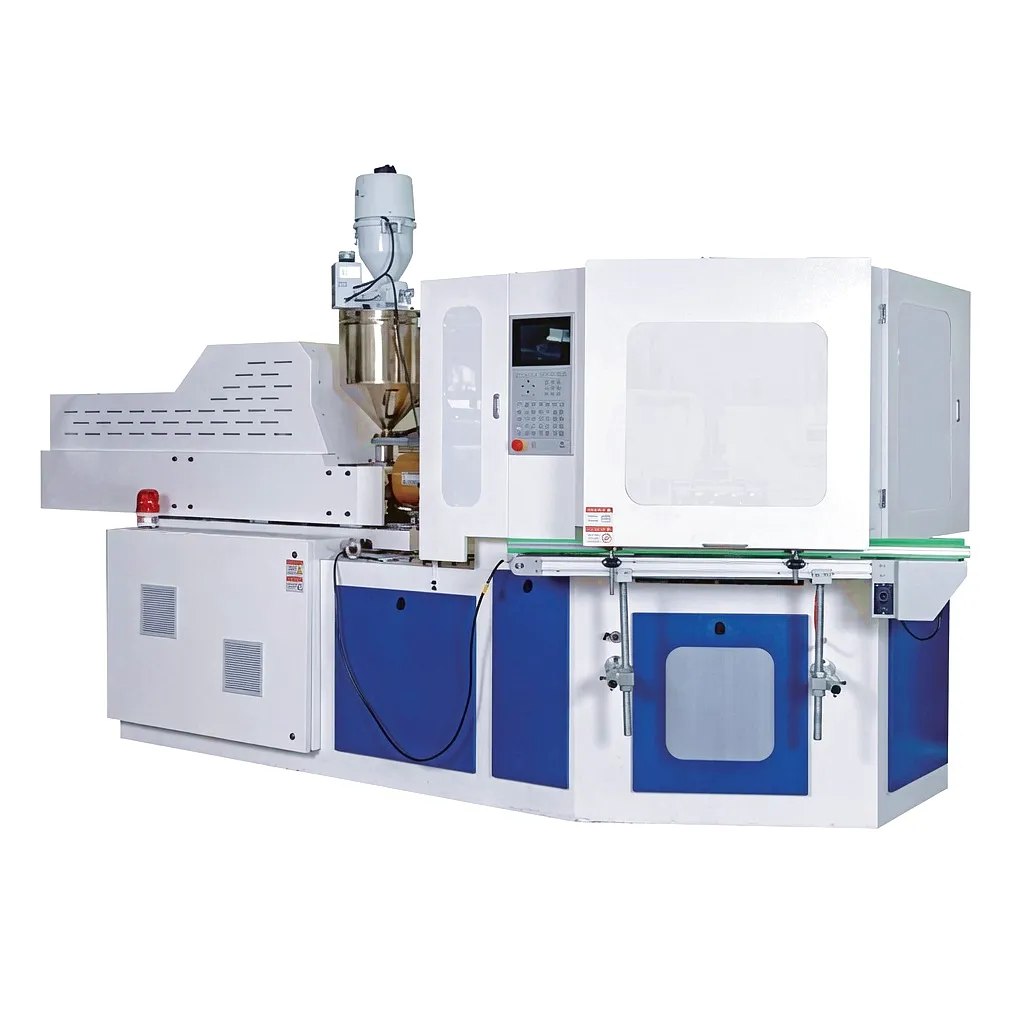
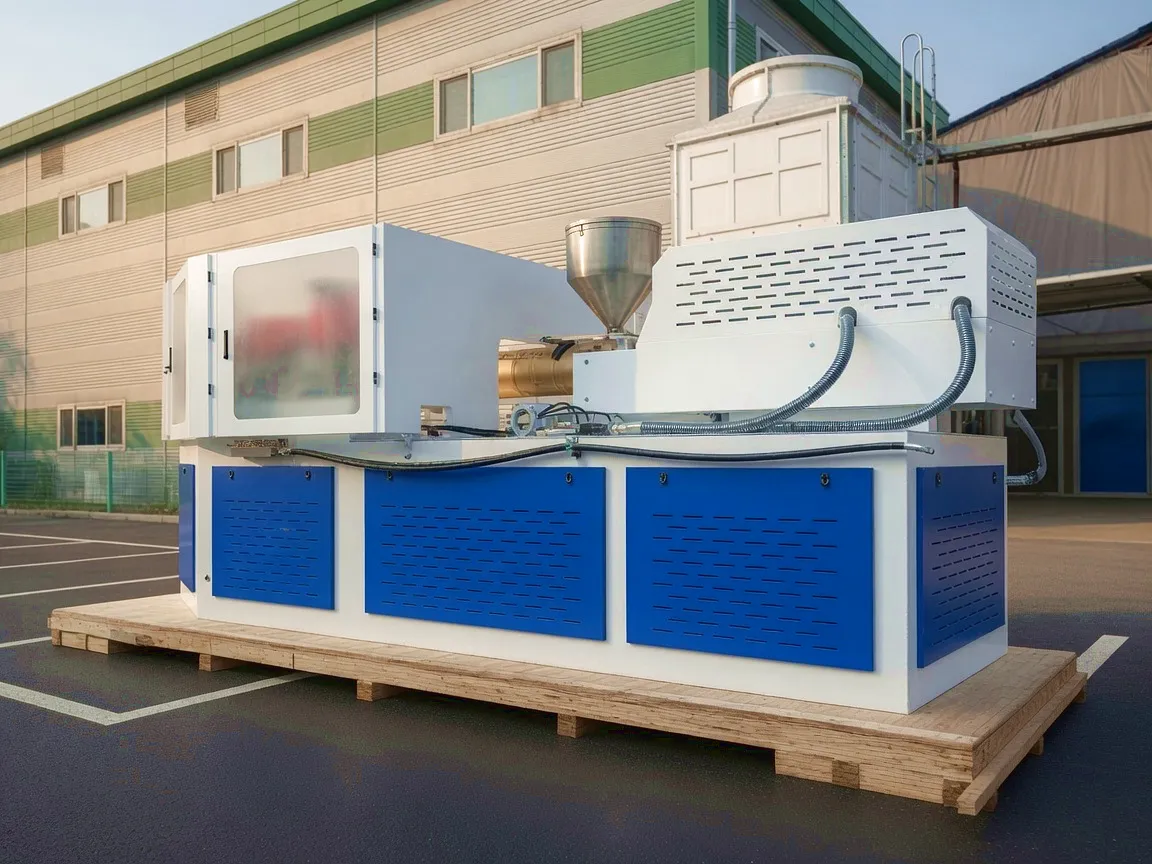
 Within the broader landscape of plastic container manufacturing, the injection-blow molding machine has emerged as a defining technology for industries that simply cannot afford dimensional inconsistency. Unlike extrusion blow molding — which produces containers with parting line seams and wall thickness variation — an injection-blow molding machine works by first injection-molding a preform over a steel core rod, then blowing that preform into a finished bottle or container in a precisely controlled cavity. The result is a container with no pinch-off seam, a consistently formed neck finish, and a wall thickness uniformity that satisfies even the most demanding pharmaceutical, medical, and personal care packaging standards. For UK manufacturers operating under MHRA guidelines or British Pharmacopoeia requirements, this process discipline is not optional — it is the baseline. Ever Power has spent more than a decade engineering IBM equipment that meets these standards reliably, at volume, and at a cost of ownership that makes sense for both single-site factories and multi-facility production networks.
How an Injection-Blow Molding Machine Works
Stage 1 — Injection of Preform
Molten polymer resin — typically PET, PP, HDPE, or LDPE — is injected at controlled pressure and temperature around a steel core rod inside a precision injection mold. The preform takes shape with an already-formed neck thread, meaning the critical sealing surface requires no secondary operation. This stage determines wall thickness distribution in the finished container, which is why injection-side parameters are monitored in real time on all Ever Power IBM platforms.
Stage 2 — Transfer to Blow Station
The core rod — with the hot preform still on it — rotates on a turret to the blow mold station. Because the preform remains on the rod throughout, its orientation is precisely maintained. Temperature uniformity at this transition point is critical: too cold and the parison will not expand correctly; too hot and it will sag. Ever Power’s servo-controlled turret achieves rotational accuracy within ±0.5° and thermal consistency within ±2°C across all cavity positions.
Stage 3 — Blow Molding & Ejection
Compressed air at between 6 and 12 bar inflates the preform against the chilled blow mold cavity. The container cools against the mold surface in milliseconds, locking in its final geometry. On the third turret position, the finished container is stripped from the core rod and ejected — usually directly onto a conveyor or into a collection chute. Cycle times on multi-cavity tooling range from 8 to 18 seconds depending on container wall thickness and polymer grade.
Core Materials Processed by Injection-Blow Molding Machines
PET (Polyethylene Terephthalate)
Outstanding clarity, excellent barrier properties against moisture and oxygen. Dominant in pharmaceutical syrups, nutritional supplements, and premium personal care. UK pharmaceutical manufacturers typically specify PET for its compliance with USP Class VI and EU Directive 2002/72/EC.
PP (Polypropylene)
Chemical resistance across a wide pH range, autoclavable at 121°C, and suitable for repeated sterilization cycles. Preferred for laboratory specimen containers, medical device packaging, and industrial chemical bottles. PP’s hinge integrity also supports snap-cap and tamper-evident closure systems common in UK healthcare logistics.
HDPE (High-Density Polyethylene)
Robust, low-cost, and compatible with a wide range of chemical contents. Widely used in veterinary pharmaceuticals, agricultural chemical packaging, and household cleaning products. HDPE’s high environmental stress crack resistance makes it the default choice for containers that will be exposed to harsh filling conditions or cold-chain distribution — a key requirement for many UK agri-supply chains.
LDPE & TPE
Soft, squeezable containers for eye drops, nasal sprays, and topical gel packaging. LDPE’s flexibility enables the squeeze-and-release function in dispensing bottles without stress whitening. TPE variants allow for multi-component construction, enabling soft-touch grips on diagnostic device packaging — a growing niche in the UK medtech corridor stretching from Cambridge to London.
Technical Performance Parameters — IBM Machine Specifications
Product Advantages of Modern IBM Equipment
Neck Finish Precision
Because the neck thread is formed in the injection station rather than blown, it maintains dimensional accuracy to within ±0.05 mm — a critical requirement for child-resistant closures, tamper-evident caps, and pharmaceutical dropper inserts. This eliminates the costly secondary trimming operations that extrusion blow molding requires.
No Waste Tail / Flash
IBM produces zero flash or tail waste, unlike extrusion blow molding where material is pinched and trimmed at the base. This means no regrind contamination, a cleaner production environment, and direct material savings of 4% to 9% per tonne of resin — a significant advantage for UK pharmaceutical manufacturers managing controlled material traceability.
Consistent Wall Thickness
Uniform wall distribution in the sidewall and base of the container directly influences compression strength, drop test performance, and — for transparent containers — optical clarity. IBM’s core-rod-based blowing process achieves wall consistency that routinely outperforms rotary extrusion blow molding by a margin of 30% to 50% in standard deviation metrics.
Cleanroom-Compatible Operation
The closed-mold, single-machine process with no exposed flash or trimmed scrap makes IBM inherently suited to cleanroom ISO Class 7 and Class 8 environments. Ever Power’s machine designs feature enclosed tooling zones, positive-pressure air filtration provisions, and clean hydraulic fluid management — aligning with the aseptic packaging expectations of UK-based pharmaceutical contract manufacturers.
Fast Tooling Changeover
Modern IBM platforms, including Ever Power’s ZQ series, support mold changeover in 25 to 45 minutes through standardized tooling interfaces and quick-release core rod assemblies. For contract manufacturers serving multiple clients — a common business model among packaging suppliers operating from Birmingham and Sheffield distribution hubs — this agility directly reduces SKU changeover downtime.
Energy-Efficient All-Electric Drives
All-electric servo-driven IBM machines eliminate the energy losses inherent to constant-pressure hydraulic circuits. On a 10-hour shift running a 6-cavity tool, the energy saving compared to an equivalent hydraulic machine typically reaches 35 kWh to 60 kWh — a meaningful reduction for UK manufacturers facing elevated industrial electricity costs and carbon reduction targets under the UK’s net-zero commitments.
Industrial Application Scenarios
Where injection-blow molding machines create competitive manufacturing advantage across UK sectors
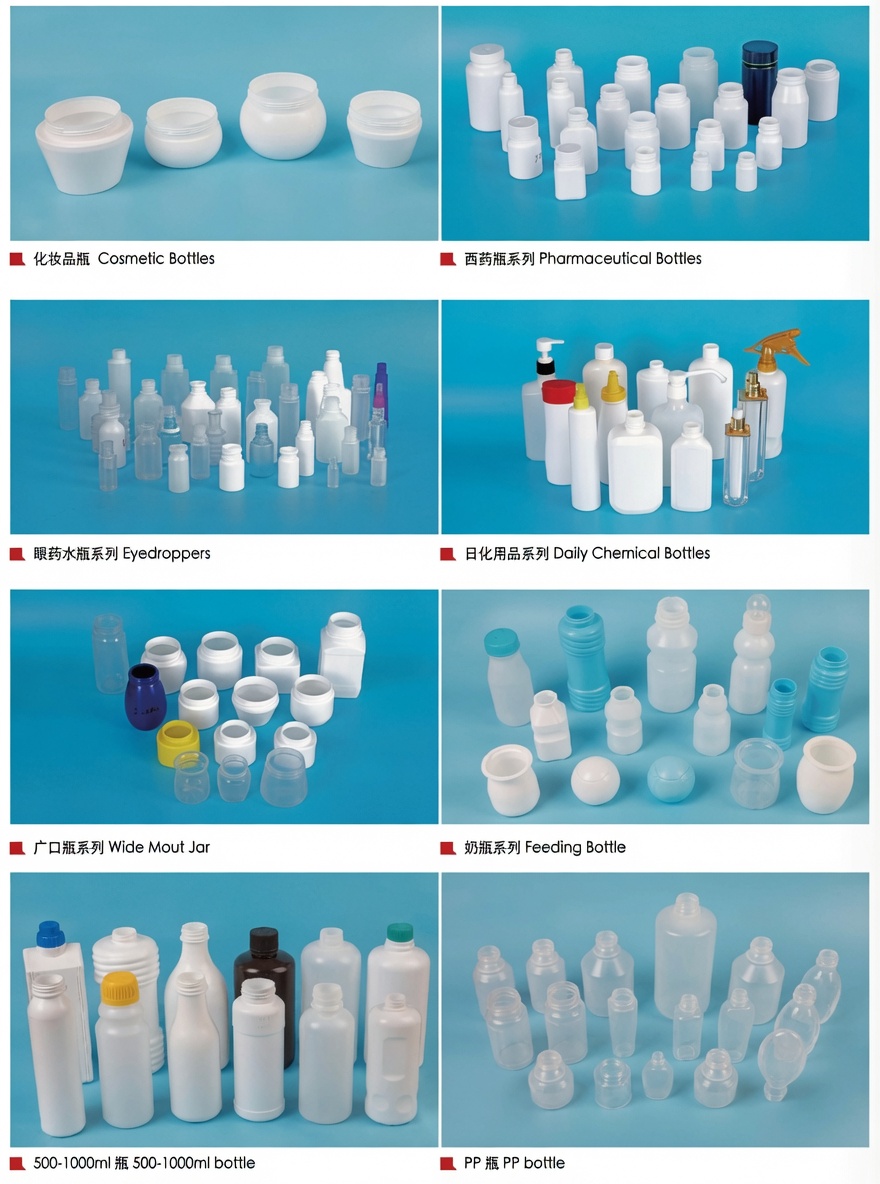
 The pharmaceutical sector remains the primary market driver for injection-blow molding machines in the United Kingdom. Oral liquid medicines — including cough syrups, antacid suspensions, iron tonics, and paediatric solutions — require containers that satisfy strict British Pharmacopoeia standards for extractables and leachables, dimensional tolerance, and closure compatibility. PET bottles produced by IBM machines meet these requirements without secondary processing, and the absence of parting line seams on the container body eliminates a potential stress concentration point that could compromise sterility seal integrity during long shelf-life storage.
 Eye drop bottles and nasal spray containers represent some of the most technically demanding containers in the pharmaceutical supply chain. The orifice diameter of an ophthalmic dropper tip is specified to within ±0.1 mm to deliver a consistent 25 to 50 microlitre drop volume. Wall thickness uniformity in the squeeze section of the bottle determines dosing force consistency — a patient-critical parameter. Only IBM technology can deliver all these characteristics simultaneously, in a single-station closed-mold process, without any post-mold machining or secondary trimming.
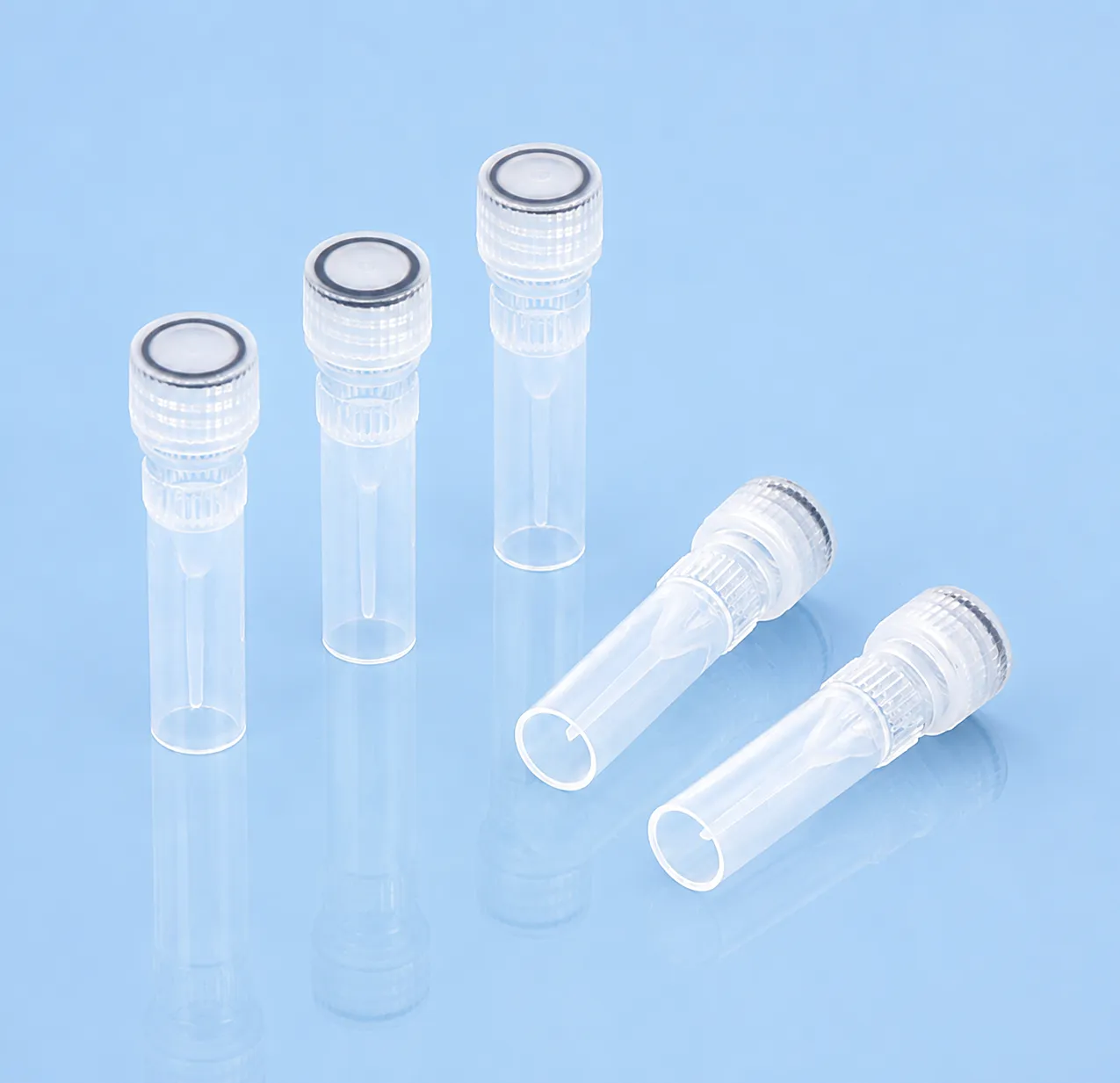
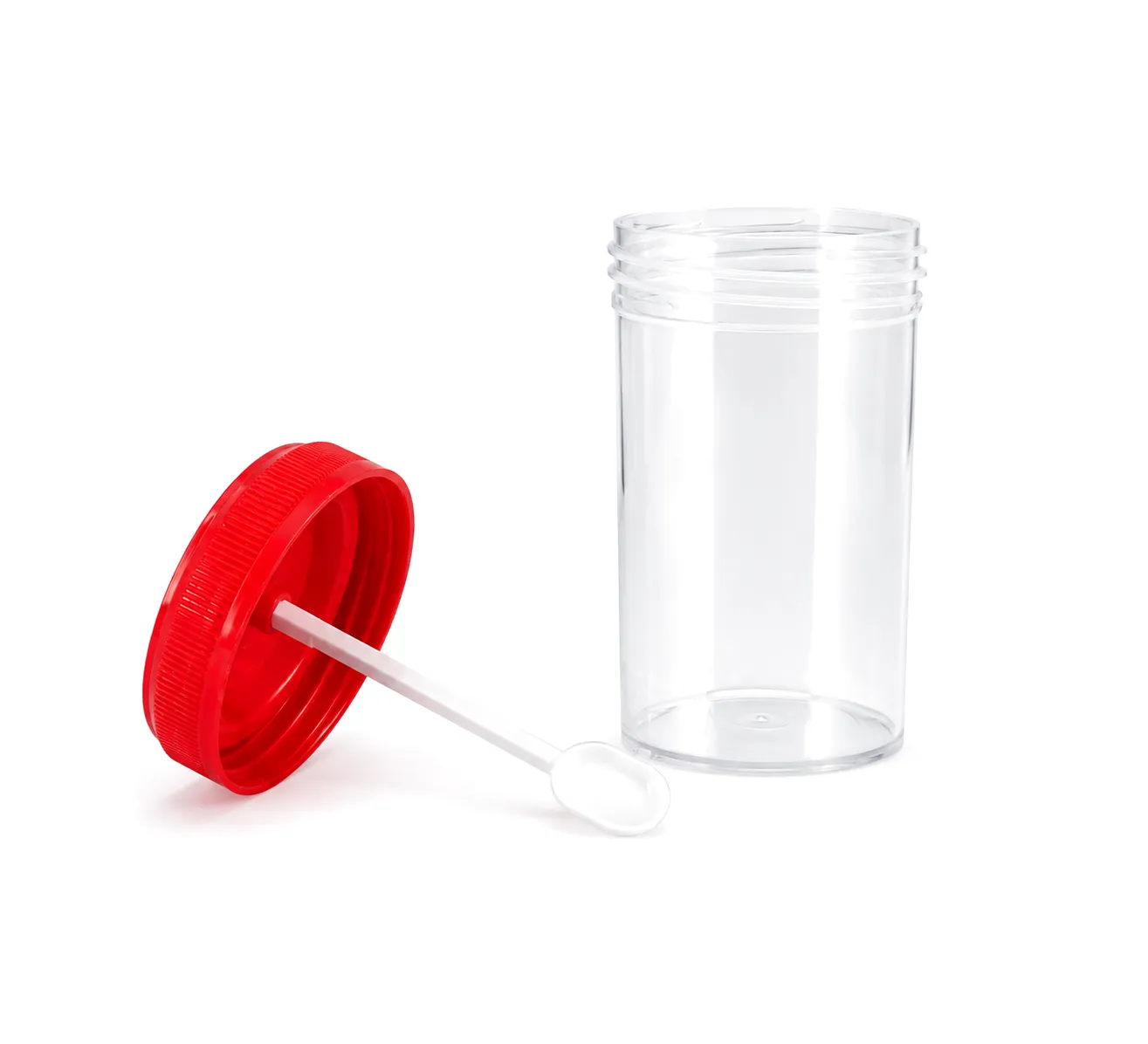
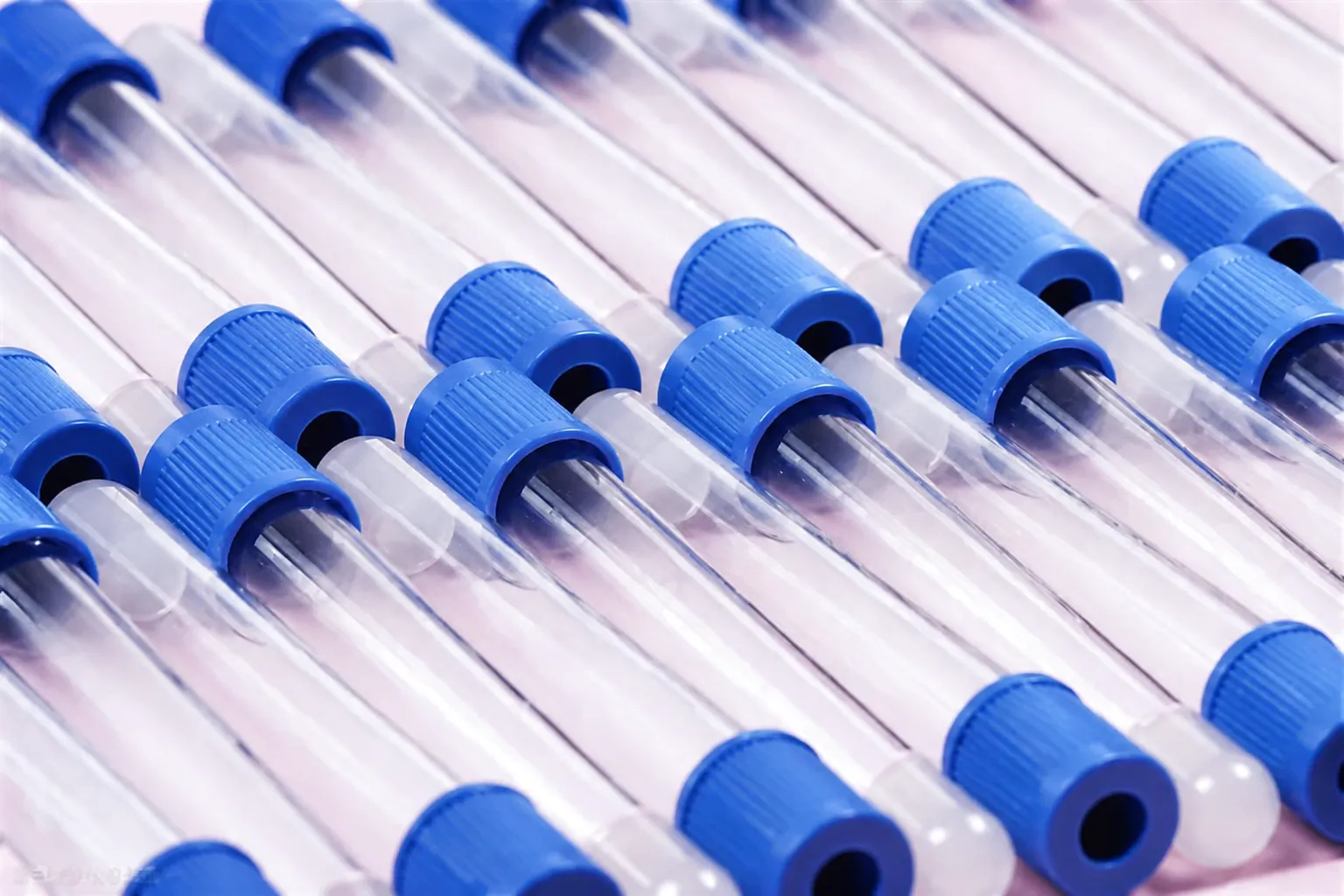 Laboratory and in vitro diagnostics packaging represents the highest precision application tier for IBM equipment. Specimen containers — including vacuum blood collection tubes (EDTA and coagulation additive grades), urine collection vessels, cryovials, sputum specimen jars, and stool collection containers — directly influence the validity of diagnostic results. Any contamination introduced by the container surface, any dimensional deviation in the tube inner diameter affecting vacuum retention, or any seal failure during cold-chain transport can compromise the specimen and invalidate the clinical test. IBM process precision is not merely a competitive differentiator in this sector: it is a functional requirement.
Application Scenario 4: Premium Personal Care and Cosmetics
The UK personal care and cosmetics sector — valued at approximately £27 billion annually, with significant manufacturing activity in London, Leeds, and the Midlands — places a premium on visual differentiation. A container’s shoulder geometry, surface clarity, and light refraction behaviour on retail shelving influence purchasing decisions before the consumer reads a single word on the label. IBM containers produced from PET or PETG in 2 to 8 cavity tooling deliver optical clarity comparable to glass, with the advantage of shatter resistance and significant weight reduction — important for the e-commerce-heavy UK beauty retail market where parcel drop damage is a recurring problem.
Shampoo and conditioner bottles in the 100 ml to 500 ml range, lotion dispensers, fragrance roll-on bottles, serum vials, and nail polish containers are all efficiently produced using IBM machines. The process’s ability to create complex, non-rotationally-symmetric bottle shapes expands design possibilities that blow-only processes cannot access. Ever Power’s IBM platforms support multi-layer preform injection for barrier or colour applications — enabling UV-filtering packaging for sensitive skincare formulations without requiring external labelling or secondary coating.
Application Scenario 5: Veterinary Pharmaceuticals and Agricultural Chemicals
The UK veterinary pharmaceutical market — regulated by the Veterinary Medicines Directorate (VMD) under UKVI — encompasses a wide range of liquid oral formulations, injectable suspensions, and topical treatments that require HDPE or PP containers with precise dosing graduations, child-resistant closures, and chemical resistance to active pharmaceutical ingredients including anthelmintics, antibiotics, and NSAIDs. IBM containers manufactured in HDPE are routinely specified for 50 ml to 1,000 ml veterinary bottles, with necks formed to accept standard CRC (child-resistant closure) fitments.
Agricultural chemical packaging — serving the extensive arable farming regions of East Anglia, Lincolnshire, and Yorkshire — demands containers engineered for concentrated herbicide, fungicide, and insecticide formulations. These chemical families have aggressive solubility characteristics that attack standard LDPE containers. HDPE IBM bottles, with their high crystallinity and low permeability, are the packaging format of choice for agrochemical concentrates. The injection-formed neck on an IBM bottle ensures that the HDPE thickness distribution in the neck region — where stress concentrations are highest during cap torque application — meets the structural requirements of UK Crop Protection Association (CPA) packaging guidelines.
IBM Machine Auxiliary Equipment & Production Support
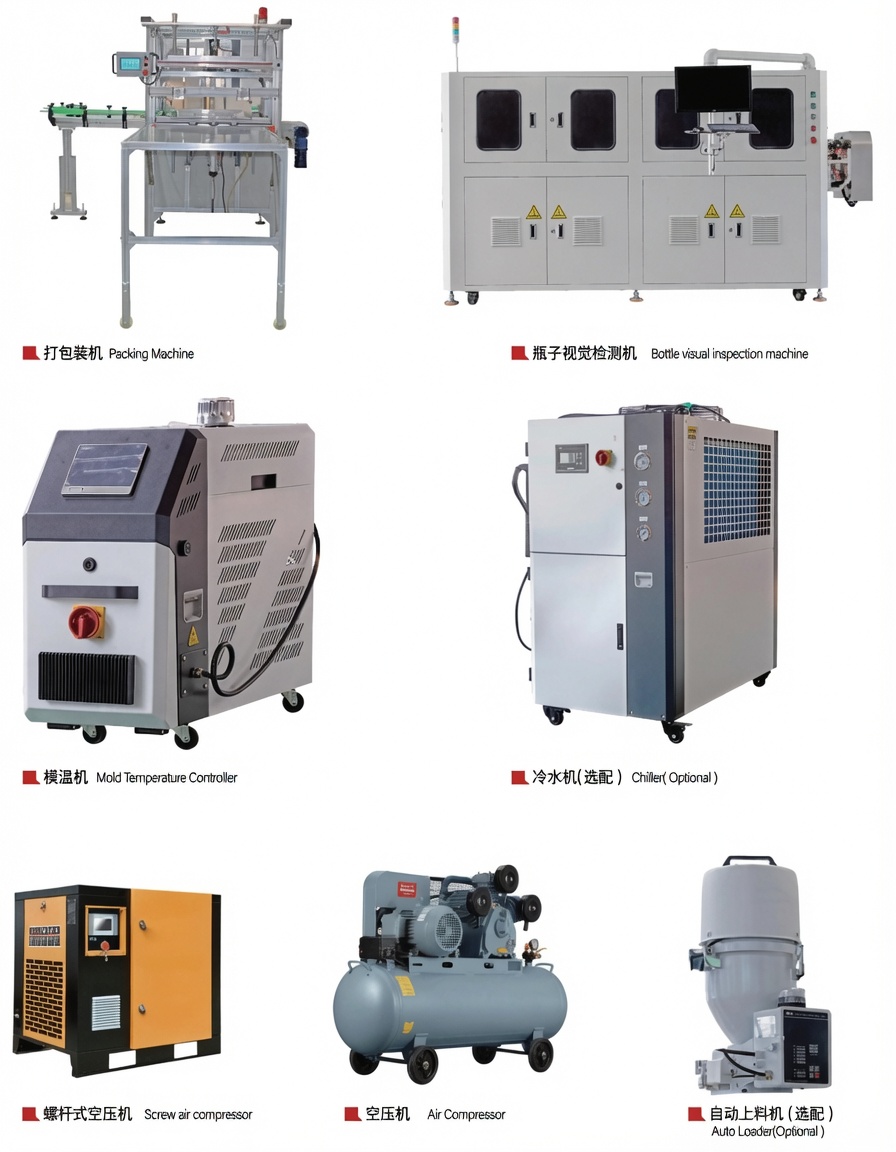
A complete IBM production cell extends well beyond the core machine itself. Upstream auxiliaries include gravimetric dosing blenders that accurately meter masterbatch and additive concentrates into the resin stream, maintaining colour consistency and additive loading within tight tolerances across long production runs. Dehumidifying dryers for hygroscopic resins such as PET and nylon are integrated into the feed system, reducing moisture content to below 50 ppm before injection — a prerequisite for avoiding hydrolytic degradation and IV drop in the finished container. Downstream auxiliaries including air-cooled conveyor systems, vision inspection cameras checking container geometry and neck-finish integrity, and automated leak-testing stations complete a turnkey production line suitable for pharmaceutical-grade output. Ever Power offers complete auxiliary equipment packages sourced and integrated to match the output capacity and compliance requirements of each customer’s specific application.
Featured IBM Machine Models — ZQ40 Series
Engineered as direct, high-performance replacements for legacy Western IBM platforms, Ever Power’s ZQ40 series delivers equivalent or superior output with reduced operating costs, faster changeover, and full spare parts availability from stock.
Replacement of Uniloy UIB 70
A direct engineering equivalent to the Uniloy UIB 70 platform, the ZQ40 Replacement for Uniloy UIB 70 Injection Blow Molding Machine delivers the same core-rod-based IBM process with modern all-electric servo drives, a 12-inch HMI touchscreen, and significantly reduced energy consumption. Compatible with existing Uniloy-format tooling and designed for pharmaceutical and personal care container production in the 5 ml to 500 ml range.
Replacement of Bloma IBM45
Designed as a seamless replacement for operators of the legacy Bloma IBM45, the ZQ40 Replacement for Bloma IBM45 Injection Blow Molding Machine matches the footprint, cavity count, and container size range of its predecessor. It incorporates the same servo-electric turret drive system and closed-loop temperature control seen across the ZQ40 range, making migration from a Bloma installation straightforward. Suitable for pharmaceutical syrups, nutritional supplements, and cosmetics.
Ever Power — Manufacturing Capability and Customisation
Precision engineering from source to site
🏭 Factory Scale
Ever Power operates a 28,000 m² production facility equipped with CNC machining centres, precision grinding equipment, and dedicated tooling workshops. The factory supports simultaneous production of multiple IBM machine configurations, enabling lead times of 45 to 90 days for standard models and 90 to 150 days for fully customised platforms — competitive with European equipment suppliers at substantially lower cost.
⚙ Customisation Capabilities
The Ever Power engineering team accommodates customisation across all critical machine parameters: cavity count, core rod diameter and length, injection barrel capacity, clamp tonnage, and control system protocol. Custom tooling for non-standard container geometries — including asymmetric bottles, integral handle containers, and multi-body packaging — is designed and manufactured in-house using 3D modelling and finite element analysis to validate mold steel selection and cooling circuit layout before first steel is cut.
🌐 UK Supply Chain Support
Ever Power maintains a dedicated spare parts inventory for UK customers, with next-day dispatch from a European logistics partner for wear parts including screw and barrel liners, core rod sets, seal kits, and heating elements. Remote diagnostics via secure VPN connection allows Ever Power technicians to access machine PLCs in real time — a service that has reduced average downtime duration for UK customers by 62% compared to traditional field service response models.
Discuss your application with Ever Power’s technical team:
Customer Success Story — Sheffield, South Yorkshire
CASE STUDY | PHARMACEUTICAL CONTRACT MANUFACTURER | SOUTH YORKSHIRE
A mid-sized pharmaceutical contract manufacturer operating from a 6,500 m² facility on the outskirts of Sheffield had been relying on two ageing Western-manufactured IBM machines — a Uniloy UIB 70 and a Bloma IBM45 — to produce a portfolio of PET and HDPE containers for oral liquid clients across the NHS tender network and the OTC retail market. Both machines were approaching 18 years of operation, spare parts were on extended lead times from their original European suppliers, and a planned line expansion to add two further container sizes was being blocked by the absence of an available new machine supplier that could match the existing tooling interface standard.
After evaluating four IBM equipment suppliers over a 14-month period, the manufacturer’s engineering director selected Ever Power’s ZQ40 platform — in both the Uniloy UIB 70 replacement configuration and the Bloma IBM45 replacement configuration — on the basis of tooling compatibility, energy specification, and after-sales infrastructure. Two machines were delivered to Sheffield within 80 days of order confirmation, installed by an Ever Power commissioning team over a 5-day site visit, and qualified against the customer’s pharmaceutical IQ/OQ protocols within 3 weeks of installation.
Within the first 6 months of operation, the Sheffield facility recorded a 47% reduction in energy consumption on the IBM production lines, a 28% improvement in OEE (Overall Equipment Effectiveness) attributable to reduced unplanned downtime and faster mold changes, and a 100% pass rate on container dimensional sampling audits conducted by two major NHS procurement framework holders. The third and fourth machines — in custom cavity configurations for the new container sizes — were ordered within 4 months of the first delivery.
Customer Reviews
★★★★★
“The dimensional consistency on the neck thread of the PET bottles coming off the ZQ40 is genuinely better than what we were getting from our old Uniloy after its last major refurb. Our closure supplier actually called us to say our batch rejection rate on cap application had dropped to zero for the first time in years. The energy saving was a bonus we hadn’t fully quantified in the business case — it’s made a real difference to our utility cost per thousand units.”
— Engineering Director, Pharmaceutical CMO, Sheffield
★★★★★
“What impressed us most wasn’t just the machine performance — it was the depth of technical knowledge Ever Power’s application engineer brought to our container design review before we even signed the order. They flagged a core rod geometry issue with one of our existing designs that would have caused wall thinning at the shoulder, and they redesigned it at no charge. That level of pre-sales support is not something we experienced from the European suppliers we looked at.”
— Production Manager, Liquid Fill CMO, Sheffield
★★★★★
“We have four Ever Power ZQ40s running now — two in the original replacement configuration and two in the custom 8-cavity setup they designed for our new dropper bottle range. The remote diagnostic access has been genuinely valuable. On two occasions our maintenance team has had a firmware-level fix or parameter adjustment from Ever Power’s engineers within 40 minutes of raising a ticket — faster than any on-site contractor we’ve used. Spare parts from their European stock arrived next business day both times we’ve needed them.”
— Technical Operations Lead, Pharmaceutical Packaging, Sheffield
Frequently Asked Questions
Real questions from UK manufacturers — answered directly
Ready to evaluate IBM equipment for your UK manufacturing operation?
Contact Ever Power’s technical sales team for a no-obligation specification review and quotation.
edit by gzl