Ever Power Industrial Equipment

Injection-Blow Molding Machine:
Applications, Technology & Industry Insights

Precision bottle manufacturing for pharmaceutical, personal care, food & beverage, and specialist industries across the UK and global markets.

✉ Get a Quote Now

What Is an Injection-Blow Molding Machine and Why Does It Matter?
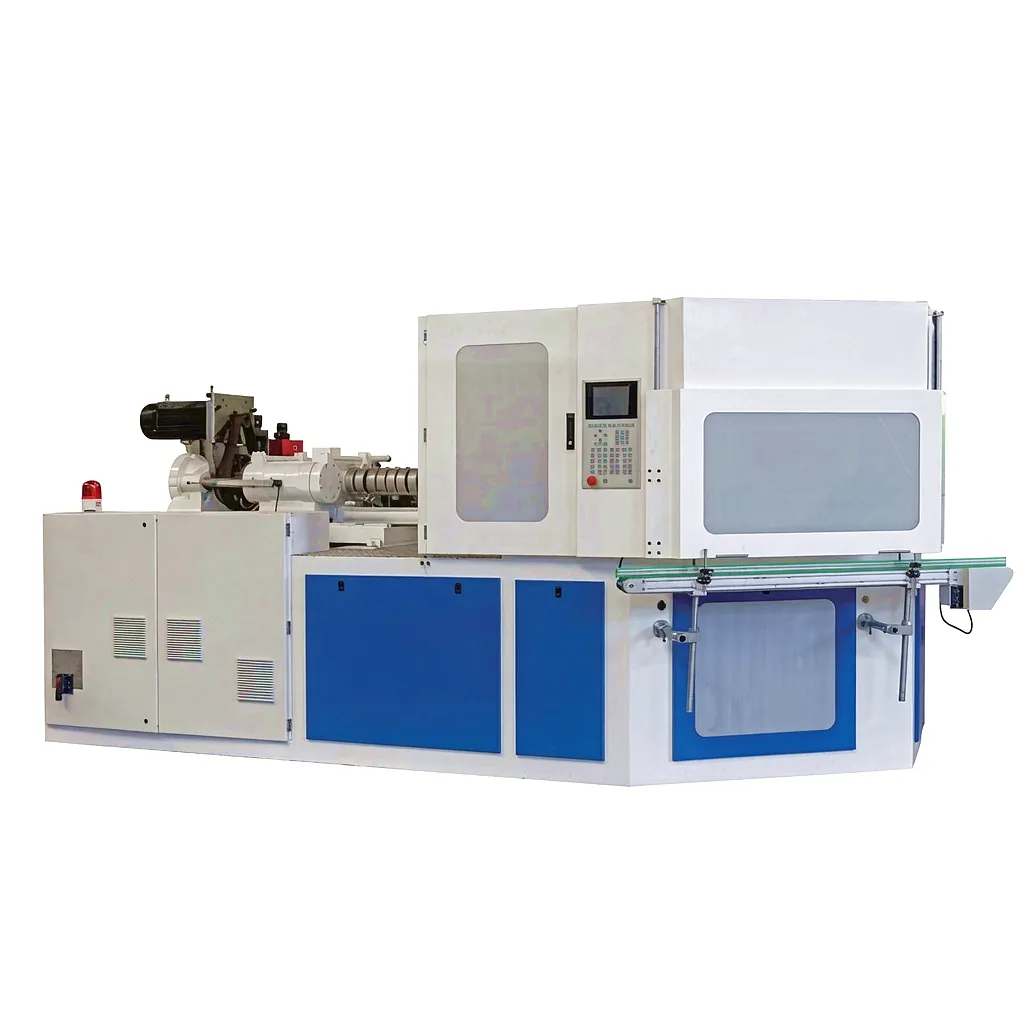
Ever Power ZQ80 Injection Blow Molding Machine

The injection-blow molding machine sits at the intersection of precision engineering and high-volume manufacturing. This process combines injection molding and blow molding into a single, seamlessly integrated cycle, producing hollow plastic containers with tight dimensional tolerances and consistently smooth interior surfaces. The technique has become the industry backbone for pharmaceutical bottles, personal care packaging, food-grade containers, and a wide spectrum of specialty packaging requirements across the UK and beyond.

At the heart of the process, molten thermoplastic resin — most commonly PET, PP, HDPE, or PETG — is first injected around a steel core rod to form a preform. That preform is then transferred, still on the rod and at a carefully controlled temperature, to a blow mold station where compressed air expands it to the final shape of the container. The core rod is finally retracted, releasing a finished, single-piece bottle with no weld lines, flash, or assembly seams. The result is an extremely clean, dimensionally accurate product that meets even the strictest pharmaceutical or cosmetic packaging regulations.

For UK manufacturers competing in today’s demanding export and domestic markets, the ability to produce pharmaceutical-grade, leak-proof, brand-ready containers at scale is an operational priority. The injection-blow molding machine makes that possible — with cycle times typically ranging from 8 to 20 seconds per set and output capacities stretching from several hundred to tens of thousands of units per hour depending on the machine configuration and mold cavity count.

The Three-Stage Working Principle

Understanding how an injection-blow molding machine operates requires looking at three mechanically distinct but thermally interdependent stages. These stages take place on a rotating indexing table or linear transfer system, and each position on the machine performs a specific, simultaneous function, allowing continuous high-speed production without any dead time between cycles.

1

Injection Stage

Plastic pellets are melted in the plasticising unit and injected under high pressure into the injection mold. The mold closes around a steel core rod — called the blow pin — and the molten polymer fills the space, forming a precise preform. The neck finish, including threads or snap-fit geometry, is formed here and does not change in subsequent stages, ensuring perfect dimensional accuracy at the container opening.

2

Blow Molding Stage

The indexed table rotates, carrying the preform — still mounted on the blow pin and at precisely the right thermal gradient — into the blow mold station. Compressed air at pressures between 5 and 10 bar is introduced through the core rod, expanding the preform outward to contact the chilled mold cavity walls. The container body acquires its final shape, surface texture, and wall thickness distribution in this stage, with the cooling action of the mold walls locking in the geometry almost instantly.

3

Ejection Stage

The blow pin retracts and the finished container is stripped cleanly from the mold. Because no trimming, deflashing, or secondary processing is required, the container exits the machine already finished and ready for filling or further downstream packaging operations. This self-finishing characteristic is one of the primary economic and quality advantages of the injection-blow molding machine compared to extrusion blow molding alternatives, which frequently require post-mold flash removal.

Core Materials Used in Injection-Blow Molding
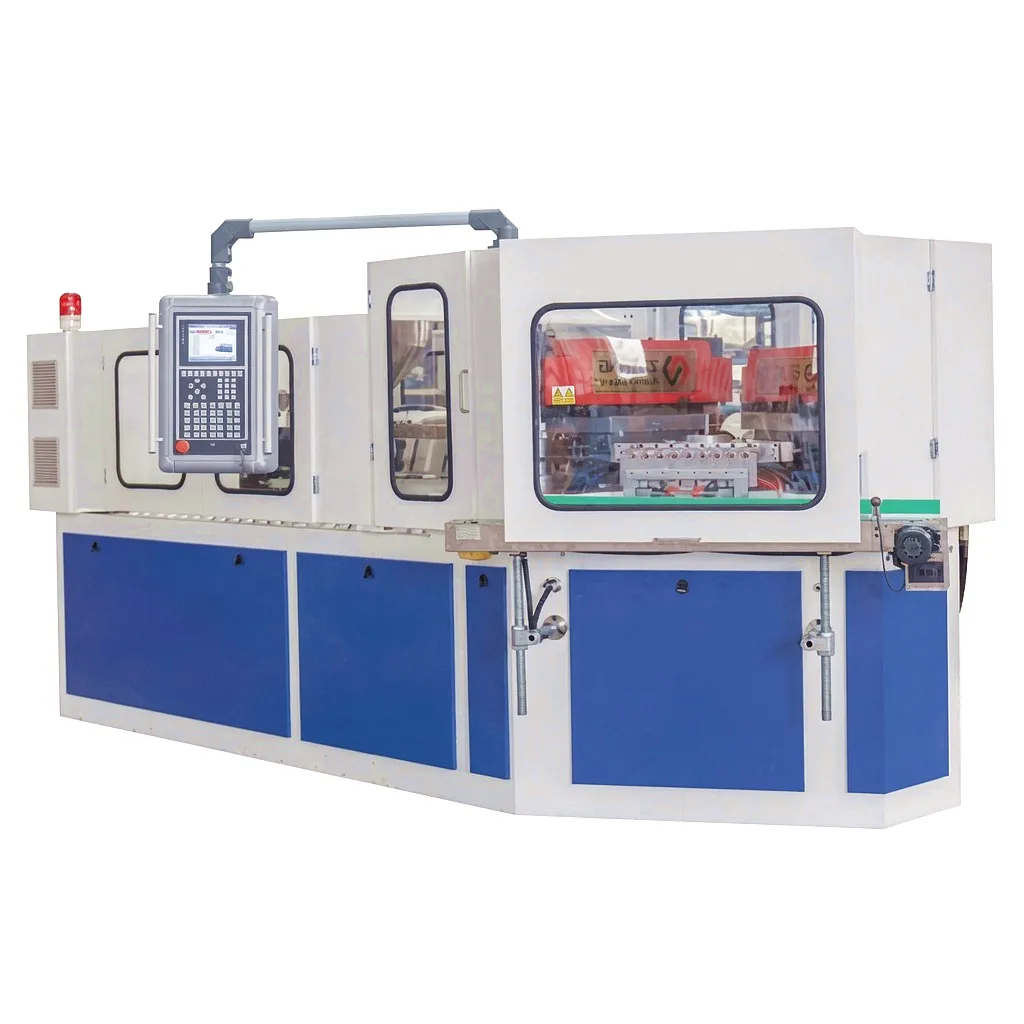
Ever Power ZQ60 Injection Blow Molding Machine

Material selection in the injection-blow molding process is not merely a technical footnote — it fundamentally determines the container’s mechanical performance, barrier properties, optical clarity, chemical compatibility, and regulatory status. The injection-blow molding machine must be configured to accommodate the specific rheological and thermal characteristics of each resin, including barrel temperature profiles, injection pressures, and blow air timing sequences.

PET (Polyethylene Terephthalate) — widely used for food, beverage, and pharmaceutical applications owing to its outstanding clarity, strong barrier performance against oxygen and CO2, and proven recyclability within UK plastic waste streams. PET injection-blow molding is particularly common in the personal care sector across cities such as Birmingham and Coventry, where contract manufacturers supply retailer own-brand ranges.

PP (Polypropylene) — valued for its exceptional chemical resistance, resistance to steam sterilisation, and compliance with pharmaceutical packaging standards including the British Pharmacopoeia. PP containers produced by injection-blow molding are standard in the healthcare supply chain, including clinical liquid preparations and medical device packaging. HDPE (High-Density Polyethylene) offers superior impact resistance and is the preferred choice for agrochemical containers and industrial fluids. PETG delivers glass-like aesthetics with better drop resistance than actual glass — a critical attribute for the premium fragrance and essential oil packaging sectors, where products are displayed at point of sale and subject to retail handling.

Core Technical Advantages of the Injection-Blow Molding Process

Why leading UK packaging manufacturers specify IBM over alternative processes

🎯

Zero Flash & No Weld Lines

Containers exit the machine in a finished state with no parting line flash, no weld lines, and no secondary trimming operations. This dramatically reduces scrap rates and labour costs compared to extrusion blow alternatives, while delivering superior container aesthetics.

📋

Precise Neck Finish Tolerances

The neck and thread geometry is formed in the injection stage and never subsequently stretched or deformed. This ensures tolerances within ±0.05 mm — a critical requirement for child-resistant closures, dispensing pumps, and tamper-evident caps used in pharmaceutical and nutraceutical packaging.

Multi-Cavity Efficiency

Modern injection-blow molding machines support 2, 4, 6, or more cavities per cycle. Higher cavity tooling multiplies output proportionally without increasing the machine footprint or energy demand per unit, making the process highly cost-competitive at medium to high annual volumes.

🔬

Clean Room Compatibility

Because the interior surface of the container is formed in contact with only the sterile core rod, IBM-produced containers are inherently clean on the inside and can be integrated into GMP-compliant clean room environments. This is a decisive requirement for pharmaceutical manufacturing in the UK, where MHRA oversight is stringent.

💡

Energy-Efficient Operation

All-electric servo-driven injection-blow molding machines consume 30–50% less energy compared to hydraulic equivalents. With UK electricity costs under sustained pressure, this operating efficiency translates directly to lower per-unit production costs and helps manufacturers meet scope 1 emissions reduction commitments.

Wide Material Compatibility

A single machine platform can be configured to run PET, PP, HDPE, PETG, and various speciality grades including UV-protective formulations and bio-based resins. Quick-change tooling systems allow production shifts between material types in under two hours, supporting flexible contract manufacturing operations.

Product Technical & Performance Specifications

Representative specification range for Ever Power IBM machine series — contact sales for application-specific configuration

ParameterZQ60 SeriesZQ80 SeriesNotes
Container Volume Range2 ml – 500 ml5 ml – 1000 mlPer cavity, standard molds
Number of Cavities2 / 4 / 62 / 4 / 6 / 8Custom multi-cavity available
Injection PressureUp to 160 MPaUp to 180 MPaServo-controlled
Blow Air Pressure6 – 10 bar6 – 12 barAdjustable per material
Cycle Time8 – 16 sec10 – 20 secDepends on material & volume
Compatible MaterialsPET, PP, HDPE, PETGPET, PP, HDPE, PETG, EVOHSpeciality grades on request
Neck Finish Tolerance+/- 0.05 mm+/- 0.05 mmPharmaceutical grade
Machine Clamping Force600 kN800 kNAll-electric servo drive
Control SystemPLC + 10″ HMI touchscreenPLC + 12″ HMI touchscreenIndustry 4.0 ready
Mold MaterialP20 / H13 tool steelP20 / H13 / 420SSStainless for pharma
Power Supply380 V / 50 Hz / 3-phase380–415 V / 50 Hz / 3-phaseUK 415V compatible

Industrial Application Scenarios

Where injection-blow molding machines deliver the greatest value across industry sectors
💉

Application Scenario 01

Pharmaceutical Liquid Packaging

Pharmaceutical IBM application

The pharmaceutical sector across the UK — from major manufacturing clusters in the East Midlands to established healthcare campuses outside Edinburgh and Cardiff — demands packaging that satisfies both functional and regulatory performance criteria simultaneously. Injection-blow molding machines are uniquely placed to meet these requirements. PP and HDPE containers produced on IBM lines pass the rigorous extractables and leachables testing demanded by the MHRA, meeting standards aligned with ISO 15223 and the relevant annexes of EU GMP guidelines that continue to apply in UK pharmaceutical manufacturing.

The seamless, weld-free interior of an IBM container eliminates potential reservoirs for bacterial contamination, a requirement for oral liquid medicines, ophthalmic preparations, and parenteral flush solutions. Multi-cavity IBM tooling enables high-volume output at the scale needed by UK contract pharmaceutical manufacturers serving global markets — with capacities from 5 ml unit-dose vials up to 500 ml multi-dose bottles in the same machine configuration.

💓

Application Scenario 02

Personal Care & Cosmetics Packaging

Personal care IBM packaging

The UK personal care market, valued at several billion pounds annually, is driven by brands and private label ranges that compete intensely on packaging aesthetics, sustainability credentials, and shelf differentiation. Injection-blow molding machines serve this market through their ability to produce PET and PETG containers with crystal-clear walls, complex curved profiles, and embossed surface detail that would be impossible to achieve cost-effectively with other manufacturing processes.

Contract manufacturers in the West Midlands and Greater London supply retail chains and direct-to-consumer brands with shampoo bottles, conditioner containers, lotion dispensers, serum vials, and foundation bottles produced on multi-cavity IBM lines. The precise, flash-free neck finish ensures compatibility with pump, disc-cap, and lotion-dispenser closures used across the premium personal care category — significantly reducing filling line rejection rates compared to extrusion blow molded alternatives.

🌿

Application Scenario 03

Essential Oils & Aromatherapy Containers

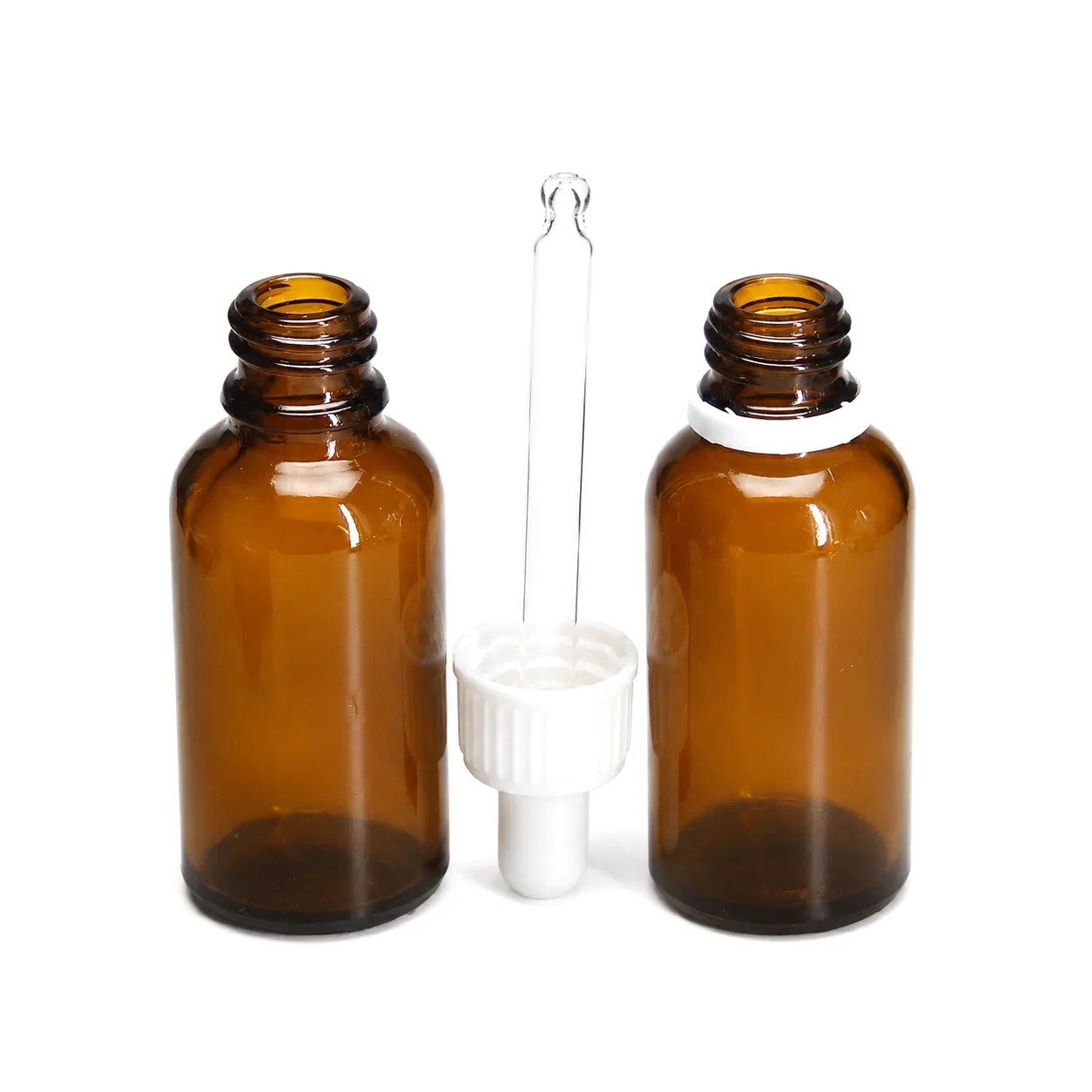
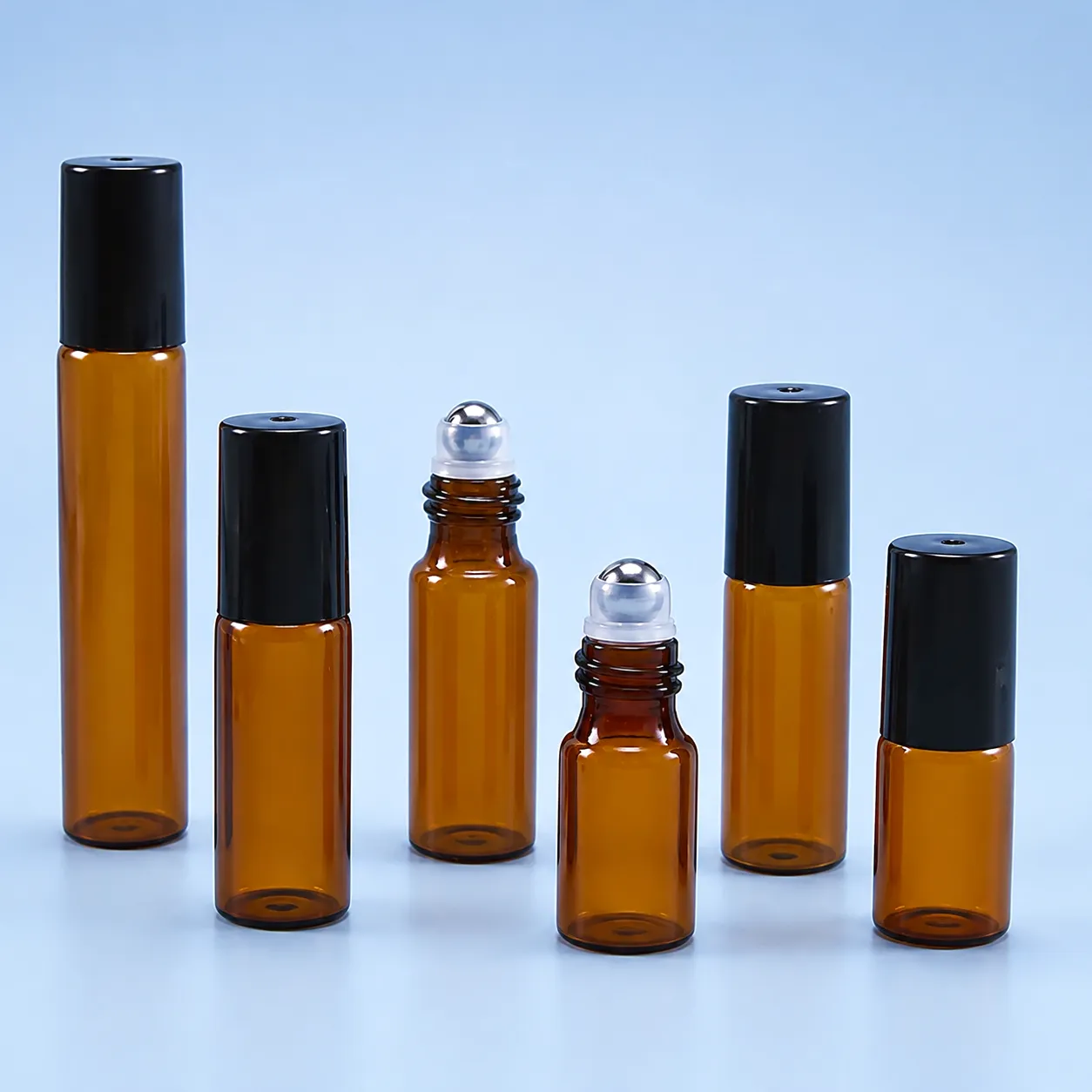
Essential oil and aromatherapy product packaging has traditionally relied on dark glass to protect light-sensitive botanical extracts, but this approach carries real disadvantages — breakage risk during retail handling, air freight restrictions on glass containers in certain routes, and limited design flexibility. High-quality PETG and pharmaceutical-grade PP containers produced by injection-blow molding machines are rapidly capturing share in this segment, particularly within the UK aromatherapy market, which has grown substantially in the years since the pandemic-era wellness boom.

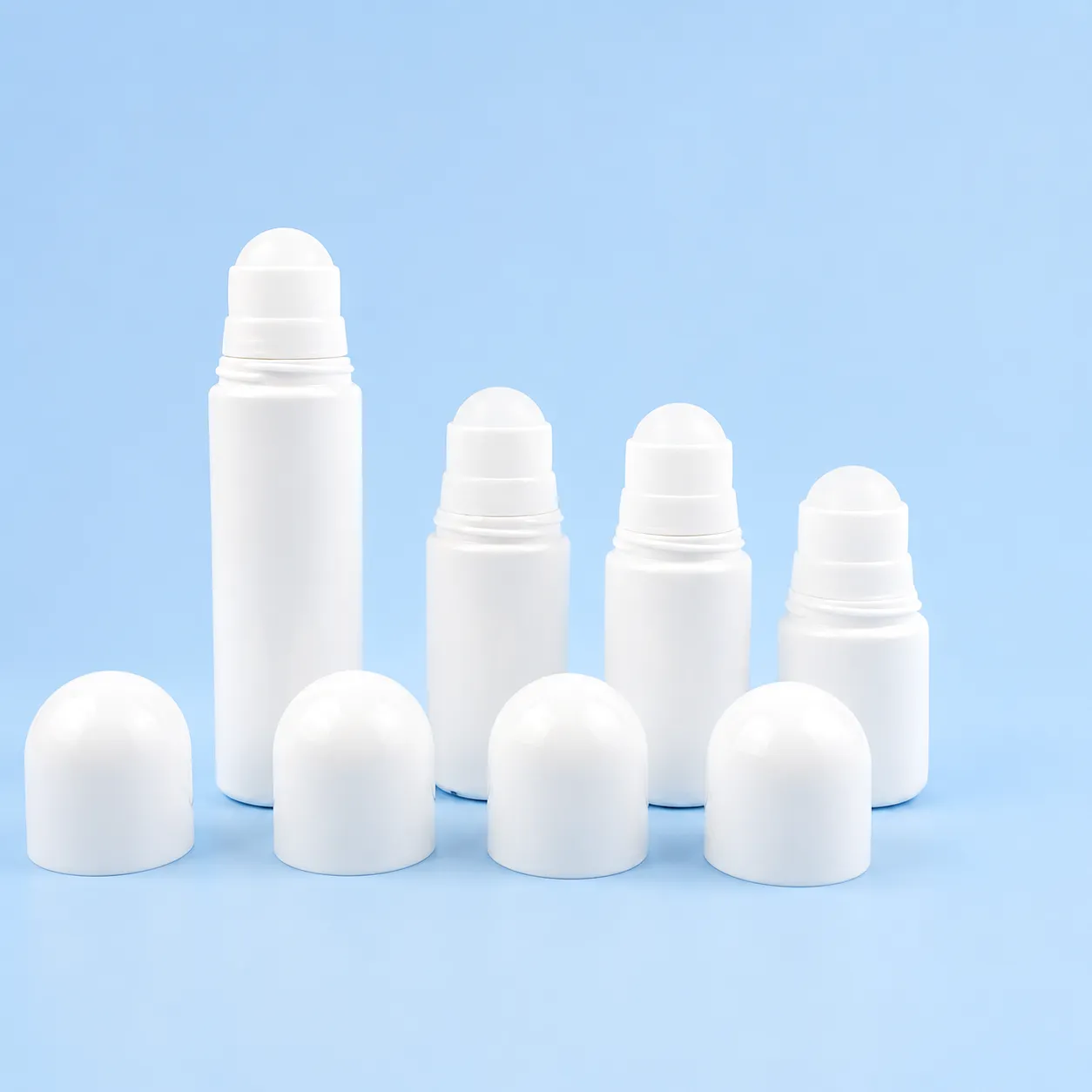
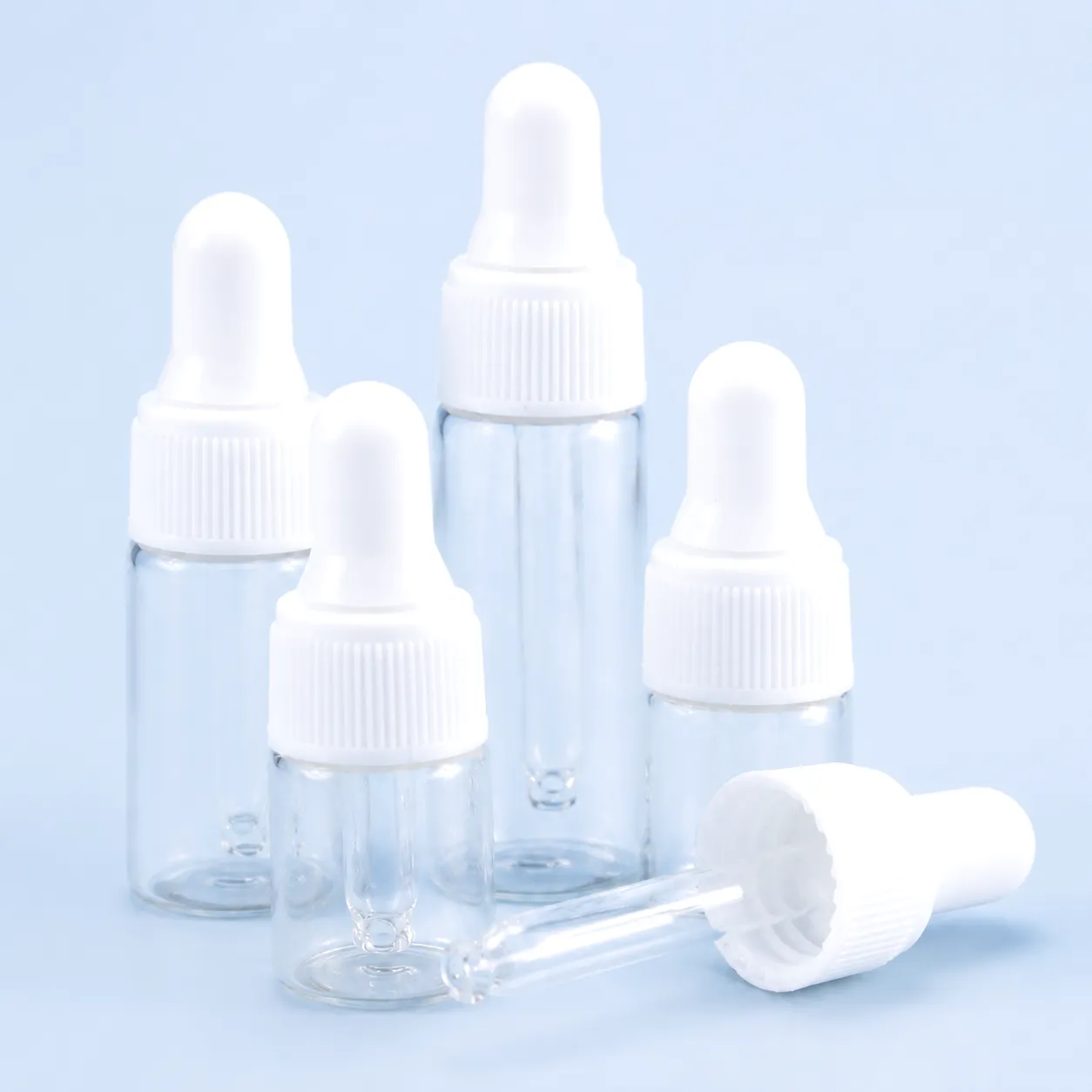
IBM machines produce dropper bottles (5 ml to 100 ml), roll-on bottles with precision-machined neck dimensions that accept industry-standard stainless steel ball inserts, diffuser liquid containers, single and blend oil vials, and aromatherapy spray bottles. The irregular bottle forms, embossed botanical motifs, and brand-personalized geometry that UK aromatherapy brands require are achievable through custom IBM tooling in a single-step process. UV-protective PETG compounds can be specified for colour-stabilised container walls that replicate the appearance of amber glass while providing the drop-resistance and freight compliance that glass cannot offer.

KEY CONTAINERS

Dropper bottles 5–100 ml · Roll-on vials · Diffuser bottles · Blend vials · Spray bottles

PREFERRED MATERIALS

PETG (UV-protective) · Pharma PP · Amber-tinted PETG · Clear PET

KEY ADVANTAGES OVER GLASS

No breakage · Air freight compliant · Custom forms · Brand embossing

🍱

Application Scenario 04

Food & Beverage Containers

Food and beverage IBM containers

UK food and beverage manufacturers serving supermarket supply chains, foodservice distributors, and premium delicatessen brands rely on injection-blow molding machines to produce containers with the clarity, dimensional consistency, and food-contact compliance that major retail buyers specify at category review. PET IBM containers are approved under UK food contact materials legislation (currently transposed from EU Regulation 10/2011 with UKCA alignment) and are used for sauces, dressings, condiments, honey, fruit preserves, cordials, and specialty beverages.

The zero-flash neck finish is especially valuable in the food sector because it eliminates the micro-crevices where product residue can accumulate under filling nozzles, reducing cleaning-in-place intervals on high-speed filling lines. Northern English food manufacturers in Yorkshire and the North West in particular have invested in IBM capacity to supply own-brand condiment ranges to the major UK multiples — a market where volume, consistency, and cost per unit are competing priorities that the injection-blow molding machine addresses effectively.

🌿

Application Scenario 05

Agrochemical & Veterinary Liquids

Agrochemical IBM containers

Agricultural chemical packaging is subject to particularly demanding performance requirements: containers must withstand chemical attack from concentrated herbicides, fungicides, and insecticides; deliver consistent dispensing volume through anti-glug or direct-flow neck designs; and pass UN transport certification testing for hazardous liquids. HDPE injection-blow molded containers satisfy all three criteria and are widely used across the UK’s agricultural supply industry, including distribution networks centred on Lincolnshire, Norfolk, and the Scottish Borders.

Veterinary liquid preparations — oral anthelmintics, pour-on treatments, and injectable product flasks — are similarly suited to IBM manufacturing. The neck tolerances achievable by an injection-blow molding machine allow the incorporation of veterinary dosing caps and oral applicator fittings without the leakage risk that off-spec necks from extrusion processes can introduce. Multi-layer EVOH barrier configurations on advanced IBM platforms also enable the packaging of oxygen-sensitive agrochemical formulations with shelf lives validated to three years or beyond.

Production Capability

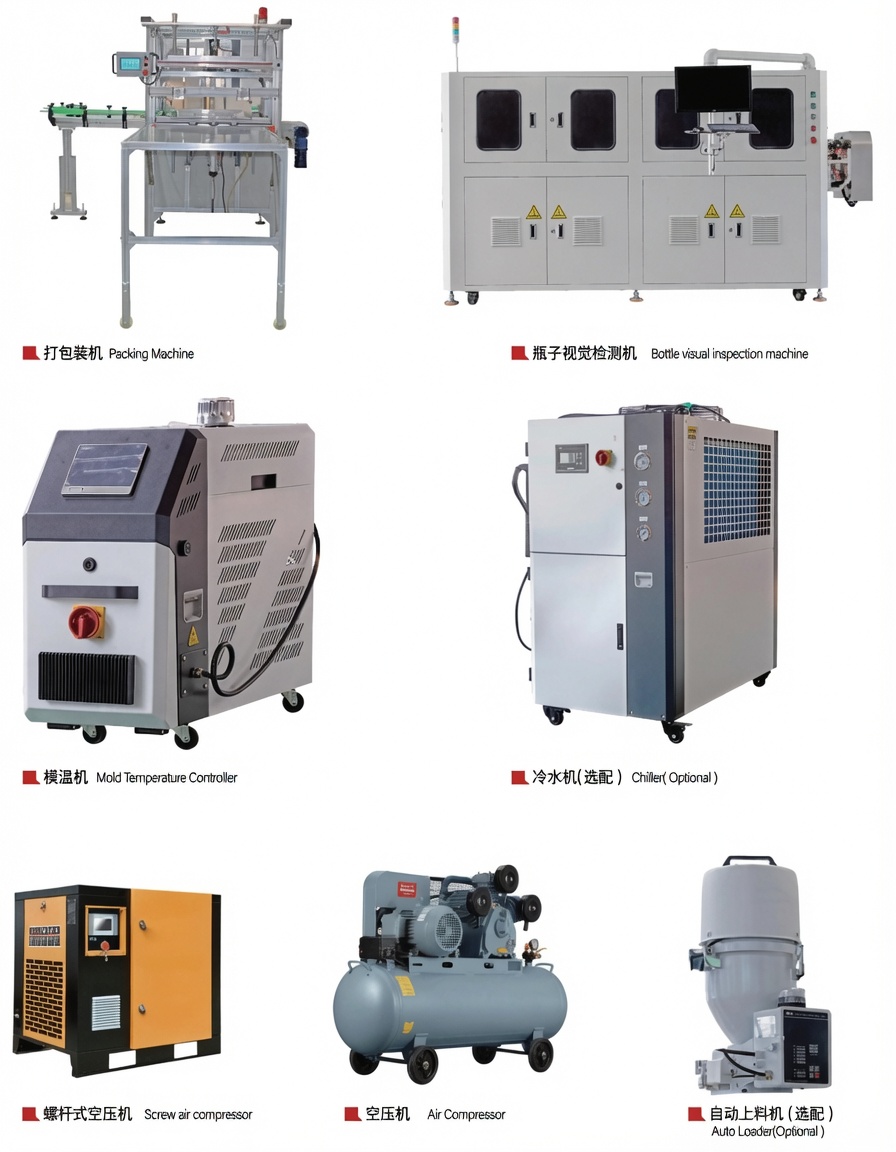
Complete IBM System & Auxiliary Equipment
IBM auxiliary equipment set 1
IBM auxiliary equipment set 2

Our Equipment Range

Ever Power Injection-Blow Molding Machines

ZQ80 Injection Blow Molding Machine

ZQ80 Series

Replacement of SUMA 85iB — ZQ80

A high-performance IBM machine engineered as a drop-in replacement for the SUMA 85iB platform. The ZQ80 delivers 800 kN clamping force, supports up to 8-cavity tooling, processes PET, PP, HDPE, and PETG, and features a full-servo drive system with 10–20 second cycle times. Ideal for pharmaceutical, personal care, and food-grade container production at medium to high volumes in the UK and European markets.

View ZQ80 Details →

ZQ60 Injection Blow Molding Machine

ZQ60 Series

Replacement of SUMA 65iB — ZQ60

A precisely calibrated replacement for the SUMA 65iB injection-blow molding machine, the ZQ60 provides 600 kN clamping force and covers container volumes from 2 ml to 500 ml. Servo-electric actuation, 2–6 cavity configurations, and compatibility with PET, PP, HDPE, and PETG resins make it an extremely versatile machine for cosmetic, pharmaceutical, and specialty container production across the UK market.

View ZQ60 Details →

Manufacturing Excellence

Ever Power: Factory Capability & Customisation Services
Ever Power IBM workshop 1
Ever Power IBM workshop 2

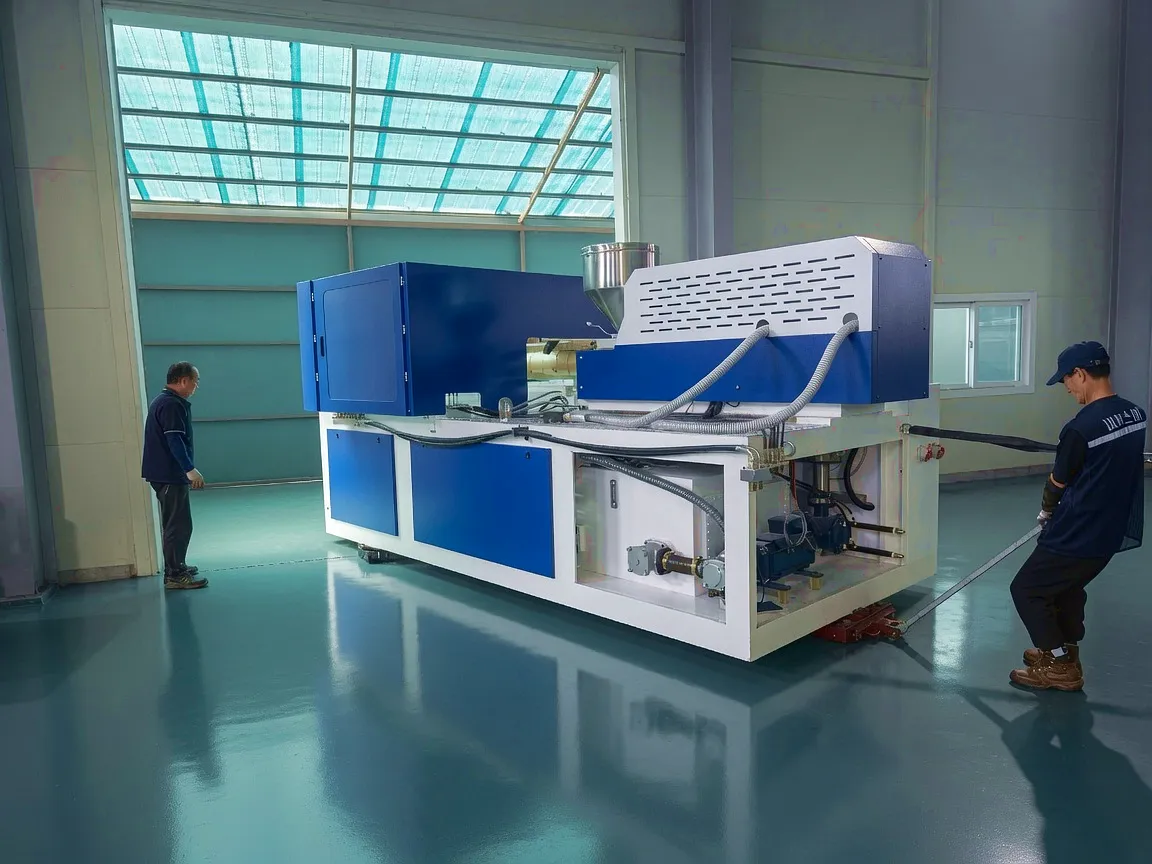
Ever Power operates purpose-built manufacturing facilities equipped with CNC machining centres, precision EDM toolrooms, and climate-controlled assembly bays dedicated entirely to injection-blow molding machine production and custom tooling fabrication. The factory quality management system is certified to ISO 9001:2015, and machine assemblies undergo a structured FAT (Factory Acceptance Testing) protocol before dispatch — every machine is run at full production speed with the customer’s specified mold and material prior to shipping.

The customisation capability at Ever Power extends from machine platform modification — barrel length, screw geometry, shot volume — through to complete bespoke tooling design and manufacture for unique container geometries. For UK customers requiring containers with specific regulatory attributes, Ever Power’s engineering team works from customer CAD data or physical sample containers to develop tooling that hits dimensional specifications in validation and holds them in production. This includes pharmaceutical neck tooling to European Pharmacopoeia standards, child-resistant closure geometries, and containers with asymmetric or decorative body forms for the premium cosmetics segment.

The supply chain at Ever Power is vertically integrated at key points — critical components including injection barrels, core rod assemblies, and indexing drive units are manufactured in-house, eliminating lead time uncertainty from third-party suppliers. This allows delivery timelines of 60–90 days for standard configurations and 90–120 days for fully customised platforms with bespoke multi-cavity tooling — substantially faster than the industry average for comparable specifications. Spare parts are stocked for all current machine models and held in a dedicated logistics hub with DHL and FedEx accounts for overnight delivery to any UK facility.

✉ Request a Custom Quote from Ever Power

ISO 9001

Quality Certified

60–90d

Standard Lead Time

FAT

Factory Acceptance Test

24h

UK Spare Parts Dispatch

Case Study

Customer Success Story: Sheffield Contract Pharma Manufacturer

A contract pharmaceutical manufacturer based in Sheffield — one of the UK’s historically significant manufacturing cities, now home to a cluster of high-tech life sciences and chemical processing operations in its Advanced Manufacturing Park — approached Ever Power in 2024 with a production challenge that had become commercially critical. The company was operating legacy extrusion blow moulding lines to produce PP oral liquid bottles for clinical trial supplies and NHS hospital formulary products. Rejection rates at the filling line were consistently above 4% owing to flash remnants and neck tolerance variation, and the company was spending significant engineer time on manual inspection.

After an initial technical consultation with Ever Power’s engineering team, the company specified a ZQ80 series injection-blow molding machine with 4-cavity pharmaceutical PP tooling for their primary 100 ml bottle format, along with 2-cavity tooling for a 250 ml secondary format. Ever Power produced a full set of tooling drawings within three weeks of receiving the customer’s container specification, conducted a virtual design review with the customer’s packaging validation team, and delivered the machine with both mold sets within 85 days of order placement — ahead of the agreed schedule.

Following a two-day installation and commissioning period — with an Ever Power service engineer on site throughout — the Sheffield facility ran a formal process validation study over three weeks. The IBM line achieved a filling-line rejection rate below 0.3%, a reduction of more than 92% versus the previous EBM process. Wall thickness consistency across cavities measured within 0.04 mm, and neck finish dimensions held to within the ±0.05 mm tolerance band throughout the validation run. The facility subsequently converted a second product line to IBM using a ZQ60 configuration for smaller 30 ml and 50 ml containers, and the combined IBM capacity now handles over 60% of the site’s bottle production volume.

Key Outcomes

Filling-line rejection rate: 4.2% → 0.28%  |  Wall thickness variation: ±0.12 mm → ±0.04 mm  |  Neck tolerance compliance: 94% → 99.8%  |  Line efficiency uplift: +18%

★★★★★

“The neck tolerances on the PP 100 ml tooling have been exceptional. We’ve run over 2 million units since commissioning and the dimensional compliance has never dipped below 99.6%. For a pharmaceutical filling line, that consistency is genuinely valuable — it’s eliminated a manual inspection step entirely.”

— Production Engineering Manager, Sheffield

Contract Pharmaceutical Manufacturing

★★★★★

“Ever Power’s customisation service was thorough and professional. We had a non-standard bottle profile with a tapered shoulder that we weren’t sure IBM could handle — their tooling team confirmed it was achievable, designed accordingly, and delivered a mold that ran first-shot without modification. That kind of technical confidence from a supplier is rare.”

— Packaging Development Director, Manchester

Premium Cosmetics Contract Packer

★★★★★

“Lead time was critical for us — we had a retailer launch window and couldn’t slip the schedule. Ever Power delivered the ZQ60 with tooling in 82 days, including a factory acceptance test that we attended remotely. The machine has been running in our Midlands facility for eight months and has never missed a scheduled production run. Spare parts arrived overnight the one time we needed them.”

— Operations Manager, Birmingham

Health & Wellness Product Manufacturer

Frequently Asked Questions

Common Questions About Injection-Blow Molding Machines

How much does an injection-blow molding machine typically cost for a UK pharmaceutical packaging manufacturer, and what does the price include?
The price of an injection-blow molding machine for pharmaceutical packaging in the UK varies considerably based on machine size, cavity count, drive system type, and whether custom tooling is included. Indicative pricing for a fully-equipped servo-electric IBM machine with 4-cavity pharmaceutical PP tooling typically runs from GBP 80,000 to GBP 180,000 depending on specification. Ever Power offers competitive pricing for the UK market with DDP (Delivered Duty Paid) terms available, and package quotations can include the machine, tooling set, installation, commissioning, and operator training. Contact [email protected] for a tailored quote based on your container specification and annual volume.
What types of plastic bottles can an injection-blow molding machine produce for the UK healthcare and cosmetics industries?
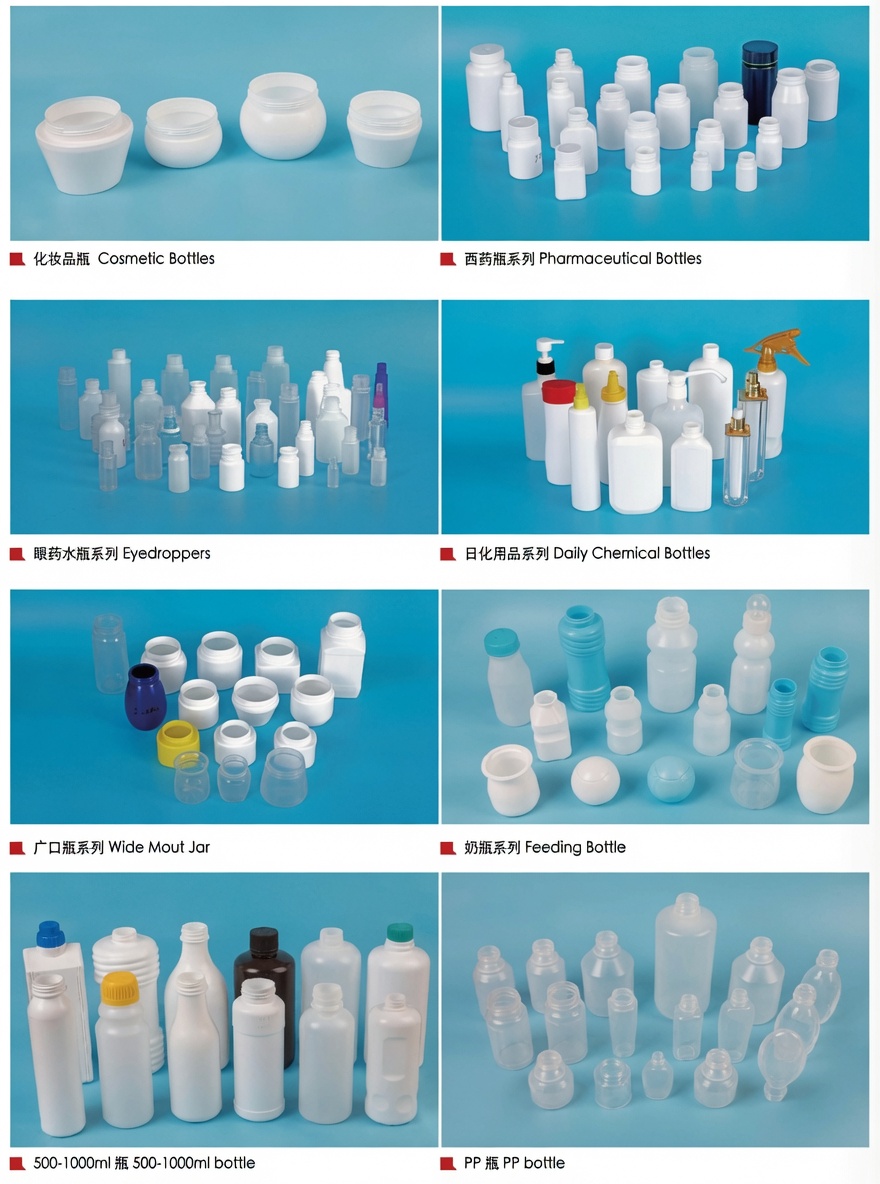
Injection-blow molding machines produce a wide range of container types suited to both healthcare and cosmetics: oral liquid medicine bottles (5 ml to 500 ml in PP or HDPE), ophthalmic dropper bottles, nasal spray containers, lotion and serum dispensers, shampoo bottles, roll-on deodorant shells, foundation and primer vials, and travel-size personal care containers. The process is particularly valued for containers requiring precise neck dimensions — child-resistant closures, dispensing pumps, and disc-top caps all need neck tolerances tighter than extrusion blow molding can reliably deliver. Both PET and PETG offer excellent optical clarity for high-end cosmetic presentations.
Where in the UK can I find a reliable supplier of injection-blow molding machines that also offers customisation and after-sales support?
Ever Power supplies injection-blow molding machines to UK manufacturers with full after-sales support including on-site commissioning, operator training, remote diagnostics, and next-day spare parts delivery. The company serves UK customers across England, Scotland, and Wales, with service visits coordinated through a UK logistics partner network. Initial support is provided via a dedicated UK-timezone technical helpline, and more complex issues can be resolved through remote PLC access with the customer’s permission. Contact [email protected] to discuss your requirements and available support packages.
How does injection-blow molding compare to extrusion blow molding when producing pharmaceutical-grade containers for MHRA-regulated UK facilities?
For MHRA-regulated pharmaceutical packaging, injection-blow molding consistently outperforms extrusion blow molding on the attributes that matter most. IBM produces containers with no flash, no weld lines, and neck finish tolerances within ±0.05 mm — all critical for the leak-proof performance and closure fitment required in liquid pharmaceutical packaging. The seamless interior also reduces contamination risk for GMP applications. Extrusion blow molding is lower in tooling cost and better suited to very large containers (above 1 litre), but for the typical pharmaceutical bottle range (10 ml to 500 ml), IBM delivers lower rejection rates, better regulatory compliance, and fewer filling-line stoppages.
Which materials can a modern injection-blow molding machine process, and which is best for producing PETG aromatherapy bottles in the UK market?
Modern injection-blow molding machines process PET, PP, HDPE, PETG, and EVOH-barrier configurations, with material switching achievable through changeovers of barrel temperature profiles, screw speed, and back pressure settings. For UK aromatherapy and essential oil packaging, PETG is the preferred material because it combines the visual clarity and premium appearance of glass with far better drop resistance — eliminating the product loss and retail returns associated with glass breakage. UV-stabilised PETG grades also replicate the protective quality of amber glass against light-induced degradation of volatile essential oil compounds. Ever Power configures IBM machines specifically for PETG with precise temperature zone control and optimised screw geometry to prevent material degradation at processing temperatures.
How long does it take to get a quote and receive an injection-blow molding machine from Ever Power, and what is the process for ordering custom tooling?
Ever Power typically responds to quotation requests within 24–48 business hours. For standard machine configurations without custom tooling, delivery is 60–90 days from order. For machines with custom mold tooling, the process begins with a technical data sheet or container specification/CAD file from the customer, followed by a tooling design review and customer sign-off, with overall lead time typically 90–120 days. The process includes tooling drawings, customer approval sign-off, trial run data, and a factory acceptance test before shipment. Email [email protected] with your container details — volume, material, cavity count preference, and annual production target — to initiate a quotation.
What is the minimum annual production volume at which an injection-blow molding machine becomes more cost-effective than outsourcing bottle manufacturing for a UK FMCG brand?
The crossover point at which owning an injection-blow molding machine becomes more cost-effective than purchasing containers from external suppliers generally falls between 1 million and 3 million units per year for a standard container format, though this varies significantly with container size, material cost, and the price differential between in-house and purchased container costs. UK brands with diversified container requirements — multiple sizes or formats — often reach cost parity at lower volumes because a single IBM machine with two or three mold sets can cover their full range. Ever Power’s technical sales team can provide a production economics worksheet to help customers model their break-even point based on actual cost inputs.

Ready to Optimise Your Container Production?

Get a Quote for Your Injection-Blow Molding Machine

Tell us your container specification, annual volume, and preferred material — Ever Power will respond within 48 hours with a detailed commercial and technical proposal.

edit by gzl