Maintenance & Operations · UK Industrial Edition
Training Your Operators: Essential Skills for Running a Blow Molding Line
A practitioner’s guide to injection blow molding machine operation, process optimisation, and workforce competency development — written for UK manufacturing environments
Blow Molding Line Training
UK Production Skills
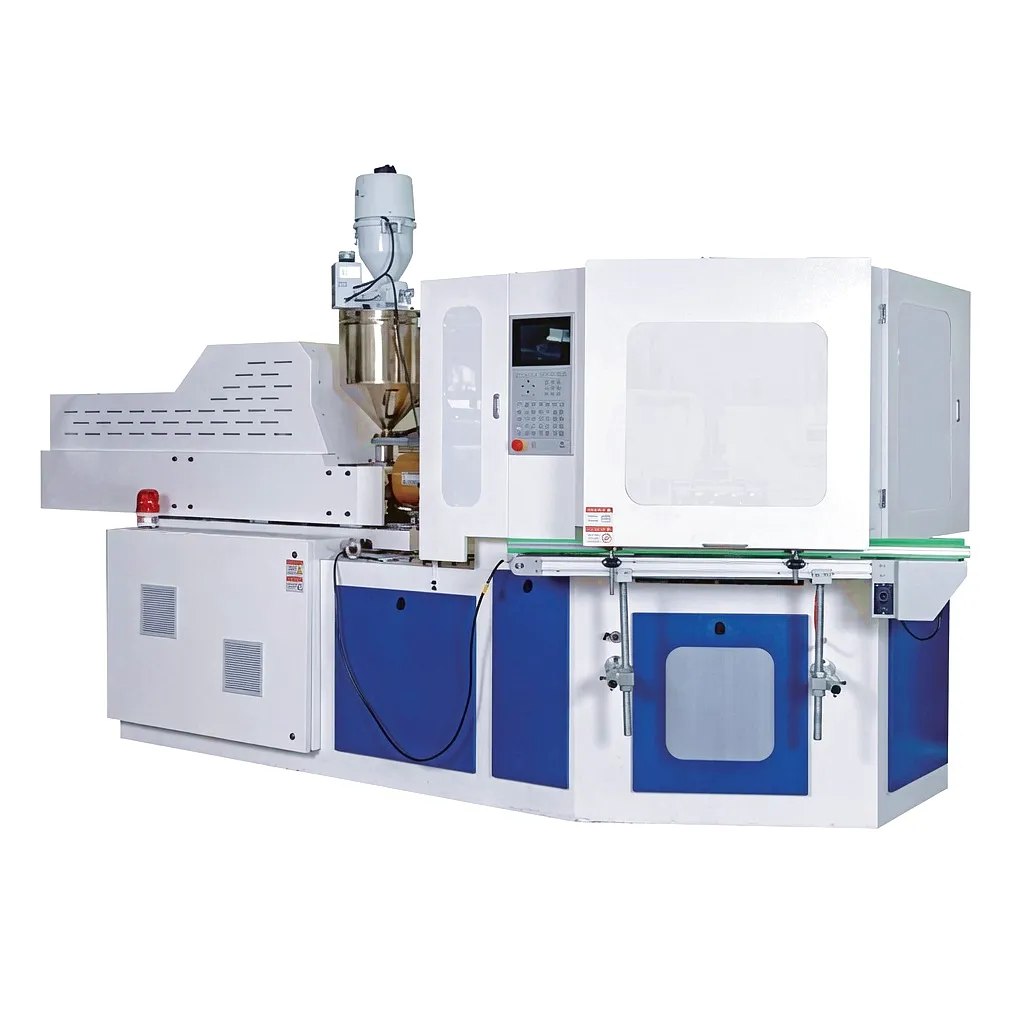
Running an injection blow molding (IBM) line with consistency and efficiency is not something that happens simply because the machine has been installed and the material is loaded. It requires operators who understand the mechanical logic behind every stage of the cycle, who can read process data as naturally as a skilled tradesperson reads a set of engineering drawings, and who know when to intervene and when to let the machine run. Across the UK’s established manufacturing corridors — from the plastics processing clusters in the East Midlands to the pharmaceutical packaging plants in Cheshire and Yorkshire — production managers increasingly recognise that machine capability alone determines output quality only up to a point. Beyond that point, it is the knowledge, attentiveness, and problem-solving ability of the operator standing at the line that separates an efficient, low-waste production run from a shift characterised by stoppages, off-spec bottles, and escalating rework costs. This guide addresses the full scope of skills a competent IBM line operator needs, from understanding the process physics that govern every blown container to the practical interventions that keep output on specification when conditions drift.
Understanding the IBM Process Before You Touch the Controls
An operator who understands the underlying physics of injection blow molding is categorically more valuable than one who has simply memorised button sequences. The IBM cycle is deceptively simple in its outward appearance — a rotary turret indexes, a bottle appears, the ejector strips it away — but each station in that rotation is governed by parameters that interact with one another in ways that are not always intuitive. Operators who grasp why the parison behaves differently at 215 °C versus 225 °C, why the blow station dwell time matters more for a 150 ml PP bottle than for a 30 ml HDPE dropper, and why a 0.1 MPa drop in blow pressure produces a systematically underblown shoulder, are the operators who catch problems before they become scrap events.
The three-station IBM sequence begins at the injection station, where molten polymer is forced around a precision-ground core rod under pressures typically ranging from 100 to 160 MPa, forming a parison whose neck geometry, including all threads, sealing surfaces, and undercut features, is already complete. The parison temperature at the end of injection fill and pack phases is not set directly — it is the consequence of barrel profile, nozzle temperature, injection speed, and the thermal mass of the core rod itself. Understanding this means operators can diagnose temperature-related defects without assuming the problem lies at the blow station, which is a common and time-consuming misattribution on the shop floor.
| Process | Neck Precision | Wall Uniformity | Flash/Trim Required | Best Resins | Operator Complexity |
|---|---|---|---|---|---|
| IBM | Excellent (<0.05 mm) | Very High | None | PP, HDPE, PET, PC | Medium–High |
| ISBM | High | High (biaxial) | None | PET primarily | Medium |
| EBM | Moderate | Variable | Yes (flash) | HDPE, LDPE | Low–Medium |
| Extrusion (Continuous) | Low | Variable | Yes (heavy) | HDPE, EVA | Low |
The table above reflects why IBM operator training carries a higher initial investment in time and content than EBM operator induction. There is no flash trimming step to absorb idle attention, no parison programmer to mask wall distribution problems — what comes off the core rod is what gets blown, and the operator’s understanding of injection station dynamics is therefore directly load-bearing for output quality.
Wall Thickness Uniformity and Preheat Temperature Curves: What Every Operator Must Know
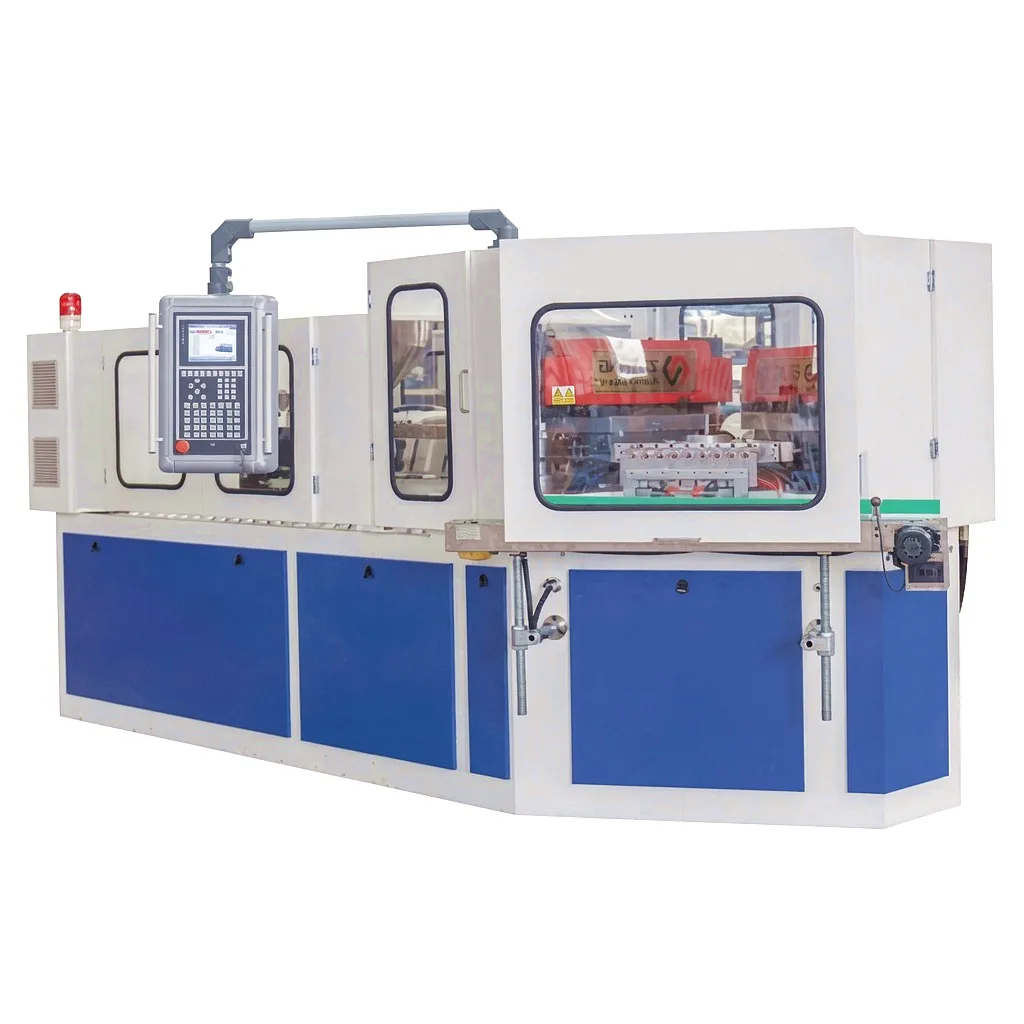
Wall thickness uniformity is the metric that most directly reflects how well an injection blow molding line is being run. IBM has a structural advantage over extrusion blow in this respect — the parison wall is defined by the gap between the injection core rod and the injection cavity, rather than by parison sag and die-gap settings — but that advantage only materialises when the operator understands the variables that govern parison wall distribution before blow. A poorly adjusted injection fill profile, an off-centre core rod, or a partially blocked hot-runner gate can all produce asymmetric parison walls that no amount of blow-station adjustment will correct.
Preheat temperature curve management on an IBM machine is not a separate activity from process setup — it is embedded in every barrel zone setting, nozzle temperature, and core rod conditioning temperature the operator inputs at start-up. Operators need to understand that the parison arriving at the blow station carries a thermal gradient from its outer surface (in contact with the slightly cooler injection cavity) through to its inner surface (against the core rod, which is typically oil-tempered at 50–70 °C). This gradient governs how evenly the parison inflates. If the outer skin is too cool relative to the core, the parison will begin to set before it has fully expanded against the blow cavity, producing a bottle with excessive mid-body wall and thin shoulders. If the core rod is too warm, the inner surface softens excessively and the base thins faster than the body, producing star-craze failures in drop testing.
Practical training in preheat temperature management involves teaching operators to read the upstream consequences of their barrel settings. A useful exercise is to run the machine at standard settings, then reduce the nozzle temperature by 8 °C without changing anything else, and observe the change in parison appearance and the resulting bottle wall map at the ejection station. This kind of controlled perturbation, repeated during induction training, builds the intuitive understanding that is ultimately more useful on the shop floor than any process manual. UK pharmaceutical packaging facilities operating under MHRA validation protocols should integrate these exercises into documented training records as evidence of competency.
Core Competency Modules for Blow Molding Machine Operator Training
Operators learn the three-station IBM cycle, the function and precision tolerances of core rods, injection cavities, and blow molds, and the role of the turret indexing mechanism. They learn to distinguish IBM from ISBM and EBM both conceptually and in terms of the maintenance demands each places on the operator. Machine-specific lockout-tagout procedures, energy isolation, and safe mold-change protocols are integrated throughout this module rather than being treated as a separate safety add-on — because in a well-trained team, safety awareness is not separable from technical understanding. This module typically takes two to three days for a new operator and should be delivered alongside live machine observation rather than solely through classroom content.
A disciplined start-up routine is the single most effective quality-assurance tool available to an IBM operator. This module trains operators in the correct sequence for barrel heat soak (typically 30–45 minutes after setpoint is reached for semi-crystalline resins such as PP and HDPE), purging and cushion verification, first-article bottle inspection against a dimensional check sheet, and the go/no-go decision for full production release. Operators also learn how to set up and interpret the PLC-based recipe system, including understanding what each parameter governs and why deviating from the validated recipe requires a formal process change rather than an informal adjustment. UK facilities producing pharmaceutical or food-contact containers under British Standards or ISO 15378 frameworks will find this module particularly relevant for qualification documentation.
Statistical process control awareness is no longer exclusively the domain of quality technicians. IBM operators running production in Sheffield’s advanced manufacturing facilities or Birmingham’s automotive-adjacent packaging plants are increasingly expected to understand control charts, recognise trends before they breach specification limits, and take corrective action at the machine rather than waiting for a quality alert from a downstream inspection system. This module teaches operators to conduct in-cycle bottle sampling, use digital calipers and ultrasonic wall gauges correctly, interpret X-bar and R-chart data at the level needed for first-line response, and complete non-conformance documentation in a way that supports root-cause analysis rather than simply recording an event.
IBM tooling — core rods, injection cavities, and blow molds — represents a significant capital investment and is also the element of the machine most vulnerable to operator-induced damage. This module covers correct mold-change sequences, core rod inspection (surface condition, concentricity check, blow-air passage inspection), cavity cleaning protocols using approved solvents and brass-tipped picks, and the handling and storage standards that prevent surface damage between production runs. Operators also learn to recognise early signs of tooling wear — increased flash at the parting line, growing cavity-to-cavity weight variation, degrading neck-finish appearance — and to communicate these findings to the maintenance team before they develop into quality failures or unplanned downtime events.
IBM Machine Technical Performance Parameters — Operator Reference Table
The table below provides the key machine and process parameters that IBM line operators need to understand, monitor, and respond to during production. These figures are indicative of mid-to-large class IBM machines in the ZQ80–ZQ110 range and should be read alongside the specific machine documentation and validated process recipes supplied by Ever Power for each installation.
| Parameter | Typical Range | Operator Action Threshold | Notes |
|---|---|---|---|
| Barrel Rear Zone Temp (PP) | 190–210 °C | ±5 °C from recipe | Deviation causes inconsistent melt viscosity |
| Nozzle Temperature | 215–230 °C | ±3 °C from recipe | Directly affects parison surface skin temperature |
| Core Rod Conditioning Temp | 50–70 °C | ±4 °C | Oil-tempered circuit; critical for base wall distribution |
| Injection Pressure (PP, 100ml) | 100–145 MPa | Pressure rise > 10% above recipe = investigate | May indicate resin MFI shift or gate contamination |
| Blow Air Pressure | 0.6–1.2 MPa (6–12 bar) | Drop > 0.1 MPa = check compressor, regulator, air lines | Low pressure = underblown shoulders, base voids |
| Blow Station Dwell Time | 2–5 seconds | If bottle sticks: extend 0.5 s before investigating mold | Too short = hot bottle deforms at ejection |
| Wall Thickness (PP, 100 ml) | 0.70–0.90 mm | Any single point below 0.55 mm = stop and investigate | Measure 3 circumferential points + base at each check |
| Cycle Time (PP, 100 ml, 4-cav) | 7–11 seconds | Cycle creep > 1 s = check cooling circuit flow rate | Increased cycle time = reduced throughput and OEE |
| Mold Cooling Water Temp | 8–18 °C | Rise > 3 °C from setpoint = check chiller performance | Higher water temp extends required blow dwell |
| Mold Steel (Blow Cavity) | H13 / S136 (HRC 48–52) | Inspect cavity surface every 500k cycles | Beryllium-copper inserts at base for rapid heat extraction |
Common Faults and Troubleshooting: Building Operator Diagnostic Confidence
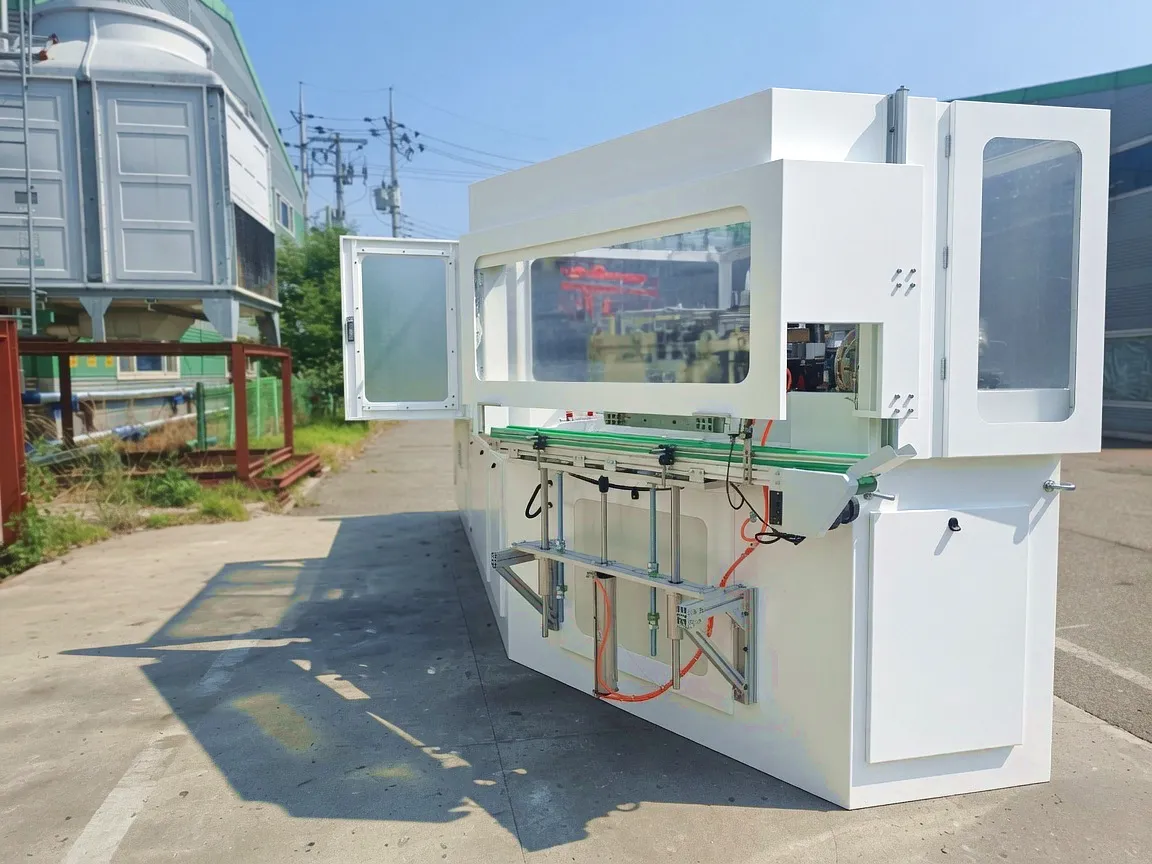
Fault diagnosis is where training investments pay back most rapidly. An IBM operator who can correctly identify the root cause of a wall-thinning defect in the first five minutes of a quality deviation is worth hours of reactive troubleshooting by a shift engineer working from first principles. The table below codifies the most common faults encountered on IBM lines in UK production environments, the typical diagnostic path, and the corrective action at operator level. Training should use these scenarios as live exercises, running the machine into a known fault condition (under controlled circumstances during an induction run) and asking the trainee to diagnose and correct it.
| Fault | Likely Cause | Operator Corrective Action |
|---|---|---|
| Stress whitening at base | Parison over-cooled; blow pressure excessive | Raise nozzle temp 5 °C; reduce blow pressure 0.1 MPa; check core rod temp |
| Thin label-panel wall | Core rod eccentricity; asymmetric injection fill | Check parison wall on rod post-injection; re-centre core rod; rebalance fill |
| Bottle sticking in blow cavity | Cooling dwell too short; blocked vents; insufficient draft | Extend dwell 0.5 s; clean cavity vents with brass brush |
| Hazy or cloudy PP bottle | Moisture in resin; blow inflate rate too slow | Check hopper dryer setpoint; verify dew point; increase blow valve opening rate |
| Weight variation cavity-to-cavity | Hot-runner zone imbalance; worn check valve | Check and rebalance hot-runner zone temperatures; schedule check-ring inspection |
| Parting line witness on neck | Injection mold wear; low clamping force | Reduce shot weight 1–2%; increase clamp; notify tooling team for mold face inspection |
| Sink marks at base | Insufficient packing pressure; gate freeze-off early | Increase hold pressure and time; raise gate temperature 3–5 °C |
Energy Optimisation on the IBM Line: Operator-Level Contributions
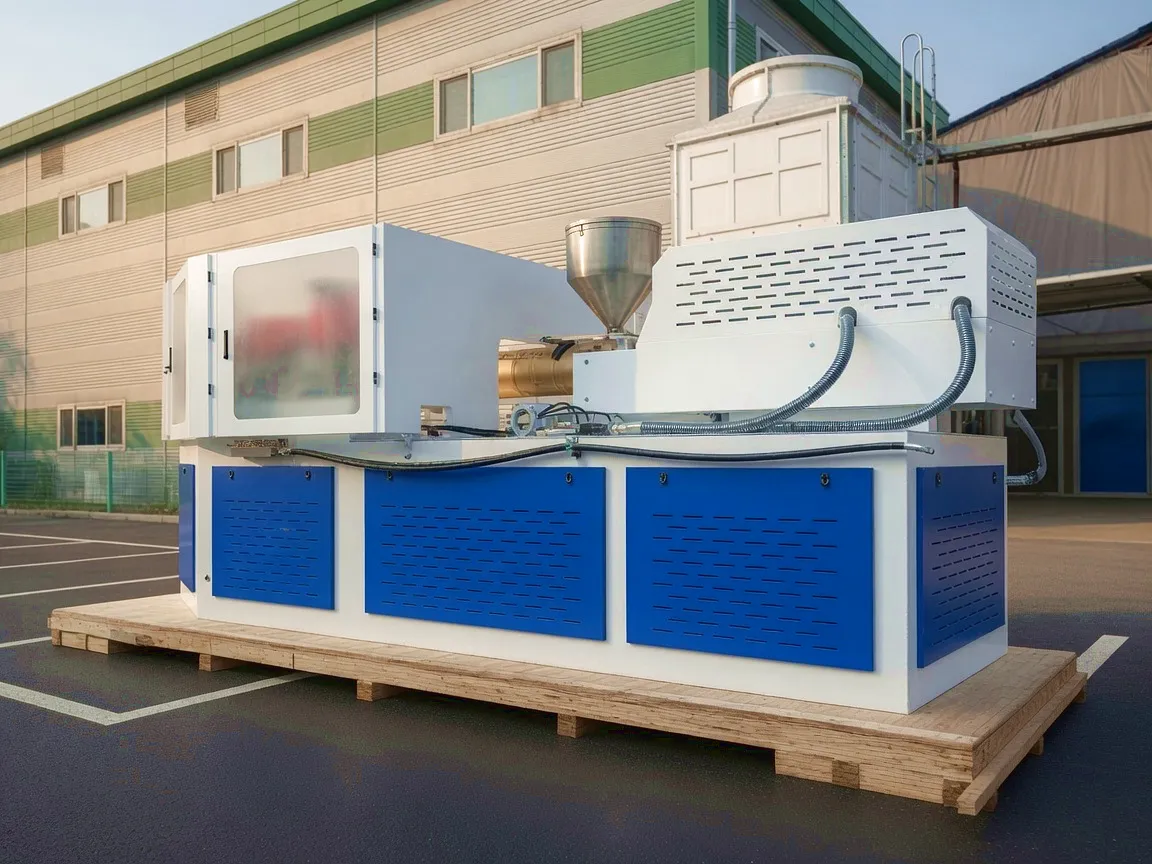
Energy cost management on injection blow molding lines has moved from being an engineering department concern to an operator-level responsibility, particularly for UK manufacturers facing sustained high grid electricity prices. The operator’s influence over energy consumption is more substantial than many realise. Every unnecessary minute of barrel heat soak on a machine that is not producing uses electricity. Every unplanned stoppage that leaves the machine idling at full barrel temperature rather than transitioning to a setback profile wastes energy. Every cycle where the blow dwell is set longer than the bottle’s actual solidification time costs machine efficiency and therefore effective energy per unit of output.
Training in energy-aware operation begins with teaching operators the machine’s energy consumption profile: barrel heaters are the largest individual load, followed by the chiller system and the hydraulic power unit (or servo drive on all-electric machines). Operators should understand how to use the temperature setback function — dropping barrel zones to holding temperatures of 160–170 °C during planned stoppages of more than 15 minutes — and how to restore them quickly within the minimum soak time before resuming production. All-electric IBM machines, increasingly common in newer UK installations, use regenerative servo drives that recover braking energy, but only when the machine is actually cycling. Periods of idle running at full temperature are wasteful regardless of drive technology, and operators are often the last line of defence against unnecessary idle time.
A practical energy optimisation drill for operator training involves calculating the energy cost per 1,000 bottles at the current cycle time, then simulating a 1-second cycle reduction achieved through cooling circuit optimisation, and recalculating. This arithmetic exercise, using actual energy tariff data from the facility, consistently demonstrates to operators that small cycle time improvements have meaningful commercial impact — which raises their motivation to manage dwell times and cooling water temperatures attentively rather than defaulting to conservative settings that pad cycle time unnecessarily.
Industrial Application Scenarios Where IBM Operator Skill Has the Highest Impact
In pharmaceutical primary packaging environments, blow molding machine operator training carries regulatory weight. MHRA GMP requirements for packaging equipment qualification mean that operator competency records must be documented, and deviations from validated processes require formal review. Operators running IBM lines producing HDPE dropper bottles, PP oral liquid containers, and nasal spray bodies for NHS supply chain contracts need to understand why each validated parameter exists, not merely how to set it. The neck thread tolerances that determine closure torque, the wall thickness minimums that determine seal integrity in hot-fill applications, and the surface clarity requirements that enable label-panel inspection — all of these translate into operator behaviours at the machine that must be trained and reinforced systematically.
Personal care IBM lines supplying UK retail buyers at major department stores and national health and beauty chains operate under a different quality pressure from pharmaceutical production — but the consequences of operator error are no less commercially serious. A production run of 250,000 premium shampoo bottles where the label panel has visible wall-thickness variation at the surface will be rejected at incoming inspection by the brand owner, triggering not only material loss but contractual penalties. IBM operator training for cosmetics lines should therefore emphasise the visual quality assessment skills that allow operators to catch surface defects before they populate a full batch: recognising the early signs of haze in clear PP, identifying gate vestiges that are too proud for label application, and distinguishing acceptable parting-line witness from a reject-level seam.
IBM operators producing HDPE agrochemical containers for UK distributors supplying the agricultural sector in Lincolnshire and the East Midlands work with demanding structural specifications: UN-certified closure systems, minimum wall thickness requirements for chemical compatibility, and drop-test certification that is run batchwise on the finished containers. Operator training for these applications should develop a heightened awareness of base wall integrity — the most common failure point in drop-test certification — and the process variables that govern it, including parison base thickness at injection and blow pressure profile during the inflation phase. Operators also need to understand the resin identification and batch record requirements associated with REACH compliance documentation that UK agrochemical distributors now commonly require from their container supply chain.
Auxiliary Equipment and System Integration for IBM Production Lines
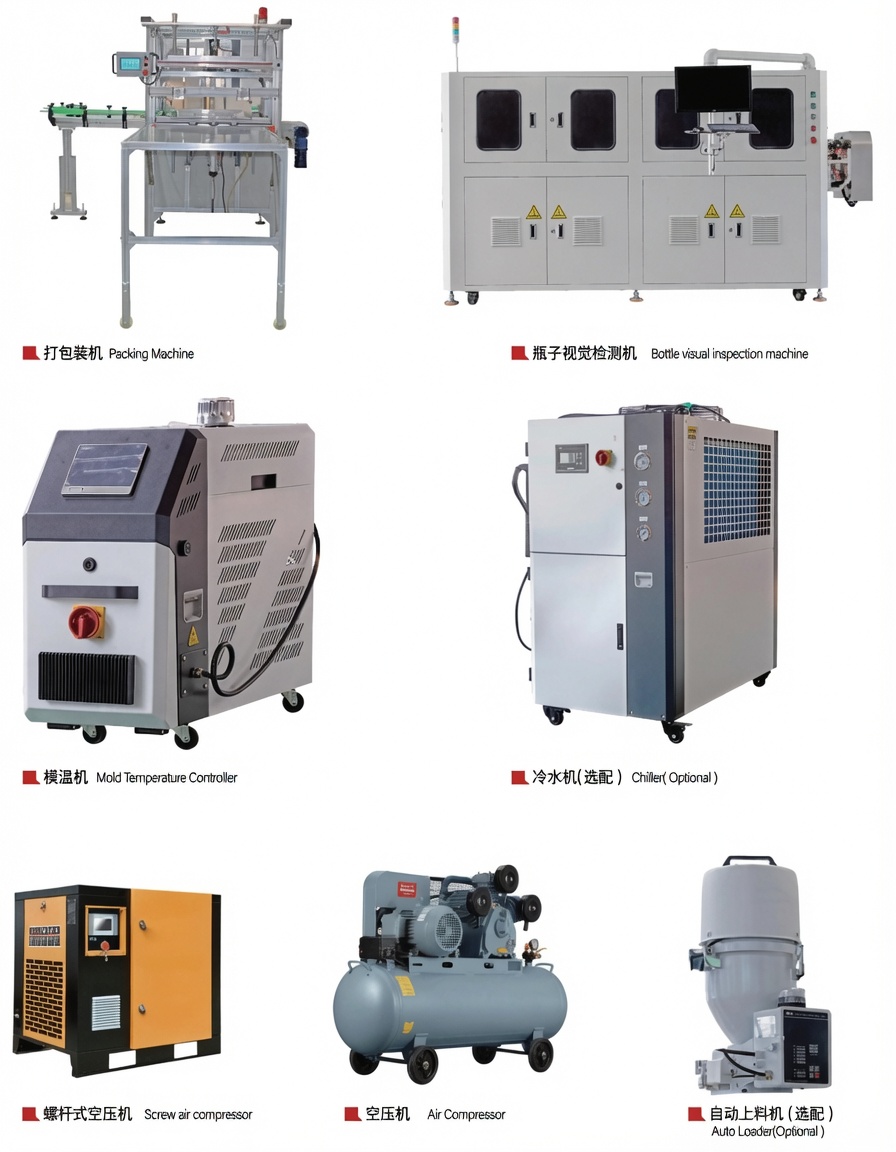
Competent IBM line operation extends beyond the machine itself to the auxiliary systems that supply it with conditioned material, controlled air, and temperature-managed cooling water. Operators who understand these support systems — hopper dryers, compressed air circuits, mould temperature controllers, and inline conveying — are able to identify the auxiliary-side causes of process drift before they assume the root cause lies within the machine. A chiller that has developed a fouled condenser coil will gradually deliver warmer cooling water, extending blow dwell time requirements and increasing cycle time without triggering any alarm on the IBM machine’s own HMI. Only an operator attentive to cooling circuit inlet and outlet temperatures will catch this early. This systems-level awareness should be a deliberate outcome of operator training, not left to develop incidentally through experience.
Ever Power Manufacturing Capability and Customisation Services
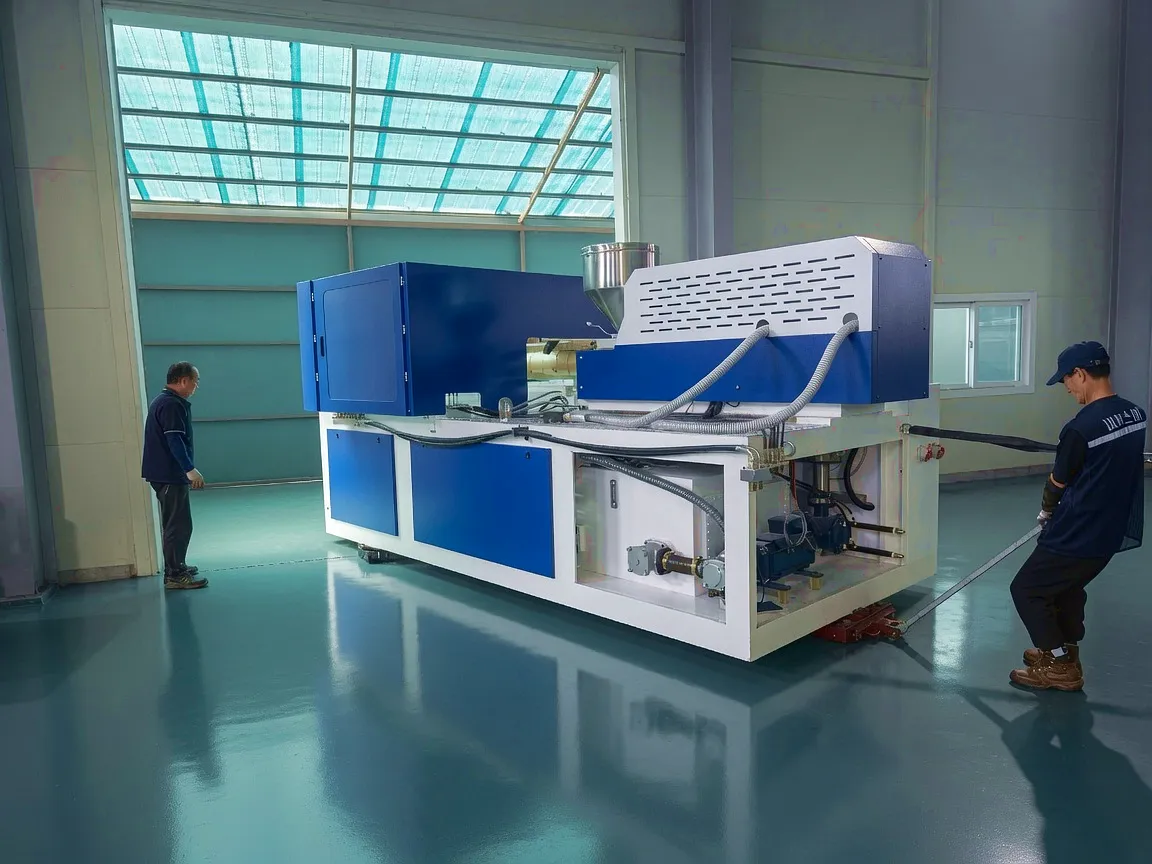
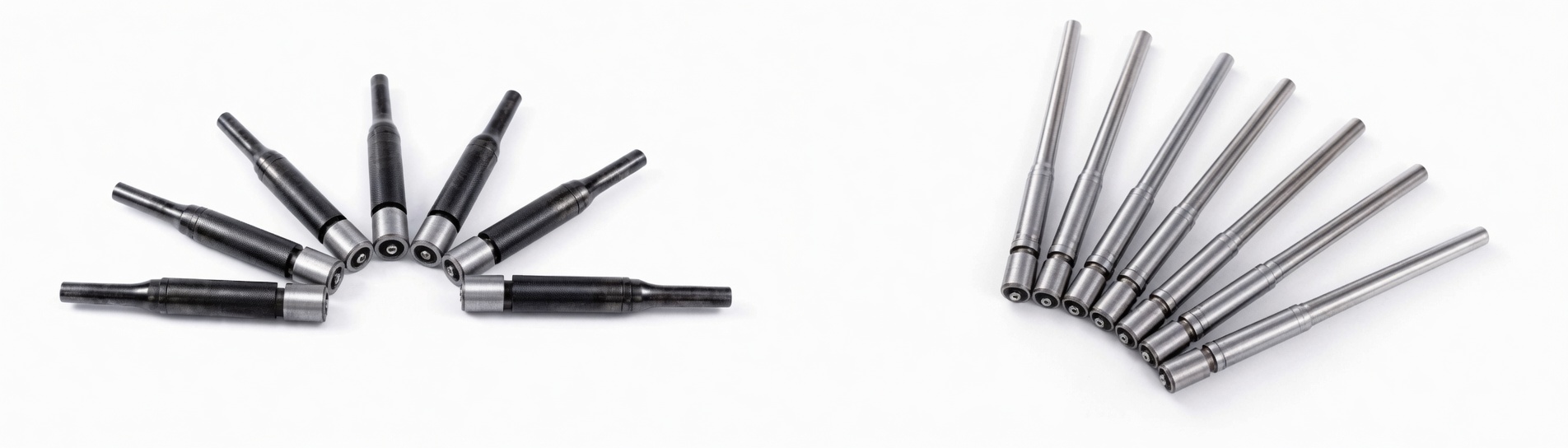
Ever Power has built its IBM machine range on a foundation of precision manufacturing that is reflected in the operational simplicity and reliability that trained operators experience on the shop floor. The company’s production facility encompasses CNC machining centres capable of holding H7/h6 fit tolerances on hardened tool steel, EDM finishing of injection cavity surfaces to Ra 0.4 µm, and full factory acceptance testing of every machine against a documented protocol that includes dimensional sampling of production bottles across all cavities before the machine is released for shipment. This level of manufacturing rigour means that when an operator follows the trained process on an Ever Power IBM machine, the machine itself introduces no systematic error — the process delivers the specification the recipe was designed for.
The customisation capabilities that distinguish Ever Power in the IBM market extend to training-relevant machine features. UK customers operating in pharmaceutical environments can specify clean-room-compatible guarding with stainless-steel external surfaces, validated barrel purge sequences for multi-resin facilities, and integrated vision systems for 100% neck-dimension checking that output data directly to the facility’s MES or SPC software. These features reduce the cognitive load on operators by automating the most repetitive quality checks, allowing operator attention to be focused on the process variables that actually require human judgment. Ever Power’s remote diagnostics capability, using OPC-UA protocol, also means that operators experiencing unfamiliar faults can receive real-time guidance from the Ever Power engineering team without waiting for a site visit — a facility that has proven particularly valuable for UK customers running lean maintenance shifts.
Ever Power IBM Machine Models Recommended for UK Operators
The ZQ80 is a mid-range three-station IBM machine with 80 kN injection clamping force, handling containers from 50 to 300 ml across PP, HDPE, and PET. Its servo-assisted injection unit delivers the shot-to-shot repeatability that makes operator quality monitoring straightforward, and its PLC recipe management supports the validated-process discipline required on UK pharmaceutical and food-contact packaging lines. Compact footprint and rapid mold-change design make it suitable for converters running multiple SKUs with short production windows.
The ZQ110 steps up to 110 kN clamping capacity with six-cavity tooling options, handling containers to 500 ml and making it competitive on high-volume FMCG, agrochemical, and personal care lines. The optional four-station turret accommodates engineering resins including PC and ABS, while the full remote monitoring suite aligns with the traceability requirements demanded by UK pharmaceutical and food-contact packaging customers. Operator interface design on the ZQ110 reflects feedback from UK production environments: alarm management, recipe navigation, and process trend display are all optimised for operators working in noisy, fast-paced production settings.
Customer Success Story: Pharmaceutical Container Converter, Leeds
A Leeds-based contract packaging group specialising in over-the-counter pharmaceutical liquids and personal care products had been running a mix of EBM and IBM capacity for several years, but the IBM line had been underperforming: scrap rates were sitting at 2.1% over the preceding 12 months, operator turnover on the IBM shift was higher than on the EBM line, and a growing order book from NHS pharmacy supply contracts was creating urgency to improve IBM line reliability. The root cause of the performance gap was not the machine — it was a training gap between what operators had learned during their initial machine induction and the process understanding needed to run the IBM line confidently under production conditions.
The facility invested in two Ever Power ZQ80 IBM machines to replace ageing equipment, and negotiated a combined machine supply and operator training programme with Ever Power. The training programme was structured around the four competency modules described earlier in this article, with the Ever Power applications engineering team delivering the process fundamentals and troubleshooting content on-site in Leeds over three days, followed by a four-week supervised production period where operators applied their learning under guidance. Process documentation was updated to include the operator reference tables and action thresholds the training had introduced. Within three months of the programme completing, IBM line scrap had fallen from 2.1% to 0.22%, cycle time had been reduced by 1.4 seconds through improved blow dwell management, and operator-initiated stoppages for quality concerns had increased — a positive indicator that operators now had the confidence to make go/no-go decisions themselves rather than running through defects.
“The difference in how our operators approach the IBM line now versus before the Ever Power training is genuinely striking. They are not just button-pushers anymore — they understand the process and they catch problems early. Our scrap costs have dropped significantly and the shift manager spends less time firefighting quality issues.”
“Ever Power’s ZQ80 machines are genuinely well-engineered — the HMI is logical, the process data is easy to read, and the machines respond predictably when you adjust parameters within the trained ranges. The remote support has also been useful: twice in the first year we’ve called them for diagnostic help on unusual faults and both times we were back in production within 90 minutes.”
“We specified the vision-system integration and the clean-room-compatible guarding on our ZQ80 order, and both were delivered exactly as specified without the delays we’d seen with other suppliers. The customisation process with Ever Power was straightforward — they clearly understood what pharmaceutical packaging customers need and they didn’t push back on specifications that some other machine suppliers treat as special requests.”
Frequently Asked Questions — IBM Operator Training UK
Technical content produced by Ever Power engineering and content team. For IBM machine specifications, operator training packages, or project quotations, contact [email protected]. edit by gzl