Buyer’s Guide · Injection Blow Moulding
One-Step vs Two-Step Blow Moulding:
Which Process Suits Your Production?
A technical deep-dive for UK manufacturers evaluating injection blow moulding (IBM) machinery — covering process physics, tooling economics, material performance, and how to match the right platform to your bottle specification.
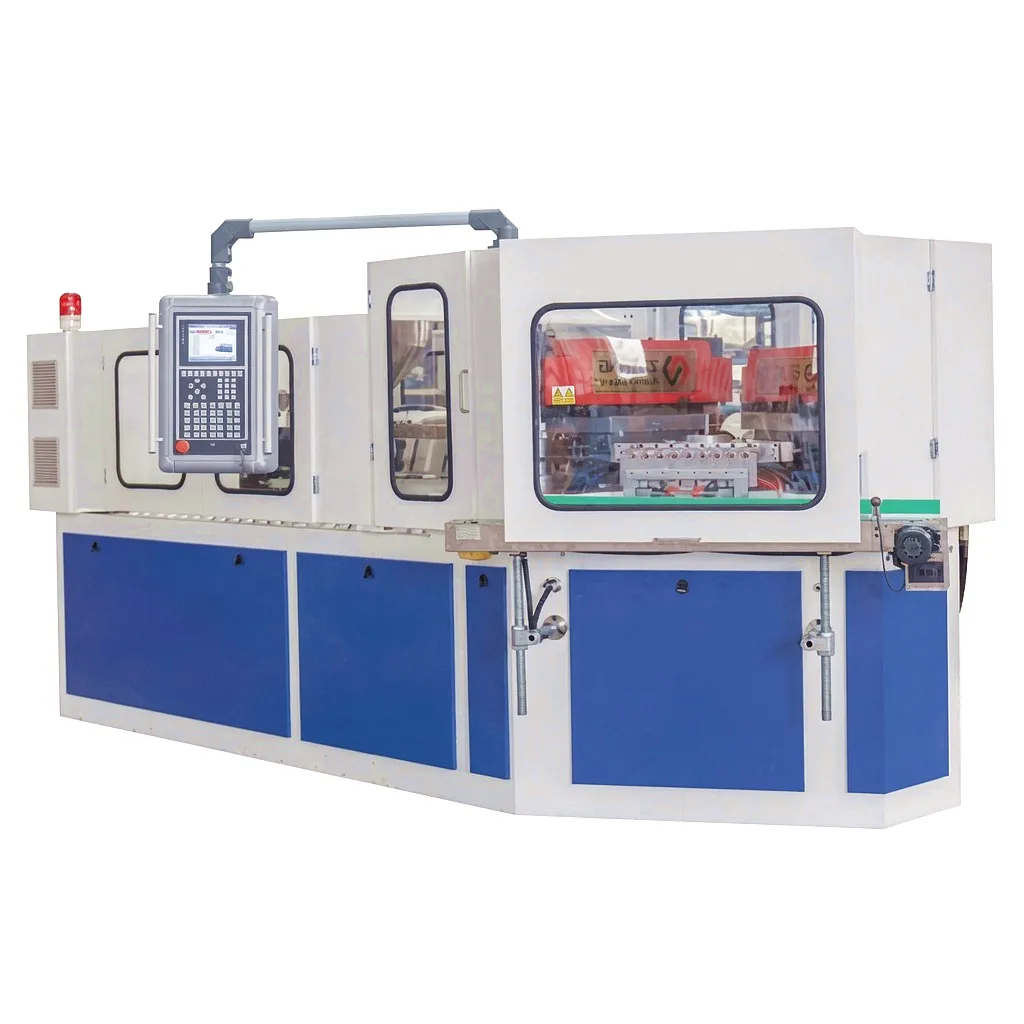
Walk the shop floor of any contract packaging facility in Birmingham, Sheffield, or Swindon and you will find the same debate playing out between production engineers and procurement managers: should we invest in a one-step injection blow moulding machine, or run a two-step stretch-blow line? On the surface both routes produce hollow polymer containers. Dig into the process physics, however, and the differences become fundamental — affecting cycle times, wall-thickness uniformity, material yield, tooling investment, and the range of bottle geometries you can realistically achieve at production volume. For UK manufacturers navigating post-Brexit supply chains and tightening energy cost targets, selecting the wrong platform is a costly mistake that often takes years to surface. This guide unpacks both processes with the technical rigour that a capital equipment decision demands, drawing on the operating principles of modern injection blow moulding machines to give your engineering and commercial teams a clear decision framework.
The Four Core Blow Moulding Processes: A Clear Comparison
Before committing capital, engineers need to understand where injection blow moulding sits within the broader landscape of hollow-part manufacturing. The four principal routes — Injection Blow Moulding (IBM), Injection Stretch Blow Moulding (ISBM), Extrusion Blow Moulding (EBM), and two-step reheat stretch blow (RSBM) — differ not merely in sequence but in the physical mechanisms that govern wall thickness, molecular orientation, and achievable geometry. Each has genuine commercial territory where it outperforms the alternatives, and none is universally superior.
| Process | Steps | Wall Uniformity | Neck Precision | Typical Materials | Best Application |
|---|
| IBM (One-Step) | 1 | Excellent | Highest | PP, PE, PET, PVC | Pharma, cosmetics, small bottles |
| ISBM (One-Step Stretch) | 1 | Very Good | High | PET, PP | Wide-mouth jars, beverage |
| EBM (Extrusion) | 1–2 | Moderate | Low–Moderate | HDPE, LDPE, PP | Industrial containers, handles |
| RSBM (Two-Step) | 2 | Good | Moderate | PET | High-volume CSD, water bottles |
The injection blow moulding machine occupies a distinctive niche: it combines the precision of injection moulding at the preform stage with the dimensional freedom of blow moulding in a single, thermally continuous cycle. The parison — or preform — never fully cools between stations, which preserves heat and eliminates the reheat energy penalty paid by two-step lines. For UK pharmaceutical and personal care manufacturers in cities like Northampton and Leeds, where batch sizes are moderate and dimensional tolerances are tight, that thermal efficiency and neck-finish accuracy represent a decisive commercial advantage.
How Injection Blow Moulding Works: Process Physics Explained
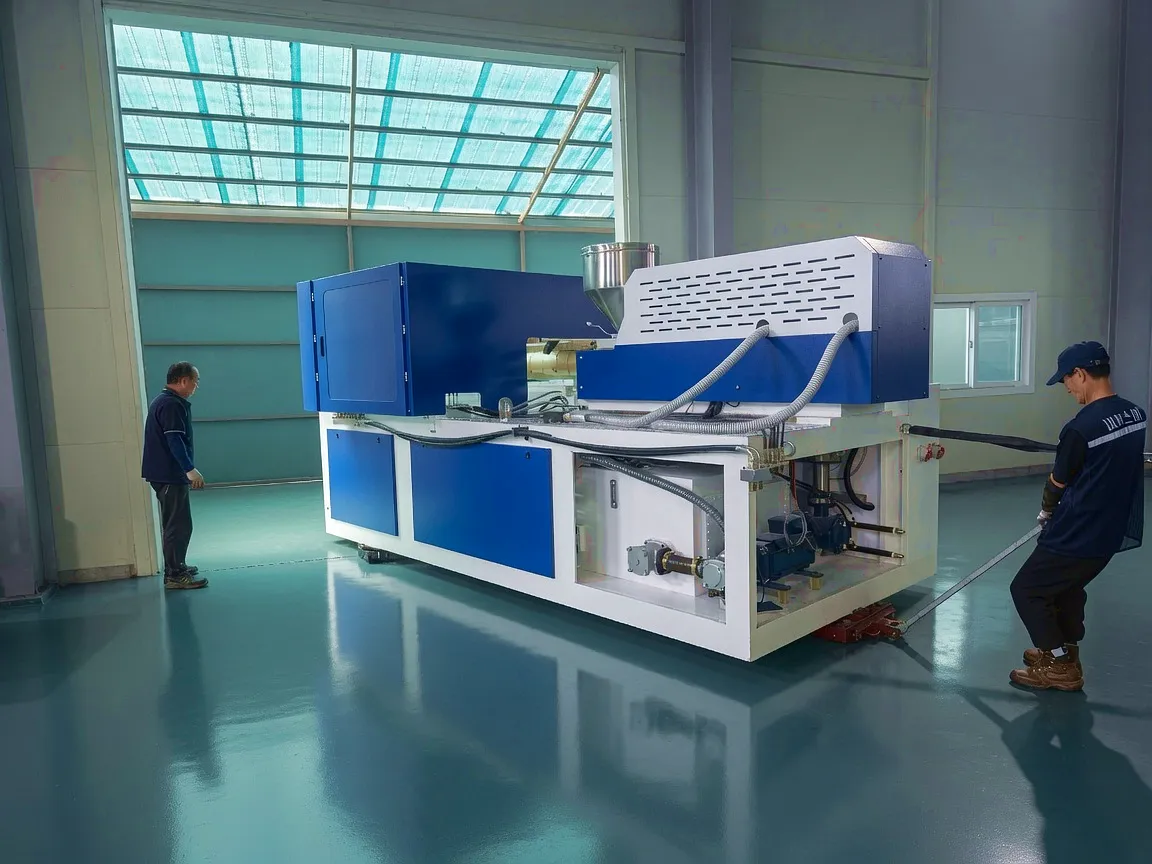
In a conventional injection blow moulding machine the production cycle unfolds across three distinct stations, all mounted on a rotating index plate that advances by 120 degrees per cycle on a three-station design, or by 90 degrees on a four-station variant. At Station 1, polymer melt is injected around a hardened steel core pin inside a precision injection mould cavity. The melt fills the annular space between pin and cavity wall, forming a thick-walled preform whose internal geometry is defined by the pin and whose external profile is determined by the cavity. Critically, the neck finish — threads, sealing faces, tamper-evident ratchets — is formed here to final dimensions and never touched again. This single-forming-operation approach to neck geometry is the primary reason injection blow moulding delivers neck tolerances that extrusion processes simply cannot match.
After the preset injection hold and partial cooling time, the index plate rotates and carries the preform — still on its core pin and still carrying significant residual heat — to Station 2, the blow station. Here the preform is enclosed within a blow mould whose cavity defines the finished bottle’s outer profile. Compressed air, typically in the range of 6 to 10 bar depending on material and wall thickness, is introduced through the hollow core pin. The preform inflates against the chilled mould walls, which are precision-machined and temperature-controlled by circulating water to maintain cavity surface temperatures between 10°C and 25°C. The rapid contact with the chilled steel quenches the bottle into its final shape. The third station — or fourth in a four-station machine — serves as the eject position, where finished containers are stripped from the core pins and conveyed away. Cycle times on modern machines running 10 ml to 500 ml containers in polypropylene typically fall between 8 and 18 seconds per index, depending on wall thickness and material.
One-Step vs Two-Step: The Production Decision Framework
The one-step versus two-step question reduces, in most real-world production scenarios, to a trade-off between per-part cost at scale on one side, and flexibility, tooling investment, and dimensional precision on the other. The injection blow moulding machine represents the one-step approach at its most refined: preform and bottle are produced in a single uninterrupted thermal cycle. Two-step processes — most commonly reheat stretch blow moulding using separately manufactured preforms — decouple production volume from cavitation, allowing blow moulding to run at speeds that single-step platforms cannot approach. For a UK beverage filler running PET water bottles at 30,000 containers per hour, two-step RSBM is the rational industrial choice. For a Leicester-based pharmaceutical packager producing fifteen SKUs of HDPE and PP bottles in volumes of 50,000 to 500,000 per run, the one-step injection blow moulding machine is technically superior and commercially more defensible.
Choose One-Step IBM When:
- Neck finish tolerances are critical (pharma, cosmetics)
- Wall thickness uniformity is non-negotiable
- Short to medium run lengths (10K–1M units)
- Multiple SKUs share the same machine
- Floor space is constrained
- Energy efficiency per part is a KPI
- PP, PE, or PVC is the preferred material
- No separate preform inventory management required
Choose Two-Step RSBM When:
- Output exceeds 15,000 units per hour per machine
- PET is the primary or only material
- Bottle geometry is standardised and stable
- Preform supply chain is established
- Biaxial orientation properties are required
- Very large container volumes (above 2 litres)
- Carbonated drink pressure resistance required
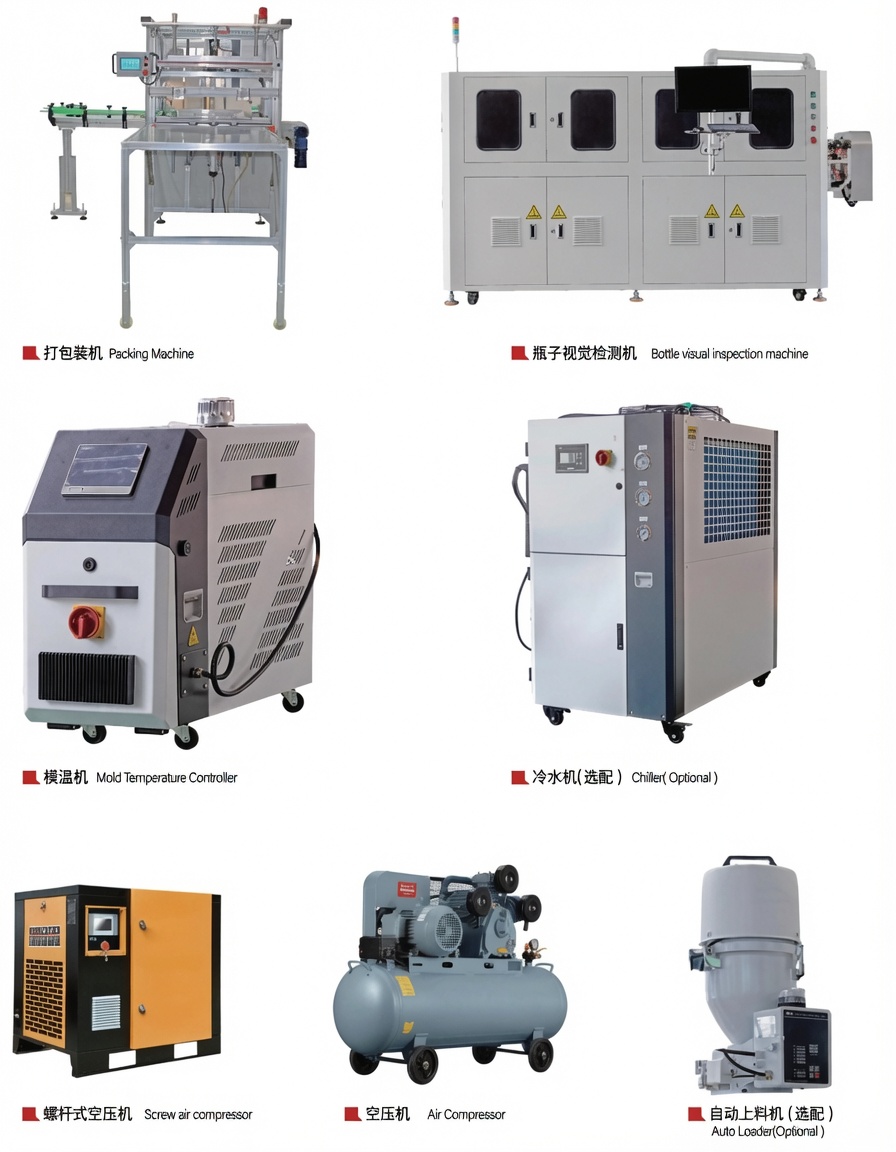
Wall Thickness Uniformity Control and Preform Temperature Profiles
Wall thickness distribution is the single most technically demanding parameter in the production of blown containers, and it is where the injection blow moulding machine demonstrates its clearest engineering advantage over extrusion-based processes. In EBM, a tubular parison hangs under gravity and draws down non-uniformly; wall programming compensates partially but can never fully eliminate the inherent sag that produces circumferential variation. In IBM, the preform wall is shaped under controlled injection pressure in a closed cavity, meaning every point on the preform has a defined and repeatable relationship to the finished bottle wall. The variability from part to part stems not from gravitational draw-down but from the precision of the tool and the stability of the injection process — both of which are directly controllable.
Residual heat management at the blow station is equally critical. Because the preform in a one-step injection blow moulding machine transfers directly from injection to blow without a cooling and reheat cycle, the engineer must design the injection mould cooling to achieve the correct preform surface and core temperature at the moment of inflation. For polypropylene, the optimal blow temperature window is narrow — typically 150°C to 165°C at the preform surface — and deviating outside this window by more than 8 to 10°C produces measurable changes in wall distribution. Modern injection blow moulding machines address this through independent zone-controlled mould cooling with ±0.5°C accuracy, and through cavity pressure sensors that allow the control system to detect and compensate for short-shot or over-pack events before they exit the machine.
| Material | Melt Temp (°C) | Preform Blow Temp (°C) | Blow Pressure (bar) | Mould Cooling Temp (°C) |
|---|
| PP | 200–240 | 150–165 | 6–8 | 10–20 |
| HDPE | 190–230 | 140–160 | 5–7 | 12–22 |
| PET | 265–285 | 85–110 | 8–10 | 8–15 |
| PVC | 170–195 | 130–155 | 5–8 | 15–25 |
In two-step reheat stretch blow moulding, by contrast, the preform is cooled to ambient and reheated in an infrared oven before blow. This decoupling allows each step to be optimised independently — the preform injection can run at maximum throughput regardless of blow speed — but it introduces an energy expenditure of 0.12 to 0.18 kWh per kilogram of material that the one-step injection blow moulding machine avoids entirely. For UK production facilities working toward carbon reduction commitments under the government’s industrial decarbonisation strategy, this energy delta has real financial and sustainability significance over a ten-year machine lifespan.
Mould Design Principles and Bottle Geometry Optimisation
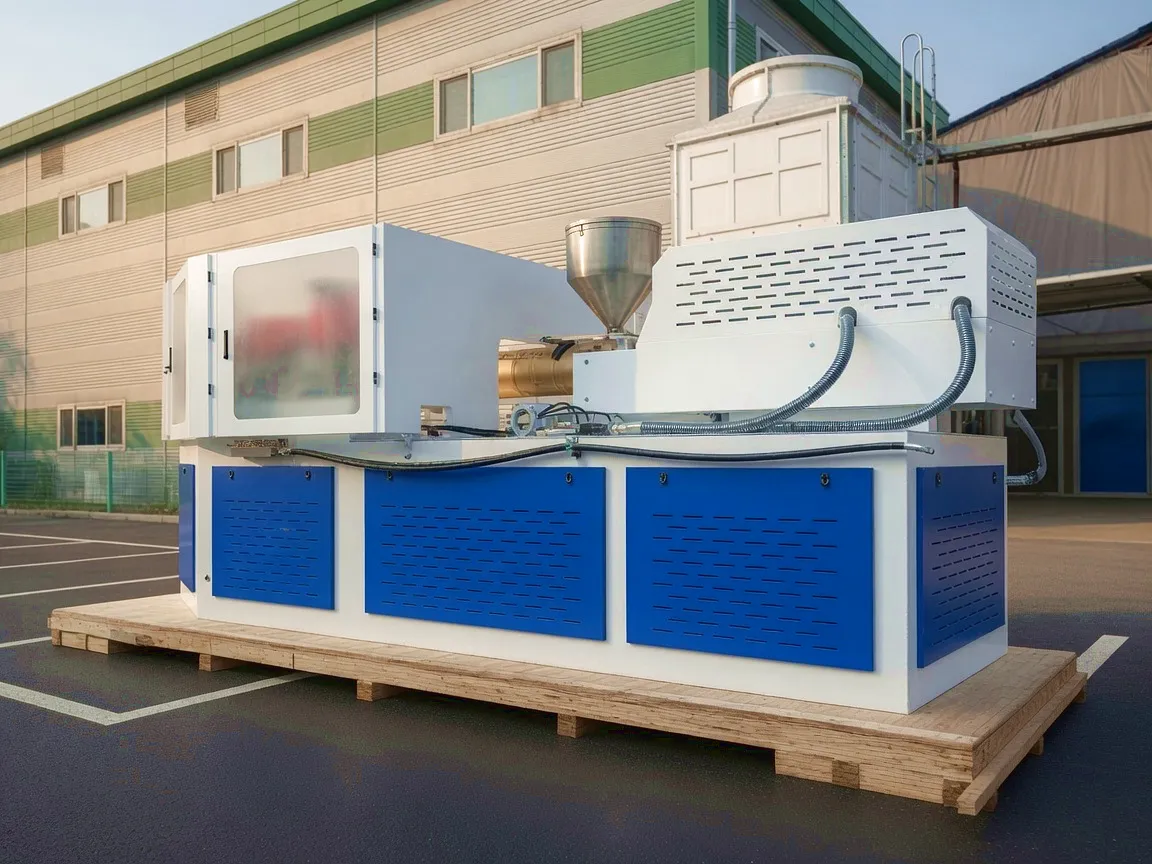
Tooling for injection blow moulding machines is a fundamentally different engineering discipline from extrusion blow tooling. The injection mould must withstand clamp forces in the range of 50 to 200 tonnes while maintaining cavity-to-cavity dimensional consistency across the full cavitation of the tool — typically 4 to 32 cavities on a production machine. Core pins, which define the internal bottle profile and serve as the air distribution mandrel at the blow station, are machined from hardened P20 or H13 tool steel to tolerances of ±0.005 mm on critical diameters. A poorly designed or worn core pin is the single most common root cause of wall thickness variation in injection blow moulding, and experienced process engineers inspect pin straightness and surface finish as a routine maintenance checkpoint.
Bottle geometry optimisation in IBM centres on the draw ratio — the relationship between preform dimensions and finished bottle volume. An axial draw ratio (the ratio of finished bottle height to preform height) above 3:1 begins to produce thinning at the shoulder and base that demands careful preform wall profiling. Hoop draw ratios (the ratio of finished bottle diameter to core pin diameter) above 2.5:1 call for blow pressure optimisation and may require heated blow moulds on thick-wall PP applications. The advantage of the injection blow moulding process is that both ratios are directly engineered into the tooling design: the preform cavity and core pin geometry can be adjusted between tool iterations to achieve a desired wall map in the finished container, something that is far more difficult to achieve iteratively in extrusion blow moulding.
Technical Performance Parameters: IBM Machine Specification Reference
The table below provides a reference specification profile for modern industrial injection blow moulding machines in the 40-tonne to 100-tonne clamp force class, covering the primary parameters that production engineers and procurement teams need to evaluate when matching a machine to a production requirement. Note that cavity count, container volume range, and cycle time interact: a higher-cavitation tool running a small container will achieve lower per-part energy and labour cost even if the headline cycle time is slightly longer than a low-cavitation configuration.
| Parameter | 40-Tonne Class | 60-Tonne Class | 100-Tonne Class | Notes |
|---|
| Clamp Force | 40 t | 60 t | 100 t | Per injection station |
| Max Cavitation | Up to 12 | Up to 18 | Up to 32 | Material and bottle-size dependent |
| Container Volume | 3–150 ml | 5–350 ml | 10–1000 ml | Pharma to cosmetics range |
| Cycle Time (PP) | 8–12 s | 10–15 s | 12–20 s | 3 mm average wall thickness |
| Wall Thickness Tolerance | ±0.05 mm | ±0.05 mm | ±0.08 mm | Stable process, good tooling |
| Injection Pressure | Up to 180 MPa | Up to 200 MPa | Up to 220 MPa | Hydraulic servo hybrid |
| Blow Pressure | 6–8 bar | 6–10 bar | 8–12 bar | Compressed air supply required |
| Neck Finish Tolerance | ±0.10 mm | ±0.10 mm | ±0.12 mm | Fits GPI/DIN standard closures |
| Installed Power | 18–25 kW | 30–42 kW | 55–75 kW | Servo-driven hydraulic units |
| Machine Footprint | 2.8 x 1.4 m | 3.4 x 1.8 m | 4.6 x 2.2 m | Excluding ancillaries |
| Tooling Material (Core Pin) | H13 / P20 | H13 / P20 | H13 / S136 | Hardened 48–52 HRC |
Industrial Application Scenarios for Injection Blow Moulding Machines
Pharmaceutical Packaging — Nottingham & Cambridge
The UK’s pharmaceutical manufacturing sector, particularly concentrated around Nottingham, Stevenage, and Cambridge, demands container neck finishes that interface reliably with child-resistant closures to ISO 8317 and dropper assemblies to pharmacopoeial tolerances. Injection blow moulding machines are the industry standard here: the one-step process eliminates pinch-off lines entirely — there is no weld line to fail — and produces containers in USP-compliant PP and HDPE grades that pass extractables and leachables testing without the additional process validation burden that multi-material construction imposes. Tablet bottles, nasal spray bodies, eye-drop vials, and oral liquid containers are all routinely produced on IBM equipment by contract manufacturers supplying AstraZeneca, GSK, and the wider NHS procurement network.
Cosmetics and Personal Care — London & Birmingham
High-street and premium beauty brands headquartered in London’s West End and sourcing from Midlands manufacturers require containers that project premium brand values through wall clarity, surface gloss, and consistent dimensional appearance on shelf. Injection blow moulding machines running virgin and post-consumer recycled PP can produce bottles with a surface quality in the Ra 0.1 to 0.4 micron range — comparable to injection moulding — because the preform cavity surfaces can be mirror-polished to fine EDM or diamond-turned finishes. Shampoo, conditioner, facial serum, lotion, and fragrance-adjacent packaging are produced in 50 ml to 500 ml ranges on IBM equipment by Midlands contract moulders supplying brands that would not accept the surface hazing that is inherent to EBM’s parison contact cooling mechanism.
Food and Condiment Packaging — Sheffield & Manchester
Sheffield and Manchester food manufacturers supplying the UK’s major grocery retailers have increasing requirements for PP sauce and condiment bottles that survive hot-fill processes at temperatures up to 85°C without distortion. Injection blow moulding machines produce containers in high-crystallinity polypropylene grades specifically formulated for hot-fill duty: the controlled wall thickness from the IBM process means every point on the bottle has sufficient structural weight to resist the thermal contraction that occurs during cool-down without crushing or panelling. The absence of weld lines also eliminates a leak-path risk that is commercially unacceptable in food-grade packaging under the UK Food Safety Act.
Agrochemical Containers — Yorkshire & East Anglia
Yorkshire-based agrochemical formulators and East Anglian distributors supplying the UK farming sector require HDPE containers in the 250 ml to 1000 ml range that pass BS EN 15609 chemical resistance tests for herbicide, fungicide, and pesticide formulations. Injection blow moulding machines running HDPE grades with appropriate chemical resistance certification produce containers with consistent wall thickness — critical because thin spots in an agrochemical container represent a chemical compatibility risk. The neck-finish precision of IBM also allows reliable integration with tamper-evident and child-resistant closures that are regulatory requirements under the UK Control of Pesticides Regulations. Traceability of production batches is straightforward on IBM equipment given the cavity-number identification that can be moulded into the base of each container at the injection station.
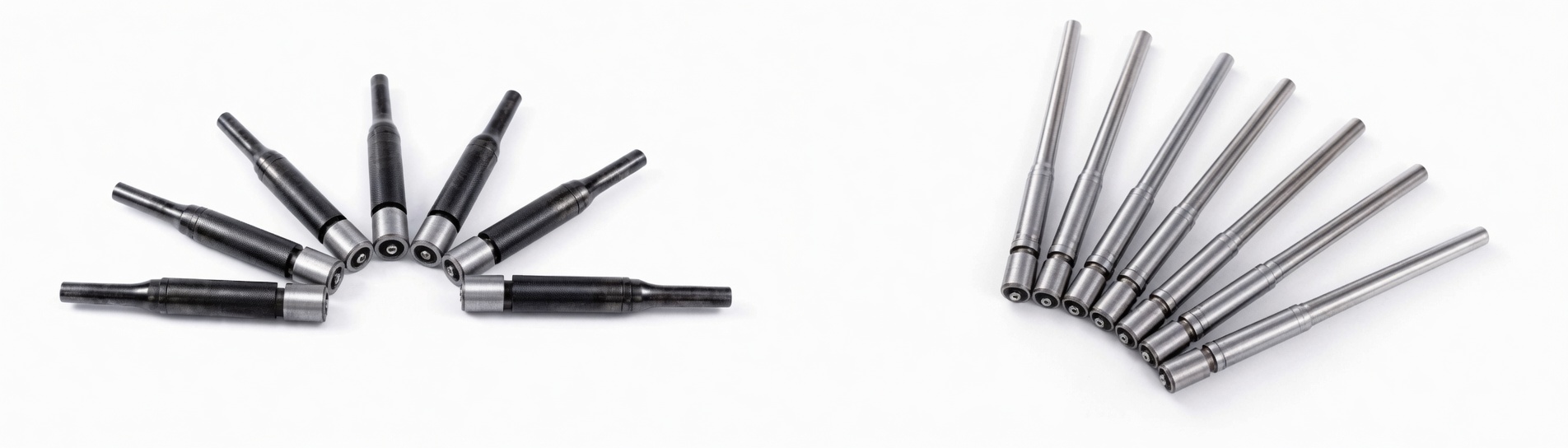
Common Fault Diagnosis and Troubleshooting on IBM Equipment
Even well-maintained injection blow moulding machines will encounter process faults, and the ability to diagnose and resolve them quickly is a direct determinant of production OEE. The most common defects in IBM production fall into three categories: dimensional failures at the neck, wall thickness variation in the body, and surface defects. Understanding the root-cause chain for each category allows process engineers to correct faults systematically rather than through trial-and-error parameter adjustment, which is the approach that produces stable, efficient production.
| Defect | Likely Root Cause | Corrective Action |
|---|
| Neck flash / thread overflow | Over-injection pressure or mould parting gap | Reduce injection velocity; check parting surface for wear |
| Uneven wall distribution | Core pin misalignment or preform temperature gradient | Re-align core pin; adjust cooling zone temperatures |
| Short-shot preform | Insufficient injection pressure or cold material | Increase back pressure; check barrel temperature profile |
| Hazing / surface cloudiness (PP) | Preform too cold at blow; mould cavity contamination | Increase preform blow temperature; clean cavity with ultrasonic |
| Base sag or thinning | Excessive axial draw ratio; insufficient blow pressure | Re-profile preform wall distribution; increase blow pressure |
| Gate blush / stress whitening | Injection speed too high at gate; material shear | Reduce first-stage injection velocity; review gate diameter |
| Black specks / degraded material | Barrel dead zones; purge interval too long | Increase purge frequency; inspect check ring and screw tip |
| Container sticking to blow mould | Insufficient cooling time; mould temperature too high | Extend blow hold time; reduce blow mould cooling water temperature |
Energy Consumption Optimisation and Retrofit Strategies for UK Facilities
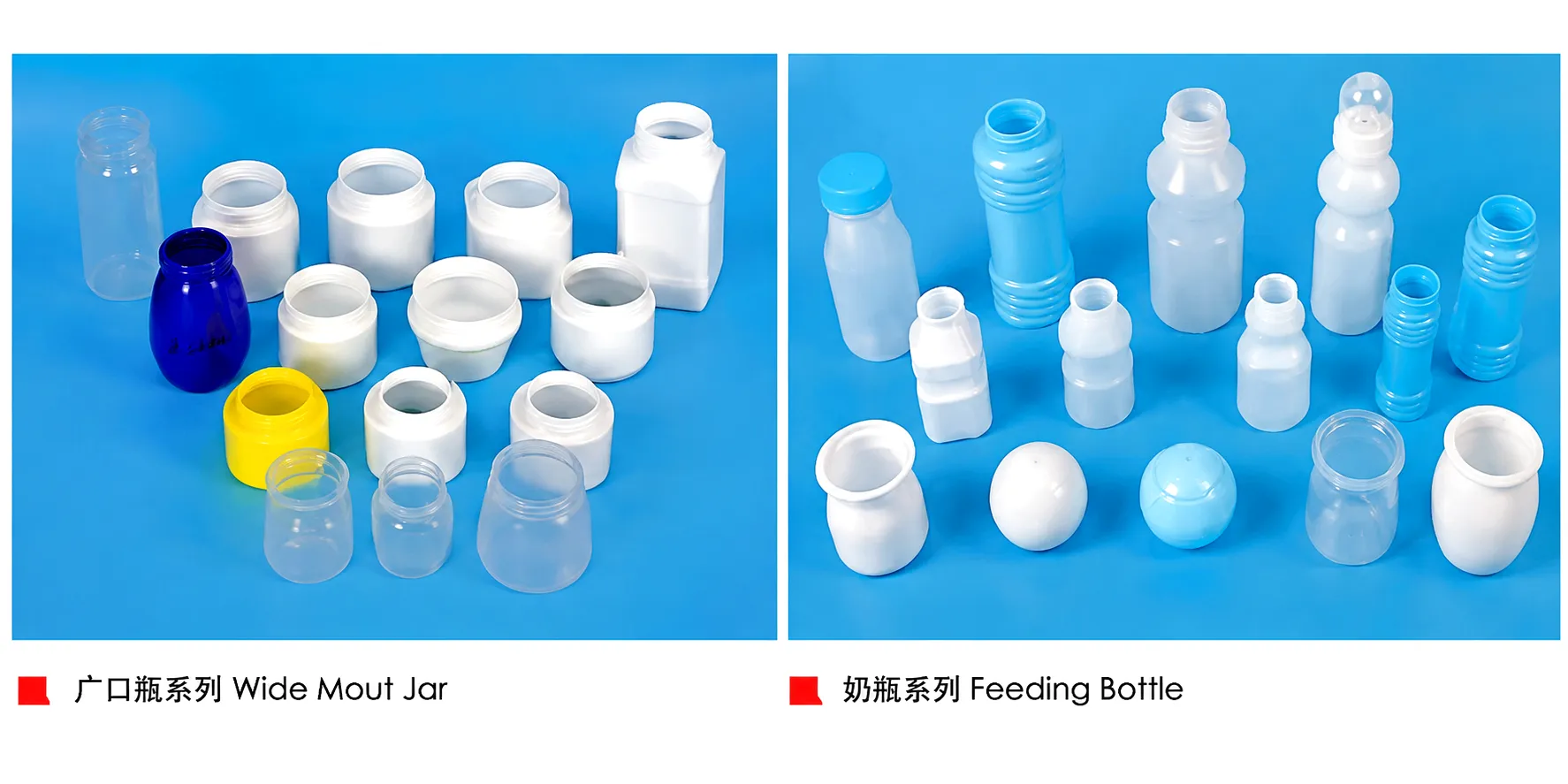
The operating energy cost of a blow moulding line over a ten-year lifecycle typically exceeds the capital cost of the machine itself — a reality that UK manufacturers facing elevated energy prices on the wholesale market after 2022 have come to understand with renewed urgency. For injection blow moulding machines, the three largest energy consumers are the hydraulic power unit (where applicable), the barrel heater bands, and the compressed air system for blow. Modern servo-hydraulic hybrid drives on IBM equipment reduce hydraulic power consumption by 40 to 60 percent compared with fixed-displacement pump systems by delivering flow on demand rather than continuously recirculating high-pressure fluid. For a 60-tonne IBM machine running three shifts, the transition from a fixed-pump to a servo-driven hydraulic unit can represent an annual electricity saving of 18,000 to 28,000 kWh at current UK industrial tariffs — a meaningful contribution to the site’s energy performance certificate rating and carbon reporting obligations under the UK’s ESOS (Energy Savings Opportunity Scheme).
Barrel heat loss is a less-discussed but significant contributor to overall energy demand. Fitting ceramic fibre insulation jackets to barrel heater bands — a retrofit investment that typically pays back within 12 to 18 months on a three-shift production schedule — reduces heat loss from the barrel surface by 50 to 70 percent, lowering heater duty cycle and extending heater band service life simultaneously. On the compressed air side, auditing and repairing distribution system leaks before adding blow capacity to a line is consistently the highest-return intervention available: industry data suggests that 20 to 30 percent of compressed air generated in a typical UK manufacturing plant is lost through distribution leaks, and each bar of unnecessary system pressure above the blow requirement equates to approximately 6 percent additional compressor energy.
Ever Power Featured IBM Equipment
Two European-specification injection blow moulding machines — engineered for demanding UK and EU production environments.
The ZQ60 delivers 60-tonne clamp force with a servo-hydraulic drive system optimised for European electrical specifications. Running up to 18 cavities in the 5 ml to 350 ml container range, it is particularly suited to mid-volume pharmaceutical, personal care, and food packaging production in the UK and EU markets. CE-marked and compliant with current UK machinery regulations.
View ZQ60 Specifications →
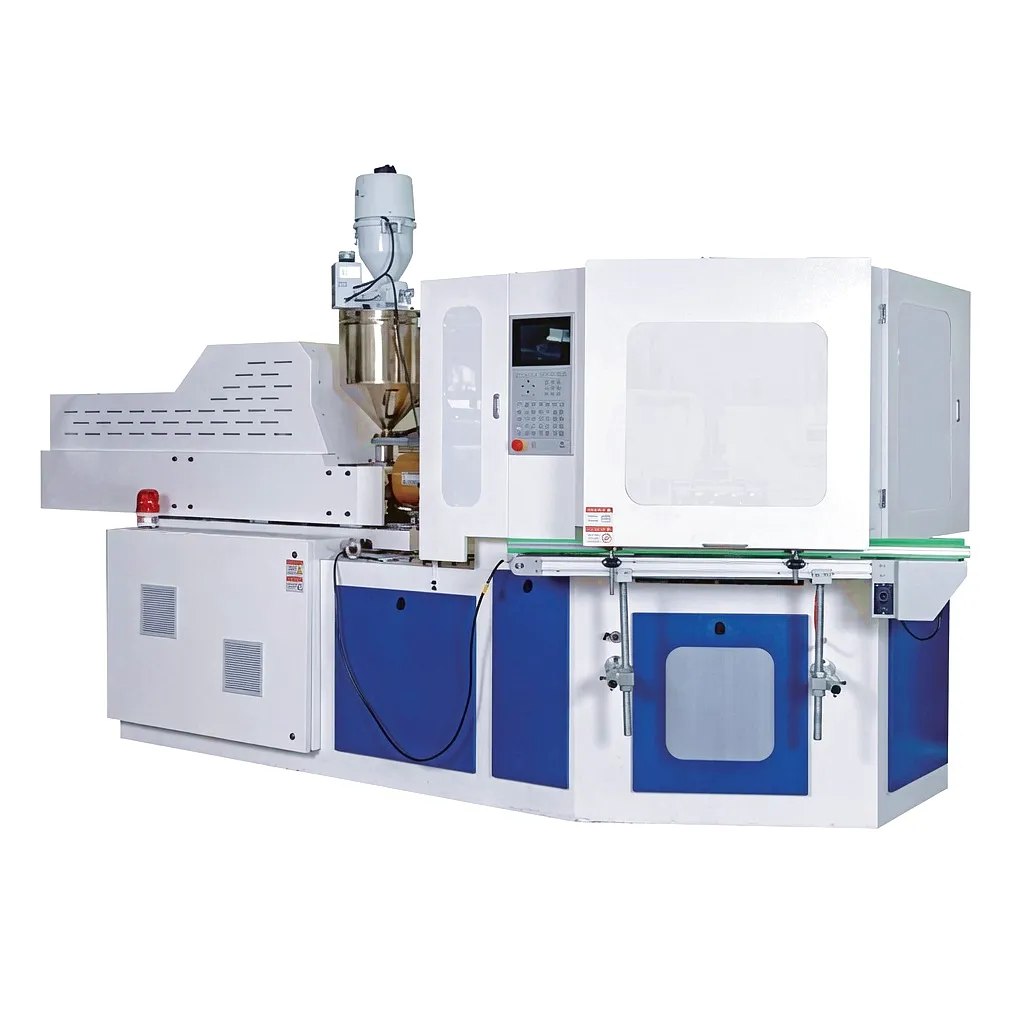
The ZQ40 is a compact 40-tonne platform designed for smaller batch production and multi-SKU environments. Its reduced footprint makes it ideal for UK contract moulders operating in legacy facilities where floor space is at a premium, while maintaining the neck-finish precision and wall uniformity that the injection blow moulding process delivers. CE-certified, with documentation packages supporting FDA and MHRA facility audits.
View ZQ40 Specifications →
Ever Power: Manufacturing Capability and Custom Engineering Services
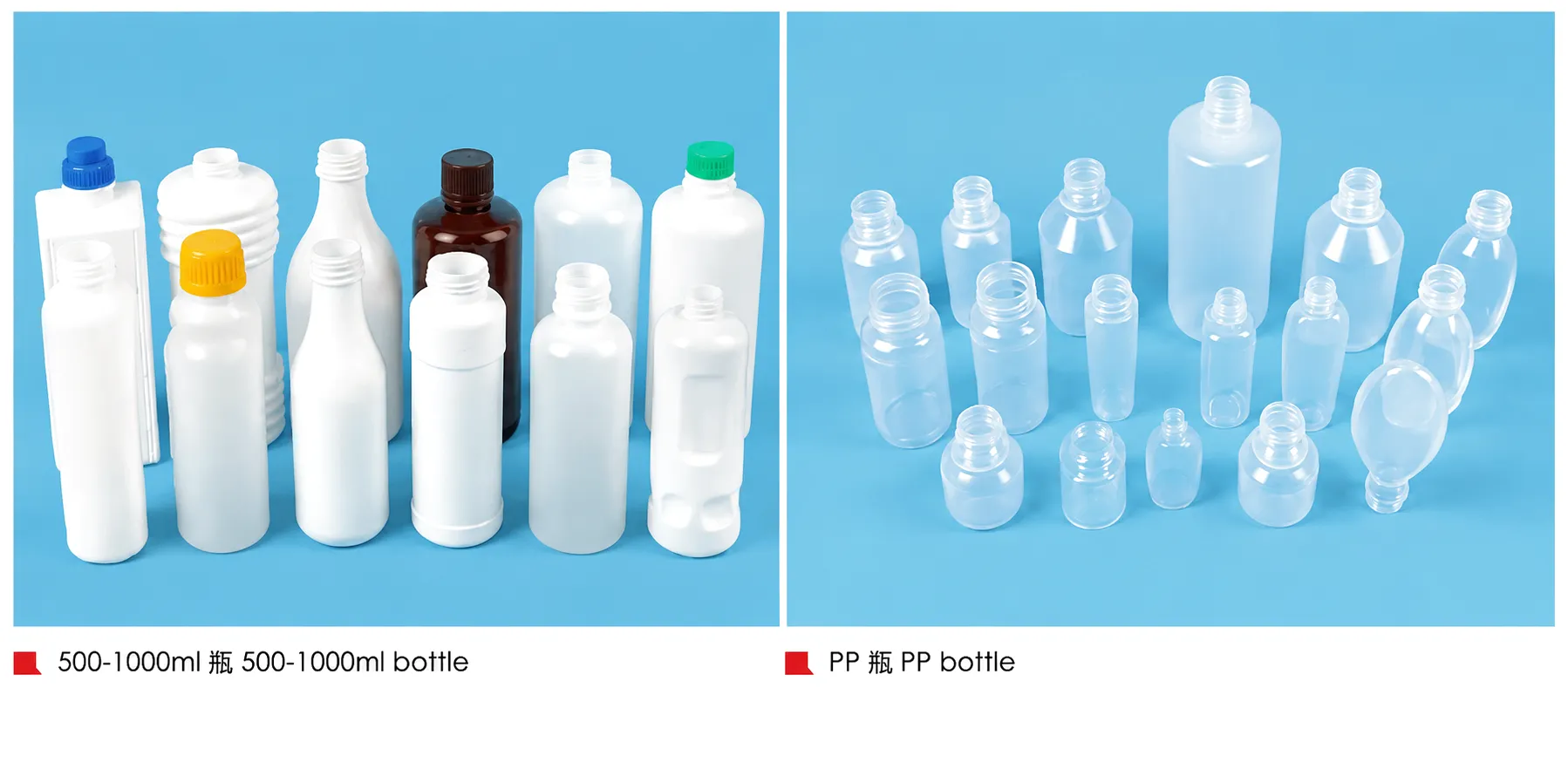
Ever Power’s injection blow moulding machine manufacturing operation is built on a foundation of precision CNC machining, in-house mould fabrication, and a vertically integrated assembly process that maintains quality control at every stage from raw material selection through final factory acceptance testing. The machine workshop spans over 12,000 square metres and operates a fleet of machining centres with sub-0.002 mm positional accuracy for the critical tolerance surfaces on platens, tie bars, and mould mounting faces. This level of manufacturing precision is not incidental to IBM machine performance — it is the prerequisite for achieving the cycle-to-cycle repeatability that pharmaceutical and cosmetics customers demand from their container production.
The customisation capability at Ever Power extends across every dimension of the injection blow moulding machine specification. UK customers require machines compliant with the current edition of the UK Machinery Regulations (formerly the EU Machinery Directive 2006/42/EC as retained in UK law), with CE marking replaced by UKCA marking for Great Britain markets, and Ever Power’s engineering team provides full documentation packages — including risk assessments, wiring diagrams to UK standards, and operating manuals in British English — as standard for all UK-destined equipment. Beyond compliance, Ever Power engineers work directly with customers’ process teams during the application engineering phase to size the injection unit for the specific polymer grade and container geometry, select cavitation, design the cooling circuit layout, and recommend auxiliary equipment — chillers, air dryers, hopper loaders, and conveyor systems — from proven supply-chain partners who can provide UK-based technical support.
Ever Power’s supply chain management programme ensures that critical components — servo drives, control systems, hydraulic valve manifolds, and injection barrel assemblies — are sourced from qualified suppliers with documented process capability, and that each machine’s bill of materials is traceable through the company’s ERP system for the full product lifecycle. For UK customers who require spare parts availability under agreed service-level terms, Ever Power maintains a bonded UK warehouse partnership for fast-moving consumable and wear components, supporting machine uptime commitments that align with UK manufacturing customers’ OEE targets. The commercial result is that specifying a machine from Ever Power is not a capital purchase decision in isolation — it is the beginning of a technical partnership that extends through installation, commissioning, operator training, and long-term production support.
Ready to Specify Your Injection Blow Moulding Machine?
Contact the Ever Power technical sales team for a detailed application review and machine recommendation tailored to your UK production requirement.
📧 Get a Quote — [email protected]
Customer Success Story: Pharmaceutical Packaging Manufacturer, Nottingham
Case Study · Nottingham, United Kingdom · Pharmaceutical Contract Packaging
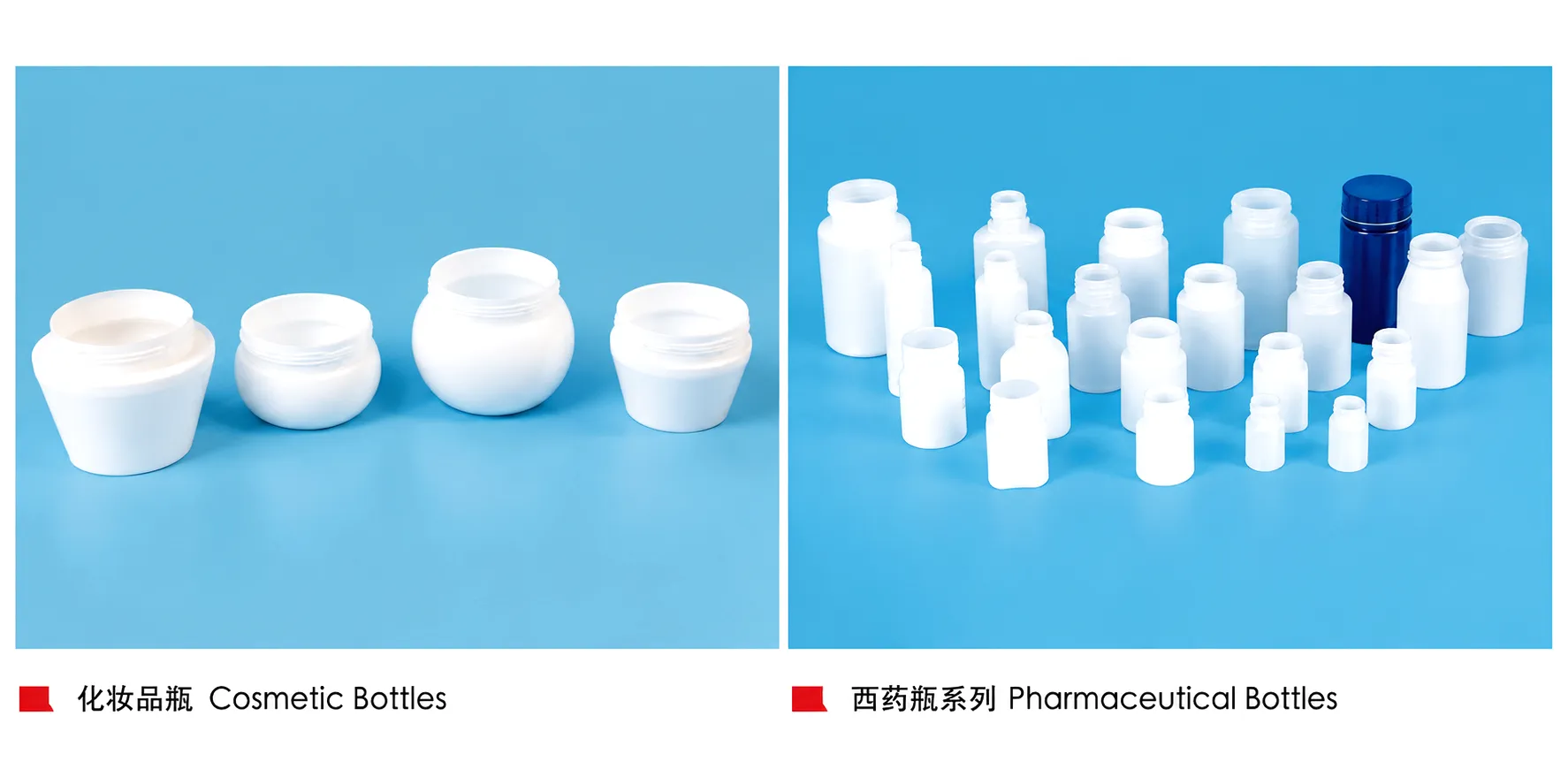
Meridian Pak Limited, a contract pharmaceutical packager based on the Nottingham Business Park, supplies HDPE and PP bottles to five NHS-contracted pharmaceutical distributors and three OTC healthcare brands. The company had operated two EBM machines for twelve years, producing tablet bottles in the 100 ml to 500 ml range, but was consistently unable to meet the neck-finish tolerance requirements — specifically, the ovality and thread-height consistency demanded by the CRC closures specified by two of its NHS customers. Thread ovality on their EBM output ran at ±0.18 mm against a customer specification of ±0.10 mm, generating a rejection rate at goods-in inspection of 2.3 percent and significant batch-level rework cost.
After an application engineering review with Ever Power’s technical sales team — which included a factory visit and tooling audit — Meridian Pak invested in a ZQ60 injection blow moulding machine with a 12-cavity PP tool set designed for their three highest-volume container sizes. The machine was commissioned at Nottingham in nine working days, supported by Ever Power’s UK-based commissioning engineer, and qualified against the customer’s IQ/OQ/PQ validation protocol within three weeks of first article inspection. Running at a 13.5-second cycle time with 12 cavities, the ZQ60 produces 3,200 containers per hour — a throughput figure the previous EBM setup could not achieve with reliable quality.
Within sixty days of full production startup, the rejection rate at NHS customer goods-in inspection dropped from 2.3 percent to 0.12 percent. The energy monitoring system installed alongside the ZQ60 confirmed an energy consumption of 0.031 kWh per container, against the EBM equipment’s measured figure of 0.048 kWh per container — a 35 percent reduction that translated directly to reduced electricity costs on the site’s half-hourly metered supply. Meridian Pak’s production director confirmed that the investment payback calculation, revised to include the quality-cost savings from eliminated rework and the energy reduction, now indicates a payback period of 26 months against the original 38-month estimate.
★★★★★
“The neck-finish consistency on the ZQ60 is genuinely transformative for our NHS supply contracts. We’ve gone from constant arguments with customers over thread ovality to zero complaints in four months of production. The Ever Power commissioning team understood our validation requirements from day one and didn’t leave site until every protocol was signed off.”
Production Director, Meridian Pak Ltd
Nottingham, UK — Pharmaceutical Packaging
★★★★★
“We specified the ZQ60 for its cavitation flexibility — the ability to run different tooling sets on the same machine platform without retooling the base machine is exactly what a contract moulder needs. Ever Power’s application engineering team sized the injection unit correctly for our PP grades first time, and the energy consumption figures match what was guaranteed in the sales proposal.”
Technical Manager, Contract Moulding Operation
Birmingham, UK — Personal Care Packaging
★★★★★
“The customisation service Ever Power provides goes well beyond machine specification. They designed our core pin geometry collaboratively with our toolroom to achieve the wall map we needed for hot-fill PP, supplied a detailed process window study with the factory acceptance test results, and their UK-based aftermarket contact has resolved every spare-parts query same day. That level of support changes what injection blow moulding machine investment actually means commercially.”
Operations Director, Food Packaging Manufacturer
Sheffield, UK — Food and Condiment Packaging
Frequently Asked Questions
Practical answers for UK procurement teams and production engineers evaluating injection blow moulding equipment.
▶ What is the typical price or cost of buying an injection blow moulding machine from a supplier in the UK or Europe?
The ex-works price of a European-specification injection blow moulding machine in the 40-tonne class starts around £85,000 to £120,000, with 60-tonne platforms typically falling between £130,000 and £190,000 depending on cavitation and control system specification. Tooling, commissioning, ancillaries, and import logistics for machines sourced from outside the UK add a further 20 to 35 percent to the landed cost. Ever Power offers detailed cost-of-ownership modelling as part of the quotation process — contact
[email protected] for a project-specific quote.
▶ How does a one-step injection blow moulding machine compare with a two-step stretch blow machine when I am producing pharmaceutical bottles in the UK?
For pharmaceutical bottles — especially those requiring CRC closures, precise thread geometry, or USP-compliant wall integrity — the one-step IBM process is technically superior. It eliminates weld lines, achieves neck tolerances in the ±0.10 mm range, and avoids the secondary preform handling that two-step lines require. Two-step stretch blow is optimised for high-volume PET production where neck precision is less critical than output rate.
▶ Which materials can an IBM machine process, and which is best for food packaging containers sold in UK supermarkets?
IBM machines process PP, HDPE, LDPE, PET, PVC, and various TPE grades. For UK food packaging sold through major grocery retailers, food-grade PP is the most common choice: it combines good chemical resistance, regulatory compliance under UK food contact materials legislation (retained from EU Regulation 10/2011), high-temperature tolerance for hot-fill applications, and excellent compatibility with the IBM process. HDPE is the standard choice for sauces and condiments requiring FDA 21 CFR compliance for export.
▶ Where can I find a reliable IBM machine supplier who can provide after-sales technical support and spare parts within the UK?
Ever Power operates a UK-facing technical sales and support structure for its injection blow moulding machine range, including the ZQ40 and ZQ60 European-specification platforms. Fast-moving spare parts are held in a UK bonded warehouse partnership for next-day dispatch, and commissioning and service engineering support is available on a call-out basis. Reach the technical team at
[email protected] for service agreements and spare parts pricing.
▶ How long does it take to commission an injection blow moulding machine and complete IQ/OQ/PQ validation for a pharmaceutical production site in Birmingham or Sheffield?
Mechanical installation and initial commissioning typically requires 7 to 12 working days on-site for a single IBM machine. IQ and OQ validation — covering installation qualification against the URS and operational qualification of process parameters — can normally be completed within 3 to 4 weeks of first article production. PQ, which requires statistical sampling over a defined number of production runs, is customer-controlled and typically takes 4 to 8 weeks. Ever Power provides a full validation documentation package, including FAT reports and calibration certificates, to support the process.
▶ What is the difference between IBM and ISBM, and which process should a UK cosmetics manufacturer choose for producing PP lotion bottles?
IBM (Injection Blow Moulding) blows the preform without a stretch rod: the container is inflated purely by air pressure. ISBM (Injection Stretch Blow Moulding) adds a mechanical stretch rod that simultaneously elongates the preform axially before and during blow, inducing biaxial molecular orientation. For PP lotion bottles in the 50 to 300 ml range, IBM is typically the better choice: PP’s processing window makes ISBM more challenging without specialised material grades, and IBM delivers the surface quality and wall uniformity that premium beauty brands in London and Manchester require without the additional complexity of stretch-rod control.
▶ How much energy does an injection blow moulding machine consume per hour, and how does this compare with running an extrusion blow moulding line in a UK factory?
A 60-tonne servo-hydraulic IBM machine running PP typically consumes 22 to 32 kW installed load, with an actual demand of 14 to 20 kW in steady-state production. A comparable EBM machine in the same container volume range will consume 28 to 45 kW due to extruder drive and continuous parison heating loads. At current UK industrial electricity tariffs, the IBM process typically costs 15 to 30 percent less in energy per thousand containers produced, making it a favourable choice for facilities with energy performance commitments under the UK’s ESOS scheme.
▶ Can I get a custom-built injection blow moulding machine designed for a specific bottle shape or UK regulatory standard, and who provides this service?
Yes. Ever Power’s application engineering team provides fully customised IBM machine specifications, including bespoke injection unit sizing, custom cavitation tooling, specialised cooling circuit layouts, and documentation packages for UK Machinery Regulations (UKCA marking) and MHRA Good Manufacturing Practice facility audits. The customisation process begins with a detailed application review — covering container geometry, material, output target, and regulatory requirements — before machine design is finalised. Contact
[email protected] to initiate a project review.
Ever Power · Injection Blow Moulding Machines · European Specification · UK Market
Technical enquiries: [email protected]
edit by gzl