Injection-Blow Molding Machines:Application Scenarios & Industry Guide for the UK Market
A technical deep-dive into IBM technology, healthcare packaging precision, and how UK manufacturers are leveraging injection blow molding for critical production challenges.
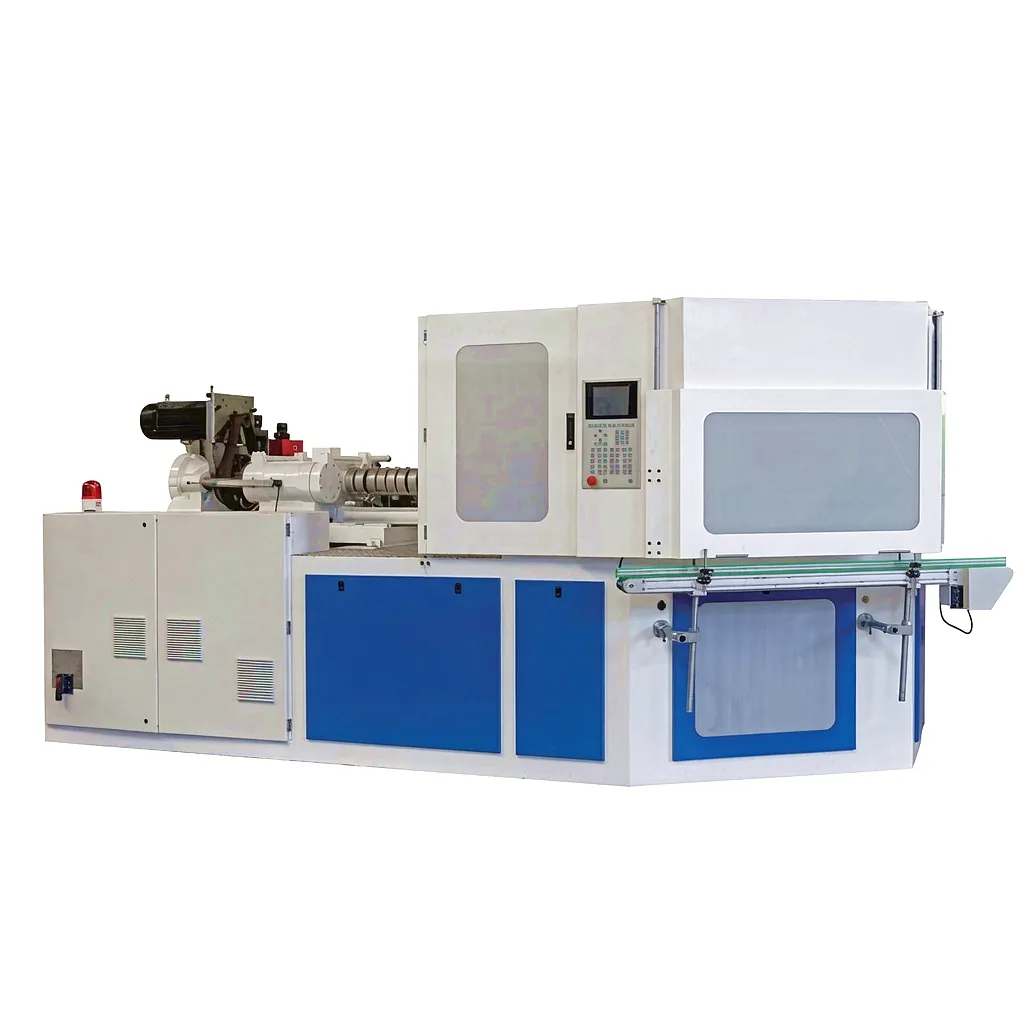 Across the United Kingdom’s manufacturing landscape — from the pharmaceutical corridors of Cheshire to the personal care packaging hubs of West Yorkshire — the injection blow molding machine has become an indispensable piece of precision equipment. Unlike conventional blow molding or injection molding processes considered in isolation, the injection blow molding process combines the dimensional accuracy of injection molding with the hollow-forming capability of blow molding within a single continuous cycle. This integration eliminates many of the secondary handling and trimming operations that traditionally add cost and introduce contamination risk to sensitive product packaging lines.
How the Injection Blow Molding Process Actually Works
The injection blow molding process moves through three mechanically distinct stations that are indexed in a rotary sequence. Understanding each station is fundamental to appreciating why this technology produces containers of exceptional dimensional fidelity, particularly for applications where neck finish geometry is non-negotiable — such as dropper bottles or nasal spray fitments regulated under British Pharmacopoeia standards.
Molten polymer is injected around a steel core rod inside a precision-machined injection mold. This forms the parison — a preform shaped with the exact neck thread geometry already complete. Because the neck is molded rather than blown, thread accuracy and sealing surface finish are reliably consistent across every production cycle, regardless of run length.
Still carried on the core rod, the parison indexes into the blow mold where filtered compressed air inflates it against cavity walls. Because the preform is already temperature-conditioned and dimensionally controlled, wall thickness distribution across the finished container body is substantially more uniform than in extrusion blow molding. This uniformity is critical for containers subjected to drop testing under ASTM or ISO standards.
The finished container is stripped from the core rod at the ejection station. A key manufacturing advantage here is the absence of any flash or tail — the closed-mold nature of IBM means no pinch-off seam is formed, which eliminates a major potential leak path. For sterile pharmaceutical packaging destined for NHS supply chains, this characteristic dramatically reduces the risk of container integrity failure during final inspection.
The rotary indexing mechanism that connects these three stations is the engineering heart of a modern injection blow molding machine. Servo-driven indexing tables allow cycle times to be tightly managed while ensuring that thermal conditioning of the parison remains within defined tolerance bands. Advanced IBM machines from Ever Power incorporate closed-loop temperature monitoring at all three stations, giving process engineers real-time visibility into the variables that most directly affect container quality.
Core Materials Processed by Injection Blow Molding Machines
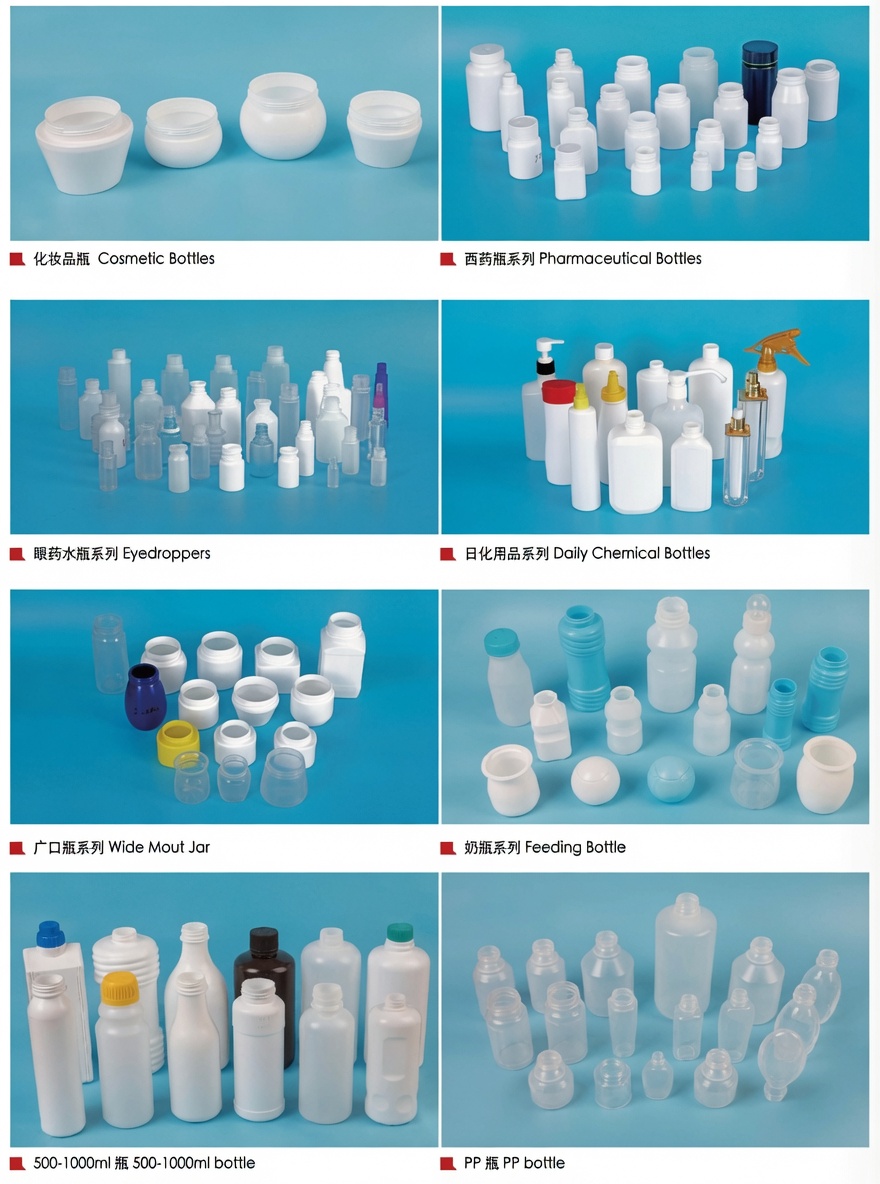
Material selection in injection blow molding is driven by the end application’s regulatory, functional, and aesthetic requirements. The IBM process is compatible with a notably wide range of thermoplastic polymers, which is one reason the technology spans such a diverse spectrum of industries — from ophthalmic packaging in Nottingham to industrial solvent containers in Coventry.
High-density polyethylene is the workhorse material for pharmaceutical bottles, shampoo containers, and household cleaning products. Its chemical resistance, moisture barrier properties, and HDPE’s compatibility with a wide range of active ingredients make it the default choice for many UK contract manufacturers.
Polypropylene offers elevated heat resistance and excellent chemical inertness, making it well-suited to autoclave-sterilisable medical containers and laboratory reagent bottles. PP’s stiffness-to-weight ratio also makes it attractive for lightweight packaging lines requiring rigidity without bulk.
Polyethylene terephthalate delivers outstanding clarity and excellent oxygen barrier performance. In the UK personal care and nutraceutical markets, PET containers produced via IBM achieve a glass-like aesthetic combined with the shatter resistance and lighter weight that retail buyers increasingly specify.
Low-density polyethylene’s flexibility makes it indispensable for squeezable dropper bottles used in ophthalmic products. The controlled flexibility of LDPE containers produced on IBM equipment allows patients to dispense precise volumes — a functionality that rigid container formats simply cannot replicate.
PETG and copolyester grades bridge the gap between standard PET clarity and the processing flexibility of LDPE. Their use in cosmetic primary packaging — particularly for premium skincare ranges distributed through UK retailers — has grown substantially as brand owners seek differentiated shelf aesthetics without switching to glass.
Healthcare & Ophthalmic Packaging — Eye Drops, Nasal Sprays, and Sterile Irrigation Containers
Medical Devices
Pharmaceutical
Nasal Spray Containers
Sterile Saline Irrigation Bottles
Multi-dose Ophthalmic Dropper Assemblies
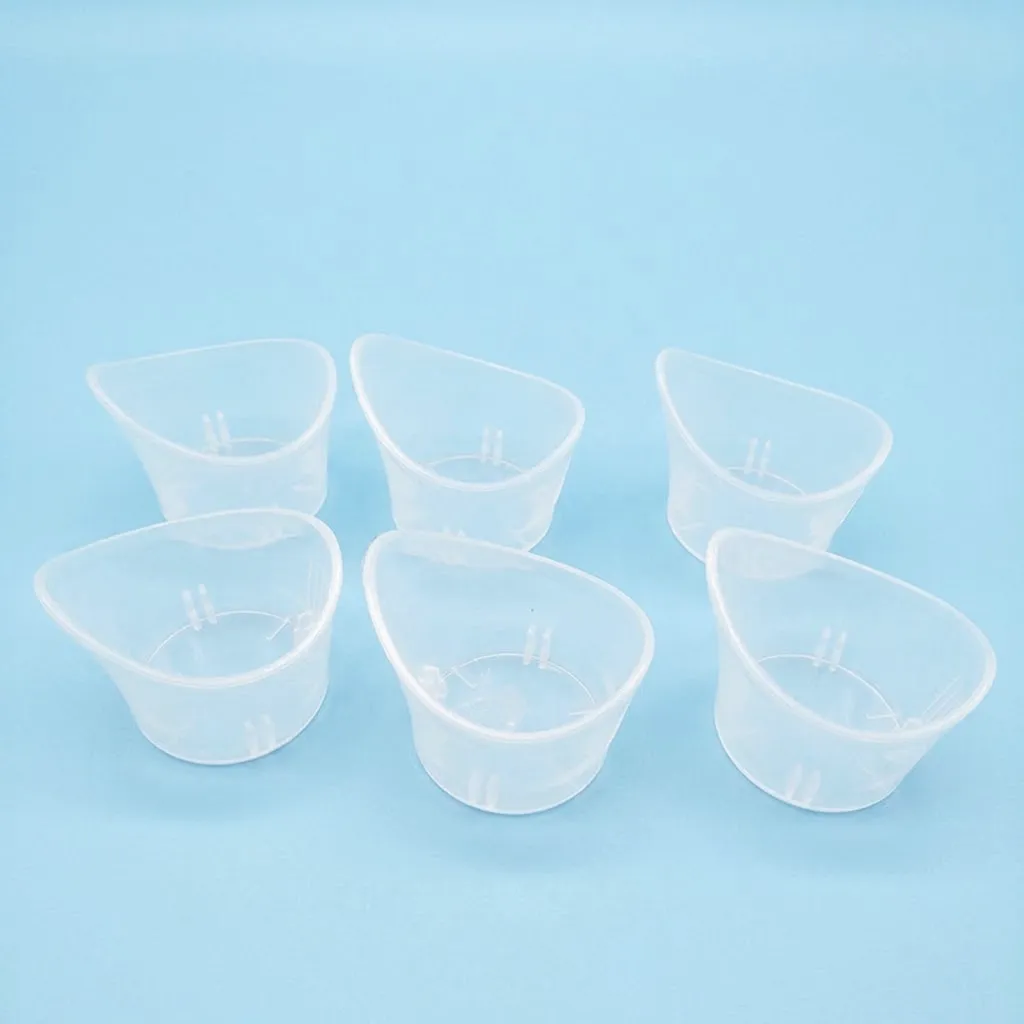
Eye Wash Cup Containers
The IBM process brings particular advantages to nasal spray container production where the actuator fitment must interface precisely with a metered-dose pump mechanism. Nasal drug delivery systems regulated under UK Medicines and Healthcare products Regulatory Agency (MHRA) guidelines require that the container neck geometry falls within a tightly defined tolerance band to ensure dose accuracy across the entire fill volume. Injection blow molding machines achieve this consistency through the fundamental mechanics of their injection station — the neck is formed by the injection mold itself, not stretched or blown into shape — which eliminates the dimensional variation that plagues extrusion blow molding in these applications.
Sterile saline irrigation containers represent another high-volume application within UK healthcare. These bottles — used in wound irrigation, surgical field clearing, and ophthalmology procedures across NHS Trusts from Manchester University Hospitals to King’s College Hospital in London — must deliver consistent volume delivery and maintain sterility assurance during distribution through NHS Logistics networks. IBM containers produced in LDPE or PP achieve the combination of flexible squeezability and neck integrity that these clinical applications demand, often in volumes exceeding several million units annually from facilities in the North West and East Midlands.
Personal Care & Cosmetic Packaging — Premium Bottles, Serum Vials, and Lotion Containers
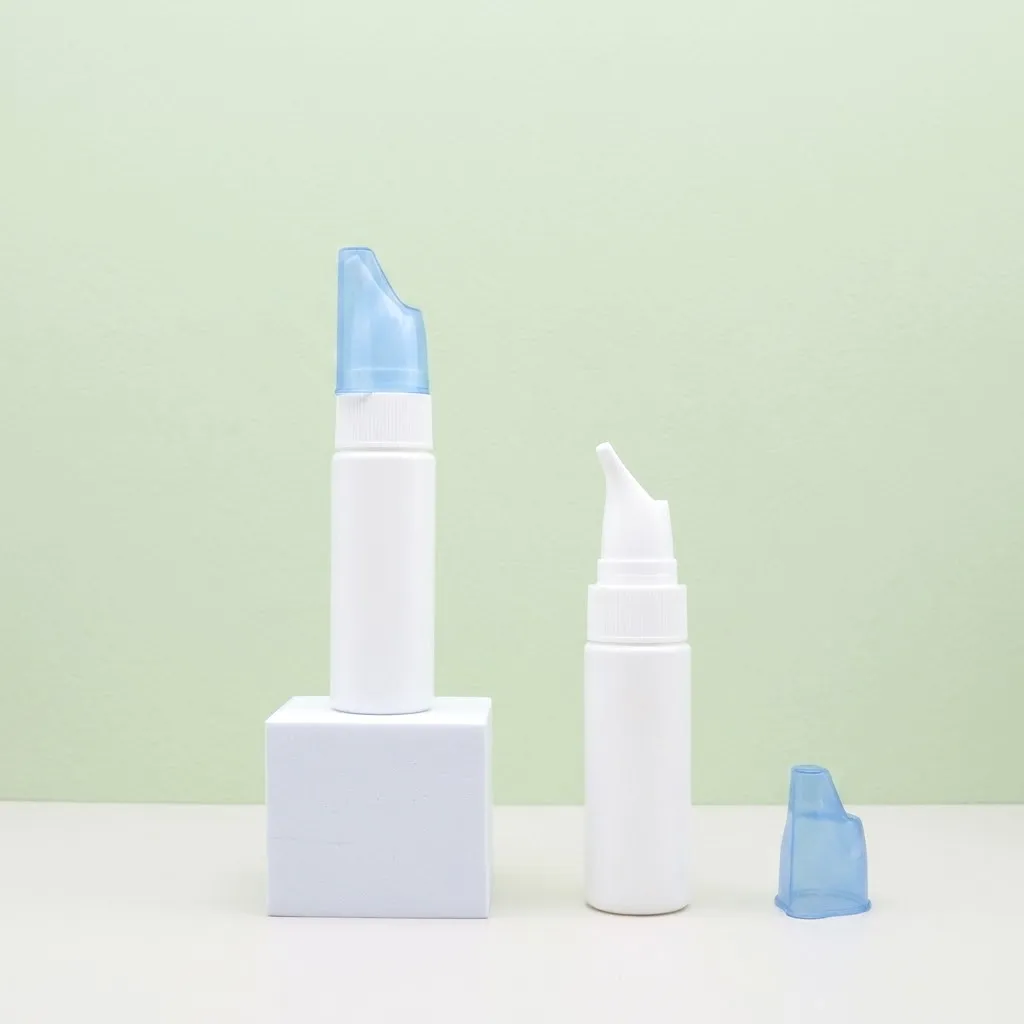
The optical clarity achievable with PET on IBM equipment allows pigment-free or lightly tinted bottles to showcase product colour and texture — a significant selling tool for UK premium skincare brands competing for shelf space in department store beauty halls.
IBM machines are fully compatible with PCR (post-consumer recycled) grades of PET and HDPE, enabling UK personal care brands to meet the Extended Producer Responsibility targets coming into effect under UK packaging regulations — without compromising the container dimensions or finish quality that their retail partners specify.
For UK indie beauty brands launching limited edition collections — a growing commercial segment — IBM mold tooling economics are more favourable than multi-cavity stretch blow molds, making short production runs of specialty bottle shapes viable at modest minimum order quantities.
Pharmaceutical Primary Packaging — Tablet Bottles, Oral Liquid Containers, and Child-Resistant Closures
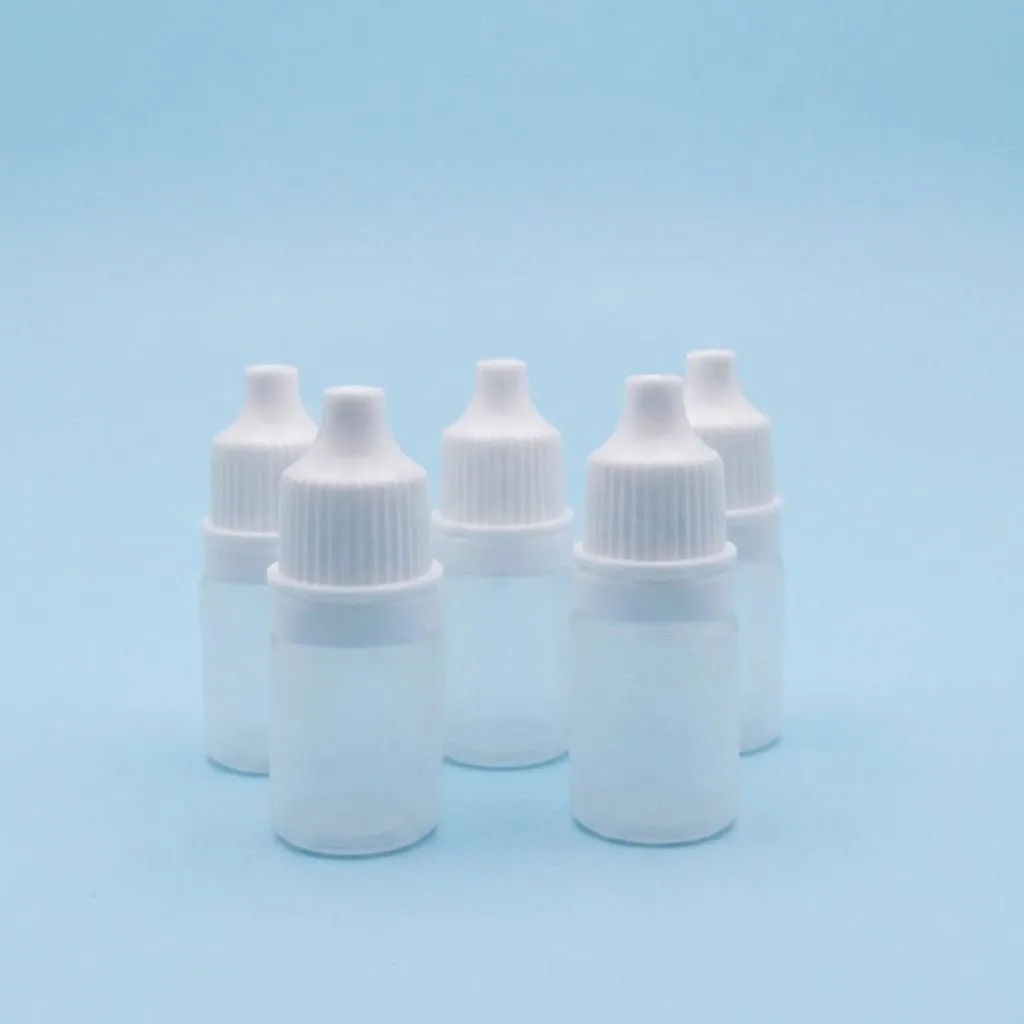
Oral liquid containers — syrups, suspensions, and solutions dispensed in measured doses — represent another volume segment where injection blow molding delivers clear advantages over alternative container production technologies. The graduated markings that most oral liquid bottles carry must align precisely with the container’s internal volume characteristics, and this alignment depends on the container’s dimensional consistency. IBM machines operating with closed-loop process control produce containers whose critical dimensions — internal diameter, shoulder geometry, base flatness — fall within the tolerances that label printing and container graduation calibration processes require.
Since the UK’s departure from the EU regulatory framework, pharmaceutical manufacturers supplying UK markets must comply with both UK (MHRA) and — for retained export markets — EU (EMA) packaging standards simultaneously. IBM-produced containers that meet the dimensional and extractable standards of EU Directive 2001/83/EC as interpreted under UK retained law provide manufacturers with a single primary packaging specification that satisfies both regulatory regimes, reducing the administrative burden of dual qualification programmes across their Birmingham, Edinburgh, and Wrexham sites.
Technical Performance & Specification Reference Table
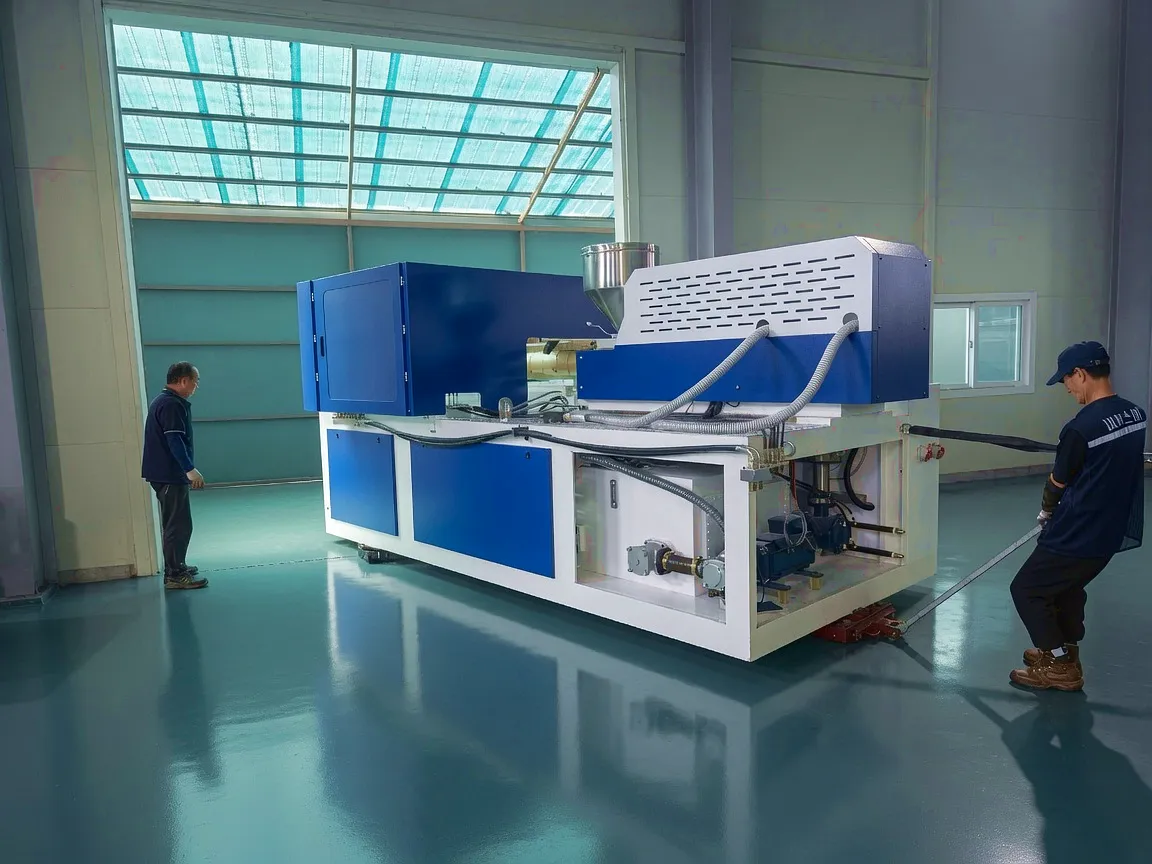
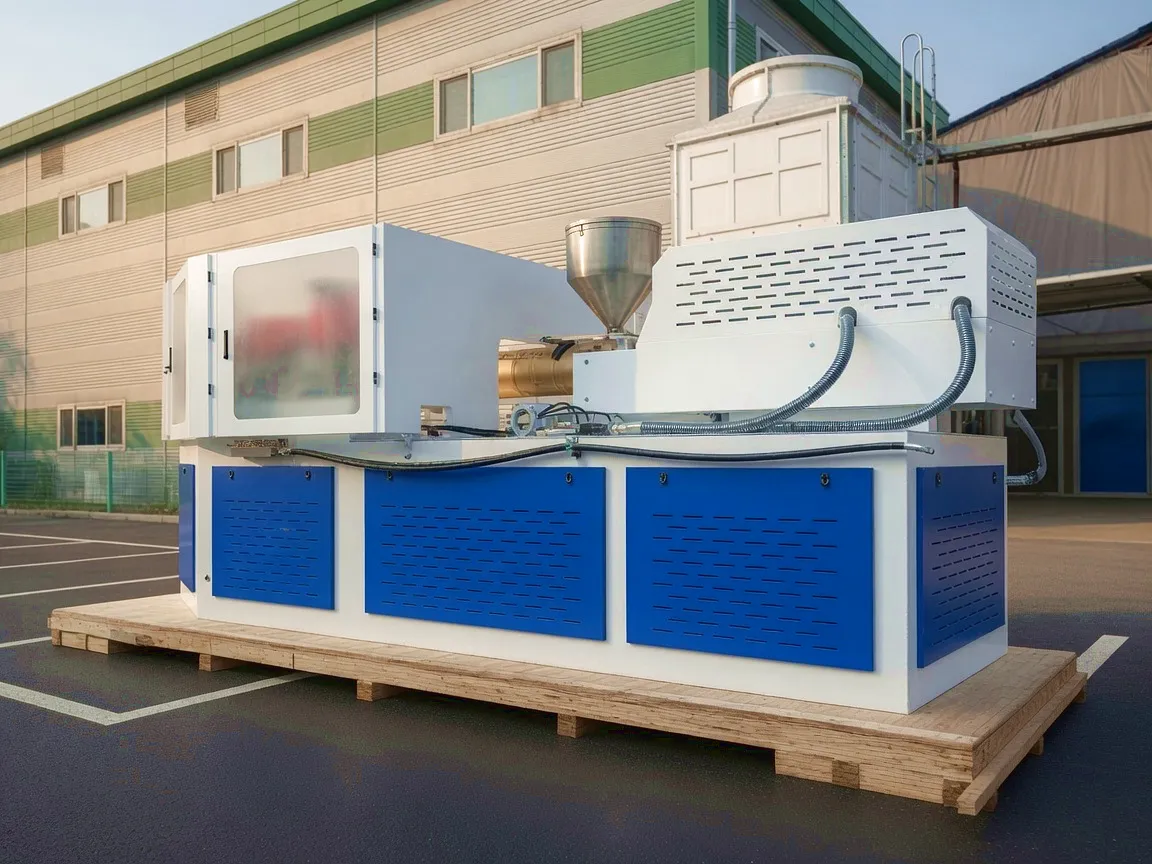
The following reference parameters cover the principal technical variables that UK buyers evaluate when specifying an injection blow molding machine for pharmaceutical, personal care, or industrial container production. These figures reflect typical performance ranges for servo-driven, three-station rotary IBM platforms of the type produced by Ever Power.
| Parameter | ZQ80 Series | ZQ110 Series | Notes |
|---|---|---|---|
| Clamping Force | 80 kN | 110 kN | Higher clamping force accommodates larger container formats |
| Max Container Volume | Up to 500 ml | Up to 1,000 ml | Subject to mold design and material grade |
| Injection Screw Diameter | 45 mm | 55 mm | Matched to material throughput requirements |
| Compatible Materials | HDPE / PP / LDPE / PET / PETG | HDPE / PP / LDPE / PET / PETG | PCR grades supported with process adjustment |
| Cycle Time (typical) | 8 – 14 sec | 10 – 18 sec | Varies with container geometry and wall section |
| Drive System | Full Servo-Electric | Full Servo-Electric | Energy savings vs hydraulic platforms: typically 30–50% |
| Control System | PLC + HMI Touchscreen | PLC + HMI Touchscreen | Recipe storage for multiple container programmes |
| Neck Thread Accuracy | +/- 0.05 mm | +/- 0.05 mm | Critical for dropper and CRC closure fitments |
| Machine Footprint | approx. 3.5m x 1.8m | approx. 4.2m x 2.0m | Compact layout suitable for clean room integration |
| Mold Stations | 3 (Rotary) | 3 (Rotary) | Injection / Blow / Ejection |
Why Injection Blow Molding Machines Outperform Alternative Technologies
The closed-mold IBM process produces flashless containers in every cycle. This eliminates trimming operations and the particulate generation they produce — a critical advantage for pharmaceutical and ophthalmic clean room environments across the UK’s regulated manufacturing sites.
Necks are injection-molded, not blown, which means thread geometry and sealing surfaces meet pharmaceutical-grade dimensional tolerances cycle after cycle. This is the foundational technical reason why IBM dominates ophthalmic and nasal drug delivery packaging worldwide.
Parison conditioning within the IBM cycle produces a wall thickness profile that extrusion blow molding cannot consistently match. Uniform walls mean consistent drop-test performance, predictable moisture permeability, and reproducible squeeze-force characteristics for the UK’s squeezable medical dispensing container market.
Modern servo-driven IBM machines consume substantially less energy than equivalent hydraulic-drive platforms — a genuinely significant consideration as UK industrial electricity tariffs have surged. For a Manchester-based contract manufacturer running three shifts, servo IBM can represent savings of thousands of pounds per year per machine in energy costs alone.
A single IBM platform can process HDPE, PP, LDPE, PET, and PETG by changing mold tooling and adjusting process parameters — giving contract manufacturers in Birmingham and Coventry the flexibility to serve multiple market segments with one capital investment rather than maintaining separate machines for each polymer family.
The relatively compact machine footprint of modern IBM equipment — particularly the ZQ-series platforms — facilitates integration into classified manufacturing environments without the extensive facility modification that larger blow molding platforms would require. This is especially relevant for UK pharmaceutical manufacturers operating within existing MHRA-licensed clean rooms.
Ever Power Injection Blow Molding Machine Product Range
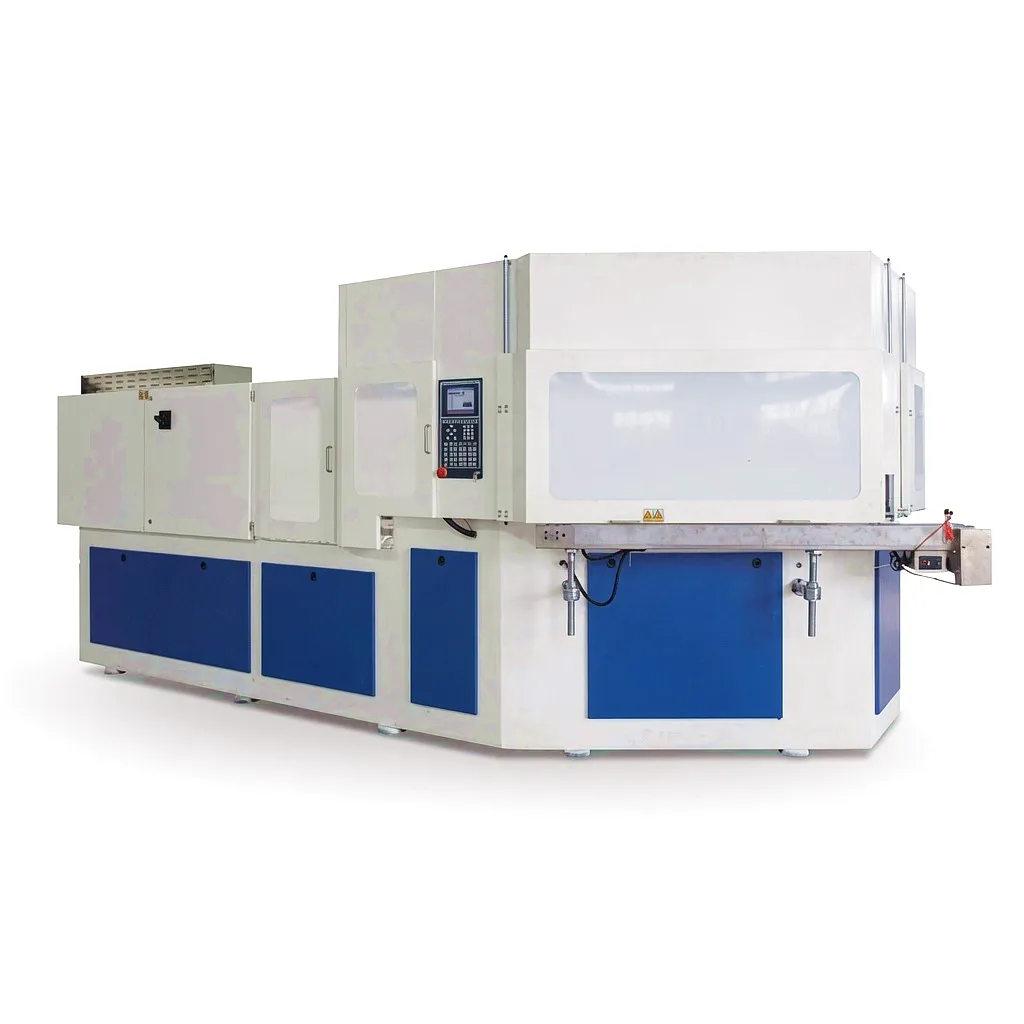
Two flagship IBM platforms designed for the precision demands of pharmaceutical, personal care, and specialty container production — both available with custom tooling packages for UK market applications.
Ever Power — Precision IBM Manufacturing & Global Customisation Capability
Ever Power’s injection blow molding machine manufacturing operation is built around the premise that every application — from a 5 ml ophthalmic dropper bottle to a 1,000 ml pharmaceutical irrigation container — deserves engineering attention that off-the-shelf catalogue machines cannot provide. Our design and application engineering teams work with UK buyers at the mold design stage to specify core rod geometry, parison conditioning parameters, and blow air management that maximise first-article success rates and minimise commissioning time when equipment arrives at UK facilities.
From initial container drawings through to trial production validation, Ever Power’s tooling engineers design and manufacture injection molds and blow molds to customer-specified container dimensions, material grades, and closure compatibility requirements — supporting UK regulatory validation programmes.
Ever Power’s CNC machining centres, coordinate measuring machines, and servo calibration rigs maintain component tolerances that align with European precision engineering standards, ensuring that every machine dispatched to UK customers arrives with documented process qualification data that supports GMP validation activities.
Ever Power coordinates sea freight and logistics solutions through established UK customs agents, ensuring smooth clearance at Felixstowe and Southampton. On-site commissioning support, operator training documentation in English, and a dedicated after-sales engineering contact are standard inclusions with every machine order.
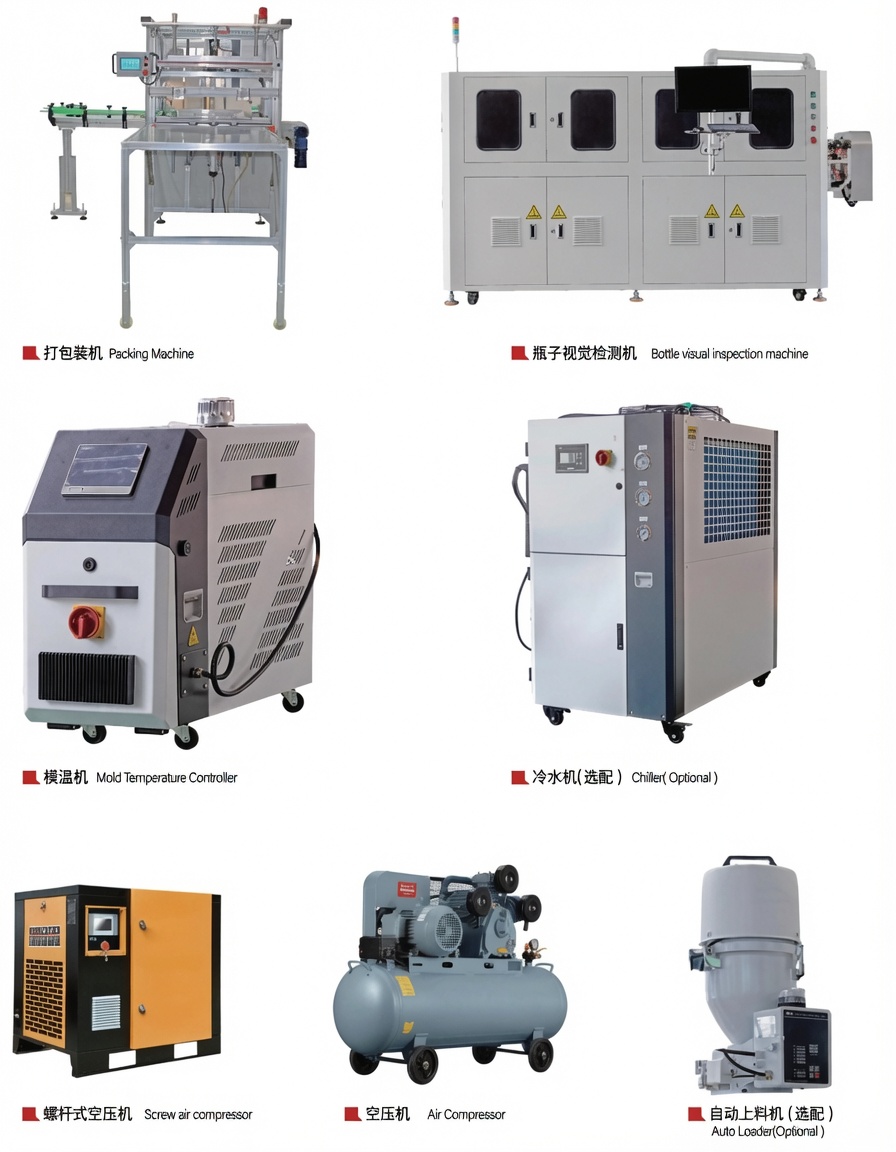
Customers can specify conveyor integration, automatic bottle counters, vision inspection systems, and downstream labelling interfaces as part of a factory-assembled and tested turnkey package — reducing site integration time and the associated commissioning risk for UK manufacturers working to production launch deadlines.
How a Nottingham Pharmaceutical Contract Manufacturer Cut Rejection Rates by 68% with Ever Power IBM Technology
A contract pharmaceutical packaging manufacturer based in Nottingham — operating within a licensed clean room facility on the southern edge of the city’s Life Sciences campus — had been running an ageing hydraulic-drive extrusion blow molding line to produce LDPE eye drop bottles for three NHS-contracted ophthalmic generic product lines. Their quality management team had raised repeated concerns about neck finish variability causing elevated closure leak failure rates at incoming inspection, with rejection rates on some production batches reaching 12–15% — a figure that was both commercially unsustainable and a growing risk to their MHRA manufacturing licence renewal assessment.
After a technical review process that included site visits to reference installations in Germany and discussions with Ever Power’s UK-based technical sales representative, the Nottingham manufacturer committed to a ZQ80 Injection Blow Molding Machine with a dedicated three-cavity LDPE eye drop bottle tool. The mold tooling was custom-engineered by Ever Power to match the manufacturer’s existing dropper tip fitment specification exactly — a critical requirement given that their filling line dropper assembly machine had been validated for a specific neck geometry and any deviation would have triggered a costly revalidation exercise.
Following installation, commissioning, and a four-week production qualification period that generated the statistical container measurement data required for their PQ (Performance Qualification) protocol, the Nottingham facility recorded a neck finish first-pass yield of 99.3% across three consecutive production batches — compared to the 86–88% first-pass yield they had achieved on the extrusion line. Overall container rejection rates at the closure integrity test stage decreased from the 12–15% range to below 4%, with further optimisation bringing this figure down to 2.1% by the end of the first quarter of commercial production. The energy consumption reduction from the servo-electric drive system — approximately 38% compared to the retired hydraulic line — provided an additional operating cost benefit that materially contributed to the capital investment payback calculation.
“The neck finish consistency we are now achieving on the ZQ80 is simply not comparable to anything we managed on our previous line. Our incoming inspection closure leak rate has essentially ceased to be a production bottleneck. The Ever Power team understood our pharmaceutical validation requirements from the very first meeting — they spoke our language.”
“We were initially concerned about commissioning support given the supplier is based overseas, but Ever Power provided a dedicated application engineer for the entire commissioning period. The English-language operating documentation was thorough, and their remote support response time has been outstanding whenever our maintenance team has needed guidance. The machine has been running exceptionally reliably.”
“We specified the ZQ110 for our nasal spray container line and the mold tooling Ever Power designed for our specific actuator fitment geometry arrived within the agreed timeline with first-article measurements fully within our drawing tolerances. The servo drive energy saving has been genuinely material to our production cost per thousand units. We have already placed a repeat order for a second machine.”
Frequently Asked Questions About Injection Blow Molding Machines
UK buyers, production managers, and procurement specialists commonly raise the following questions when evaluating injection blow molding machine investment.
Ready to Specify an Injection Blow Molding Machine for Your UK Facility?
Share your container specification, annual production volume, and material requirements with Ever Power’s application engineering team, and receive a detailed technical and commercial proposal tailored to your application.
📧 Request a Quote — [email protected]