Precision Packaging Equipment
Injection Blow Molding Machine for Perfume Bottles & Luxury Fragrance Packaging Applications
Delivering optical clarity, uniform wall thickness and impact resistance for PETG perfume bottles, cologne containers and body spray bottles across UK manufacturing centres.
PETG / PC Containers
UK Industrial Supply
Updated July 2026 · 14 min read
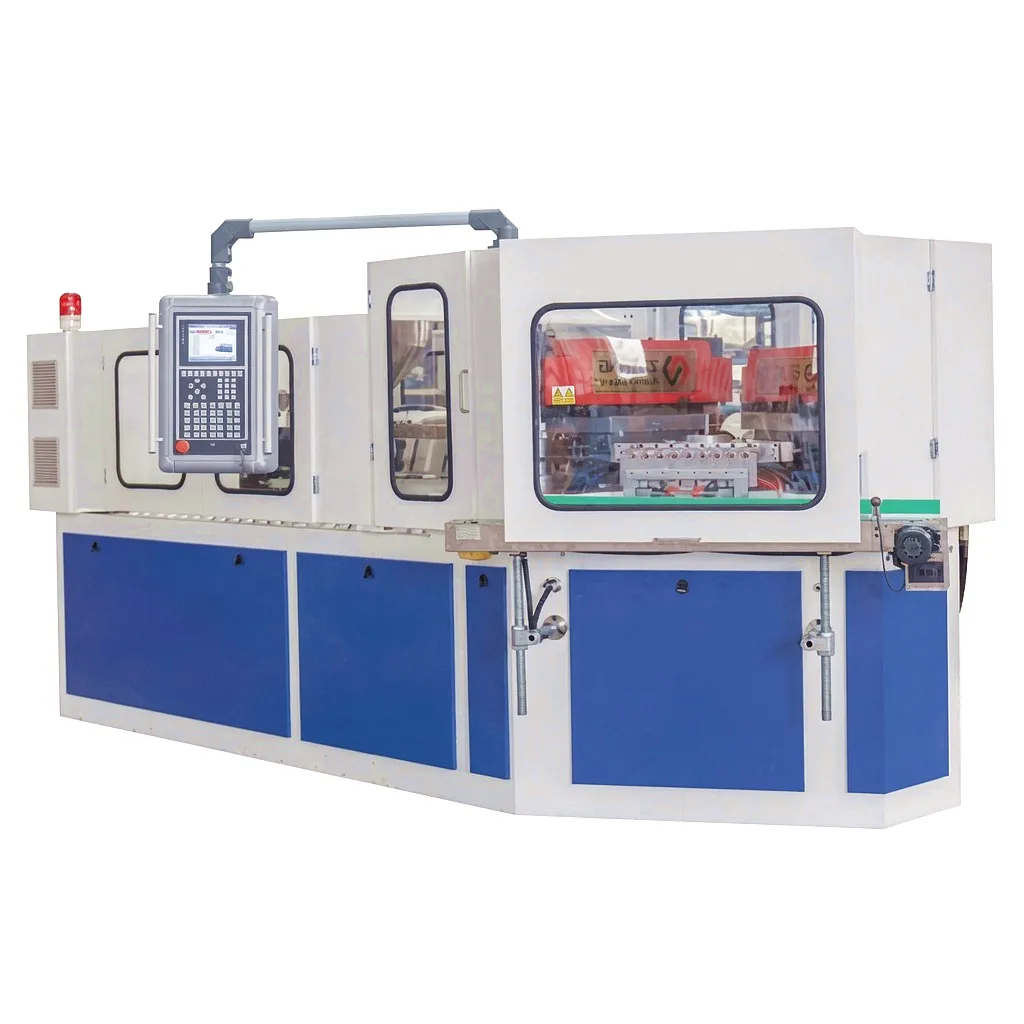
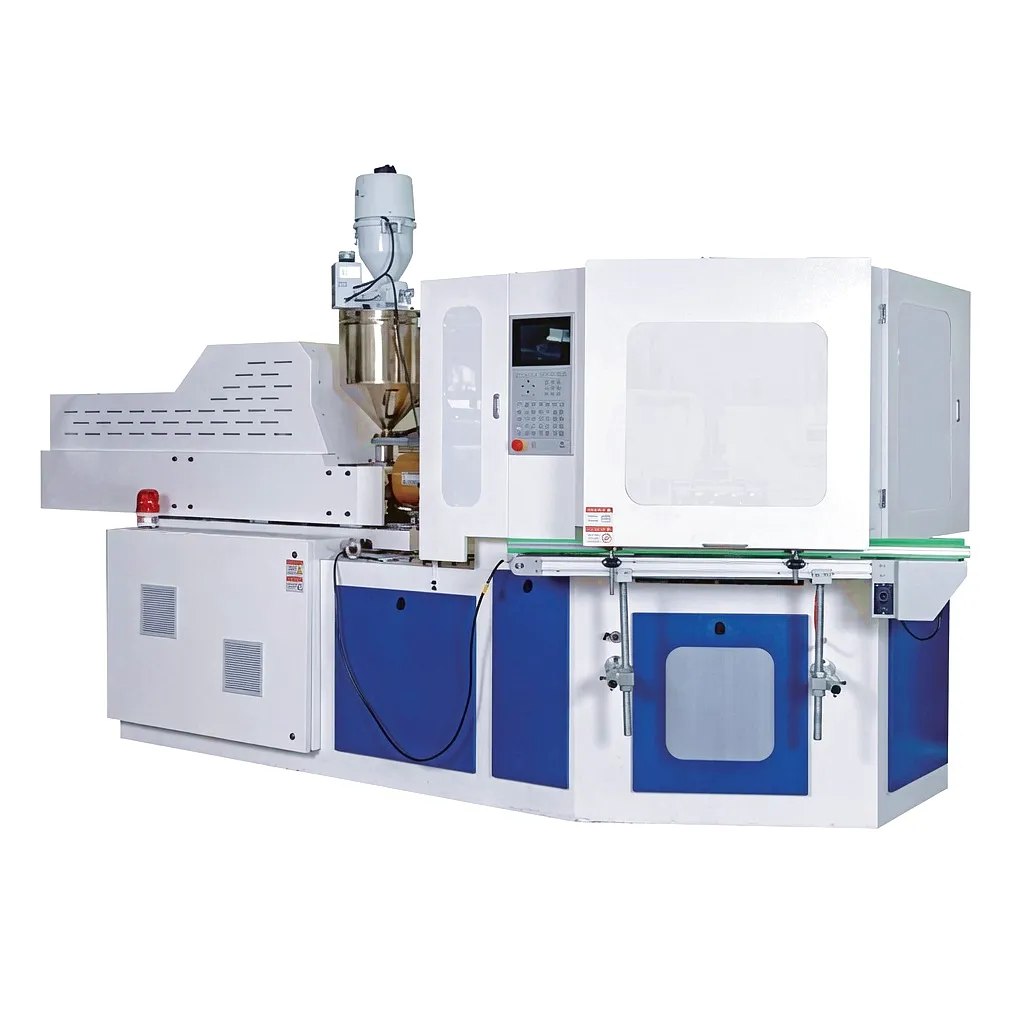 Across the United Kingdom the packaging requirements for prestige fragrance brands have shifted steadily toward polymer solutions that combine glass-like transparency with superior drop resistance. In Birmingham’s historic jewellery and cosmetics manufacturing corridor, Sheffield’s advanced materials cluster and the wider Midlands supply chain, producers of 30 ml to 200 ml PETG perfume bottles, cologne containers and 100 ml to 250 ml body spray bottles now specify injection-blow molding technology as the preferred route. An injection-blow molding machine forms the preform by injection and then stretches and blows it in a single continuous cycle, eliminating the secondary reheating step common to stretch-blow processes. The result is consistent neck finish accuracy, controlled wall-thickness distribution and the optical clarity demanded by high-end fragrance houses. Ever Power supplies fully engineered systems that meet these exacting UK performance expectations while offering rapid customisation of cavity numbers, clamp force and auxiliary integration.
The same equipment also produces travel-size 5 ml to 15 ml vials and roller-ball perfume bottles that require precise metering necks and uniform wall sections thinner than 0.8 mm. Because the process begins with an injected preform whose material distribution is already controlled, the subsequent blow stage achieves the high surface finish and low residual stress that protect sensitive fragrance formulations from oxygen ingress and light transmission. UK converters serving both domestic luxury brands and export markets value the reduced scrap rates and the ability to change over between PETG and polycarbonate grades within a single shift. This flexibility has become particularly relevant for contract packers located near the M1 and M6 corridors who must respond to short seasonal campaigns for limited-edition fragrance launches.
How an Injection-Blow Molding Machine Operates
STEP 01
Preform Injection
Molten polymer is injected into a multi-cavity preform mould under precisely controlled pressure and temperature. The preform already carries the finished neck thread and the exact material volume required for the final bottle geometry. Temperature zones along the barrel are tuned for PETG or polycarbonate viscosity curves typical of fragrance-grade resins used by UK converters.
STEP 02
Conditioning & Transfer
The preform remains on the core rod and is transferred to the blow station while residual heat is equalised. This thermal conditioning eliminates the need for external reheating ovens, reducing energy consumption and cycle time. Sensors monitor surface temperature to ensure the polymer remains within the optimal stretch window for high-clarity fragrance bottles.
STEP 03
Stretch & Blow
Compressed air expands the preform against the cooled blow mould cavity while an optional stretch rod can refine axial orientation. The resulting bottle exhibits uniform wall thickness, high surface gloss and the dimensional accuracy required for perfume pumps, spray actuators and roller-ball fitments common in UK and European luxury packaging lines.
STEP 04
Ejection & Downstream
Finished containers are stripped from the core rods and conveyed to leak testing, visual inspection or direct packing. The continuous rotary or linear indexing of an injection-blow molding machine supports high output rates while maintaining the low particle generation essential for fragrance packaging clean-room environments found in several Midlands facilities.
Core Materials and Component Construction
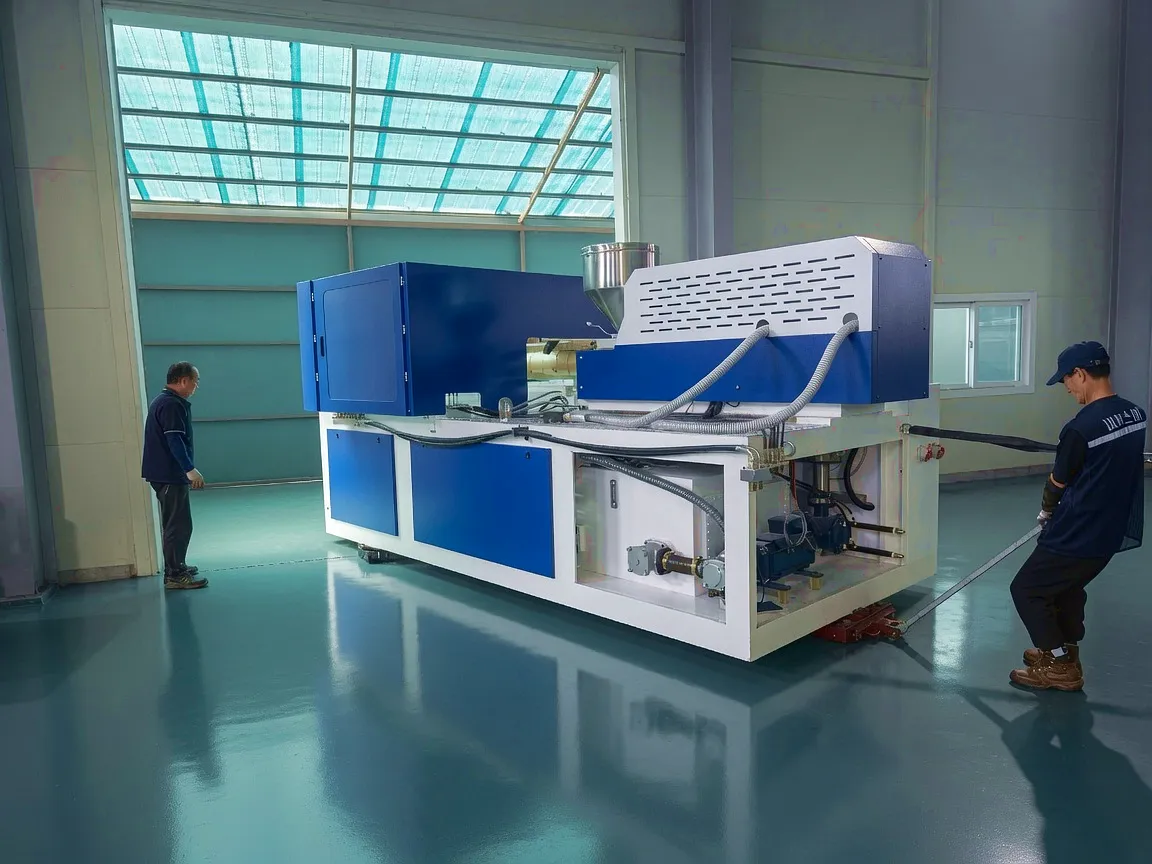 The structural frame of a modern injection-blow molding machine is fabricated from high-strength steel plate that is stress-relieved after welding to maintain long-term geometric accuracy under continuous cyclic loading. Tie bars are precision-ground alloy steel with induction-hardened surfaces, while the clamp unit employs toggle or hydraulic systems sized for the cavity count and projected area of typical fragrance bottle moulds. Core rods are manufactured from hardened stainless tool steel with polished surfaces that minimise preform sticking and allow rapid colour changes between clear PETG and tinted grades. Barrel and screw assemblies use bimetallic construction with wear-resistant linings suitable for both PETG and polycarbonate, the two polymers most frequently specified by UK perfume packaging converters.
Blow mould cavities are commonly produced from aluminium alloys for rapid thermal response or from stainless steel when abrasive masterbatches are employed. Cooling channels are gun-drilled and optimised by computational fluid dynamics so that surface temperatures remain uniform across multi-cavity sets. The pneumatic system relies on oil-free compressors and filtered air lines to protect the optical surface of fragrance bottles from contamination. Electrical cabinets are built to IP54 standards and incorporate servo drives for the injection and transfer axes, providing the repeatability required for neck-finish tolerances measured in hundredths of a millimetre. All these material and component choices are selected to deliver the reliability expected by British manufacturers operating multi-shift schedules in Birmingham, Leeds and the surrounding industrial belts.
Technical Advantages of Modern Injection-Blow Systems
01
Single-Stage Efficiency
Injection and blow occur in one continuous sequence, removing the energy cost and floor-space requirement of preform reheating ovens while shortening overall cycle times for fragrance bottle production.
02
Neck Finish Precision
The neck is formed by injection, delivering thread accuracy and sealing surface flatness that reliably accept perfume pumps, spray valves and roller-ball closures used across UK luxury brands.
03
Optical Clarity
Controlled cooling and low residual stress produce PETG and polycarbonate bottles whose light transmission approaches that of glass, meeting the visual standards of high-end fragrance packaging.
04
Wall Thickness Uniformity
Material distribution established in the preform stage yields consistent wall sections, reducing weight variation and improving drop-test performance for travel-size and retail bottles alike.
05
Material Flexibility
Quick change of screw and barrel settings allows processors in Sheffield and the Midlands to switch between PETG, polycarbonate and selected barrier grades within a production shift.
06
Reduced Scrap Rates
Stable process windows and closed-loop control minimise start-up waste and colour-change losses, supporting the lean manufacturing targets of UK packaging converters.
Product Technical & Performance Parameter Table
| Parameter | ZQ40 Series | ZQ60 Series | Unit |
|---|---|---|---|
| Clamp Force | 400 | 600 | kN |
| Max Injection Volume | 180 | 320 | cm³ |
| Screw Diameter | 40 | 50 | mm |
| Max Mould Cavities | 4–6 | 6–10 | pcs |
| Typical Cycle Time | 12–18 | 14–22 | s |
| Core Rod Torque Capacity | 120 | 180 | Nm |
| Blow Angle Range | 0–180 | 0–180 | deg |
| Frame Material | Stress-relieved steel | Stress-relieved steel | — |
| Suitable Polymers | PETG, PC, PP | PETG, PC, PP | — |
| Power Requirement | 45 | 65 | kW |
Industrial Application Scenarios for Perfume & Fragrance Packaging
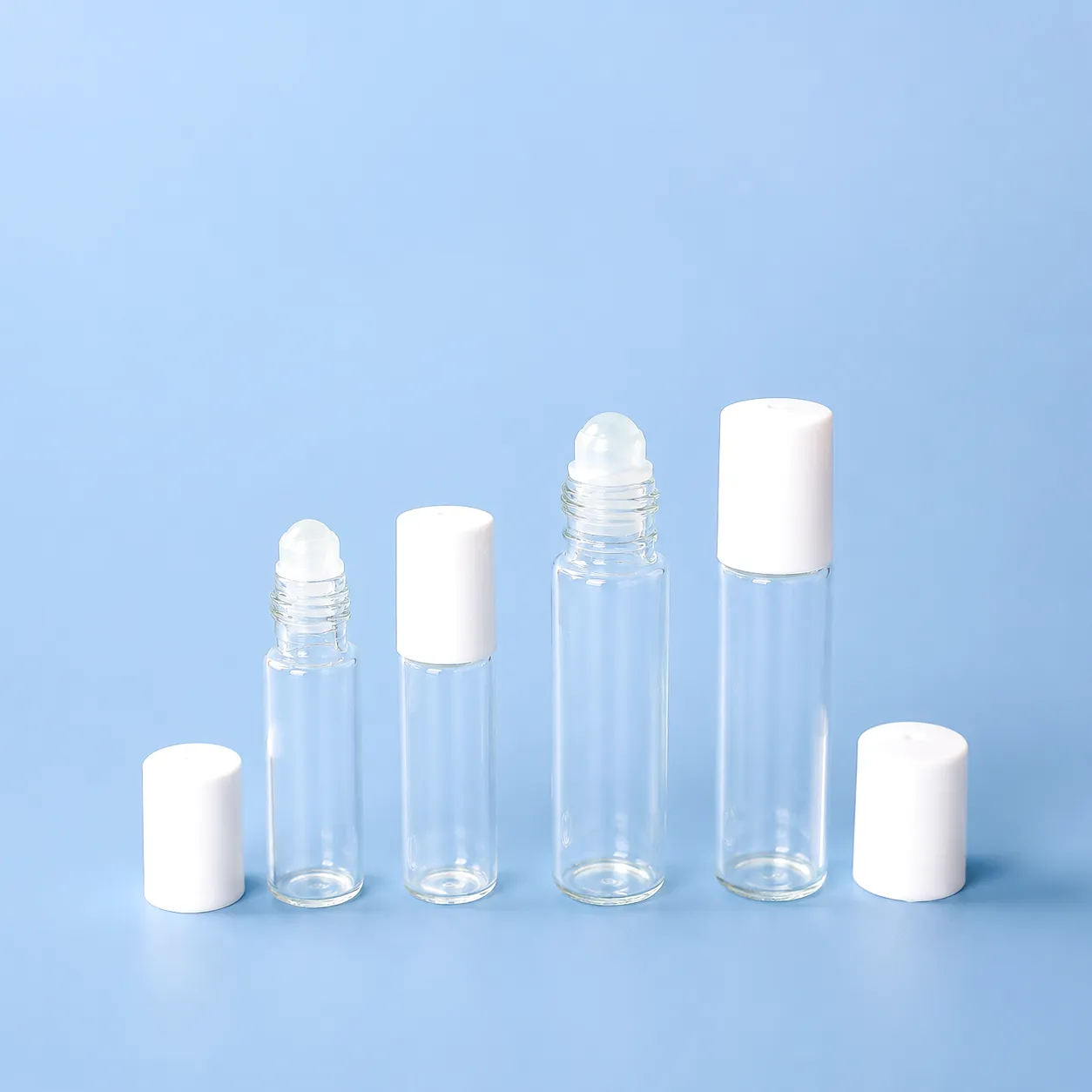 In the perfume and high-end fragrance sector an injection-blow molding machine has become the preferred technology for converting PETG and polycarbonate into containers that rival glass in appearance while offering superior impact performance. Typical production programmes cover 30 ml to 200 ml PETG perfume bottles, cologne containers, 100 ml to 250 ml body spray bottles, travel-size 5 ml to 15 ml vials and roller-ball perfume bottles. UK brand owners and contract packers located around Birmingham’s jewellery quarter and the wider West Midlands cosmetics cluster require zero-defect surface quality, high optical clarity and wall-thickness uniformity that the single-stage process reliably delivers. The absence of a secondary reheating stage also reduces energy intensity, supporting the carbon-reduction targets increasingly written into supply agreements with major British retailers.
Beyond prestige fragrance, the same equipment serves personal-care formulators producing body mists and aftershave lotions that demand consistent spray-pattern geometry. The injected neck finish accepts standard European pump and spray actuators without secondary machining, shortening the supply chain from moulding to filling lines. Processors in Sheffield and the North of England value the ability to run short colour-change campaigns for limited-edition launches while maintaining the dimensional stability required for automated filling and labelling. Because the preform carries the exact material volume, weight variation is minimised, helping converters meet the tight cost targets of private-label programmes without compromising the premium visual standard expected by UK consumers.
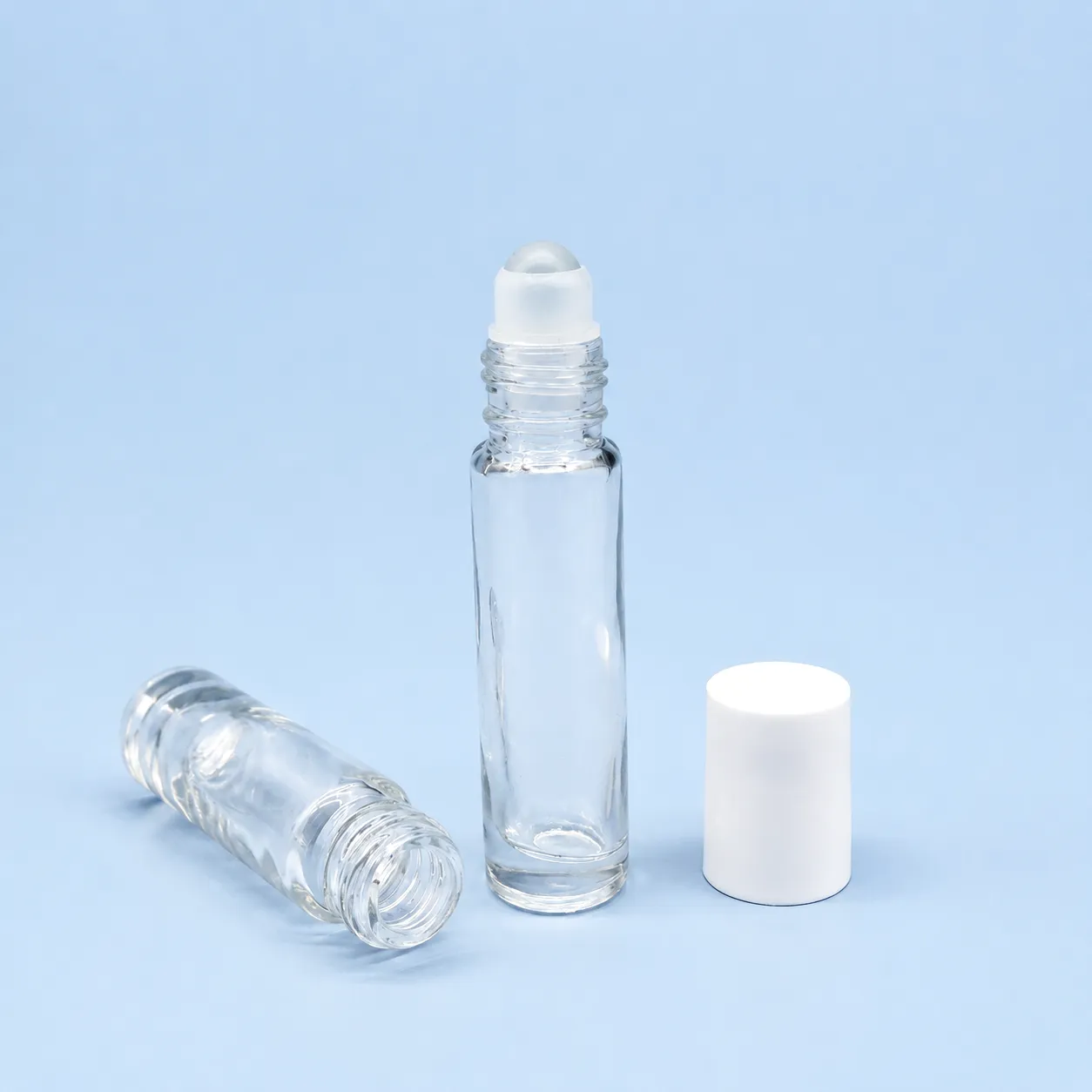 Travel retail and online gift channels have further increased demand for small-format roller-ball and sample vials. These components require precise metering necks and thin yet uniform walls that resist cracking during air freight and consumer handling. An injection-blow molding machine produces such items in multi-cavity configurations while keeping residual stress low enough to avoid stress-whitening under cold-chain conditions. Contract manufacturers serving both domestic and European export markets therefore specify the technology as a core capability when expanding capacity near major logistics hubs such as the East Midlands Airport corridor and the Port of Liverpool hinterland.
Ever Power Manufacturing Capability & Customisation
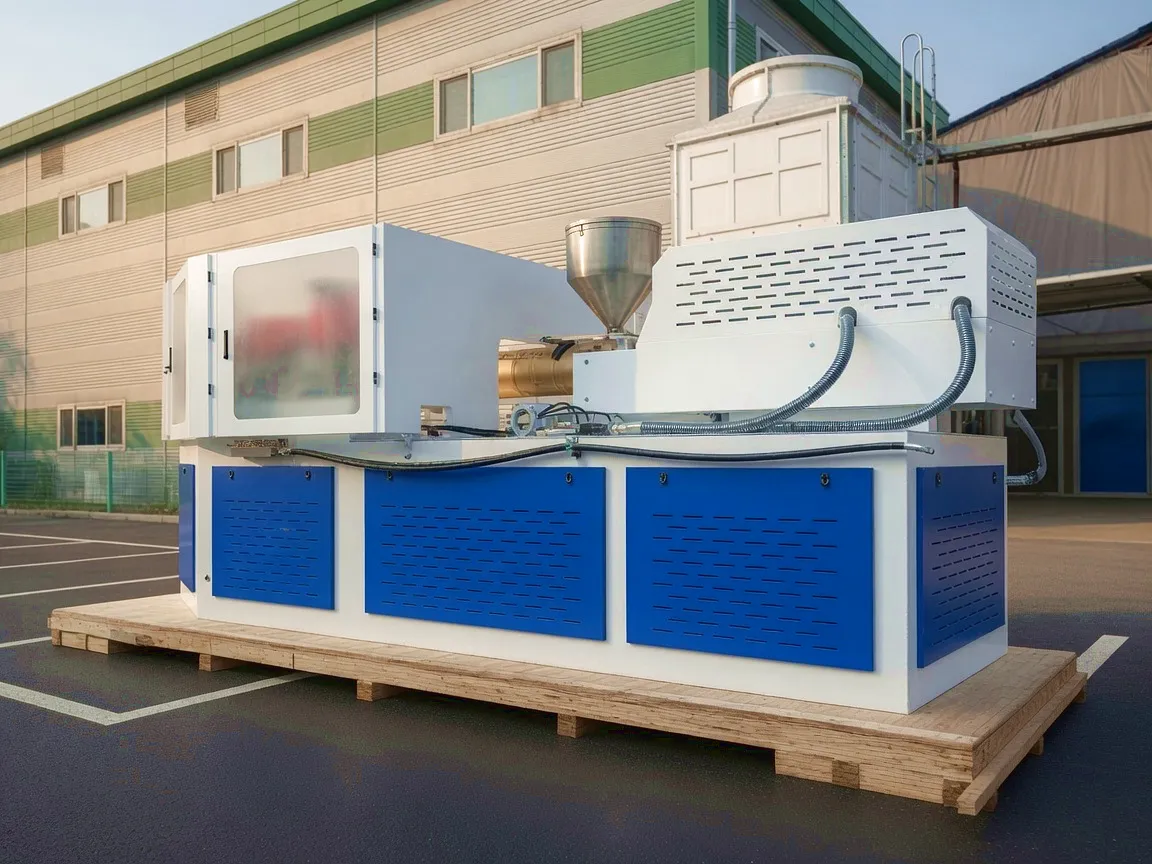
Ever Power operates a fully integrated manufacturing campus dedicated to the design, machining, assembly and testing of injection-blow molding machines. Frame fabrication, precision grinding of tie bars, screw and barrel manufacture, and final electrical integration are performed under one quality-management system. This vertical control allows rapid engineering changes when a UK customer requires a non-standard cavity pitch, higher clamp force or specialised core-rod coatings for abrasive colour masterbatches. Customisation extends to the integration of downstream leak testers, vision systems and robotic take-out units so that the complete cell arrives as a turnkey package ready for connection to existing filling lines in Birmingham or Sheffield facilities.
Supply-chain resilience is maintained through dual sourcing of critical electronic and hydraulic components together with strategic buffer stocks of high-wear items such as core rods and sealing rings. Every machine undergoes a multi-day factory acceptance test that includes continuous production of the customer’s actual bottle design, giving British buyers documented evidence of cycle time, weight consistency and optical quality before shipment. After-sales support includes remote diagnostic access, UK-stocked spare parts and field engineers familiar with the regulatory and safety expectations of British manufacturing sites. These capabilities have made Ever Power a preferred partner for converters seeking both standard and highly customised injection-blow solutions.
Customer Success Story – West Midlands Fragrance Converter
A long-established contract packer based in the Birmingham area specialising in prestige fragrance and body-care products faced rising demand for PETG perfume bottles in the 50 ml to 150 ml range together with matching travel-size vials. Their existing two-stage stretch-blow equipment generated higher scrap during colour changes and struggled to maintain the neck-finish accuracy required by the latest European spray pumps. After a detailed process audit, the company selected an Ever Power ZQ60 series injection-blow molding machine configured with eight cavities and integrated vision inspection. Installation and commissioning were completed within an agreed four-week window, including operator training and validation of three key bottle families.
Within the first three months of production the converter recorded a 22 percent reduction in material waste, a 15 percent improvement in overall equipment effectiveness and the ability to accept shorter lead-time orders from major UK fragrance houses. Weight variation across a production lot fell below 0.4 percent, and the optical clarity of clear PETG bottles consistently met the brand owners’ light-transmission specifications. The same cell now also runs limited-edition tinted polycarbonate containers for seasonal campaigns without requiring additional capital equipment. The project demonstrated that a carefully specified injection-blow molding machine can simultaneously raise quality, lower unit cost and increase commercial flexibility for British packaging manufacturers.
★★★★★
“The ZQ60 delivered the neck accuracy and clarity we needed for our prestige fragrance lines. Ever Power’s customisation of the core-rod set and the on-site training made the transition seamless.”
— Production Director, OEM Manufacturer from the Midlands
★★★★★
“Cycle times and scrap rates improved beyond our original projection. The machine has become the backbone of our travel-size vial programme for UK and European retail.”
— Technical Manager, Contract Packer near Birmingham
★★★★★
“Ever Power’s engineering team responded quickly to our request for a special cavity layout. After-sales support and spare-parts availability have been reliable throughout the first year.”
— Operations Lead, Fragrance Packaging Specialist, UK
Featured Injection-Blow Molding Machine Models
Replacement of SUMA 65iB Injection Blow Molding Machine – ZQ60
Higher clamp force and larger injection volume for multi-cavity production of 50 ml–200 ml PETG perfume bottles and body spray containers. Ideal for UK converters requiring output flexibility and rapid colour change.
Replacement of SUMA 40ib Injection Blow Molding Machine – ZQ40
Compact footprint and efficient energy use for travel-size vials, roller-ball bottles and smaller fragrance containers. Suited to processors in Sheffield and the Midlands seeking reliable single-stage performance.
Frequently Asked Questions
What is the typical price range for an injection-blow molding machine suitable for UK perfume bottle production?
Investment level depends on cavity count, clamp force and the degree of automation required. Entry-level four-cavity systems for travel-size vials start at a lower capital outlay, while higher-output ZQ60 configurations with vision inspection and robotic take-out command a correspondingly higher figure. Ever Power provides detailed quotations after reviewing the exact bottle drawings and annual volume targets of each UK customer.
How does an injection-blow molding machine reduce scrap rates compared with two-stage stretch-blow systems in Birmingham facilities?
Because the preform is formed and blown in a continuous thermal window, material distribution is more consistent and start-up waste is lower. Colour-change losses are also reduced since there is no large bank of preforms to purge. UK converters typically report measurable improvements in material yield within the first production quarter after installation.
Which injection-blow molding machine model is recommended for small-batch cologne containers produced near Sheffield?
The ZQ40 series offers an excellent balance of footprint, energy use and change-over speed for smaller cavity counts and frequent short runs. Its lower clamp force is still sufficient for the majority of 30 ml–100 ml cologne and body-spray designs while keeping operating costs attractive for regional contract packers.
Where can UK fragrance packaging companies obtain a formal quotation for a customised injection-blow molding machine?
Technical enquiries and quotation requests should be directed to [email protected]. The engineering team will review bottle drawings, resin specifications and desired output rates before preparing a detailed commercial and technical proposal tailored to the customer’s Midlands or northern England site.
How long does installation and commissioning of an Ever Power injection-blow molding machine usually take at a UK plant?
From arrival on site to validated production, the typical programme is three to five weeks depending on the complexity of downstream integration and the number of bottle families to be qualified. Pre-shipment factory acceptance testing shortens the on-site phase and reduces risk for British manufacturers operating tight launch schedules.
What maintenance schedule should operators in the West Midlands follow for an injection-blow molding machine running PETG?
Daily checks of core-rod lubrication, air-filter condition and hydraulic oil level are recommended. Weekly inspection of heater bands and monthly verification of clamp parallelism keep the machine within original performance tolerances. Ever Power supplies detailed preventive-maintenance charts matched to the duty cycle of fragrance packaging plants.
Can an injection-blow molding machine process both PETG and polycarbonate for UK luxury fragrance brands?
Yes. Screw and barrel designs used by Ever Power accommodate both polymers with only temperature-profile and injection-speed adjustments. Many UK converters therefore run clear PETG daytime production and switch to tinted polycarbonate for limited-edition evening or weekend campaigns on the same machine.
Who supplies reliable after-sales spare parts and technical support for injection-blow molding machines across the UK?
Ever Power maintains a European logistics hub that stocks high-wear items such as core rods, seals and heater bands for rapid delivery to British customers. Remote diagnostic access and field engineers familiar with UK safety standards complete the support package.
edit by gzl