Ever Power Industrial Machinery
Injection-Blow Molding Machine: Applications, Technology & Why UK Manufacturers Choose IBM
A comprehensive technical guide for British and global B2B buyers across healthcare, packaging, cosmetics, and precision manufacturing sectors.
What Is an Injection-Blow Molding Machine and Why Does It Matter?
How the Injection-Blow Molding Process Works: Step by Step
Injection Stage
Molten polymer — typically PET, HDPE, PP, or PC — is injected under high pressure into a precision injection mould. The parison (preform) is formed around a core rod, with the neck geometry produced to final tolerances at this stage. No secondary neck finishing is required.
Transfer Stage
The core rod, carrying the hot preform, rotates on the indexing plate to the blow station. Temperature is managed carefully during transfer to maintain the polymer above its glass transition temperature, ensuring uniform blow-out without stress whitening or localised thinning.
Blow Stage
Compressed air inflates the preform within a chilled blow mould. Wall thickness distribution is controlled by the core rod profile and blow pressure, typically 6–12 bar. Container geometry, shoulder contour, and base design are all defined by the blow tool, allowing complex shapes without secondary operations.
Ejection Stage
The finished container is stripped from the core rod and conveyed directly to downstream inspection or filling. Because the IBM cycle generates no flash or sprue on the container body, labour costs for trimming are eliminated, and inline vision systems can inspect 100% of output without slowing the line.
Core Materials Processed by Injection-Blow Molding Machines
Core Advantages of Injection-Blow Molding Machines
◆
Net-Shape Neck Geometry
The injection station defines neck threads, inner diameter, and sealing surface in a single shot. Dimensional tolerances of ±0.05 mm are routinely achievable, enabling leak-free closure fitment across rotary filling lines running at 200+ containers per minute.
◆
Zero Flash on Container Body
Unlike extrusion-blow molding, the IBM process generates no parting-line flash on the container sidewall. This eliminates downstream trimming stations, reduces scrap rates by 8–15% compared with EBM equivalents, and produces surfaces suitable for direct screen-printing or sleeve-label application without pre-treatment.
◆
Superior Wall Thickness Uniformity
The core rod controls wall distribution from the inside, working in concert with blow pressure to achieve coefficient of variation values below 4% across the container sidewall. Consistent wall thickness translates directly to predictable drop-test performance and reliable top-load strength on automated filling and capping lines.
◆
Compact Footprint, High Output
Ever Power IBM machines combine injection and blow functions in one machine frame, reducing floor space requirements by 25–40% compared with a tandem injection-plus-EBM layout. Cavitation from 2 to 6 stations maximises output per square metre of production hall — a significant advantage in the tightly constrained factory units common across Birmingham and Manchester industrial estates.
◆
Regulatory Compliance Ready
Closed-mould forming minimises airborne particulate exposure during the critical preform-to-container transition. This process characteristic, combined with all-electric clamping options available on Ever Power machines, supports GMP clean-room integration and satisfies MHRA, EU GMP Annex 1, and FDA 21 CFR Part 11 data integrity requirements for pharmaceutical packaging lines.
◆
Energy Efficiency
Servo-hydraulic and all-electric drive platforms on modern IBM machines cut energy consumption by 30–55% compared with early-generation hydraulic-only designs. For UK manufacturers navigating energy cost pressures and net-zero commitments, this operational efficiency translates to both cost savings and improved carbon reporting metrics under the Streamlined Energy and Carbon Reporting (SECR) framework.
Technical Performance Parameters: Injection-Blow Molding Machine
The following table summarises the principal technical parameters across the Ever Power IBM range, covering the two flagship models. Specifications reflect standard configurations; custom parameters are available on request from the Ever Power engineering team.
| Parameter | ZQ80 IBM | ZQ110 IBM | Unit / Note |
|---|---|---|---|
| Clamping Force | 800 | 1100 | kN |
| Injection Volume (max) | 180 | 260 | cm3 |
| Container Volume Range | 5 – 500 | 10 – 1000 | ml |
| Blow Pressure | 0.6 – 1.2 | 0.6 – 1.2 | MPa |
| Cycle Time (typical) | 4 – 9 | 5 – 12 | seconds |
| Cavitation (standard) | 2 / 4 / 6 | 2 / 4 / 6 | cavities per station |
| Screw Diameter | 40 / 45 | 50 / 55 | mm (PET / HDPE configs) |
| Neck Diameter Range | 13 – 45 | 18 – 60 | mm |
| Wall Thickness Tolerance | ±0.05 | ±0.05 | mm |
| Drive System | Servo-Hydraulic / All-Electric | Servo-Hydraulic / All-Electric | configurable |
| Compatible Materials | PET, HDPE, PP, PC, COC | PET, HDPE, PP, PC, COC, LDPE | resin-specific screw |
| Machine Footprint (L x W) | 3.6 x 1.8 | 4.2 x 2.0 | m |
| Total Power (servo model) | 22 | 30 | kW |
| Control System | PLC + HMI touchscreen | PLC + HMI touchscreen | remote diagnostics optional |
Application Scenarios: Where IBM Technology Delivers
From sterile ophthalmic filling suites in Cambridge to high-speed FMCG packaging lines in Birmingham — injection-blow molding machines serve the full spectrum of British manufacturing.
Application Scenario 1: Healthcare and Ophthalmology — Eye-Drop Bottles, Nasal Sprays, and Sterile Irrigation Containers
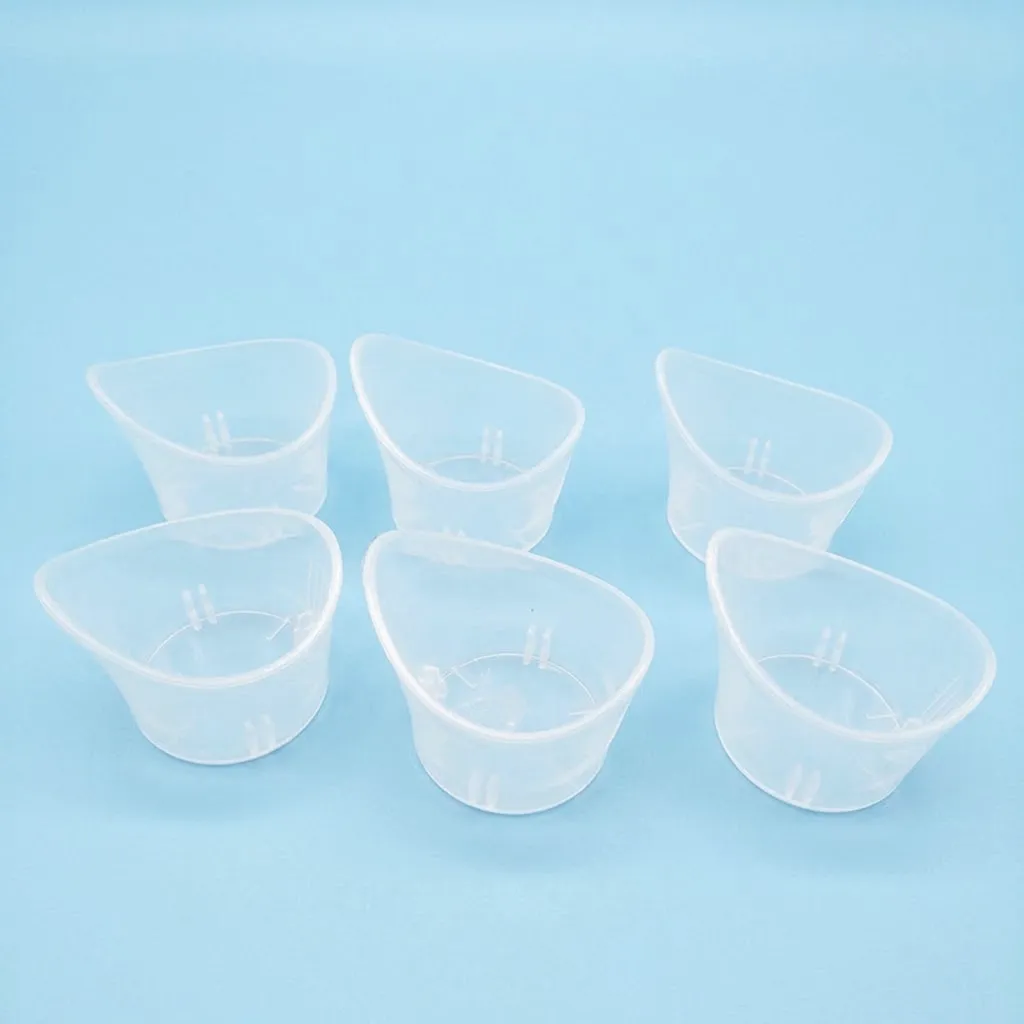
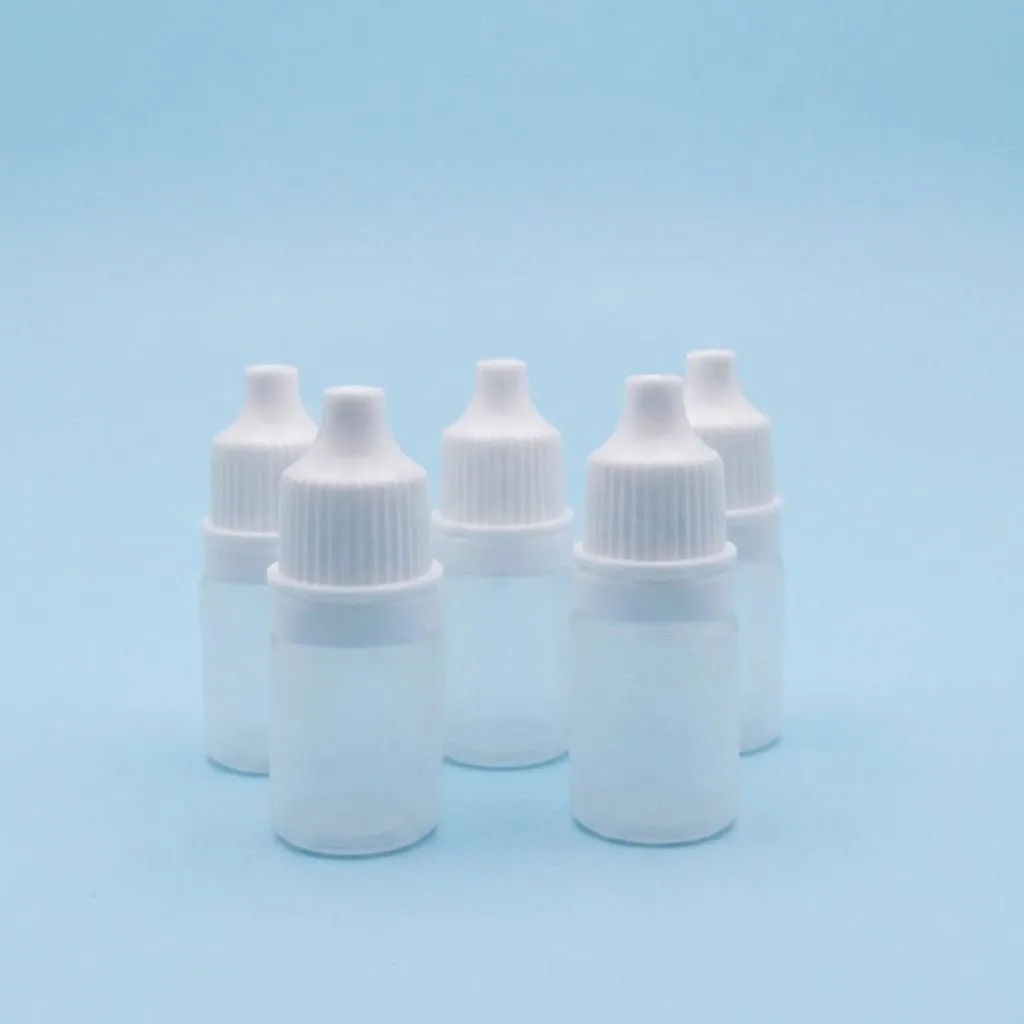
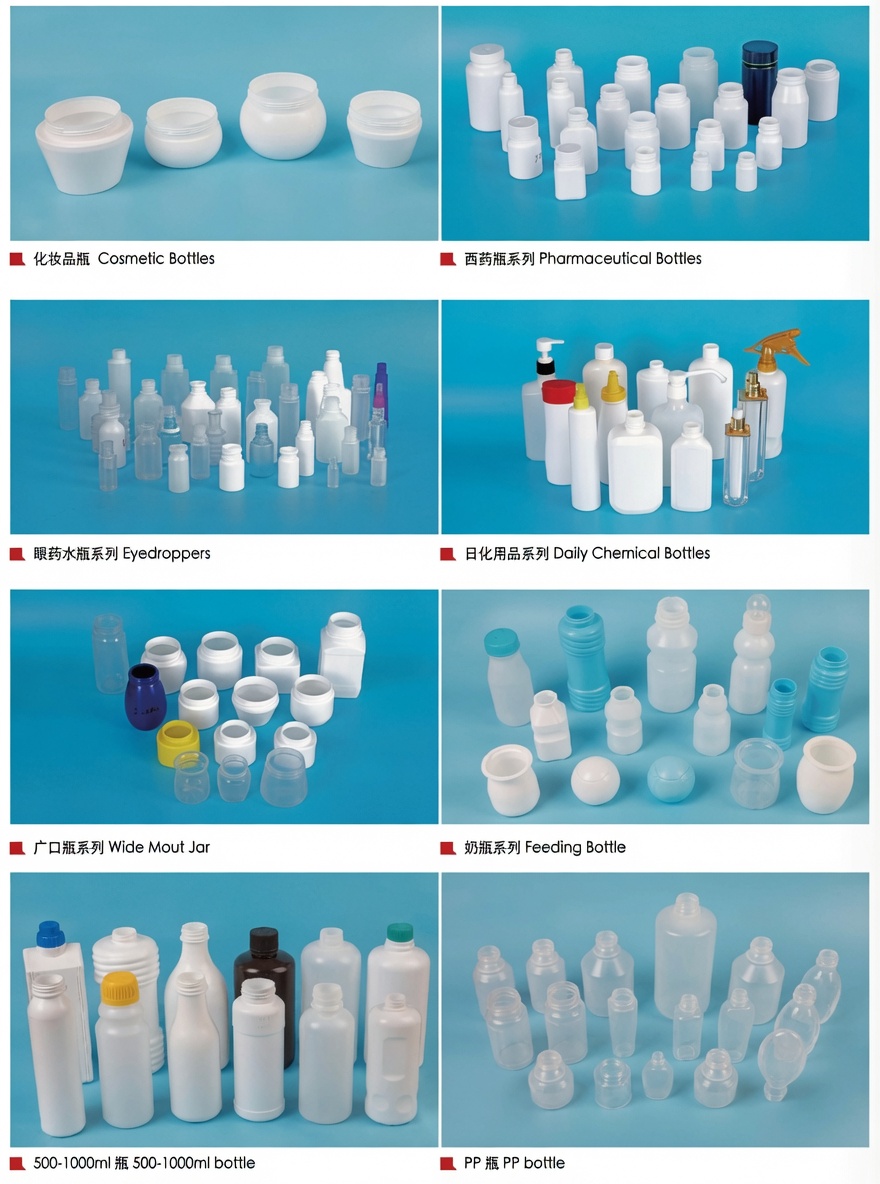
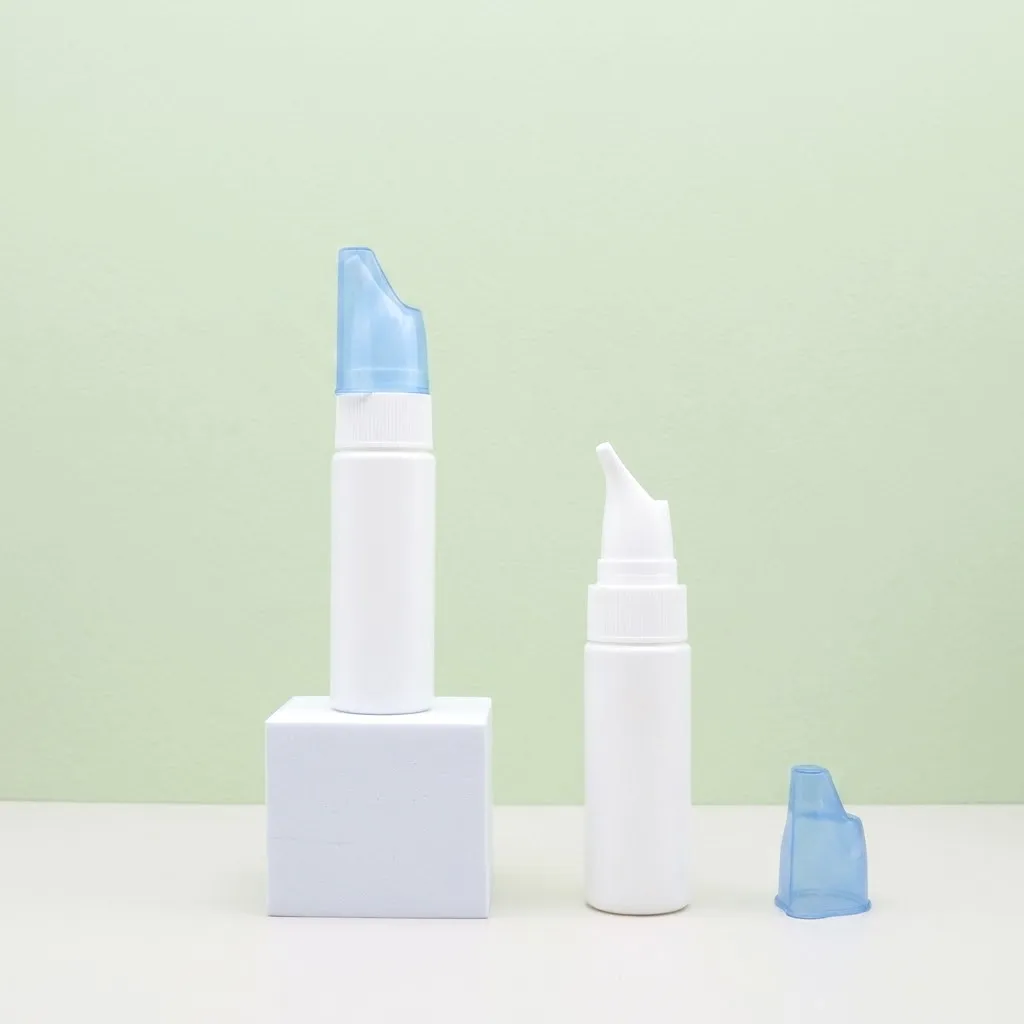 Healthcare packaging represents the most demanding tier of injection-blow molding applications. Containers that make direct contact with ophthalmic or nasal mucosa must satisfy pharmacopoeial requirements for extractables, leachables, particulate contamination, and sterility assurance. The IBM process is the dominant technology platform for this segment because its closed-mould forming characteristic inherently minimises airborne contamination exposure during the critical hollow-body formation step — a quality attribute that open-mould extrusion-blow systems fundamentally cannot replicate.
Application Scenario 2: Cosmetics and Personal Care — Premium Bottle and Container Production
 The cosmetics and personal care sector in the United Kingdom — centred on major retailers and brand houses headquartered in London, and distributed through logistics networks operating from the East Midlands and Northampton — demands packaging that performs as beautifully as it looks. IBM containers in PET achieve glass-like optical clarity with Haze values below 2%, positioning them as the go-to choice for premium serums, micellar waters, toners, and luxury bath products where visual shelf appeal directly drives purchase decisions.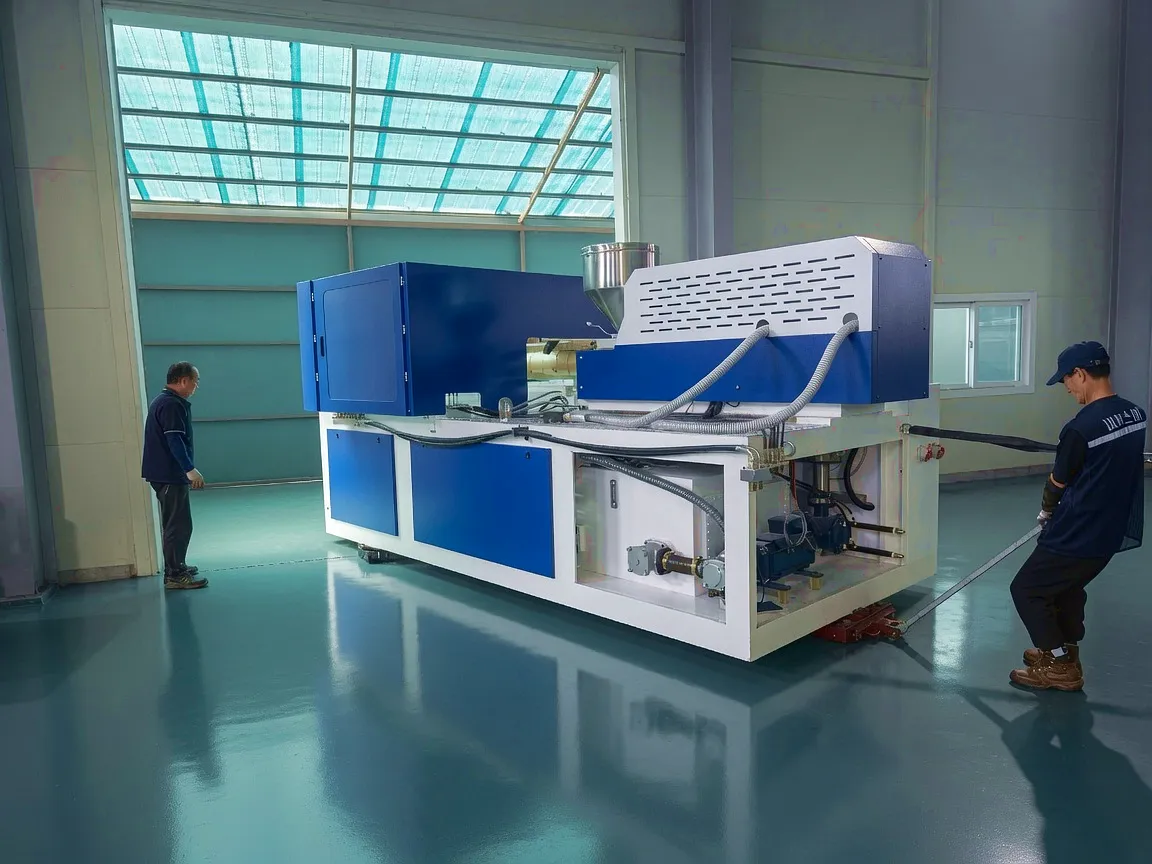
Application Scenario 3: Food and Beverage — Condiment Bottles, Juice Containers, and Dairy Packaging
The food and beverage sector generates some of the highest-volume demand for injection-blow molding machines, particularly in the 30 ml–300 ml container size range where portion control, product visibility, and tamper evidence are simultaneously important. In the United Kingdom, major food manufacturers and private-label contract packers operating from sites in the East Midlands food production corridor — stretching from Nottingham through to Northampton — depend on IBM technology to produce condiment squeeze bottles, concentrated cordial containers, and premium salad dressing vessels that meet both Trading Standards labelling surface requirements and BRC Global Standard for Packaging Materials audits.
Hot-fill applications requiring containers to withstand filling temperatures of up to 88 degrees Celsius are addressed through heat-set PP grades processed on dedicated barrel configurations. The IBM process delivers the wall uniformity needed for consistent headspace management in aseptically filled juice products — a specification that extrusion-blow containers routinely fail under accelerated shelf-life testing. Dairy applications including yoghurt drink bottles and flavoured milk containers benefit from HDPE IBM production where consumer-perceived quality is strongly associated with container rigidity and neck-finish consistency.
Container lightweighting is an active development area across UK food packaging, driven by EPR (Extended Producer Responsibility) regulations and retailer sustainability commitments. Ever Power IBM machine engineers collaborate directly with clients to develop thin-wall container designs that maintain top-load and drop-test performance while reducing resin usage by 12–20% per container — measurable savings that contribute directly to clients sustainability reports and retailer scorecards.
Application Scenario 4: Household Chemicals and Agrochemicals — Cleaner and Pesticide Containers
Household cleaning products, garden pesticides, and automotive care formulations impose rigorous chemical resistance and seal-integrity demands on their packaging. In Sheffield and Leeds — both major UK chemical distribution hubs — manufacturers and contract fillers specify IBM HDPE containers precisely because the net-shape closure geometry enables positive child-resistant closure engagement that cannot be compromised by parting-line irregularities. CRC (child-resistant closure) compliance under EN ISO 8317 is non-negotiable in the UK domestic cleaning category, and IBM-produced containers achieve the dimensional consistency for CRC fitment that less precise manufacturing methods simply cannot guarantee across millions of units.
Agrochemical containers benefit from IBM HDPE in a different way: the material barrier against aromatic hydrocarbons and ester-based solvents in modern herbicide formulations exceeds that of thin-wall extrusion-blow alternatives, reducing permeation loss and extending shelf-life compliance periods. Ever Power IBM machines configured for natural HDPE and pigmented HDPE co-processing deliver the consistent neck geometry that enables induction-sealed foil barriers — a tamper-evidence and preservation requirement common across the UK agrochemical distribution chain.
Application Scenario 5: Laboratory, Diagnostics, and Veterinary — Reagent Bottles and Sample Containers
Diagnostic reagent containers, point-of-care device consumables, and laboratory sample storage bottles form a growing and technically demanding segment for injection-blow molding machine producers. UK in-vitro diagnostic (IVD) manufacturers — concentrated particularly around Cambridge’s life sciences cluster and the Oxfordshire MedCity corridor — require reagent bottles with tight volume accuracy, excellent chemical compatibility with buffered saline, alcohol-based reagents, and enzyme solutions, and neck geometry that enables automated liquid handling integrations. IBM polypropylene containers consistently outperform injection-moulded prefilled formats on cost, while delivering the dimensional repeatability that robotic pipetting systems require.
Veterinary packaging represents an adjacent application that UK IBM producers increasingly address. Livestock treatment solutions, equine care products, and companion animal medications are packaged in HDPE and PP IBM containers that must withstand rural storage conditions, repeated openings, and the chemical aggressiveness of antiparasitic and antibiotic formulations. Ever Power works with veterinary pharmaceutical clients to qualify containers against Veterinary Medicines Directorate (VMD) packaging requirements, combining material selection guidance with machine configuration optimisation to achieve batch-to-batch consistency across multi-year supply agreements.
Ever Power Featured IBM Machine Models
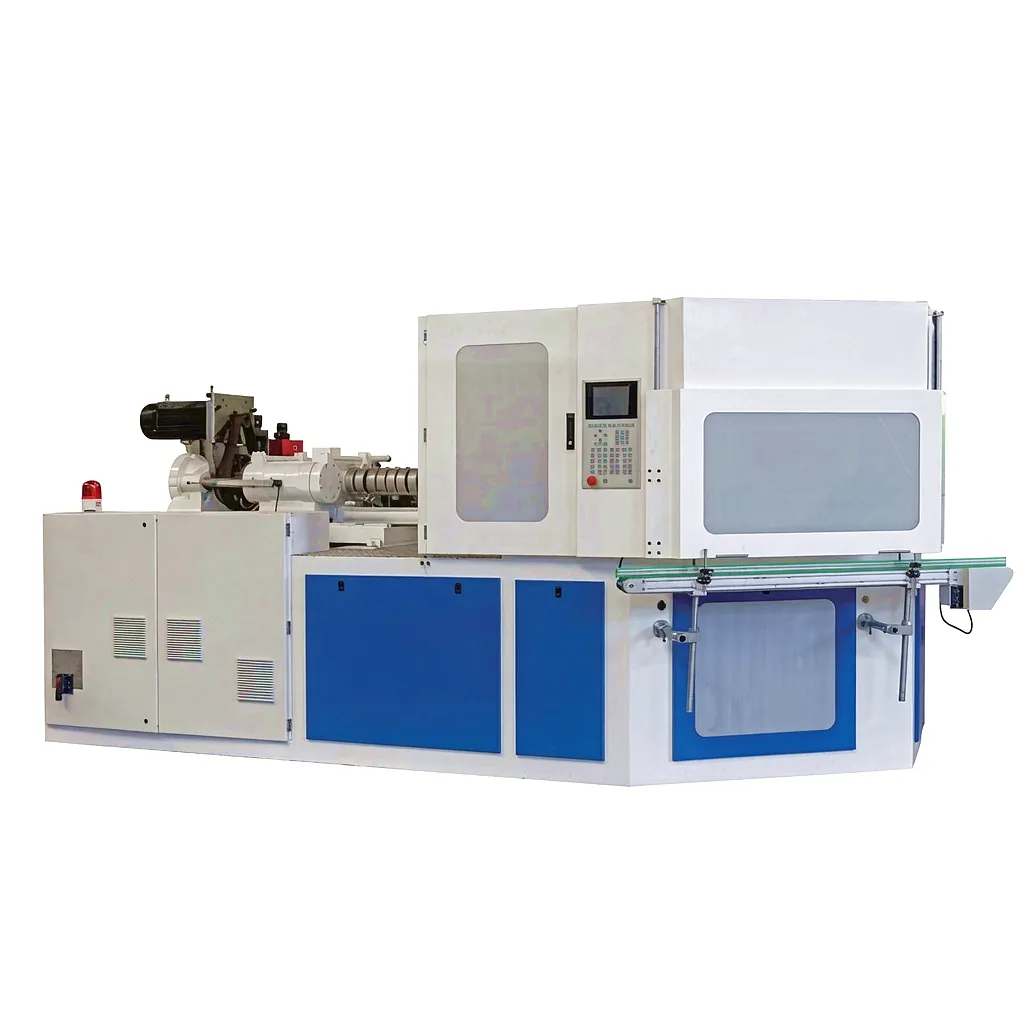
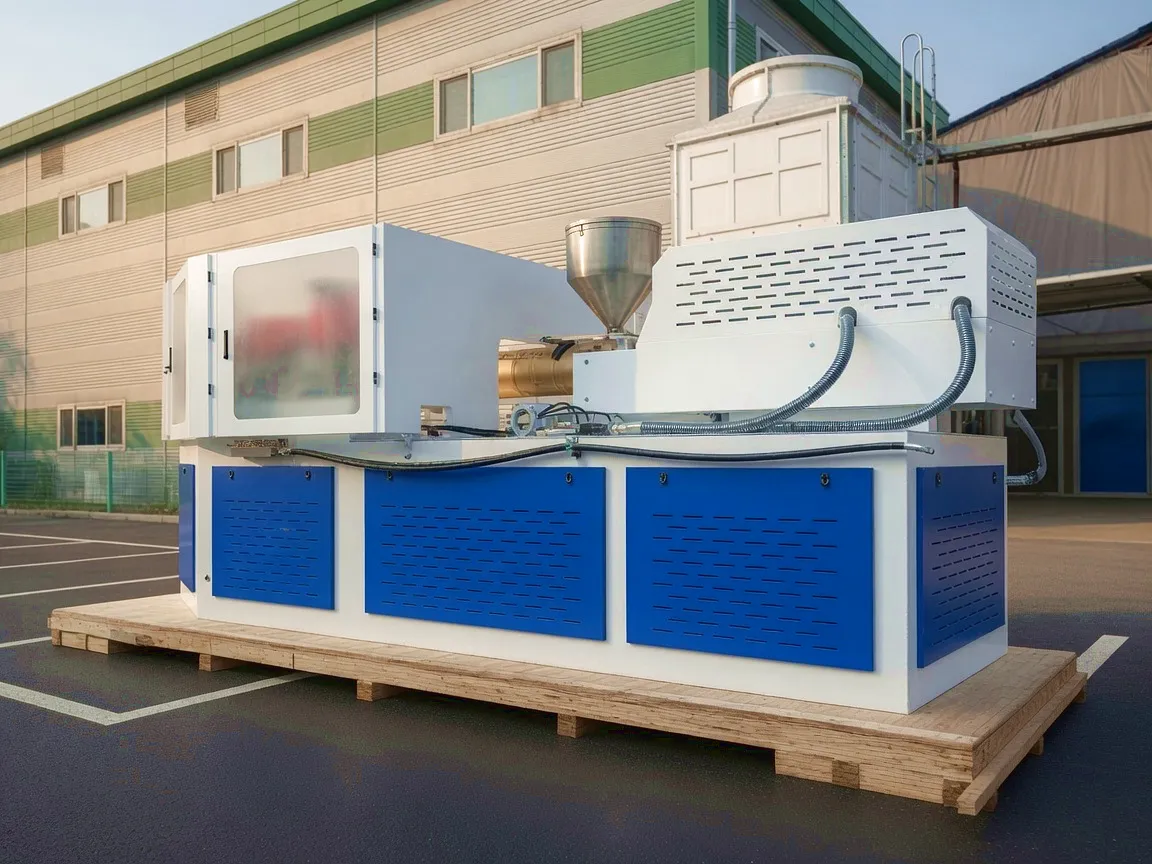
ZQ80 Injection Blow Molding Machine
The ZQ80 is Ever Power’s mid-range IBM workhorse, delivering 800 kN clamping force and a container range of 5–500 ml. Servo-hydraulic drive reduces cycle energy by up to 35% versus conventional hydraulic designs. Ideal for pharmaceutical dropper bottles, cosmetic serums, and food condiment containers. Rapid mould changeover under 90 minutes supports UK contract packers managing multi-SKU schedules.
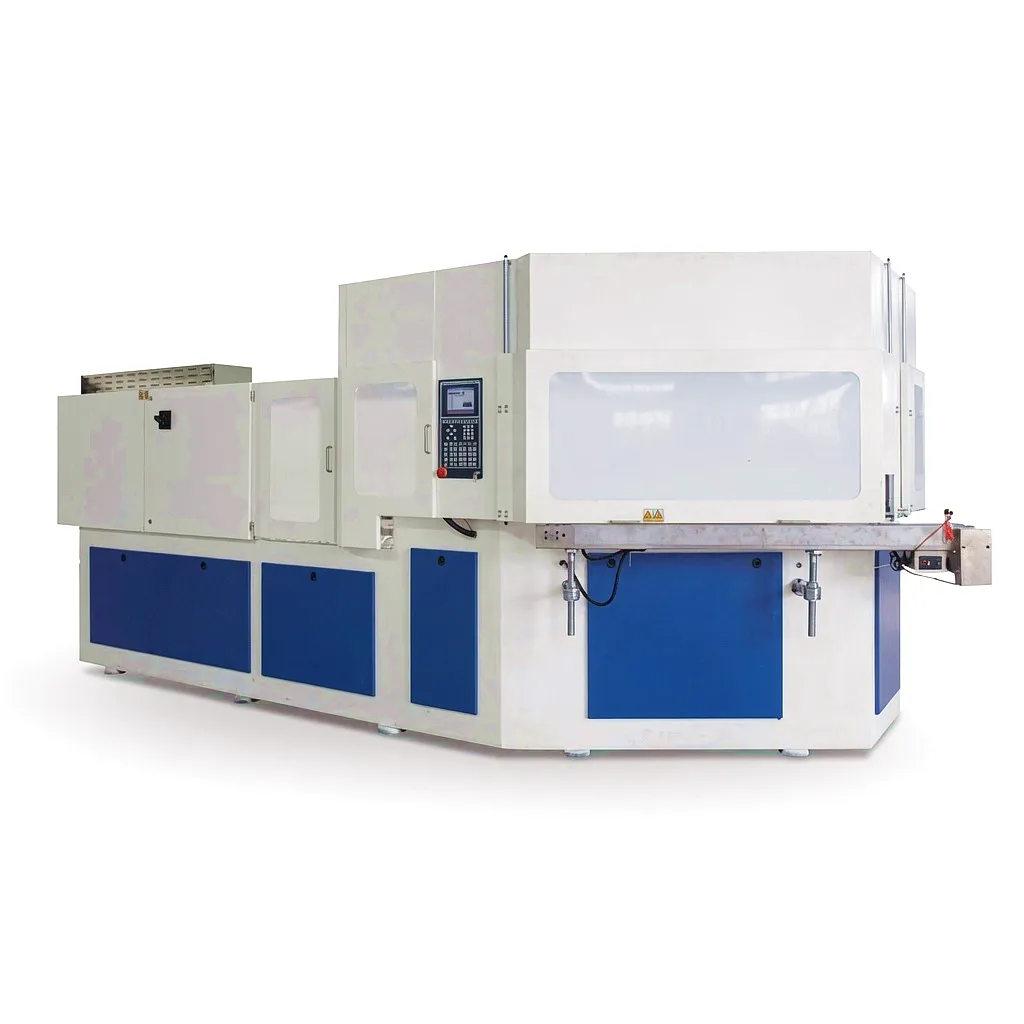
ZQ110 Injection Blow Molding Machine
Stepping up to 1100 kN clamping force, the ZQ110 addresses larger container formats from 10 ml to 1000 ml with expanded cavitation options and a wider neck-diameter range of 18–60 mm. The all-electric drive option delivers whisper-quiet, repeatable operation suited to cleanroom pharmaceutical environments. Preferred by UK diagnostics manufacturers and high-output cosmetics producers who need throughput above 3,600 containers per hour.
Ever Power: Precision Manufacturing and Customisation for the UK Market
Ever Power has invested over two decades in developing injection-blow molding machine technology that bridges the gap between research-grade performance and industrial production economics. The company’s manufacturing campus spans more than 35,000 square metres and operates to ISO 9001:2015 quality management standards, with machining tolerances on critical components — core rods, injection barrels, indexing plates — maintained at ±0.01 mm through in-process CMM verification. This level of manufacturing rigour is what allows Ever Power machines to achieve the ±0.05 mm wall thickness tolerance that pharmaceutical and ophthalmic clients in the UK require for process validation without secondary calibration interventions.
🔧 Custom Mould Design
In-house mould design and manufacture using P20, H13, and S136 tool steels. Mould flows analysed in Moldflow before cutting. UK clients submit 3D container files and receive validated mould designs within 15 working days.
🌎 Dedicated UK After-Sales
Remote diagnostic access through PLC network monitoring, next-business-day spare parts dispatch from the European parts stock, and on-site engineering support for commissioning and IQ/OQ protocols across all UK delivery sites.
⚙ Material-Specific Configuration
Screw geometries, barrel temperatures, and blow pressure curves are factory-configured for each client’s specified resin system. PET, HDPE, PP, PC, COC, and LDPE configurations are standard; unusual resin grades can be trialled at the Ever Power materials laboratory before machine specification is finalised.
Customisation is not an add-on at Ever Power — it is embedded in the standard quotation process. Every injection-blow molding machine order begins with a detailed application engineering review covering container geometry, production rate targets, cleanroom requirements, downstream integration points, and resin supplier specifications. The outcome is a machine configuration that arrives on the client’s floor ready to run rather than requiring extensive field adjustment, reducing time-to-first-production from the typical 3–5 weeks to 5–10 days for experienced operators.
Customer Success Story: Birmingham Pharmaceutical Packager Achieves GMP Compliance with Ever Power ZQ80
📍 Birmingham, West Midlands, UK — Pharmaceutical Packaging Manufacturing
Midland MediPack Ltd, a contract pharmaceutical packaging manufacturer operating from a 4,500 square metre production facility in Birmingham’s Aston district, faced a critical business challenge in early 2024. Their existing extrusion-blow molding equipment was producing eye-drop bottles with neck diameter variation of ±0.22 mm — a tolerance that consistently triggered closure torque failures during automated capping trials for a major NHS ophthalmic product supply contract. With the contract requiring MHRA-audited GMP compliance and batch traceability to 21 CFR Part 11 standards, the existing machinery presented an unacceptable risk to a supply agreement valued at over GBP 1.8 million annually.
After evaluating four IBM machine suppliers, Midland MediPack selected two ZQ80 injection-blow molding machines from Ever Power, specifying the all-electric drive option and a PLC configuration capable of exporting batch production records in GAMP5-compliant electronic format. Ever Power’s application engineering team completed an on-site pre-installation survey at the Birmingham facility and coordinated mould qualification in parallel with machine manufacture, ensuring that IQ and OQ protocols could commence within 48 hours of machine installation. The complete project — from purchase order to first validated production batch — was completed in 14 weeks, enabling Midland MediPack to meet the NHS supply contract start date with one week of contingency to spare.
Post-installation measurement data showed neck diameter variation reduced to ±0.04 mm, exceeding the ±0.08 mm validation target. Scrap rate on the ophthalmic bottle line fell from 4.7% to 0.6%, and the line OEE (Overall Equipment Effectiveness) measured 87.3% in the first full production quarter — well above the 75% benchmark for GMP pharmaceutical packaging environments. The Birmingham site has since placed a follow-on order for a ZQ110 unit to support expansion into nasal spray container manufacturing for the same NHS contract portfolio.
★★★★★
“The neck diameter consistency on the ZQ80 is genuinely unlike anything we had experienced with extrusion-blow equipment. Our capping validation passed first time with zero retesting — something that took three attempts on our previous machinery. The Ever Power engineering team understood our GMP documentation requirements from day one, which saved us at least three weeks of project time.”
— Operations Director, Midland MediPack Ltd, Birmingham
★★★★★
“We specified the servo-electric drive after reviewing our energy cost projections, and the savings have exceeded the forecast. Running two ZQ80 machines on our Birmingham site, we are seeing a 38% reduction in packaging line electricity consumption versus our old hydraulic blow-moulders. That is a material contribution to our annual SECR carbon report and our net-zero 2035 roadmap.”
— Engineering Manager, Midland MediPack Ltd, Birmingham
★★★★★
“The customisation process with Ever Power was thorough and genuinely collaborative. They trialled our specific PET grade at their materials laboratory before finalising the screw design, which meant there were no plasticising surprises when we started production. For a company that has ordered from two other IBM suppliers in the past, this level of pre-delivery engineering support is noticeably different — and it has translated directly into faster ramp-up and lower consumable costs.”
— Quality Assurance Manager, Midland MediPack Ltd, Birmingham
Frequently Asked Questions About Injection-Blow Molding Machines in the UK
Q How much does an injection-blow molding machine cost for a pharmaceutical packaging line in the UK?
Q What is the difference between an injection-blow molding machine and an injection-stretch-blow molding machine when producing PET bottles for UK food manufacturers?
Q Which UK industries are currently seeing the highest demand for injection-blow molding machines and what is driving that growth?
Q How long does it typically take to receive and commission an injection-blow molding machine ordered from Ever Power for a manufacturing site in Sheffield or Birmingham?
Q Where can I find a reliable supplier of injection-blow molding machines that offers customisation services and can provide technical support for a UK-based ophthalmic container manufacturer?
Q What materials can an injection-blow molding machine process, and which resin is best for producing sterile medical containers that need to pass MHRA inspection?
Q How does the price of an injection-blow molding machine from a Chinese manufacturer like Ever Power compare with European alternatives for a UK buyer evaluating total cost of ownership?
Ready to Transform Your Container Production?
Tell the Ever Power application engineering team about your container geometry, resin, production volume, and regulatory requirements. We will come back to you with a machine specification, mould design concept, and UK-landed price within 48 hours.
edit by gzl