Injection-Blow Molding Machine Applications:
Pharmaceutical Packaging & Beyond
A technical deep-dive into how injection-blow molding machines are reshaping oral solid drug bottles, child-resistant closures, and amber pharmaceutical packaging across UK manufacturing.
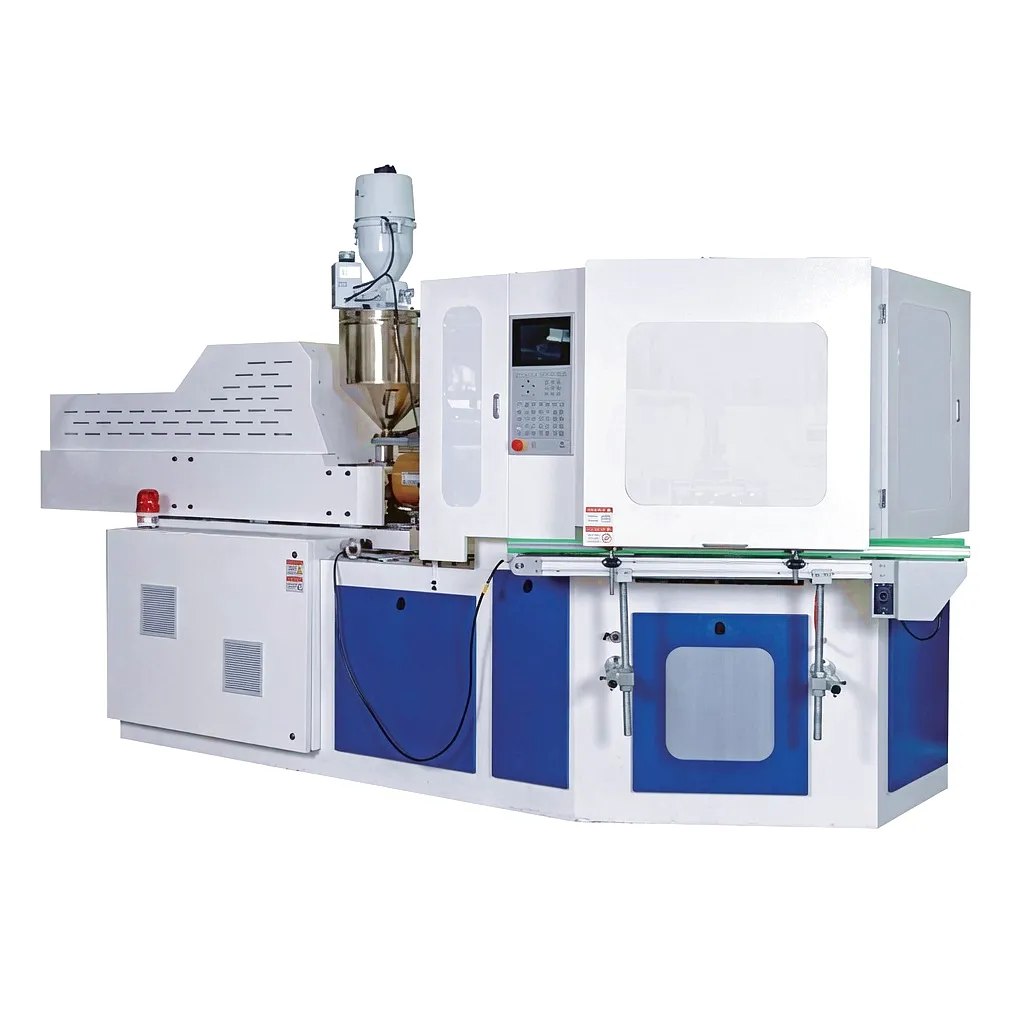 Few technologies in modern packaging production have matched the precision and versatility of the injection-blow molding machine. By combining the controlled dimensional accuracy of injection molding with the seamless hollow-form capability of blow molding, this process category has become indispensable to manufacturers who demand zero-tolerance containers at scale. The pharmaceutical sector, in particular, has come to rely on this technology not because it is simply convenient, but because it is genuinely irreplaceable for producing drug-contact-grade bottles where wall uniformity, neck-thread precision, and material integrity must meet exacting regulatory requirements.
How the Injection-Blow Molding Process Works
The injection-blow molding process operates across three mechanically integrated stages that execute in a continuous rotational cycle. In the first stage, molten polymer is injected around a core rod inside a precisely machined injection cavity. The material wraps around the core rod and takes the shape of a preform — a short, thick-walled tube with an already-finished neck ring. Crucially, the thread geometry, sealing surface, and dimensional tolerances of the bottle neck are set at this stage with injection-level accuracy, not approximated by a downstream blow operation. This is the defining mechanical advantage that separates the IBM process from extrusion-blow equivalents.
The preform, while still thermally conditioned and attached to the core rod, rotates to the blow station. Compressed air is introduced through the core rod, expanding the preform outward against the walls of a temperature-controlled blow mould. Because the material distribution was established during injection, wall thickness across the blown body is inherently more uniform than in extrusion-based methods. For pharmaceutical applications — where container weight variation must stay within tight specification bands to satisfy UK medicines regulators — this uniformity is not a cosmetic benefit but a compliance requirement.
After blow moulding, the container rotates to a stripping station, where the finished article is mechanically removed from the core rod. The part emerges with no flash, no weld lines, and no base pinch marks. In a pharmaceutical filling environment, this is significant: any surface irregularity that could trap particulate matter or harbour microbial contamination is eliminated by design, rather than managed by post-process inspection. Ever Power’s injection-blow molding machines run this three-station cycle with servo-driven indexing that maintains positional repeatability within ±0.05 mm per rotation, a specification that matters when producing narrow-mouth amber bottles where the bore diameter directly governs auto-dispenser compatibility.
Core Materials Used in Pharmaceutical Injection-Blow Molding
The dominant choice for oral solid drug bottles in the UK market. Pharmaceutical-grade PET offers excellent clarity, low moisture vapour transmission, and broad chemical resistance to the alcohols and surfactants used in bottle wash procedures. Its stiffness-to-weight ratio allows wall thicknesses as low as 0.4 mm while retaining structural integrity through the distribution chain. PET also accepts UV-stabiliser additives, enabling the production of amber-tinted variants without compromising the intrinsic properties of the base polymer.
Preferred for child-resistant cap-integrated bottles and liquid oral dosage containers, HDPE provides superior impact resistance at low temperatures, a property that becomes relevant during ambient winter storage conditions common across northern England and Scotland. Its wax-like surface chemistry creates a natural barrier against moisture ingress, critical for hygroscopic solid-dose forms. HDPE’s relatively low processing temperature reduces cycle energy consumption in continuous production, contributing to lower per-unit costs without sacrificing container performance.
Polypropylene is increasingly selected for bottles that require steam sterilisation compatibility or that will be filled at elevated temperatures. Its high softening point and excellent hinge-fatigue resistance — the property that allows snap-fit closures to open and close thousands of times without cracking — make it a natural fit for child-resistant mechanisms that rely on simultaneous squeeze-and-turn actuation. UK pharmaceutical manufacturers seeking containers that comply with EN ISO 8317 child-resistant packaging standards frequently specify PP to meet both structural and regulatory requirements.
Application Scenario: Pharmaceutical Packaging
Oral Solid Drug Bottles

Child-Resistant Cap Bottles
Amber Pharmaceutical Bottles
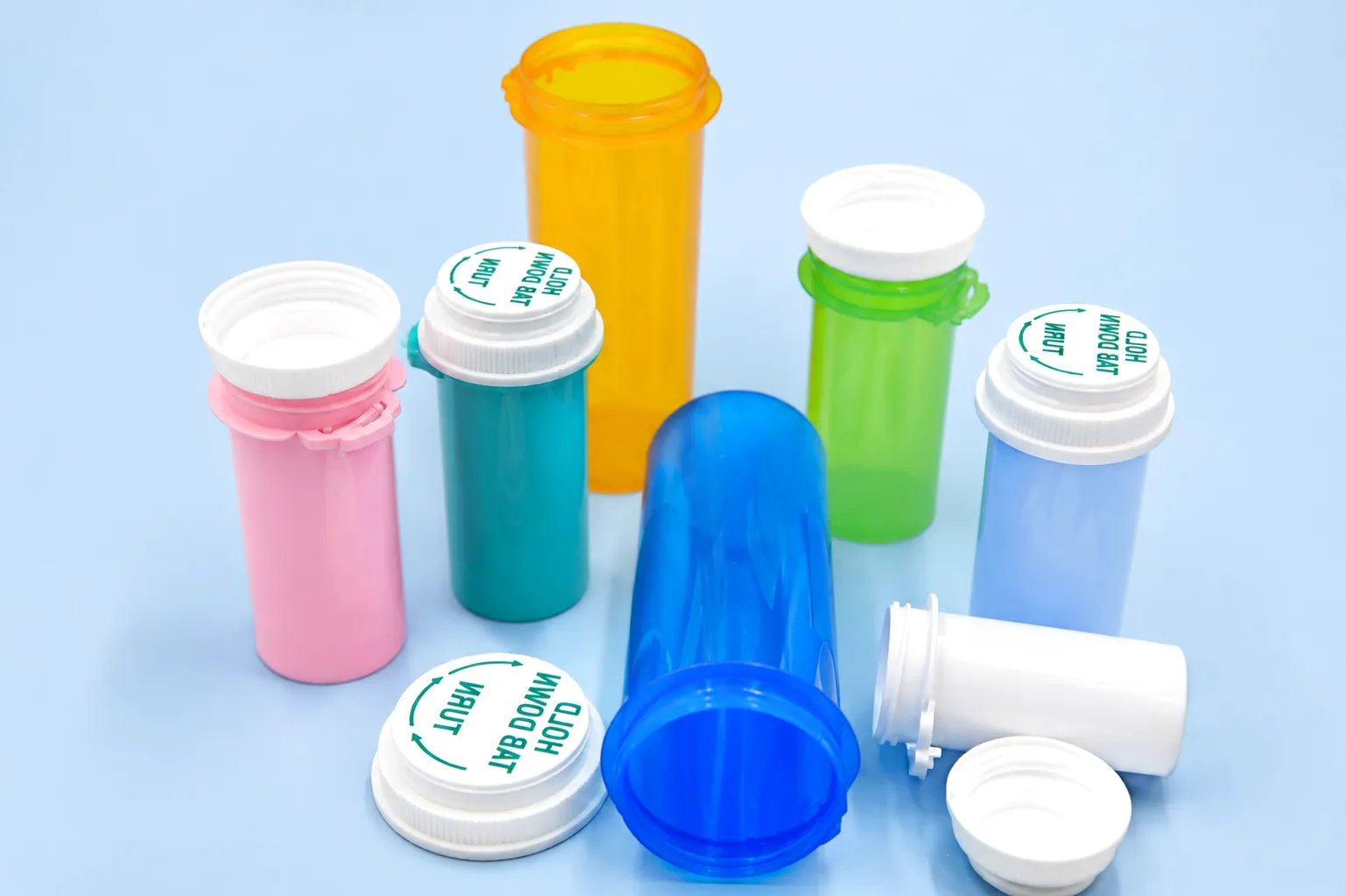
Light-sensitive active pharmaceutical ingredients — including many antibiotic formulations, photo-unstable vitamins, and certain analgesic preparations — require packaging that filters harmful UV and visible-light wavelengths. Amber-coloured bottles produced by injection-blow molding provide a quantifiable light-barrier performance, typically transmitting less than 10% of light at wavelengths between 290 nm and 450 nm when produced at the correct wall thickness using UV-absorbing amber colourant masterbatch.
The IBM process is particularly well-suited to amber bottle production because the colourant masterbatch is introduced in the injection stage, where it is thoroughly dispersed by the screw geometry of the injection unit. This produces a highly uniform colour distribution across the entire bottle body, without the streaking or concentration gradients that can occur in extrusion processes when pigment-rich melt streams encounter the die. Consistent amber density is not merely aesthetic: it is a batch release criterion in many UK pharmaceutical quality systems, where light transmission tests on empty containers form part of the container qualification protocol.
Distribution conditions within the UK — including ambient temperature fluctuations during road transport between manufacturing sites in Cheshire or Derbyshire and wholesale distribution depots in the Midlands — are factored into the structural specification of amber pharmaceutical bottles. Ever Power’s IBM machines allow independent control of injection barrel temperature zones and blow-mould cooling water flow rates, giving process engineers the flexibility to optimise crystallinity and wall-stress profiles in amber PET containers for both drop-impact resistance and light-barrier performance simultaneously.
Core Technical Advantages of IBM Machines
Every container exits the machine with a clean, seamless body — no parting-line flash to trim, no weld-line weakness to test. This eliminates a post-moulding inspection step and reduces the risk of particulate contamination in pharmaceutical fill environments, directly supporting GMP compliance.
Thread profiles and sealing surfaces formed in the injection cavity achieve dimensional accuracy equivalent to injection moulding. This is the decisive requirement for child-resistant closures, induction-seal liners, and dispensing fitments where sub-millimetre tolerances govern functional performance.
Blow expansion of an injection-formed preform distributes material more evenly than extrusion-blow alternatives. This consistency translates into predictable top-load strength across every bottle in a production batch, which is critical for column stacking in pharmaceutical warehouses and NHS distribution centres.
Ever Power IBM machines process PET, HDPE, PP, and engineering grades such as PC and PETG on the same platform with material changeover in under 45 minutes. This flexibility supports a broad range of pharmaceutical sub-categories on a single asset without additional capital investment.
Because no sprue or flash material is generated, polymer utilisation efficiency on IBM machines routinely exceeds 98%. In an era of rising medical-grade polymer costs — a pressure keenly felt by UK packaging manufacturers post-2022 — this material efficiency advantage compounds rapidly at high production volumes.
Ever Power’s IBM machines use closed-loop servo drives on all primary axes, reducing energy consumption versus hydraulic systems by up to 40% and enabling precise repeatability that supports 21 CFR Part 11-compatible electronic batch records — a requirement for pharmaceutical manufacturers supplying both domestic UK and export markets.
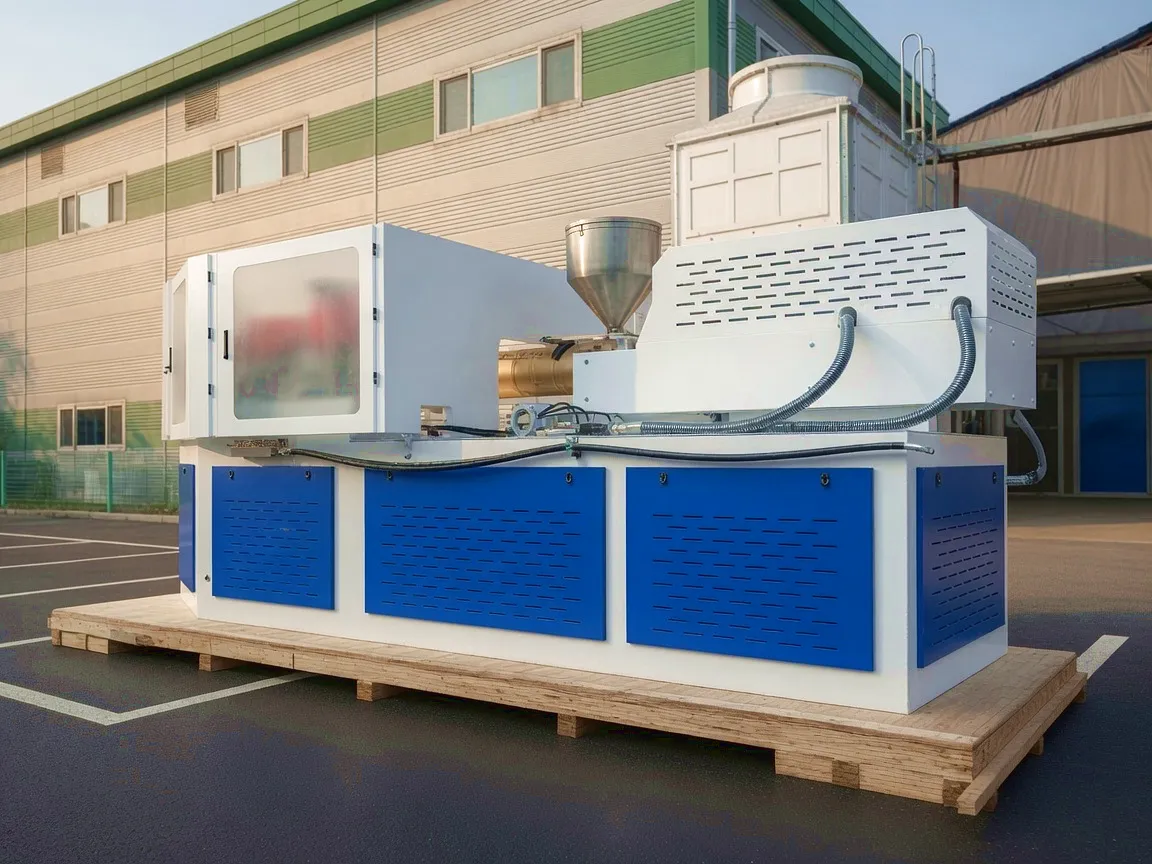
Product Technical & Performance Specifications
| Parameter | ZQ40 (European) | ZQ60 (European) | Unit / Notes |
|---|---|---|---|
| Clamping Force | 40 | 60 | kN |
| Injection Volume | 40 | 60 | cm³ |
| Max. Container Volume | 500 | 1,000 | ml |
| Number of Mould Cavities | 2 to 4 | 2 to 6 | Configurable per order |
| Screw Diameter | 32 | 40 | mm |
| Screw L/D Ratio | 20:1 | 20:1 | Length-to-diameter |
| Injection Pressure | Up to 180 | Up to 180 | MPa |
| Blow Air Pressure | 0.4 to 0.8 | 0.4 to 0.8 | MPa |
| Output Speed | 2,000 to 6,000 | 2,500 to 8,000 | pcs/hr (size-dependent) |
| Material Compatibility | PET, HDPE, PP, PC, PETG | Pharma grade available | |
| Drive System | Full servo-electric | Energy saving up to 40% vs. hydraulic | |
| HMI / Control | 7” or 10” colour touchscreen PLC | Multilingual; data logging | |
| Mould Changeover Time | < 35 | Minutes (trained operator) | |
| Neck Roundness Tolerance | < 0.15 | mm deviation | |
| Scrap Rate (sustained) | < 0.3% | Under validated production | |
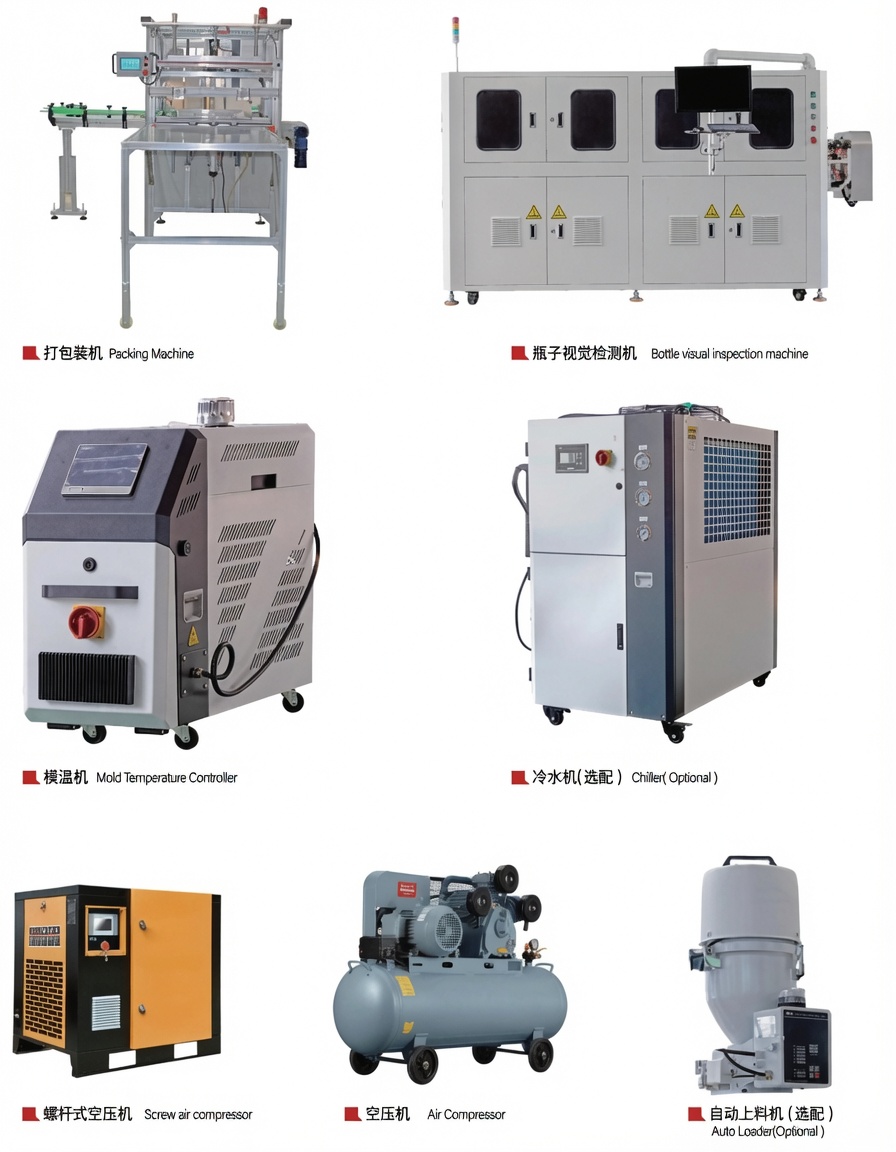
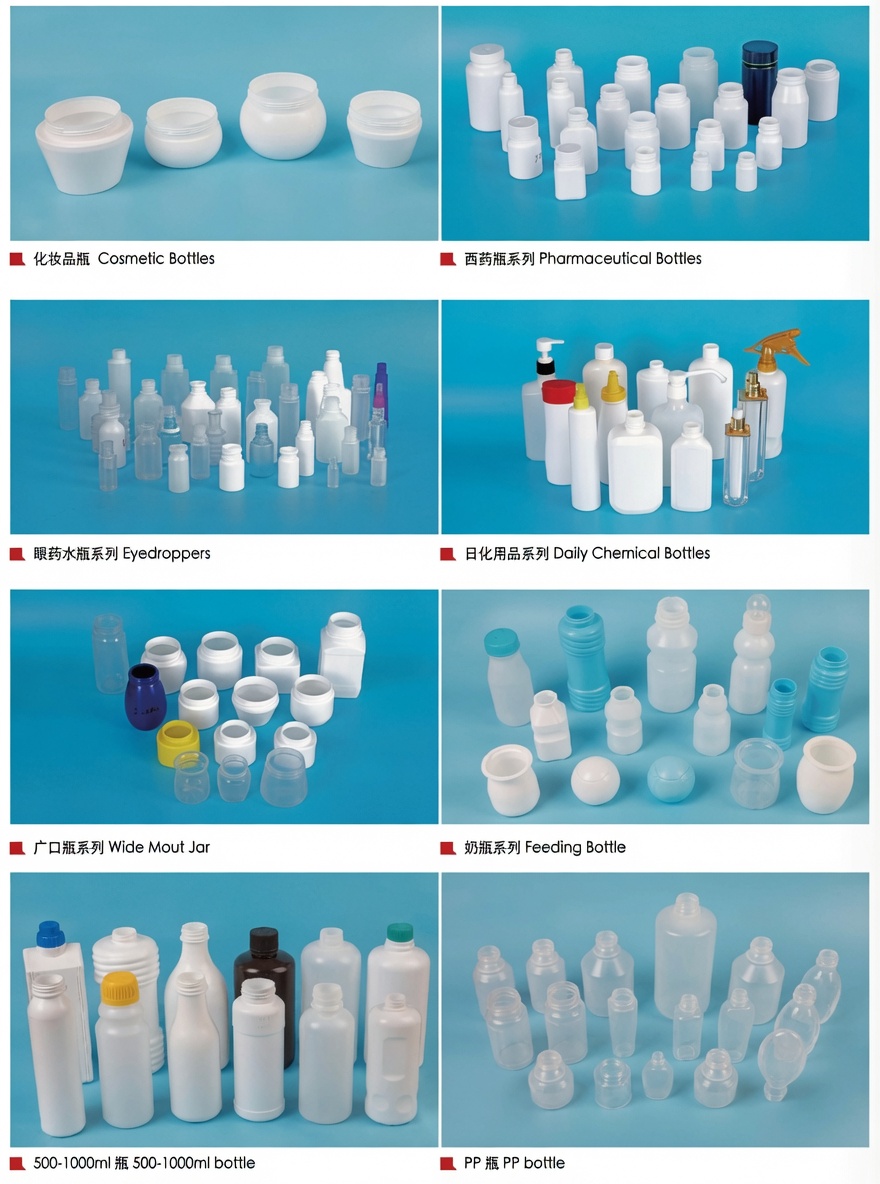
Featured Products: European-Series Injection-Blow Molding Machines
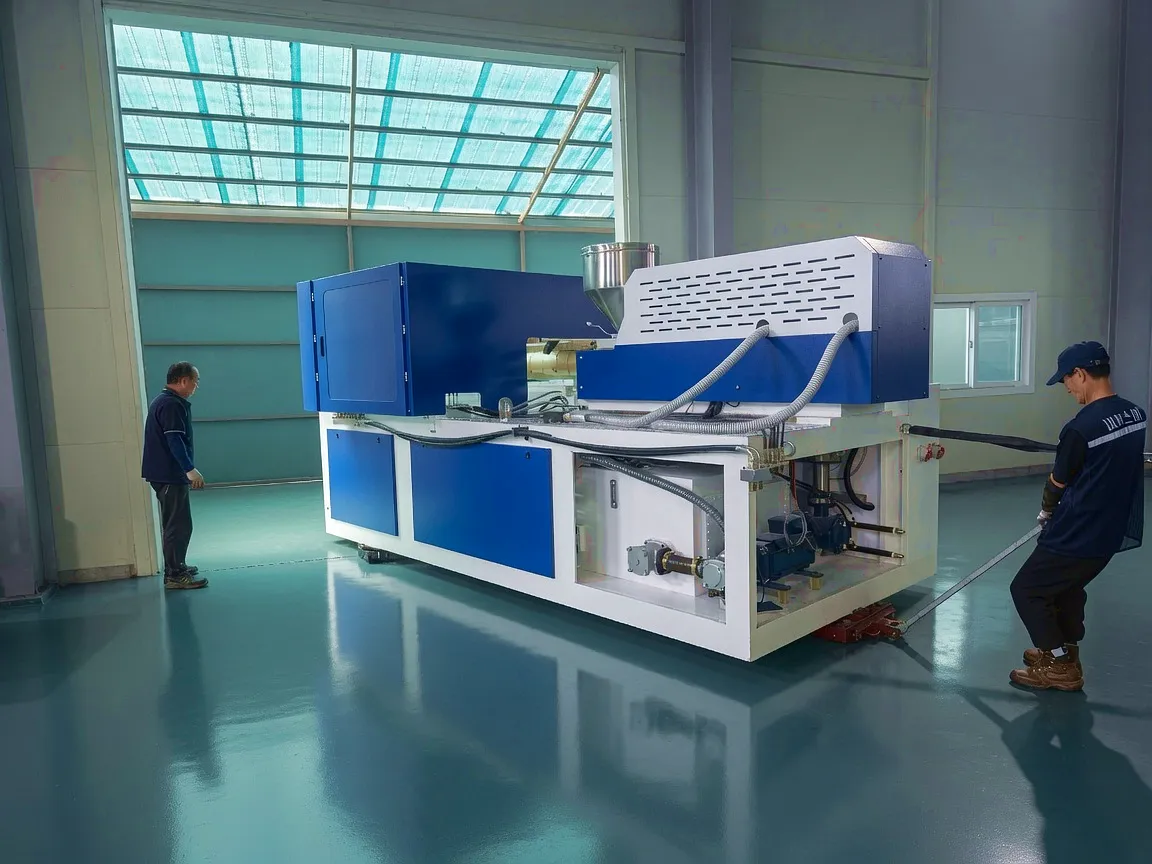
Ever Power’s European-series IBM machines are engineered to meet the exacting standards of pharmaceutical and consumer packaging manufacturers in the UK and across Europe. Both models feature full servo-electric drives, CE-compliant safety systems, and PLC controls configured for pharmaceutical-grade process documentation.
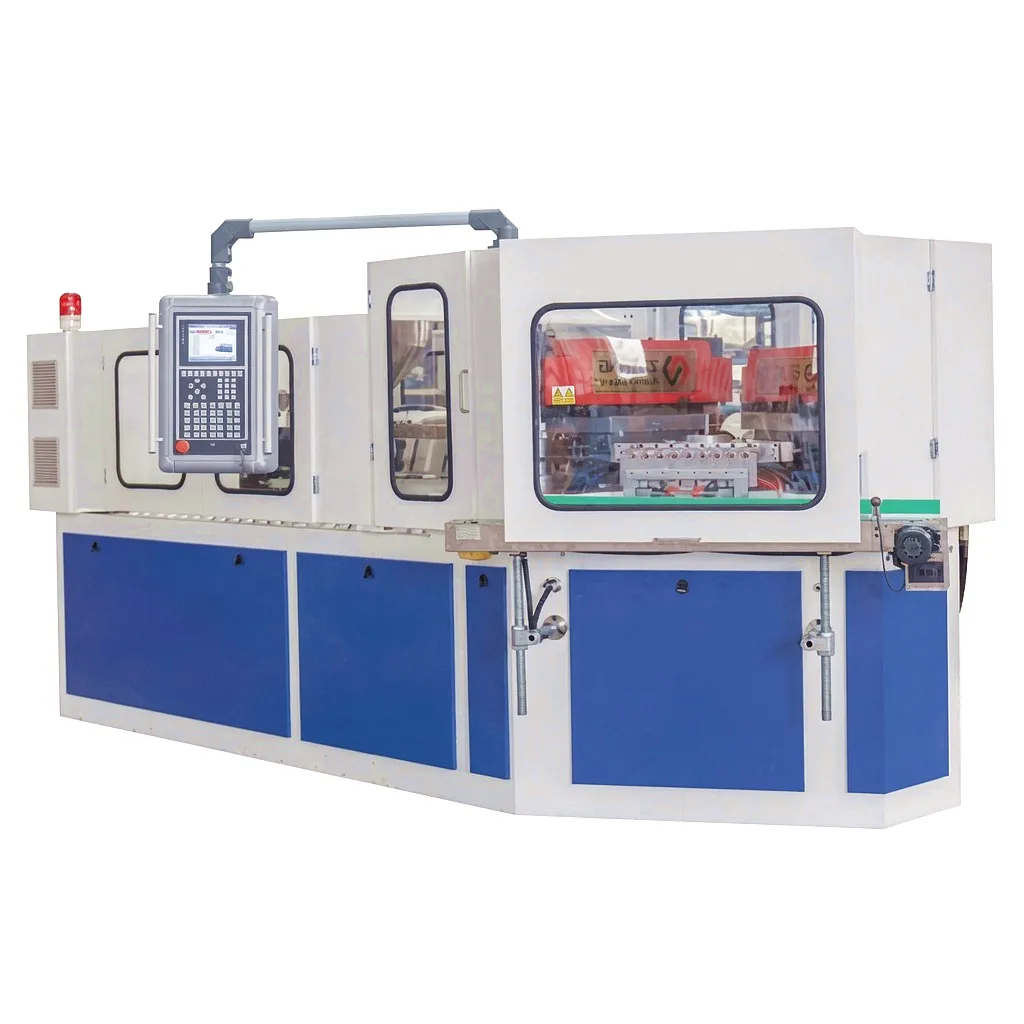
Ever Power Manufacturing & Customisation Capabilities
Ever Power operates a vertically integrated manufacturing facility dedicated to injection-blow molding machines. From raw casting through precision CNC machining, servo assembly, and electrical commissioning, every stage of production occurs under one roof — a supply-chain structure that gives UK customers direct visibility into quality milestones, traceability documentation, and delivery scheduling without the ambiguity of multi-tier supplier chains.
Ever Power’s tooling engineers develop injection cavity and blow mould sets from customer-supplied bottle drawings or 3D models, achieving first-article approval in as little as 28 days for standard pharmaceutical bottle geometries. CAD review, DFM analysis, and material selection support are included as standard.
Machines built for pharmaceutical packaging customers can be specified with stainless-steel contact surfaces, validated process parameter recording, and documentation packages structured to support equipment qualification (IQ/OQ/PQ) in GMP-regulated environments — a requirement for UK Wholesale Dealer Licence holders.
All European-series machines shipped to the UK are built with CE-marked electrical assemblies, 400V/3-phase/50Hz configuration, and safety guarding conforming to EN ISO 12100. This eliminates the re-engineering cost that buyers sometimes encounter with machines originally specified for North American or Asian electrical standards.
Ever Power maintains a strategic spare-parts inventory for UK-deployed machines and offers remote diagnostic support via secure VPN connection to the machine PLC. Critical wear components — screw tips, check rings, and core rod bushings — ship from a European logistics hub with typical delivery to UK addresses within 3 to 5 working days.
Pharmaceutical Packaging Manufacturer, Cheshire — Scaling Oral Solid Drug Bottle Output with IBM Technology
A mid-sized pharmaceutical packaging specialist based outside Macclesfield, Cheshire, had been producing oral solid drug bottles using a fleet of ageing extrusion-blow moulding machines. While throughput was adequate, the facility was experiencing chronic rejection rates of around 2.1% for neck-thread dimensional non-conformance — a figure that, at volumes exceeding 180,000 bottles per week, represented a significant material waste cost and a recurring headache for the site’s quality team. The bottles were supplied to a national generics pharmaceutical company that required documented Cpk values for neck-thread dimensions in excess of 1.33, and the extrusion-blow process was consistently struggling to meet that threshold under normal production variation.
After a technical evaluation period of approximately eight weeks, the facility’s engineering team selected an Ever Power ZQ60 injection-blow molding machine with 4-cavity tooling configured for their 100 ml and 200 ml round pharmaceutical bottles. Ever Power’s technical team worked directly with the Macclesfield facility’s process engineers to finalise the core rod geometry, injection gate position, and blow-mould cooling circuit layout before any metal was cut. First article samples were produced within 26 days of mould release, and the facility completed its full IQ/OQ/PQ validation cycle within ten weeks of machine installation.
The results were measurable within the first month of validated production. Neck-thread Cpk values improved from an average of 1.15 on the previous extrusion line to 1.68 on the IBM machine, well above the customer’s contractual requirement. The overall rejection rate fell to 0.28%. Energy consumption per 1,000 bottles produced dropped by 33% compared to the hydraulic extrusion-blow machines, a saving that became increasingly relevant as the Cheshire facility worked to reduce its Scope 2 carbon emissions in line with its parent group’s sustainability commitments. The facility subsequently ordered a second ZQ60 unit to expand its IBM capacity and consolidate the extrusion-blow fleet down to legacy non-pharmaceutical product lines.
“Moving to the ZQ60 was the single biggest quality improvement we have made to our pharmaceutical bottle line in a decade. The neck-thread consistency is genuinely in a different category from anything we could achieve on the old extrusion machines. Our validation was straightforward because Ever Power provided a documentation package that our QA team described as the most complete they had received from any equipment supplier.”
“The mould changeover time is genuinely under 35 minutes once your operators have two or three runs under their belt. For our batch sizes, that flexibility is not a minor convenience — it is what makes the machine commercially viable for us. Ever Power’s after-sales support has also been responsive; when we had a query about blow pressure optimisation for our amber PET bottles, we had a remote session with their process engineer within 24 hours.”
“We specified the ZQ40 for our child-resistant cap bottle range after evaluating three competing IBM platforms. Ever Power’s customisation team was the only one willing to modify the core rod design to accommodate our non-standard neck-bead geometry without a significant tooling surcharge. The bottles come off the machine with zero flash, which means our quality inspectors can focus on dimensional verification rather than spending time on visual defect sorting.”
Frequently Asked Questions
Ready to Discuss Your IBM Machine Requirements?
Whether you are evaluating injection-blow molding machines for a new pharmaceutical packaging line in the UK or looking to upgrade your existing IBM capacity, Ever Power’s technical team is ready to provide a detailed, application-specific proposal.
edit by gzl