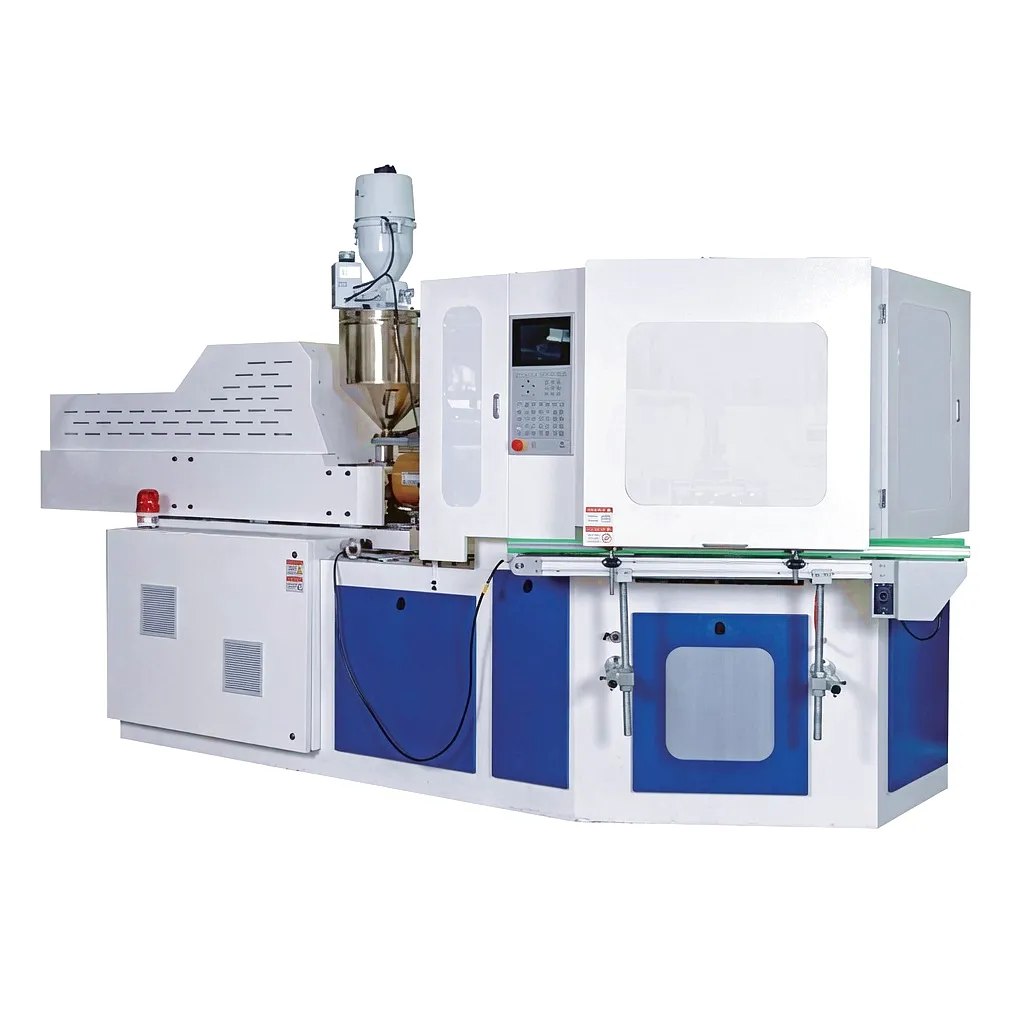
 Walk through any supermarket aisle in Birmingham, Manchester or Bristol and you will find yourself surrounded by hundreds of plastic containers — shampoo bottles with softly tapered necks, conditioner tubs with wide-mouth openings, shower gel vessels with ergonomic grip panels. Behind every single one of those containers is a manufacturing process that balances dimensional precision, material efficiency and high-speed output. The injection-blow molding machine stands at the heart of that process, and understanding how it works — and why it outperforms alternative methods for personal care packaging — is essential for any procurement manager, packaging engineer or contract manufacturer seeking competitive advantage in today’s demanding market.
How the Injection-Blow Molding Process Works for Personal Care Bottles
Polymer pellets are plasticised in a heated barrel and injected under pressure into a core-rod mold. The molten material wraps around the metal core pin, forming a preform with a precisely shaped neck ring, defined wall distribution and consistent thread geometry — critical for leak-proof closures on shampoo and shower gel bottles.
The preform, still warm and pliable, rotates to the blow station on the same indexed turret. Pressurised air is introduced through the core pin, expanding the preform outward until it contacts the cooled blow mold cavity walls. The bottle takes on its final geometry in seconds, with wall thickness governed entirely by the preform design.
The mold opens, cooling channels having already brought the container to a stable temperature, and the finished bottle is ejected with no trim flash, no pinch line and no secondary deflashing step. The neck thread is already dimensionally correct, meaning bottles can proceed directly to filling lines — an enormous cycle-time advantage for high-speed UK personal care facilities.
The elegance of this three-stage cycle is that all stations operate simultaneously on a rotary indexing table, so while one set of core rods is being blown, another set is being injected, and a third set of finished bottles is being ejected. This overlapping operation is why injection-blow molding machines achieve output rates that compare favourably with much more complex multi-stage equipment, while delivering the dimensional consistency that cosmetics brands in cities like Sheffield and Leicester demand for high-speed automated filling and capping.
Core Materials Used in IBM Bottle Production for Cosmetics
The selection of polymer material in injection-blow molding for personal care packaging is never incidental. Each resin brings a distinct performance profile that must be matched against the chemical composition of the product being bottled, the desired optical qualities, and the end-of-life recyclability requirements that UK regulations and major retailer sustainability commitments increasingly demand.
The dominant choice for transparent shampoo and conditioner bottles. PET offers outstanding clarity, a glass-like appearance that enhances premium shelf presentation, and excellent resistance to the pH levels found in most hair care formulations. It is also 100% recyclable through established UK kerbside collection schemes, which makes it the preferred choice for brands seeking to comply with Extended Producer Responsibility obligations.
Widely used for opaque or pigmented shower gel and body wash containers, HDPE provides excellent chemical resistance, is compatible with surfactant-rich formulas, and processes well at moderate melt temperatures. Its stiffness-to-weight ratio allows thin-wall designs without sacrificing structural integrity under the drop-test standards required by major UK grocery retailers.
Selected when heat resistance is a priority, such as for containers that may be filled at elevated temperatures or stored in warm distribution environments. PP also offers a naturally semi-opaque aesthetic that suits certain natural and botanical cosmetics brands. Its lightweight nature contributes to reduced freight costs across the UK supply chain.
Increasingly specified by UK personal care brands meeting voluntary and mandatory recycled-content targets. Modern injection-blow molding machines are calibrated to handle rPET grades with varying intrinsic viscosity ranges, maintaining bottle quality and transparency even when processing post-consumer recycled material at rates of 30% to 100% rPET content.
Application Scenario: Personal Care & Cosmetics Packaging — Shampoo, Conditioner and Shower Gel Containers
The most commercially significant application segment for injection-blow molding machines in the UK and globally
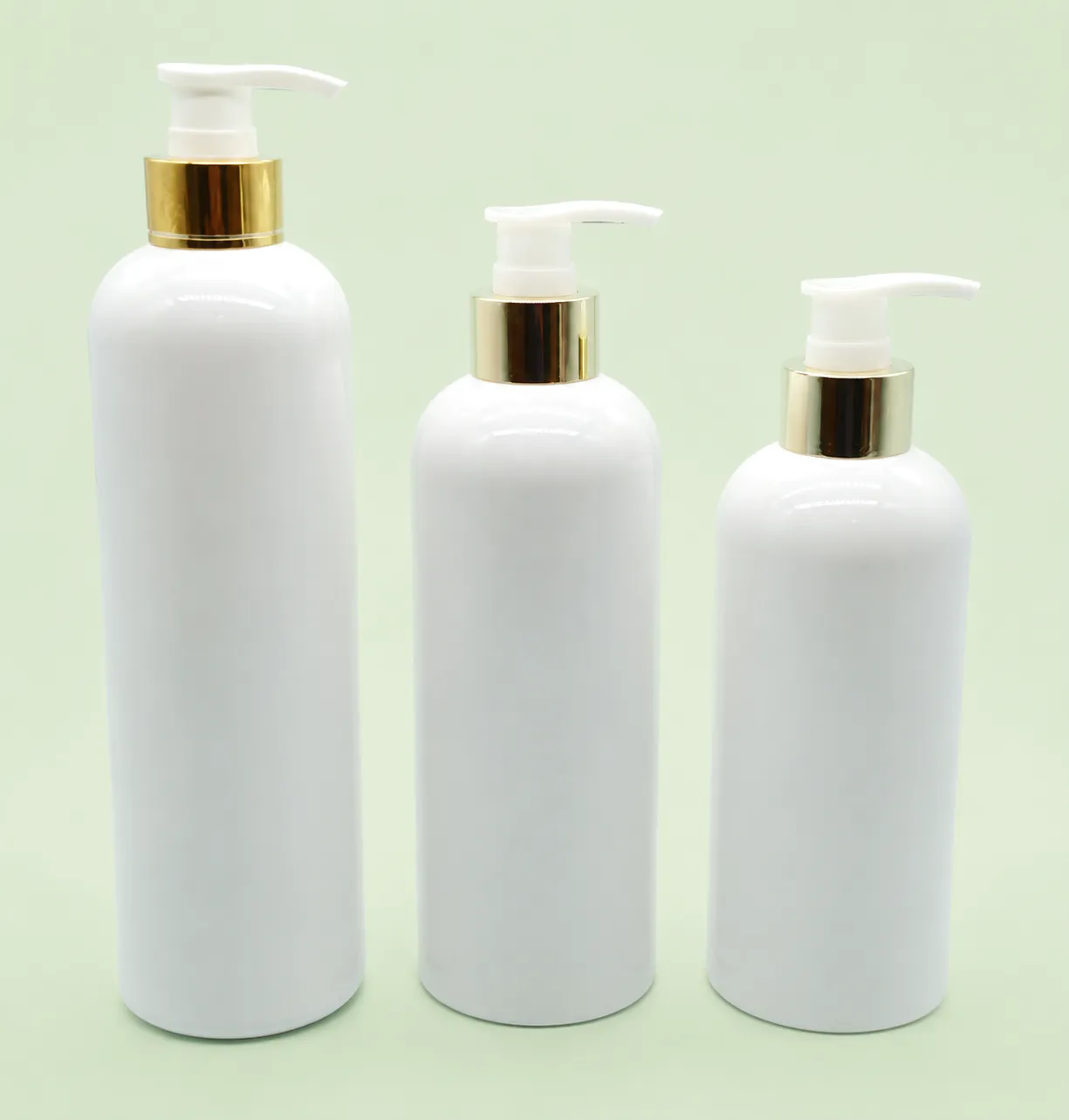 The personal care and cosmetics sector represents one of the highest-volume, most specification-driven markets for injection-blow molding in the world. In the United Kingdom alone, the health and beauty packaging industry handles billions of consumer units annually, sourcing containers from both domestic converters in cities like Huddersfield and Coventry and from international machinery suppliers. What makes this segment particularly demanding — and particularly well-matched to the capabilities of modern injection-blow molding machines — is the combination of visual requirements, functional requirements and supply-chain efficiency that brands expect simultaneously.
Typically produced in PET or HDPE at volumes of 200ml to 1 litre. Injection-blow molding delivers the controlled wall thickness — typically 0.4mm to 0.8mm — that allows premium clarity while minimising material consumption. Neck threads are formed in the injection stage to exacting tolerances, ensuring compatibility with standard flip-top caps and pump dispensers.
Usually larger in volume — 250ml to 1.5 litres — with a wider shoulder profile to make product evacuation easier. The IBM process allows the shoulder radius and body curvature to be tailored precisely to brand specifications through customised blow cavity tooling, without requiring a complete machine changeover.
Often specifying HDPE for chemical compatibility with fragranced surfactant blends. Squeezability is paramount — wall thickness must be calibrated so the container deforms easily under hand pressure without buckling. IBM machines equipped with servo-driven injection units provide the material distribution control needed to hit this mechanical target consistently.
The 30ml to 100ml miniature segment is arguably where injection-blow molding has no serious competitor. The process produces small-body bottles with tight neck tolerances and excellent material homogeneity at high cavitation rates — directly serving UK hospitality supply chains, airport retail distributors and e-commerce personal care subscription boxes.
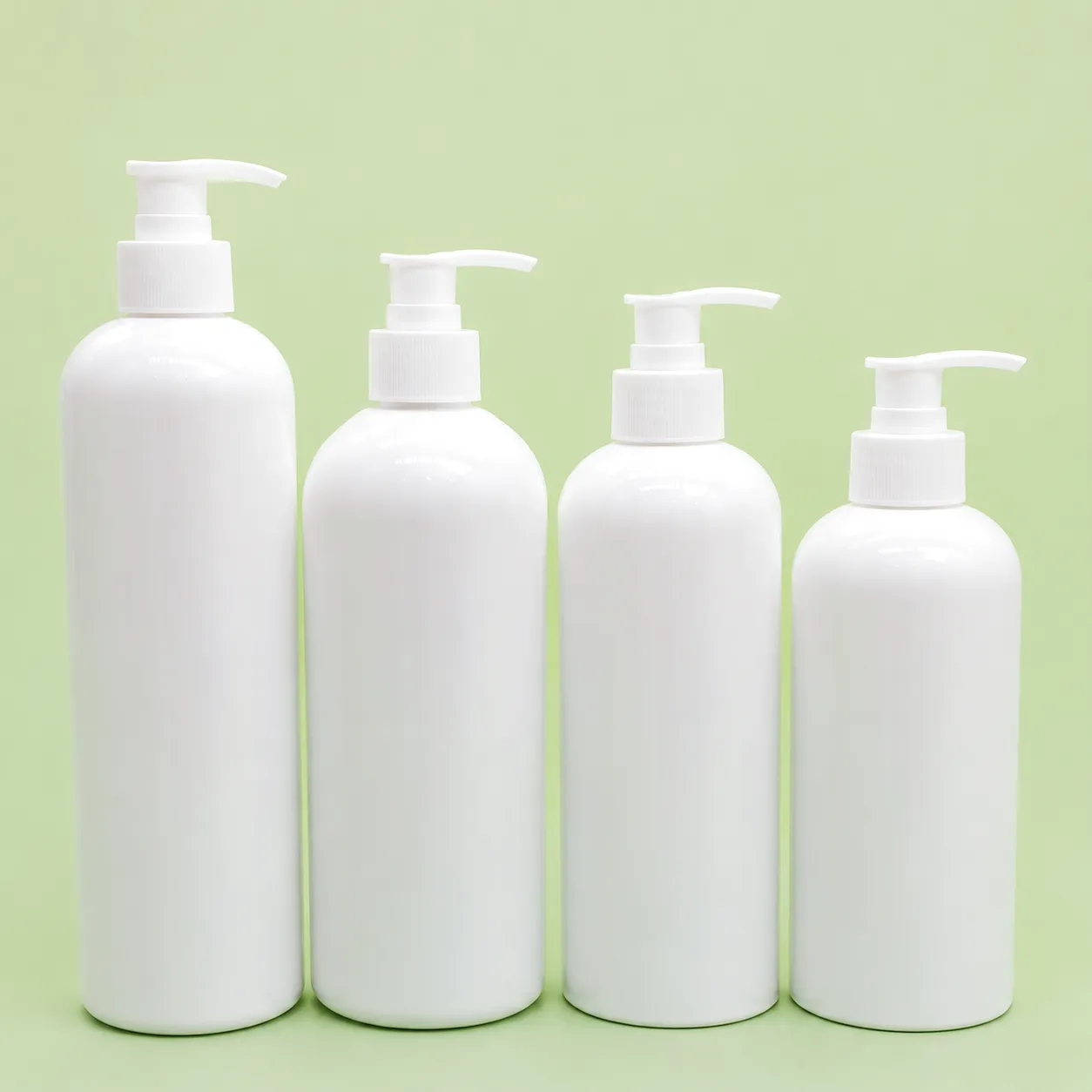 What sets personal care packaging apart from other IBM application sectors is the density of customisation required. A major UK grocery retailer stocking ten SKUs of a haircare range may require ten different bottle silhouettes — each with a distinct label panel geometry, unique neck diameter and different closure thread standard. Injection-blow molding machines accommodate this reality because mold changeover on modern rotary IBM equipment can be completed in as little as 90 minutes, meaning a single machine can service multiple SKUs across a production week without the yield penalties associated with extrusion blow tooling changes.
Core Technical Advantages of Injection-Blow Molding Machines for Cosmetics Production
Because the preform is formed in a closed injection mold with no parison pinch-off, finished IBM bottles carry no bottom seam flash and no neck-area trim. This eliminates a complete post-production step, reduces scrap rates to well below 1% under steady-state conditions, and removes a source of dimensional variability that plagues extrusion blow molding.
Neck threads are formed during the injection stage in hard steel tooling, achieving tolerances of plus or minus 0.05mm on thread outer diameter. This level of precision ensures that pump dispensers, flip-top closures and screw caps from any standard UK closure supplier seat correctly without leaking — a critical requirement for liquid personal care products.
Wall distribution in IBM is controlled by preform geometry rather than by process variables, delivering consistent results across cavities and across production shifts. For shampoo bottles where label panels must be flat and free of warp to support self-adhesive label application, uniform wall thickness is a non-negotiable specification.
Modern IBM machines process PET, HDPE, PP, LDPE, rPET and specialty co-polymer grades without requiring structural machine changes — only temperature profile and screw speed adjustments. This versatility allows a single machine installation in a UK contract filling plant to service customers across multiple product categories.
Rotary indexing IBM machines achieve cycle times of 8 to 15 seconds depending on bottle volume and cavitation. With 4-cavity tooling, output rates of 1,500 to 3,600 bottles per hour are achievable for 250ml to 500ml personal care bottles — meeting the throughput demands of high-volume UK FMCG supply chains without requiring multiple machines.
Compared to a two-stage ISBM system pairing an injection molding machine with a separate stretch-blow molder, a single-stage IBM machine consolidates injection and blowing into one compact unit. This footprint reduction is commercially valuable in established UK manufacturing facilities where floor space carries a high premium.
Injection-Blow Molding Machine Technical & Performance Specifications
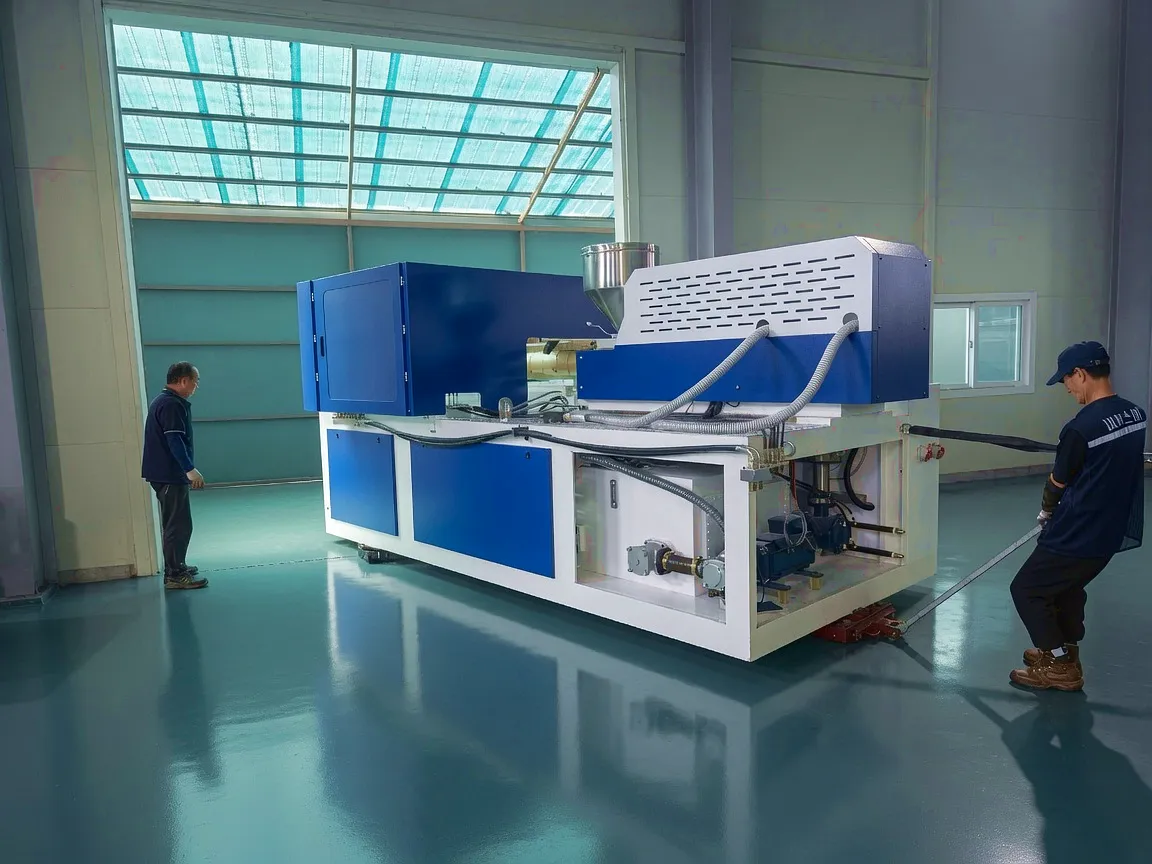
Ever Power Manufacturing Workshop — Injection-Blow Molding Assembly
Ever Power — Precision Manufacturing & Customisation Capability
Your trusted injection-blow molding machine partner for UK and European markets
Ever Power engineers work directly with UK packaging converters and brand owners to configure injection-blow molding machines to their precise production requirements. This includes specifying cavitation, barrel diameter, heating zone count, indexing mechanism, and ancillary integration — ensuring that the delivered machine is not a generic catalogue product but a purpose-built production solution.
In-house mold manufacturing with CNC machining centres and CMM verification ensures that every preform core rod, injection cavity and blow mold supplied by Ever Power meets the dimensional tolerances required by cosmetics and personal care packaging specifications. Steel selection, surface finishing and cooling circuit design are all handled under one roof, compressing lead times to 6–10 weeks for standard tooling.
Ever Power coordinates sea freight to major UK ports — including Felixstowe, Southampton and Liverpool — through established logistics partners, with full UKCA/CE documentation, customs clearance support and on-site commissioning engineers available. Installation teams are experienced working in UK factory environments from the West Midlands to Scotland.
All Ever Power injection-blow molding machines ship with comprehensive English-language operator manuals, on-site training programmes and a structured spare parts package covering consumable items — heater bands, seals, filter elements — for the first two years of production. Remote diagnostic support via VPN connection is available within 24 hours for critical process issues.
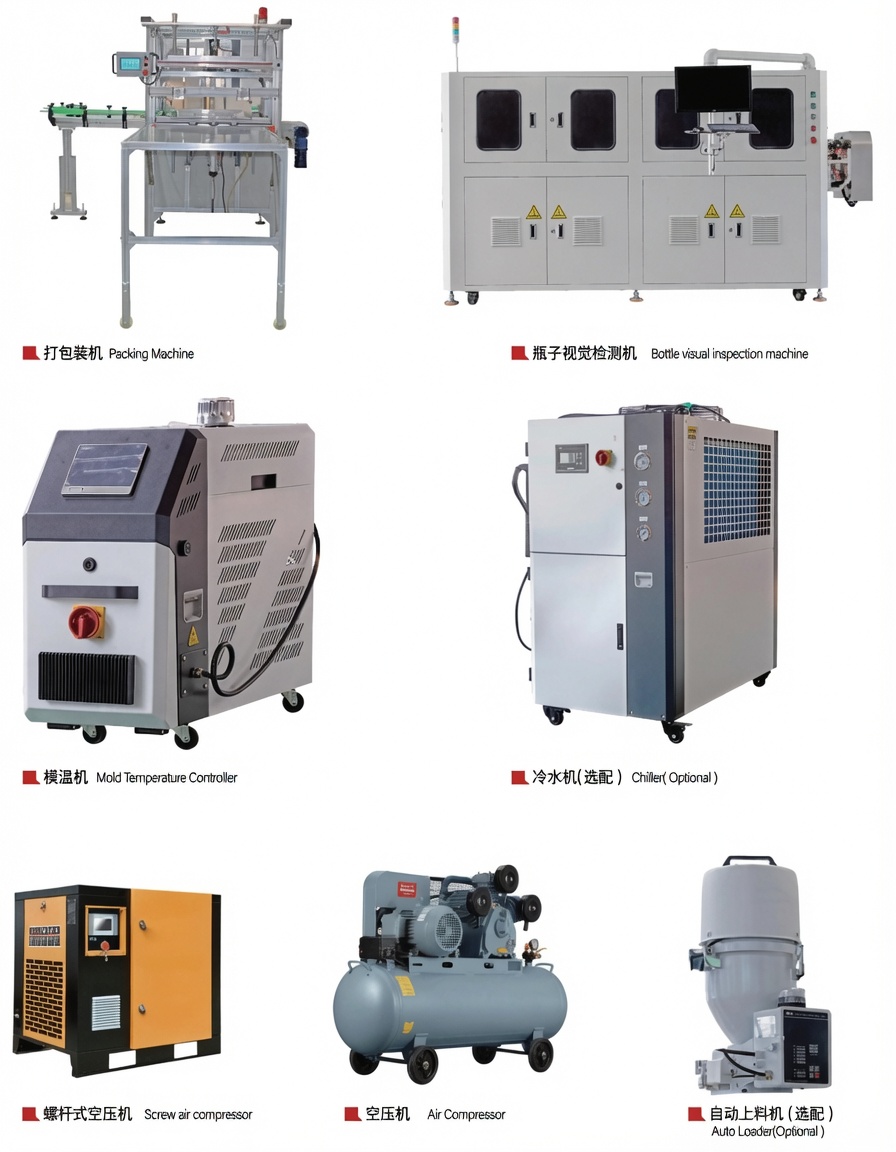
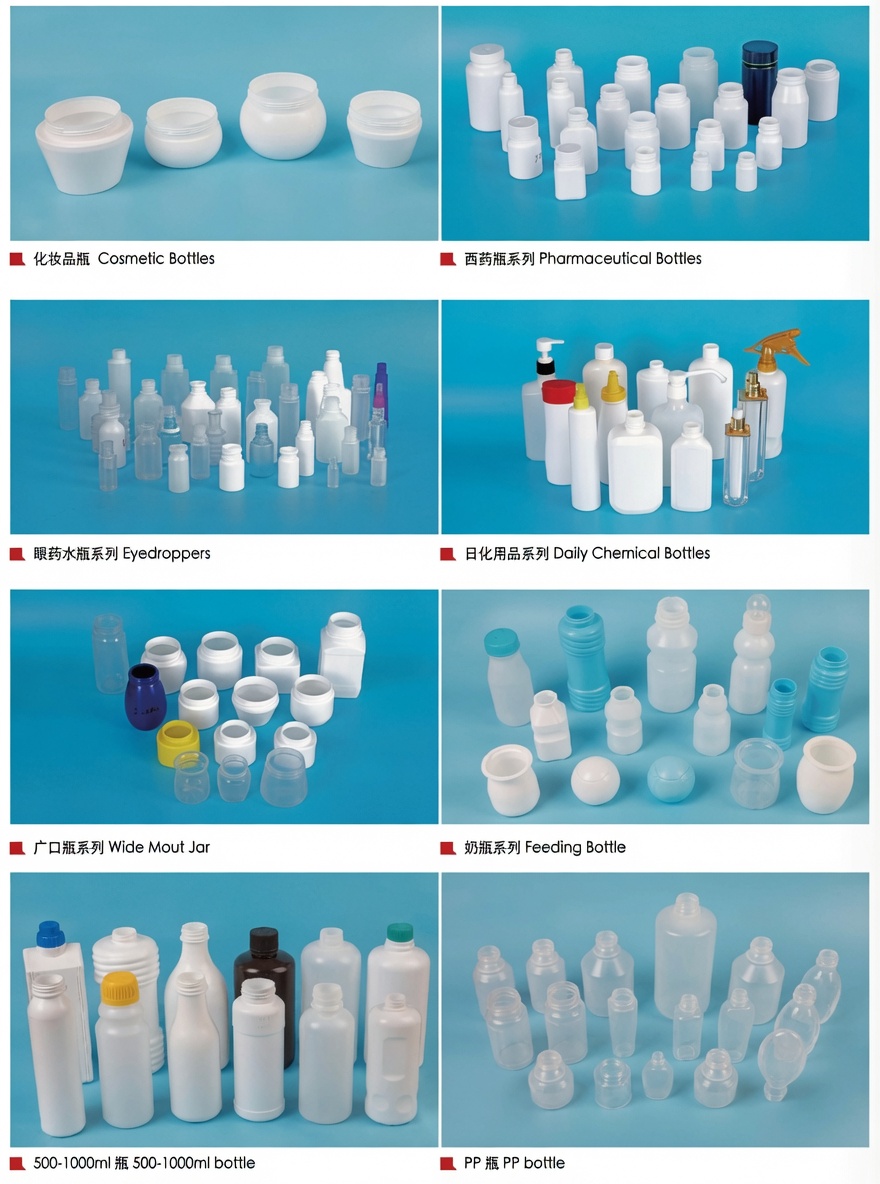
Featured Injection-Blow Molding Machines from Ever Power
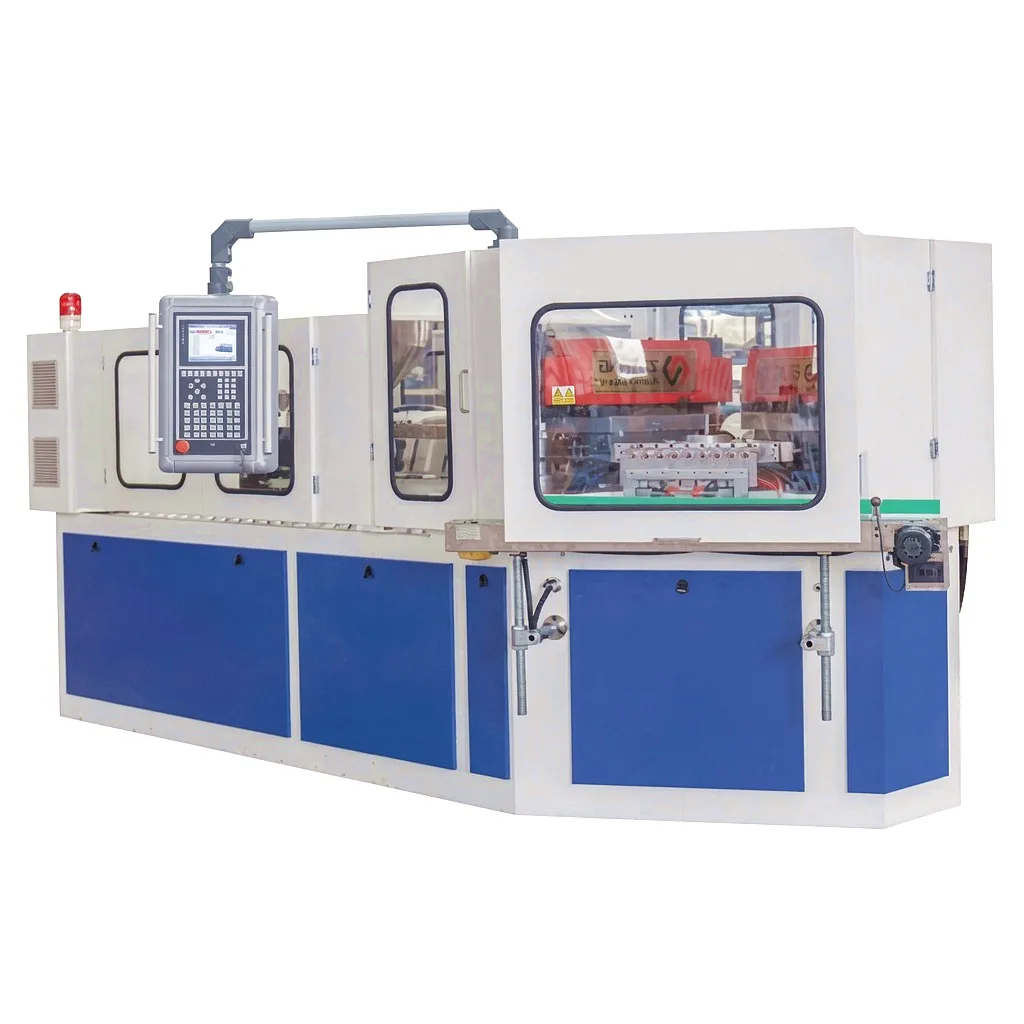
Customer Success Story: Leeds-Based Hair Care Manufacturer Scales Output with IBM Technology
NaturaCare Products Ltd, a mid-sized natural hair care brand manufacturing from a leasehold facility on the outskirts of Leeds, had been outsourcing their bottle supply from a South East packaging converter for several years. The arrangement worked adequately at lower volumes but became a serious cost and lead-time constraint as the brand grew its presence in UK supermarket chains and online subscription retail channels. With annual bottle requirements approaching 4.5 million units across six SKUs — including 300ml shampoo bottles, 400ml conditioner bottles and 200ml travel refill containers — the commercial logic of bringing bottle production in-house became compelling.
The procurement team evaluated three injection-blow molding machine suppliers and selected Ever Power’s ZQ60 European model, specifying 4-cavity PET tooling for the 300ml and 400ml SKUs and 6-cavity tooling for the 200ml miniature range. Ever Power’s engineering team conducted a pre-order mold design review using the brand’s existing bottle drawings, confirming feasibility and proposing a revised preform design for the 400ml conditioner that reduced wall weight by 14% while improving drop-test performance.
Delivery to Leeds via Felixstowe was completed within the agreed 12-week window. Installation and commissioning took four working days, with Ever Power’s engineer on-site throughout. Operator training covered machine setup, mold changeover procedure, process troubleshooting and routine maintenance. Within three weeks of commissioning, NaturaCare’s production team was running single-shift output of approximately 6,800 bottles per day — a figure that exceeded their initial daily requirement, providing buffer capacity for promotional order spikes.
The shift to in-house IBM production reduced NaturaCare’s per-unit packaging cost by an estimated 28% and cut order-to-fill lead time from 18 days to same-day availability. The rPET-compatible process parameters supplied by Ever Power also enabled the brand to transition to 50% rPET content across all bottle SKUs within six months, aligning with commitments made to their retail accounts under UK Plastic Packaging Tax compliance reporting.
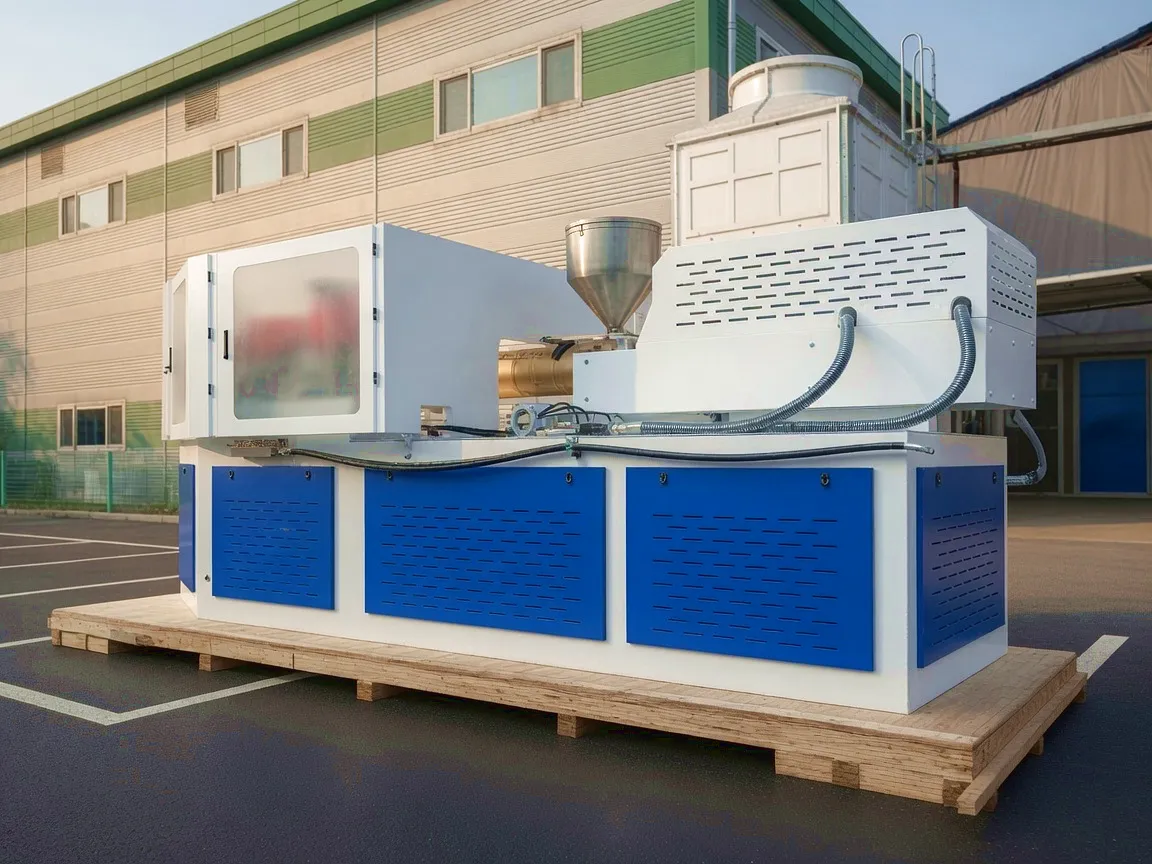
What Our Customers Say
“The neck-thread consistency on the ZQ60 is genuinely impressive — we have had zero failed closure tests since commissioning. After switching from outsourced bottles, the dimensional repeatability from this machine has made a real difference to our capping-line efficiency. Ever Power’s mold team understood our bottle design requirements without needing lengthy back-and-forth.”
“We specified rPET compatibility as a hard requirement and Ever Power delivered process parameters that handled 50% rPET blends without degrading bottle clarity. That was the deciding factor against the other suppliers we evaluated. The logistics and commissioning coordination to our Leeds site was smooth, and the on-site training was thorough — our operators were confident within the first week.”
“The 14% wall-weight reduction on our conditioner bottle that Ever Power’s preform engineer proposed was not something we had considered. It reduced our PET consumption meaningfully, lowered our Plastic Packaging Tax liability, and the lighter bottle has been welcomed by our logistics team on pallet weight. The machine paid for itself faster than our initial ROI calculation suggested.”
Frequently Asked Questions
Speak to Ever Power’s injection-blow molding specialists today. Receive a customised machine recommendation, tooling estimate and delivery schedule for your UK facility.