Precision Packaging Equipment
Injection-Blow Molding Machine Applications in Perfume and Premium Fragrance Packaging Across the UK
Helping UK manufacturers achieve optical clarity, uniform wall thickness and impact resistance that rival glass while unlocking design freedom for PETG and polycarbonate containers.
PETG Bottles
UK Manufacturing
Updated July 2026 · 14 min read
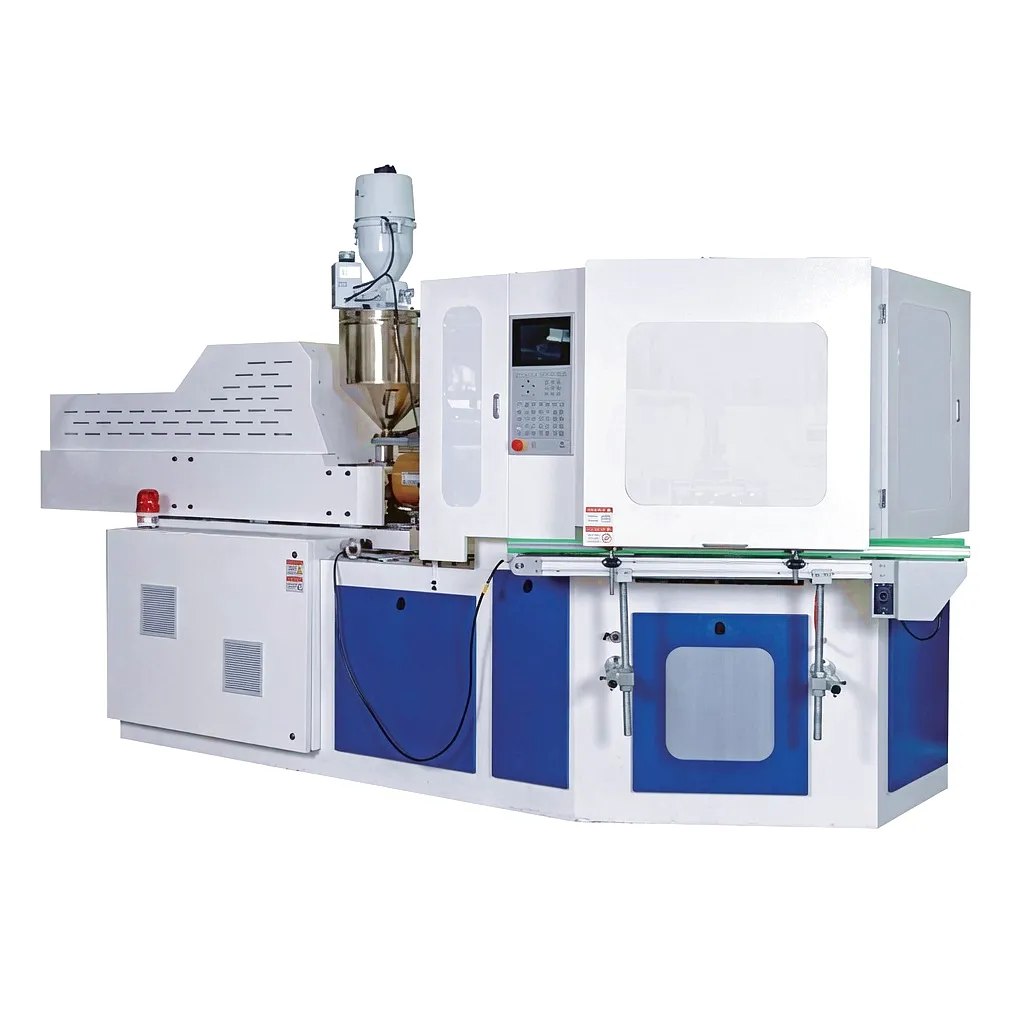
Across the industrial corridors of Birmingham, Sheffield and the wider Midlands manufacturing belt, packaging engineers face mounting pressure to deliver containers that combine the optical brilliance of traditional glass with the practical advantages of modern polymers. The Injection-Blow Molding Machine has emerged as the preferred platform for producing high-clarity PETG perfume bottles, cologne vessels and body-spray packs in volumes that satisfy both independent fragrance houses and larger contract fillers. Unlike conventional extrusion-blow routes, the integrated injection and blow sequence locks neck finish accuracy, eliminates secondary trimming and maintains wall-thickness variation within tight tolerances that premium brands demand. UK facilities handling short-run luxury SKUs particularly value the rapid mould change capability and the ability to process engineering grades without sacrificing cycle consistency. As logistics networks from the Port of Felixstowe to inland distribution hubs continue to prioritise lightweight yet robust packaging, the Injection-Blow Molding Machine provides a measurable reduction in transport damage rates while preserving the high-gloss surface finish expected on prestige retail shelves.
Working Principle of the Injection-Blow Molding Machine
The sequence begins with precise metering of polymer melt into a multi-cavity injection station where the preform is formed around a core rod under controlled pressure and temperature. Once the neck finish and body preform solidify sufficiently, the core rod transfers the still-warm parison into a blow mould cavity. Compressed air then expands the material against the cooled mould walls, producing the final bottle geometry with uniform distribution of material from shoulder to base. Because the neck is injection-moulded rather than blown, thread integrity and sealing surface flatness remain consistent across every cavity, a critical requirement for perfume pumps and spray valves. Cycle times are governed by cooling efficiency and the thermal conductivity of the mould steel, typically ranging between 12 and 22 seconds for 30 ml to 200 ml PETG containers. The entire process is closed-loop controlled, with melt temperature, injection pressure and blow pressure monitored in real time so that UK production managers can maintain statistical process control charts without interrupting throughput. Residual stresses are minimised by the two-stage thermal profile, resulting in containers that resist stress-cracking even when filled with alcohol-based fragrance concentrates.
STEP 01 · Injection
Polymer is injected onto core rods forming precise neck finishes and preform geometry under closed-loop pressure control.
STEP 02 · Transfer
Core rods rotate or index the warm preforms into the blow mould station without intermediate cooling or handling damage.
STEP 03 · Blow & Cool
High-pressure air expands the preform; mould cooling locks final dimensions and optical clarity before ejection.
Core Materials Processed on the Injection-Blow Molding Machine
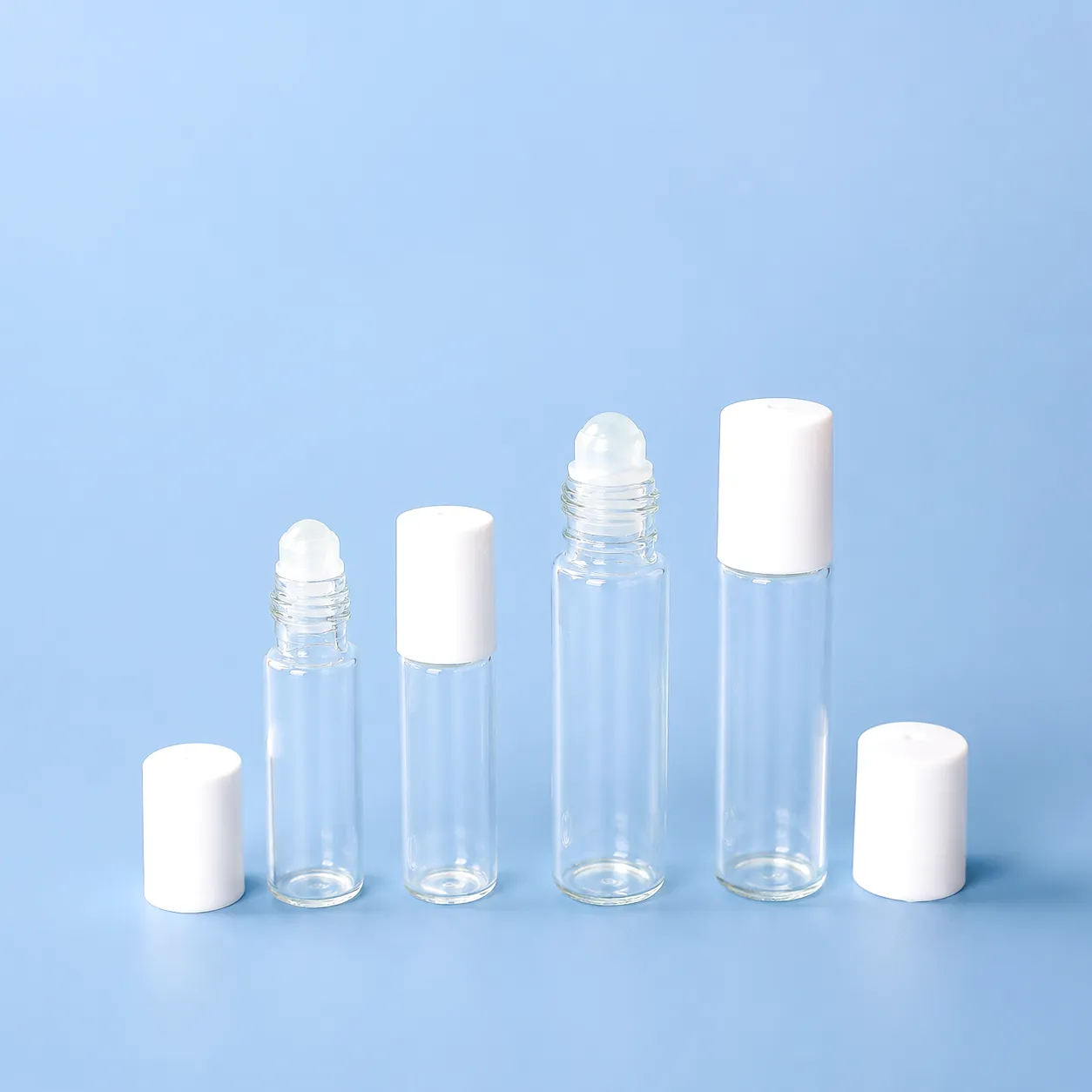
PETG remains the dominant resin for prestige fragrance packaging because its amorphous structure delivers glass-like transparency and excellent chemical resistance to ethanol and essential-oil blends. When processed on a well-tuned Injection-Blow Molding Machine the material achieves haze values below 1 percent and retains impact strength that protects bottles during the multi-stage distribution chain from Midlands contract packers to London department stores. Polycarbonate grades are selected for thicker-walled cologne decanters that require higher heat resistance during hot-fill or sterilisation steps. Specialised colour masterbatches and UV stabilisers can be dosed at the hopper without compromising melt homogeneity, allowing UK brand owners to match exact Pantone references while still meeting migration limits under UK and EU cosmetics regulations. Mould steels are typically hardened H13 or stainless equivalents with high-polish cavity surfaces that transfer specular gloss directly to the bottle exterior. Core rods are coated or nitrided to reduce sticking and to maintain dimensional stability across long production runs measured in hundreds of thousands of cycles.
PETG
Optical clarity matching glass, superior impact strength, alcohol compatibility, ideal for 30–200 ml perfume bottles.
Polycarbonate
Higher thermal resistance for cologne containers requiring elevated fill temperatures or repeated sterilisation cycles.
Mould Steels
H13 and stainless alloys with mirror polish ensure gloss transfer and long service life under continuous UK production schedules.
Technical Advantages of Modern Injection-Blow Molding Machine Platforms
01 · Neck Finish Accuracy
Injection-formed threads eliminate secondary machining and guarantee leak-tight sealing with standard perfume pumps.
02 · Wall Thickness Uniformity
Controlled preform design and blow ratio deliver consistent material distribution, reducing weight variation below 0.3 g.
03 · Optical Clarity
Low residual stress and high-polish moulds produce haze levels that satisfy the most demanding fragrance houses.
04 · Rapid Mould Change
Modular tooling systems allow UK short-run producers to switch between 30 ml and 200 ml formats within a single shift.
05 · Energy Efficiency
Servo-driven hydraulics and regenerative circuits cut power consumption relative to older hydraulic-only machines.
06 · Process Stability
Closed-loop melt and blow control maintains Cpk values above 1.67 even during multi-day continuous runs.
Product Technical and Performance Parameter Table
| Parameter | ZQ40 Series | ZQ60 Series | Unit |
|---|---|---|---|
| Max Clamping Force | 400 | 600 | kN |
| Max Injection Volume | 160 | 280 | cm³ |
| Screw Diameter | 40 | 50 | mm |
| Blow Pressure Range | 0.8–2.5 | 0.8–3.0 | MPa |
| Max Bottle Volume | 250 | 500 | ml |
| Typical Cycle Time (100 ml PETG) | 14–18 | 12–16 | s |
| Core Rod Material | Nitrided steel | Nitrided / coated | — |
| Drive System | Servo-hydraulic | Full servo option | — |
Industrial Application Scenarios for the Injection-Blow Molding Machine
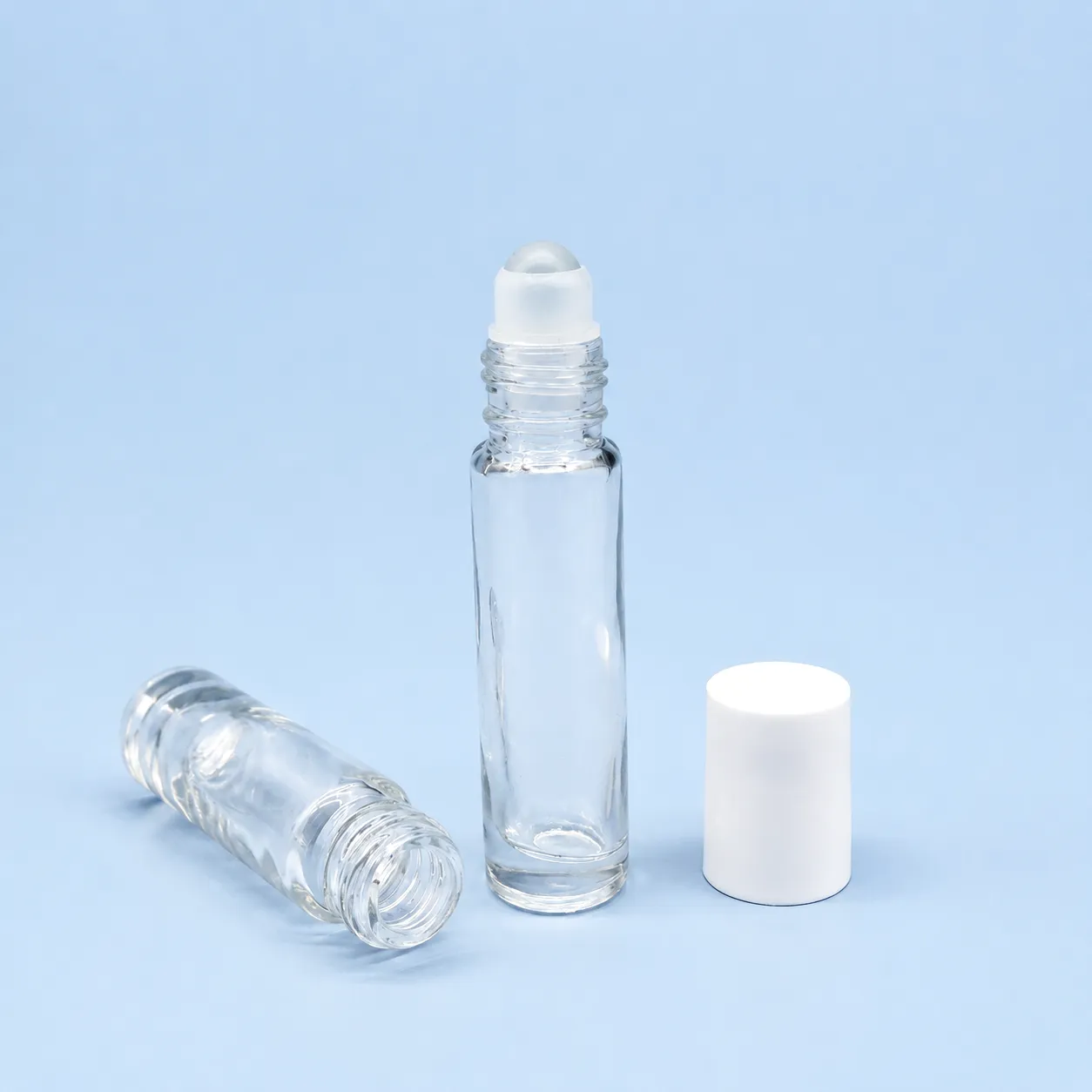
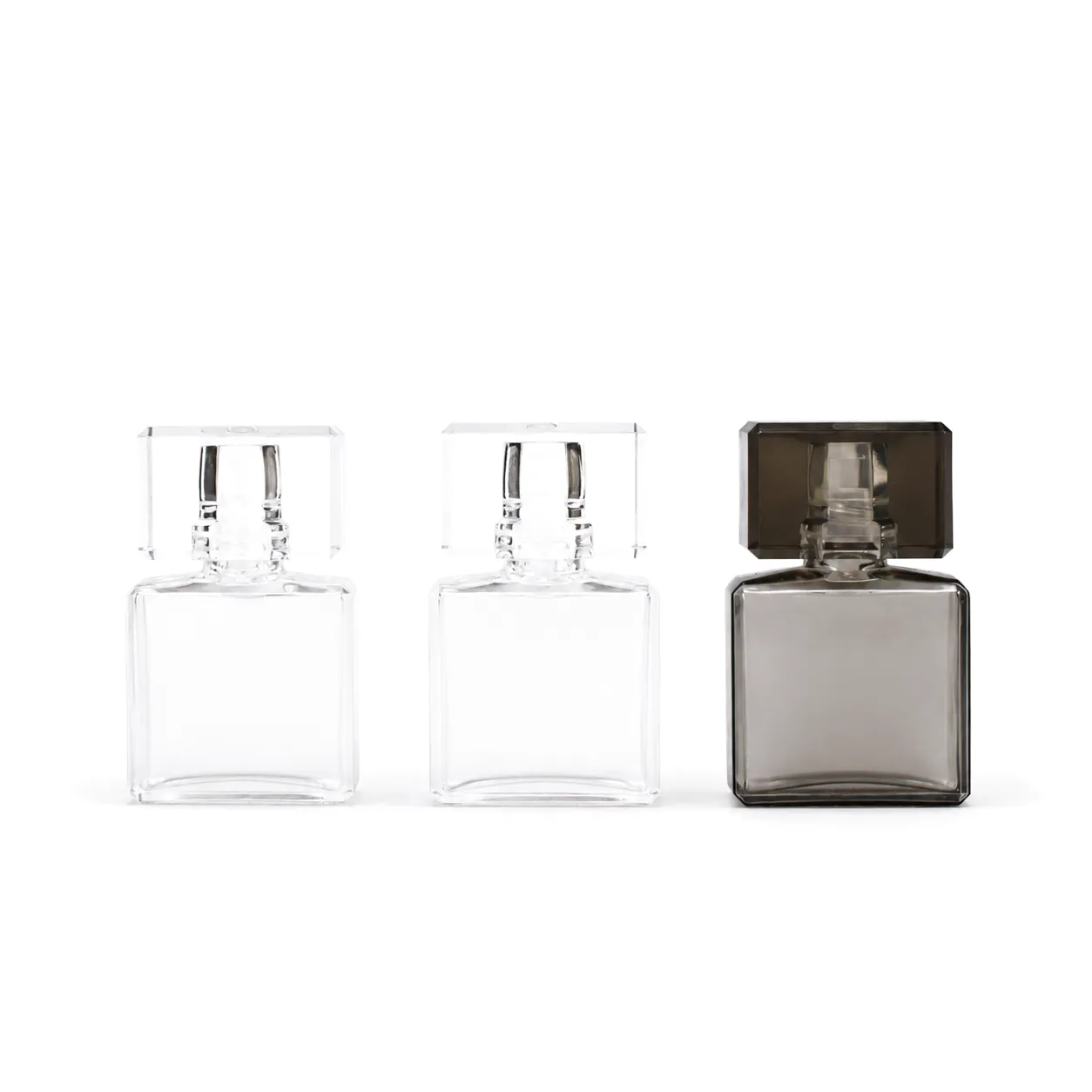
Within the perfume and premium fragrance sector the Injection-Blow Molding Machine enables production of PETG perfume bottles ranging from 30 ml to 200 ml, cologne containers, body-spray bottles of 100 ml to 250 ml, travel-size vials of 5 ml to 15 ml and roll-on perfume applicators. These formats were historically dominated by glass, yet the optical transparency, design freedom and superior impact performance of IBM-produced PETG and polycarbonate containers have steadily expanded their share of the high-end fragrance market. Brand owners insist on zero-defect surfaces, high clarity and uniform wall thickness—precisely the attributes delivered by the closed-loop control of a modern Injection-Blow Molding Machine. Contract packers based around Birmingham and the surrounding West Midlands logistics corridors benefit from the ability to run multiple short SKUs on the same platform, reducing inventory of specialised glass tooling while still meeting the visual standards of London and Manchester retail buyers. Body-spray and deodorant brands operating out of Sheffield and the North of England likewise adopt the technology for larger-volume containers that must survive automated high-speed filling lines and subsequent road transport without stress cracking.
Perfume Bottles 30–200 ml
High-clarity PETG with precise neck finishes for pump and spray closures demanded by prestige fragrance houses.
Cologne & Body Spray
Larger volume containers up to 250 ml that retain impact resistance through UK distribution networks.
Travel & Roll-on Formats
Small 5–15 ml vials and roll-on bottles produced with the same dimensional precision as full-size packs.
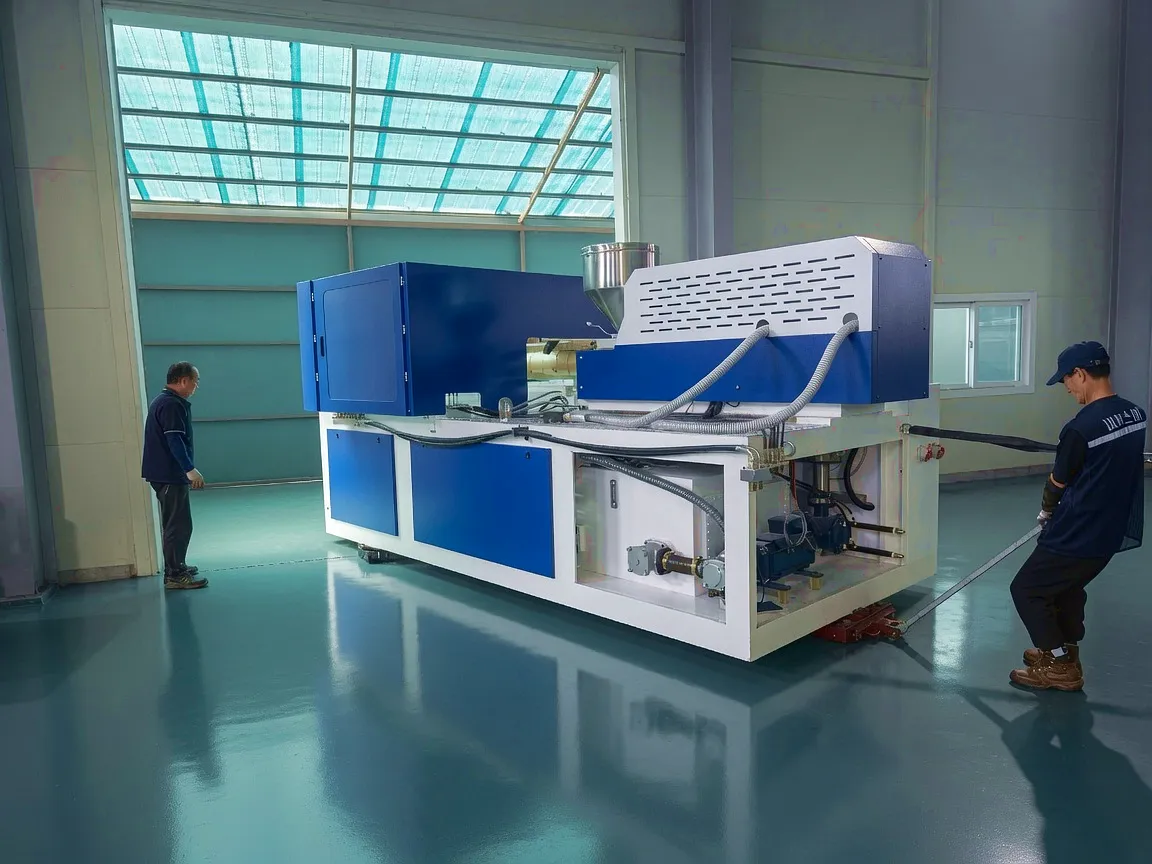
Ever Power Manufacturing Strength and Customisation Capability
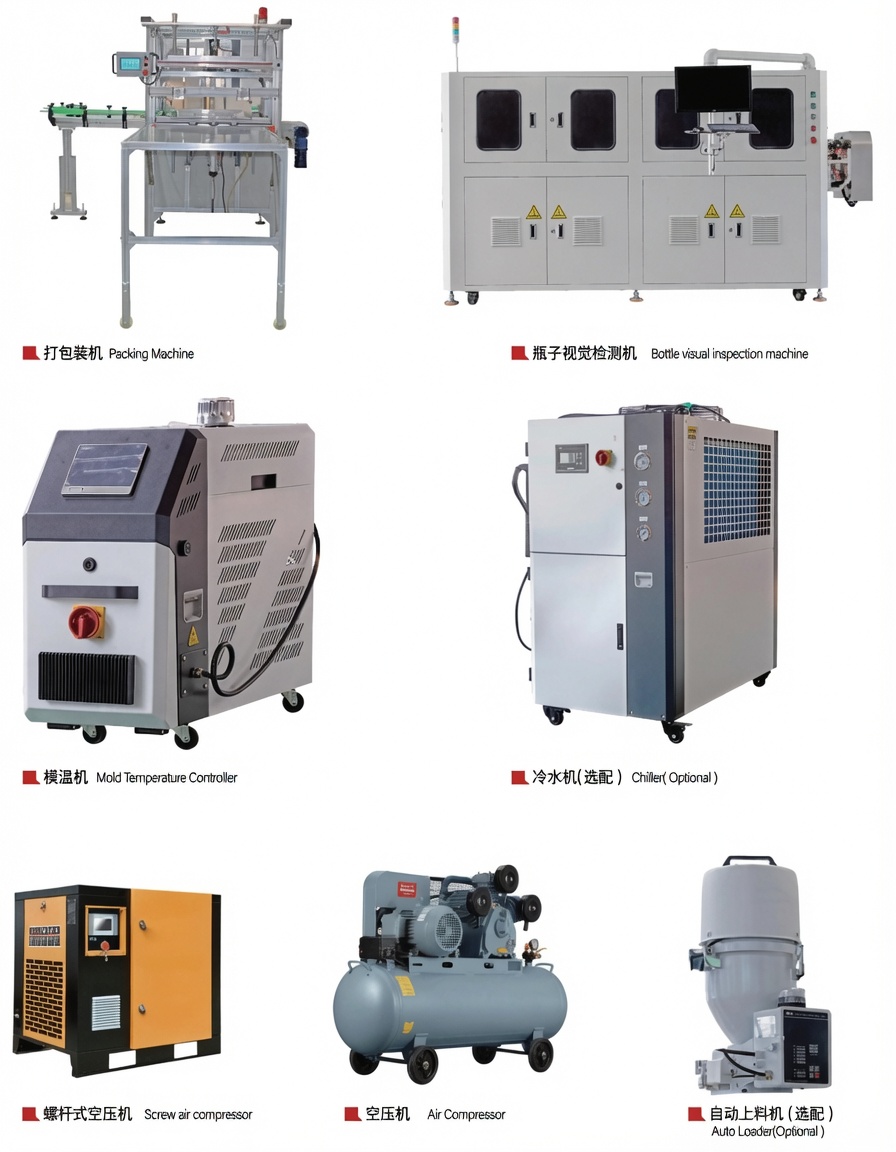
Ever Power operates dedicated production halls equipped for both standard series machines and fully engineered custom solutions. Precision machining centres maintain micron-level tolerances on platens, tie bars and core-rod assemblies, while in-house heat-treatment and surface-coating facilities ensure long-term wear resistance under continuous UK operating conditions. The engineering team collaborates directly with customer process engineers to adapt injection unit size, clamp force, cavity layout and control software to specific bottle families and resin grades. Supply-chain resilience is maintained through dual-sourced critical components and buffer stock of high-wear items, enabling reliable lead times even when global logistics fluctuate. Every machine undergoes extended dry-cycle and material trials before despatch, with full documentation packages prepared for UK conformity assessment routes. Customisation extends to auxiliary integration—dryers, chillers, conveyors and vision inspection systems—so that a complete production cell can be commissioned as a single package. For fragrance producers seeking to replace ageing equipment or expand capacity, Ever Power provides detailed feasibility studies covering energy consumption, floor-space utilisation and expected output rates under realistic UK shift patterns.
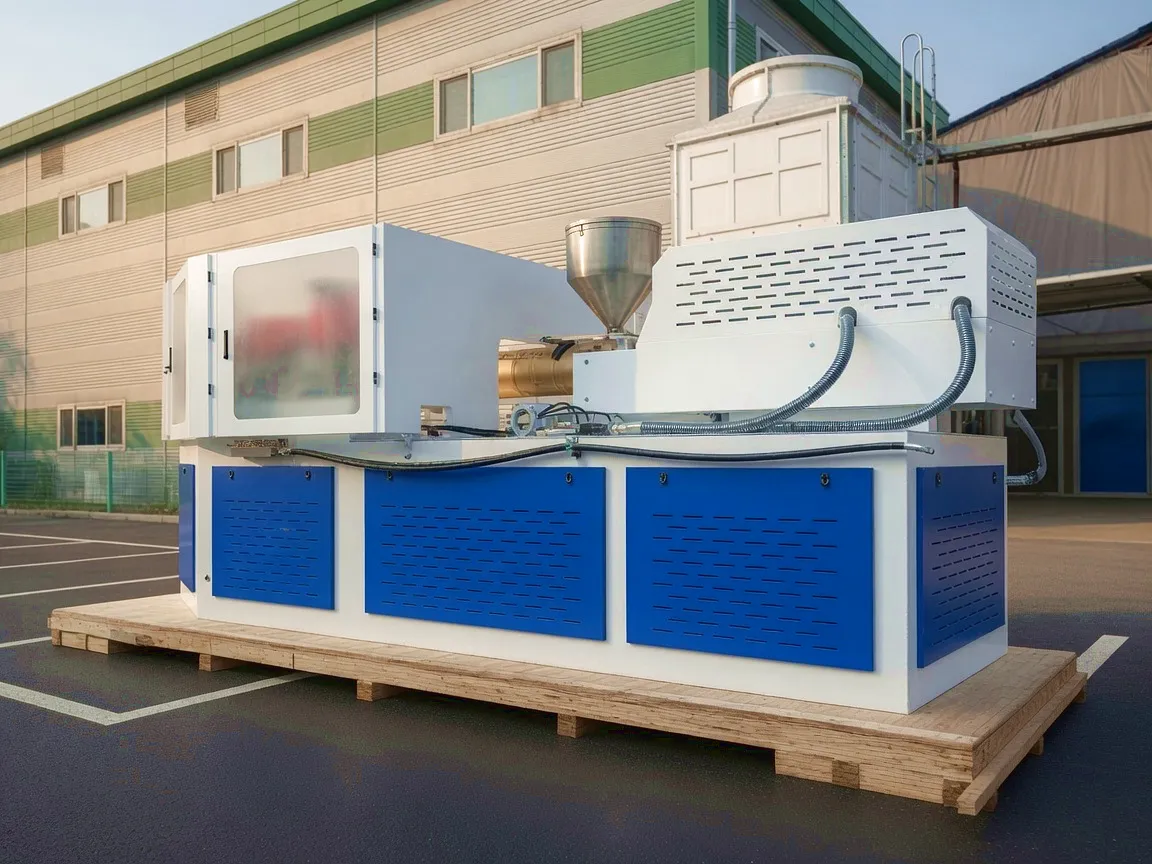
Customer Success Story – Midlands Fragrance Contract Packer
A mid-sized contract packaging operation located on the outskirts of Birmingham specialising in prestige fragrance filling faced rising scrap rates and inconsistent neck dimensions on its existing blow-moulding fleet. The company needed to produce 50 ml and 100 ml PETG perfume bottles for several independent UK brands while maintaining the optical standards previously achieved only with glass. After detailed discussions with Ever Power engineers, a dual-cavity Injection-Blow Molding Machine configuration was selected, featuring servo-assisted injection and closed-loop blow pressure control. Tooling was designed with interchangeable inserts to cover both bottle volumes on the same base mould. Within eight weeks of installation the line achieved stable cycle times of 15 seconds and reduced weight variation to under 0.25 g. Scrap attributed to neck-thread defects fell by more than 70 percent, and the improved impact resistance of the PETG containers lowered transit damage claims during distribution to retailers across London, Manchester and Edinburgh. The project also incorporated an integrated material dryer and automatic take-out robot supplied as part of the Ever Power turnkey package, allowing the customer to reallocate labour previously spent on manual handling and secondary inspection.
★★★★★
“Neck finish consistency improved dramatically; our pump suppliers no longer report sealing issues.”
— Production Manager, OEM Fragrance Packer, West Midlands
★★★★★
“Ever Power customised the core-rod coating for our PETG grade; tool life exceeded expectations.”
— Technical Director, Contract Filler, Birmingham area
★★★★★
“Cycle stability and energy figures matched the proposal; payback arrived earlier than forecast.”
— Operations Lead, Independent Packaging Group, UK
Featured Injection-Blow Molding Machine Models
Replacement of SUMA 40ib Injection Blow Molding Machine – ZQ40
Compact platform optimised for 5–250 ml containers, servo-hydraulic drive and rapid mould change ideal for UK short-run fragrance producers.
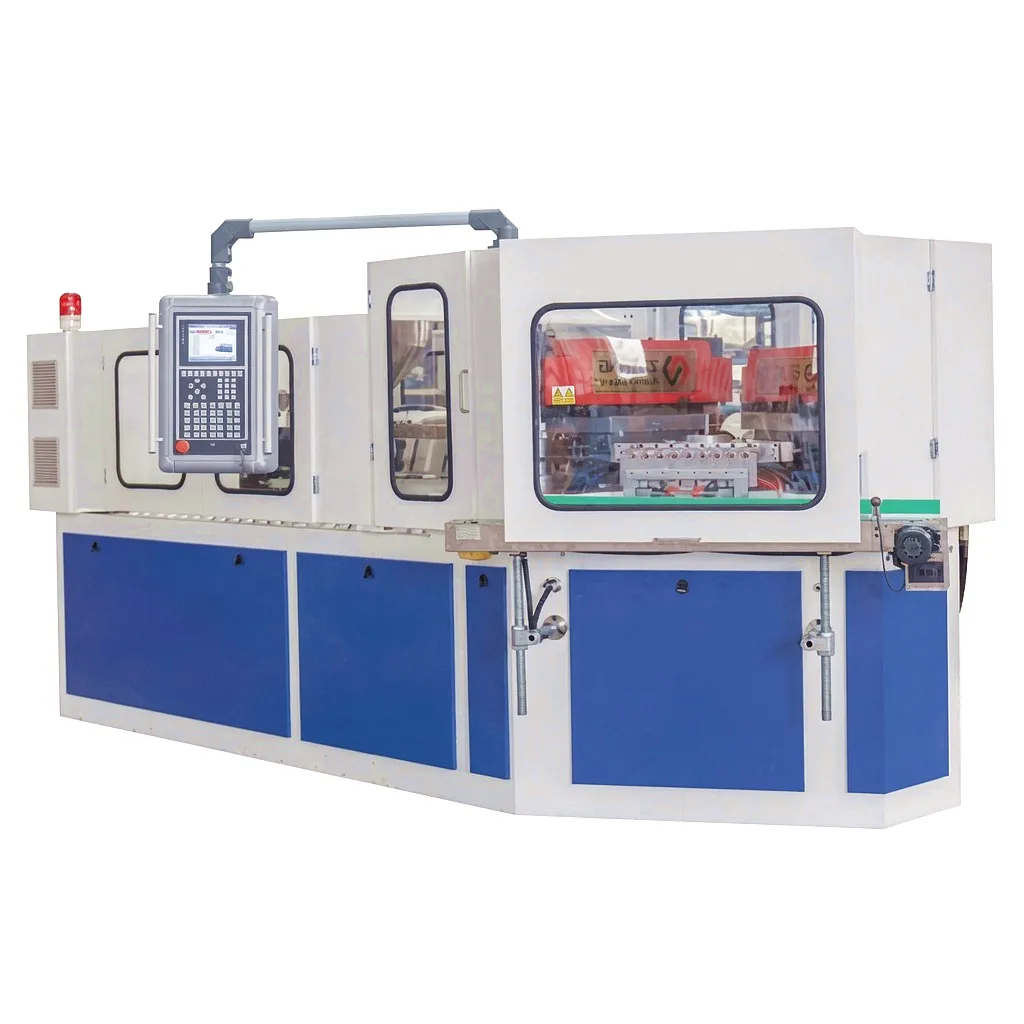
Replacement of SUMA 65iB Injection Blow Molding Machine – ZQ60
Higher clamp force and injection volume for larger cologne and body-spray formats, available with full-servo upgrade for energy-sensitive sites.
Frequently Asked Questions about Injection-Blow Molding Machines in the UK
How much does an Injection-Blow Molding Machine cost for a UK perfume bottle supplier?
Pricing depends on clamp force, cavity count, servo options and auxiliary packages. For typical 40–60 tonne platforms suited to 30–200 ml PETG perfume bottles, budget ranges are provided after reviewing annual volume and resin grades. Ever Power supplies detailed quotations that include tooling, installation support and UK commissioning assistance so that total cost of ownership is transparent from the outset.
What is the typical lead time when ordering a custom Injection-Blow Molding Machine from a UK-focused supplier?
Standard series machines ship in 12–16 weeks after order confirmation. Fully customised configurations with special core-rod coatings or integrated vision systems usually require 18–22 weeks, including factory acceptance testing. Ever Power maintains buffer stock of key mechanical components to protect UK customers against extended international logistics delays.
Which Injection-Blow Molding Machine model suits small-batch fragrance production in Birmingham?
The ZQ40 platform is frequently selected by Midlands short-run producers because of its compact footprint, rapid mould-change design and sufficient injection volume for 5–250 ml containers. When higher output or larger cologne formats are required, the ZQ60 offers increased clamp force while retaining the same process philosophy and spare-parts commonality.
How do I obtain a formal quote for an Injection-Blow Molding Machine replacement project in the UK?
Simply email the technical team at [email protected] with bottle drawings, annual volume estimates and preferred resin. A project engineer responds with a structured quotation covering machine specification, recommended tooling, energy data and optional turnkey auxiliaries tailored to UK site conditions.
What materials can an Injection-Blow Molding Machine process for premium UK fragrance packaging?
PETG is the primary choice for high-clarity perfume and cologne bottles. Polycarbonate grades are processed when higher heat resistance is needed. Colour masterbatches and UV packages are readily incorporated, and Ever Power validates melt homogeneity on every machine before shipment so that optical and mechanical properties meet brand specifications.
Where can Sheffield manufacturers source reliable Injection-Blow Molding Machine spare parts and service?
Ever Power maintains a structured spare-parts catalogue and can despatch high-wear items such as heaters, seals and core-rod components on short notice. Remote diagnostic support and scheduled preventive-maintenance visits are available to Northern England sites, minimising unplanned downtime on critical fragrance lines.
When should a UK packaging firm consider upgrading to a servo-driven Injection-Blow Molding Machine?
Energy cost pressure, tighter process windows for thin-wall PETG and the need for quieter operation in multi-shift plants all favour servo or hybrid systems. Payback calculations typically show advantage within two to three years for medium-to-high utilisation sites producing fragrance and personal-care containers.
Who provides technical training for operators of a new Injection-Blow Molding Machine installed in the UK?
Ever Power includes on-site training covering start-up, parameter optimisation, mould change and basic troubleshooting as part of every installation package. Additional advanced process courses can be arranged for continuous-improvement teams aiming to push overall equipment effectiveness still higher.
© Ever Power · Injection-Blow Molding Machine Solutions for UK Manufacturing · edit by gzl