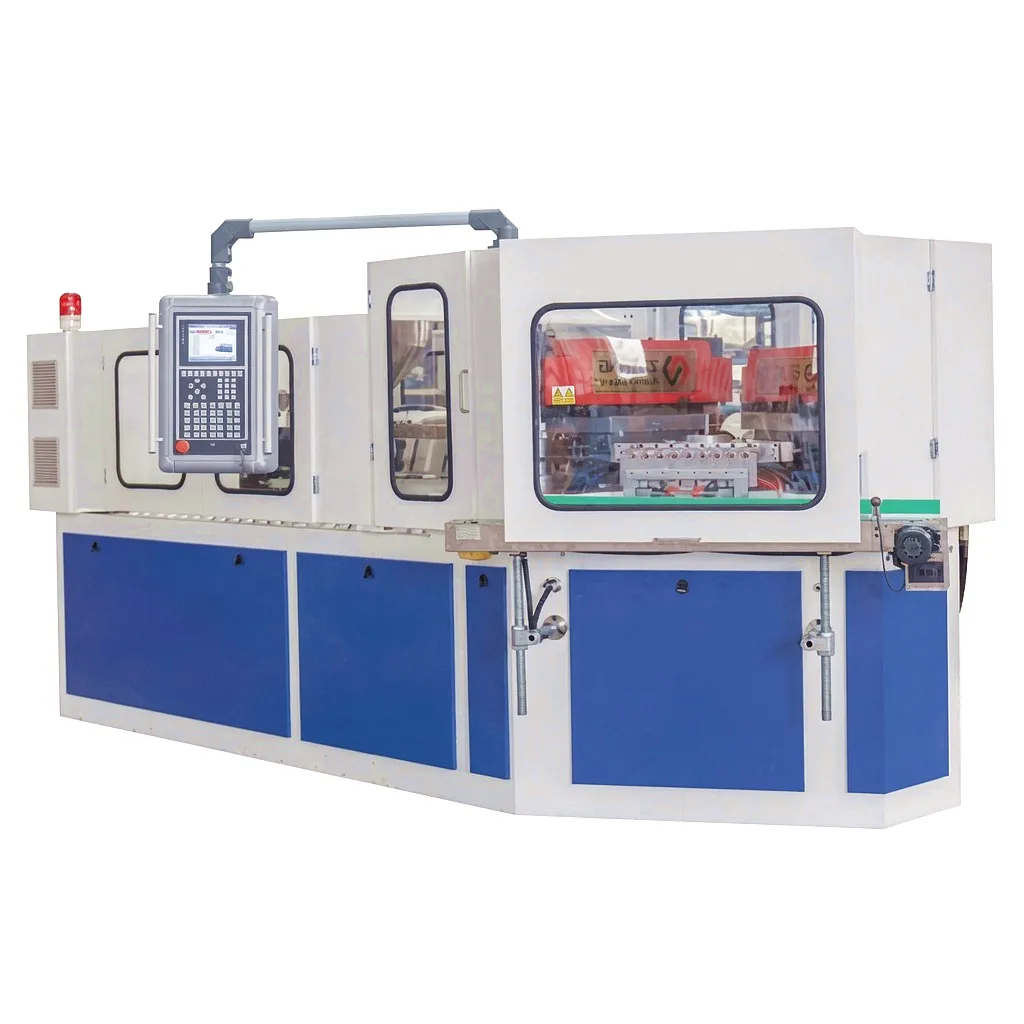
The injection blow moulding machine — commonly referred to in the industry as an IBM machine — occupies a uniquely critical position in modern PET bottle production for the mineral water sector. Unlike extrusion-based technologies that rely on parison formation and subsequent blow-off cycles, the IBM process integrates injection moulding and blow moulding into a seamless, single-machine workflow. This means every bottle produced carries precisely consistent neck finishes, negligible flash, and wall-thickness uniformity that generic rotary or linear extrusion blow moulding equipment simply cannot match at high volume. For mineral water producers operating under stringent UK Food Standards Agency regulations and ISO 22000 food safety frameworks, this level of dimensional consistency is not merely desirable — it is a prerequisite for market entry and sustained production efficiency. The growing demand for lightweight, recyclable PET packaging across Britain’s bottled water market, which reached a retail value exceeding £3.5 billion, places enormous pressure on manufacturing facilities in the Midlands, Yorkshire, and the South East to adopt machinery that delivers both throughput speed and material optimisation without sacrificing quality.
Blow Moulding Process Comparison: IBM, ISBM, EBM, and Extrusion
IBM
Injection Blow Moulding uses an injection-moulded preform that is transferred directly to a blow station. No reheat energy is required. Ideal for narrow-neck bottles with precise thread dimensions. Produces no flash, making it highly suited to pharmaceutical and premium mineral water applications. The IBM machine excels at small-to-medium container volumes with exceptional neck finish accuracy, typically holding tolerances within ±0.05 mm — critical for cap-seal integrity under UK retail standards.
ISBM
Injection Stretch Blow Moulding introduces a biaxial stretching stage after preform injection. A stretch rod extends the preform axially while high-pressure air expands it radially. This dual-orientation crystalline structure delivers superior tensile strength and gas barrier properties. ISBM is the preferred route for large-volume PET water bottles — from 330 ml single-serve to 5-litre household containers — where material economy and structural performance are equally weighted. UK beverage manufacturers in Sheffield and Birmingham routinely specify ISBM lines for high-output CSD and water lines.
EBM
Extrusion Blow Moulding produces a molten parison that is captured in a split mould and inflated. EBM is best suited to HDPE or PP containers with handle configurations — think detergent bottles, fuel tanks, and large industrial containers. While EBM tooling costs are relatively low, the process generates flash that must be trimmed, introducing a secondary operation. Neck finish accuracy is considerably lower than IBM or ISBM methods. For UK mineral water producers requiring food-grade PET clarity and dimensional precision, EBM is generally not the preferred route.
Extrusion
Continuous extrusion processes form the backbone of commodity plastic pipe, sheet, and profile production, but they are rarely applied to bottle forming directly. In the context of the blow moulding industry, “extrusion” typically refers to the parison stage within EBM lines. The key differentiator between extrusion-based paths and injection-based paths (IBM / ISBM) lies in the preform quality: injection processes produce a gate-controlled, thermally homogeneous preform whose wall distribution is far more predictable, leading to downstream bottle quality that is substantially more consistent across all cavities on a multi-station IBM machine.
How an IBM Blow Moulding Machine Works: The Three-Station Cycle
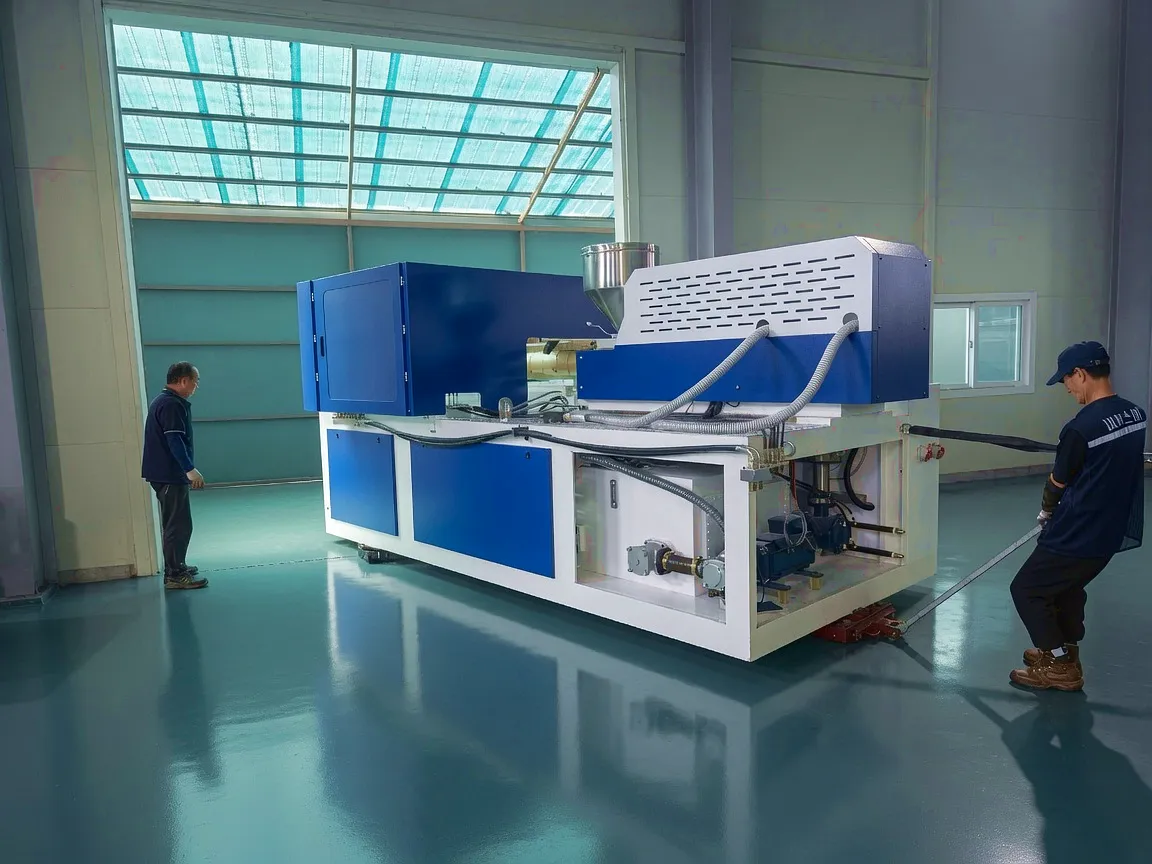
The operational architecture of an IBM blow moulding machine revolves around three indexed stations mounted on a central rotating core. At Station One, plasticised PET resin — typically with an intrinsic viscosity (IV) between 0.72 and 0.84 dl/g for mineral water applications — is injected under pressures ranging from 80 to 160 MPa into a precision preform cavity. The injection unit employs a reciprocating screw design with an L/D ratio of 22:1 to 26:1, ensuring thorough homogenisation of the melt at barrel temperatures carefully controlled between 265°C and 285°C. The preform core rod simultaneously defines the internal geometry of the bottle neck and acts as the blow pin support element during the subsequent inflation stage.
At Station Two, the still-thermoplastic preform — retained on the core rod at an optimal transfer temperature between 95°C and 110°C for PET — is indexed into the blow cavity. High-pressure air at 6 to 10 bar is introduced through the core rod, expanding the softened preform radially to contact the cooled blow mould walls. The mould surface temperature is maintained at 8°C to 15°C via chilled water channels machined directly into the tooling, ensuring rapid cooling that locks the molecular orientation and crystalline structure in place. The IBM machine’s architecture ensures that the preform never fully cools between injection and blowing, which eliminates the reheat energy cost associated with two-stage ISBM processes — a significant operational advantage for UK plants managing energy tariffs under current electricity pricing regimes.
Station Three serves as the ejection and takeout position, where the finished bottle is stripped from the core rod and collected. Modern IBM machines from Ever Power integrate servo-driven indexing that maintains positional repeatability within ±0.1 degrees of rotation, enabling cycle times as fast as 8 to 15 seconds per index depending on container wall thickness and cooling channel efficiency. The three-station design is inherently more mechanically elegant than multi-station rotary EBM configurations because each station performs exactly one operation per index — no parison management, no flash trimming, no secondary handling.
Wall Thickness Uniformity Control and Preheating Temperature Curve Management
Wall Thickness Distribution Strategy
Achieving wall-thickness uniformity in PET blow moulding begins at preform design. The preform’s axial thickness gradient — deliberately varied from the gate region to the neck finish — must be engineered to compensate for the non-uniform stretching behaviour of PET during inflation. Thicker preform walls at the base produce adequate material at the pinch zone, while a tapered body zone distributes material evenly along the bottle sidewall. IBM machines address wall thickness through precise injection fill profiles programmed into the machine’s multi-zone controller. A five-stage fill profile — with velocity and pressure transitions matched to cavity fill fraction — ensures gate-balanced injection across all cavities on multi-cavity tooling. Inline metrology systems using ultrasonic or optical sensors can monitor average wall thickness in real time, flagging deviation greater than ±0.03 mm and triggering barrel-zone temperature corrections within the same production cycle.
Preheating Temperature Curve in Single-Stage IBM
In a single-stage IBM machine, there is no discrete reheat zone — the preform’s thermal profile is established entirely during injection and managed through precise barrel and nozzle temperature zoning. Barrel Zone 1 (feed throat) typically operates at 55°C to 65°C, serving primarily to soften and compact the resin pellets. Zones 2 and 3 progressively raise the melt temperature to 245°C to 265°C, while Zone 4 and the nozzle are held at 270°C to 285°C for optimal flow. The critical control parameter is the temperature differential across the preform wall upon transfer to the blow station. A thermal uniformity of ±3°C across the preform cross-section is achievable with high-precision ever power servo-driven screw drives, and this directly translates to a bottle-to-bottle wall-thickness coefficient of variation below 4%, meeting the most stringent UK mineral water bottling specifications.
IBM Blow Moulding Machine Technical & Performance Parameter Table
Core Materials Used in IBM Blow Moulding Machine Construction
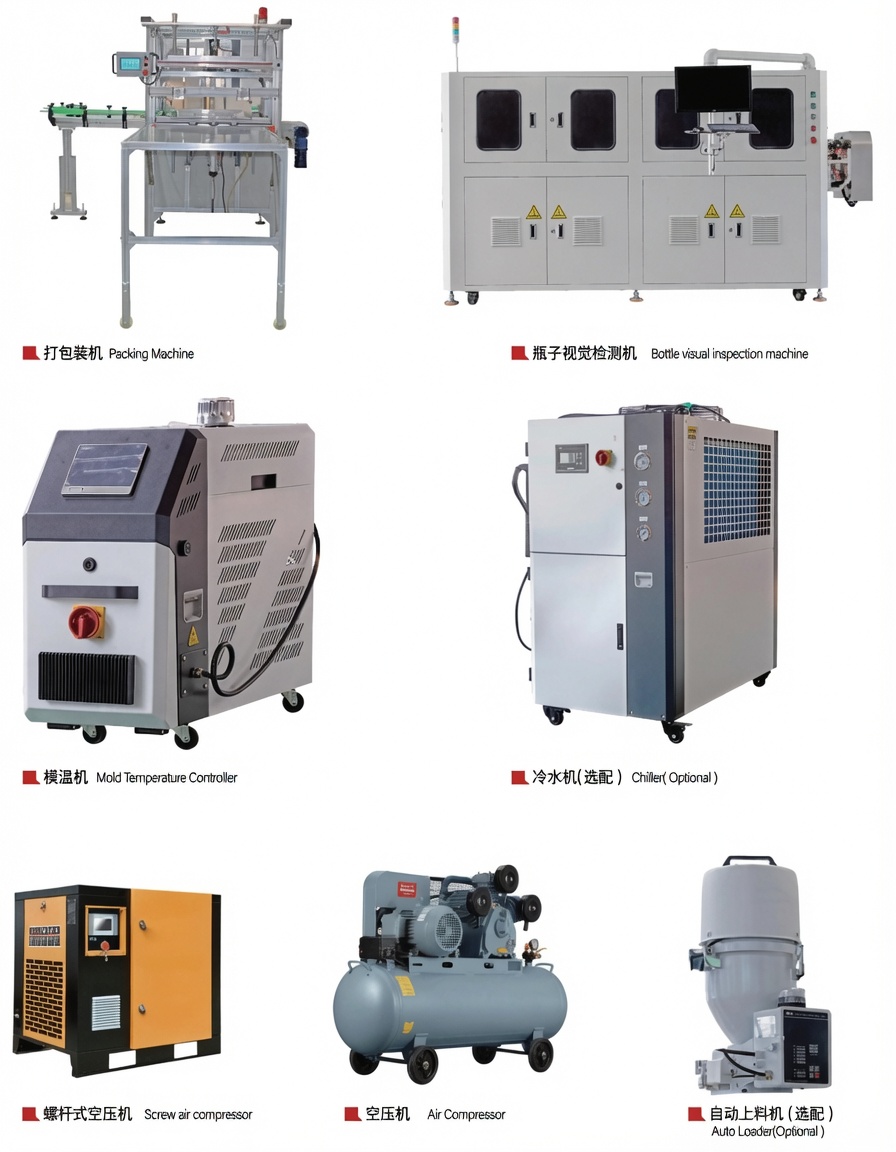
Material selection across the critical functional zones of an IBM blow moulding machine is one of the primary determinants of service life and production consistency. The injection barrel is manufactured from 38CrMoAl nitrided alloy steel — a material choice that combines a surface hardness of HV900 with a core toughness sufficient to withstand the cyclic stress of high-pressure injection. The screw itself is typically produced from the same grade, with the screw flights receiving a hard chrome or twin-alloy spray coating that extends wear resistance against abrasive glass-fibre or mineral-filled PET grades. For pharmaceutical-grade IBM applications, 316L stainless steel barrel liners are available, eliminating any risk of iron migration into the melt stream.
The preform injection cavity and core rod — perhaps the most dimensionally critical components on the entire machine — are manufactured from H13 hot-work tool steel, hardened to 48–52 HRC and polished to Ra 0.04 µm surface finish or better. H13 provides an optimal balance of thermal fatigue resistance, machinability, and dimensional stability under the cyclic thermal loading inherent in rapid injection-cool cycles. The blow mould tooling itself is typically produced from 2738 pre-hardened mould steel or aluminium alloy 7075-T651 — the latter being increasingly popular for UK customers managing shorter production runs, as aluminium tooling reduces lead time from 8 weeks to approximately 3 to 4 weeks and cuts mould weight by up to 65%, facilitating rapid changeovers on the IBM machine platform.
The machine frame and platens are constructed from FCD450 ductile cast iron, stress-relieved and precision-machined to tolerances of ±0.01 mm across the platen face to ensure parallelism under maximum clamping load. High-strength EN36C carburising steel tie rods are used on the larger ZQ60 model, providing tensile strength exceeding 1,100 MPa to prevent elastic deformation that would otherwise shift the clamp centre and introduce cavity misalignment. The hydraulic manifold blocks are machined from 34CrNiMo6 alloy steel, pressure-tested to 1.5 times working pressure in accordance with CE-marked machinery directive requirements applicable to equipment sold into the UK and wider European markets.
Core Technical Advantages of IBM Blow Moulding Machines
Flash-Free Production
Because the preform is injection-moulded with a precisely closed cavity and then transferred intact to the blow station, there is zero flash generation in IBM machines. This eliminates the trimming, regrind, and re-dosing steps required in EBM operations, reducing material waste by 3–8% and eliminating a secondary labour cost that adds measurably to the cost-per-bottle in high-volume UK bottling facilities.
Superior Neck Finish Accuracy
The injection-moulded neck finish is formed in the same rigid metal cavity as the preform body, with no stretching or deformation during the subsequent blow stage. This produces neck thread dimensions repeatable to ±0.03 mm, ensuring that closure application torque values remain within the narrow window specified by UK cap manufacturers. Rework due to cap-sealing failure rates on IBM-produced bottles are typically less than 0.1% — a benchmark that underpins the strong preference for IBM machine technology in the premium bottled water segment.
Energy Efficiency vs. Two-Stage ISBM
Single-stage IBM machines eliminate the infrared reheat ovens required in two-stage ISBM lines. For UK operations managing energy bills under volatile electricity market conditions, this architecture reduces per-machine energy consumption by 15–25% on comparable bottle volumes. Ever Power’s ZQ series integrates servo-electric drives on the injection and clamp axes, further reducing hydraulic power demand and enabling energy consumption readings as low as 0.08 kWh per 1,000 bottles — competitive with any currently available IBM machine technology on the UK market.
Compact Footprint and Simple Layout
The three-station rotary architecture of the IBM blow moulding machine places injection, blowing, and ejection on a single compact chassis. Compared to linear EBM lines that may require 12 to 20 metres of floor space with associated parison handling conveyors and flash-trimming stations, an IBM machine requires 4 to 8 square metres of floor space. For UK manufacturing facilities where factory floor rates in cities like Manchester, Leicester, and Coventry represent a significant operational overhead, this footprint advantage translates directly into cost-per-bottle reduction.
Mould Flexibility and Quick Changeover
IBM machine tooling is modular: the injection cavity inserts, core rods, and blow cavity inserts can each be swapped independently. A complete mould changeover from 250 ml round to 500 ml oval cross-section on a ZQ60 IBM machine can be accomplished in under 90 minutes by a trained technician, compared to 4 to 6 hours for equivalent changeovers on multi-cavity ISBM reheat lines. This agility supports UK contract packaging operations that run multiple SKUs on shared equipment across a production week.
Multi-Material Compatibility
While PET dominates mineral water bottle production, IBM machines are equally capable of processing polypropylene (PP) for hot-fill applications, polyethylene (PE) for squeeze-type dispensers, and polycarbonate (PC) for reusable water cooler bottles. The wide processing temperature range — 200°C to 300°C across the barrel zones — means a single IBM machine installed in a UK facility can serve multiple product lines without capital investment in additional equipment, significantly improving return on machinery investment.
Mould Design Principles and Bottle Profile Optimisation for Mineral Water Applications
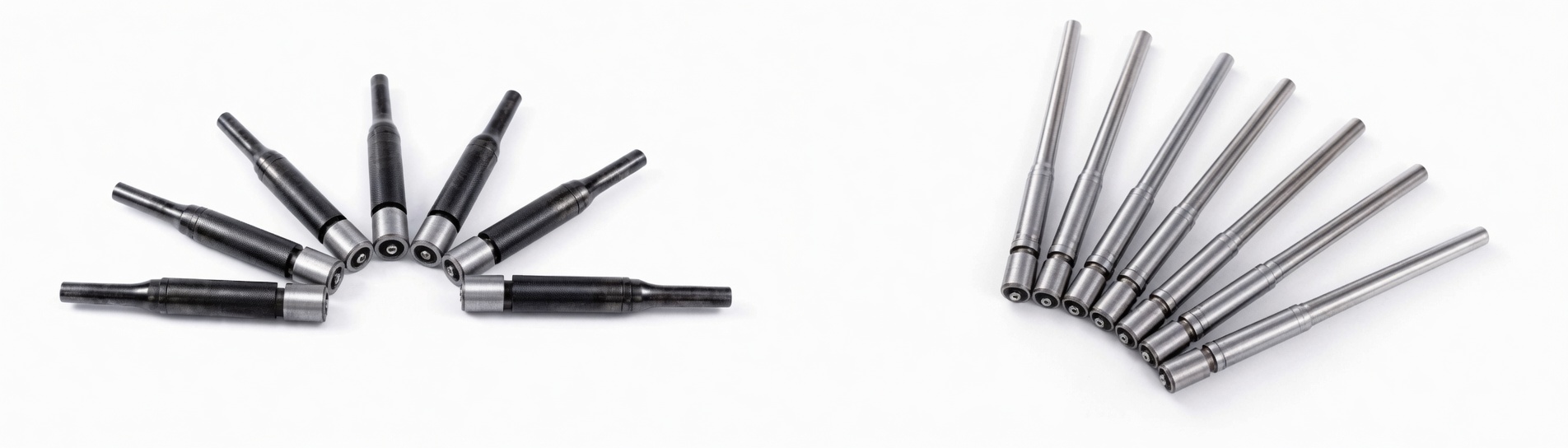
Mould design for IBM blow moulding in the mineral water sector is simultaneously a structural engineering challenge and an aesthetic design exercise. The blow cavity defines the final bottle geometry — every rib, panel, waist contour, and base geometry is machined into the tool — and must accommodate the thermodynamic behaviour of the expanding PET preform while also satisfying the brand’s visual design brief. Parting line position is critical: a poorly placed parting line introduces a visible weld line on the bottle body that, while structurally inconsequential, fails the visual quality standards of premium mineral water brands sold through Sainsbury’s, Waitrose, and M&S Simply Food outlets across the UK.
Cooling channel design in the blow mould is perhaps the single biggest determinant of cycle time. A baffle-and-bubbler cooling circuit machined to within 4 mm of the cavity surface can reduce the cavity-surface heat flux sufficiently to achieve a bottle ejection temperature below 55°C — the threshold at which PET stabilises against post-mould shrinkage that would distort label panels. Conformal cooling, achieved through 3D-printed copper alloy inserts, is increasingly being specified by Ever Power for UK customers requiring maximum throughput from each IBM machine cavity, with cycle-time reductions of 12–18% reported against conventionally-drilled cooling channels.
Bottle base design on IBM-produced containers uses a champagne-base or petaloid-base geometry to manage the internal pressure requirements for carbonated versions and to ensure flat-plane stability on packing lines. For still mineral water, a shallow punt or slightly domed base with radial ribs provides adequate stacking strength without incurring the additional material weight of a fully-petaloid design. The IBM machine’s rigid control of preform positioning ensures that the base gate remains centrally located to within ±0.2 mm, preventing asymmetric base bulge under hydrostatic load — a defect known to cause secondary reject rates of up to 3% on less precisely controlled blow moulding platforms.
Industrial Application Scenarios: Where IBM Blow Moulding Machines Deliver Maximum Value
PET Bottle Blow Moulding for Mineral Water Industry
This is the dominant application for IBM machines in the United Kingdom. Mineral water brands — from major names operating bottling facilities near natural springs in Wales and the Peak District to private-label producers serving supermarket chains across England — rely on IBM blow moulding machines to produce 250 ml, 330 ml, 500 ml, and 750 ml PET water bottles with the dimensional consistency their high-speed filling and capping lines demand. The IBM machine’s ability to deliver neck-finish accuracy to ±0.03 mm is not a specification-sheet number — it is the engineering prerequisite that enables modern rotary filling lines running at 30,000 bottles per hour to achieve cap application reject rates below 0.05%. Ever Power ZQ series IBM machines have been deployed in bottling facilities from Yorkshire’s spa water producers to contracted beverage manufacturers in the Home Counties, delivering uptime performance exceeding 98% under continuous two-shift operation.
Pharmaceutical Packaging — Oral Liquid and Syrup Bottles
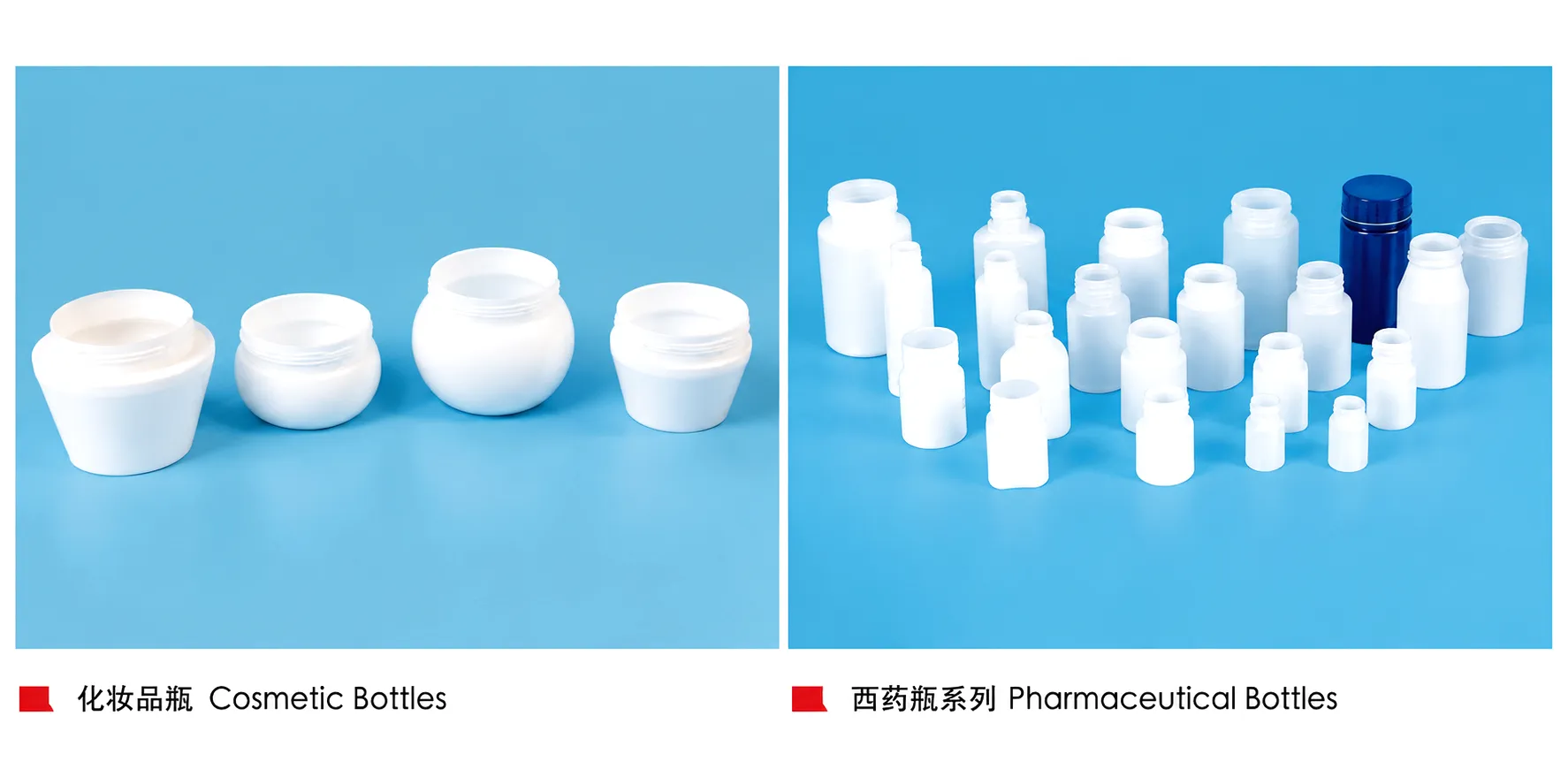
Pharmaceutical-grade oral liquid containers, including cough syrup bottles, liquid analgesics, and paediatric medication containers, represent one of the most technically demanding applications for IBM blow moulding technology. UK manufacturers in this sector — clustered around the pharmaceutical manufacturing hubs of Nottingham, Huddersfield, and Cramlington — require containers that meet BS EN ISO 15223-1 medical device symbology requirements and Food Contact Material (FCM) regulations. IBM machines producing pharmaceutical containers operate with food-grade stainless barrel options and cleanroom-compatible enclosures. The flash-free characteristic of IBM production is particularly valuable in pharmaceutical packaging, where any flash contaminating the container interior would represent a critical GMP failure. Wall thickness uniformity of ±0.05 mm or better ensures accurate volumetric measurement by the end consumer, which is clinically important for paediatric dosing applications.
Cosmetic and Personal Care Packaging
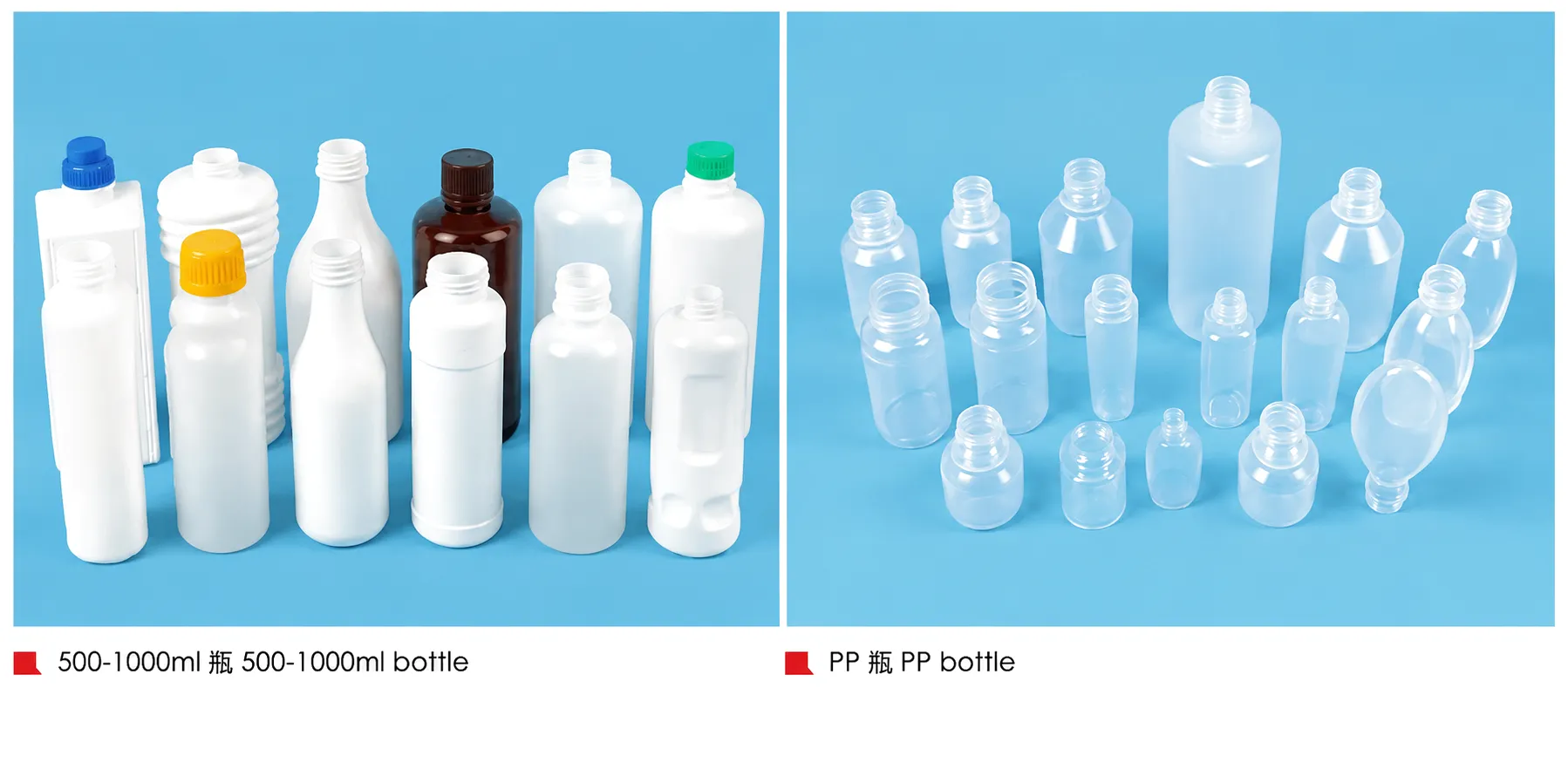
The premium personal care and cosmetics sector in the UK — driven by London-based brands sourcing from contract manufacturers across the West Midlands and Greater Manchester — demands containers with optically clear side walls, precisely formed shoulders, and stable neck finishes for pump or spray mechanisms. IBM machines excel in this application because the injection-formed preform surface, combined with the rapid quench in the blow mould, produces a side wall that is both dimensionally accurate and free of the haze or streaks associated with poorly controlled melt temperatures in EBM lines. Containers from 50 ml to 500 ml for lotions, serums, and hair care products are routinely produced on IBM machines, with PP grades offering chemical resistance to formulations containing alcohols, essential oils, and surfactants that would stress-crack lower-grade PET containers.
Food Condiments and Sauces — Small to Medium Containers
Single-serve condiment bottles, ketchup portion pots, and squeeze bottles for salad dressings, hot sauces, and specialty condiments represent a growth segment for IBM machine technology in the UK food service industry. The IBM process is particularly well suited because the injection-moulded neck allows precise torque application on tamper-evident closures — critical for food safety compliance under UK Food Information Regulations. Birmingham and Sheffield’s well-developed food manufacturing supply chains, with their established logistics corridors to national distribution centres, make these cities natural clusters for IBM blow moulding operations targeting the food condiment market. Containers from 30 ml to 250 ml in PP or PET are routinely produced, with cycle times typically between 10 and 14 seconds per index achieving outputs of 900 to 3,600 bottles per hour depending on cavity count.
Common Fault Troubleshooting on IBM Blow Moulding Machines
Energy Consumption Optimisation and Energy-Saving Retrofits for IBM Blow Moulding Lines
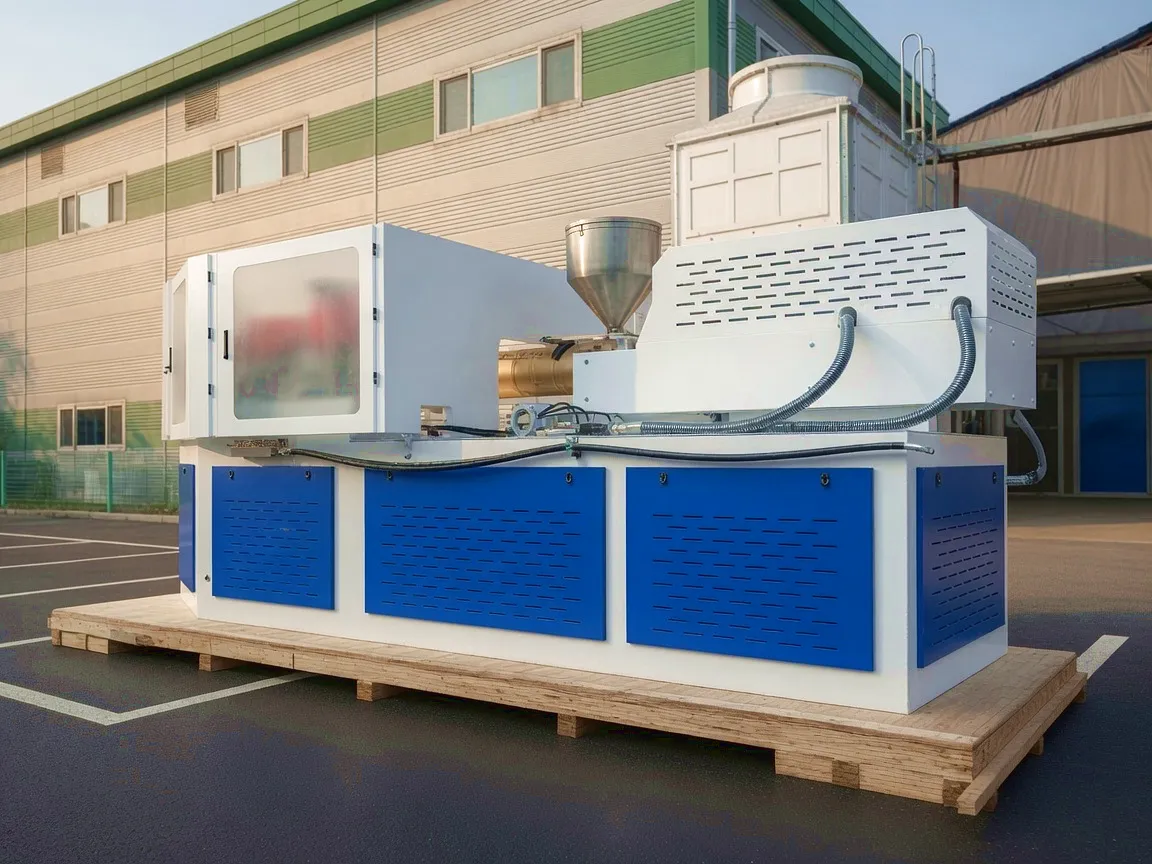
Energy cost represents the second-largest variable overhead in plastic bottle production after raw material. For UK blow moulding operations paying electricity rates between 20 and 28 pence per kWh under current business tariff structures, the energy performance of the IBM blow moulding machine directly affects the commercial viability of each product run. The most impactful single modification available to operators of legacy IBM machines is the replacement of constant-speed hydraulic pump drives with variable-speed drives (VSDs). VSDs match hydraulic pump output to instantaneous demand — delivering full flow only during injection and clamping, and idling at 15–20% output during cooling and indexing dwell periods. Field data from UK packaging operations that have carried out this retrofit show energy consumption reductions of 25–35% with a typical payback period of 18 to 24 months at current UK electricity prices.
Barrel heating systems on older IBM machines use standard resistive band heaters with on-off temperature control, which results in overshooting and energy wastage through regenerative cycling. Upgrading to ceramic-faced heaters with PID control modules reduces thermal cycling amplitude from ±8°C to ±1.5°C, improving product consistency and reducing heater energy consumption by up to 18%. Insulating the barrel zones with aerogel blankets — now available at commercially viable costs from UK industrial insulation suppliers — further reduces radiated heat loss by 40–60%, improving workshop thermal conditions and reducing ventilation energy costs.
Compressed air management on blow moulding lines is a frequently overlooked energy sink. Blow air that is exhausted to atmosphere after each cycle represents significant compressor energy. Blow air recovery systems — fitted between the blow mould exhaust port and a low-pressure reservoir tank — can capture air at 4 to 6 bar after the initial high-pressure blow stage and redirect it to pre-blow, cylinder actuation, or bottle conveying functions. Ever Power’s ZQ series IBM machines ship with blow-air recovery as a standard feature on UK market units, reducing compressed air energy demand per bottle by up to 30% compared to machines without recovery. For a 10-cavity IBM machine running three shifts, this saving equates to approximately 12,000 kWh per annum — a meaningful figure under the UK’s Climate Change Levy framework.
Featured IBM Blow Moulding Machine Models from Ever Power
Two precision-engineered European-specification models, designed for UK and European market standards
ZQ60 Injection-Blow Molding Machine (European)
The ZQ60 is Ever Power’s flagship high-output IBM machine for the European and UK market. With a 600 kN clamping force, 60 mm screw diameter, and support for up to 12 cavities, it targets mineral water bottlers and pharmaceutical packaging manufacturers requiring high-volume production with uncompromising neck-finish accuracy. Servo-electric injection and clamping axes deliver energy consumption figures below 0.09 kWh per 1,000 bottles on standard 500 ml PET water bottle production, with CE marking and UK Conformity Assessment (UKCA) certification for immediate deployment in GB market facilities. The ZQ60 supports full mould customisation from Ever Power’s engineering team, with mould-to-delivery lead times as short as 4 weeks for aluminium tooling options.
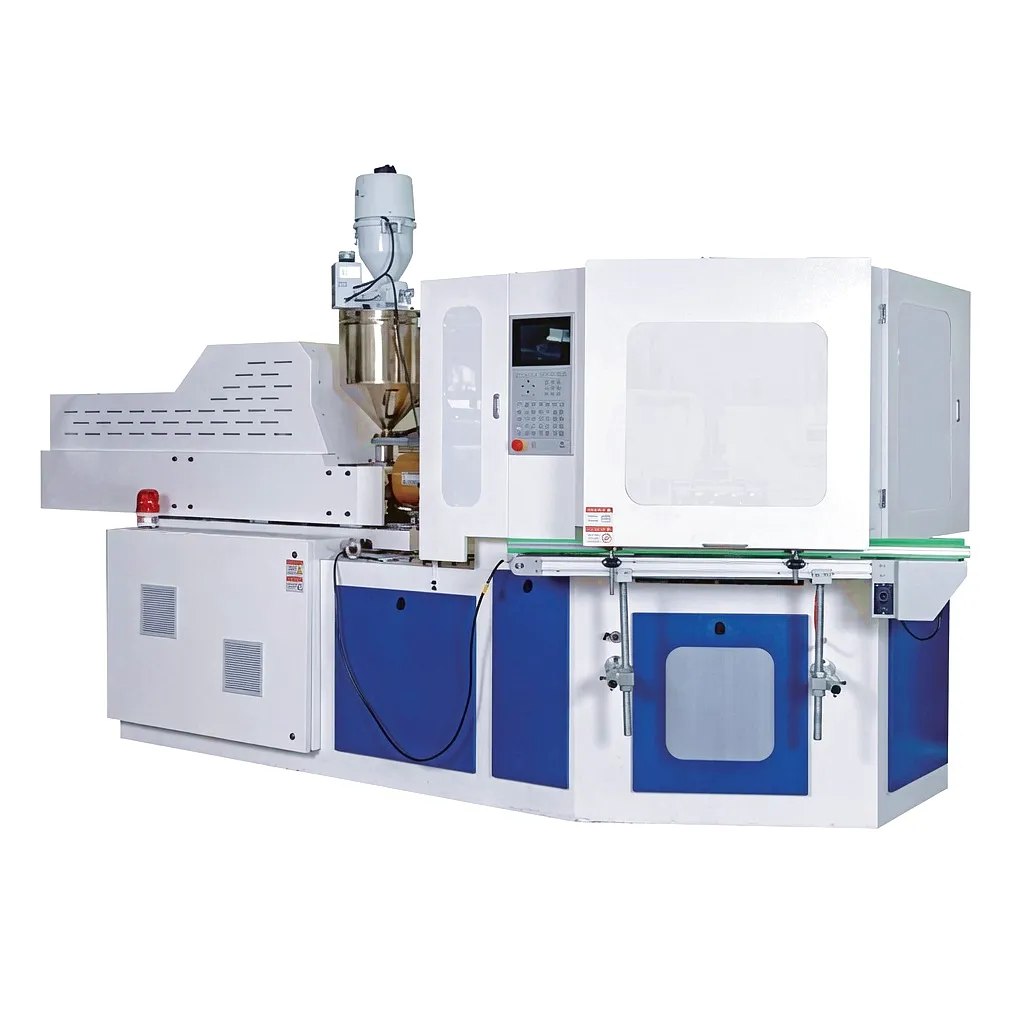
ZQ40 Injection-Blow Molding Machine (European)
The ZQ40 is the ideal IBM blow moulding machine for UK manufacturers entering the injection blow moulding technology space or operating in specialist segments such as pharmaceutical oral liquids, premium cosmetics, or artisan food condiments. With a 400 kN clamping force and up to 6 cavity configurations, it delivers the precision and reliability of Ever Power’s European series in a more compact, more accessible format. The ZQ40 processes PET, PP, and PE across container volumes from 5 ml to 500 ml, making it one of the most versatile entry-level IBM machines available to UK-based packaging operations. Its reduced footprint — approximately 4 square metres — makes it deployable in constrained factory environments typical of UK light-industrial units in the South East, East Midlands, and Yorkshire regions.
Ever Power Manufacturing Capability and Custom IBM Machine Solutions
Ever Power operates a purpose-built precision manufacturing facility equipped with CNC turning centres with sub-micron positioning control, CMM measurement cells for component verification, and a dedicated quality assurance laboratory with full material traceability documentation to ISO 9001:2015 standards. The factory’s machining capacity spans from fine tooling components at micron-level tolerance through to large structural castings — all produced under the same roof to eliminate supply-chain variability and ensure consistent build quality across every IBM blow moulding machine shipped to UK customers.
Ever Power’s engineering team offers a comprehensive customisation service that extends beyond standard model variants. UK customers can specify custom cavity counts, non-standard container geometries with aspect ratios outside the standard range, hot-runner gate configurations for materials requiring elevated melt temperatures, or integrated downstream automation — including bottle inspection cameras, air-rinsing units, and direct-coupling to labelling or filling lines. The customisation consultation process begins with a technical data form completed by the customer’s engineers, reviewed by Ever Power’s application team within 48 hours, and followed by a detailed quotation covering machine specification, tooling design, lead time, and a binding delivery schedule. From design lock to dispatch, typical lead times for fully customised IBM machines range from 6 to 10 weeks — significantly faster than comparable European machinery manufacturers citing 16 to 20 week programmes.
After-sale support for UK customers is provided through a dedicated technical support desk with English-language engineers, remote diagnostics capability via the machine’s built-in Ethernet service port, and a UK-stocked spare parts programme covering wear items, drive components, and control system modules. Emergency spare parts dispatched from the UK-based holding stock typically arrive within 24 hours for next-day delivery to any mainland address.
Customer Success Story: Harrogate Spring Water Packaging Facility, North Yorkshire
Background
Stonebridge Natural Waters, a premium mineral water producer based in Harrogate, North Yorkshire, had been running a legacy two-stage ISBM production line producing 500 ml PET bottles for regional retail distribution. As volume requirements grew and energy costs escalated following the 2022 energy price surge, the Stonebridge operations management team began evaluating a transition to single-stage IBM blow moulding technology to reduce their per-bottle energy cost and improve neck-finish consistency — their existing line was producing cap-rejection rates of around 0.4%, which was generating meaningful downstream rework labour costs on their filling line in Knaresborough.
Challenge
Stonebridge required an IBM blow moulding machine capable of producing 500 ml round PET bottles at a minimum of 3,600 units per hour, with a neck finish compatible with their existing 28 mm PCO 1881 cap tooling. Floor space constraints at the Harrogate facility meant the new IBM machine had to fit within a 6 m x 4 m zone, replacing two pieces of equipment (preform oven and blow moulder) with a single unit. They also required UKCA marking for machinery compliance and documented food-contact material certification for the new tooling.
Solution
Ever Power recommended a ZQ60 IBM machine configured with 8-cavity tooling for the 500 ml PCO 1881 bottle. The preform tooling was designed with a precision gate system that balanced fill within ±1% across all 8 cavities, and the blow cavity was produced in aluminium 7075 with conformal-cooled base inserts to achieve an 11-second cycle time — delivering 2,618 bottles per index hour per cavity, with 8 cavities producing a total of 20,944 bottles per hour, comfortably exceeding the throughput specification. The machine’s footprint of 4.2 m x 3.8 m fitted within the allocated floor zone. UKCA documentation and food-contact certification were provided with the machine pre-delivery pack.
Results After 6 Months of Production
Cap rejection rates fell from 0.4% to 0.06%, eliminating approximately 1,200 hours of rework labour per annum. Energy consumption per 1,000 bottles dropped by 31% compared to the legacy two-stage line. The Ever Power IBM machine achieved 98.7% mechanical uptime over the first six months of operation, with zero unplanned stoppages attributable to machine failure. The Stonebridge team reported that the payback period on the capital investment — calculated against energy savings and rework labour reduction alone — was projected at 27 months.
What UK Customers Say About Ever Power IBM Machines
★★★★★
“The ZQ60 IBM machine has transformed our filling line efficiency. Neck-finish consistency is genuinely remarkable — we haven’t had a cap-related reject in three months. Ever Power’s technical support team resolved a barrel thermocouple issue via remote diagnostics within two hours. As a production manager, having that level of response is genuinely reassuring.”
— James R., Production Manager, Harrogate Spring Water Facility, North Yorkshire
★★★★★
“We specified a custom 6-cavity IBM machine from Ever Power for our pharmaceutical liquid container line in Nottingham. The customisation process was efficient — their engineers responded to our DQ document within 48 hours, and the machine arrived with full CE/UKCA documentation and material certifications ready for our GMP audit. The wall-thickness uniformity on 100 ml PP bottles is the best we’ve ever achieved.”
— Sarah M., Engineering Director, Pharmaceutical Packaging, Nottingham
★★★★★
“The ZQ40 IBM machine we installed in our Birmingham facility has been running for 14 months without a single unplanned stoppage. Ever Power’s quote process was straightforward, the pricing was competitive versus European alternatives, and the UK-held spare parts stock meant we haven’t waited more than 24 hours for a replacement component. The energy savings against our old hydraulic EBM line are clearly visible on our monthly utility invoices.”
— David K., Operations Director, Contract Packaging Group, Birmingham
Frequently Asked Questions About IBM Blow Moulding Machines
What is the typical price or cost of an IBM blow moulding machine for a UK mineral water bottling facility?
The price of an IBM blow moulding machine for UK mineral water production depends on cavity count, container size range, and the degree of customisation required. Entry-level IBM machines such as the ZQ40 with 2 to 4 cavities typically start in the range of £35,000 to £60,000 including standard tooling. High-output configurations such as the ZQ60 with 8 to 12 cavities, integrated automation, and custom tooling for specific bottle geometries can range from £80,000 to £140,000. For an accurate quote tailored to your production specification, contact the Ever Power sales team at [email protected] — initial pricing is typically provided within 48 hours of receiving your technical brief.
Which IBM blow moulding machine supplier in the UK offers the best after-sales support and spare parts availability?
Ever Power maintains a UK-based spare parts holding stock for its ZQ series IBM blow moulding machines, covering the most common wear items including screw tips, check rings, nozzle seats, barrel thermocouples, and hydraulic seal kits. Parts are available for next-day delivery to any mainland UK address. Remote technical support is provided in English via the machine’s Ethernet service port, and on-site commissioning and training services are available from Ever Power’s team of experienced application engineers. UK customers consistently rate Ever Power’s after-sales response as a key differentiating factor in their buying decision.
How does an IBM blow moulding machine compare to an ISBM machine when producing PET water bottles for UK supermarkets?
IBM machines are better suited to smaller-volume containers — typically under 500 ml — where neck-finish precision, flash-free production, and energy efficiency are the primary drivers. ISBM lines offer higher throughput for large-volume production at 500 ml and above, with the biaxial stretching stage providing enhanced mechanical properties. For UK supermarket-grade 500 ml water bottles produced in volumes exceeding 10 million units per month, a high-cavity IBM machine or an ISBM line with 12 to 24 cavities would both be competitive. Ever Power’s technical team can advise on the optimal technology choice based on your volume, SKU count, and factory footprint constraints.
Where in Sheffield or Birmingham can I find an IBM blow moulding machine supplier that offers fast lead times and local technical service?
Ever Power serves customers across the UK’s industrial heartlands including Sheffield, Birmingham, Leeds, and Nottingham. While IBM machine production is handled at Ever Power’s precision manufacturing facility, UK-based field service engineers are available for commissioning, training, and emergency maintenance visits throughout the Midlands and Yorkshire corridor. Remote diagnostics via Ethernet service port allows rapid fault diagnosis and parameter correction without requiring an on-site visit in many cases. Contact [email protected] to arrange a pre-sales consultation with the nearest available Ever Power technical representative.
How long does it take to get a custom IBM blow moulding machine with bespoke tooling delivered to a UK manufacturing site?
For standard configurations with custom tooling in aluminium, Ever Power typically delivers from design lock to dispatch in 6 to 8 weeks. Steel-tooled configurations with full surface treatment and hardness certification require 8 to 12 weeks. Shipping from Ever Power’s facility to mainland UK ports takes approximately 4 to 5 weeks by sea freight, with optional air freight available for urgent requirements. Including installation and commissioning by Ever Power’s field team, customers should plan for a project timeline of 12 to 16 weeks from purchase order to first production. Contact [email protected] for a detailed project schedule as part of your quotation package.
What materials can an IBM blow moulding machine process, and what types of containers can it produce for UK food and beverage manufacturers?
Ever Power IBM machines process PET, PP, PE, and PC resins. PET is the dominant material for mineral water, carbonated soft drinks, and food condiment bottles. PP is preferred for hot-fill applications and pharmaceutical containers where elevated temperature resistance is required. PE offers excellent chemical resistance for personal care squeezable containers. PC is used for large-volume reusable water cooler bottles. Container sizes from 5 ml pharmaceutical vials up to 1,000 ml consumer bottles are achievable depending on the IBM machine model and cavity configuration selected.
How can I get a competitive quote for an IBM blow moulding machine that meets UK UKCA and CE certification requirements?
All Ever Power ZQ series IBM machines supplied to the UK market are CE/UKCA marked and comply with the Machinery Directive 2006/42/EC as implemented under UK law. The technical documentation package supplied with each machine includes the declaration of conformity, CE/UKCA marking certificate, electrical safety documentation to IEC 60204-1, and food-contact material certification for the preform and blow cavity tooling where required. To receive a competitive quote, email your container specification, required output volume, available floor space dimensions, and preferred delivery timeframe to [email protected].
Ready to Upgrade Your Blow Moulding Operation?
Talk to an IBM Machine Specialist Today
Ever Power’s engineering team provides no-obligation technical consultations and fast-turnaround quotations for UK customers across all sectors.
📧 Get a Quote: [email protected]
edit by gzl