When a purchasing manager in Birmingham or a production engineer in Sheffield sits down to evaluate container manufacturing equipment, one of the very first questions raised is deceptively simple: how many bottles per hour can a blow molding machine actually produce? The honest answer is that output figures vary enormously — from a few hundred units per hour on small single-cavity injection blow molding machines to well over 24,000 bottles per hour on high-speed multi-cavity extrusion blow molding lines. Understanding precisely where an IBM blow molding machine sits within this spectrum, and what engineering variables drive that number, is the foundation of any serious capital equipment decision in the UK plastics processing sector.
The injection blow molding (IBM) process occupies a technically demanding and commercially attractive niche in the broader blow molding landscape. IBM machines are engineered to deliver flawless neck finishes, exceptional wall-thickness uniformity, and near-zero scrap rates — characteristics that make them indispensable for pharmaceutical bottles, cosmetic containers, personal care packaging, and specialty food-grade applications across the United Kingdom’s diverse manufacturing base. Ever Power has been supplying precision IBM equipment to UK and European buyers, and this guide distils the engineering depth behind the process — from output rates and process physics through to troubleshooting, energy optimisation, and real-world application case studies.
How Many Bottles Per Hour Can a Blow Molding Machine Produce?
The production rate of any blow molding machine is governed by a constellation of interacting variables: cavity count, cycle time, container geometry, resin type, and the fundamental thermodynamics of the heating and cooling sequence. For IBM-type machines specifically — those executing injection, blow, and eject on a rotating mandrel or turret — the throughput envelope typically ranges from 1,500 to 18,000 bottles per hour depending on configuration. A standard two-station IBM machine running a 10 ml pharmaceutical vial with a four-cavity toolset might achieve 4,800 to 6,000 units per hour under optimised conditions. Scale that same platform to a three-station, six-cavity configuration targeting 100 ml cosmetic bottles, and output numbers shift to between 3,600 and 5,400 units per hour because the longer blow and cooling dwell times reduce cycle speed. It is critically important that UK buyers request actual cycle-time data, not just theoretical output figures, when evaluating blow molding machine capacity from any supplier.
| Machine Type | Cavities | Cycle Time (s) | Bottles/Hour | Typical Application |
|---|---|---|---|---|
| IBM (Single-station) | 2–4 | 4–8 | 1,500–3,600 | Pharma vials, small cosmetics |
| IBM (Multi-station, 4-cav) | 4–6 | 3–5 | 3,600–7,200 | Cosmetics, personal care, food |
| IBM (High-output, 6-cav) | 6–8 | 2.5–4 | 6,000–11,520 | High-volume healthcare, FMCG |
| EBM (Extrusion) | 2–12 | 3–10 | 2,000–12,000 | Industrial containers, HDPE |
| ISBM (Injection Stretch Blow) | 4–96 | 2–6 | 5,000–24,000+ | PET beverage bottles, wide-mouth jars |
Several factors have an outsized effect on whether a machine hits the top or bottom of its stated output range. Resin melt flow index (MFI) is particularly influential — a high-MFI HDPE will fill and cool faster than a stiff engineering polymer, effectively shortening cycle time. Cooling circuit design matters enormously: IBM machines with conformal-cooling mandrel cores and precisely channelled mould cavities can trim 0.5–1.5 seconds from each cycle, translating directly into thousands more bottles per shift over the course of a week of continuous production at a facility in Leicester or Coventry. Neck finish complexity is another often-overlooked variable: a 28 mm PCO closure with thirteen threads requires significantly longer injection dwell time than a snap-fit pharmaceutical closure, reducing hourly output by 8–15% on an equivalent machine.
IBM vs ISBM vs EBM vs Extrusion: Process Engineering Comparison
Choosing between the four principal blow molding technologies is not merely a question of output rate — it is a question of the specific quality attributes each process is physically capable of delivering. Injection blow molding (IBM) remains the benchmark process for containers where neck-finish precision, wall uniformity, and zero-flash quality are non-negotiable requirements. The IBM sequence injects molten resin onto a hardened steel mandrel (forming a parison or preform), rotates to the blow station where the preform is pressurised into a blow mould cavity, and then rotates again to an ejection station. Because the preform is injection-moulded under controlled pressure, the material distribution is precisely repeatable from shot to shot, and no pinch-off weld lines or flash trim is required — a compelling advantage over extrusion-based processes.
Injection stretch blow molding (ISBM) extends the IBM concept by introducing an axial stretch rod during the blow phase, biaxially orienting the polymer chains to enhance barrier properties and reduce wall thickness — the defining characteristic of PET beverage bottles. ISBM is capable of dramatically higher outputs than IBM (often exceeding 12,000 bottles per hour on modern rotary platforms) but requires a two-stage process separation — preform injection and reheating before blow moulding — which introduces capital cost and floor-space complexity that may be disproportionate for UK speciality manufacturers running short product changeovers.
Extrusion blow molding (EBM) extrudes a continuous polymer tube (parison), clamps it between two mould halves, and inflates it with air — the simplest and most flexible process in terms of container geometry. EBM is widely used in the UK for HDPE household chemical bottles, industrial containers, and automotive fluid reservoirs. Its inherent disadvantage is the weld line at the pinch-off point, limiting applications where structural integrity around the base is critical. Conventional extrusion blow processes also produce flash that must be trimmed and recycled, adding a secondary operation and incremental material loss that IBM avoids entirely.
Wall-Thickness Uniformity Control and Preheating Temperature Curves in IBM Blow Molding
One of the most technically distinguishing characteristics of injection blow molding versus all extrusion-based alternatives is the inherent superiority of wall-thickness uniformity it delivers. Because the parison is formed by injection moulding around a precisely machined mandrel, material distribution is governed by the mandrel geometry rather than by the variability of a die gap or parison programming. In practice, IBM-produced containers routinely achieve wall-thickness variation of less than ±0.05 mm across the entire body — a level of precision that is essentially unattainable in conventional EBM without multi-point parison wall-thickness control (PWTS) and closed-loop adjustment systems that add significant machine cost.
In the IBM process, the melt temperature profile across the barrel and into the injection nozzle requires careful engineering. For HDPE, the melt temperature entering the manifold is typically maintained between 190°C and 220°C; for PP, the range is generally 200°C to 230°C; and for PETG (a common choice for cosmetic containers requiring clarity), melt temperatures of 240°C to 270°C are standard. Critically, the mandrel temperature — maintained via internal oil or water channels — must be held between 40°C and 80°C to ensure adequate cooling before rotation to the blow station. If the mandrel temperature rises even 10–15°C above target during an extended production run, the preform will soften excessively at the blow station, causing wall thinning near the base and reject rates that can climb to 3–5% before operators identify the root cause.
The blow station air pressure profile is equally consequential. IBM machines typically apply an initial low-pressure purge (0.3–0.8 MPa) to initiate parison expansion uniformly, followed by a high-pressure final blow (0.8–1.8 MPa) to press the material firmly against the mould cavity surface and replicate fine surface detail. The duration of each pressure phase, and the ramp rate between them, constitutes the “blow curve” — a parameter set that must be individually optimised for each container geometry and wall specification. At Ever Power, all IBM machines shipped to UK customers include programmable multi-stage blow profiles with up to 16 independently adjustable pressure steps, allowing production engineers to fine-tune the blow curve without manual valve adjustment during live production.
| Resin | Melt Temp (°C) | Mandrel Temp (°C) | Blow Pressure (MPa) | Typical Wall Var. |
|---|---|---|---|---|
| HDPE | 190–220 | 40–60 | 0.5–1.2 | ±0.04 mm |
| PP | 200–230 | 50–70 | 0.6–1.4 | ±0.05 mm |
| PETG | 240–270 | 60–80 | 0.8–1.8 | ±0.03 mm |
| PET | 265–285 | 55–75 | 1.0–2.0 | ±0.04 mm |
Mould Design Principles and Bottle-Form Optimisation for IBM Applications
The mould system in an IBM blow molding machine is fundamentally a three-component assembly: the injection mould (which forms the parison around the mandrel), the blow mould (which defines the final container geometry), and the mandrel itself. Each component must be individually precision-engineered and thermally balanced to function as an integrated system — any mismatch in thermal conductivity, dimensional tolerance, or surface finish between the three will manifest as quality defects that can be extremely difficult to attribute and rectify during production. At Ever Power’s manufacturing facilities, injection and blow mould sets are machined from pre-hardened P20 steel or H13 tool steel depending on the production volume requirement, with cavity surfaces ground to Ra 0.4 µm for general packaging and Ra 0.1 µm for pharmaceutical-grade containers where surface cleanliness requirements are specified under British Pharmacopoeia standards.
Container geometry optimisation in IBM tooling starts with a rigorous finite element analysis (FEA) of the parison stretch ratios. The axial stretch ratio (mandrel length versus finished container height) and the hoop stretch ratio (mandrel diameter versus finished container diameter) must both fall within the resin’s orientation window — typically a total stretch ratio of 5:1 to 12:1 for PP and HDPE. Exceeding the upper limit produces stress whitening and potential stress cracking; falling below the lower limit leaves the wall in an un-oriented state with reduced stiffness and barrier performance. For narrow-neck containers (neck diameter less than 40% of body diameter), the shoulder region presents particular challenge because the material must simultaneously elongate axially and expand radially at rates that can induce localised thinning if mandrel temperature and blow pressure timing are not precisely co-ordinated.
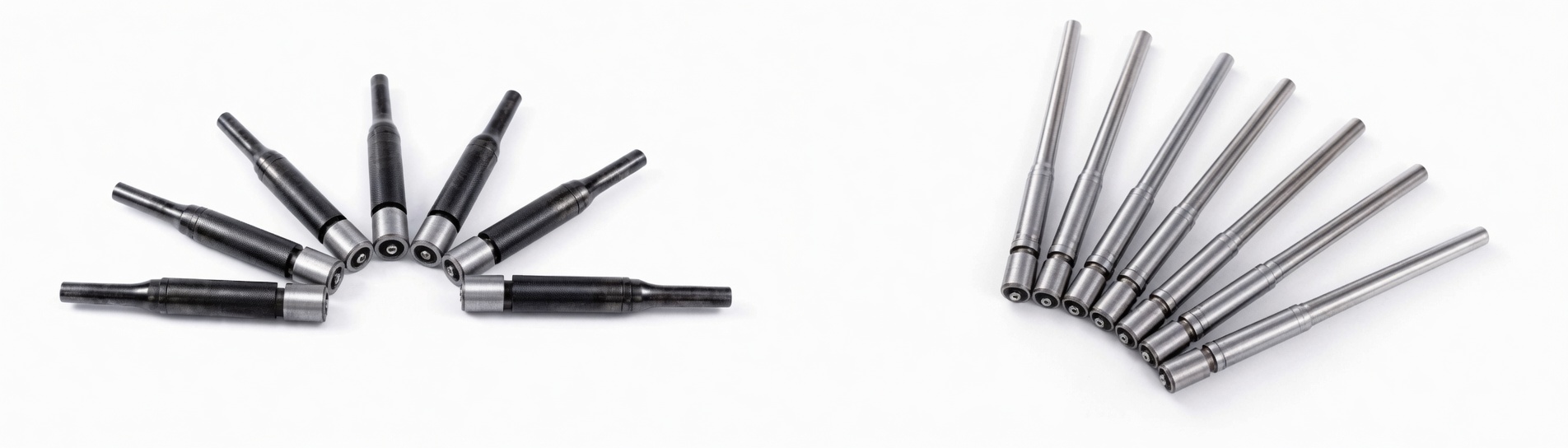
Venting in blow moulds is frequently underestimated as a design variable affecting both output rate and container surface quality. Air trapped between the expanding parison and the mould cavity surface creates surface pitting, orange-peel texture, and — in severe cases — incomplete filling of fine surface detail. Best practice in Ever Power’s mould engineering team is to specify vent slots of 0.02–0.05 mm depth at the parting line and at the container base, combined with porous sintered metal inserts at areas of known air entrapment risk. Adequate venting alone can reduce cycle time by 0.3–0.8 seconds on complex bottle geometries, directly improving the answer to that fundamental question of how many bottles per hour a blow molding machine can achieve on a given product.
IBM Blow Molding Machine: Technical Performance Parameters
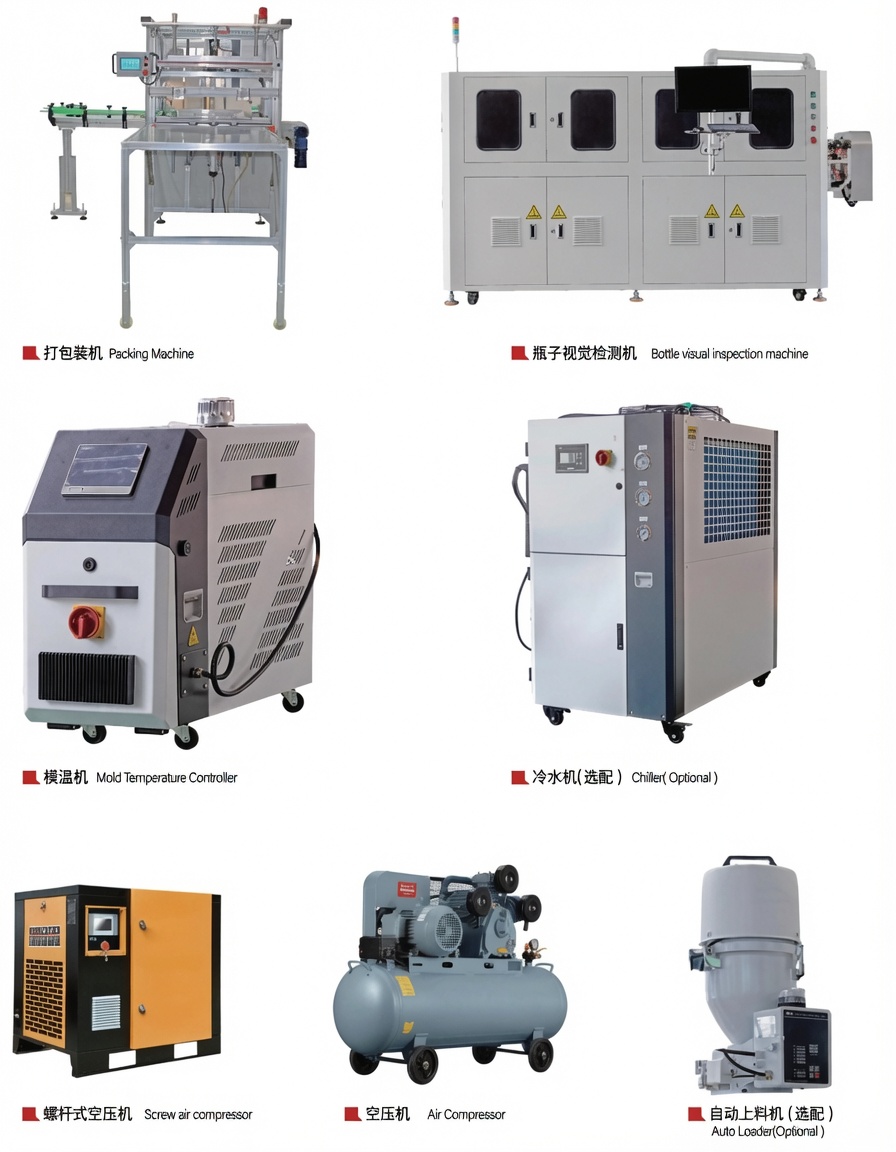
The following specification table represents the core engineering parameters across Ever Power’s IBM machine range. These figures are provided as engineering references; actual performance within each range depends on container geometry, resin grade, and process optimisation. UK customers are encouraged to contact Ever Power to obtain application-specific cycle studies and output projections based on their product files.
| Parameter | ZQ110 Series | ZQ135 Series | Unit / Notes |
|---|---|---|---|
| Clamping Force | 110 | 135 | kN |
| Screw Diameter | 30–40 | 35–50 | mm |
| Injection Volume | Up to 150 | Up to 280 | cm³ |
| Container Volume Range | 5–500 | 10–1,000 | ml |
| Max Cavities | 6 | 8 | Per station |
| Cycle Time (typical) | 3–7 | 4–9 | seconds |
| Output Rate (4-cav, 100 ml) | 3,600–5,400 | 4,200–6,400 | bottles/hour |
| Wall Thickness Tolerance | ±0.05 | ±0.04 | mm |
| Installed Power | 18.5–22 | 22–30 | kW |
| Mould Material | P20 / H13 steel | P20 / H13 steel | HRC 48–52 |
| Compatible Resins | HDPE, PP, PETG, PET, PS, SAN, ABS, PC | — | |
| Control System | Siemens / Mitsubishi PLC, 10″ touchscreen HMI | — | |
| Hydraulic System Pressure | 14–16 | 14–18 | MPa |
Common IBM Blow Molding Machine Troubleshooting Guide
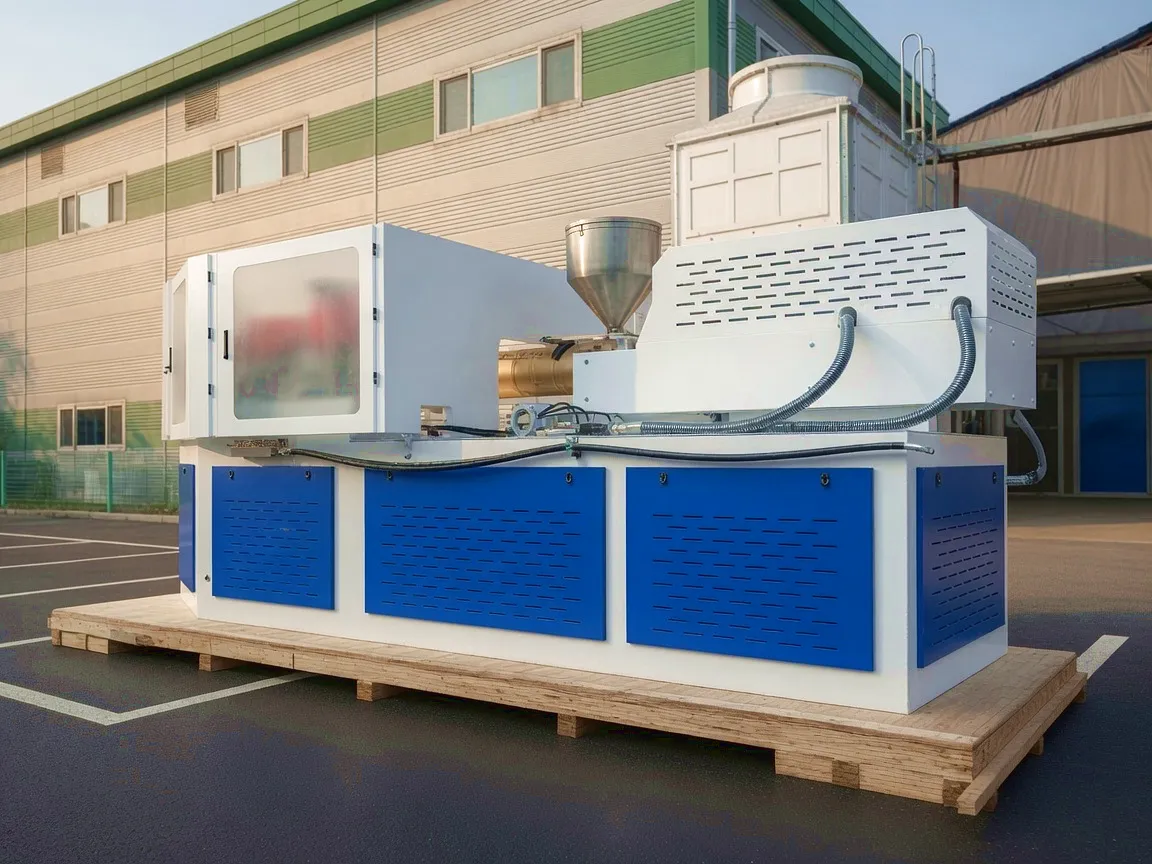
Even a well-maintained IBM blow molding machine running optimised process parameters will occasionally produce defective containers. Understanding the root causes and their corrective actions is central to sustaining the output rates and quality standards that justify the machine’s capital cost. Experienced technicians at factories in Nottingham, Leeds, and Manchester typically classify IBM defects into four categories: material-origin defects, thermal defects, pressure defects, and mechanical defects. The distinction matters because a wall-thinning defect that looks identical in its visual presentation can arise from three completely different root causes — mandrel overheating (thermal), insufficient blow pressure (pressure), or resin with incorrect MFI (material) — each requiring a fundamentally different corrective response.
Energy Consumption Optimisation and Retrofit Strategies for IBM Blow Molding Equipment
Energy consumption in an IBM blow molding machine represents one of the most significant and manageable components of per-unit manufacturing cost. For UK manufacturers operating under Net Zero industrial commitments and exposed to elevated energy tariffs following recent years of grid-price volatility, the economic case for systematic energy optimisation of blow molding capacity has become even more compelling than it was a decade ago. A well-maintained IBM machine running a 4-cavity tool typically consumes 0.08–0.18 kWh per kilogram of resin processed, depending on the material’s specific heat, the heating and cooling dwell times, and the efficiency of the hydraulic drive system. By comparison, a poorly maintained or incorrectly parameterised machine of equivalent specification can consume 0.22–0.32 kWh/kg — a 60–80% energy premium that, at current UK commercial electricity rates, represents a material ongoing cost disadvantage.
The most impactful single upgrade available on older IBM machines is the retrofit of a variable-frequency drive (VFD) to the hydraulic pump motor. Conventional fixed-displacement hydraulic systems on IBM machines operate the pump at full speed and vent excess flow through a relief valve — generating significant heat and wasting the energy invested in that flow. A VFD retrofit allows pump speed (and therefore flow delivery) to track actual demand, eliminating pressure relief losses almost entirely. Independent measurements at plastics manufacturing facilities in the West Midlands and Yorkshire have recorded 18–35% reductions in total machine power consumption following VFD retrofits on IBM equipment, with payback periods typically ranging from 14 to 28 months at current energy pricing.
UK Industrial Application Scenarios for IBM Blow Molding Machines
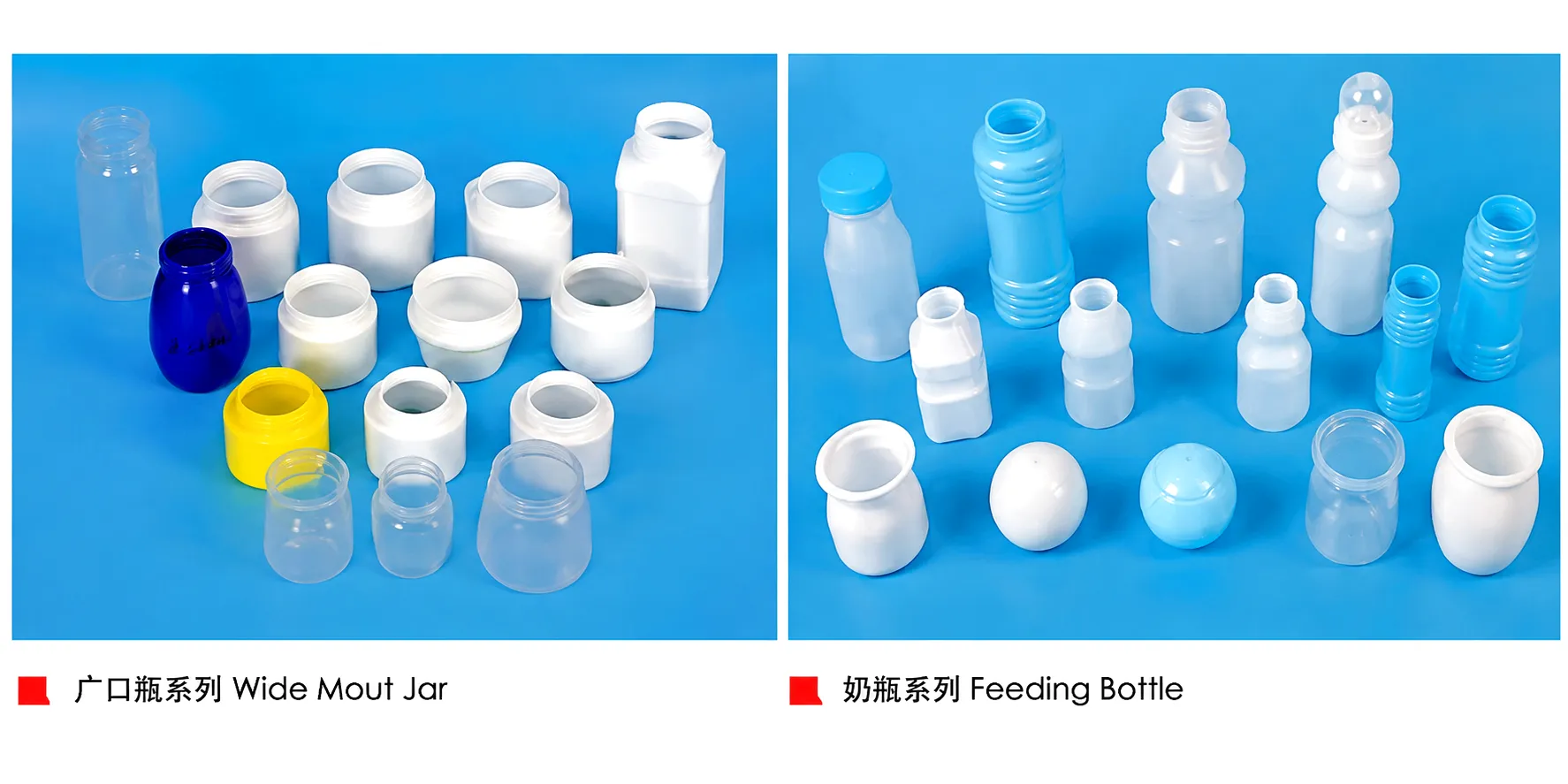
The United Kingdom’s pharmaceutical manufacturing corridor — stretching from the research clusters around Oxford and Cambridge through to the large production facilities in the North East — represents one of the most demanding environments for IBM blow molding equipment anywhere in the world. Pharmaceutical-grade HDPE bottles for solid-dose medicines, multi-dose liquid preparations, and sterile oral liquids must meet the British Pharmacopoeia’s container specification requirements, which include limits on extractables, permeation, and moisture vapour transmission rate. IBM machines are uniquely positioned to serve this market because the process produces containers without pinch-off weld lines — areas of weakness and potential microbial ingress that would be unacceptable in any primary pharmaceutical packaging application. Facilities in areas like Sunderland and Barnard Castle that manufacture NHS-supply medicines rely on IBM platforms capable of consistent output, validated process capability (Cpk greater than 1.67), and full Part 11 compliant electronic batch records.
Beyond pharmaceuticals, the UK cosmetics and personal care sector — centred on London and with significant manufacturing operations in Birmingham and the East Midlands — demands IBM containers for prestige fragrances, skin care serums, and premium shampoo and conditioner bottles where brand differentiation through precise embossed detail and optically clear walls is part of the product’s commercial identity. The IBM process’s ability to reproduce fine cavity surface detail, including sub-millimetre embossed logos and texture patterns, at production rates exceeding 4,000 bottles per hour makes it the process of choice for contract packaging suppliers serving major retail brands distributed through Boots, Marks & Spencer, and independent pharmacy chains across the UK.
Ever Power IBM Machine Range — Featured Products
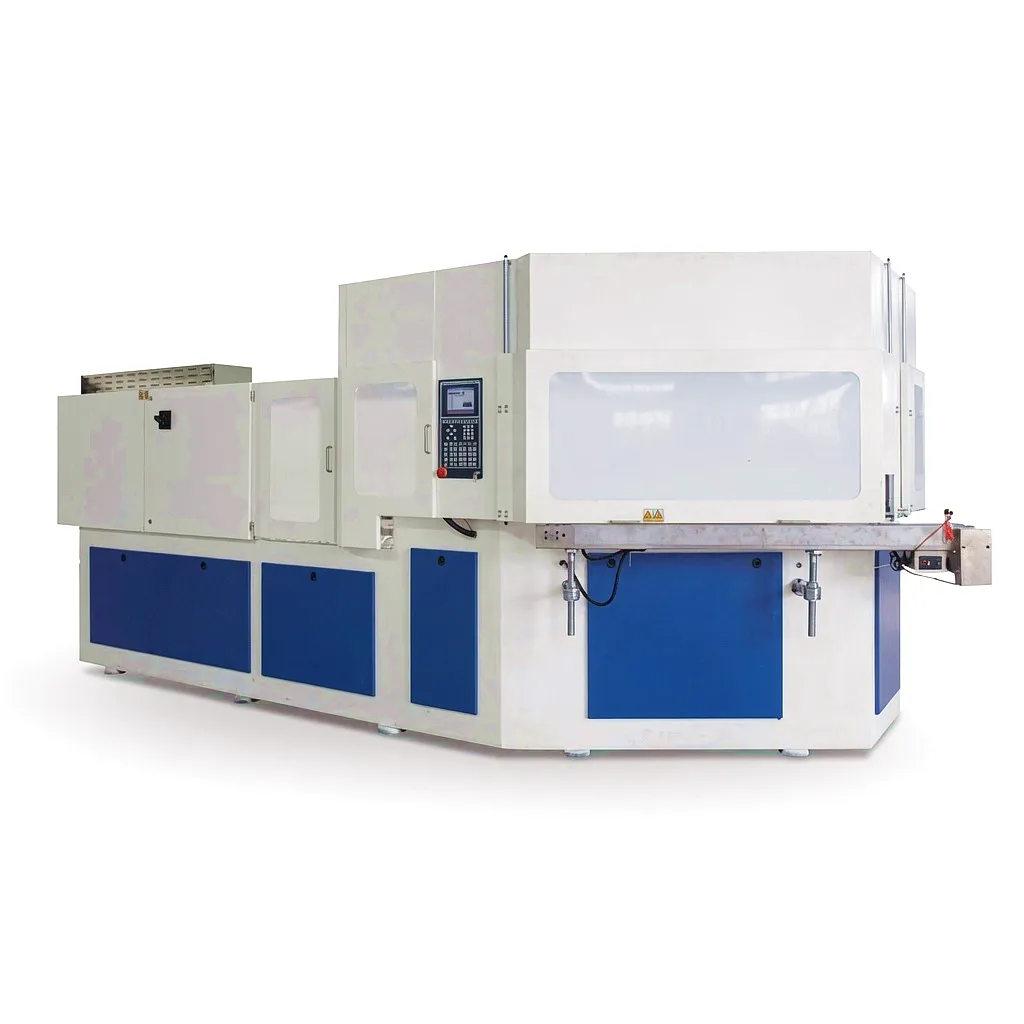
Two flagship IBM machines engineered for precision, durability, and exceptional bottle-per-hour productivity:
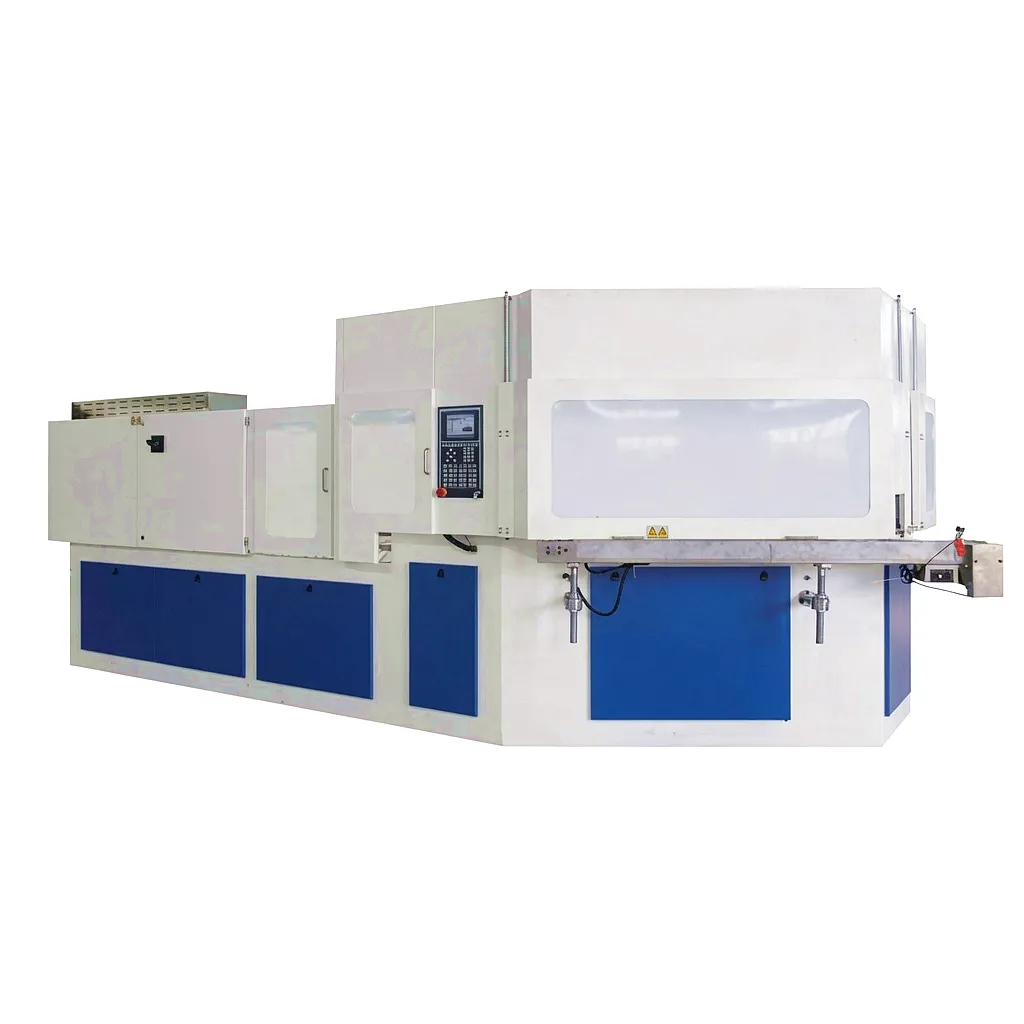
Ever Power Manufacturing Excellence and IBM Machine Customisation Capabilities
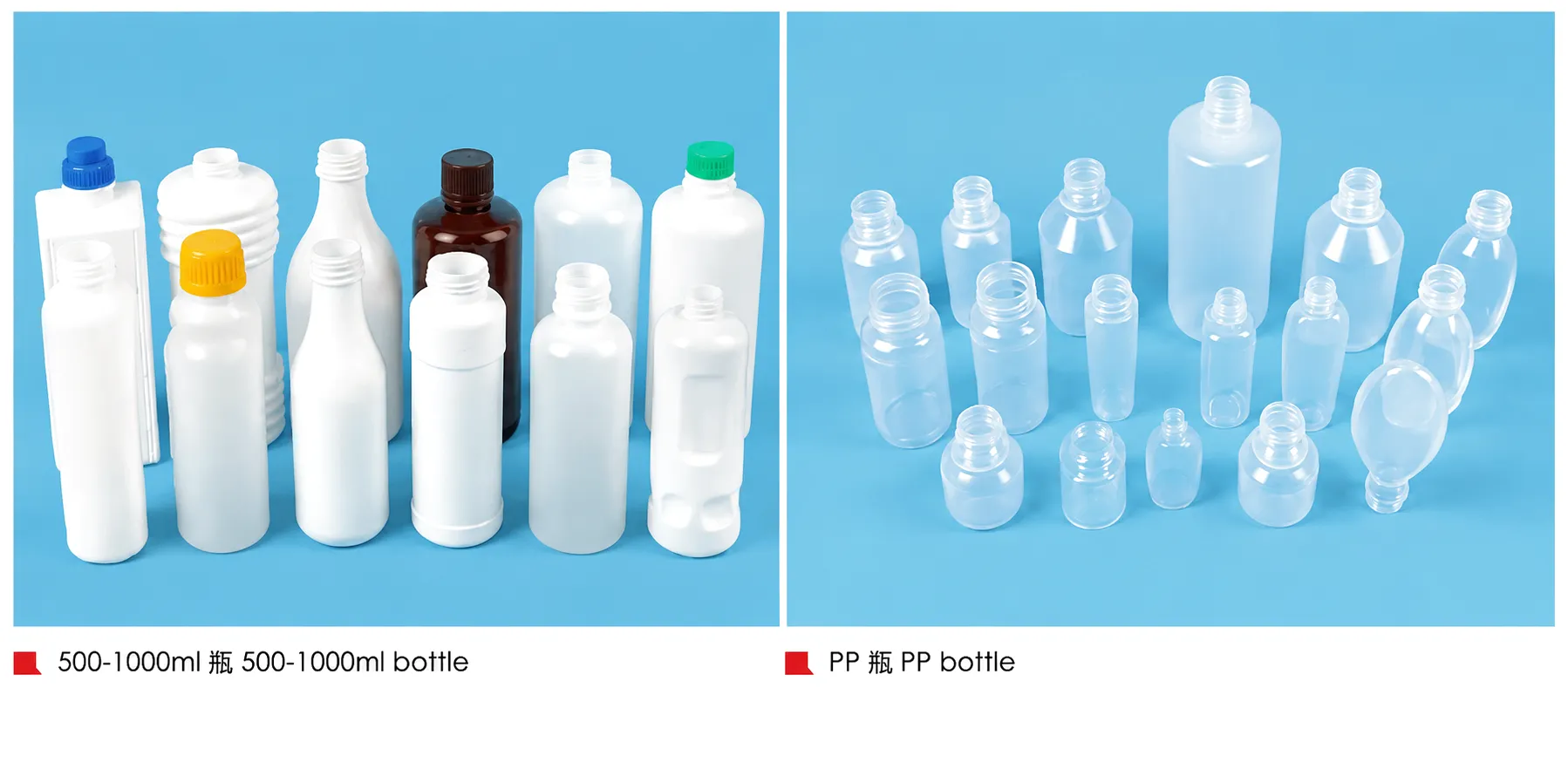
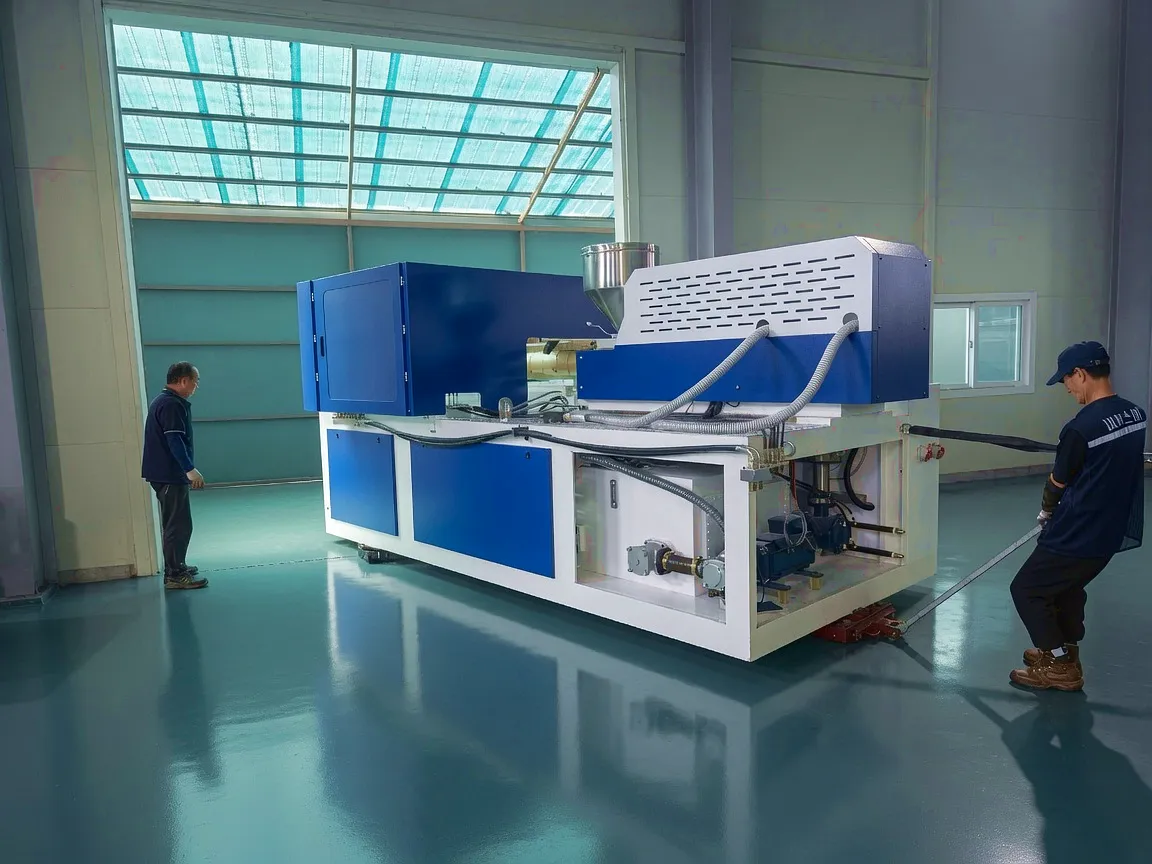
Ever Power’s manufacturing facilities operate to a standard of precision engineering that underpins the company’s ability to deliver genuinely customised IBM blow molding solutions — not simply standard machines with cosmetic modifications. The core machine frames are fabricated from high-grade structural steel and precisely machined on CNC machining centres to achieve platen parallelism within 0.02 mm, a tolerance that directly determines the repeatability of neck-finish geometry across every production cycle. The hydraulic systems are assembled and tested to ISO 4413 cleanliness standards before installation, and each machine undergoes a minimum 72-hour factory acceptance test (FAT) running real production materials before despatch — a commitment that ensures UK customers receive equipment that is verified production-ready on arrival at their facility.
Customisation capability at Ever Power spans the full spectrum of what UK pharmaceutical, food, and cosmetic manufacturers typically require. Ever Power’s engineering team can design and manufacture bespoke cavity counts from two to twelve per station, configure custom mandrel geometries for non-standard container profiles, integrate customer-specified control systems including Siemens S7-1500, Allen-Bradley, or Mitsubishi iQ-F platforms, and supply cleanroom-compatible machine variants with stainless-steel contact surfaces, laminar flow enclosures, and integrated HEPA filtration units. The supply chain team can co-ordinate complete turnkey installation packages including mould tooling, material drying and handling systems, and conveyor integration — a logistics capability that has proven particularly valuable for UK manufacturers expanding capacity at existing sites in cities like Leicester, Wolverhampton, and Bradford, where installation access and commissioning windows are tightly constrained by ongoing production commitments.
Customer Success Story: Pharmaceutical Packaging Manufacturer, Nottingham, UK
Pharmapack Solutions Ltd — Nottingham, East Midlands
Pharmapack Solutions Ltd operates a contract pharmaceutical packaging facility on the outskirts of Nottingham, supplying primary packaging components — predominantly HDPE solid-dose medicine bottles in 60 ml, 100 ml, and 200 ml formats — to three NHS framework-contracted generic medicines manufacturers. In 2023, the company’s existing IBM equipment (sourced from a European supplier in the early 2010s) was operating at 78% of its original rated output following progressive degradation of the mandrel cooling channels and wear of the injection screw. Reject rates for neck-finish dimensional non-conformance had climbed to 2.1%, against a validated process limit of 0.5%, causing significant rework cost and scheduling disruption on high-volume NHS supply runs.
Following a competitive tender process that included evaluation of three IBM suppliers, Pharmapack Solutions selected two Ever Power ZQ110 injection blow molding machines for their Nottingham facility, along with a matched set of four-cavity mould tooling engineered to produce all three target bottle sizes with a single mandrel-and-blow-mould changeover. The ZQ110 machines were configured with a Siemens S7-1500 PLC, full 21 CFR Part 11 compliant electronic batch record functionality, and stainless-steel mandrel cooling circuits. The installation was completed during a scheduled five-day production shutdown in March 2024, and both machines passed initial qualification (IQ), operational qualification (OQ), and performance qualification (PQ) within six weeks of commissioning — ahead of the eight-week target that Pharmapack’s validation team had planned for.
After three months of validated production, Pharmapack Solutions recorded an average combined output of 8,640 conforming bottles per hour across both machines on their primary 100 ml product, against a pre-project baseline of 4,200 bottles per hour from the replaced equipment. Neck-finish dimensional non-conformance rate fell to 0.18% — comfortably below the 0.5% validated process limit — and total energy consumption per 1,000 bottles produced decreased by 28% compared to the replaced machines, reflecting the VFD servo-hydraulic system and improved thermal efficiency of the ZQ110 barrel and mandrel design.
Frequently Asked Questions — IBM Blow Molding Machines (UK)
✉ Request a Quote — [email protected]