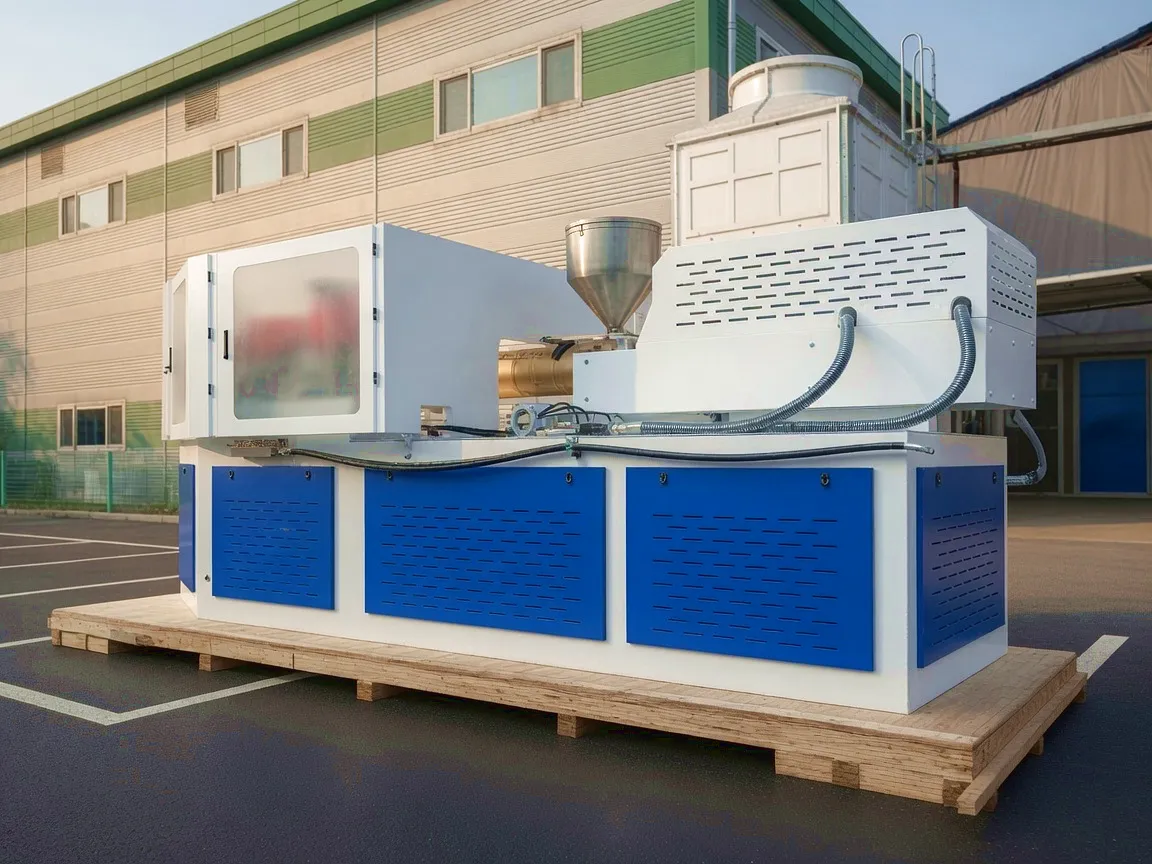
 The oral care market in the United Kingdom is one of the most demanding environments for plastics packaging. Whether it is a 250 ml mouthwash bottle sold on the shelves of a Boots pharmacy in Birmingham, a fluoride rinse distributed through NHS dental surgeries in Sheffield, or a pump-dispenser containing a premium gum-care serum developed by a Bristol-based private label formulator, every container must satisfy overlapping requirements: chemical inertness against active ingredients such as cetylpyridinium chloride (CPC), ethanol concentrations reaching 27% in alcohol-type rinses, and sodium fluoride at therapeutic concentrations. The injection blow molding machine — or IBM machine — has become the preferred manufacturing solution for these containers precisely because the process produces seamless, one-piece bottles with dimensional accuracy, neck-finish consistency, and wall-thickness distribution that alternative processes cannot reliably replicate at scale.
How the Injection Blow Molding Process Actually Works
Molten polymer — typically HDPE, PP, or PET — is injected under pressure into a preform mould around a steel core pin. The parison takes the exact neck-finish geometry during this stage, establishing thread dimension accuracy to ±0.05 mm. This is why IBM-produced mouthwash bottle caps seat without leakage even under thermal cycling in warehouse storage.
The parison rotates on the indexed core pin to a temperature-conditioning station where internal pin heating and external mould temperature work together to achieve uniform wall temperature across the parison profile. This thermal preparation step is critical for oral care containers: uneven temperature leads to uneven wall thickness, which compromises both chemical barrier performance and drop-impact resistance.
Compressed air is introduced through the core pin, expanding the conditioned parison against the blow mould cavity. The bottle cools against the mould steel and is ejected with no flash, no weld line at the base, and a net-shape neck that requires no trimming. The entire cycle — from injection to ejection — typically completes in 8 to 18 seconds depending on wall thickness and polymer grade, delivering output rates that suit the high-volume demands of UK oral care contract manufacturers.
The elegance of this three-station sequence is that all dimensional-critical features — particularly the neck thread and sealing land — are formed during the injection stage where polymer flow is under full control, not during the blow stage where wall-thinning variability could otherwise compromise seal geometry. For oral care applications where a 500 ml mouthwash bottle might undergo pressure testing to 1.5 bar to simulate transport compression, this process architecture delivers a structural consistency that is genuinely difficult to achieve with alternative methods.
Core Materials Used in Oral Care IBM Production
| Material | Key Properties | Oral Care Application | Chemical Resistance |
|---|---|---|---|
| HDPE | High rigidity, opaque, FDA/EU-food grade | Mouthwash 150 ml–1 L, gum rinse bottles | Excellent vs ethanol, CPC, NaF |
| PP | Heat-resistant, translucent option, lightweight | Children’s fluoride rinse, pump dispensers | Very good vs fluoride, mild antiseptics |
| PET | Crystal-clear, high gloss, barrier layer option | Premium transparent mouthwash, oral serum | Good vs low-ethanol; barrier coat for high-alc |
| LDPE | Flexible, squeezable, soft-touch feel | Soft-squeeze applicator bottles, travel sizes | Good chemical resistance, limited solvent |
| PC / PETG | Crystal optical clarity, high-impact | Refillable luxury oral care dispensers | Moderate vs alcohols; ideal for water-based |
Material selection for oral care injection blow molded containers is rarely a single-axis decision. A UK contract manufacturer producing a private-label mouthwash destined for the Lloyds Pharmacy or Superdrug retail network must simultaneously satisfy REACH compliance for the polymer and any additives, demonstrate migration testing results aligned with EU Regulation No. 10/2011 on plastic food contact materials (which UK has retained as domestic law post-Brexit), and meet brand-owner colour and clarity specifications. The injection blow molding machine must therefore offer precise melt temperature control — typically within ±2°C across the barrel zones — along with screw geometry optimised for the chosen polymer, to ensure consistent melt homogeneity that supports downstream compliance testing.
Oral Care Application Scenarios: Five Product Categories
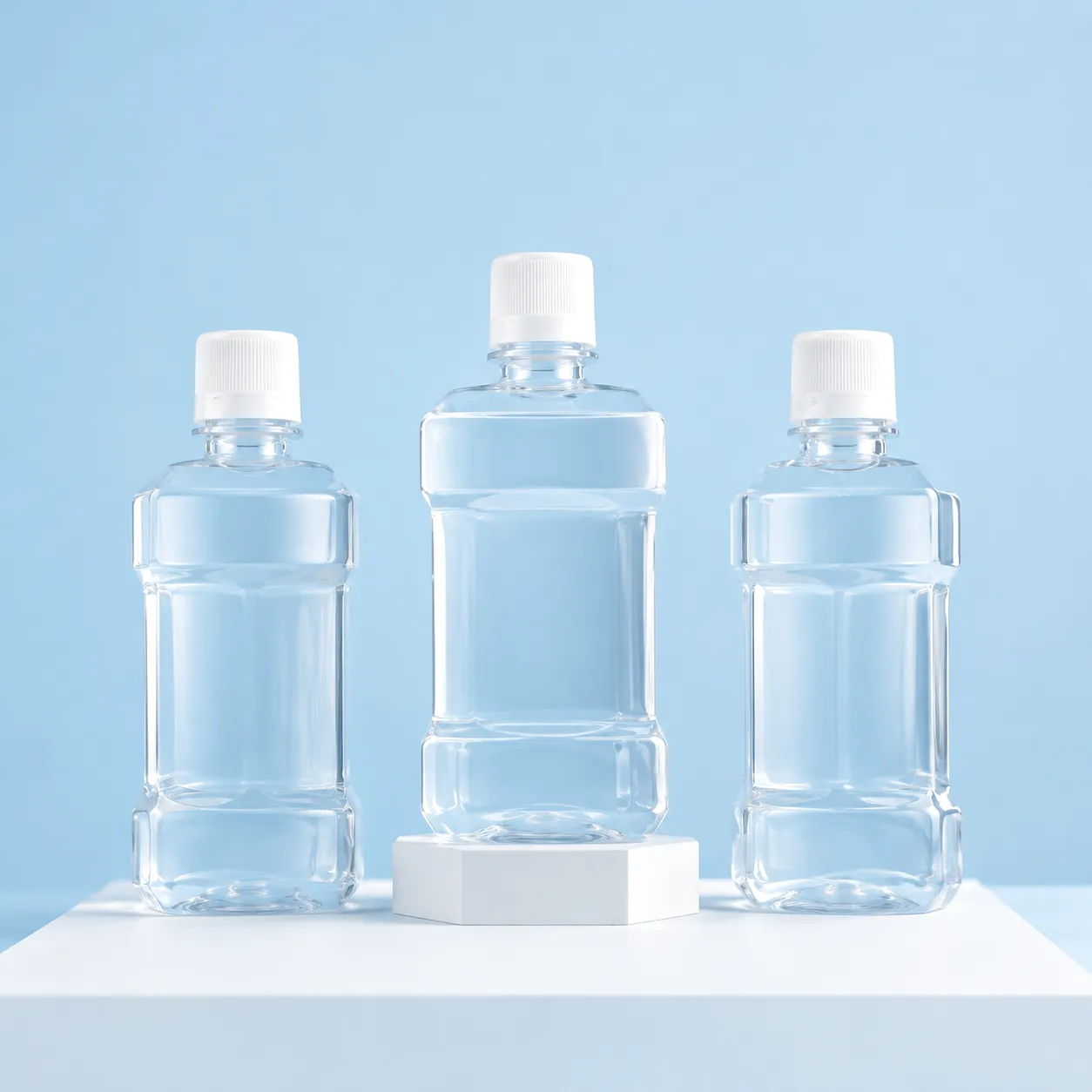 Mouthwash remains the highest-volume oral care category for IBM packaging in the UK. Major supermarket chains — from Tesco in Leeds to Sainsbury’s distribution centres in Weybridge, Surrey — source mouthwash in volumes that demand production consistency across millions of units per annum. The injection blow molding machine excels here because the mouthwash bottle must simultaneously meet several conflicting demands: it needs to be transparent or semi-transparent enough to convey product colour (the distinctive blue-green of many antiseptic rinses is a shelf-presence driver), yet chemically resistant enough to contain 27% ethanol without stress-cracking or permeation over an 18-month shelf life.
Fluoride Rinse Bottles for NHS and Retail Pharmacy
Fluoride rinse products — used for caries prevention in both adult and paediatric populations — present a packaging challenge centred on long-term fluoride retention. Sodium fluoride in aqueous solution can interact with certain glass formulations, which historically made glass a problematic primary container. Modern IBM-produced HDPE and PP bottles offer an inert surface that does not absorb or react with NaF at the concentrations used in over-the-counter rinse products (typically 0.05% to 0.2% NaF w/v).
For NHS-distributed fluoride rinse programmes — such as those administered through Public Health England’s Smile4Life initiative and community dental clinics in areas like Newcastle-upon-Tyne and Swansea — the IBM machine’s ability to produce bottles with child-resistant closure compatibility is critical. The neck finish produced during the injection stage must meet BS EN ISO 8317 specifications for child-resistant packaging to satisfy UK pharmaceutical packaging regulations. IBM-produced necks, formed under injection pressure with dimensional accuracy to ±0.05 mm, consistently meet these thread-geometry requirements without secondary machining or post-mould correction.
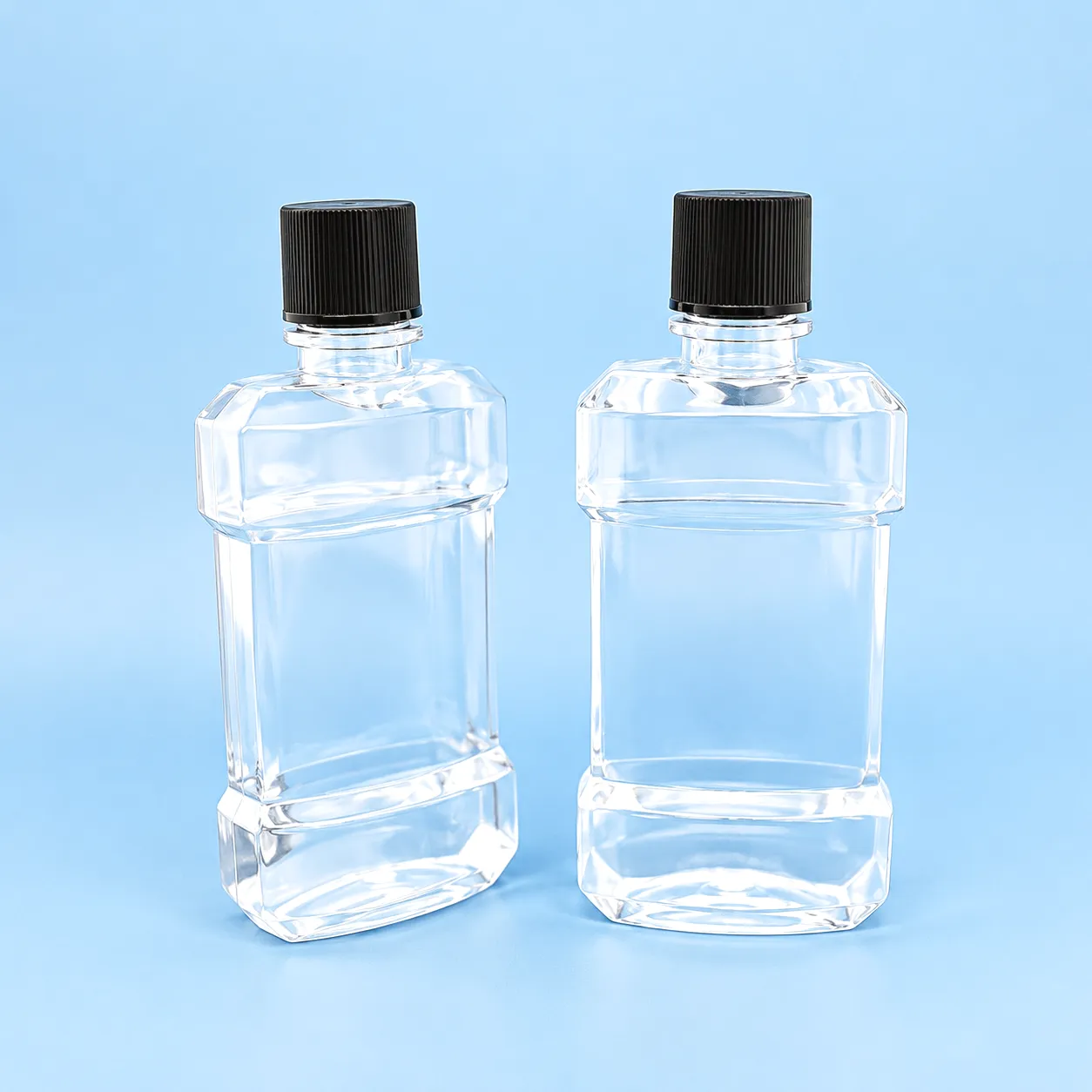 Pump-format dispensers for oral serum, whitening treatment, and premium gum-care liquid represent a fast-growing segment of the UK oral care market, driven by premiumisation trends that have repositioned oral care alongside skincare in consumer mindset. These containers require a neck finish that accepts a lotion-pump or trigger-pump assembly with zero leakage under repeated actuation — a requirement that makes the dimensional precision of the IBM neck station central to product viability.
Children’s Oral Care Containers
The children’s oral care sector demands a specific combination of safety, tactile appeal, and regulatory compliance that the injection blow molding machine addresses comprehensively. Paediatric fluoride rinse containers and children’s mouthwash bottles in the 100 ml to 300 ml range must be formulated and packaged to comply with the UK’s Children’s Oral Health Improvement Programme guidelines, which influence how pharmacies and supermarkets display and label these products. From a packaging perspective, the primary requirement is a container body that is both impact-resistant — children inevitably drop bottles — and free from bisphenol-A, making PP the dominant material choice for this category.
IBM-produced PP containers for children’s oral care benefit from the process’s ability to accommodate coloured pigment masterbatch at the injection stage, producing bright, brand-aligned colours without surface coatings that could theoretically delaminate or be chewed. Decorative printing via label wrapping or in-mould labelling is compatible with the smooth, flash-free surface IBM produces, supporting the cartoon-character or bright-graphic branding that drives purchase decisions in this category at UK retailers such as Asda and Morrisons.
Gum Care Liquid & Premium Oral Serum
The premium oral health segment — encompassing gum-care liquid, pre-brush rinse, and post-procedure oral serum — is growing fastest in the UK, particularly in the private dentistry channel. Clinics concentrated in London’s Harley Street corridor, Manchester’s Deansgate professional district, and Edinburgh’s Morningside dental practices increasingly recommend branded gum-care rinse products that compete on both clinical efficacy and packaging aesthetics.
For these applications, the IBM machine’s ability to produce optically clear PET bottles with minimal haze value (typically below 2% per ASTM D1003) is the defining advantage. The high-gloss surface achievable directly from the blow mould — without post-moulding surface treatment — supports the premium positioning these products require. Filling lines at contract manufacturing facilities in West Yorkshire and Berkshire that fill these premium oral care products at speeds of 150 to 300 bottles per minute rely on the container consistency that IBM provides: dimensional variation in bottle height must be under ±0.3 mm for automated capping to function without stoppages, a tolerance IBM machinery consistently maintains.
Injection Blow Molding Machine: Technical & Performance Parameters
| Parameter | Specification Range | Significance for Oral Care |
|---|---|---|
| Clamping Force | 40 – 200 kN | Determines max bottle volume; 40 kN suits 30–500 ml oral care range |
| Injection Pressure | 80 – 180 MPa | Higher pressure enables thin-wall precision and sharp neck-thread definition |
| Blow Pressure | 0.6 – 1.2 MPa | Optimum expansion against mould; controls surface gloss and clarity |
| Melt Temperature (HDPE) | 200 – 240 °C | Must be controlled ±2°C for consistent chemical resistance performance |
| Cycle Time | 8 – 18 seconds | 200 ml mouthwash at 12 s cycle = ~5,000 bottles/hr per cavity set |
| Neck Finish Accuracy | ±0.05 mm | Critical for child-resistant closure compliance (BS EN ISO 8317) |
| Wall Thickness Uniformity | ±0.10 mm typical | Ensures consistent ethanol barrier and drop-impact resistance |
| Number of Cavities | 2 – 12 (common: 4, 6) | Multi-cavity scaling suits volume contracts for UK pharmacy chains |
| Compatible Materials | HDPE, PP, PET, LDPE, PC, PETG | Full oral care polymer spectrum; quick changeover in <4 hrs |
| Power Consumption | 11 – 37 kW installed | Servo-hydraulic drive reduces energy use vs older hydraulic machines by up to 35% |
Core Technical Advantages for Oral Care Manufacturers
The one-piece, flash-free bottle body eliminates the mechanical weakness introduced by weld lines in extrusion blow molding, directly improving burst and creep resistance for pressurised or ethanol-containing formulations.
Neck threads and sealing surfaces are formed during the injection stage under controlled mould clamping force, not during the blow stage. This produces neck-finish geometry that is both accurate and repeatable, essential for closure-torque qualification and CRC compliance.
Cycle times of 8 to 18 seconds combined with multi-cavity tooling deliver output rates exceeding 5,000 units per hour per cavity set. The absence of flash trim scrap (a characteristic advantage over extrusion blow molding) reduces material loss to under 0.5% under normal production conditions.
The combination of material selection (HDPE or PP) and the IBM process’s homogeneous wall structure — with no fusion interfaces — minimises leaching pathways. For oral care products that must comply with MHRA-regulated quality standards in the UK, this structural integrity provides auditable evidence of container suitability.
PET processed through IBM produces containers with haze values below 2% (ASTM D1003), matching or exceeding glass aesthetics. This is the specification that premium oral care brands entering the UK independent pharmacy channel require to command retail price points above £8 per unit.
Modern IBM machines designed for oral care contract manufacturing offer mould-swap procedures completable in under four hours, enabling short-run production of multiple SKUs — a requirement for UK co-manufacturers serving the diverse oral care private-label market where buyers may order 50,000 units of eight different bottles.
Ever Power Manufacturing Capability & Customisation
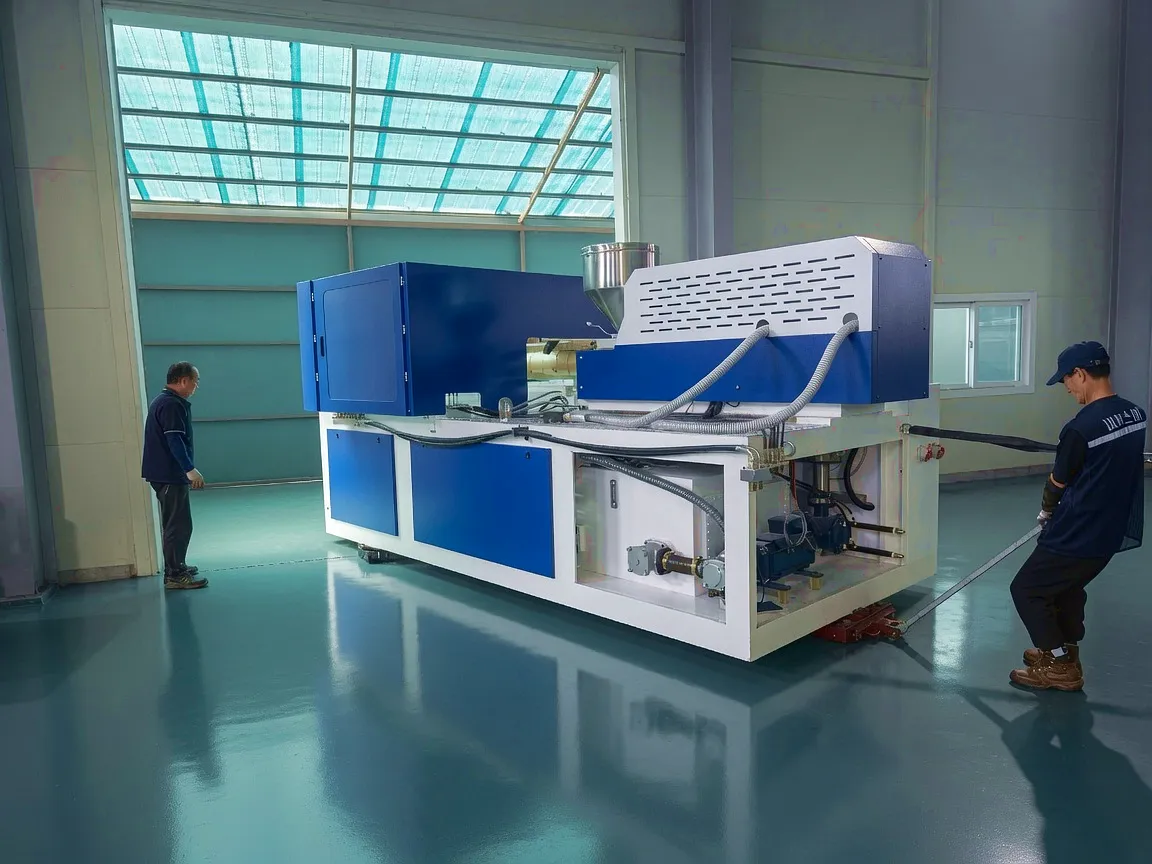
Ever Power designs and manufactures injection blow molding machines at a vertically integrated production facility equipped with CNC machining centres, precision grinding, hardness testing, and a full trial-run workshop where every machine completes a validated production run before shipment. The engineering team draws on two decades of accumulated knowledge in polymer processing machinery, with particular depth in machines configured for oral care and pharmaceutical packaging — a segment that demands levels of dimensional precision and material traceability that general-purpose blow moulding equipment cannot reliably achieve.
Customisation is a core competency at Ever Power, not an afterthought. UK oral care customers have worked with the Ever Power applications team to specify machines with temperature-zone configurations suited to their chosen polymer grade, servo-motor drives calibrated for UK 50 Hz power supply, and documentation packages that include CE marking, material traceability certificates for food-contact components, and maintenance manuals in British English. The supply chain is structured around a network of qualified polymer and hydraulic component suppliers whose materials are batch-tested and documented, enabling Ever Power to provide full material declarations that support REACH and UK PRAS compliance submissions for container qualification.
For oral care manufacturers in Birmingham’s Jewellery Quarter packaging cluster, Sheffield’s advanced manufacturing corridor, or the contract pharma facilities concentrated around Swindon and Basingstoke, Ever Power provides direct application support — from initial capacity planning through mould design review, machine installation, and operator training delivered in English. Lead times for standard ZQ-series IBM machines are typically 45 to 60 days from order confirmation, with express programmes available for UK customers with urgent tooling requirements.
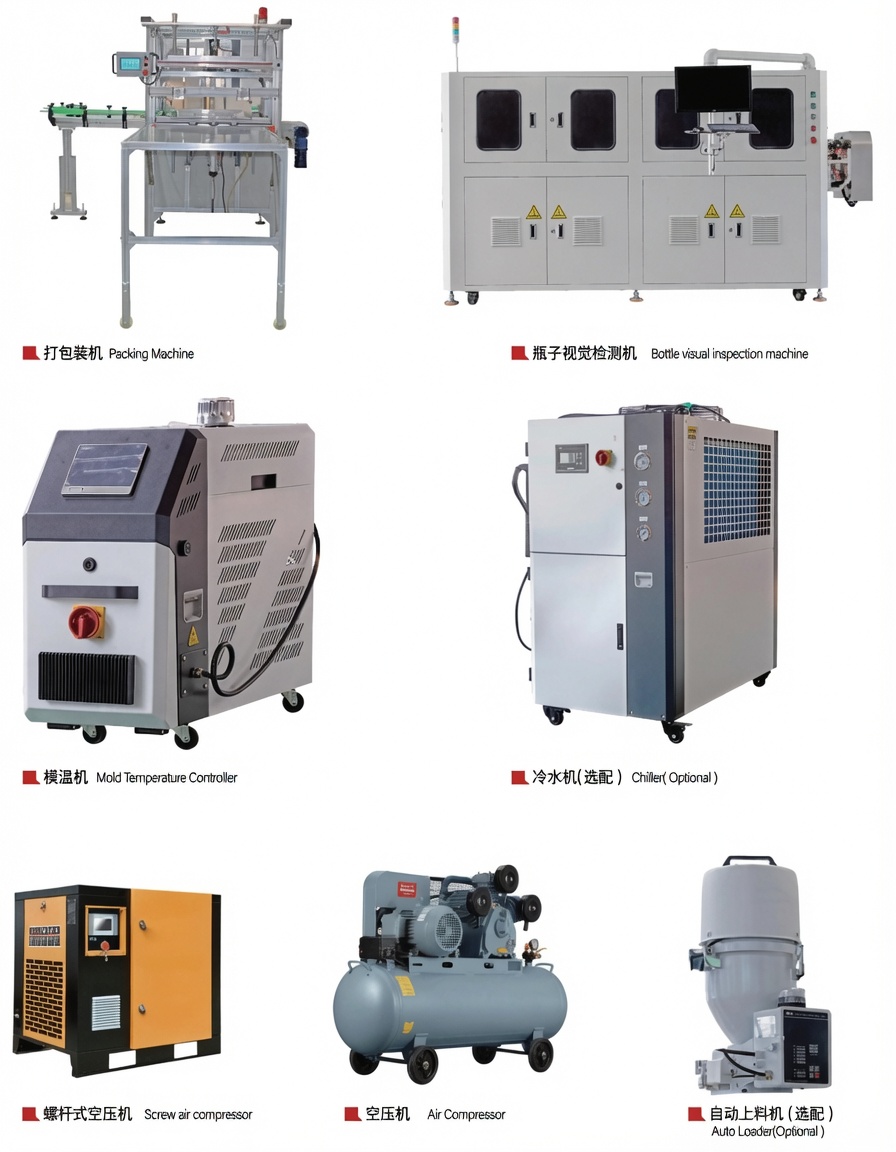
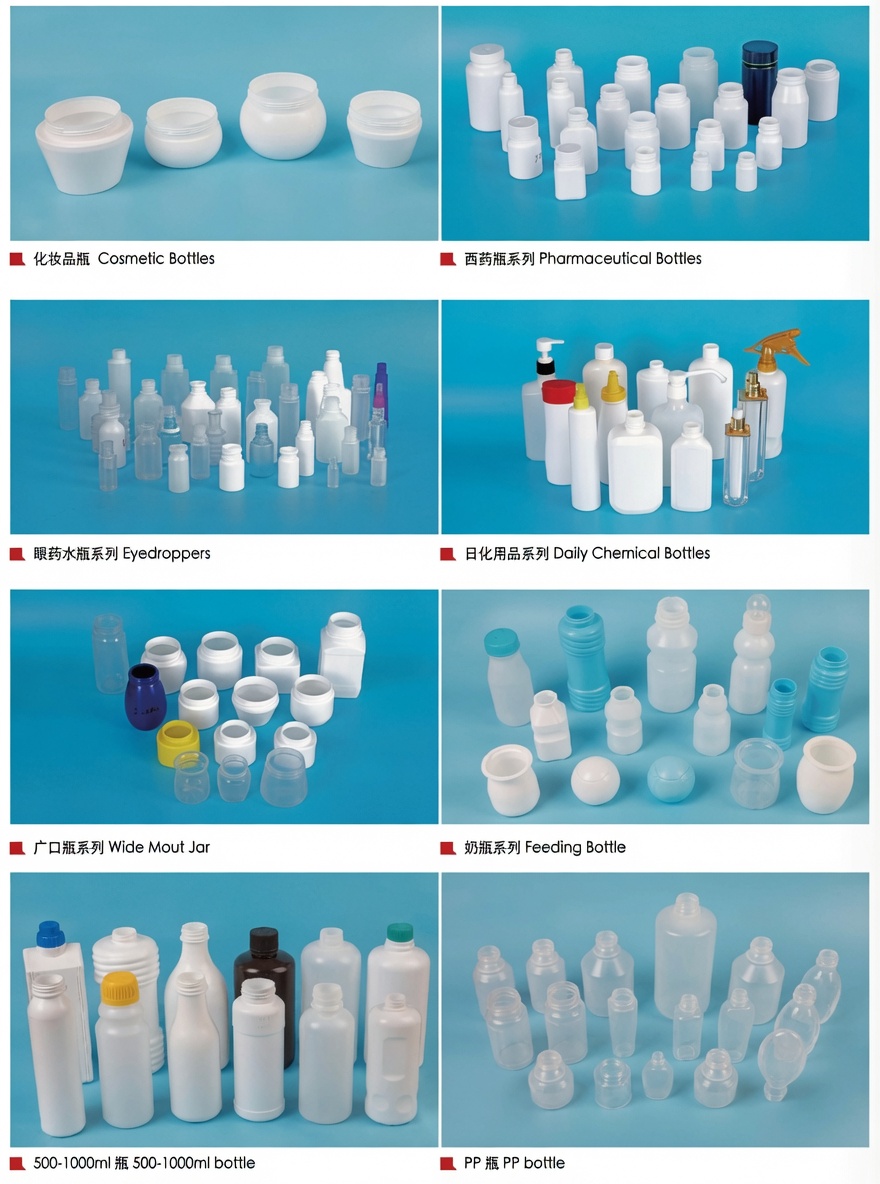
Featured Injection Blow Molding Machines from Ever Power
The ZQ40 is engineered as a direct functional replacement for the Uniloy UIB 70, delivering equivalent or superior clamping force and cycle time performance with a modern servo-hydraulic drive system. For UK oral care manufacturers currently running Uniloy equipment who face parts obsolescence or capacity-expansion requirements, the ZQ40 offers a validated transition path with compatible mould mounting dimensions and neck-finish tooling compatibility. Full CE documentation and UK-compliant electrical specification are standard.
Designed to replace the Bloma IBM45, the ZQ40 in this configuration maintains full compatibility with existing Bloma tooling geometry while introducing modern PLC control, energy-efficient servo drives, and an enhanced barrel temperature control system with ±2°C zonal accuracy. For UK oral care contract manufacturers transitioning from older Bloma equipment, this replacement machine provides a compliance-ready platform with full documentation support for pharmaceutical packaging qualification programmes.
Customer Success Story: Nottingham Oral Care Contract Manufacturer
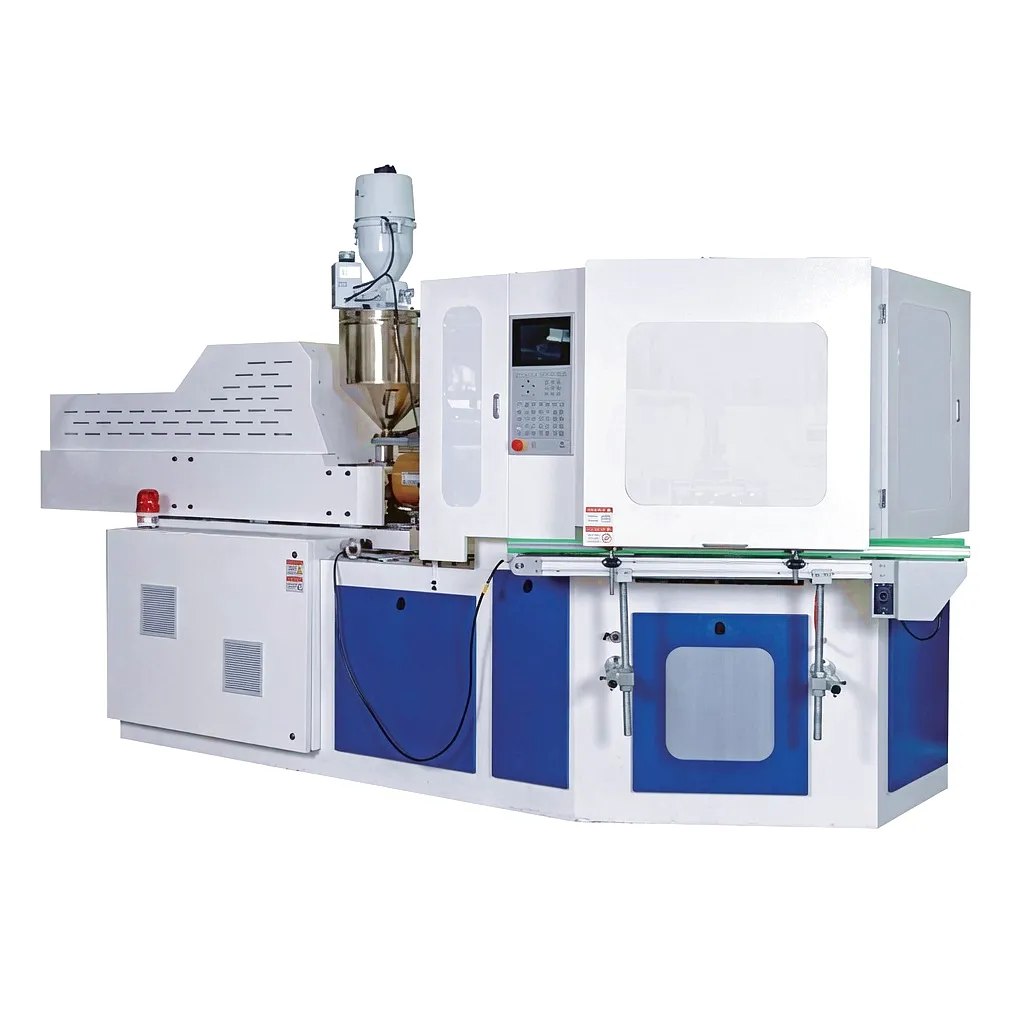 A contract manufacturer based in Nottingham’s Beeston industrial zone — supplying private-label mouthwash and fluoride rinse products to three UK supermarket chains — was operating a fleet of ageing extrusion blow molding machines that were generating unacceptably high leakage rejection rates (approximately 4.2% across production) and neck-finish non-conformances that repeatedly failed their customer’s closure-torque qualification protocol. With a new contract requiring 18-month leakage-free shelf-life certification for an alcohol-based (22% ethanol) mouthwash in 500 ml HDPE bottles, the business recognised that extrusion blow molding could not reliably meet the dimensional specifications the certification required.
After evaluating several machinery suppliers, the Nottingham manufacturer engaged Ever Power for a two-machine installation of ZQ40 injection blow molding machines configured for 4-cavity HDPE mould sets in the 250 ml to 750 ml range. The Ever Power applications team worked through the qualification period with the customer’s packaging engineers, providing mould design consultation, process parameter documentation for inclusion in the customer’s validation protocol, and remote machine performance monitoring during the first three months of production.
Results after 12 months of operation were transformative. The leakage rejection rate fell from 4.2% to below 0.15%. Neck-finish dimensional compliance on all production runs exceeded 99.7%, and the 18-month shelf-life certification for the ethanol mouthwash was achieved on first submission. The energy monitoring system installed alongside the ZQ40 machines showed a 29% reduction in electricity consumption per 1,000 bottles compared to the extrusion equipment replaced, a meaningful contribution to the customer’s sustainability reporting under their supermarket chain’s supplier environmental programme. The customer has since ordered a third machine to support capacity expansion into the children’s oral care category.
Customer Reviews
“We reduced our neck-finish rejection rate from over 4% down to under 0.2% after switching to the ZQ40. The neck-thread accuracy that Ever Power’s machine produces is simply in a different class from what we had before. Our closure supplier now uses our bottles as a benchmark sample for thread-geometry testing.”
“The Ever Power team provided mould-design input that directly contributed to our packaging validation passing on first submission. The process documentation they supplied was formatted to our pharmaceutical QA requirements without us having to ask twice. That level of technical partnership is rare in machinery procurement at this price point.”
“We evaluated three IBM machine suppliers before selecting Ever Power. The deciding factor was the customisation capability — Ever Power configured the barrel temperature zones and screw geometry for our specific PP grade and the mould changeover tooling for our multi-SKU oral care range. The machine arrived fully documented with CE certification and English-language manuals, which made our insurance and facilities sign-off straightforward.”
Frequently Asked Questions
Talk to the Ever Power applications team about an injection blow molding machine configured for your specific oral care bottle range, polymer specification, and UK production environment.
✉ Get Your Custom Quote — [email protected]