Ever Power Manufacturing
Injection Blow Molding Machine: Industrial Applications, Working Principles and Why UK Manufacturers Choose IBM Technology
A comprehensive technical guide for packaging engineers, procurement specialists and plant managers across the United Kingdom
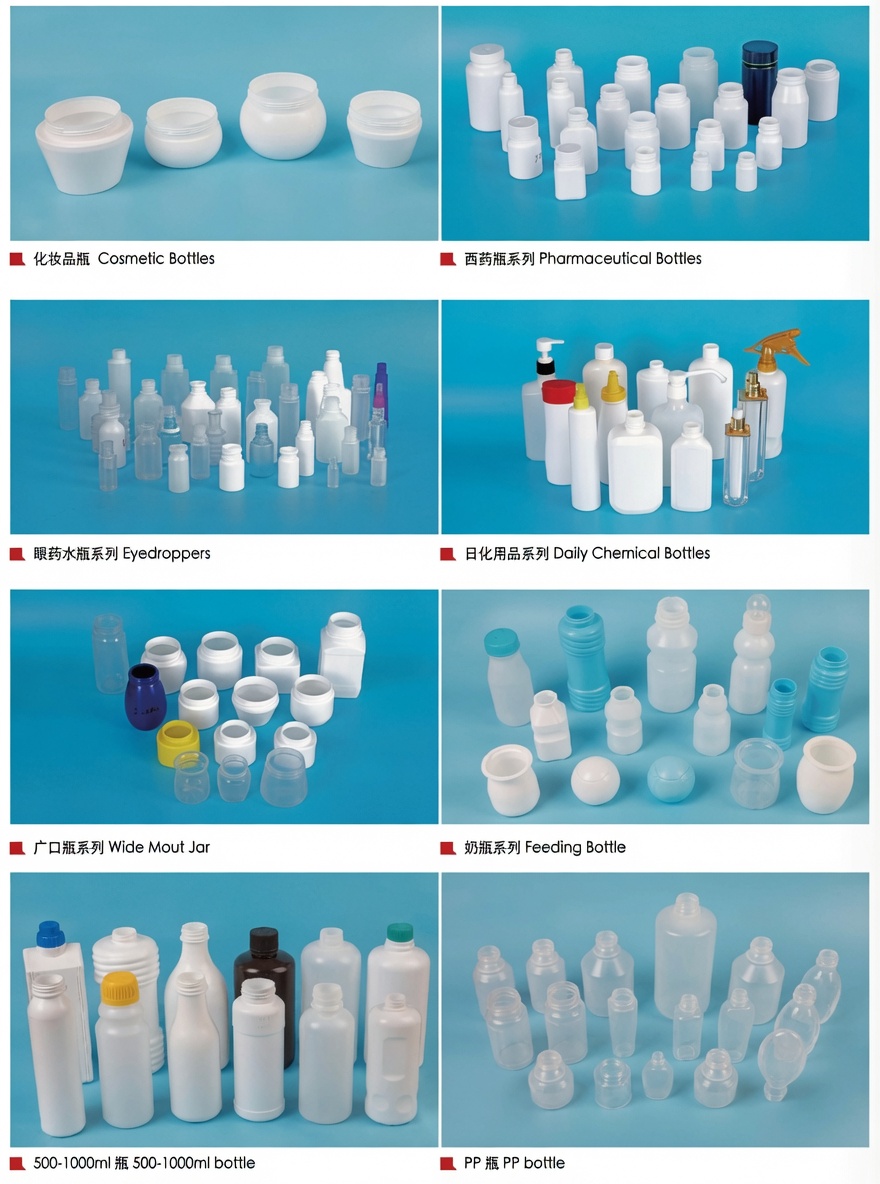
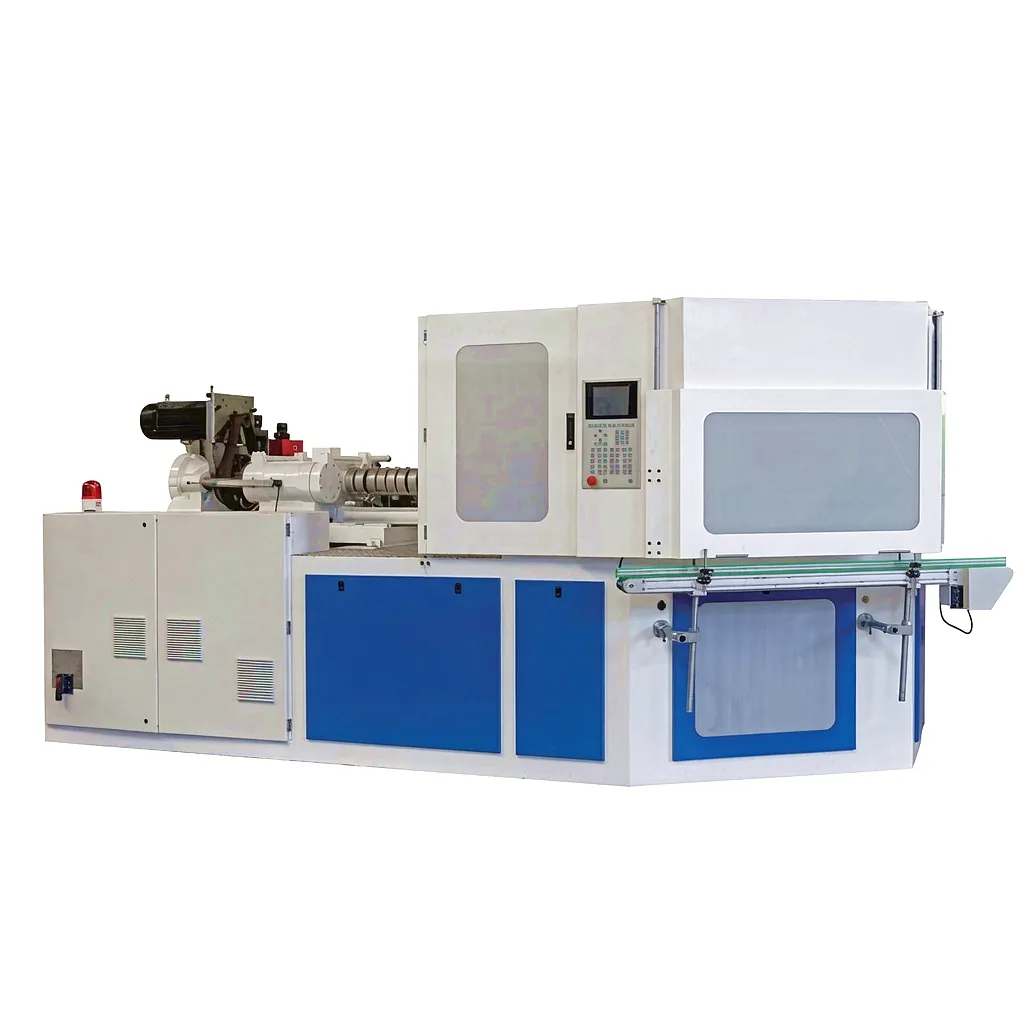 Across the United Kingdom’s packaging, pharmaceutical and consumer goods sectors, the injection blow molding machine has quietly become one of the most valued pieces of production equipment on the factory floor. From Midlands plastics converters supplying national supermarket chains to specialist medical packaging operations in the Southeast, IBM technology delivers a combination of dimensional precision, wall-thickness consistency and output repeatability that neither extrusion blow molding nor injection stretch blow molding can match at equivalent tooling cost for smaller container formats. The machine produces hollow plastic articles — bottles, vials and jars — through a three-stage rotary process: injection of the preform, blow molding to final shape, and ejection, all within a single closed-cavity cycle that minimises particulate contamination risk.
How an Injection Blow Molding Machine Actually Works
Stage One — Injection of the Preform
Molten thermoplastic resin — typically HDPE, PP or PET — is injected under high pressure through a hot runner manifold into a preform cavity. The preform is formed over a core rod that defines the interior geometry of the container neck and body, with wall thickness distributed according to the downstream blow ratios calculated for the target bottle design.
Stage Two — Blow Molding to Final Form
The still-warm preform, retained on its core rod, rotates to the blow station. Compressed air is introduced through the core rod, expanding the parison against the chilled blow mold cavity walls. The short parison travel distance and conditioned mold temperature profile allow tight wall-thickness distribution — a key advantage for containers where base integrity under drop-test conditions is paramount.
Stage Three — Ejection and Cycle Completion
Finished containers are stripped from the core rod at the ejection station and transferred downstream — either to automated inspection, conveyor accumulation, or direct inline filling. Because the process is closed-cavity throughout, there is zero flash trimming required and no post-processing of the neck area. Cycle times for standard pharmaceutical vial volumes typically run between 8 and 15 seconds per shot depending on cavity count and resin grade.
Core Materials Processed by IBM Equipment
HDPE
High-Density Polyethylene remains the workhorse resin for pharmaceutical oral solid bottles, household chemical containers and food condiment packaging. Excellent chemical resistance, FDA/UKCA compliance and good barrier properties at economical material cost.
PP
Polypropylene offers superior heat resistance — sterilisable at 121 °C — making it the material of choice for autoclave-compatible medical containers and hot-fill personal care products. PP’s stiffness-to-weight ratio also appeals to packaging converters targeting premium tactile presentation in cosmetic lines.
PET
Polyethylene Terephthalate delivers exceptional optical clarity and is widely used for cosmetic serum bottles, health supplement containers and luxury personal care packaging where glass-like aesthetics at reduced weight and breakage risk are required.
LDPE / LLDPE
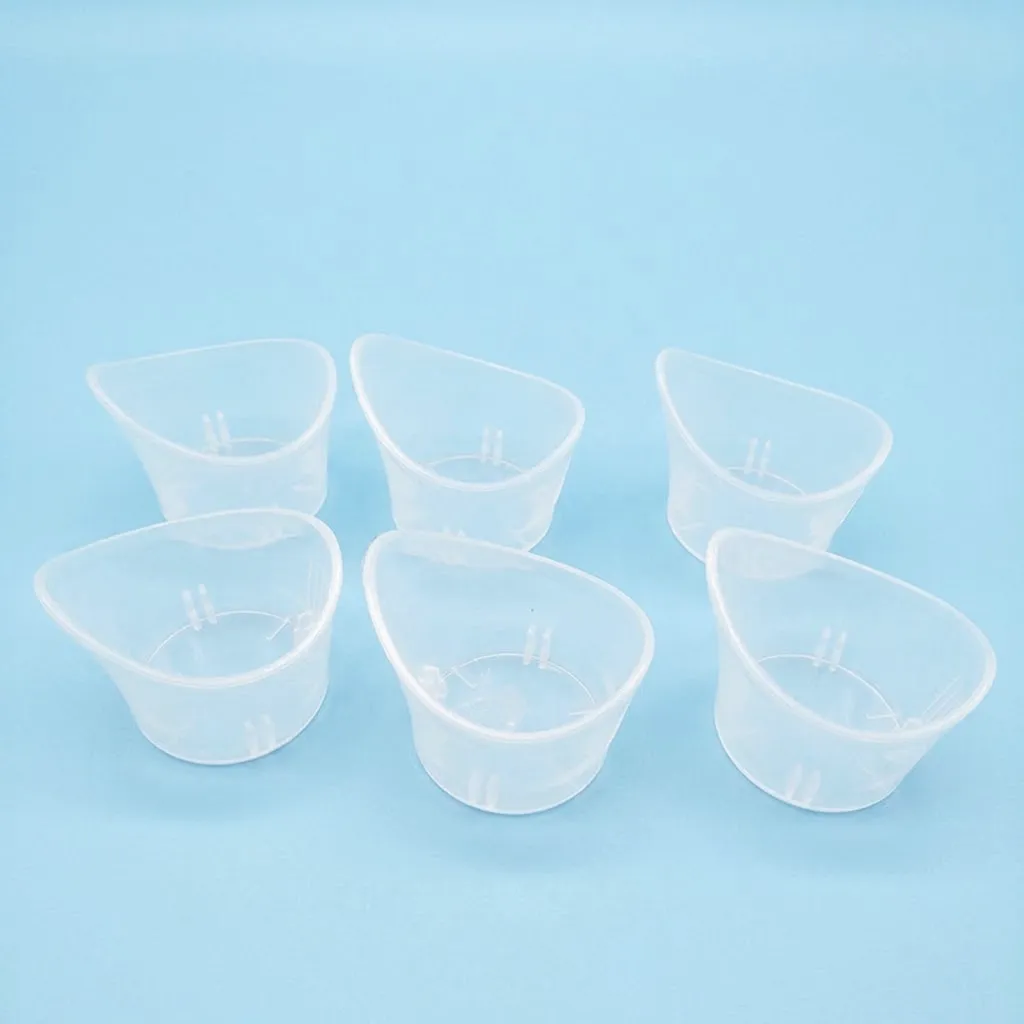
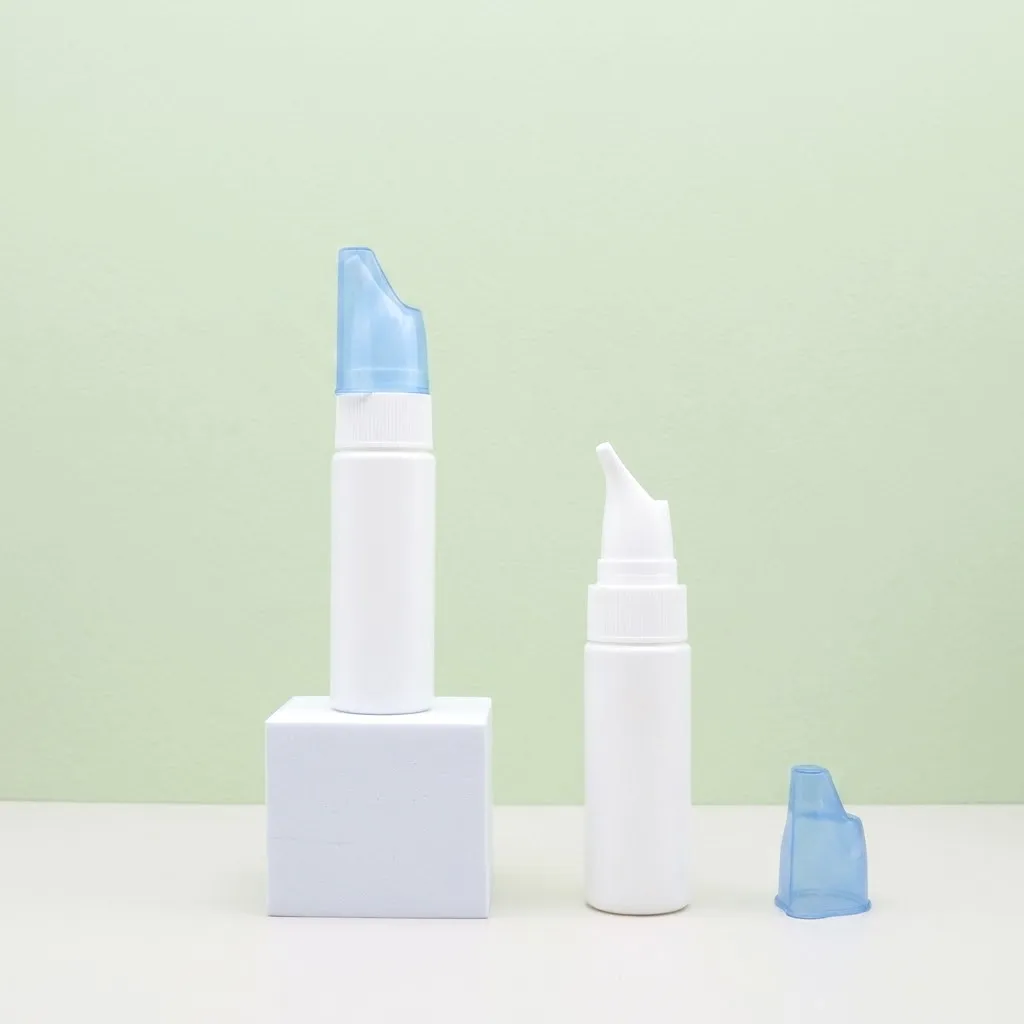
Flexible low-density grades are used for squeezable dispensing bottles — eye drop containers being the most critical application. The controlled softness of LDPE combined with IBM’s precision neck formation makes it the standard material for ophthalmic and nasal spray packaging across regulated markets including the UK.
Technical Performance Parameter Table
| Parameter | ZQ80 IBM Machine | ZQ110 IBM Machine | Unit / Notes |
|---|---|---|---|
| Screw Diameter | 80 | 110 | mm |
| Injection Volume | Up to 380 | Up to 750 | cm³ per shot |
| Clamping Force | 80 | 110 | Tonnes |
| Max Bottle Volume | 500 | 1,000 | ml |
| Plasticising Capacity | ~80 | ~130 | kg/h (HDPE reference) |
| Cycle Time (10 ml vial) | 8 – 12 | 10 – 15 | seconds |
| Neck Finish Tolerance | +-0.05 | +-0.05 | mm (diameter) |
| Heating Zones | 5 | 6 | Independent PID zones |
| Installed Power | ~28 | ~42 | kW (servo-driven) |
| Compatible Resins | HDPE, PP, PET, LDPE | HDPE, PP, PET, LDPE | Application-dependent |
| Control System | PLC + 10-in touch HMI | PLC + 10-in touch HMI | Recipe storage, alarm log |
| Machine Footprint (L x W x H) | 3.8 x 1.6 x 2.1 | 4.5 x 1.8 x 2.3 | metres |
Six Core Technical Advantages of Modern IBM Equipment
🎯
Precision Neck Finish Formation
Because the neck is formed during the injection stage — not the blow stage — dimensional tolerances can be held with a consistency that is impossible to achieve in extrusion blow processes. This makes IBM the preferred technology for dropper-tip vials, pharmaceutical screw-neck bottles and any container where a leakproof seal is a safety-critical requirement.
♨
Zero Flash — No Post-Trim Waste
The closed-cavity injection blow molding process leaves no flash on the container. Material usage is tightly controlled, and there is no requirement for downstream trimming or re-grinding that would introduce contamination risk in pharma or food-contact applications. UK converters report material yield improvements of 4–7% versus equivalent extrusion blow lines when switching to IBM technology.
⚡
Servo-Driven Energy Efficiency
All-electric and servo-hydraulic IBM machines consume energy only during active motion phases. Compared with traditional full-hydraulic designs, servo-driven IBM equipment from Ever Power typically delivers 35–50% energy savings over a 12-month production cycle. For UK manufacturing operations facing elevated energy costs, this efficiency gain often represents a payback period well within 24 months.
🔑
Closed-Cavity Cleanroom Compatibility
The absence of an open parison in the IBM process — unlike in extrusion blow molding — significantly reduces airborne particulate contamination of the container interior. Modern IBM machines can be integrated with laminar-flow housings for ISO 7 or ISO 8 cleanroom installation, a configuration increasingly required by MHRA-licensed pharmaceutical packaging facilities in the UK.
📈
High Cavity Count — Scalable Output
IBM tooling configurations range from 2-cavity to 12-cavity on standard rotary machines, with specialty configurations reaching 18 or more cavities for small-volume vials. For UK contract packaging operations that need to flex output between multiple product lines with short changeover windows, the modular IBM tooling approach — single preform mold, interchangeable blow molds — provides significant scheduling flexibility.
🔭
Consistent Wall Thickness Distribution
IBM’s one-piece preform-to-bottle process eliminates the wall-thickness variability associated with extrusion processes. The preform geometry and core rod taper are engineered to distribute material exactly where mechanical performance demands it — around the base radius, at the shoulder transition and through the sidewall — giving package engineers a predictable structural profile for drop-test qualification under BS EN ISO 15223 and related standards.
Industrial Application Scenarios for Injection Blow Molding Machines
Where IBM technology delivers its strongest competitive advantages across UK industries
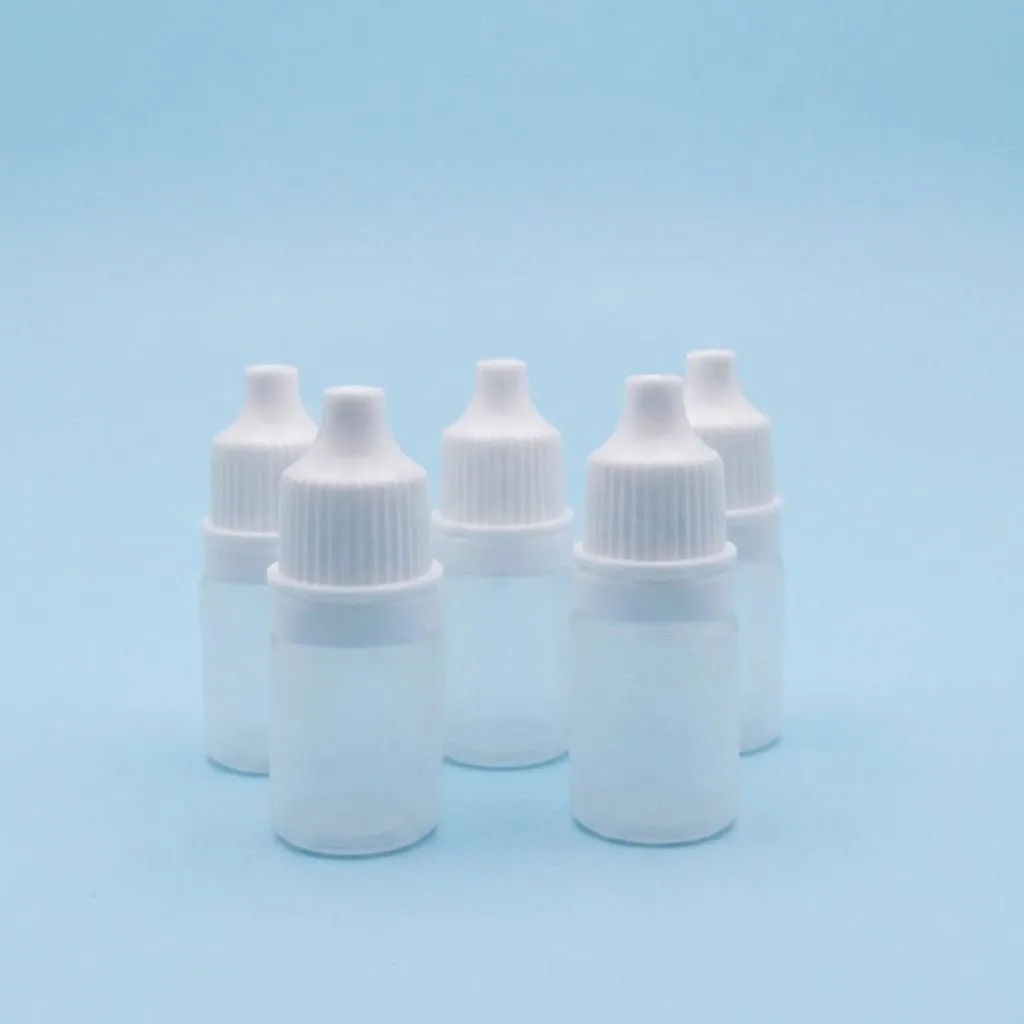 The UK food manufacturing sector — with major production clusters in Yorkshire, Lincolnshire and the East Midlands — is a substantial consumer of injection blow molded containers for condiment, sauce, dressing and edible oil packaging. HDPE and PP IBM bottles from 50 ml to 1-litre capacity are widely used for ketchup, mayonnaise, salad dressing, vinegar, cooking oil and specialty sauce products, particularly in the food service channel where pour-control neck geometries and structural stiffness under repeated handling are functional requirements.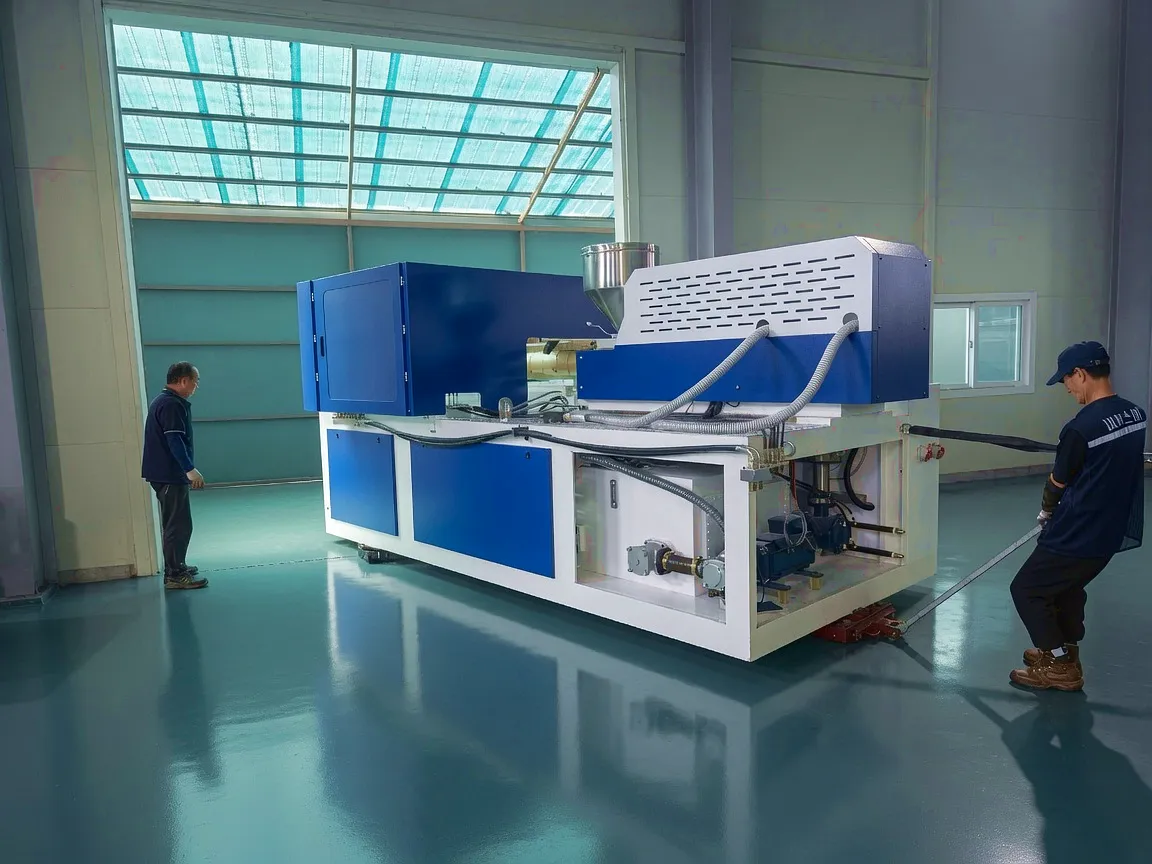
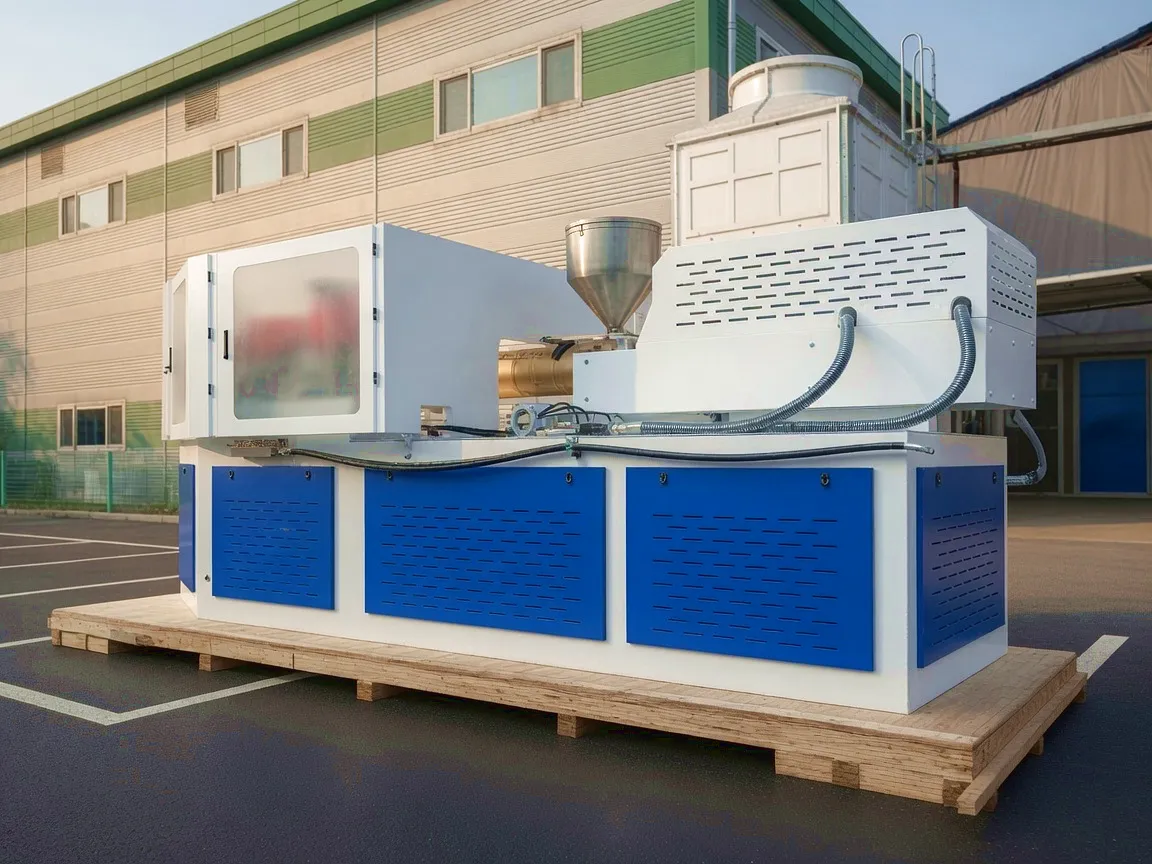
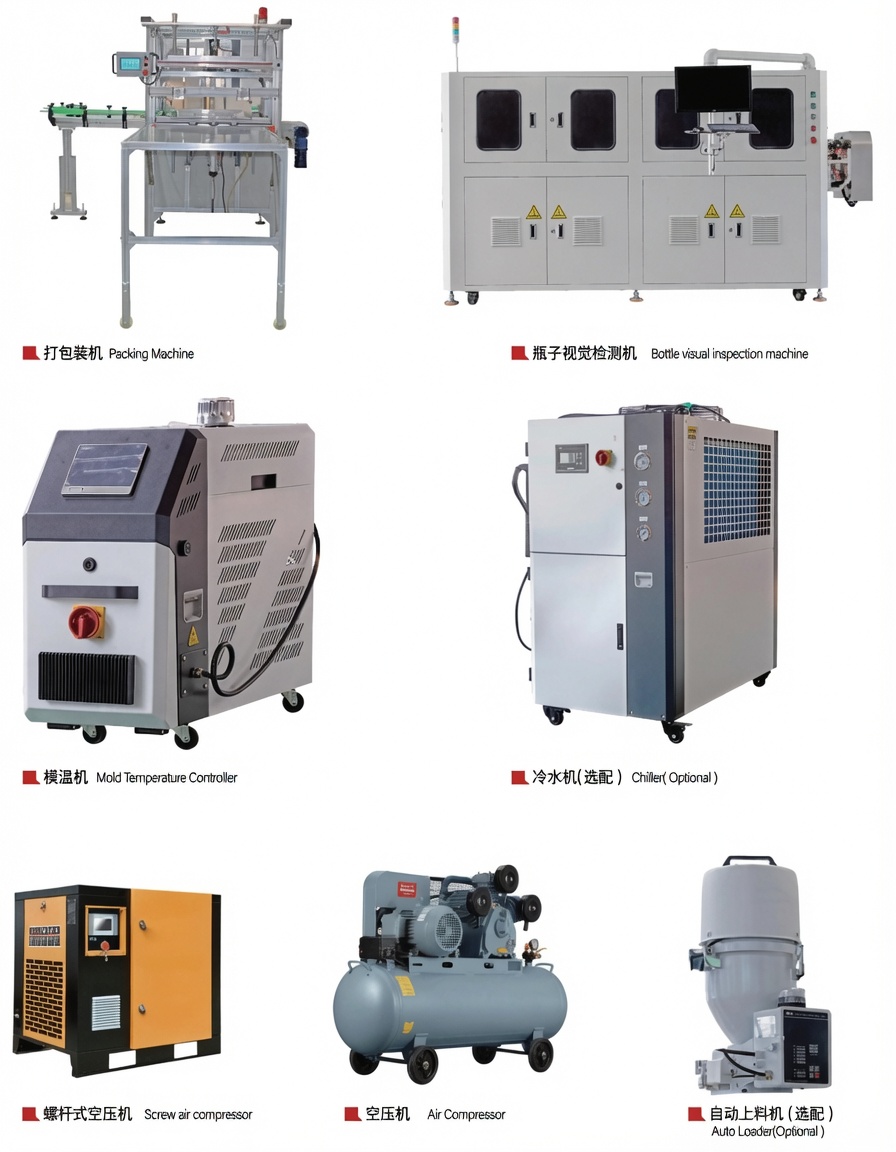
Featured Injection Blow Molding Machine Models
Two flagship machines engineered for European regulatory environments
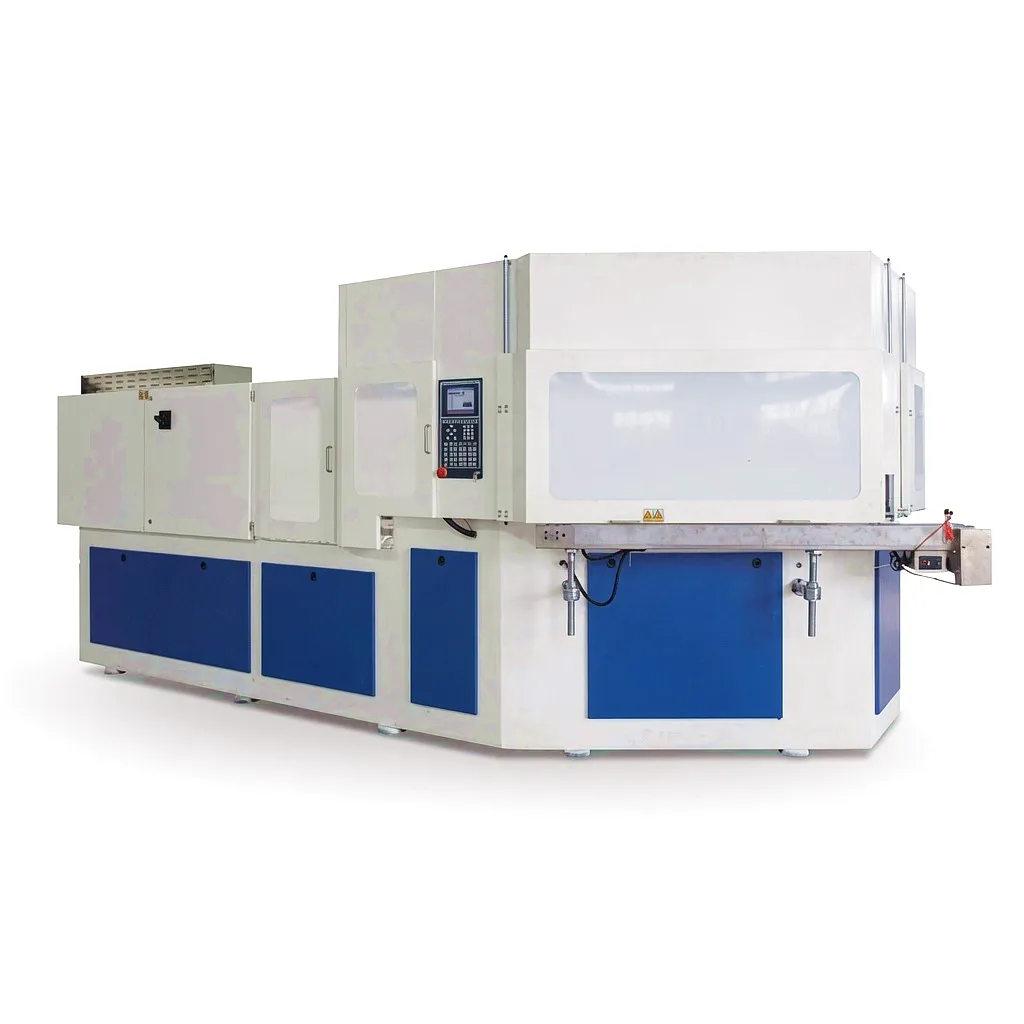
Ever Power — Precision IBM Manufacturing and Custom Engineering
Serving packaging engineers and plant managers across the United Kingdom and Europe
🏗
Full Custom Engineering
Ever Power’s engineering team works directly with UK packaging procurement managers and R&D teams to develop bespoke IBM machine configurations — from non-standard clamping force classes and specialist core rod geometries to custom barrel length-to-diameter ratios for difficult-to-process resins including bioplastics, PEEK and medical-grade LDPE compounds. Every custom project is supported by mold flow simulation and pilot-run validation before commercial delivery.
🔧
Precision Manufacturing Infrastructure
All IBM platens, tie bars, core rod assemblies and clamp mechanism components are machined in-house on CNC turning and machining centres with inspection traceable to national metrology standards. Hydraulic manifolds are assembled and pressure-tested at rated system pressure plus 50% overload. Servo drive calibration is performed on an automated dynamometer test bench before final machine assembly, ensuring that every unit shipped to UK customers arrives with documented performance verification.
🚚
UK Supply Chain and After-Sales Support
Ever Power maintains a parts distribution warehouse with fast-dispatch capability for consumable and wear items — barrel liners, screw flights, check rings, seal kits and core rod guide bushings — with export documentation prepared for UK customs clearance. Remote diagnostic support is available through Ethernet-connected HMI logging, enabling Ever Power technical specialists to review machine alarm histories and parameter trends for UK-based customers without requiring an on-site visit for routine diagnostic queries.
Sheffield Contract Packaging Converts Pharmaceutical Vial Line with Ever Power ZQ80
South Yorkshire / Pharmaceutical Packaging / 2024 Case Study
A Sheffield-based contract pharmaceutical packaging specialist with three production shifts serving NHS supply chain customers approached Ever Power after repeated quality failures on their existing extrusion blow line. The customer was producing HDPE dropper bottles for an ophthalmic product range — 5 ml and 10 ml volumes — and was experiencing neck-finish out-of-tolerance rates of 3.2% on the threading dimension, resulting in leakage claims from the filling house and delays in batch release that were disrupting supply to NHS dispensaries across Yorkshire and the Humber.
Ever Power’s application engineering team conducted a two-day on-site process audit in Sheffield, reviewing the existing mold tooling dimensions, resin lot traceability and barrel temperature profiles. The recommendation was a transition to an IBM process on the ZQ80 platform, with a custom 8-cavity preform and blow mold set designed to the customer’s existing bottle drawing — enabling the customer to retain their qualified container design without initiating a new pharmaceutical packaging change control process.
Following installation and a 10-day production qualification run, the Sheffield facility achieved a neck-finish rejection rate below 0.08% — a 40-times improvement over the previous extrusion blow line. Throughput on the 5 ml bottle increased from 6,200 units per hour to 9,400 units per hour due to the faster cycle time of the IBM process at equivalent part quality. The energy consumption per thousand bottles produced decreased by 38% owing to the ZQ80’s servo-hydraulic drive architecture. Within eight months of commercial production, the customer had recovered the capital investment through reduced rejects, lower energy bills and the ability to take on additional pharmaceutical container contracts that had previously been beyond their quality capability.
★★★★★
“The neck finish accuracy of the ZQ80 is a level above anything we ran on our previous extrusion blow line. We went from monthly closure-leak complaints to zero in the first quarter after switchover. The pharmaceutical team signed off the change control in six weeks — that kind of process consistency makes the paperwork straightforward.”
Production Manager — Contract Pharma Packaging, Sheffield
★★★★★
“Ever Power’s custom engineering on the 8-cavity tooling was genuinely impressive. They took our existing bottle drawing, ran the mold flow and came back with a preform design that distributed wall thickness exactly where our drop test required it. The qualification process was faster than I expected for a pharmaceutical primary packaging change.”
Technical Director — Ophthalmic Packaging Specialist, South Yorkshire
★★★★★
“The energy saving figures in the proposal looked optimistic to me — 38% seemed like a marketing number. Twelve months in, we are sitting at 41% energy reduction per thousand units versus the old line. The servo drive on the ZQ80 just does not waste power when the machine is idle between cycles. For our energy cost environment in the UK right now, that saving matters considerably.”
Operations Director — Packaging Manufacturer, Sheffield
Frequently Asked Questions — Injection Blow Molding Machines for UK Manufacturers
✖
How much does an injection blow molding machine cost in the UK, and what budget should a packaging manufacturer set aside for a complete IBM production line?
The ex-works price of an IBM machine in the range of the ZQ80 typically falls between £85,000 and £130,000 depending on cavity count, control specification and any bespoke engineering requirements. For a complete production line — including hopper dryer, chilled water unit, conveyor and mold set — UK buyers should budget in the range of £130,000 to £220,000. Import duties, freight and installation should be costed separately. For accurate pricing specific to your bottle design and production volume requirements, contacting Ever Power directly at [email protected] is the most efficient route to a detailed quotation.
✖
Which plastic resins can be processed on an IBM machine, and is it possible to run pharmaceutical-grade LDPE for eye drop bottle production in the UK?
IBM machines are compatible with HDPE, PP, PET and LDPE as standard resin groups. Pharmaceutical-grade LDPE — including USP Type II and Type IV compliant grades from suppliers such as LyondellBasell and SABIC — can be processed on IBM equipment with appropriate screw geometry, temperature profile and back-pressure settings. Ever Power configures its ZQ80 and ZQ110 machines with compression ratio and mixing zone options suited to LDPE processing for ophthalmic and nasal spray container production.
✖
Where can I find a reliable injection blow molding machine supplier in the UK who offers technical support and spare parts availability without long lead times?
Ever Power operates with a dedicated UK after-sales support structure. Consumable and wear parts — including barrel liners, screw tips, check rings, seal kits and core rod assemblies — are stocked for fast international dispatch with UK customs documentation pre-prepared. Remote diagnostics are available via the machine’s Ethernet-connected HMI. For engineering visit support, Ever Power coordinates with UK-based commissioning partners in the Midlands and the Southeast.
✖
What is the typical lead time when ordering a custom injection blow molding machine from a Chinese manufacturer to a Birmingham or Sheffield packaging facility?
Standard-specification IBM machines typically carry a manufacturing lead time of 60 to 90 days from order confirmation. Machines with significant custom engineering — specialist clamping configurations, non-standard injection units or bespoke electrical panel specifications for UK 50 Hz three-phase power — may require 100 to 130 days. Sea freight from Chinese ports to Felixstowe or Southampton typically adds 28 to 35 days. Buyers in Birmingham or Sheffield should plan for a total delivery timeline of 90 to 160 days from order to installation-ready, depending on specification complexity and shipping schedule alignment.
✖
How does an injection blow molding machine compare to an extrusion blow molding machine for producing pharmaceutical containers, and which process gives better neck-finish accuracy?
IBM consistently delivers superior neck-finish accuracy because the thread and sealing surface are formed in the injection stage under controlled mold cavity conditions — not blown into shape. Extrusion blow molding forms the neck during the blow stage, where parison thickness variability and pinch-off position tolerances introduce dimensional scatter that IBM avoids entirely. For pharmaceutical containers where container closure integrity is a regulatory requirement — as it is for liquid medicines, eye drops and nasal sprays regulated under UK MHRA licensing — IBM is the technically preferred and most widely adopted process.
✖
Who should I contact to get a price quote for an Ever Power injection blow molding machine configured for ophthalmic dropper bottle production at a UK packaging plant?
Contact the Ever Power IBM sales and application engineering team directly at [email protected]. Prepare to share your target bottle drawing or specification (volume, neck finish standard, resin grade, required output in units per hour and annual volume), and the team will configure a machine recommendation and quotation typically within 3 to 5 business days.
Ready to Specify Your IBM Line?
Talk to an Ever Power Application Engineer Today
Whether you are specifying a first IBM line for a new product, upgrading an ageing blow molding installation or need a custom configuration for a specialist pharmaceutical or medical packaging application, Ever Power’s team has the technical depth to help you make the right machine choice.
edit by gzl